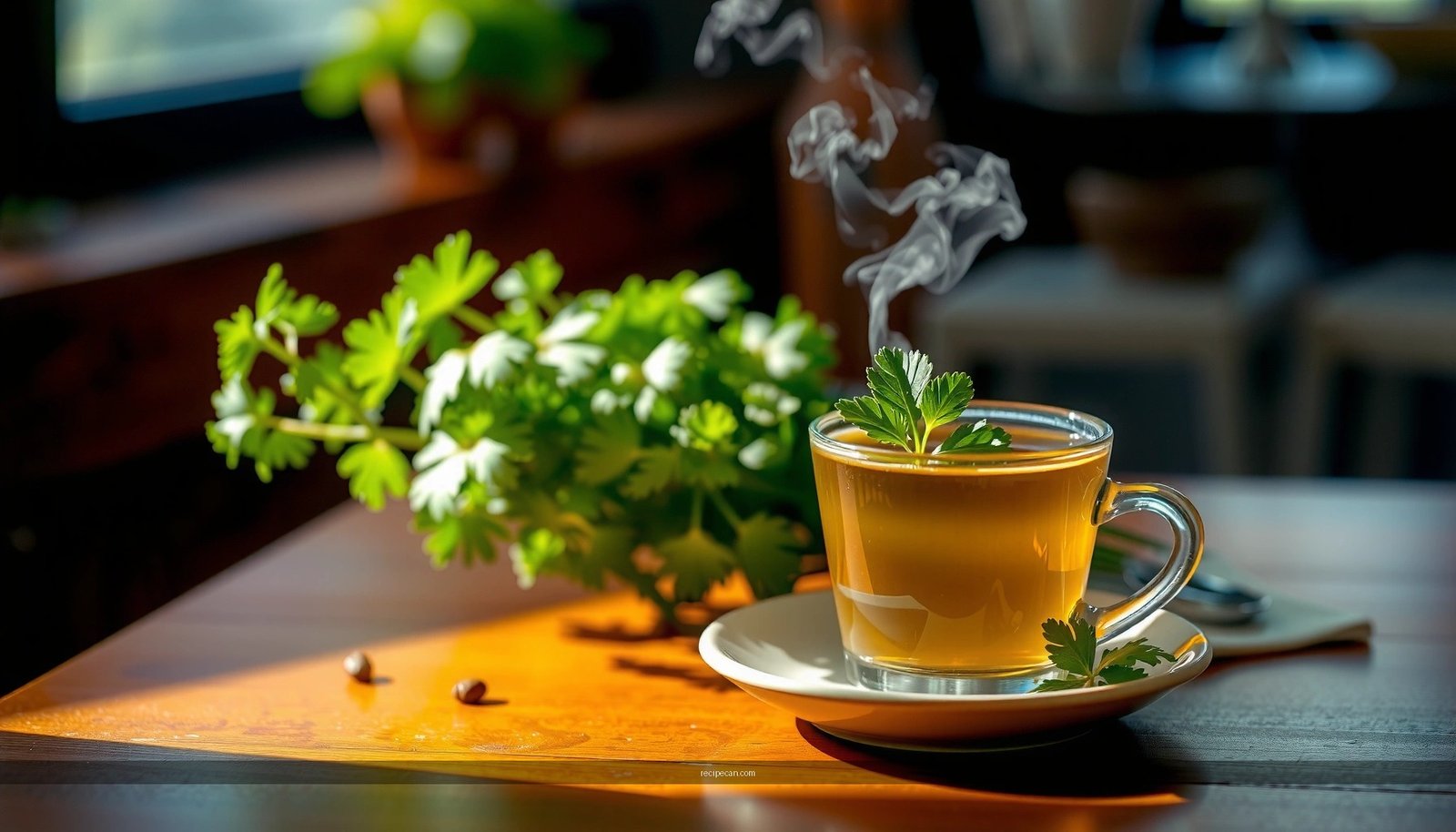
Want a parsley tea recipe that actually works? This guide delivers a clear, step-by-step method for making parsley tea at home—so you can brew it quickly and get consistent flavor and benefits every time. You’ll learn the right amount of parsley, the best steeping time, and how to serve it based on your goal.
Parsley tea is an easy, customizable herbal drink you can make at home by steeping fresh or dried parsley in hot water, then straining and adjusting to taste. This guide gives you exact amounts, a reliable steeping time, and practical variations (like lemon, honey, and ginger) so your parsley tea tastes light, clean, and consistently delicious.
Ingredients for Parsley Tea Recipe
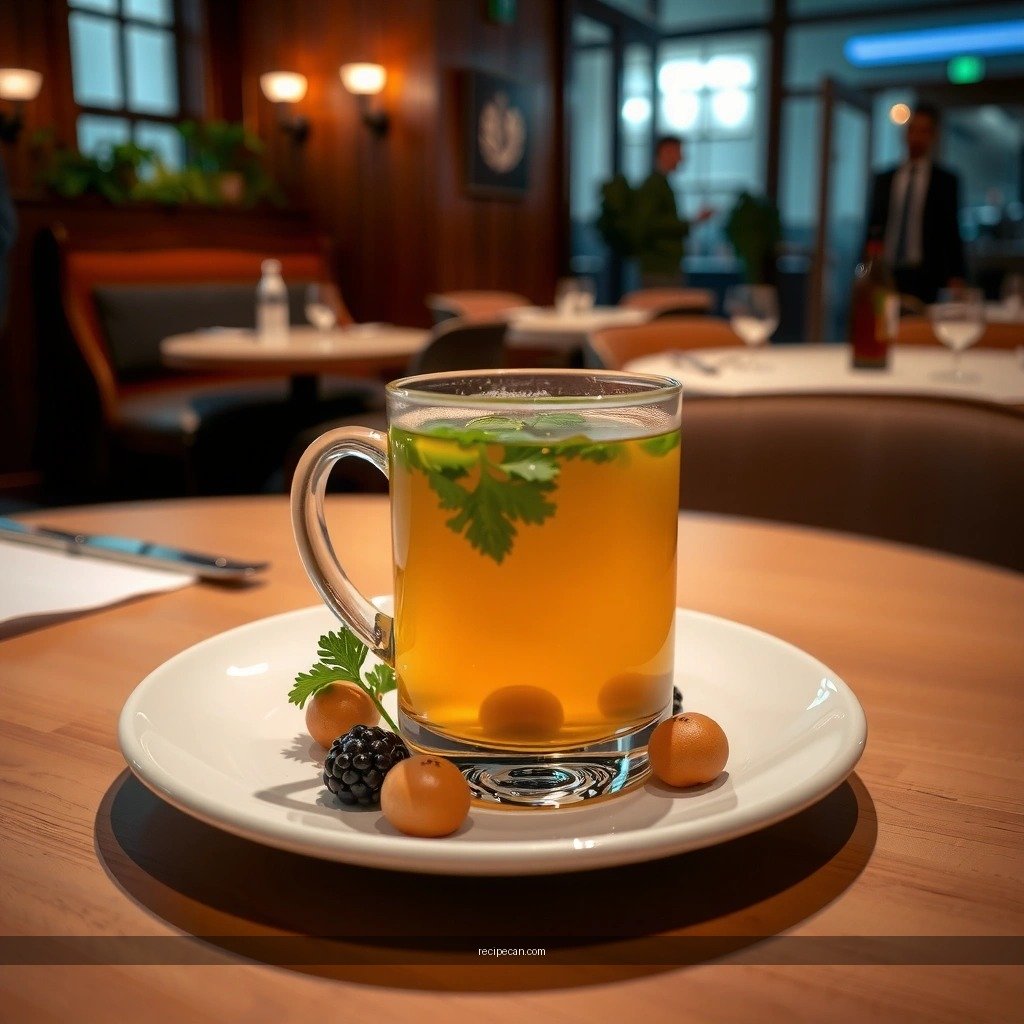
Parsley tea is built on simple, pantry-friendly ingredients, with the main variable being whether you use fresh or dried parsley. The goal is to extract a gentle herbal flavor without making the cup bitter or overly strong—especially if you’re using tougher stems or large amounts of dried leaf.
Core ingredients (choose one):
– Fresh parsley leaves (lightly chopped) — best for a bright, herbaceous profile
– Dried parsley — convenient and effective, with a more concentrated flavor per teaspoon
Optional add-ins (recommended for flavor balance):
– Lemon slices or lemon juice (adds brightness and helps balance any earthy notes)
– Honey (rounds out the flavor and makes the tea more soothing)
– Ginger (adds warmth and a gentle zing)
– (Optional) Garlic-free spices like cinnamon (for a warmer, dessert-like herbal cup)
Quick reference: amounts that work
Use these as your starting points for 1 mug (about 8–10 oz / 240–300 ml):
– Fresh parsley: ~1 tablespoon chopped (leaves only, lightly chopped)
– Dried parsley: ~1 teaspoon
– Water: 1 cup (8–10 oz / 240–300 ml)
Tools and Prep Steps
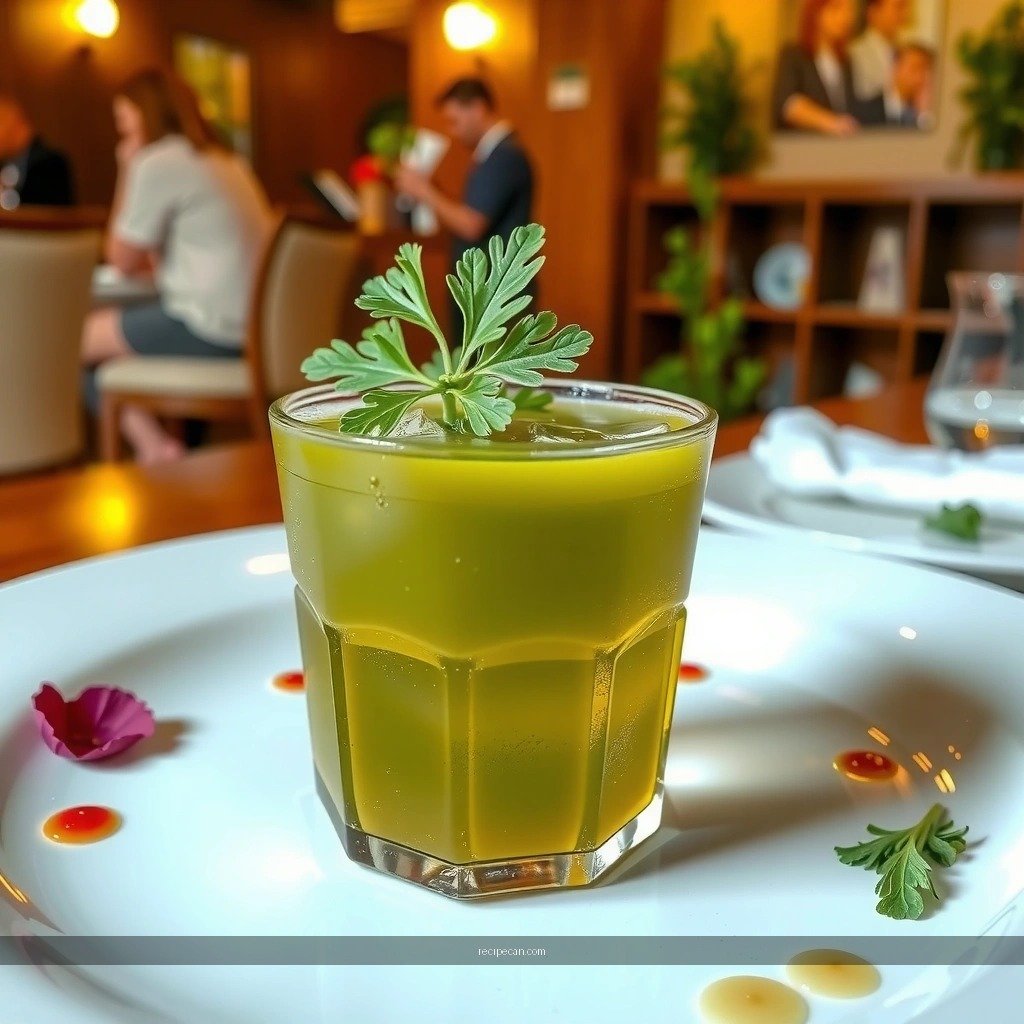
You don’t need specialized equipment—just basic kitchen tools and careful preparation so the tea tastes fresh rather than “green” or grassy.
Tools
– Kettle or saucepan (to heat water)
– Mug
– Fine strainer or tea strainer
– Cutting board and knife (if using fresh parsley)
Prep steps
1. If using fresh parsley: rinse thoroughly under cool running water to remove grit, then chop lightly.
– Tip: remove the thickest stems if you want a smoother cup.
2. If using dried parsley: measure the dried herb and add directly to the mug or infuser.
3. Heat the water to the right point: aim for hot but not boiling water (roughly 90–95°C / 194–203°F)—this helps preserve a clean herbal flavor.
How to Make Parsley Tea (Step-by-Step)

This method is designed for consistent results—whether you’re brewing in a mug or simmering lightly on the stove.
Step-by-step (mug method)
1. Add 1 cup hot water to your mug.
2. Add 1 tablespoon chopped fresh parsley *or* 1 teaspoon dried parsley.
3. Steep for the recommended time (see next section for exact steeping ranges).
4. Strain into a clean cup (especially if using fresh leaves).
5. Taste and adjust:
– Too mild? Steep longer or add a small pinch more parsley next time.
– Too strong or earthy? Use slightly less parsley or steep for less time next batch.
Step-by-step (stovetop option for deeper flavor)
1. Bring water to hot (not a hard boil).
2. Add parsley and keep the heat low so it gently steeps.
3. Stir once, then remove from heat and steep until the target flavor is reached.
4. Strain and serve.
Serving suggestion
– Drink plain first so you can learn the baseline flavor, then experiment with lemon, honey, or ginger after you’ve nailed your preferred strength.
Best Steeping Time and Flavor Tips
Steeping time is the main lever for controlling parsley tea strength. Short steeping keeps the flavor light and fresh, while longer steeping increases herbal intensity and can edge toward bitterness if you overdo it.
Recommended steeping ranges (practical and repeatable)
Use these guidelines for 1 cup / 240–300 ml:
– Mild & light: 3–5 minutes
– Balanced herbal: 6–8 minutes
– Strong & earthy: 9–12 minutes (use caution—especially with dried parsley)
Flavor tips that improve every cup
– Keep the water temperature consistent. Over-boiling can make some herbal drinks taste harsher.
– Avoid over-chopping stems. Tiny stem pieces extract more “grassiness,” particularly with fresh parsley.
– Adjust strength by steep time first. It’s easier to fine-tune flavor than changing ingredient ratios each time.
– If using dried parsley, start with the shorter end of the range. Dried herbs release flavor faster and can concentrate quickly.
Parsley Tea Strength Guide by Steeping Time (1 cup)
| # | Steep Time | Flavor Profile | Typical Use | Taste Rating |
|---|---|---|---|---|
| 1 | 3 minutes | Very light, grassy-fresh | First-timers, plain sipping | ★★★☆☆ |
| 2 | 5 minutes | Light, balanced herbal | Daily cup target | ★★★★☆ |
| 3 | 7 minutes | Classic parsley tea, gentle depth | With lemon or honey | ★★★★★ |
| 4 | 9 minutes | Stronger, earthier finish | Stove-steep or dried herbs | ★★★★☆ |
| 5 | 11 minutes | Very robust herbal presence | Only if you like earthy notes | ★★★☆☆ |
| 6 | 12 minutes | Can taste slightly bitter/harsh | Use sparingly | ★★☆☆☆ |
| 7 | 10 minutes | Near-peak strength for most palates | Best for dried parsley | ★★★★☆ |
Variations of Parsley Tea
Once you understand the baseline flavor, parsley tea becomes a flexible “herbal blank canvas.” Here are dependable variations that improve taste without complicating the process.
Lemon parsley tea (bright, clean, refreshing)
– Add 2–3 thin lemon slices or 1–2 teaspoons lemon juice after steeping.
– If you prefer a hotter cup, you can add lemon during the last 1 minute of steeping, but many people get the freshest aroma when added after straining.
Honey parsley tea (smoother and more approachable)
– Stir in 1 teaspoon honey per cup (adjust to preference).
– Honey pairs well with balanced steeping (6–8 minutes), where the herbal flavor is present but not overpowering.
Ginger parsley tea (warm, zesty, energizing)
– Add 3–5 thin slices of fresh ginger during steeping.
– Use a 5–7 minute steep to prevent ginger from dominating the cup.
– Optional: squeeze in a small amount of lemon to amplify the “warm herbal” profile.
Cinnamon parsley tea (comfort-style herbal blend)
– Add a small cinnamon stick or a pinch of cinnamon during steeping.
– Start with 3–5 minutes for a gentle aromatic effect.
Best practice for variations: keep parsley amounts the same and adjust only one add-in at a time. This makes it easier to learn which flavor combinations you actually prefer.
Storage and Safety Notes
Parsley tea is best when consumed soon after brewing, but you can store it briefly if needed. The key safety principle is moderation and awareness of personal health factors.
Storage guidance
– Best quality: drink fresh (flavor remains brighter).
– Refrigerate leftovers: cool quickly, then store in a sealed container in the fridge for up to 24 hours.
– Reheat gently: warm in the microwave or on the stove at low heat—avoid boiling, which can dull flavor.
Safety and medical considerations
Herbal teas can interact with individuals differently depending on health status and medications. To use parsley tea responsibly:
– Avoid excess consumption if you are under medical guidance.
– If you are pregnant, nursing, or managing a chronic condition, consult a healthcare professional before making parsley tea a routine.
– If you take medications (especially those related to blood pressure, blood thinning, or hormonal health), check with a clinician—herbs can sometimes affect outcomes.
Practical “serving plan” for most people
– Start with one cup and evaluate taste and tolerance.
– If you want a second cup, keep it consistent with your preferred steeping range rather than “doubling strength.”
Parsley tea is easy to make: steep parsley in hot water, strain, and customize the flavor to your preference. Follow the steps above for a consistent cup every time, then try one variation (like lemon or ginger) to find your favorite blend—save the recipe and make your next cup today.
Frequently Asked Questions
What is the best parsley tea recipe for beginners?
A simple parsley tea recipe is to steep 1–2 teaspoons of chopped fresh parsley (or 1 teaspoon dried) in 1 cup of hot water for 5–10 minutes. Strain and drink it warm, optionally adding lemon or honey for taste. Start with one cup per day to see how your body responds, especially if you’re new to herbal tea.
How do you make parsley tea from fresh vs. dried parsley?
For fresh parsley tea, use 1–2 teaspoons chopped leaves per cup and steep in hot water for 5–10 minutes, then strain. For dried parsley, use about 1 teaspoon per cup because dried herbs are more concentrated. Both methods work well, but fresh parsley often tastes milder while dried parsley can be stronger and more herbal.
Why does parsley tea help with bloating or water retention, and how should you take it?
Parsley tea is commonly used as a natural diuretic, which may help support temporary relief from bloating or excess fluid retention. For many people, a reasonable approach is to drink 1 cup in the morning and avoid late-day use since it can increase urination. If you have kidney issues, take diuretics, or are pregnant, check with a healthcare professional before using parsley tea regularly.
Which parsley tea recipe is best for flavor—lemon, honey, or ginger?
Lemon pairs well with parsley tea because its brightness balances the slightly grassy taste, while honey can make the drink more palatable. Ginger is another popular add-in if you want a warmer, spicier flavor and potentially extra digestive comfort. For the best results, add your choice after steeping (or steep ginger briefly with the parsley) and adjust sweetness to taste.
How long should you steep parsley tea, and how much should you drink per day?
Steep parsley tea for about 5–10 minutes to extract enough flavor and beneficial compounds without becoming too strong. Most people start with 1 cup per day; if you tolerate it well, some use 1–2 cups, but avoid overdoing it. Since parsley contains active plant compounds, it’s wise to keep servings moderate and stop if you experience side effects like stomach upset.
References
- Parsley
https://en.wikipedia.org/wiki/Parsley - Herbal tea
https://en.wikipedia.org/wiki/Herbal_tea - Parsley | Description, Uses, & Facts | Britannica
https://www.britannica.com/plant/parsley - https://www.nccih.nih.gov/health/herbal-teas-what-you-need-to-know
https://www.nccih.nih.gov/health/herbal-teas-what-you-need-to-know - https://pubmed.ncbi.nlm.nih.gov/?term=parsley+tea
https://pubmed.ncbi.nlm.nih.gov/?term=parsley+tea - https://pubmed.ncbi.nlm.nih.gov/?term=Petroselinum+crispum+infusion
https://pubmed.ncbi.nlm.nih.gov/?term=Petroselinum+crispum+infusion - https://pubmed.ncbi.nlm.nih.gov/?term=Petroselinum+crispum+safety
https://pubmed.ncbi.nlm.nih.gov/?term=Petroselinum+crispum+safety - Google Scholar Google Scholar
https://scholar.google.com/scholar?q=parsley+tea+recipe - Google Scholar Google Scholar
https://scholar.google.com/scholar?q=Petroselinum+crispum+infusion+preparation - Google Scholar Google Scholar
https://scholar.google.com/scholar?q=parsley+tea+health+effects