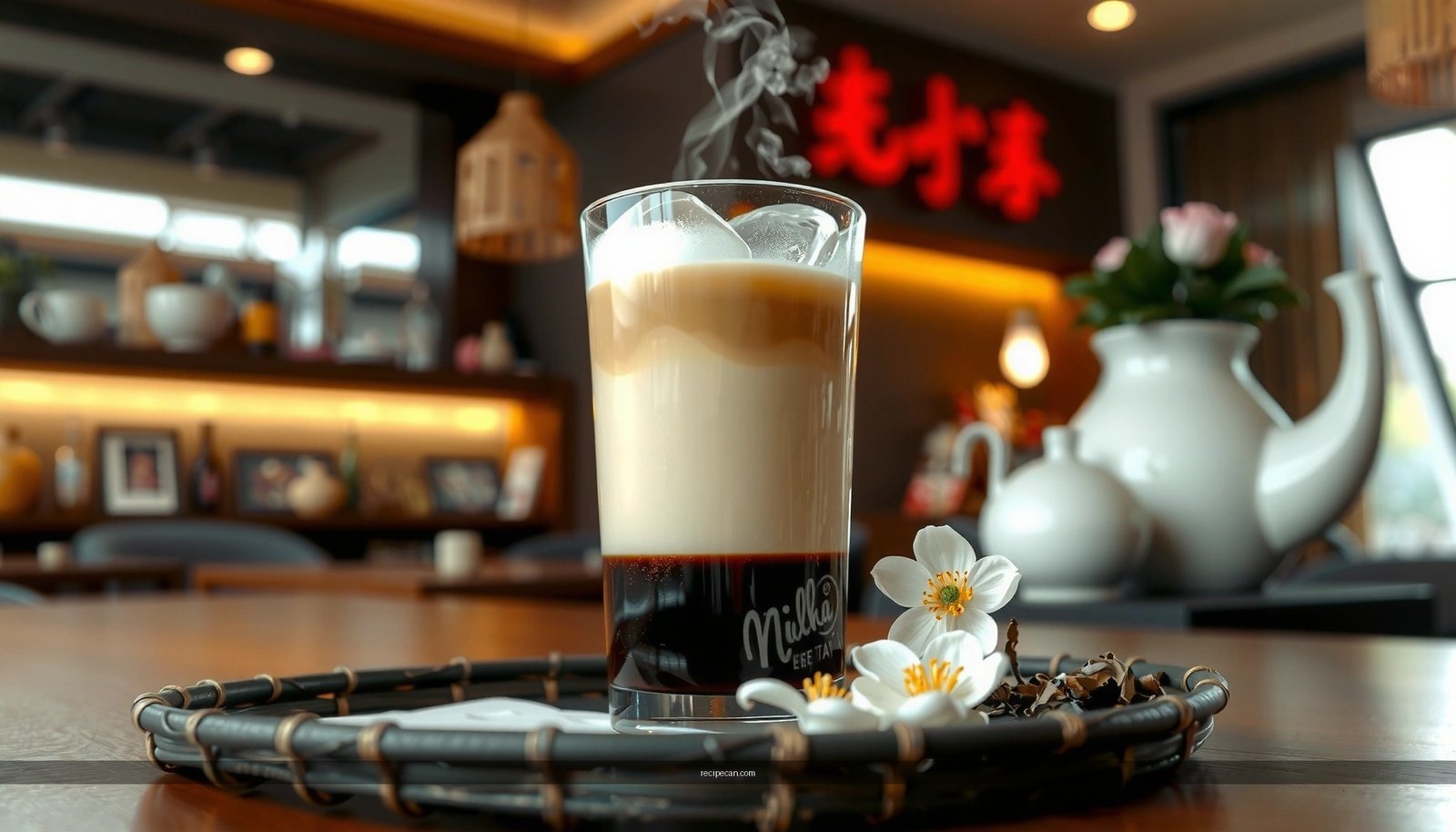
Looking for a jasmine milk tea recipe that tastes creamy and floral without being complicated? This recipe delivers the clear winner: silky jasmine tea meets rich milk for a smooth, lightly fragrant cup you can make at home fast. You’ll get step-by-step instructions for brewing the tea, mixing the milk, and nailing the flavor balance every time.
Jasmine milk tea is best when you steep fragrant jasmine tea until it smells clearly floral, then blend it with sweetened milk for a silky, café-style drink—often finishing with chewy tapioca if you want that classic bubble-tea texture. This recipe walks you through the exact brewing, sweetening, and assembly steps (including optional toppings) so you can reliably reproduce a creamy jasmine milk tea at home.
Choose Your Tea and Milk
Choosing the right tea and milk is the foundation of a high-quality jasmine milk tea. If the tea isn’t fragrant, no amount of sweetness or creaminess will fully “fix” the flavor—jasmine is delicate and depends on careful handling.
1) Pick high-quality jasmine tea
– Loose leaf jasmine tea is often the most aromatic because the buds/leaves retain more fragrance.
– Tea bags can work well and are convenient, but choose reputable brands with a clear jasmine aroma (avoid very generic “scented” blends).
– Look for labels that specify jasmine-scented (often jasmine-flower layered multiple times) rather than simply “flavored.”
How to think about flavor strength
– Loose leaf usually delivers a more nuanced floral note.
– If you use tea bags, you may need a slightly longer steep or higher tea concentration to get the same jasmine presence.
2) Select milk for the right creaminess
For creamy jasmine milk tea, milk needs two qualities: body and neutral flavor.
– Dairy options: whole milk, condensed milk-based blends, or evaporated milk for extra richness.
– Non-dairy options: oat milk (creaminess and mild taste), soy milk (more protein and body), or creamy coconut milk (more distinct flavor—best if you like a tropical edge).
Business-style decision rule:
If you want a “clean café floral” profile, choose whole milk or oat milk. If you want “dessert jasmine milk tea,” choose condensed milk or a higher-fat milk blend.
Jasmine Tea Brewing Strength Targets for Consistent Milk Tea (1 Cup / 240 ml)
| # | Tea Type | Tea Amount | Steep Temp | Steep Time | Expected Result |
|---|---|---|---|---|---|
| 1 | Jasmine green tea (loose leaf) | 2.0 g | 70°C | 3 min | Floral + light, ideal for oat milk |
| 2 | Jasmine green tea (bag) | 1 bag | 75°C | 3–4 min | Reliable aroma, mild tannins |
| 3 | Jasmine oolong (loose leaf) | 2.5 g | 85°C | 4 min | Floral depth, smoother body |
| 4 | Jasmine black tea (loose leaf) | 2.0 g | 90–95°C | 2.5–3 min | More robust aroma, works well with condensed milk |
| 5 | Jasmine black tea (bag) | 1–2 bags | 95°C | 3 min | Strong tea base without overpowering florals |
| 6 | Jasmine tea concentrate (high fragrance blend) | 1.5 g | 80°C | 3 min | Very aromatic base; less tea bitterness |
| 7 | Aromatic jasmine “light scent” blend | 2.5 g | 80°C | 4 min | May taste faint unless you increase tea mass |
Brew the Jasmine Tea
To make creamy jasmine milk tea, you must brew the tea correctly—because the tea base determines both aroma and any bitterness you’ll taste later.
Steeping temperature and time
– Green jasmine tea: typically steep around 70–75°C for 2.5–4 minutes. Hotter water or longer steeping can mute florals and increase grassy notes.
– Oolong jasmine: 80–85°C for 3–5 minutes.
– Black jasmine: 90–95°C for 2–3 minutes to avoid harshness.
Why bitterness happens
Bitterness in jasmine milk tea usually comes from over-extraction—tannins and harsher compounds rise as steeping goes too long or water runs too hot.
Strain well for a clean base
– Use a fine strainer if brewing loose leaf.
– If you steep in a pot, avoid leaving leaves in the water past the steep time.
– A clean tea base tastes “brighter” and pairs better with sweetened milk.
Operational tip (repeatable results):
Brew enough tea to match your milk-to-tea plan (for example, 120 ml tea + 120 ml milk for a 240 ml drink). When you keep proportions consistent, your jasmine milk tea sweetness and floral intensity are much easier to control.
Sweeten the Milk Base
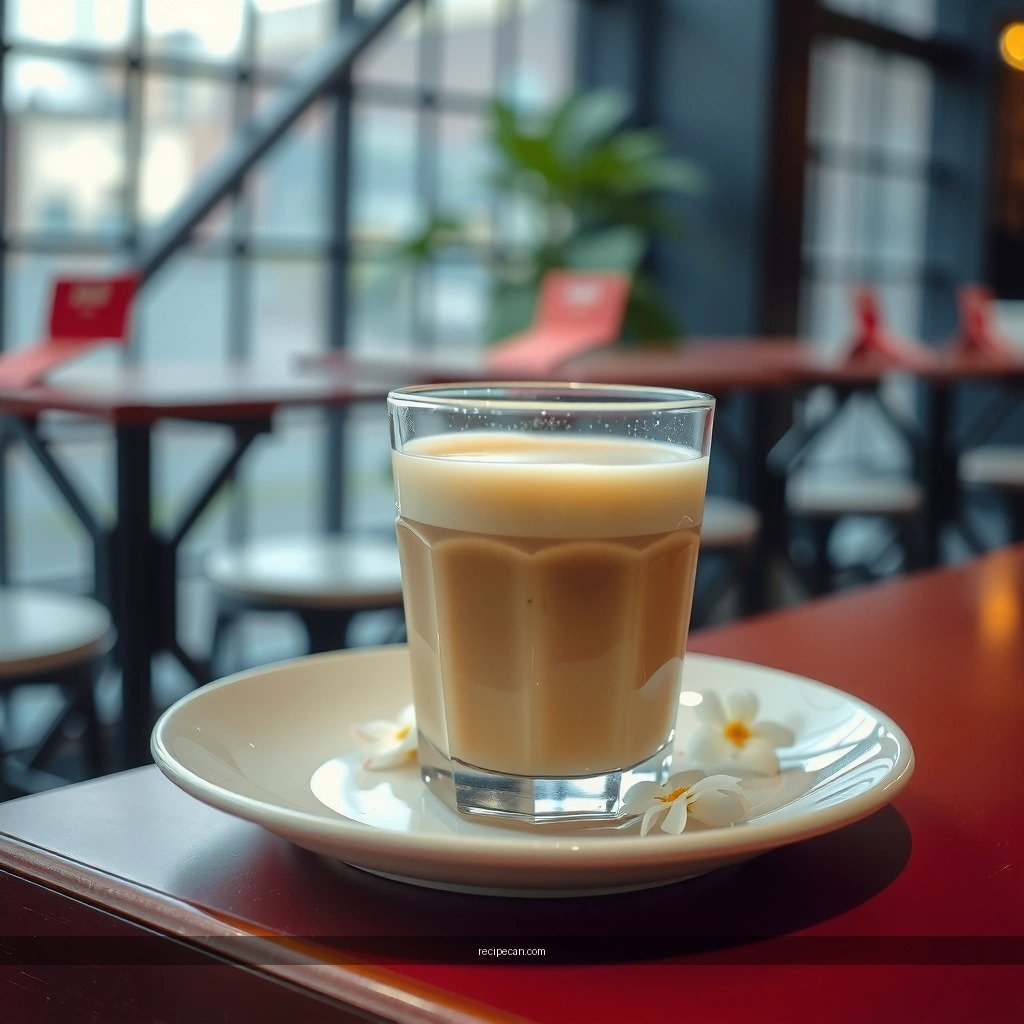
Sweetening is where you lock in the café-style profile. The goal is to sweeten the milk base evenly without dulling the jasmine aroma.
Choose a sweetener that dissolves well
– Simple syrup (water + sugar) dissolves instantly and gives precise sweetness control—ideal for consistency.
– Honey adds floral sweetness but can slightly change jasmine notes (often pleasant).
– Condensed milk delivers rich creaminess and a “dessert” flavor; it can reduce the need for extra milk fat.
Mix milk and tea while warm
For best integration:
1. Warm the brewed tea (or brew hot and use promptly).
2. Blend/simmer your milk base separately if using condensed milk or syrup.
3. Combine while the tea is still warm so sweetness and tea components mix smoothly.
Balanced sweetness starting point
If you’re unsure, start with one of these:
– Simple syrup: about 1–2 tablespoons per cup (240 ml), adjusted to taste.
– Condensed milk: about 2–3 tablespoons per cup, depending on brand sweetness.
– Honey: 1 tablespoon, then adjust.
Taste like a professional
After mixing, taste once and then again after 3–5 minutes. As the drink cools, the perceived sweetness can change slightly—especially if you add ice.
Add Tapioca or Toppings (Optional)
Optional toppings are where jasmine milk tea becomes “bubble tea” in the true sense. If you add tapioca, your texture needs to be chewy—not chalky.
Cook tapioca pearls the right way
A reliable approach:
– Boil pearls according to package instructions (time matters more than you think).
– When they’re done, simmer briefly or rest so the interior fully cooks.
– Rinse lightly only if needed to prevent excessive sticking.
Avoid chalkiness
Chalky centers usually indicate:
– undercooking,
– or pearls that weren’t rested long enough after boiling.
Best topping partners for jasmine
– Tapioca pearls: classic chew that balances creamy milk.
– Grass jelly or black jelly: adds a slightly bitter-sweet contrast that makes floral notes “pop.”
– Pudding/foam toppings: increase richness without competing heavily with jasmine.
Texture-first strategy
If you want a café-style experience, prioritize:
– chewy pearls (or jelly) + well-blended milk base
before experimenting with additional flavors.
Assemble and Serve
Assembly affects how the drink tastes—especially with ice, toppings, and mixing.
Hot vs. iced
– Hot jasmine milk tea: preserves aroma; it’s a great way to showcase floral fragrance.
– Iced jasmine milk tea: more refreshing; floral notes can soften, so you may steep slightly stronger or add a bit more syrup.
Stir thoroughly
When serving over ice:
– Stir the cup so the sweetened milk base and tea distribute evenly.
– Add tapioca last (so it doesn’t settle as fast).
Adjust after assembly
In practice, sweetness and intensity drift depending on:
– ice volume,
– tea concentration,
– and milk type.
So keep a “final tweak” option:
– add a little syrup if it tastes flat,
– dilute with a splash of milk if it’s too sweet.
Quick Mixing Blueprint (1 cup / ~240 ml)
– 120 ml brewed jasmine tea (hot or warm)
– 120 ml milk (or milk + cream for richer mouthfeel)
– Sweetener to taste
– Optional: 1–3 tablespoons cooked tapioca
Flavor Tweaks and Storage Tips
Once you’ve mastered the baseline jasmine milk tea recipe, you can refine it like a product.
Strength tweaks
– Want stronger jasmine aroma? Increase tea steep time by 30–60 seconds or use slightly higher tea mass—rather than massively increasing steep time all at once.
– Want a lighter cup? Dilute with extra hot water or milk and reduce sweetener slightly.
Cooling and ice strategy
– If making iced drinks in batches, cool the tea quickly (room temp then fridge) to prevent “stale” tea flavor.
– Assemble close to serving time for best texture—especially with tapioca.
Storage guidance (separate components)
For the best quality:
– Store tea base separately from milk/sweetener.
– Store cooked tapioca separately (or reheat gently) rather than mixing and refrigerating; pearls can harden and lose chew.
Food-safety note
If you refrigerate milk tea components, use within 1–2 days for best flavor and quality, and keep everything cold at proper refrigeration temperatures.
Jasmine Milk Tea Flavor Profile Planner (What to Adjust)
| # | Your Goal | Adjust Tea | Adjust Sweetness | Toppings Recommendation | Tuning Rating |
|---|---|---|---|---|---|
| 1 | More floral aroma | Steep +30–60s | Reduce 5–10% | Light tapioca (1–2 tbsp) | ★★★★★ |
| 2 | Smoother, dessert-like body | Keep time; avoid over-steep | Swap to condensed milk | Pudding or foam | ★★★★★ |
| 3 | Less sweetness, same creaminess | Use whole milk ratio | Cut syrup 15–25% | Grass jelly (small amount) | ★★★★☆ |
| 4 | Stronger tea flavor (tea-forward) | Increase tea mass | Keep moderate | Tapioca (2 tbsp) | ★★★★☆ |
| 5 | Fix bitterness | Shorten steep -30s | Avoid extra syrup | Milk-forward ratio | ★★★☆☆ |
| 6 | Iced jasmine tea that still tastes aromatic | Steep +15–30s | Use slightly less ice dilution | Tapioca + optional jelly | ★★★★☆ |
| 7 | Budget-friendly while keeping quality | Use strong tea, not long tea | Simple syrup | Tapioca (pre-cooked) | ★★★★☆ |
Jasmine milk tea is easy to nail: steep fragrant jasmine tea, mix it with sweet milk, and add your favorite toppings if you want that classic chew. Follow the steps above to find your ideal balance of floral aroma and creaminess—then make a batch and tweak sweetness and steep time until it’s perfect for you.
If you want your next cup to taste even more like a café, focus on one variable at a time: perfect the steep (aroma + bitterness control), then dial sweetness, then refine toppings. With that workflow, your jasmine milk tea recipe becomes repeatable—and you’ll know exactly how to adjust whenever your tea brand or milk type changes.
Frequently Asked Questions
How do you make jasmine milk tea at home that tastes like a café?
Steep high-quality jasmine tea leaves (or jasmine tea bags) in hot water for 3–5 minutes, then strain and let the tea cool slightly. In a glass, combine brewed jasmine tea with milk (dairy or oat) and sweeten to taste with sugar or condensed milk. For a café-style texture, use chilled tea, lots of ice, and consider adding a splash of tea concentrate for a stronger flavor.
What is the best jasmine tea to use for milk tea?
Look for “jasmine green tea” or “jasmine pearl tea,” since they provide a fragrant aroma that holds up well when mixed with milk. Green jasmine teas are popular for a fresh, floral profile, while stronger black or roasted teas can give a deeper flavor. If you want consistency, choose a brand that clearly labels tea grade and steeping instructions, and brew according to those guidelines.
How long should you steep jasmine tea for milk tea?
For jasmine green tea, steep for about 3–5 minutes to avoid bitterness while maximizing floral notes. If you prefer a stronger jasmine milk tea, increase tea concentration slightly rather than steeping too long, since over-steeping can taste harsh. Always strain or remove the leaves promptly, then mix with milk after the tea is brewed.
Why does my jasmine milk tea taste bitter or weak, and how can I fix it?
Bitterness usually comes from over-steeping or using water that’s too hot for delicate jasmine tea leaves. Weak flavor often happens when you steep too briefly, use too little tea, or dilute the drink with hot milk instead of chilling after brewing. Try lowering steep temperature, shortening steep time, and using tea concentrate (less water per teaspoon) for a balanced jasmine milk tea.
Which sweetener is best for jasmine milk tea—brown sugar, honey, or condensed milk?
Brown sugar syrup is a common favorite for a caramel-like taste that complements jasmine tea’s floral aroma, especially in iced jasmine milk tea. Honey adds gentle sweetness and floral complexity, but it can be harder to dissolve unless stirred into warm tea first. Condensed milk makes a creamy, rich jasmine milk tea, though it can mask delicate jasmine notes—use it gradually to keep the tea flavor balanced.
References
- Google Scholar Google Scholar
https://scholar.google.com/scholar?q=jasmine+milk+tea+recipe - Google Scholar Google Scholar
https://scholar.google.com/scholar?q=jasmine+tea+brewing+instructions+milk+tea - Google Scholar Google Scholar
https://scholar.google.com/scholar?q=bubble+tea+milk+tea+preparation - Jasmine tea
https://en.wikipedia.org/wiki/Jasmine_tea - Milk tea
https://en.wikipedia.org/wiki/Milk_tea - Bubble tea
https://en.wikipedia.org/wiki/Bubble_tea - Tea
https://en.wikipedia.org/wiki/Tea#Preparation - https://www.britannica.com/topic/tea
https://www.britannica.com/topic/tea - https://www.nccih.nih.gov/health/tea-and-your-health
https://www.nccih.nih.gov/health/tea-and-your-health - https://pubmed.ncbi.nlm.nih.gov/?term=jasmine+tea
https://pubmed.ncbi.nlm.nih.gov/?term=jasmine+tea