Get the best tapioca tea recipe for classic boba at home—clear steps for chewy pearls plus a balanced tea base that actually tastes like the real thing. This guide answers exactly how to cook tapioca pearls to the right texture, then assemble your cup with the right sweetness and flavor. Follow it once and you’ll be serving restaurant-style boba without guesswork.
Make classic boba at home by cooking tapioca pearls until they’re chewy, soaking them in a quick syrup, then building your cup with strong brewed tea over ice or milk. This recipe focuses on the three variables that matter most—pearl texture, balanced sweetness, and a tea base with enough strength to stand up to the pearls.
Choose Your Tea Base
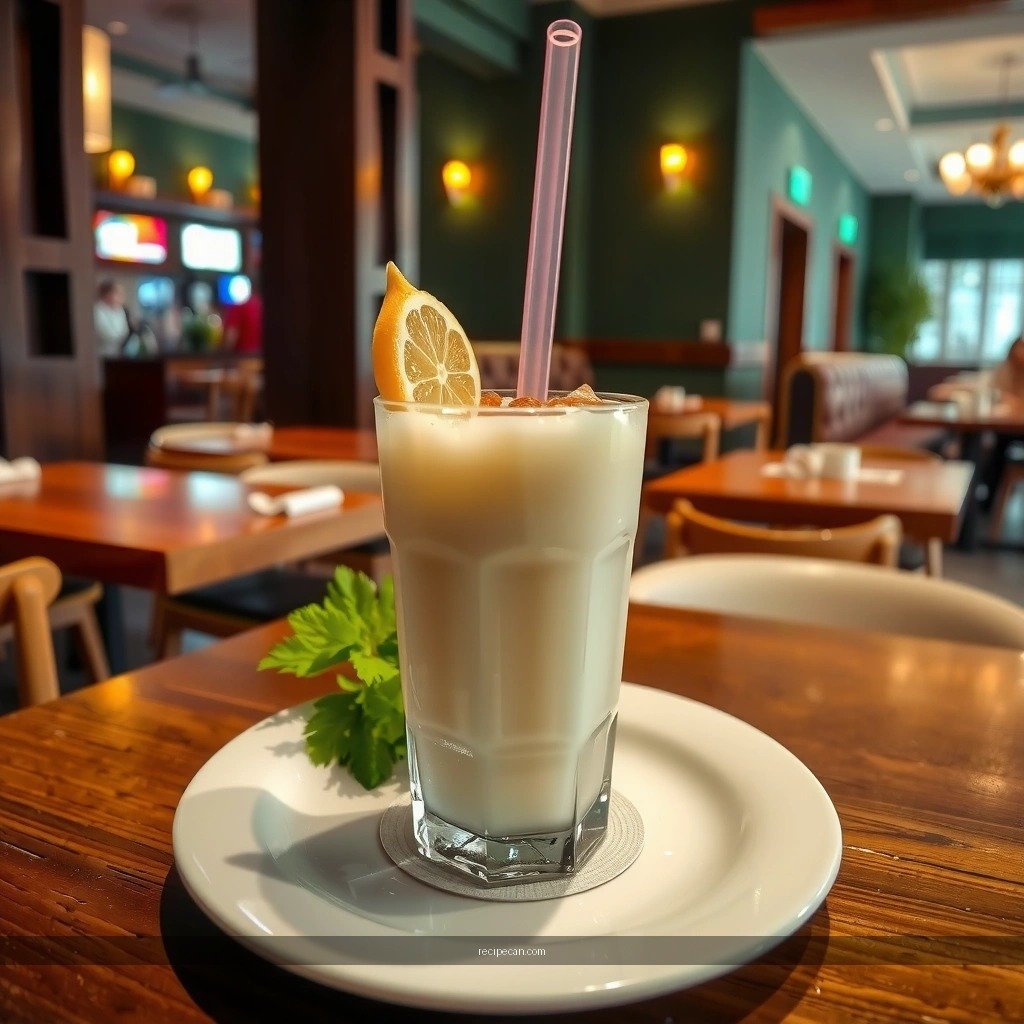
– Pick black tea, green tea, or flavored tea for the best match with pearls
– Brew strong and let it cool slightly for balanced flavor
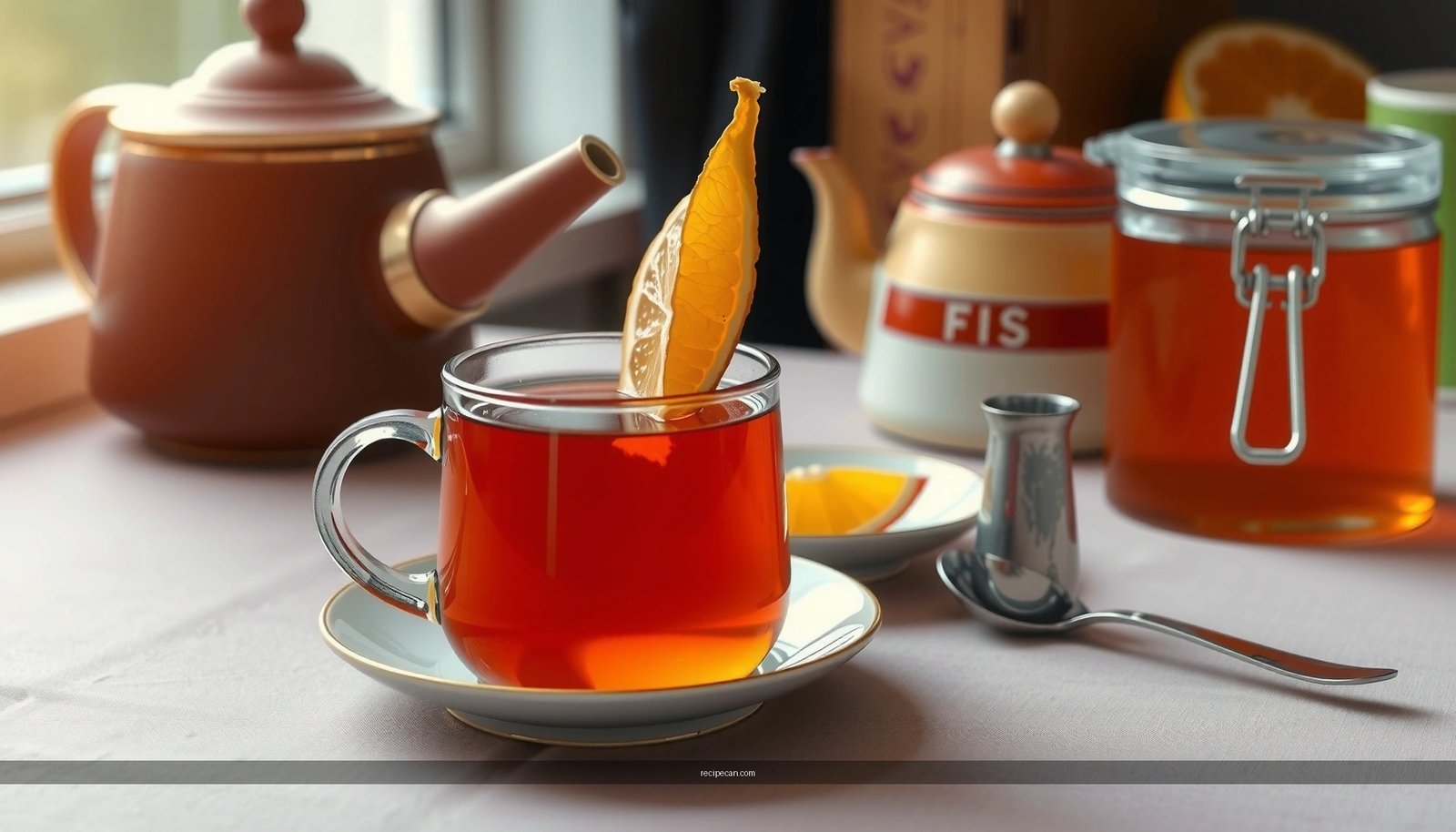
A great tapioca tea starts with the right tea base, because pearls and syrup add body and sweetness that can overpower delicate flavors. For classic boba, black tea is the most forgiving and most “traditional” pairing: its roasted notes and tannins cut through the chewy starch and caramel-like syrup.
What to choose
– Black tea (classic boba): Earl Grey, Assam, or Ceylon typically work well. Assam in particular is bold enough to hold its own with brown sugar.
– Green tea (lighter, cleaner): Jasmine green tea or roasted green tea pairs nicely if you reduce sugar slightly.
– Flavored tea (custom): Vanilla or chai can be fun, but keep it controlled—too much spice can make the cup taste busy rather than balanced.
Brew it strong
Aim for a concentrated brew, then cool it slightly before assembling iced drinks. If you brew tea too weak, the result will taste flat no matter how good your pearls are. As a practical guideline, use either:
– a slightly higher tea-to-water ratio, or
– less water to make a smaller batch of concentrated tea and then dilute with ice.
Quick temperature note
– Hot boba tea: use tea warm but not scalding (roughly “steaming,” not boiling).
– Iced boba tea: let brewed tea cool 5–10 minutes so the ice doesn’t immediately shock-flatten flavor.
Cook Tapioca Pearls
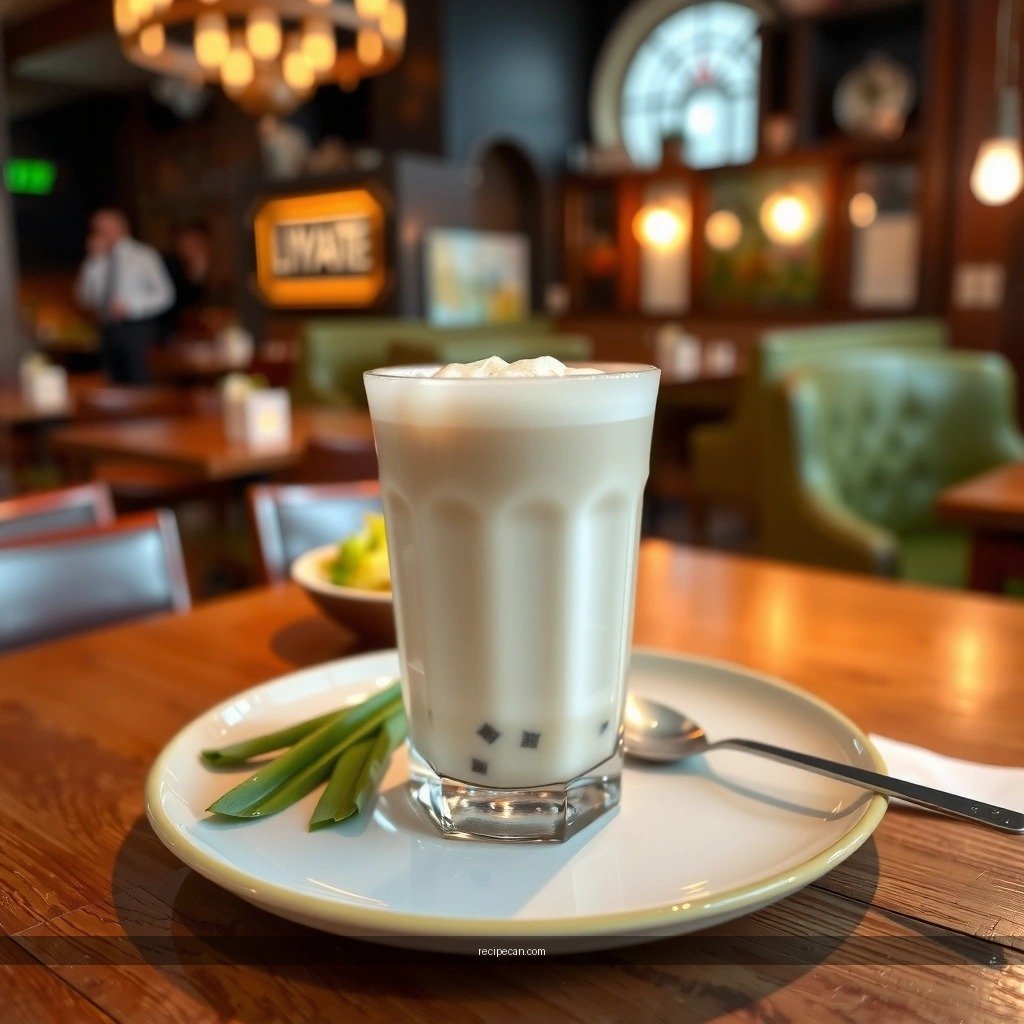
– Boil pearls until tender with a chewy, bouncy bite
– Rinse briefly and rest them in syrup so they don’t harden
Cooking tapioca pearls is where most home boba recipes go wrong—usually by overcooking (mushy) or undercooking (too firm in the center). The goal is a uniform chewy bite: tender all the way through with a satisfying bounce.
Step-by-step cooking approach
1. Boil a full rolling boil before adding pearls. A consistent boil helps pearls cook evenly.
2. Stir immediately after adding pearls to prevent sticking.
3. Simmer according to package timing, then start checking early if your pearls cook fast (many brands vary).
4. When pearls are ready, turn off heat and let them rest briefly in the hot water—this can help centers finish softening.
Rinse briefly—don’t rinse forever
Rinsing removes surface starch that can make pearls gummy. Rinse briefly under cool water, then immediately move pearls into syrup. If you let them sit without syrup, they’ll harden and lose that signature chew.
Syrup rest prevents hardening
Pearls are like pasta: they continue to change as they cool. Resting in syrup keeps them glossy, soft, and more evenly flavored.
Home Boba Pearl Results vs. Cooking Time (Typical Outcomes)
| # | Pearl Size (Approx.) | Suggested Cook Time | Chew Uniformity | Best Use | Result Rating |
|---|---|---|---|---|---|
| 1 | Small (2–3 mm) | 7 minutes | Even chew | Classic iced tea boba | ★★★★☆ |
| 2 | Medium (4–5 mm) | 10 minutes | Bouncy center | Balanced brown sugar tea | ★★★★★ |
| 3 | Medium-Large (5–6 mm) | 12 minutes | Soft but chewy | Cream-forward milk boba | ★★★★☆ |
| 4 | Large (6–7 mm) | 14 minutes | Chew with slight center firmness | Brown sugar syrup topping | ★★★★☆ |
| 5 | Medium (4–5 mm) | 9 minutes | Slightly underdone | If you soak in syrup 10+ min | ★★★☆☆ |
| 6 | Medium-Large (5–6 mm) | 13 minutes | More tender, less bounce | Milk boba for softer chew | ★★★☆☆ |
| 7 | All sizes (overcooked) | Cook 2–4 min longer | Mushy exterior | Not recommended for classic boba | ★☆☆☆☆ |
Sweeten and Flavor the Pearls
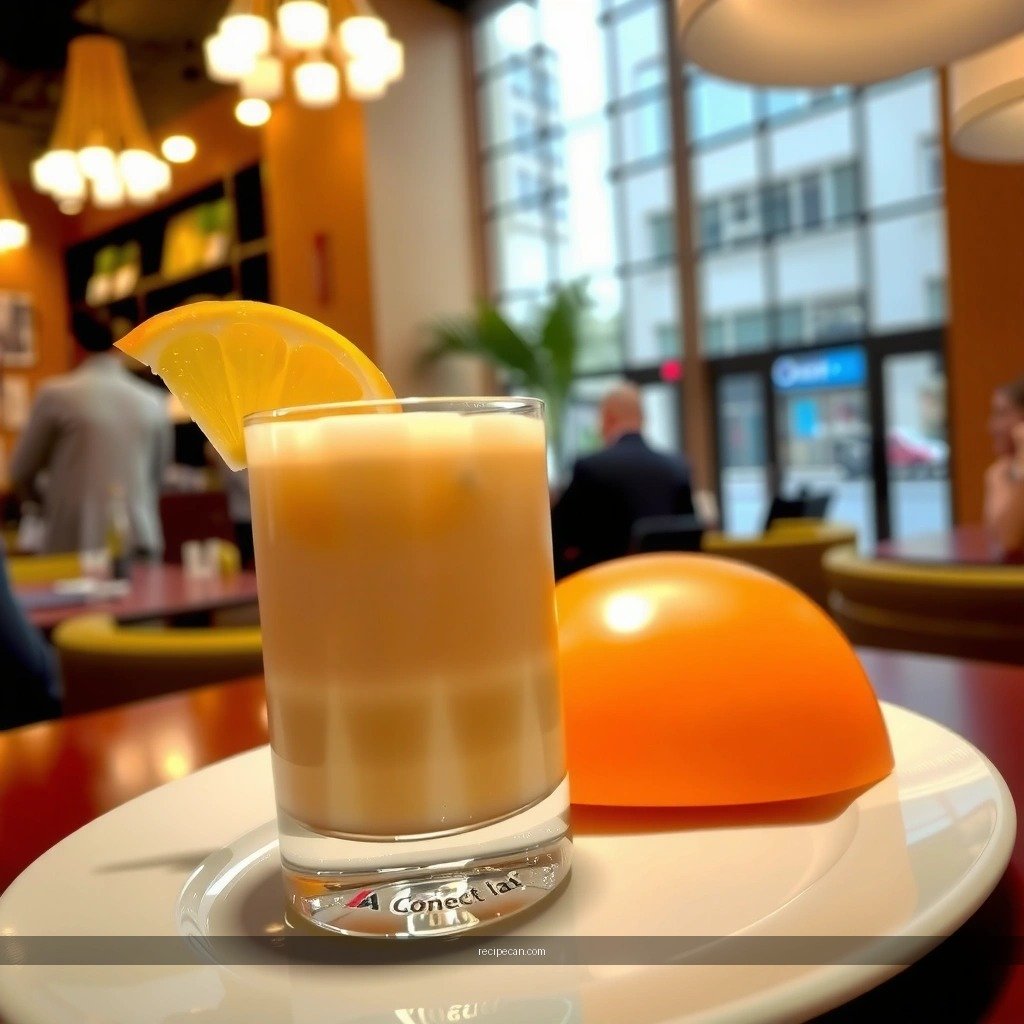
– Use brown sugar syrup or honey to season the pearls
– Let pearls soak just long enough for even sweetness
Once pearls are cooked and rinsed, seasoning them is what turns “plain tapioca” into classic boba. Two reliable options are brown sugar syrup and honey—both dissolve easily and cling well to the pearls.
Brown sugar syrup method (most classic)
– Simmer brown sugar with a small amount of water until it becomes a thin syrup.
– Stir in a pinch of salt to sharpen the sweetness.
– Rest cooked pearls in the syrup so they absorb flavor.
Honey option (lighter, floral)
Honey gives a smoother sweetness, but it can be less “caramel-forward” than brown sugar. If you choose honey, keep the syrup a bit thicker so it coats without watering down.
Soak time matters
Pearls don’t need a long soak to taste sweet; they need enough time for even coating:
– For best texture, aim for a short rest in syrup right before assembly.
– Avoid soaking for so long that the pearls become overly soft—chew should stay bouncy.
Balanced sweetness is not about more sugar
If you sweeten both pearls and tea heavily, the cup can become cloying quickly. A professional approach is to:
– sweeten primarily through the pearls (and optionally a touch in the tea),
– then taste and adjust.
Assemble Your Tapioca Tea
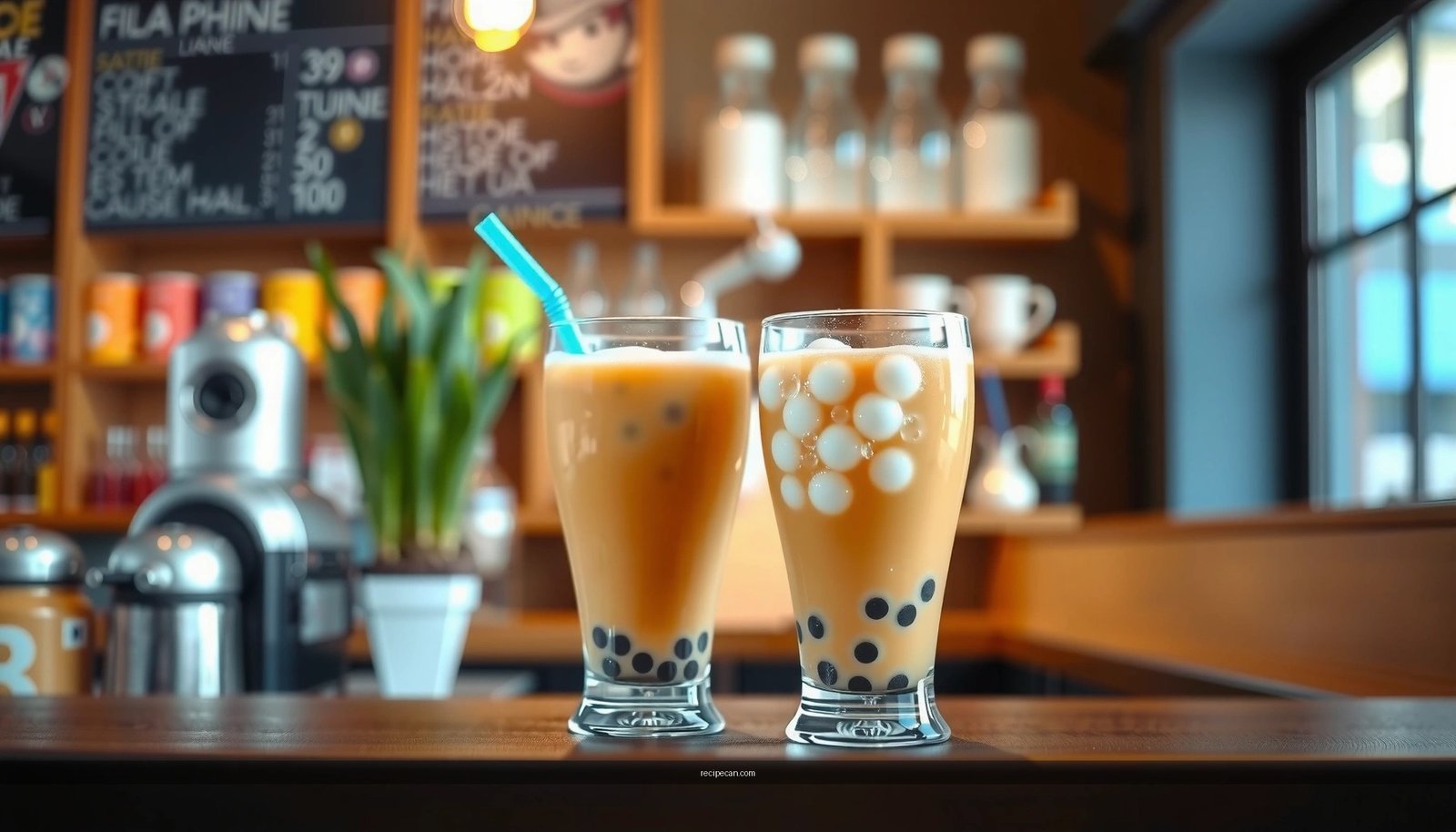
– Add cooked pearls to a glass, then pour in tea (hot or iced)
– Top with milk or creamer if you want a creamy boba tea
Assembly is where you control the drinking experience: pearl-to-tea ratio, temperature, and creaminess. For classic boba, pearls should be noticeable in every sip, not just at the bottom.
A dependable assembly workflow
1. Add a measured portion of pearls to the glass (start with about 1–3 tablespoons depending on how chewy and filling you want it).
2. Pour in brewed tea over the pearls.
3. Add ice if making iced boba.
4. Add milk or creamer last for a cleaner swirl and more consistent texture.
Milk and cream choices
– Whole milk or oat milk for richer body.
– Half-and-half or coffee creamer for convenience and sweetness (but taste first to avoid doubling sugar).
Hot vs. iced
– Hot tapioca tea emphasizes tea aroma; pearls will feel slightly softer because warm liquid relaxes starch.
– Iced boba tea emphasizes contrast: chewy pearls against cold tea. Brew strong to avoid “ice dilution” tasting like watered tea.
Get the Texture and Temperature Right
– Serve immediately after assembling for best chew and flavor
– Adjust sweetness and ice level to match your preference
Even perfectly cooked pearls can lose quality after assembly. Starch retrogrades and syrup cools; the cup can go from bouncy to dull fairly quickly.
Serve immediately
For classic boba at home, plan like a barista:
– Cook pearls when you’re ready to serve.
– Assemble cups promptly.
– Keep tea at the right temperature (warm enough for aroma; cool enough not to flatten flavor under ice).
Fine-tune sweetness
Start with one baseline:
– sweetened pearls via syrup,
– then taste the tea and adjust lightly (if needed).
If your boba tastes harsh, the issue may not be sweetness—it may be tea strength, brewing time, or how long pearls sat after cooking.
Fine-tune ice level
Ice affects both temperature and perceived sweetness.
– Too much ice can dilute and mute tea flavor.
– Too little ice can make the cup feel warm and heavy.
Common Mistakes to Avoid
– Overcooking pearls can make them mushy and lose the chewy texture
– Weak tea or too much ice can flatten the overall taste
1. Overcooking pearls
If pearls are mushy, they’ve lost the bouncy starch structure that makes boba satisfying. The fix is simple: check earlier, and treat the final resting step in syrup as flavor/texture finishing—not extended boiling.
2. Weak tea
Weak tea makes the whole drink taste watery, even with good pearls. Brew strong, and let iced boba start with concentrated tea so ice doesn’t erase flavor.
3. Letting pearls sit without syrup
Unsyruped pearls harden and become unpleasantly chewy (sometimes closer to rubber than bounce). Rinse briefly, then move into syrup quickly.
4. Oversweetening
Sweetness is cumulative: pearls + syrup + milk + sweetened tea can push you past “balanced” into “dessert.” Start conservative, then adjust once you’ve tasted.
Tapioca tea is all about chewy pearls, balanced sweetness, and a well-brewed tea base—so follow the pearl timing, soak them in syrup, and assemble right before serving. Try this recipe once as written, then tweak tea strength, sugar level, and milk to make it your perfect cup—save it and make your next boba night at home!
Frequently Asked Questions
What is a basic tapioca tea recipe I can make at home?
Start with brewed black or green tea, then prepare cooked tapioca pearls (often called boba) until chewy. Sweeten the tea with simple syrup or brown sugar, and let it cool slightly before assembling. Add the cooked tapioca tea pearls to a glass, pour in the tea, and serve over ice if you want a classic iced tapioca tea recipe.
How do I cook tapioca pearls for the best chewy texture in bubble tea?
Boil water, add tapioca pearls, and cook until they float and reach your preferred doneness (commonly 15–25 minutes depending on the brand). After cooking, simmer briefly and then rest the pearls in a sugar syrup or brown sugar mixture so they stay soft and sweet. Rinse quickly only if your package instructions call for it, because over-rinsing can reduce that chewy “bubble tea” texture.
Which sweetener works best for tapioca tea—brown sugar, honey, or simple syrup?
Brown sugar is a popular choice because it gives tapioca tea that caramel-like flavor that pairs well with boba. Simple syrup dissolves fast and makes it easier to control sweetness, especially for iced tea. Honey can work too, but it may change the flavor profile slightly and can be less ideal if you want a consistent, café-style sweetness.
Why does my tapioca tea turn out too watery or the pearls get hard?
This usually happens when the cooked pearls sit too long without soaking in syrup, or when you over-cook/under-cook them. If your drink is watery, it may be because the tea is under-sweetened or the ice is diluting it quickly—try chilling tea and using less ice or larger cubes. For best results, assemble quickly after cooking the boba and keep tapioca pearls covered in warm sugar syrup.
What’s the best ratio of tea, milk, and tapioca pearls for a classic milk tea?
A common starting point is about 1 cup brewed tea (black tea or green tea) to 1/2 to 3/4 cup milk or dairy-free creamer, depending on how creamy you like it. Use roughly 1/4 to 1/3 cup cooked tapioca pearls per serving so each sip includes chewy boba. Taste and adjust sweetness after brewing your tea, then combine for a balanced tapioca milk tea recipe that’s flavorful without being overly heavy.
References
- Bubble tea
https://en.wikipedia.org/wiki/Bubble_tea - Tapioca pearl
https://en.wikipedia.org/wiki/Tapioca_pearls - Tapioca
https://en.wikipedia.org/wiki/Tapioca - https://en.wikipedia.org/wiki/Boba_(drink
https://en.wikipedia.org/wiki/Boba_(drink - Tapioca | Definition, Uses, & Facts | Britannica
https://www.britannica.com/topic/tapioca - https://pubmed.ncbi.nlm.nih.gov/?term=tapioca+starch
https://pubmed.ncbi.nlm.nih.gov/?term=tapioca+starch - https://pubmed.ncbi.nlm.nih.gov/?term=tapioca+pearl
https://pubmed.ncbi.nlm.nih.gov/?term=tapioca+pearl - Google Scholar Google Scholar
https://scholar.google.com/scholar?q=tapioca+tea+recipe+bubble+tea - Google Scholar Google Scholar
https://scholar.google.com/scholar?q=how+to+cook+tapioca+pearls+recipe - https://www.sciencedirect.com/search?qs=bubble%20tea%20tapioca%20pearls
https://www.sciencedirect.com/search?qs=bubble%20tea%20tapioca%20pearls