Want the best raspberry leaf tea recipe and exact steps to make it? This guide gives a clear, reliable method for brewing raspberry leaf tea—how much leaf to use, what water temperature to aim for, and how long to steep for the flavor and strength you want. If you’re looking for consistently good results without guesswork, follow the instructions and you’ll get a cup you can count on every time.
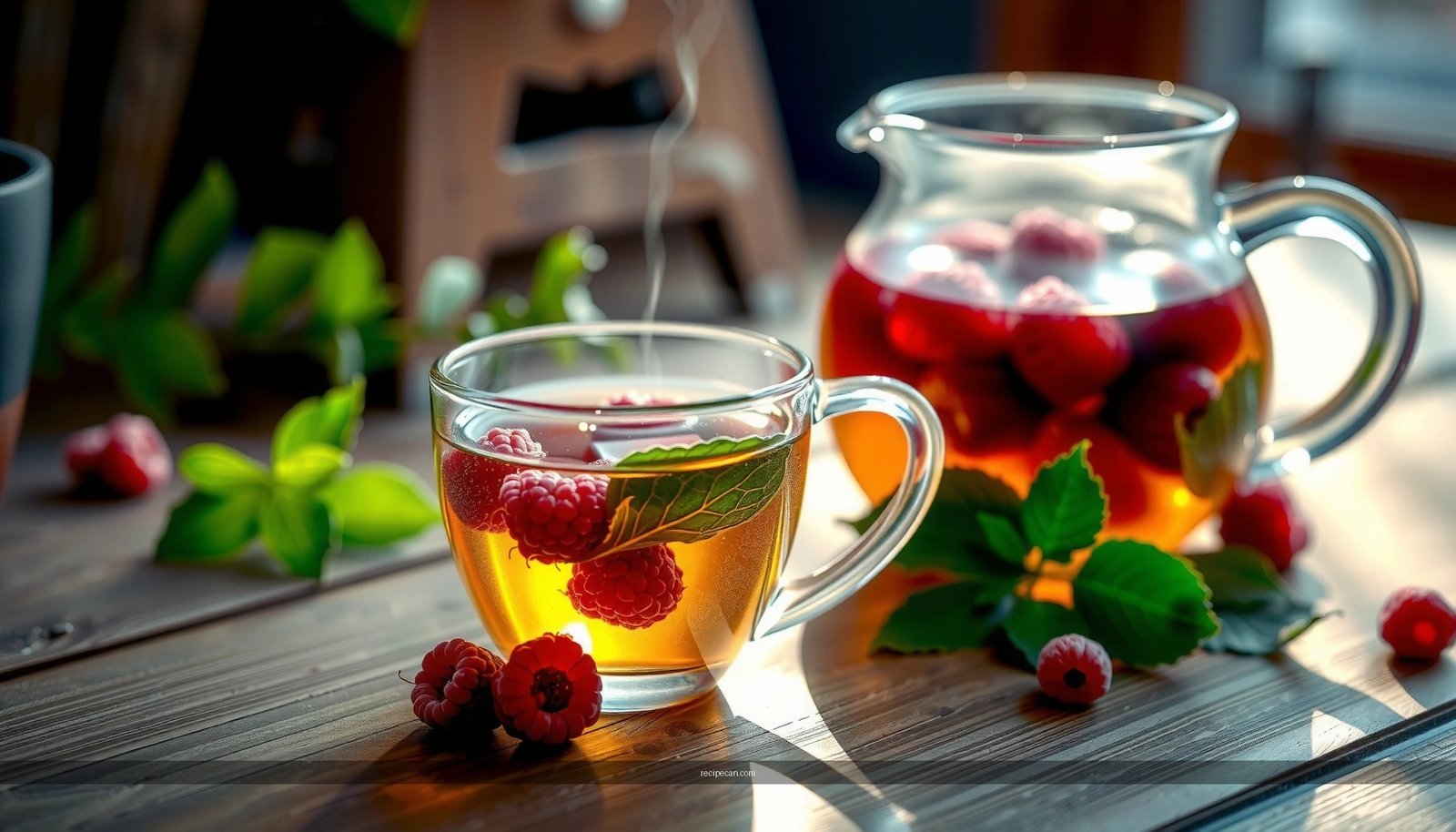
Raspberry leaf tea is easy to make: steep fresh or dried raspberry leaves in hot water for about 5–10 minutes, then strain and adjust to taste. This guide gives you practical measurements, the best steeping time window for flavor, and a few personalization options—so you can brew a warm, consistent cup of herbal raspberry leaf tea at home.
What You’ll Need (Ingredients + Tools)

– Use fresh or dried raspberry leaves for the tea base
– Fresh: bright, leafy aroma; flavor extraction can be a little faster.
– Dried: deeper, more concentrated herbal notes; often benefits from the longer end of the steeping range.
– Have a kettle, mug, and a strainer or tea infuser ready
– A tea infuser helps keep the cup clean, especially if you’re using dried leaf pieces.
– Optional add-ins: honey, lemon, or other herbal blends
– Honey rounds off herbal bitterness.
– Lemon can brighten the cup and make raspberry leaf tea taste “cleaner” and more refreshing.
For best results, aim for the right water temperature: near-boiling water helps extract plant compounds efficiently without scorching delicate leaf character.
Raspberry Leaf Tea: Leaf-to-Time Guide for Flavor Strength (8 oz / 240 ml)
| # | Leaf Type | Leaves per Cup | Steep Time | Expected Profile | Best For | Flavor Strength |
|---|---|---|---|---|---|---|
| 1 | Dried (powdery pieces) | 1 tsp | 5 min | Light, grassy | First-time tasters | ★★☆☆☆ |
| 2 | Dried (standard cut) | 1.5 tsp | 7 min | Balanced herbal | Daily cup | ★★★☆☆ |
| 3 | Dried (standard cut) | 2 tsp | 8 min | Richer, slightly earthy | Stronger tea preference | ★★★★☆ |
| 4 | Dried (any form) | 2.5 tsp | 10 min | Bold, aromatic herbal | Evening cup | ★★★★★ |
| 5 | Fresh (chopped) | 2 tbsp | 5–6 min | Bright, lighter body | Refreshing start | ★★★☆☆ |
| 6 | Fresh (chopped) | 3 tbsp | 7 min | Classic herbal balance | Most consistent cup | ★★★★☆ |
| 7 | Fresh (chopped) | 3–4 tbsp | 8–10 min | Deep, fuller herbal | Tea enthusiasts | ★★★★★ |
How to Make Raspberry Leaf Tea (Step-by-Step)
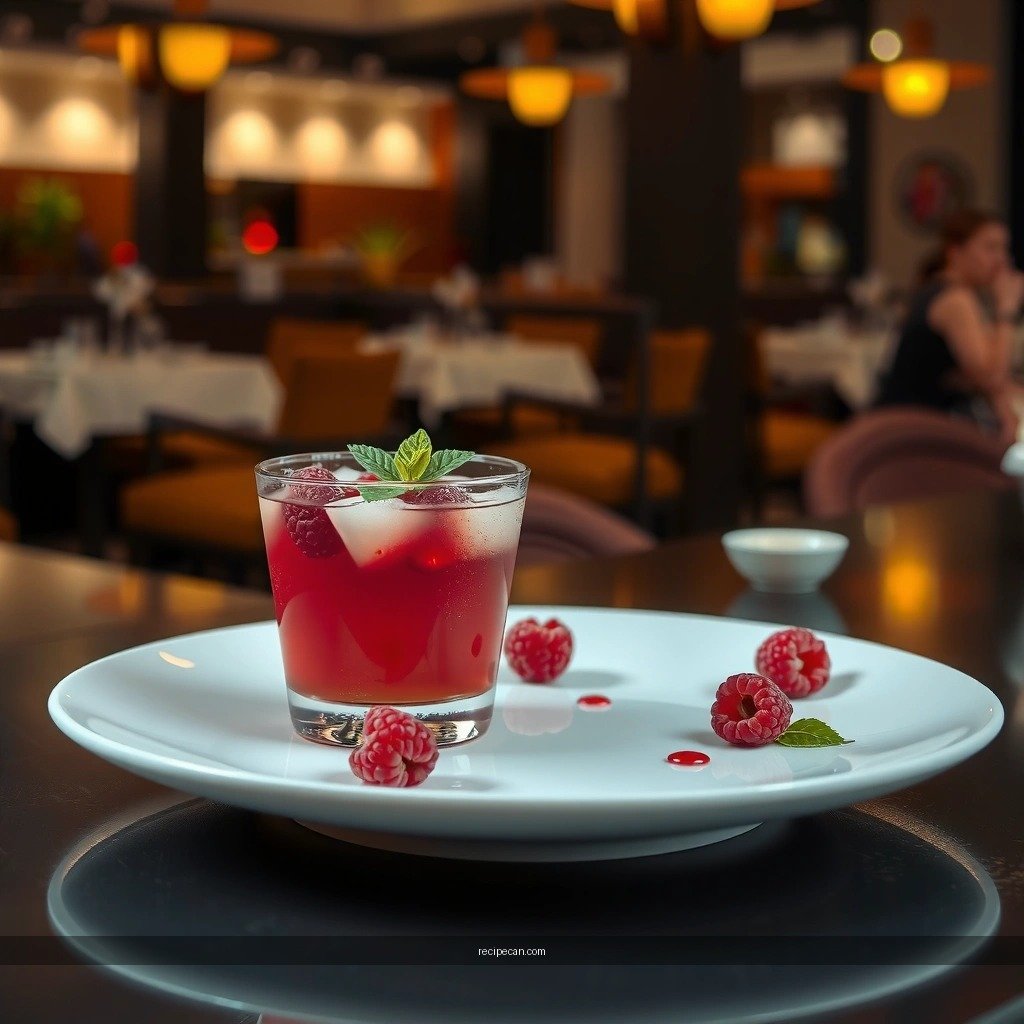
1. Add raspberry leaves to a mug and pour boiling or near-boiling water
– Use about 1.5 teaspoons dried or ~3 tablespoons fresh (chopped) for an 8 oz / 240 ml cup.
– Place leaves directly in the mug or use a tea infuser for easier cleanup.
2. Steep for 5–10 minutes depending on how strong you want it
– Start at 5 minutes if you prefer a lighter, milder cup.
– For a classic, balanced herbal tea, aim for 7 minutes.
– If you like a stronger, more aromatic brew, go toward 9–10 minutes, especially with dried leaves.
3. Strain and taste, adjusting leaf amount or steeping time next batch
– Herbal teas often taste better after a brief rest (30–60 seconds) once heat stabilizes.
– If the cup tastes too mild, increase steep time by 1–2 minutes next time; if it tastes too strong or astringent, reduce leaf amount slightly.
Practical note: because raspberry leaf tea is caffeine-free, you can typically experiment more freely with timing than you would with black or green tea. Still, temperature and time are the levers that control intensity.
Best Steeping Tips for Flavor and Strength
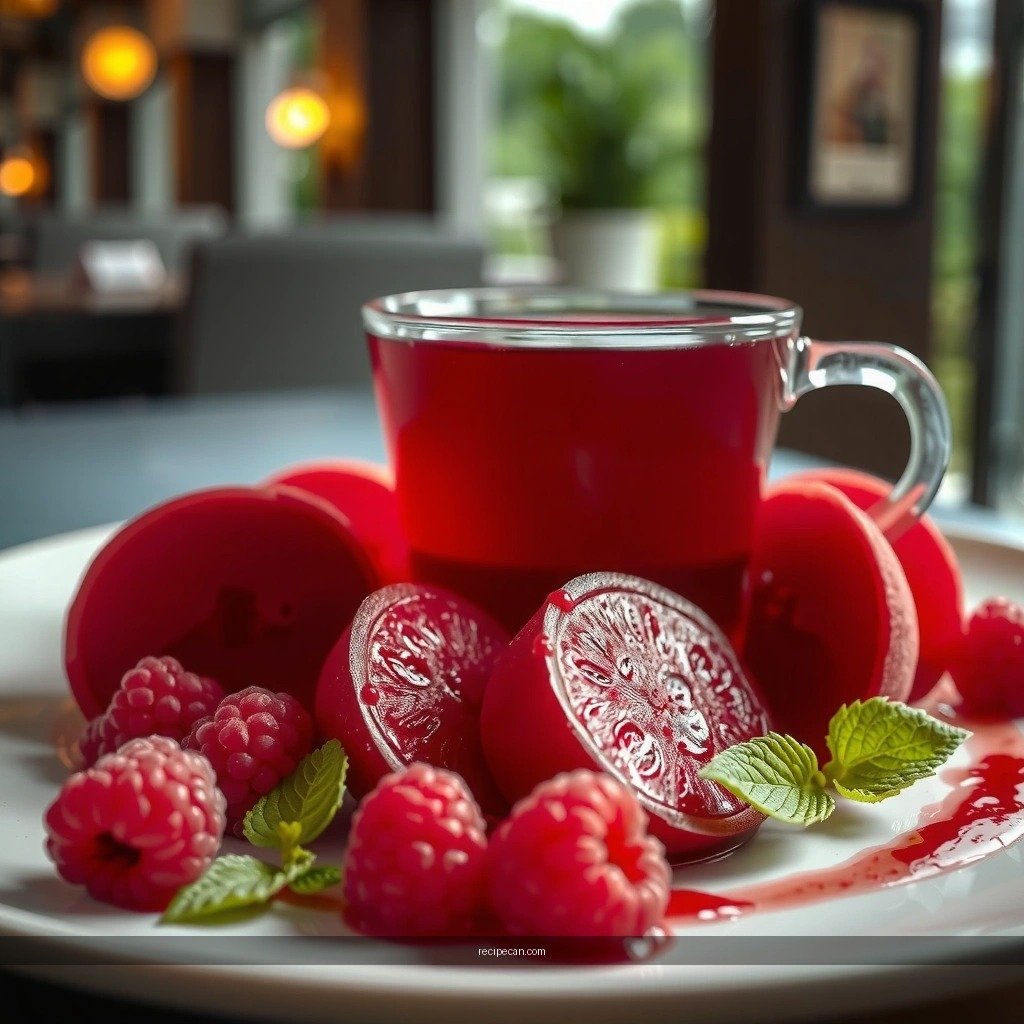
– Start with a moderate steep (about 7 minutes) for balanced taste
A 7-minute steep tends to produce the “sweet-vegetal” herbal character people expect from raspberry leaf tea without going overly earthy.
– Increase steep time or leaf amount gradually for stronger flavor
Strength comes from extraction. Changing one variable at a time helps you dial in your preference:
– Want more body? Add a half-teaspoon of dried leaf or extend by 1–2 minutes.
– Want less intensity? Reduce by 0.5 teaspoon or steep 1–2 minutes less.
– Cover the cup while steeping to help extract flavor
Covering helps retain heat and volatile aromatics. Without a cover, your mug may cool faster, which can lead to an under-extracted cup—even if you steep for the “right” time.
If you’re using fresh leaves, keep in mind that freshness and how finely they’re chopped matter. Finely chopped leaves expose more surface area, which can make extraction faster and more even.
Serving Suggestions and Pairings
– Enjoy plain for a classic herbal profile
Plain raspberry leaf tea is often described as gently earthy with a naturally soft herbal aroma—particularly when brewed around the 7-minute mark.
– Add honey or lemon to brighten the taste
– Honey: try 1 teaspoon per 8 oz to round out any herbal sharpness.
– Lemon: a small squeeze can lift the aromatics and make the tea feel lighter, especially in the afternoon.
– Pair with light snacks like ginger biscuits or fruit
Raspberry leaf tea pairs well with:
– Ginger biscuits (spice complements herbal notes)
– Fruit like berries or citrus slices (refreshes the palate)
– Plain toast or oatmeal if you want a calmer, breakfast-friendly routine
For a “slow morning” approach, let the tea steep fully, strain, then take a short sip before adding sweeteners. You’ll be able to judge how much adjustment you actually want.
Dosage Guidelines and Safety Notes
Herbal teas are commonly used in wellness routines, but dosing can vary widely based on leaf form, steeping strength, and individual sensitivity. Consider the following practical guidelines:
– Start with a small serving to see how your body responds
If you’re new to raspberry leaf tea, begin with one small cup (e.g., 4–6 oz / 120–180 ml) using a lighter steep (around 5–6 minutes).
– Keep consistent with your chosen schedule and monitor effects
Many people prefer a steady routine rather than large fluctuations. If you notice digestive changes, headaches, or discomfort, adjust leaf amount and steep time—or pause and reassess.
– If you’re pregnant or have a medical condition, check with a healthcare professional
Raspberry leaf tea is often discussed in pregnancy-related contexts, but it’s important to seek individualized medical advice. Also consult a clinician if you take medications or have underlying health conditions.
This article is for home-brewing guidance, not medical instructions. If you’re using raspberry leaf tea for a specific health goal, discuss your plan with a qualified professional.
Storage and Freshness Tips
– Store dried leaves in a cool, dark, sealed container
Light and heat degrade herbal aroma over time. Use an airtight jar away from the stove or sunny windows.
– Label containers with the date for freshness tracking
Herbal quality can fade gradually. A simple label helps you identify when it’s time to refresh your supply.
– Use fresh leaves soon after harvesting for best flavor
Fresh leaves lose brightness quickly. If you harvest your own, brew sooner rather than later, and avoid leaves that show signs of spoilage.
For both fresh and dried leaves, “good storage” is the difference between a fragrant, flavorful cup and one that tastes flat—even if your steeping time is perfect.
Raspberry leaf tea recipe comes down to two steps: use the right amount of leaves and steep for the time that matches your taste. Brew a cup using the simple measurements above, then fine-tune strength and add-ins to make it your own. Make your next batch today and experiment with steep time until you find your perfect cup—consistently, confidently, and at home.
Frequently Asked Questions
What is a simple raspberry leaf tea recipe I can make at home?
To make a raspberry leaf tea, steep 1–2 teaspoons of dried raspberry leaf (or 1 tablespoon fresh) in 8–12 ounces of hot water for 10–15 minutes. Strain and sip warm, and you can optionally add honey or lemon for taste. This raspberry leaf tea recipe is straightforward and works well whether you use loose leaf or tea bags.
How do I brew raspberry leaf tea for best flavor and effectiveness?
Use water that’s hot but not boiling if you’re using delicate fresh leaves; for dried leaves, boiling water is usually fine. Steep the raspberry leaf tea for about 10–15 minutes, then strain to avoid a stronger, more bitter taste. If you want a gentler cup, reduce the steep time to 5–8 minutes or use less leaf.
Why do people drink raspberry leaf tea, and when should they consider it?
Many people drink raspberry leaf tea as an herbal tea intended to support women’s health, especially during the reproductive years. It’s often associated with pregnancy and the postpartum period, but it’s important to follow reputable guidance and check with a healthcare professional for your specific situation. If you’re new to this herbal tea recipe, start with a small serving to see how your body responds.
Which raspberry leaf tea recipe is best if I want to avoid bitterness?
Choose a lower dose and shorter steep time: try 1 teaspoon of dried leaf in 8 ounces of water for 5–8 minutes. You can also blend it with soothing flavors like ginger, orange peel, or chamomile, which can balance the earthy taste. This approach helps keep your raspberry leaf tea recipe pleasant without sacrificing the convenience of a quick brew.
What’s the best way to store raspberry leaves so my tea stays fresh for future recipes?
Store dried raspberry leaves in an airtight container away from light, heat, and moisture—like a pantry or cupboard. For best freshness, use within 6–12 months, and check for any off smells or dull color before brewing your next batch. Proper storage ensures your herbal raspberry leaf tea recipe remains aromatic and enjoyable every time you steep it.
References
- Red raspberry leaf
https://en.wikipedia.org/wiki/Raspberry_leaf - https://www.nccih.nih.gov/health/red-raspberry-leaf
https://www.nccih.nih.gov/health/red-raspberry-leaf - https://pubmed.ncbi.nlm.nih.gov/?term=raspberry+leaf+tea
https://pubmed.ncbi.nlm.nih.gov/?term=raspberry+leaf+tea - Google Scholar Google Scholar
https://scholar.google.com/scholar?q=raspberry+leaf+tea+recipe - Google Scholar Google Scholar
https://scholar.google.com/scholar?q=Rubus+idaeus+leaf+tea+preparation - Google Scholar Google Scholar
https://scholar.google.com/scholar?q=raspberry+leaf+tea+pregnancy+use - https://www.britishpregnancyadvice.org.uk/raspberry-leaf-tea/
https://www.britishpregnancyadvice.org.uk/raspberry-leaf-tea/ - https://www.who.int/health-topics/food-safety
https://www.who.int/health-topics/food-safety - Cholic Acid – LiverTox® – NCBI Bookshelf
https://www.ncbi.nlm.nih.gov/books/NBK548276/ - raspberry leaf tea recipe – Search results
https://en.wikipedia.org/wiki/Special:Search?search=raspberry+leaf+tea+recipe