Looking for McDonald’s sweet tea recipe to make it at home? This guide delivers a dead-on copycat method, including the right tea strength, sweetness level, and steeping steps for that classic flavor. If you want the closest match without guessing, follow these instructions and you’ll get the same bold, refreshingly sweet result.
McDonald’s sweet tea is best recreated by brewing very strong black tea, dissolving granulated sugar while the tea is still hot, and then chilling until cold (ideally serving over ice). If you follow those three control points—strength, sugar timing, and temperature—you can match the classic flavor profile at home with consistent results.
—
Ingredients for McDonald’s Sweet Tea
Sweet tea is straightforward, but the ingredient choices determine whether you get that bold, slightly malty tea base and the “clean” sweetness that doesn’t taste grainy or flat.
– Black tea bags (or loose-leaf black tea) for a bold base
Use a traditional black tea such as Assam, Ceylon, or a classic “breakfast tea.” Assam tends to deliver the deeper, rounder body that works especially well for sweet tea.
– Granulated sugar for the signature sweetness
Granulated white sugar dissolves reliably and fast in hot tea. Avoid raw sugars for this method—they can introduce uneven dissolution and extra molasses notes.
– Water (and optional ice) to finish it cold and crisp
Use filtered water if your tap water is strongly chlorinated or very mineral-heavy. Ice isn’t just for serving—cold temperature sharpens the tea’s flavor and makes the sweetness taste more balanced.
A practical note for home cooks: if you’re aiming for “restaurant style,” you’ll want to brew the tea strong first, then sweeten, rather than trying to sweeten weak tea and expecting it to taste right.
Black Tea Strength and Brew Time for Sweet Tea (Home Testing Guidelines)
| # | Batch Size | Tea Used | Steep Time | Perceived Tea Strength | Best For |
|---|---|---|---|---|---|
| 1 | 1 quart (946 ml) | 5–6 tea bags | 10 minutes | ★★★☆ (Strong) | Standard sweet tea |
| 2 | 1 quart (946 ml) | 6–7 tea bags | 12 minutes | ★★★★ (Very strong) | Closest “Mc-style” body |
| 3 | 2 quarts (1.89 L) | 10–12 tea bags | 10 minutes | ★★★☆ (Strong) | Family batch |
| 4 | 2 quarts (1.89 L) | 12–14 tea bags | 12 minutes | ★★★★☆ (Very strong) | More “bold tea” preference |
| 5 | 1 quart (946 ml) | 3–4 tbsp loose-leaf | 8 minutes | ★★★☆☆ (Balanced strong) | Looser steep control |
| 6 | 1 gallon (3.78 L) | 35–42 tea bags | 10–12 minutes | ★★★★ (Consistent strong) | Catering-style batches |
| 7 | 1 quart (946 ml) | 4–5 tea bags | 7–8 minutes | ★★☆☆☆ (Weak) | If you prefer lighter tea |
—
Brew the Tea Base
The goal of the brew step is not “tea flavor”—it’s tea strength. Sweet tea can taste thin if you under-steep, because sugar highlights watery, under-extracted notes.
– Steep black tea hot for the right strength
Bring water to a boil, then pour over tea bags/loose-leaf in a heat-safe pitcher. Steep with a lid on to reduce heat loss. For most home setups, aiming for 8–12 minutes delivers the bold body sweet tea requires.
– Stir and let it fully infuse before adding sugar
After steeping, give the brew a gentle stir and allow it to settle for 1–2 minutes. This helps extraction even out so your final sweetness step doesn’t taste uneven.
– Strain if needed for a smooth, clean texture
Tea bags are convenient, but loose-leaf can bring small particles. Strain through a fine mesh strainer or cheesecloth for a clearer look and a smoother sip.
If you’ve ever made sweet tea that tastes “sweet but not tea,” it’s usually because the tea base didn’t brew strong enough—then sugar made the drink taste hollow instead of balanced.
—
Sweeten Like McDonald’s
This is the most overlooked step: sweeten while the tea is hot. When sugar dissolves fully, you avoid graininess and create a uniform flavor that reads as “classic” rather than “homebrew.”
– Add sugar to the hot tea so it dissolves completely
While the tea is still warm (not after it has cooled), add sugar gradually. A typical starting point is 3/4 cup sugar per 1 quart (you can scale proportionally). For lighter preferences, start with 1/2 cup per quart, then adjust.
– Stir until fully uniform, with no graininess
Stir for 30–60 seconds and check for any undissolved sugar at the bottom. If you still see grains, give it another short stir—warmth is what makes dissolution reliable.
– Adjust sweetness slightly to match your preference
Once chilled, sweetness can taste less intense than you expect. If you like that distinctly sweet “drive-thru” style, add a small incremental amount while the tea is still warm so it dissolves cleanly.
A useful analytical approach: taste your tea before chilling to evaluate tea strength, then taste again after refrigeration to evaluate sweetness balance. You’ll notice how cold temperature changes perception.
—
Chill and Serve
Temperature is part of the recipe, not just the final step. Cold tea reads cleaner and more refreshing, and ice adds a subtle dilution that many people associate with restaurant sweet tea.
– Refrigerate until cold for the best flavor
Chill at least 2 hours. Overnight is even better if you want the flavors to fully settle and integrate.
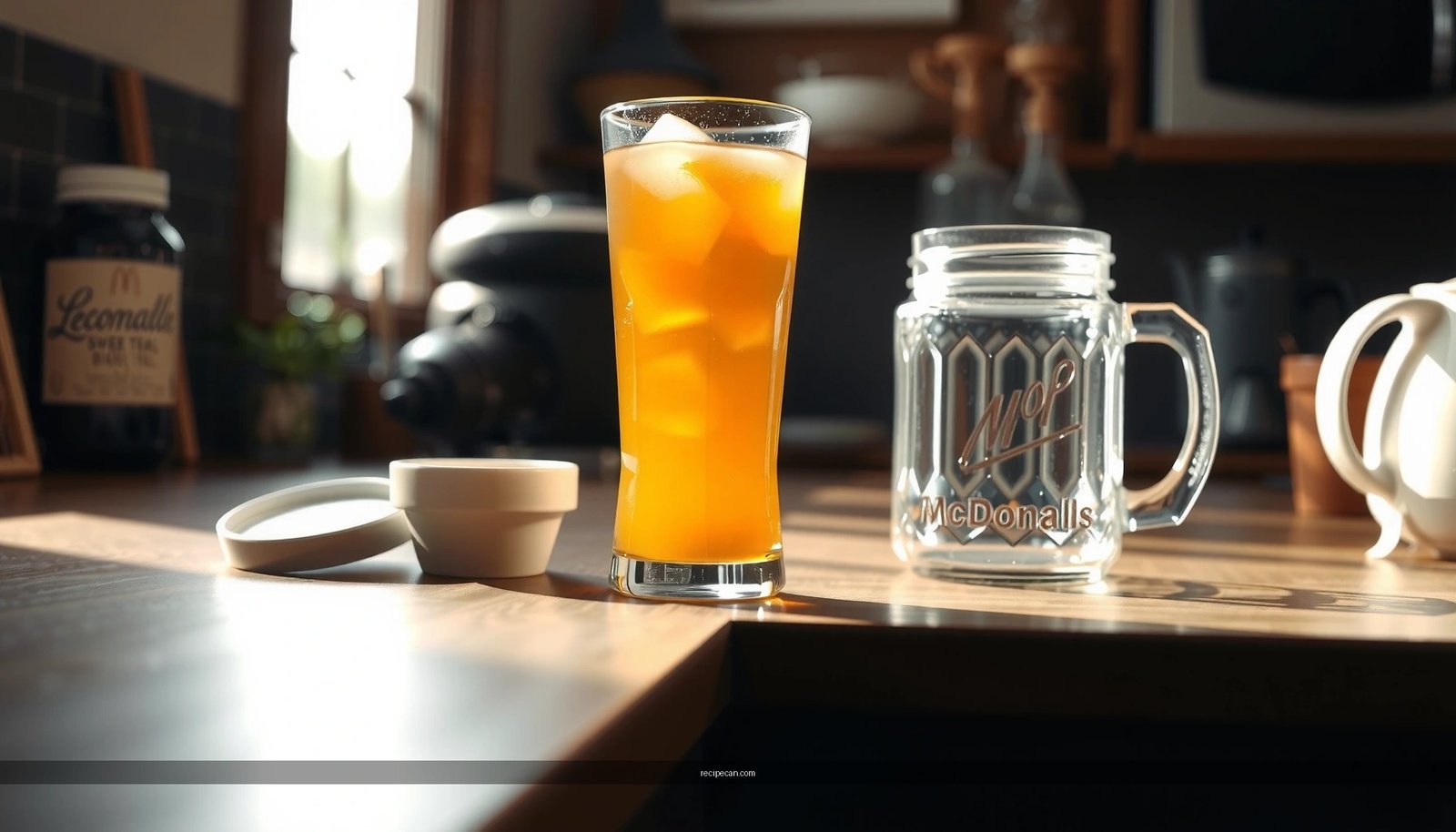
– Serve over ice for the classic fast-cool finish
Use plenty of ice in the glass. Pouring over ice cools quickly and prevents the drink from warming while you serve.
– Taste and fine-tune sweetness if you want it bolder
After serving, you can adjust at the margins: if it’s not sweet enough, add a small spoon of sugar to a fresh glass and stir until dissolved, then pour. (Avoid adjusting the whole batch right in the pitcher unless you measure carefully.)
For best “crisp” results, don’t let the tea sit at room temperature for long after pouring—sweet tea is most refreshing when very cold.
—
Storage and Make-Ahead Tips
If you want sweet tea for a week of meals or gatherings, storage technique matters for flavor consistency and clarity.
– Store in a sealed container in the fridge for freshness
Keep the sweet tea in a glass or BPA-free container with a tight lid. Refrigerated sweet tea is best within 3–5 days for optimal flavor.
– Keep tea and ice separate until serving when possible
If you store tea with ice, the drink continues to dilute as it melts. Separating ice preserves sweetness and body.
– Re-cold and stir gently before pouring
Chill fully, then stir gently to re-mix any subtle tea settling. Avoid aggressive shaking that can make the drink cloudy.
Make-ahead strategy: brew and sweeten the day before. Chilling overnight usually produces a more “rounded” profile, especially if you’re targeting that McDonald’s-style balance.
—
Quick Troubleshooting
Even with careful steps, every kitchen differs (water, tea brand, kettle performance). These adjustments keep your results consistent.
– Too weak? Increase steep time or tea amount
If the tea tastes watery, add 1–2 tea bags per quart or steep 2–3 minutes longer next time. Strength should show up in the first sip.
– Not sweet enough? Add a little more sugar while warm
Don’t try to “fix” sweetness with cold sugar—dissolution won’t be uniform. Adjust while warm, stir thoroughly, and re-chill.
– Too strong or bitter? Reduce steeping or dilute with water
Over-steeping can introduce bitterness that sugar can’t fully mask. Reduce steep time by a couple minutes, or dilute with a small amount of hot water and re-sweeten lightly if needed.
—
Closing Thoughts
McDonald’s sweet tea comes down to a clear formula: strong black tea, sugar dissolved while hot, and proper chilling before serving. Brew your tea base to the right strength, sweeten thoroughly, then refrigerate and pour over ice; taste once cold, and adjust in small increments until it matches your ideal sweetness. Make it once, note what you prefer, and you’ll have a reliable go-to homemade sweet tea for every warm-weather day.
Frequently Asked Questions
What is McDonald’s sweet tea recipe and what ingredients are needed?
McDonald’s sweet tea recipe centers on brewed black tea, water, sugar, and a light squeeze of lemon for balance. Most people use black tea bags or loose black tea, then brew it strong enough to stand up to the sweetness. To mimic the flavor, you’ll also want to dissolve sugar fully while the tea is hot and optionally add lemon to brighten the taste.
How do you make a homemade sweet tea similar to McDonald’s in the right ratios?
Start by brewing black tea strong, then sweeten while it’s still hot so the sugar blends evenly. A common approach is using about 4–5 tea bags (or a comparable amount of loose tea) per 1 liter of water, then stirring in sugar until fully dissolved (often around 3/4 to 1 cup per liter, adjusted to taste). Chill thoroughly before serving over ice to get the “McDonald’s sweet tea” taste and texture.
Why does McDonald’s sweet tea taste so consistent and not overly bitter?
Consistency comes from using the same tea strength and sweetening method—sweetening while the tea is hot helps reduce harshness. Brewing black tea too long can increase bitterness, so steeping time matters as much as tea quality. If your homemade sweet tea tastes bitter, shorten the steeping time and make sure you’re not letting the tea sit hot for too long.
What’s the best way to cool and serve sweet tea so it stays flavorful like McDonald’s?
For the best results, let the brewed sweet tea cool quickly, then refrigerate until cold before serving. Use plenty of ice to dilute slowly rather than instantly, and consider using filtered water to avoid off-flavors. Many people also find that chilling for a few hours improves the flavor blend, helping the sugar and tea taste more like McDonald’s.
Which sweetener works best for a McDonald’s-style sweet tea recipe—white sugar or something else?
White granulated sugar is the most common choice because it dissolves cleanly and gives the classic “McDonald’s sweet tea” sweetness profile. Sugar substitutes can change the taste and mouthfeel, sometimes making the tea taste flatter or slightly artificial. If you want to closely match McDonald’s sweet tea, stick with white sugar and adjust the amount to reach your preferred sweetness.
References
- https://scholar.google.com/scholar?q=McDonald%27s+sweet+tea+recipe Google Scholar
https://scholar.google.com/scholar?q=McDonald%27s+sweet+tea+recipe - Google Scholar Google Scholar
https://scholar.google.com/scholar?q=McDonald%27s+sweet+tea+sugar+content - Google Scholar Google Scholar
https://scholar.google.com/scholar?q=sweet+tea+recipe+brewing+method+sugar+concentration - Sweet tea
https://en.wikipedia.org/wiki/Sweet_tea - https://www.britannica.com/plant/tea
https://www.britannica.com/plant/tea - https://www.cdc.gov/nutrition/data-statistics/added-sugars.html
https://www.cdc.gov/nutrition/data-statistics/added-sugars.html - Guideline: sugars intake for adults and children
https://www.who.int/publications/i/item/9789241549028 - https://medlineplus.gov/added-sugars.html
https://medlineplus.gov/added-sugars.html - https://www.fda.gov/food/nutrition-education-resources-materials/added-sugars
https://www.fda.gov/food/nutrition-education-resources-materials/added-sugars - https://pubmed.ncbi.nlm.nih.gov/?term=iced+tea+sugar+content
https://pubmed.ncbi.nlm.nih.gov/?term=iced+tea+sugar+content