Find out how to make classic masala tea recipe style—spiced tea that tastes bold, aromatic, and properly balanced every time. This guide answers which spices to use, how much to add, and the exact simmering steps for chai that’s never watery or overpowered. Expect a quick, reliable method that delivers café-style results at home.
Make classic masala tea by simmering black tea with milk, water, and warm spices (ginger, cardamom, and cinnamon) until fragrant, then sweeten and strain for a clean, balanced cup. In this guide, you’ll learn a reliable step-by-step masala tea recipe with practical spice ratios, brewing time, and troubleshooting tips so your chai tastes consistent every time.
Choose Your Spices and Sweetener

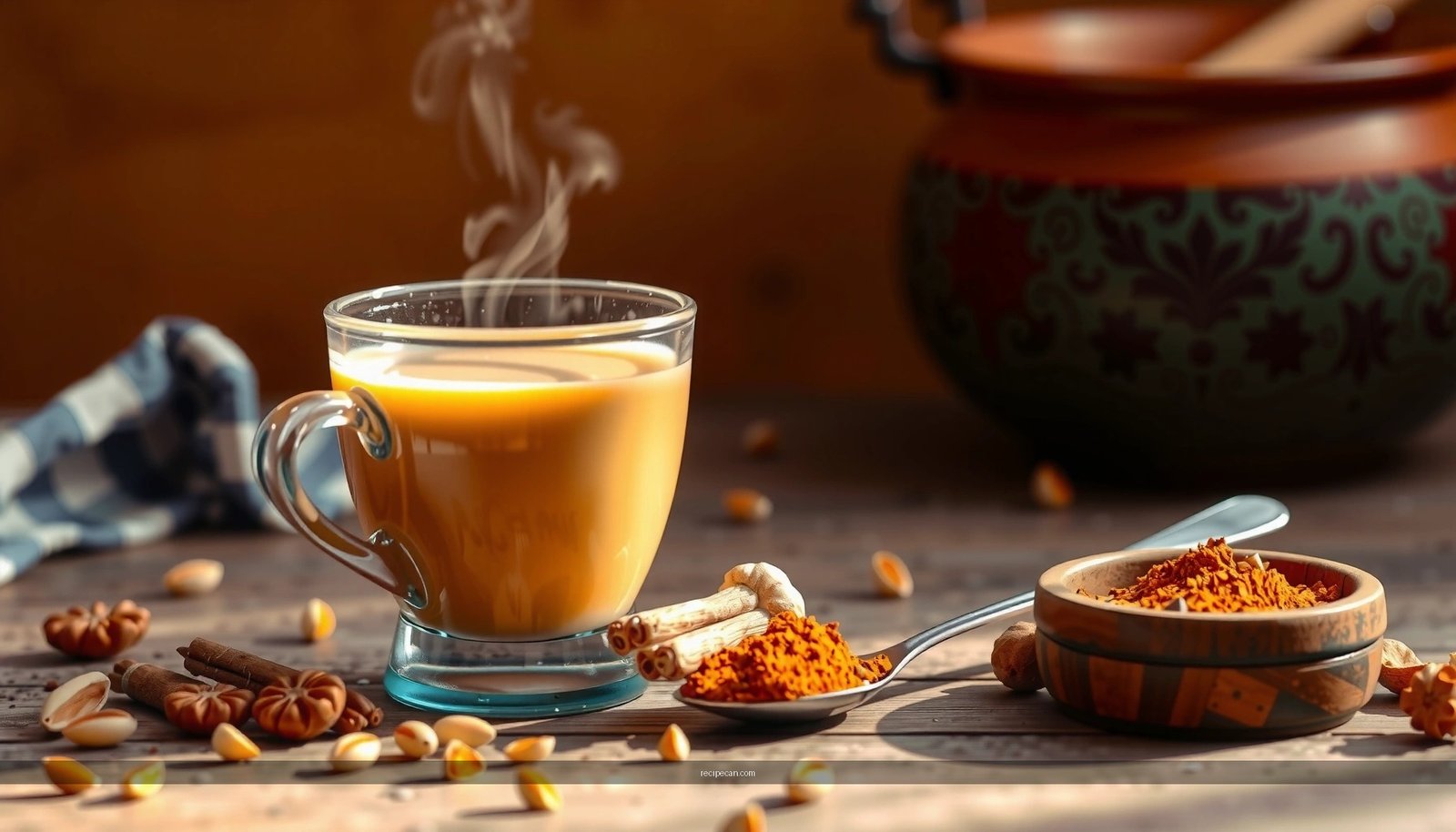
Classic masala tea is defined by a small set of warming spices that release aroma quickly and support the bitterness and astringency of black tea. For a traditional, “right in the middle” flavor profile, build your base with ginger + cardamom + cinnamon.
Spice selection (and what each one does)
– Fresh ginger: Adds sharp warmth and a peppery edge. It also helps balance the milk’s richness.
– Green cardamom: Delivers floral, slightly citrus notes. Too much can taste “perfumey,” so measure carefully.
– Cinnamon: Brings sweet-wood warmth and rounds the edges of black tea.
– Cloves (optional): Provide a deeper, spicier “chai-forward” flavor. Use sparingly; cloves can overpower quickly.
Sweetener choice (where flavor meets chemistry)
– Sugar: Dissolves easily and gives a clean sweetness. Ideal for consistent results.
– Jaggery: Adds caramel-like depth and a distinct earthy sweetness. It pairs especially well with ginger and cinnamon.
– Honey (optional alternative): Adds floral sweetness, but note that honey is best stirred in at the end rather than simmered heavily to preserve character.
Practical guidance
– If you’re aiming for a classic Indian-style balance, start with ginger as the “volume,” cardamom as the “aroma,” and cinnamon as the “structure.”
– If you’re using whole spices, crush cardamom and ginger lightly to accelerate extraction.
– If you’re using ground spices, reduce the amount by roughly 25–30% to avoid bitterness.
Measure the Tea Base

Masala tea is a controlled extraction process: you want the black tea to be bold enough to stand up to milk and spices, without turning harsh. The “tea base” includes which tea you use and how much milk versus water you start with.
Choose your black tea
– Assam-style black tea: Malty, strong, and traditionally used for bold chai.
– Ceylon black tea: Often brighter and lighter; works well if you prefer a less heavy cup.
– Tea powder (optional): Can be consistent for quick brewing, but adjust strength since “tea powder” can vary by brand.
Milk-to-water ratio (creaminess vs. structure)
A dependable starting point for classic chai is:
– 1 part water + 1 part milk (50/50) for balanced body
– More milk (e.g., 60–75% milk) for a creamier, softer mouthfeel
– More water (e.g., 60–75% water) for a sharper, less rich cup
Recommended starting recipe base (per ~2 cups / ~500 ml total)
– Water: 250 ml
– Milk: 250 ml
– Black tea: 2–3 teaspoons (or ~2 tea bags, if preferred)
– Ginger: 1 inch (sliced/crushed)
– Cardamom: 4–6 pods (lightly crushed)
– Cinnamon: 1 small stick (or 1/2–1 teaspoon powder)
– Optional cloves: 1–2 whole cloves
Key analytical insight (why “strong tea” matters)
Black tea compounds—tannins and theaflavins—extract faster than many spices. If your tea base is weak, the spices and milk can dominate, making the cup taste “diluted” even if the sweetness is right. A strong base ensures flavor persistence after straining.
Simmer to Extract Flavor
This is where most homemade chai succeeds or fails: if you rush extraction, the masala tastes flat; if you boil too aggressively for too long, it can turn bitter.
Step sequence that improves aroma
1. Bloom the spices in water first
Add water, ginger, cinnamon, cardamom (and cloves if using). Bring to a gentle simmer.
2. Brew the black tea briefly in the spiced water
Add black tea and simmer briefly (don’t fully over-boil).
3. Pour in milk after the initial tea extraction
Milk smooths harshness and carries spice aroma, but it also changes how fast compounds extract.
Timing guidelines (for repeatable results)
– Spice bloom (before tea): 3–5 minutes
– Tea brewing (after adding black tea): 2–4 minutes
– Milk simmer (after adding milk): 5–8 minutes
What “simmer” should look like
Aim for a gentle simmer—small bubbles around the edges—not a rolling boil. Rolling boils tend to drive bitterness and can cause milk to scorch at the bottom.
Quick reference: Chai spice balance vs. perceived strength
Chai Brewing Outcomes by Spice Focus (500 ml Batch)
| # | Masala Profile | Ginger Intensity | Cardamom Aroma | Total Simmer Time | Result |
|---|---|---|---|---|---|
| 1 | Classic balance (ginger + cardamom + cinnamon) | Medium | High | 18–24 min | ★ 4.7/5 |
| 2 | Bold “kadak” focus (strong tea + more ginger) | High | Medium | 20–28 min | ★ 4.4/5 |
| 3 | Cardamom-forward (slightly reduced ginger) | Low–Medium | Very High | 16–22 min | ★ 4.6/5 |
| 4 | Cinnamon-led warmth (reduced clove risk) | Medium | Medium | 18–26 min | ★ 4.3/5 |
| 5 | Light chai (less milk, fewer spices) | Low | Medium | 14–20 min | ★ 3.9/5 |
| 6 | Over-simmered (too long without adjusting) | High | High | 30–40 min | ★ 3.1/5 |
| 7 | Clove-heavy (use with restraint) | Medium | Low–Medium | 18–26 min | ★ 3.6/5 |
Add Milk and Bring to the Right Consistency
Once you add milk, your goal shifts from extraction to integration—making sure spice aroma, tea character, and creaminess come together without turning heavy or burnt.
What to look for
– Aromatic lift: You should smell ginger, cardamom, and cinnamon clearly within a minute or two of adding milk.
– Slight froth on top: A thin foam layer signals that the chai is emulsified and properly aerated.
– Body and thickness: The tea should look a little more cohesive than plain milk, but it shouldn’t become syrupy.
How long to simmer after milk
For most home stovetops: 5–8 minutes after adding milk. If your chai starts to reduce too quickly or smells “cooked,” stop earlier and strain immediately.
Stirring strategy
– Stir gently, not aggressively—especially once milk is in—to avoid scorching at the bottom.
– Scrape the base occasionally with a wooden spoon to prevent residue.
Troubleshooting (common failure modes)
– Chai tastes bitter: You likely over-simmered the black tea or reduced it too far. Shorten tea and overall simmer time next batch.
– Chai tastes weak: Increase tea quantity slightly or extend spice bloom by 1–2 minutes.
– Spices taste “muddy”: You may not be straining well enough, or ground spices are overused. Use whole spices where possible and strain thoroughly.
Strain and Serve Perfectly
Straining is not a formality—it’s a quality control step. It removes spice particles that can make the cup gritty and prevents residual bitterness from clove or over-extracted ginger.
How to strain like a pro
– Use a fine mesh strainer or tea strainer.
– Strain into warm cups to maintain temperature and aroma.
– If you used whole spices, shake the strainer gently to extract liquid, but avoid pressing too hard (which can push fine solids through).
Serving and final adjustments
– Serve hot for classic masala tea.
– Adjust sweetness after straining:
– Add sugar/jaggery while the chai is still hot so it dissolves fully.
– Stir once or twice—don’t keep reheating.
Consistency tip for repeat brewing
If you’re cooking for a group (or need predictable taste for a meeting), measure:
– your tea quantity
– your brew timing
– and your milk-to-water ratio
These variables produce the largest flavor shifts.
Easy Variations to Try
Once you master the core recipe, masala tea becomes a controlled customization exercise—changing one variable at a time so you can dial in your preferences.
1) Make it “kadak” (strong and bold)
“Kadak” chai is built for intensity:
– Increase black tea to 3–4 teaspoons per 500 ml
– Keep spices classic but consider slightly more ginger
– Extend brewing after tea to 3–5 minutes (not the milk simmer—avoid scorching)
Result: thicker body, deeper tea presence, and stronger caffeine impact.
2) Try a lighter version
A lighter chai is ideal when you want spice aroma without heavy creaminess:
– Reduce milk to 180–200 ml and increase water to match
– Use fewer cardamom pods (3–4) and slightly less ginger
– Keep total simmer time closer to 14–18 minutes
Result: brighter, more tea-forward cup with a cleaner mouthfeel.
3) Adjust sweetness style
– If using jaggery, start with 1.5–2 teaspoons and taste—jaggery sweetness varies by brand.
– If using sugar, start at 1–2 teaspoons per cup-equivalent and refine.
You now have a reliable masala tea recipe you can tweak each time—start with the core spice set, simmer for aroma, and strain for a smooth finish. Brew your first cup today, then adjust sweetness and spices to find your perfect balance.
Masala tea is best approached as a repeatable brewing process: bloom your spices first, brew black tea just long enough for strength, integrate milk to build body, then strain for a clean, spice-balanced cup. If you follow the timing guidance and treat spice amounts as levers (especially ginger and cardamom), you’ll consistently achieve classic chai flavor—whether you prefer a bold “kadak” profile or a lighter, more delicate cup.
Frequently Asked Questions
What is the best masala tea recipe to make at home?
A classic masala tea recipe uses black tea leaves, milk, water, ginger, cardamom, cinnamon, and cloves for warm, aromatic flavor. Start by simmering water with ginger and spices for a few minutes, then add black tea and let it steep briefly. Finally, add milk and simmer until creamy, then strain and serve with a sweetener like sugar or jaggery to taste.
How do you make masala tea that tastes strong without getting bitter?
Use strong black tea (or a fuller-bodied blend) and steep it for a short time so the tea doesn’t turn bitter. Simmer the spices in water first, then add the tea and keep the heat gentle for a minute or two before adding milk. If bitterness happens, reduce steeping time and avoid boiling the tea aggressively after adding the leaves.
Which spices are essential for an authentic masala tea?
The most common essentials are ginger and cardamom, with cinnamon and cloves for depth and warmth. Many people also add peppercorns or fennel seeds, but they’re optional depending on your preference. Keeping a simple base—ginger, cardamom, and cinnamon—helps you get consistent masala tea flavor every time.
Why does masala tea curdle or taste “off,” and how can you prevent it?
Masala tea can taste off or curdle if milk is overheated, boiled too hard, or added at the wrong time. Add milk after you’ve steeped the tea and simmer on low heat, stirring gently and avoiding a rapid rolling boil. Using fresh milk and straining the tea/spice mixture can also improve clarity and prevent gritty bits.
How much masala powder or spice should you use for one cup of tea?
For one cup (about 250 ml), use a small knob of fresh ginger (or about 1/4 tsp grated ginger) and 2–3 lightly crushed cardamom pods. If using whole spices, add a small piece of cinnamon and 1–2 cloves, then remove by straining. For pre-ground masala powder, start with 1/4 to 1/2 tsp and adjust to taste, because ground spices can become overpowering quickly.
References
- Masala chai
https://en.wikipedia.org/wiki/Masala_chai - Chai
https://en.wikipedia.org/wiki/Chai - Garam masala
https://en.wikipedia.org/wiki/Garam_masala - Milk tea
https://en.wikipedia.org/wiki/Milk_tea - https://www.britannica.com/topic/chai
https://www.britannica.com/topic/chai - https://pubmed.ncbi.nlm.nih.gov/?term=masala+chai
https://pubmed.ncbi.nlm.nih.gov/?term=masala+chai - https://pubmed.ncbi.nlm.nih.gov/?term=chai+tea+ginger+cinnamon+cardamom
https://pubmed.ncbi.nlm.nih.gov/?term=chai+tea+ginger+cinnamon+cardamom - Google Scholar Google Scholar
https://scholar.google.com/scholar?q=masala+chai+recipe - Google Scholar Google Scholar
https://scholar.google.com/scholar?q=chai+tea+spices+ginger+cinnamon+cardamom+preparation - Google Scholar Google Scholar
https://scholar.google.com/scholar?q=black+tea+spices+ginger+cinnamon+chai+antioxidant