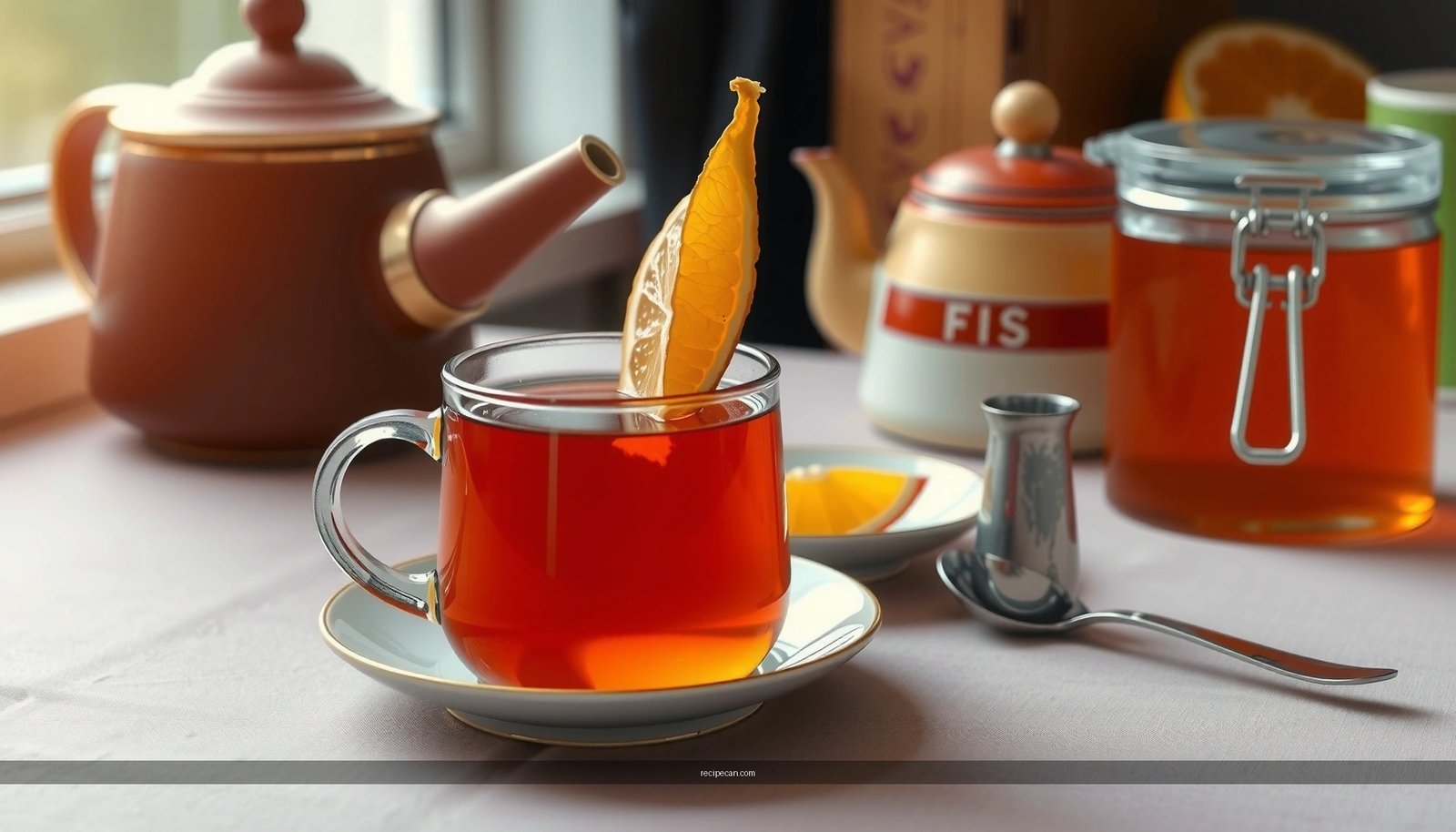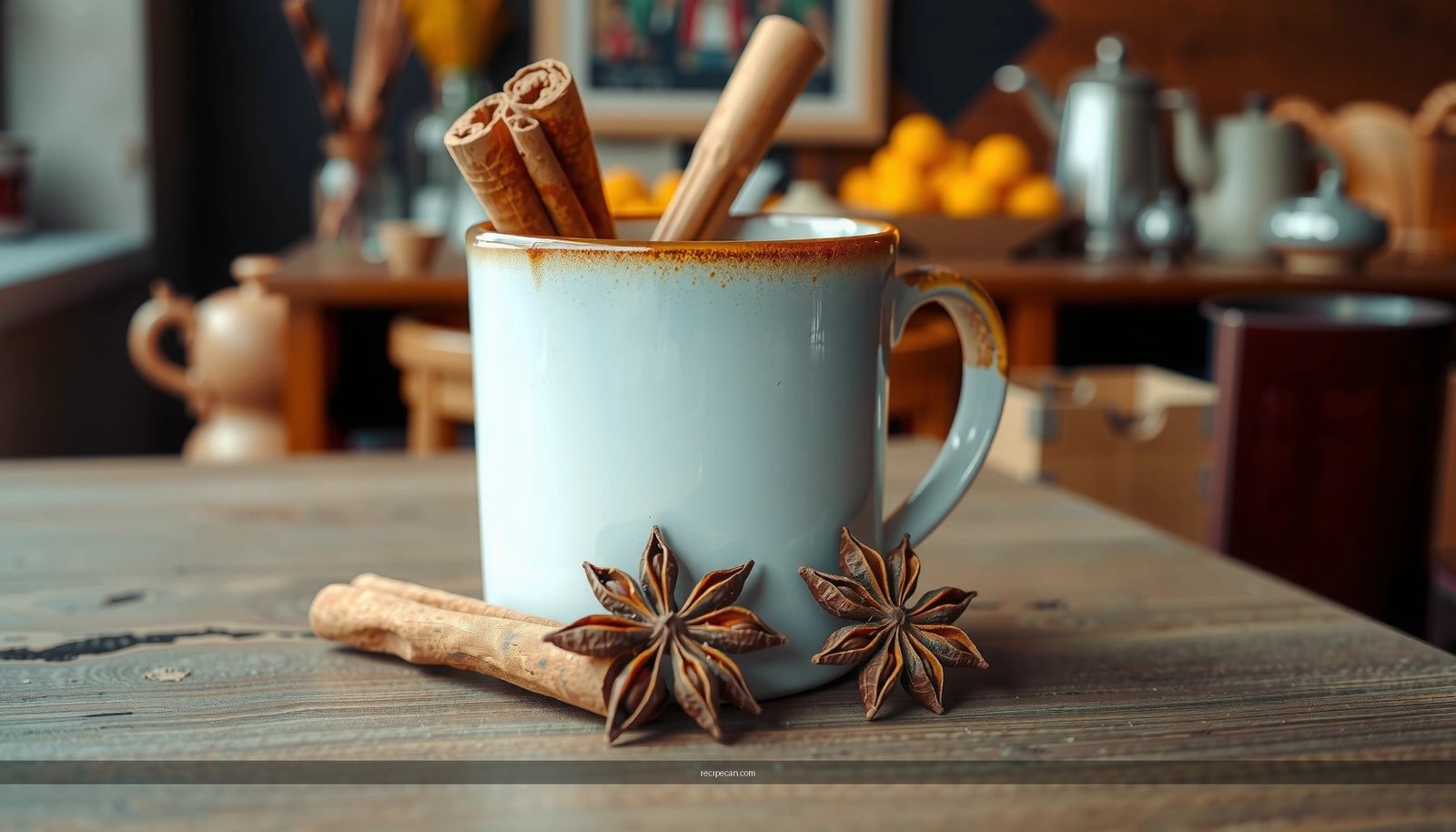
This recipe clove tea delivers a cozy, spiced cup in minutes—here’s the exact steps to brew it right. If you want the strongest clove flavor without bitterness, you’ll get the right spice-to-water ratio, steep time, and optional add-ins. Follow this method and you’ll taste warm, aromatic clove in every sip.
Recipe clove tea is easy to make: steep (or gently simmer) whole cloves in hot water, then adjust the brewing time until it tastes just right. In the guide below, you’ll get a reliable basic recipe, learn how to fine-tune strength and aroma, and explore practical flavor customizations—so you can consistently brew a cozy, spiced cup at home.
What You Need for Clove Tea

Clove tea is valued for its simplicity—cloves bring a naturally warm, aromatic profile with very few ingredients required. The goal is to extract the clove’s essential oils gradually, which is why technique matters as much as the ingredients.
– Whole cloves and water are the core ingredients
Whole cloves hold flavor compounds that steep predictably. Whole is preferred over ground cloves because they’re easier to strain cleanly and allow more precise strength control.
– Optional add-ins: honey, lemon, cinnamon, or ginger
These add complementary notes: honey rounds sharpness, lemon brightens, cinnamon deepens the “spiced” impression, and ginger contributes a lively, peppery warmth.
– Choose your preferred sweetener (or keep it unsweetened)
Many people enjoy clove tea unsweetened, especially when using it as an evening drink. If you want sweetness, add it after steeping so delicate aromas aren’t muted by prolonged heat.
Clove Tea Strength Guide by Brew Time (1 Cup)
| # | Brew Style | Cloves (per 250 ml) | Time | Aroma Intensity | Best For |
|---|---|---|---|---|---|
| 1 | Steep (off heat) | 3–4 cloves | 5 min | ★☆☆☆☆ | Gentle daily cup |
| 2 | Steep (off heat) | 5 cloves | 7 min | ★★☆☆☆ | Mild, comforting warmth |
| 3 | Steep (off heat) | 6 cloves | 10 min | ★★★☆☆ | Standard cozy brew |
| 4 | Simmer (gentle heat) | 4–5 cloves | 6 min | ★★★☆☆ | Faster extraction |
| 5 | Steep (off heat) | 7–8 cloves | 12–14 min | ★★★★☆ | Extra aromatic comfort |
| 6 | Simmer (gentle heat) | 6 cloves | 8 min | ★★★★☆ | Bold, spiced profile |
| 7 | Simmer (short, controlled) | 9 cloves | 4–5 min | ★★★★★ | For strong tolerance levels |
Basic Recipe Clove Tea (Step-by-Step)

This clove tea recipe is designed to be repeatable, so you can match flavor strength and aroma without guesswork. The two main methods—steeping off heat and gentle simmering—produce similar end results, but they differ in speed and intensity.
– Simmer or steep cloves in hot water for a few minutes
Bring water to a near-boil, then add whole cloves. For a smoother, less aggressive cup, steep off the heat. For a faster extract, use a gentle simmer.
– Strain the tea and adjust the brewing time for strength
Strain out cloves immediately once your desired intensity is reached. If you leave cloves in longer, the tea can become overly sharp or medicinal-tasting.
– Serve hot, and add honey/lemon after steeping
Honey is best added after steeping so its flavor stays fresh and it doesn’t lose nuance from prolonged heat. Lemon can also be stirred in at the end to maintain brightness.
Quick method (most consistent):
1. Measure 250 ml (1 cup) water into a kettle or small saucepan.
2. Heat to steaming (avoid a hard rolling boil if you prefer smoother flavor).
3. Add 5–6 whole cloves to a mug or teapot, or to the saucepan for simmering.
4. Steep 7–10 minutes off the heat for a balanced cup.
5. Strain and taste; if it needs more depth, steep for 1–3 extra minutes next time.
Gentle simmer method (faster):
1. Add water and 4–6 cloves to a small pot.
2. Keep heat low enough to avoid aggressive boiling.
3. Simmer 5–8 minutes, then strain immediately.
How to Get the Right Flavor Strength

Strength in clove tea is mainly controlled by two variables: clove quantity and brewing time. Water temperature and whether you steep off heat versus simmering also matter, but the most controllable levers are the ones you can standardize.
– Use fewer cloves for a mild, daily cup
If you plan to drink clove tea regularly, start with 3–4 cloves per cup and steep around 5–7 minutes. This reduces the risk of an overly intense clove character while still delivering warmth.
– Increase cloves or steep time for a stronger, more aromatic brew
For a more pronounced spice profile, move to 6–7 cloves and steep 10–14 minutes. A practical approach is incremental: increase either cloves *or* time, not both at once, so you can identify what changed the flavor.
– Keep notes on your preferred ratio for consistency
Clove sizes vary slightly by batch, so writing down your ratio—e.g., “6 cloves, 9 minutes off heat”—makes your “perfect cup” repeatable. This is especially useful if you’re brewing for guests or maintaining a routine.
A useful professional habit: taste-test at set intervals. For example, strain a sample at 7 minutes, then compare to a 10-minute brew. Over time, you’ll develop a reliable “target window” that matches your palate.
Health Benefits and Uses (Traditional + Practical)
Clove tea is widely enjoyed for its comforting warmth and spiced aroma. From a traditional perspective, clove has a long history as a warming ingredient in herbal drink routines. Practically, many people use clove tea as a soothing option when they want a flavorful, caffeine-free (or naturally non-caffeinated) beverage.
– Commonly used for soothing warmth and comforting flavor
The sensory impact is immediate: clove aroma can feel grounding, and the heat of the drink makes it especially appealing during cool evenings or after a long day.
– Many people enjoy it as an evening drink or post-meal tea
In practice, clove tea is often served after dinner because the spices pair naturally with rich foods. Whether you’re looking for a calm wind-down beverage or a spiced “finish,” it fits well into evening routines.
– Pair it with relaxed routines for best effect
The benefit many people notice is behavioral as much as chemical: sipping slowly, inhaling the aroma, and staying present often enhances the “soothing” perception. Try pairing clove tea with a brief breathing routine or a short reading session for a consistent ritual.
Important note for real-world use: If you have any medical conditions or sensitivities, treat concentrated spices as potent ingredients. For everyday enjoyment, stay within moderate ratios and avoid over-brewing until you know your tolerance.
Storage and Reheating Tips
Clove tea is best enjoyed fresh, but proper storage can preserve much of its aroma. Clove’s volatile compounds can mellow over time, which is why timing matters.
– Best fresh, but you can store in the fridge briefly
Brew a batch, cool it quickly (don’t leave it out at room temperature for long), and refrigerate in a covered container for up to 24 hours for best flavor.
– Reheat gently to preserve aroma
Reheat on low heat or in short microwave bursts. Avoid boiling again—high heat can further dull the top notes and intensify harsher notes.
– Flavor may mellow over time—rebalance with a little extra clove if needed
If the tea tastes less vibrant after storage, don’t immediately add sugar. Instead, add 1–2 fresh cloves to your reheated cup and steep for 2–3 minutes, then strain. This restores aromatic character more naturally.
Flavor Variations to Try
Once you master the base recipe, customizing clove tea becomes a simple way to match it to your mood—more warming, brighter, or more complex. Each variation below keeps the drink cohesive rather than overwhelming.
– Add ginger for extra warmth and bite
Use thin slices (or a small knob of fresh ginger) alongside cloves. Ginger adds a lively heat that complements clove’s deeper spice. Start with a modest amount—too much can overpower the clove.
– Mix in cinnamon or star anise for a deeper spice profile
Cinnamon enhances “cozy bakery” notes. Star anise adds a subtle licorice-like complexity. If you add either, keep cloves slightly lower or shorten steep time to prevent the tea from becoming overly intense.
– Try lemon-honey clove tea for a brighter finish
Add lemon juice or a small lemon wedge after steeping, then stir in honey to balance. This variation often tastes less “heavy” and more refreshing, especially when served hot but not boiling.
Example variation approach (simple and repeatable):
– Base: 5 cloves, 8–10 minutes off heat
– Add: fresh ginger slice *or* a cinnamon stick segment
– Finish: honey + lemon after straining
Recipe clove tea is quick to make and easy to customize—start with the basic steeping method, then adjust cloves and time to match your taste. Brew a batch today, try one variation (like ginger or cinnamon), and save your favorite ratio for your next cozy cup.
Frequently Asked Questions
What is clove tea and how does it taste?
Clove tea is a warm herbal drink made by steeping whole cloves or ground cloves in hot water. It has a naturally sweet, spicy, and slightly pungent flavor with a warming “spice” aroma. Many people add honey, lemon, or ginger to mellow the intensity and make clove tea more approachable.
How do you make recipe clove tea at home?
To make recipe clove tea, add 3–5 whole cloves (or 1/4–1/2 teaspoon ground cloves) to a cup of boiling water and let it steep for 5–10 minutes. Strain if you used whole cloves or ground spices, then sweeten with honey if desired. For extra flavor, simmer ginger slices or add a cinnamon stick during steeping.
Why is clove tea used for digestion and how should you drink it?
Clove contains eugenol, a compound traditionally used to support digestion and reduce feelings of bloating after meals. Many people drink clove tea 15–30 minutes after eating to help them feel more comfortable. If you have a sensitive stomach, start with a lighter recipe (fewer cloves) to avoid irritation.
Which clove tea recipe is best for sore throat and cold symptoms?
A common best option is a “spiced comfort” recipe using cloves plus honey and lemon—steep 3–5 cloves in hot water, then stir in honey and lemon juice after the tea cools slightly. You can also add a small amount of fresh ginger for extra warmth. Sip slowly and consider drinking it 1–2 times daily during cold season, but keep honey out for infants under 1 year.
What are the side effects of drinking recipe clove tea, and who should be careful?
Too much clove tea or using overly strong amounts of ground clove can cause stomach upset, heartburn, or mouth/throat irritation. People who are pregnant, have liver concerns, take blood-thinning medications, or have planned surgery should check with a healthcare professional first because clove can affect bleeding risk and may interact with medications. Stick to mild servings (about 1 cup per day) and use the recommended steeping time rather than making it very concentrated.
References
- Google Scholar Google Scholar
https://scholar.google.com/scholar?q=clove+tea+eugenol+review - Google Scholar Google Scholar
https://scholar.google.com/scholar?q=clove+(Syzygium+aromaticum)+tea+antimicrobial - Google Scholar Google Scholar
https://scholar.google.com/scholar?q=eugenol+pharmacology+clove - Clove
https://en.wikipedia.org/wiki/Clove - Herbal tea
https://en.wikipedia.org/wiki/Herbal_tea - Clove | History, Description, & Uses | Britannica
https://www.britannica.com/plant/clove - Eugenol | C10H12O2 | CID 3314 – PubChem
https://pubchem.ncbi.nlm.nih.gov/compound/Eugenol - https://pubmed.ncbi.nlm.nih.gov/?term=clove+eugenol+antimicrobial
https://pubmed.ncbi.nlm.nih.gov/?term=clove+eugenol+antimicrobial - https://www.sciencedirect.com/search?qs=clove%20eugenol
https://www.sciencedirect.com/search?qs=clove%20eugenol - clove eugenol | Nature Search Results
https://www.nature.com/search?q=clove%20eugenol