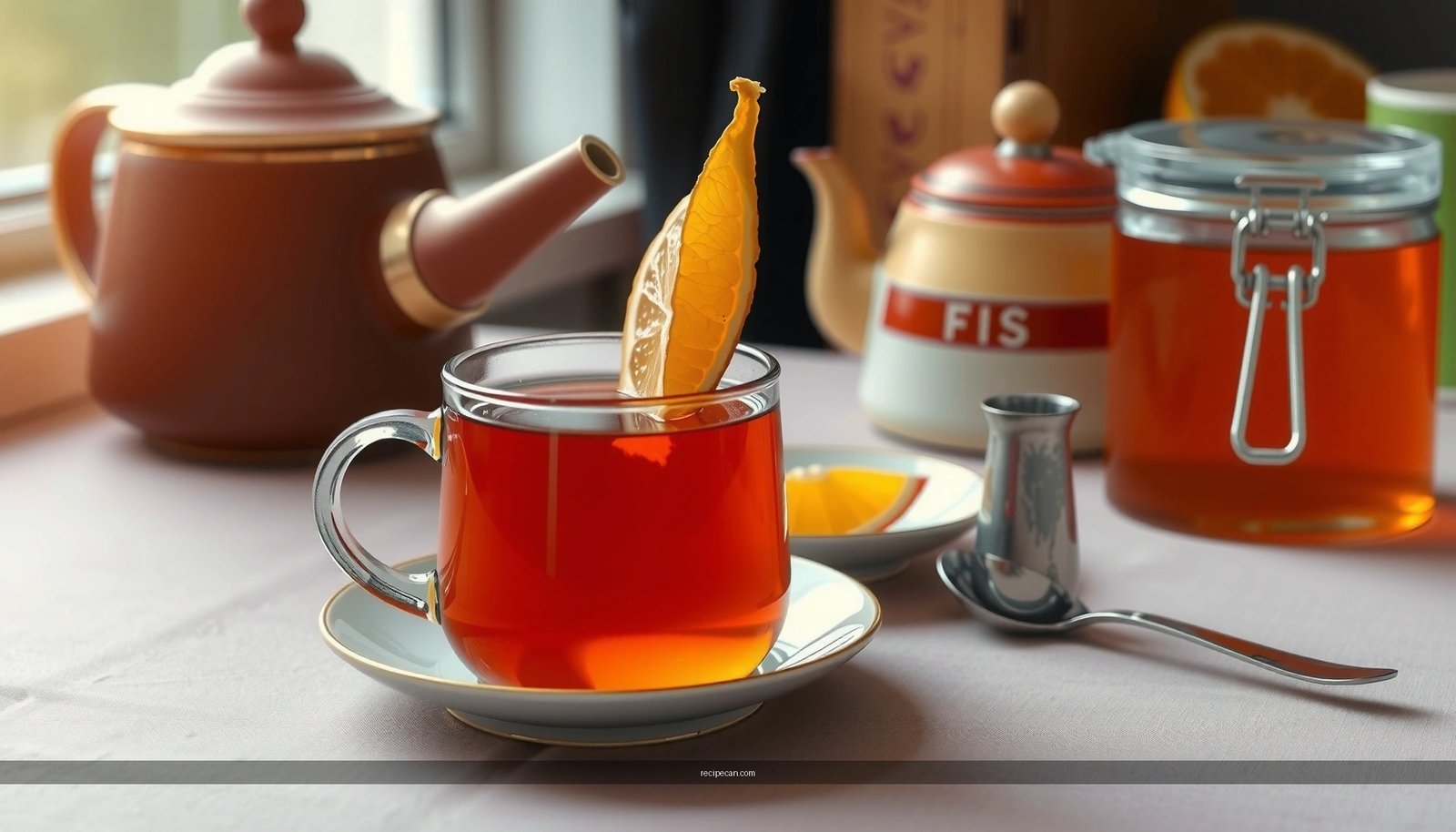
This lemon tea recipe shows you how to make a fresh, tangy cup in minutes, with simple steps and no complicated techniques. You’ll learn the exact balance of lemon juice, tea, and sweetness that delivers bright flavor without turning bitter. Follow along for a reliably refreshing result whether you’re brewing hot or serving it chilled.
Make lemon tea by steeping your preferred tea with fresh lemon juice (and optional honey) and serving it hot or over ice; the key is balancing acidity with sweetness and getting the steep time right. Below you’ll find exact ratios, step-by-step directions, and practical tuning tips so your tangy lemon tea tastes consistent every time—whether you brew black tea for bold flavor, green tea for a lighter profile, or herbal tea for caffeine-free refreshment.
What You Need for a Lemon Tea Recipe

– Choose your tea base: black, green, or herbal
– Gather fresh lemon juice, water, sweetener (optional), and optional lemon slices
– Decide hot vs. iced before you start
To make a “fresh, tangy cup,” start by selecting a tea base that matches the strength you want. Black tea generally delivers the most robust body and pairs well with sharper lemon notes. Green tea is lighter and can taste slightly grassy if over-steeped—so timing matters. Herbal teas (like chamomile, rooibos, or ginger tea) bring distinct flavors that can amplify or soften lemon’s acidity, making them ideal for caffeine-free lemon tea.
Core ingredients (baseline for 1 serving):
– Tea: 1 tsp loose tea or 1 tea bag
– Water: 8 oz (240 ml)
– Fresh lemon juice: 1–2 tbsp (about 1/2 to 1 lemon, depending on juiciness)
– Sweetener (optional): 1–2 tsp honey or sugar to taste
Sweetness and tang balance principle:
Lemon juice is acidic and can “cut” the tea. If you under-steep or use a weak tea base, lemon will feel overly sharp. If you over-steep, lemon can taste harsh or metallic. Your goal is to create a tea base strong enough to stand up to citrus while keeping steeping controlled.
Quick reference: choose your tea by outcome
– Bold & classic: black tea (e.g., Assam, Ceylon, English Breakfast)
– Light & bright: green tea (sencha, jasmine green, or lemon-leaning blends without added citrus oil)
– Caffeine-free & cozy: rooibos, chamomile, peppermint, or ginger blends
Simple Lemon Tea Recipe (Hot)

– Heat water and steep tea for 3–5 minutes
– Stir in fresh lemon juice and sweeten to taste
– Serve immediately for best flavor
Hot lemon tea works best when you control three variables: tea strength (steep time), lemon dosage (tbsp), and sweetener timing. Use the following “repeatable” method so you can recreate the same flavor profile daily.
Hot lemon tea (1 mug / 8 oz)
1. Heat the water
– Bring water to a boil, then let it cool slightly if using green tea.
– Practical targets:
– Black tea: ~200–212°F (93–100°C)
– Green tea: ~175–185°F (80–85°C) to prevent bitterness
2. Steep the tea (3–5 minutes)
– Black tea: steep 3–4 minutes
– Green tea: steep 2–3 minutes
– Herbal tea: steep 5–8 minutes (but start with 5–6 for a cleaner lemon-forward cup)
3. Add lemon and sweeten (off/near heat)
– Stir in 1 tbsp fresh lemon juice first.
– Add honey/sugar to taste (start with 1 tsp). Honey dissolves best when the tea is warm.
– If you want more tang, add another 1/2 tbsp lemon juice, then taste.
4. Serve immediately
– Lemon flavor is brightest right after mixing; it softens slightly as it sits.
Hot flavor consistency tips (high leverage)
– Taste after steeping, then adjust lemon. Tea strength affects how lemon reads on the palate.
– Add lemon at the end. Boiling or long simmering can make the citrus taste flatter and more muted.
– Use fresh juice, not concentrate if you want a clean, true “lemon tea” flavor.
A professional ratio baseline (so it’s not guesswork)
A helpful way to standardize is to treat lemon as a percentage of the water volume. For 8 oz (240 ml), 1–2 tbsp juice generally delivers the classic tangy profile. If your lemon is unusually mild or extremely sharp, adjust within that window rather than drastically changing both tea and lemon at once.
Lemon Tea Tuning Guide: Strength, Steep Time, and Lemon Dose (8 oz / 240 ml)
| # | Tea Base | Steep Time | Start Lemon Juice | Sweetness Start | Best For |
|---|---|---|---|---|---|
| 1 | English Breakfast (Black) | 4 min | 1 tbsp | 1 tsp honey | ★ ★ ★ ★ ★ Bold & classic tang |
| 2 | Ceylon (Black) | 3.5 min | 1 tbsp | 1 tsp sugar | ★ ★ ★ ★☆ Bright without heavy bitterness |
| 3 | Sencha (Green) | 2.5 min | 1 tbsp | 0–1 tsp honey | ★ ★ ★ ★☆ Clean, lighter lemon tea |
| 4 | Jasmine Green | 2 min | 1 tbsp | 1 tsp honey | ★ ★ ★ ★☆ Aromatic tea with citrus lift |
| 5 | Rooibos (Herbal) | 6 min | 1–2 tbsp | 0–1 tsp honey | ★ ★ ★ ★☆ Naturally mellow base |
| 6 | Chamomile (Herbal) | 5–6 min | 1 tbsp | 1–2 tsp honey | ★ ★ ★ ★☆ Calming cup with citrus warmth |
| 7 | Ginger Tea (Herbal) | 6 min | 1–1.5 tbsp | 1 tsp maple | ★ ★ ★ ★☆ Spiced tang—excellent hot |
Best Way to Make Iced Lemon Tea
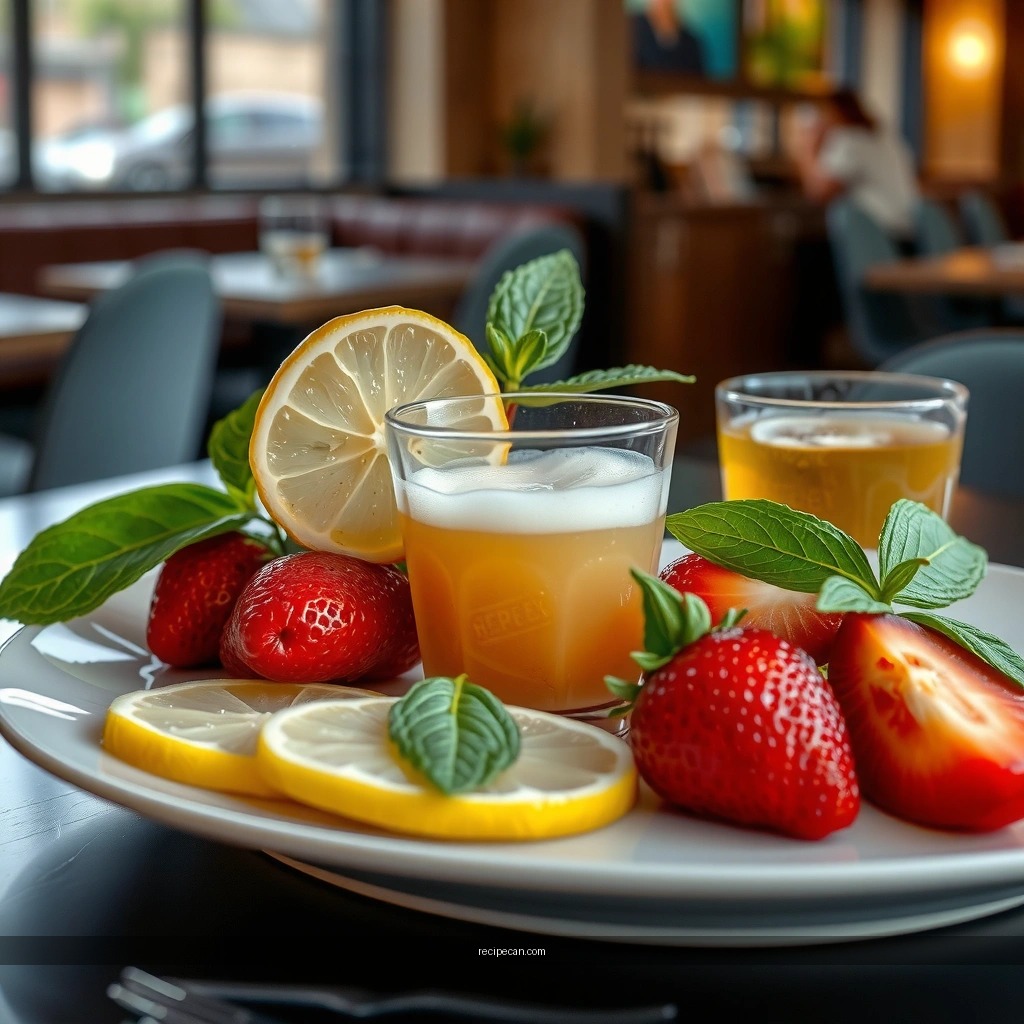
– Brew strong tea, let it cool slightly, then pour over ice
– Add lemon juice and sweetener, then stir well
– Chill briefly if you want it more refreshing
Iced lemon tea is where technique matters most, because melting ice can dilute flavor. The solution is to brew slightly stronger than you would for hot tea, then adjust with lemon and sweetener before the final chill.
Iced lemon tea method (1 glass / ~12 oz)
1. Brew strong tea
– Use 1 tea bag or 1.5 tsp loose tea for 8 oz water.
– Steep:
– Black: 4–5 minutes
– Green: 3 minutes
– Herbal: 6–7 minutes
2. Cool slightly (important)
– Let the brewed tea sit 1–2 minutes off the heat. This helps avoid temperature shock that can mute aroma.
3. Build the glass
– Fill a glass with ice (ideally plenty—so it doesn’t melt quickly).
– Add lemon juice: start with 1 tbsp.
– Add sweetener: start with 1 tsp honey/sugar (or none if you prefer tart).
4. Pour and stir
– Pour tea over ice. Stir for 10–15 seconds to dissolve sweetener and evenly distribute lemon.
5. Chill to perfect
– If you want it extra refreshing and cold, refrigerate 10–20 minutes.
The “less dilution” upgrade (optional, but effective)
– Instead of adding regular ice, make lemon-ice cubes by freezing water mixed with a few teaspoons of lemon juice.
– This keeps your iced lemon tea tangy even as ice melts.
Flavor Tips: Make It More Tangy or More Mild
– For extra tang: add more lemon juice or a few thin lemon peels
– For a smoother taste: reduce lemon juice and increase steep time slightly
– Optional add-ins: ginger, mint, or cinnamon
You can steer lemon tea toward “bright and zesty” or “soft and rounded” without changing the entire recipe. Think in adjustments:
Make it more tangy (without tasting thin)
– Increase lemon juice gradually: add 1/2 tbsp at a time.
– Add thin lemon peels (avoid the white pith): peel only the yellow part, then steep briefly or garnish. The oils add aroma that reads as “more lemon” even if juice amount stays moderate.
– Keep tea strong: tang can feel harsh if the tea base is weak.
Make it more mild (without losing flavor)
– Reduce lemon juice slightly and compensate with steep time (especially for black tea).
– Aim for controlled steeping: over-steeping can create bitterness that makes lemon feel sharper rather than smoother.
– For green tea, shorten steep time if you get astringency—then adjust lemon downward.
High-impact add-ins (and when to use them)
– Ginger (fresh slices or powdered): great for iced lemon tea and helps create a “sparkling” sensation.
– Mint: best added at the end as a garnish or steeped briefly (1–2 minutes) to avoid turning the tea flat.
– Cinnamon: use a short cinnamon stick steep (5 minutes) or a pinch in warm tea for a cozy, less tart finish.
Sweetening Options and Timing
– Use honey, sugar, or maple syrup based on your preference
– Add sweetener while the tea is warm to dissolve better
– Start with less sweetener and adjust after tasting
Sweetness is the balancing lever that turns “too sour” into “perfectly tangy.” Different sweeteners also change the flavor character:
– Honey: floral, slightly complex; pairs especially well with black and chamomile lemon tea.
– Sugar: neutral and predictable; ideal when you want the lemon flavor to lead.
– Maple syrup: warm, caramel notes that soften lemon’s sharpness and work beautifully in iced ginger-lemon tea.
Timing: add sweetener while warm
When the tea is warm, sweeteners dissolve quickly and evenly. If you add honey or sugar to very cold tea, you may end up with uneven sweetness (some sips sweeter than others). Stir thoroughly for 10–15 seconds after adding.
Practical sweetening starts (per 8 oz)
– Lightly sweet: 1 tsp
– Moderately sweet: 2 tsp
– Dessert-like: 1 tbsp (use carefully; it can overpower lemon)
A useful approach is to start with less sweetener, taste, and then add incrementally—especially because lemon juice varies by fruit and season.
Storage and Reheating (If You Batch It)
– Store lemon tea in the fridge for up to 2 days
– Reheat gently (stovetop or microwave) without boiling hard
– Freshly add lemon juice after reheating for brighter flavor
Batching is convenient for workdays, gatherings, or meal planning—but lemon flavor can fade after storage. Here’s a workflow that protects freshness.
Best storage practice
– Store brewed tea plus sweetener in an airtight container.
– Add lemon juice after reheating (or after bringing the tea back to temperature).
This keeps the citrus notes bright and prevents the tea from tasting dull.
Refrigeration and lifespan
– Refrigerate lemon tea for up to 2 days.
– After that window, acidity and aroma degrade noticeably, even if it still tastes “fine.”
Reheating without losing quality
– Reheat gently on the stovetop or in the microwave.
– Avoid boiling hard—rapid heat can flatten the lemon aroma and can intensify any bitterness from the tea base.
Quick “reheat + refresh” routine
1. Warm the stored tea to hot (but not boiling).
2. Stir in fresh lemon juice to taste (typically 1–2 tbsp per 8 oz, adjusted for your batch).
3. Taste and add a small amount of honey or sugar if needed.
Conclusion
This lemon tea recipe is built for repeatable results: steep your chosen tea base for the right time, add fresh lemon juice at the end, sweeten while the tea is warm, and serve hot or over ice with minimal dilution. Follow the hot and iced methods above, use the tang/mild flavor adjustments to fine-tune your preference, and—if you batch—store tea separately from lemon juice to keep the citrus bright.
Frequently Asked Questions
What is an easy lemon tea recipe I can make at home?
To make an easy lemon tea recipe, boil 1–2 cups of water, then add 1–2 tablespoons fresh lemon juice (or a few lemon slices) to a mug. Pour the hot water over the lemon, then stir in honey or sugar to taste. For extra flavor, add ginger slices or a pinch of black pepper. This simple lemon tea is ready in minutes and works well hot or iced.
How do I make lemon tea with fresh lemon versus bottled lemon juice?
Fresh lemon tea typically tastes brighter and more aromatic because you can add lemon zest as well as juice. Use about 1–2 tablespoons fresh lemon juice per cup of water, and consider steeping lemon slices for 3–5 minutes for a stronger infusion. Bottled lemon juice is convenient, but it can be more sour or slightly flatter, so start with 1 tablespoon per cup and adjust to taste. Either way, sweeten after adding lemon so you can balance the flavor.
Why does lemon tea help with sore throat or digestion, and how should I prepare it?
Lemon tea is a soothing warm drink that can feel comforting when you have a sore throat, thanks to the heat and the citrus taste. For a digestion-friendly lemon tea, use warm (not boiling) water and avoid very large amounts of sugar, since too much sweetness can worsen reflux for some people. You can also add honey and ginger to support comfort and flavor. Always stay hydrated, and if symptoms persist, consult a healthcare professional.
Which sweetener is best for lemon tea—honey, sugar, or stevia?
Honey is a popular choice because it blends well with lemon tea and can add soothing sweetness, especially when the tea is warm. Sugar works well for a classic lemon tea flavor but can be easier to overdo, so use less than you think you need. Stevia is good if you want a low-calorie lemon tea, but start with a small amount since it can taste bitter or intense. Choose based on your taste and dietary needs, and sweeten to preference.
Best way to make iced lemon tea at home—what’s the recipe?
For iced lemon tea, brew a hot lemon tea base first by mixing lemon juice with hot water, then cool it quickly by pouring over ice. Add sweetener while it’s still warm so it dissolves evenly, then top with more cold water or sparkling water if you want it lighter. For the best flavor, use fresh lemon slices and consider steeping tea leaves (like black or green tea) for 3–5 minutes before adding lemon. Finish with fresh mint or a ginger slice for a refreshing, homemade iced lemon tea.
References
- Tea culture
https://en.wikipedia.org/wiki/Lemon_tea - https://pubmed.ncbi.nlm.nih.gov/?term=lemon+tea
https://pubmed.ncbi.nlm.nih.gov/?term=lemon+tea - lemon tea – Search Results – PMC
https://www.ncbi.nlm.nih.gov/pmc/?term=lemon+tea - Google Scholar Google Scholar
https://scholar.google.com/scholar?q=lemon+tea+recipe - Google Scholar Google Scholar
https://scholar.google.com/scholar?q=hot+lemon+tea+homemade+recipe - Google Scholar Google Scholar
https://scholar.google.com/scholar?q=lemon+tea+health+benefits - https://www.mayoclinic.org/healthy-lifestyle/nutrition-and-healthy-eating/in-depth/tea/art-20046389
https://www.mayoclinic.org/healthy-lifestyle/nutrition-and-healthy-eating/in-depth/tea/art-20046389 - https://www.britannica.com/topic/tea
https://www.britannica.com/topic/tea - Search recipes – BBC Food
https://www.bbc.com/food/search?q=lemon%20tea - https://www.theguardian.com/food/search?q=lemon%20tea
https://www.theguardian.com/food/search?q=lemon%20tea