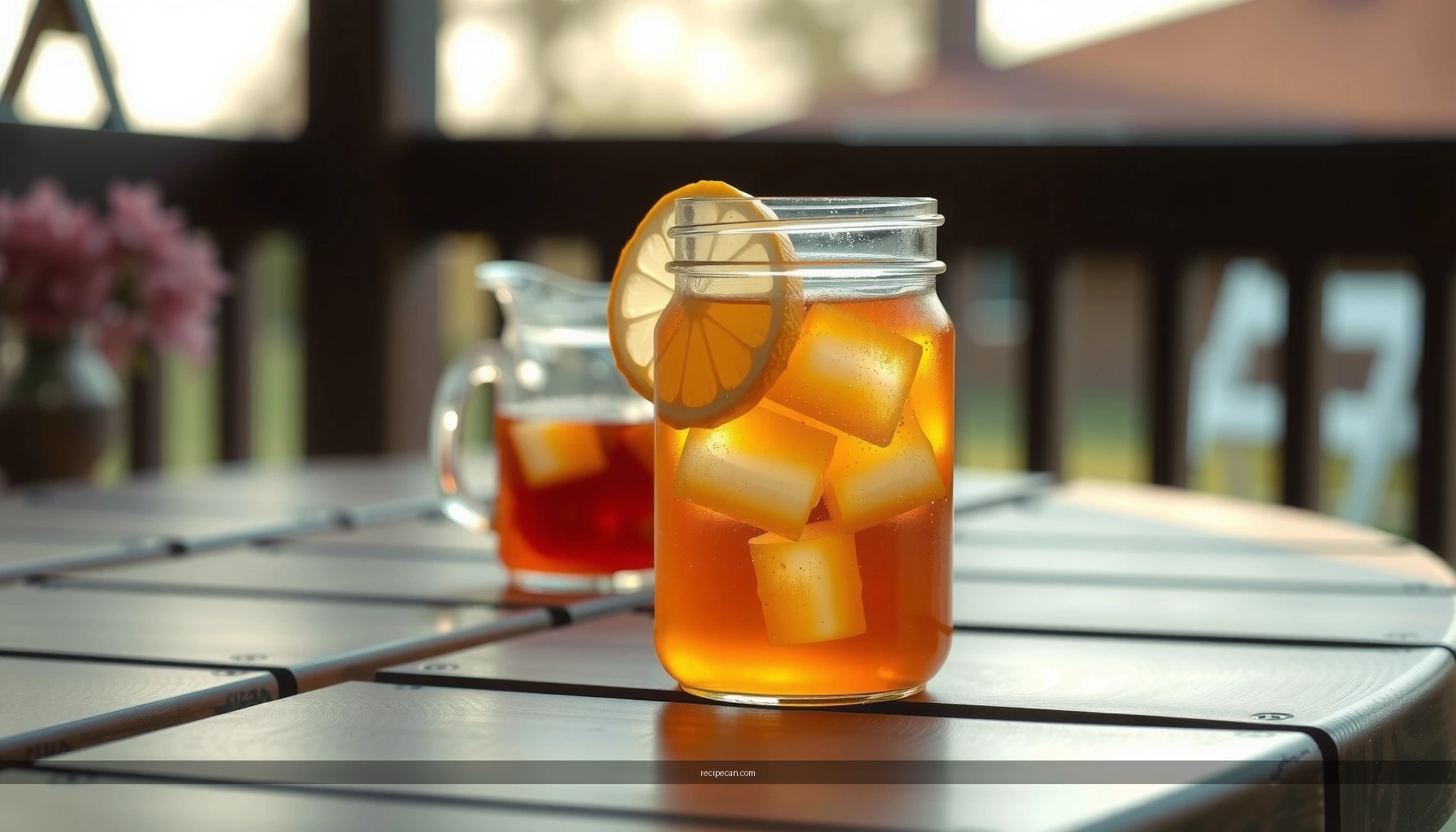
Get the best sweet tea recipe—an easy, classic Southern sweet tea that delivers the bold tea flavor and clean, syrupy sweetness you actually want. This recipe answers whether you can make “true” Southern-style sweet tea at home with the right tea strength, proper sweetness balance, and a no-fuss method. Follow these steps and you’ll get a consistently great pitcher every time, not a weak brew or overly sugary glass.
Make classic Southern sweet tea by steeping strong black tea, then stirring in sugar while the tea is hot so it dissolves fully. Follow the steeping and chilling steps below and you’ll get the smooth, amber flavor sweet tea is known for—without grainy sugar or weak tea.
Choose the Right Tea and Water
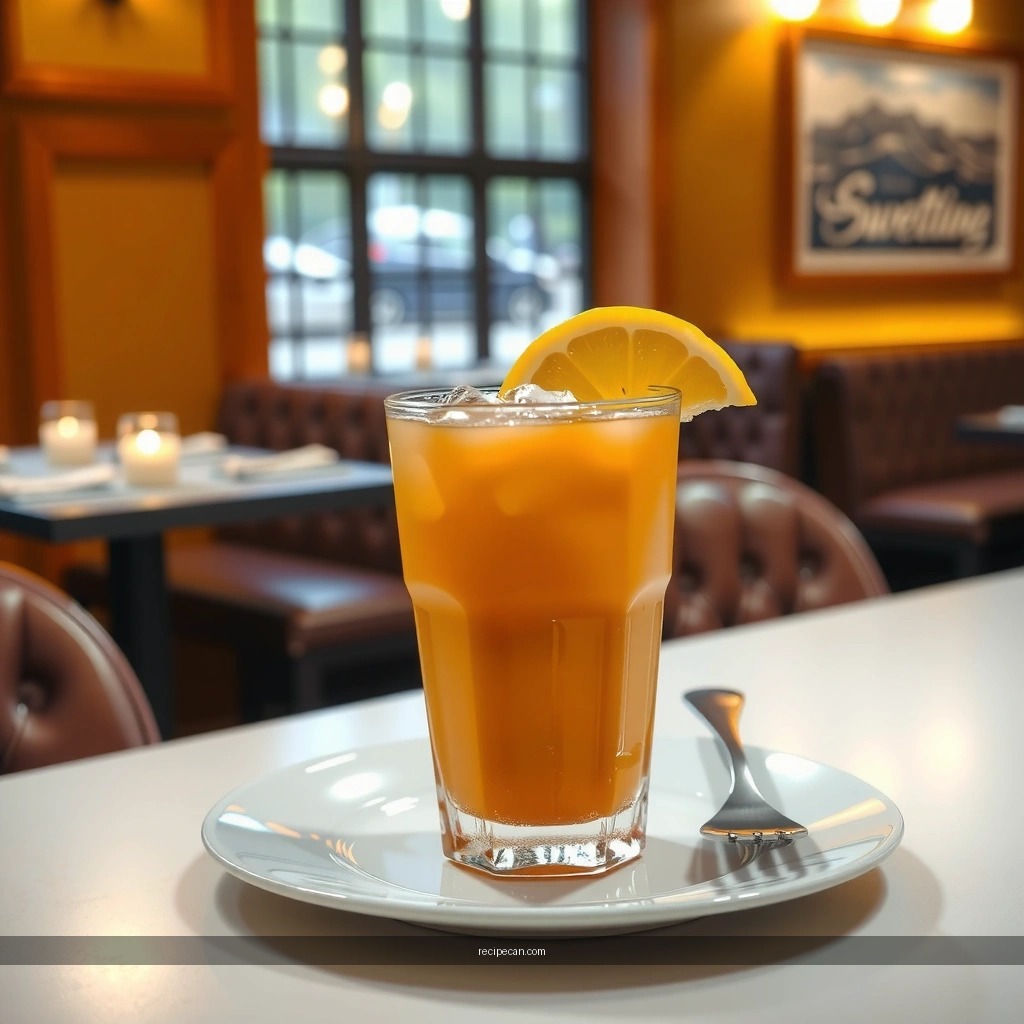
The foundation of the best sweet tea recipe is choosing black tea with enough body to stand up to the sweetness. Sweet tea is not just “sweetened tea”—it’s a balance of tannin-rich tea, caramel-like notes, and crisp acidity that comes through even after adding sugar.
Tea selection (what matters most):
– Assam: Often produces a malty, full-bodied cup with a naturally sweet aroma—ideal for classic Southern-style tea.
– Keemun: Tends to be slightly lighter and more aromatic, but still strong enough to hold up once sugar is added.
– Ceylon or English Breakfast blends: Work well if you prefer a more rounded flavor and easy availability.
Water selection (often overlooked):
– Use cold, filtered water to prevent chlorine or off-flavors from dulling tea aromas.
– If your tap water is very hard (high mineral content), it can sometimes make tea taste flatter. Filtered water helps keep the flavor clean and consistent batch to batch.
Practical guidance for strength:
For sweet tea, you want strong tea, not “average brewed tea.” A good rule of thumb is to treat sweet tea like a concentrate: the tea should taste slightly bold and a bit more intense than you’d drink plain.
Sweeten While It’s Hot

This is the step that separates truly classic sweet tea from “almost right” versions. Sugar dissolves best in hot liquid because the thermal energy speeds up dissolution and prevents undissolved crystals from settling.
Why adding sugar while hot works:
– When the tea is steaming-hot, sugar granules break down quickly and distribute evenly.
– Adding sugar after chilling often leads to grainy texture, uneven sweetness, and slower dissolution.
How to sweeten correctly (actionable method):
1. Brew your tea until it’s strong.
2. Stir in sugar immediately while the tea is hot.
3. Keep stirring until the mixture looks uniformly clear (no sugar sparkle on top).
Start with a classic ratio, then fine-tune:
– A widely used Southern baseline is 1 cup granulated sugar per 1 quart of finished sweet tea (about 4 cups of brewed tea concentrate adjusted to yield 1 quart, depending on your brewing method).
– If you want it sweeter, add a small amount (a few tablespoons at a time) and stir well.
– If you want it less sweet, reduce gradually—don’t guess in large jumps, because sweet tea sweetness perception changes as it cools.
Consistency tip for businesses, events, and repeat batches:
If you’re serving sweet tea at work, catering, or family gatherings, keep your ratio consistent and document it. Sweet tea is a “process product”—small changes in tea strength or sugar timing can noticeably alter the final flavor.
Sweet Tea Batch Targets (Classic to Lighter)
| # | Batch Style | Black Tea Choice | Tea Strength Goal | Sugar per 1 Quart | Best Step Timing | Sweetness-Texture Reliability |
|---|---|---|---|---|---|---|
| 1 | Classic Southern (Most Requested) | Assam | Strong | 1 cup (≈200 g) | Stir in while hot | ★★★★★ |
| 2 | Restaurant-Style (Crisp & Balanced) | English Breakfast | Strong, slightly brighter | ¾ cup (≈150 g) | Stir in while hot | ★★★★☆ |
| 3 | Lighter Sweet Tea (Family-Friendly) | Keemun | Medium-strong | ½ cup (≈100 g) | Stir in while hot | ★★★★☆ |
| 4 | Extra-Strong Tea (Tea-Forward) | Assam | Very strong | ¾ cup (≈150 g) | Stir in immediately | ★★★★★ |
| 5 | Classic but Slightly Less Sweet | English Breakfast | Strong | ⅞ cup (≈175 g) | Stir in while hot | ★★★★☆ |
| 6 | Sweet Tea for Events (Larger Batches) | Assam blend | Strong concentrate | 1 cup (≈200 g) | Stir in hot; chill fast | ★★★★☆ |
| 7 | Common “Off” Outcome (Avoid) | Any black tea | Weak brew | ≥1 cup (≈200 g) | Add sugar after cooling | ★★☆☆☆ |
Perfect Steeping Time and Temperature
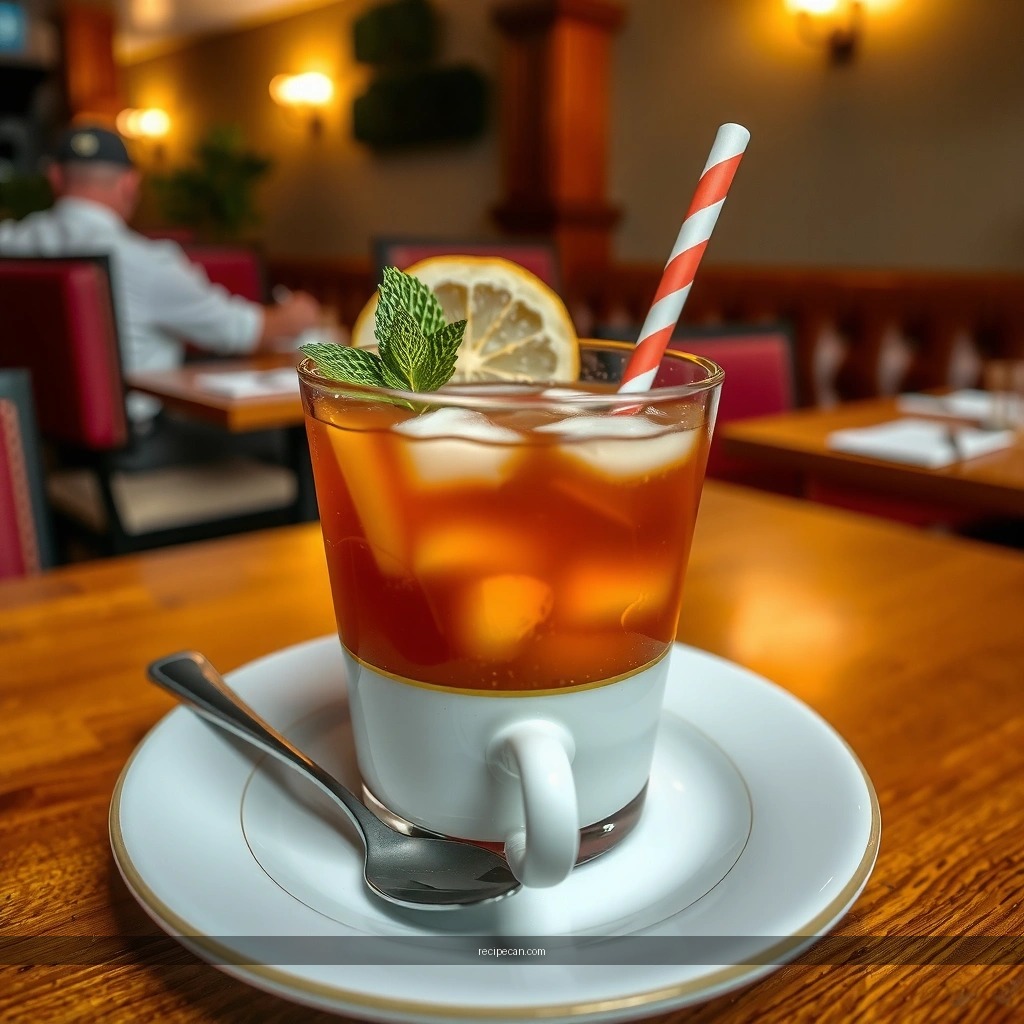
Even with perfect sugar timing, sweet tea can still taste disappointing if the tea is under- or over-steeped. Think of steeping as building structure: the tea’s tannins and aromatic compounds provide the backbone that sweetness rests on.
How long to steep:
– For loose-leaf tea, steep 4–6 minutes for a classic strong cup.
– For tea bags (standard-sized), a common range is 5–7 minutes depending on bag strength and how much tea you’re brewing.
– If your sweet tea tastes “too thin,” shorten less—or simply increase the tea quantity next time.
Temperature guidance:
– Use near-boiling water (about 195–212°F / 90–100°C) to extract flavor efficiently.
– Boiling water helps bring out the deeper black-tea notes that remain clear after cooling.
Balance clarity and flavor when cooling:
After steeping, cool just enough so the tea is safe to handle and won’t create excess steam, but don’t let it fully cool before sugar is mixed. If your tea is too hot to measure comfortably, stir in sugar anyway—then proceed to chill.
Chill, Serve, and Get the Best Flavor
Chilling is where sweet tea becomes “refreshing” rather than “sipping-okay.” Proper refrigeration also improves clarity and helps sweetness taste more integrated.
Chill correctly:
– Refrigerate until fully cold (at least a few hours; overnight is best for a full, mature flavor).
– Stir once after chilling to ensure uniform sweetness—especially important if you brew with a concentrated method.
Serve with quality ice:
– Use fresh ice if possible. Old freezer ice can transfer odors, making sweet tea taste stale or metallic.
– If serving at scale, consider a method that reduces dilution (for example, chilling the tea thoroughly before adding ice, then replenishing).
Pro serving note:
Sweet tea should taste smooth, not harsh. If your tea tastes sharp or overly astringent, it often comes from over-steeping or overly hot storage. The cure is usually to reduce steep time slightly and ensure you chill promptly.
Flavor Tweaks and Common Fixes
Classic Southern sweet tea is a “living recipe”—the best version depends on preference and equipment. The key is adjusting tea strength and steep time rather than compensating with excessive sugar.
If you want a richer taste:
– Steep longer (increment by 1 minute) or
– Use more tea instead of adding more sugar.
This preserves the natural tea-to-sugar balance and prevents the drink from becoming one-note sweetness.
If it tastes weak:
– The most reliable fix is stronger tea next time.
– Don’t automatically add more sugar to mask weakness—weak tea plus sugar tends to taste flat and can feel syrupy without flavor depth.
If your sweet tea is grainy:
– Sugar likely wasn’t fully dissolved during the hot stage.
– Next time, add sugar while the tea is hot and stir until completely integrated before chilling.
If it tastes too dark or bitter:
– Reduce steep time by 1 minute.
– Ensure water isn’t excessively cool; weak extraction followed by a long steep can concentrate bitterness.
Storage and Make-Ahead Tips
Sweet tea keeps well compared to many brewed beverages, but it does change over time. For best results, store it properly and plan batch timing.
– Keep sweet tea covered in the refrigerator.
– Stir before serving, especially if any settling occurs.
How long it stays best:
– For peak flavor, aim to consume within 3–4 days.
– After that, tea notes can dull and the sweetness can feel heavier as aromatic compounds fade.
Batching strategy for busy schedules:
– Brew a concentrate and sweeten while hot, then chill.
– Make enough for a few days to reduce variation between batches—especially if you’re hosting or selling it for an event.
Operational note for consistent results:
If you’re repeatedly making sweet tea (office pantry, family gatherings, or catering), standardize three variables: tea choice, steep time, and sugar ratio, then adjust only one variable after tasting.
Pouring the steps together—strong tea, dissolve sugar while hot, and chill properly—gives you the best sweet tea recipe with classic Southern flavor. Make a batch today, adjust the sweetness to your preference, and serve it ice-cold for maximum refreshment.
This recipe succeeds because it treats sweet tea like a controlled process: you build structure with steeping, lock in smooth sweetness by dissolving sugar while hot, and refine the drinking experience through proper chilling. If you follow the timing and troubleshooting guidance above, you’ll consistently produce sweet tea that tastes clean, bold, and unmistakably classic.
Frequently Asked Questions
What is the best sweet tea recipe for homemade flavor?
The best sweet tea recipe starts with brewing strong tea—use black tea and steep until it’s noticeably bold, then sweeten while it’s still warm so the sugar dissolves completely. Combine brewed tea with simple syrup (equal parts sugar and water) or dissolve sugar directly for a classic taste. For best results, chill the tea thoroughly and serve over plenty of ice to keep it crisp. Add a splash of lemon if you want a brighter, more balanced flavor.
How do I make sweet tea without it tasting bitter?
To avoid bitter sweet tea, don’t over-steep your black tea—start with shorter steep times and taste as you go. Use water that’s hot but not violently boiling once you add the tea, and steep in batches rather than leaving tea to sit on heat. Sweetening the tea while it’s warm helps your sugar distribute evenly and reduces the perception of bitterness. Straining the tea and using fresh tea leaves or bags also helps keep the flavor clean.
Which type of tea is best for sweet tea—bagged or loose leaf?
Both tea bags and loose leaf can make excellent sweet tea, but the “best” choice depends on consistency and convenience. Loose leaf often delivers deeper, more complex flavor, while quality tea bags are easier to measure and repeat. If you use tea bags, consider using more bags than you would for regular tea to achieve that signature strength. For the best sweet tea results, pick a black tea labeled for bold flavor and use consistent steeping time each batch.
Why does my sweet tea get cloudy or have strange sediment?
Cloudiness usually comes from sugars not fully dissolved, cold shock, or tea tannins reacting after brewing. If you sweeten with sugar directly, stir until dissolved and let the tea cool before refrigerating to reduce cloudiness. Using a simple syrup method (heating sugar and water just until clear) often produces clearer sweet tea with less sediment. If you see particles, strain the tea before chilling and avoid stirring in ingredients after the tea has cooled.
What’s the best way to scale a sweet tea recipe for a party?
For large batches, brew tea concentrate first, then mix concentrate with your pre-made simple syrup and water to your preferred strength and sweetness. This approach lets you maintain consistency even when you’re not cooking in small amounts. Make sure you chill the entire batch thoroughly before serving; warm tea over ice can taste diluted fast. If you want a crowd-friendly option, set aside extra sweetener or brewed concentrate so guests can customize their sweet tea intensity.
References
- Google Scholar Google Scholar
https://scholar.google.com/scholar?q=best+sweet+tea+recipe - Google Scholar Google Scholar
https://scholar.google.com/scholar?q=iced+tea+brewing+time+temperature+sugar - Google Scholar Google Scholar
https://scholar.google.com/scholar?q=sweetened+beverages+sugar+health+guidelines+WHO - Sweet tea
https://en.wikipedia.org/wiki/Sweet_tea - Iced tea
https://en.wikipedia.org/wiki/Iced_tea - Tea
https://en.wikipedia.org/wiki/Tea - https://pubmed.ncbi.nlm.nih.gov/?term=iced+tea+sugar+sweetened+beverages
https://pubmed.ncbi.nlm.nih.gov/?term=iced+tea+sugar+sweetened+beverages - https://pubmed.ncbi.nlm.nih.gov/?term=tea+preparation+brewing+extraction+temperature
https://pubmed.ncbi.nlm.nih.gov/?term=tea+preparation+brewing+extraction+temperature - https://www.britannica.com/topic/tea
https://www.britannica.com/topic/tea - https://www.who.int/publications/i/item/9789241549028
https://www.who.int/publications/i/item/9789241549028