The best Long Island Iced Tea recipe is the one that delivers a balanced, spirit-forward drink with the classic five-base spirit mix, using a tight ratio and fresh lemon juice for brightness. This guide gives you a single, reliable “classic mix” version—and the pro tips that prevent the two biggest issues: watered-down flavor and harsh aftertaste. If you want a Long Island Iced Tea that tastes right on the first sip, this is the recipe to follow.
If you want the best Long Island Iced Tea recipe that tastes strong but smooth, build it with a consistent spirit ratio, a sour component that’s assertive enough to cut the alcohol, and cola added last to protect flavor and carbonation. The classic method below gets you to that balanced “iced tea” profile every time—then gives you practical adjustments for sweetness and sourness without turning it into a different drink.
A Long Island Iced Tea is, at its core, a blending challenge: you’re combining multiple base spirits (rum, vodka, tequila, gin) with orange liqueur (triple sec) and then using sourness and cola to fuse the flavors. Most “bad” versions taste flat (not enough sour), harsh (too much alcohol relative to acid), or syrupy (sweetness overwhelms the palate). The goal is not to dilute until it’s mild—it’s to engineer the flavor structure so the alcohol reads as warmth rather than burn.
Classic Long Island Iced Tea Ingredients
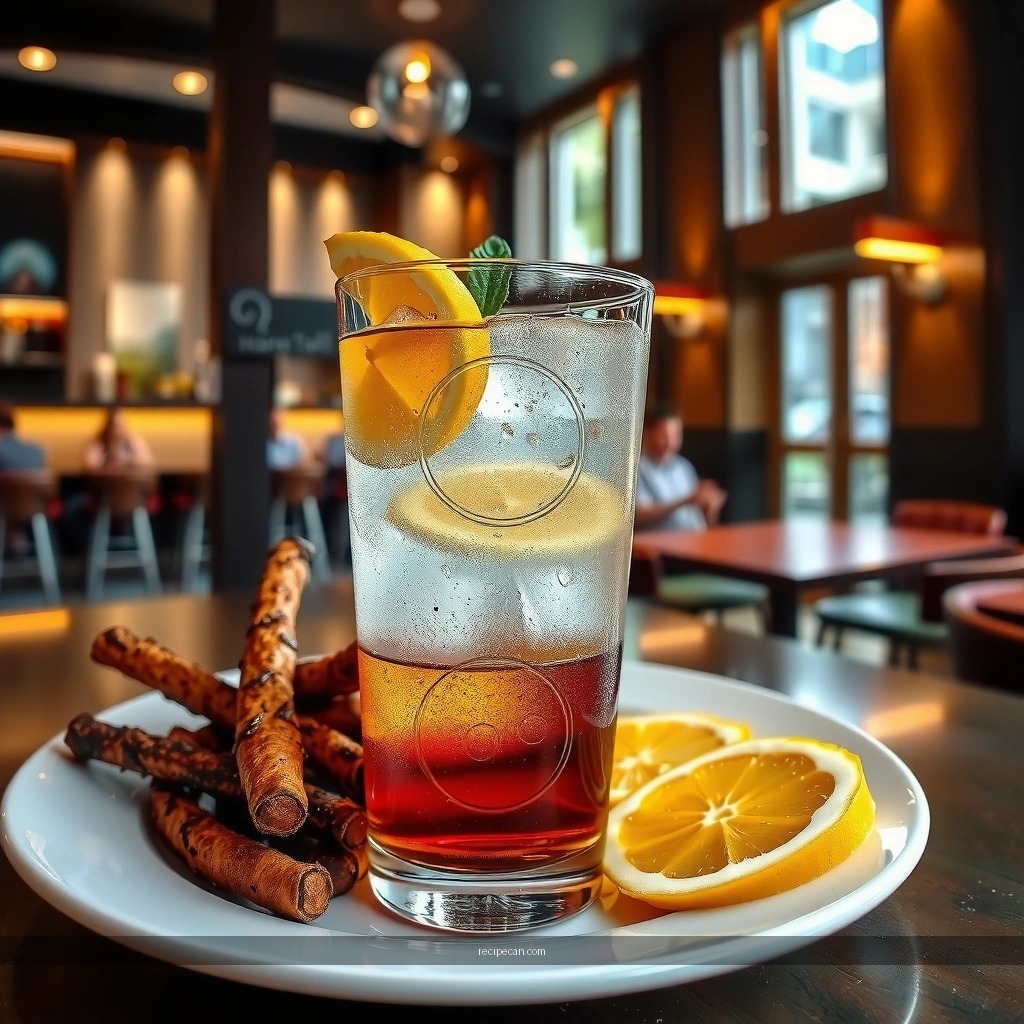
– Use rum, vodka, tequila, and gin plus triple sec for the signature profile
– Add cola and a fresh sour mix (or lemon juice + simple syrup) for balance
To make a classic Long Island Iced Tea, you need ingredients that each play a specific role:
1) The spirit “backbone” (4 bases + orange liqueur)
– Rum, vodka, tequila, gin: This is the signature blend. The flavors layer differently—gin brings herbal notes, tequila adds crisp agave character, vodka stays neutral and smooth, and rum rounds everything out with subtle sweetness.
– Triple sec (orange liqueur): This isn’t just sweetness. It provides aroma and a clean orange brightness that makes the drink feel cohesive instead of “separate shots in cola.”
2) Sour (the flavor stabilizer)
– A fresh sour mix (or DIY lemon + simple syrup) is what turns the drink from “boozy cola” into “iced tea.”
– Your sour should taste a little sharper than you think you want before adding cola—once cola and ice dilute it, it will land in the right range.
3) Cola
– Cola gives the familiar dark sweetness and a slight bitterness that resembles tea-like depth.
– Because carbonation affects both mouthfeel and perceived flavor intensity, cola should be added last (covered in the mixing steps).
4) Ice + garnish
– Long Island Iced Tea is built for dilution and cold refreshment, so large, clear ice helps keep the drink balanced (more on this in serving tips).
– A lemon wedge and/or orange peel enhances citrus top notes from both the sour and triple sec.
If you’re working from a bar program (home or professional), aim for ingredient consistency first: same triple sec brand, same sour approach (store-bought or freshly mixed), and same ice size. Consistency is what makes ratio tweaks meaningful instead of random.
The Best Long Island Iced Tea Measurements
– Stick to a consistent ounce ratio for each spirit to avoid overpowering
– Keep the sour component strong enough to cut through the alcohol
A “best” Long Island Iced Tea doesn’t mean “extra strong.” It means the alcohol reads as structured—not jagged—and the sweet-sour-cola trio supports it.
A practical classic build (1 standard tall serving ~12 oz)
Use these measurements as your starting point:
– Vodka: 1/2 oz
– Gin: 1/2 oz
– Tequila (blanco preferred): 1/2 oz
– White rum: 1/2 oz
– Triple sec: 1/2 oz
– Fresh sour mix: 3/4 oz (or DIY lemon juice + simple syrup to taste)
– Cola: Fill to the top (typically ~7–8 oz depending on your glass/ice)
This ratio keeps each base spirit present without turning the drink into “gin-forward” or “tequila-forward.” The triple sec at 1/2 oz supports aroma without driving sweetness too high.
Why “sour strong” matters
Alcohol pushes flavor perception toward sweetness and burn. Sour counteracts that by:
– adding brightness that keeps the palate engaged,
– tightening the finish,
– and preventing the cola from becoming cloying.
If your sour mix tastes mild in the shaker, it will feel even milder in the glass—so err toward slightly brighter acidity in the concentrate.
To make the “how strong is it?” part concrete, here’s a data-driven view of estimated ABV ranges based on typical bar-strength assumptions (spirits ~40% ABV, triple sec ~30% ABV, sour mix and cola non-alcoholic) and a 12 oz final drink. These are estimates, but the relative differences hold up well for real-world mixing.
Estimated ABV by Spirit Ratio (12 oz Tall LIIT)
| # | Build Style | Spirit Ounces (4 bases) |
Triple Sec (oz) |
Estimated ABV | Strength Relative to Classic |
|---|---|---|---|---|---|
| ★ | Classic (balanced) | 2.0 (0.5 each) | 0.5 | ~7.9% | Baseline |
| 1 | Light (more sour, same cola) | 1.5 (0.375 each) | 0.5 | ~6.2% | -21% |
| 2 | Extra Vodka-Gin leaning | 2.0 (0.5 each) | 0.375 | ~7.7% | -2% |
| 3 | Strong (more spirit) | 2.5 (0.625 each) | 0.5 | ~9.8% | +24% |
| 4 | No Triple Sec (drier) | 2.0 (0.5 each) | 0.0 | ~6.7% | -15% |
| 5 | Rum-forward (same total alcohol) | 2.0 (0.5 each) | 0.5 | ~7.9% | Baseline |
| 6 | Party Batch (0.5 oz sec, same bases) | 2.0 (0.5 each) | 0.5 | ~7.9% | Baseline |
Use this chart as a control mechanism: if you increase spirits, you should also reassess sour balance so the drink stays smooth. In other words, “stronger” should come with “better structure,” not more heat.
Step-by-Step Mixing Instructions
– Build over ice in the proper order, stirring gently between components
– Finish with cola last to maintain carbonation and flavor
The Long Island Iced Tea is typically built-in-glass rather than shaken, because cola goes in at the end and you’re working with a multi-spirit blend that wants a controlled dilution.
Step-by-step build (classic)
1. Fill a tall glass with large, clear ice (not crushed). Large cubes melt slower, protecting balance.
2. Add vodka, gin, tequila, and rum in whatever order you prefer, but keep it consistent.
3. Stir gently for about 5–10 seconds to begin harmonizing the spirits with the chilled ice. Avoid aggressive stirring that can over-dilute quickly.
4. Add triple sec and stir again briefly.
5. Add sour mix (fresh sour mix or DIY lemon + simple syrup). Stir gently once more so the acid disperses evenly.
6. Top with cola last. Pour slowly to maintain carbonation and avoid foaming.
7. Quick stir (optional): If needed, one gentle stir right after cola is acceptable—but don’t repeatedly stir. You’re trying to keep the carbonation alive.
Order logic (why it matters)
– Sour earlier: You want acid to start working on the alcohol immediately; that’s what prevents sharpness.
– Cola last: Carbonation and volatile aromatics shift quickly; adding cola at the end preserves the “iced tea” aroma and mouthfeel.
For professional consistency, use a jigger for every component. Long Island Iced Tea is one of those drinks where “close enough” becomes “noticeably different” because it’s multi-ingredient by design.
Flavor Upgrades (Without Changing the Classic)
– Use fresh lemon juice and quality triple sec for a brighter taste
– Adjust sweetness by choosing diet/regular cola or changing the sour ratio
You can improve the classic Long Island Iced Tea without turning it into a different cocktail. Think in terms of brightness and sweet-sour tension.
Upgrade 1: Fresh lemon (and controlled sweetness)
– If making your own sour mix, use fresh lemon juice and a simple syrup you control (1:1 glucose/water or a basic invert-friendly method).
– The target is not “lemony sharp”—it’s acid-forward clarity that keeps the alcohol clean.
Pro tip: Taste your DIY sour mix alone. If it tastes slightly more sour than you want, that’s usually correct for the final drink after cola dilution.
Upgrade 2: Choose quality triple sec
Triple sec quality changes aroma. A cleaner, more citrus-forward triple sec typically makes the drink feel more “finished” even at the same ounce ratio.
Upgrade 3: Adjust sweetness without losing structure
– For less sweetness: use diet cola and/or slightly reduce lemon’s syrup component (if DIY).
– For more sweetness: use regular cola and a modest increase in sour mix sweetness—but avoid simply adding more cola. Cola raises both sweetness and dilution rate.
A reliable operating rule for tweaks:
– If it tastes too sweet → reduce the sour sweetness first, then adjust cola.
– If it tastes too sharp → slightly reduce sour strength or add a touch more cola (keeping the cola last).
Garnish, Glassware, and Serving Tips
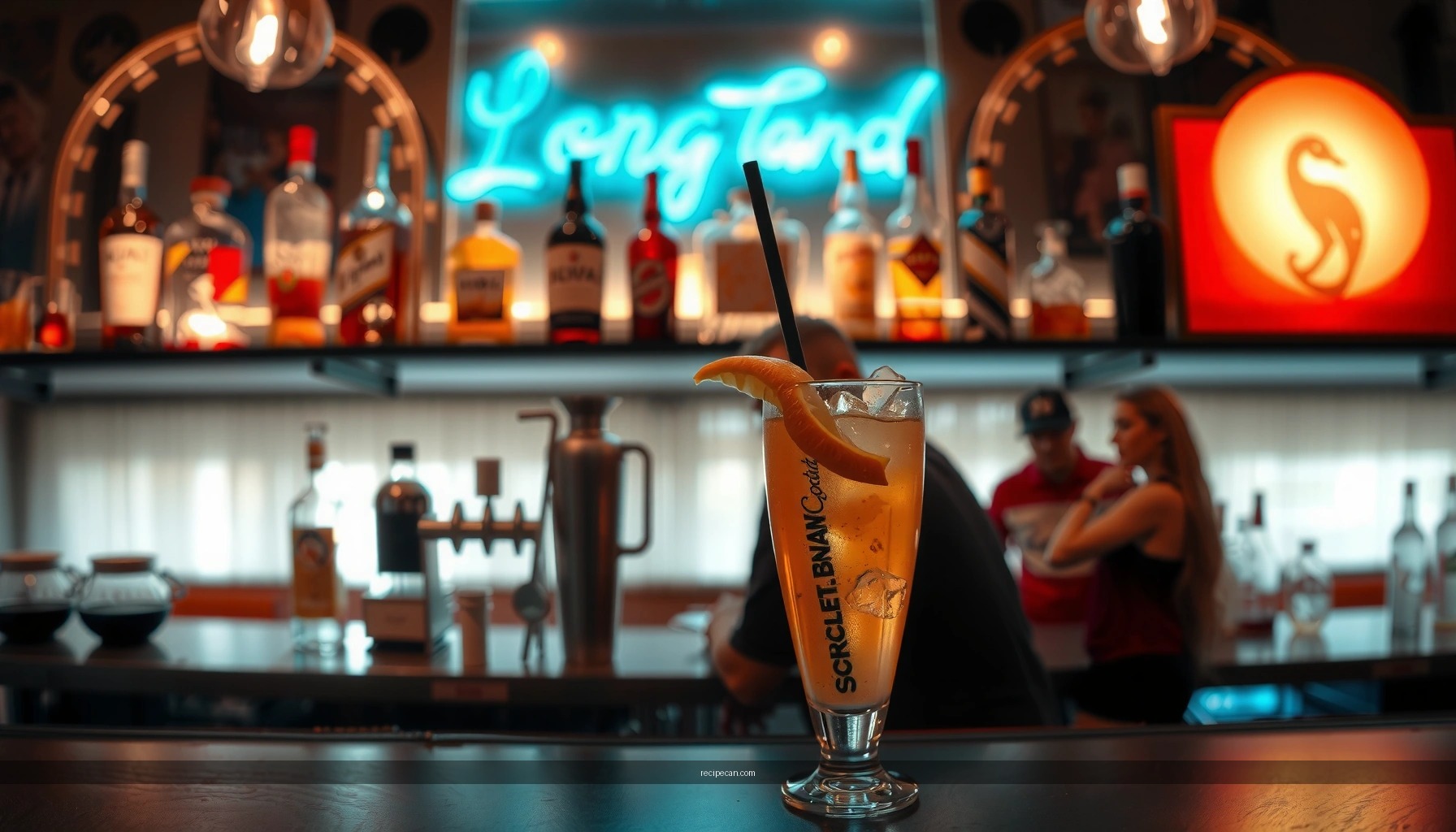
– Serve in a tall glass with lots of clear ice for the best look and dilution
– Add a lemon wedge and/or orange peel to match the flavor accents
Long Island Iced Tea is a “high-impact” serve: presentation affects perceived flavor. Here’s how to get the best outcome.
Glassware and ice
– Use a tall highball glass (commonly 12–16 oz).
– Use lots of clear ice. Large cubes or clear blocks slow melting, which keeps the sour balance from collapsing during the first 10–20 minutes of sipping.
Garnish alignment
– Lemon wedge: reinforces the sour and makes the drink feel crisper.
– Orange peel: complements triple sec aromatics. Expressing peel oils over the drink adds a subtle citrus signature without changing the ratio.
Service temperature
– Keep ingredients cold when possible—especially spirits. Warm spirits can shift perceived flavor and make the drink feel heavier.
– Serve immediately after topping with cola to preserve carbonation.
Common Mistakes to Avoid
– Don’t skip the sour balance—this is what makes it taste “iced tea” smooth
– Avoid over-diluting by using large ice and stirring briefly, not repeatedly
If you’re getting inconsistent results, these are the usual culprits.
1. Skipping or weakening the sour
– Without enough sour, cola sweetness dominates and the alcohol reads harsh.
– The defining “smooth iced tea” character is acid-driven balance.
2. Too much stirring (over-dilution)
– Repeated stirring can quickly dilute the drink, weakening the sour balance while leaving alcohol notes lingering.
– Stir briefly between components, then stop once cola is added (or do a single quick stir only if needed).
3. Wrong ice
– Crushed or small ice melts fast and will flatten the flavor.
– For a clean Long Island Iced Tea, ice is your hidden ingredient.
4. Adding cola too early
– Cola added before the final steps can lose carbonation and aroma, resulting in a flatter drink that tastes more like sweet soda than a blended cocktail.
5. Inconsistent measurements
– “A splash” of each spirit becomes inconsistent alcohol structure.
– Use a jigger so your sour and cola adjustments remain predictable.
The best Long Island Iced Tea recipe comes down to getting the spirit ratio right, nailing the sweet-sour balance, and finishing with cola properly. Mix it once using the measurements here, then tweak sweetness and sourness to match your taste—then serve it cold, tall, and well-garnished for maximum wow.
Frequently Asked Questions
What is the best Long Island iced tea recipe that tastes balanced, not too boozy?
The best Long Island iced tea recipe uses a measured blend of vodka, gin, rum, and triple sec, then balances with a splash of sour mix and a cola or coke float. Use equal parts (about 1/2 oz each for the spirits) and start with a smaller amount of sour mix if you prefer a less tart drink. For balance, add ice first, shake or stir briefly, and top with cola only after the citrus base is combined.
How do you make a strong Long Island iced tea without it tasting harsh or “burning”?
To avoid a harsh Long Island iced tea, focus on correct ratios and proper mixing—especially the sour mix amount. Using fresh lemon juice (or a quality sour mix) helps smooth out alcohol bite, and chilling everything well prevents the drink from becoming watery. Stir well with plenty of ice (or shake briefly if your sour mix is thicker), then strain into a tall glass for a cleaner, more consistent flavor.
Why does a Long Island iced tea turn cloudy or look different, and how can you fix it?
Cloudiness usually happens from citrus oils, mixing an emulsion, or using certain sour mixes or pre-made “sweet and sour” products. If your Long Island iced tea looks overly cloudy, try using fresh lemon juice, reduce triple sec slightly, and ensure you’re not over-shaking with a very viscous sour mix. Also, use clear cola and fresh ice—old ice can carry flavors that change the drink’s appearance and taste.
Which ingredients make the “classic” Long Island iced tea flavor, and what substitutions work?
Classic flavor comes from the core spirits—vodka, gin, white rum, tequila (a key differentiator in many Long Island iced tea recipes), plus triple sec and lemon or sour mix. If you want substitutions, you can swap tequila for more gin-forward flavor (or use a lighter tequila), but avoid changing multiple components at once so the drink still reads as “Long Island iced tea.” For a non-traditional version, you can experiment with flavored triple sec, but start with less to keep it balanced.
Best Long Island iced tea recipe for parties: how do you scale it and keep it consistent?
The best Long Island iced tea recipe for parties is one you can batch in a pitcher using equal ratios, such as 1 part vodka, 1 part gin, 1 part rum, 1 part tequila, and a measured amount of triple sec and sour mix. Mix the spirits and sour components ahead of time, chill, and then top each serving with cola right before pouring over fresh ice. This keeps carbonation and flavor consistent, so every glass tastes like a properly mixed Long Island iced tea.
References
- Long Island iced tea
https://en.wikipedia.org/wiki/Long_Island_iced_tea - Long Island Iced Tea – IBA
https://iba-world.com/iba-official-cocktails/long-island-iced-tea/ - https://cooking.nytimes.com/recipes/1014386-long-island-iced-tea
https://cooking.nytimes.com/recipes/1014386-long-island-iced-tea - https://www.theguardian.com/food/2014/jul/09/how-to-make-long-island-iced-tea-cocktail-recipe
https://www.theguardian.com/food/2014/jul/09/how-to-make-long-island-iced-tea-cocktail-recipe - Google Scholar Google Scholar
https://scholar.google.com/scholar?q=long+island+iced+tea+recipe - Google Scholar Google Scholar
https://scholar.google.com/scholar?q=long+island+iced+tea+ingredients+proportions - Google Scholar Google Scholar
https://scholar.google.com/scholar?q=long+island+iced+tea+origin+history - Google Scholar Google Scholar
https://scholar.google.com/scholar?q=long+island+iced+tea+alcohol+content+analysis - List of IBA official cocktails
https://en.wikipedia.org/wiki/List_of_IBA_official_cocktails - https://en.wikipedia.org/wiki/International_Bartenders_Association_official_cocktails
https://en.wikipedia.org/wiki/International_Bartenders_Association_official_cocktails