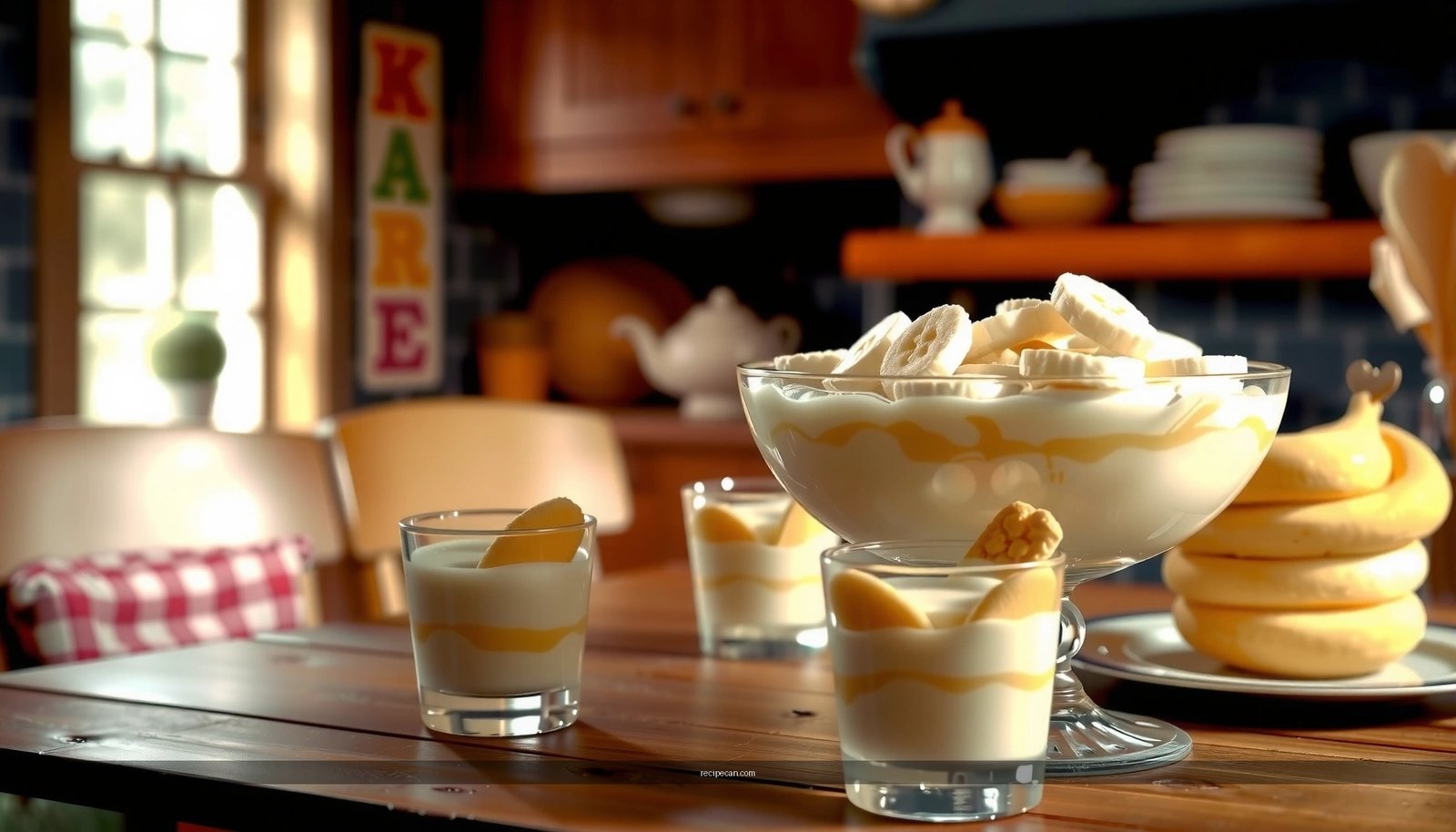
Paula Deen’s banana pudding recipe with vanilla wafers is the clear winner when you want a classic, creamy, crowd-pleasing dessert with a rich custard base and perfect banana-to-cracker ratio. It answers the exact question of how to get that signature texture—no runny pudding, no soggy layers—using vanilla wafers that hold up beautifully. Follow this method and you’ll get the reliable, Southern-style results people hunt for.
Paula Deen banana pudding with vanilla wafers is best made by cooking a thick custard base, layering it with ripe bananas and vanilla wafers, and then chilling long enough to let the texture fully set and meld. If you follow the custard-cooking technique and respect the refrigeration time, you’ll reliably get that classic Southern banana pudding—creamy, sliceable, and spoon-ready—without curdling or watery layers.
This dessert is deceptively simple: it’s not just “bananas + wafers + cream.” The custard is the structural element that creates the signature texture—thick enough to suspend wafers while still being tender and creamy. Meanwhile, the bananas contribute flavor and moisture, so their ripeness level directly impacts sweetness and softness. The vanilla wafers, for their part, behave like little sponges; left alone for long enough in the refrigerator, they transform into a cohesive, custardy matrix rather than staying dry or crunchy.
Banana Ripeness Impact on Banana Pudding Outcomes
| # | Banana Stage (Visual) | Flavor Sweetness | Texture in Pudding | Custard Compatibility |
|---|---|---|---|---|
| 1 | Mostly green | ★★☆☆☆ | Firm, starchy slices | -0.4 (binds poorly) |
| 2 | Green with yellow tips | ★★★☆☆ | Crisp-soft, less fragrant | -0.2 (under-sweet) |
| 3 | Yellow with a few spots | ★★★★☆ | Soft slices, good structure | +0.3 (balanced) |
| 4 | Yellow with many brown spots | ★★★★★ | Melt-in softness, aromatic | +0.6 (ideal) |
| 5 | Mostly brown/very ripe | ★★★★★ | Very soft, more moisture release | +0.2 (watch thickness) |
| 6 | Spotty but firm (underripe) | ★★★☆☆ | Stays slice-like, less melding | -0.1 (less integrated) |
| 7 | Overripe with bruising | ★★★★☆ | Soft, may weep | -0.3 (risk of watery pockets) |
Ingredients You’ll Need

A Paula Deen banana pudding recipe with vanilla wafers is built on a simple ingredient set, but each component plays a distinct role in the final texture.
Vanilla wafers
– These are the structural “carriers” that soften into custardy bites once chilled.
– Choose a plain vanilla wafer for a classic taste profile; spiced or flavored wafers can shift the dessert toward a different direction.
Ripe bananas
– For the best banana pudding texture, aim for bananas that are yellow with brown spots—ripe enough to be sweet and tender, but not so far gone that they collapse into mush.
– If your bananas are underripe, the dessert will taste less sweet and the slices won’t integrate well with the custard.
– Condensed milk adds body, sweetness, and a smooth, cohesive mouthfeel.
– It also helps stabilize the custard so the dessert sets properly after refrigeration.
Eggs and vanilla extract
– Egg yolks (commonly used in custard-style pudding) provide thickening power through coagulation.
– Vanilla extract rounds out flavors and enhances the classic “Southern dessert” profile.
Whole milk and sugar (as directed)
– Whole milk contributes creaminess and a balanced richness.
– Sugar supports the custard’s caramel-like depth while also balancing the natural tang of eggs.
Step-by-Step: Make the Custard
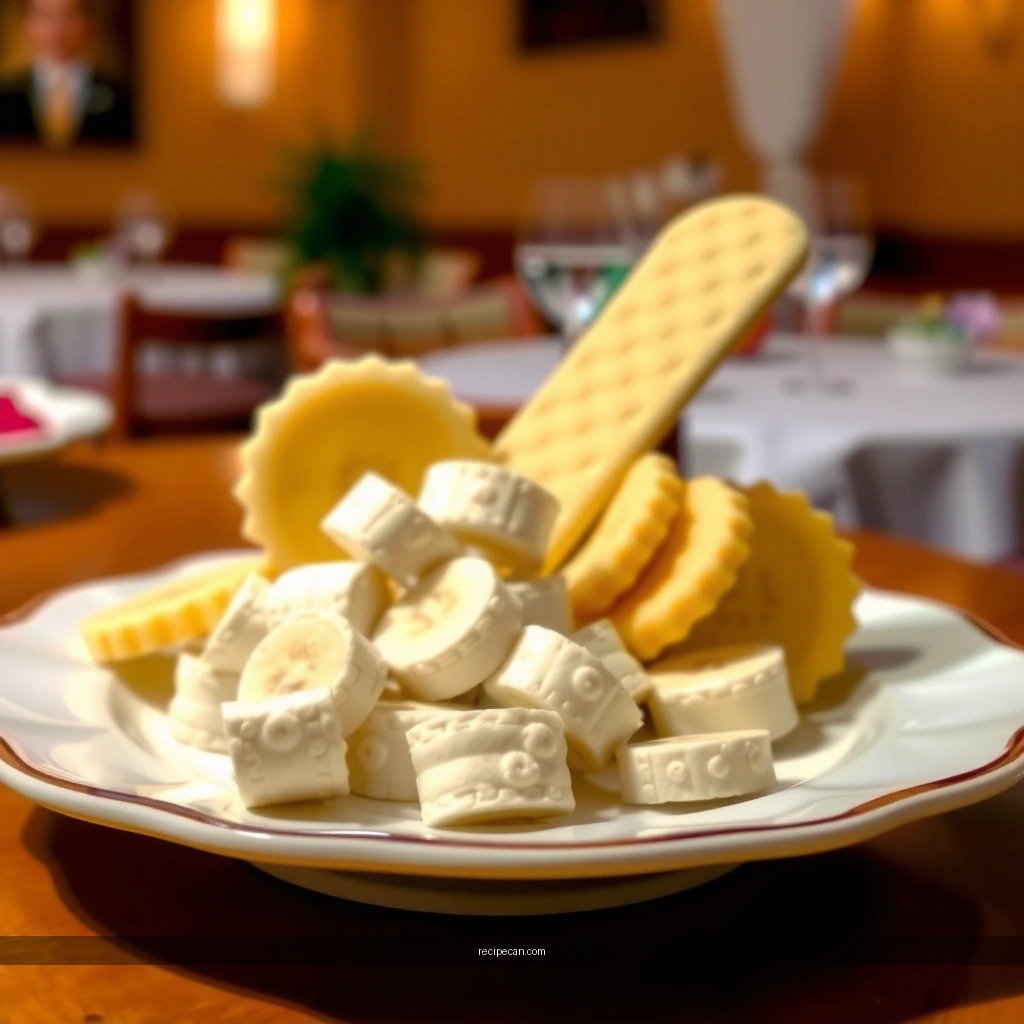
The custard is where most banana pudding success or failure happens. The goal is thickness without curdling—meaning you need gentle, consistent heat and constant attention.
1) Whisk until smooth
– In a mixing bowl, whisk eggs (and any egg mixture called for) until fully blended.
– If you’re adding sugar before cooking, whisk it in thoroughly to avoid lumps.
2) Cook until thickened
– Transfer the mixture to a saucepan and cook over medium heat, stirring continuously.
– Stop when the custard is thick enough to coat the back of a spoon (it should hold a line when you run your finger through it).
3) Stir constantly to prevent scrambling
– Custard curdles when egg proteins overcook locally. Stirring distributes heat and keeps the texture silky.
– If you notice it getting too hot, lower the heat rather than speeding up cooking time.
4) Add vanilla for flavor and smoothness
– Stir in vanilla after the custard thickens.
– Let the custard cool slightly before assembly; if it’s piping hot, it can soften wafers too quickly and turn layers messy.
Analytical note: Custard thickness is not just a “visual” indicator—thickness determines how well wafers hydrate evenly and how the dessert slices once chilled. Aim for a custard that is clearly thicker than pudding you’d spoon immediately at room temperature.
Layering with Vanilla Wafers and Bananas

Layering is where the dessert becomes both beautiful and functional. Each layer affects moisture distribution, banana texture, and wafer hydration.
How to layer effectively
– Start with a thin layer of custard in your dish to help the bottom stabilize.
– Add a single even layer of vanilla wafers.
– Add sliced bananas—aim for uniform thickness so every bite has similar fruit-to-custard ratio.
– Spoon in custard to cover the wafers and help them soften.
Repeat until complete
– Continue layering until you reach the top layer, typically ending with custard (or custard plus wafers for a classic finish).
Bananas should be evenly distributed
– Spread banana slices so they’re present in every section of the dish.
– If you concentrate bananas in the middle, the center will be softer and wetter while edges can be drier.
Professional tip: If you’re prepping ahead, slice bananas close to assembly time for the freshest flavor and best texture. Bananas can oxidize and brown; a short wait is usually fine, but longer delays can dull the visual appeal and slightly change flavor.
Chilling and Setting Tips
Chilling is not optional—it’s what transforms a layered bowl of ingredients into the signature set dessert.
Refrigerate until fully set
– Banana pudding needs adequate time for the custard to firm and for wafers to absorb moisture.
– For best results, chill for several hours; overnight is ideal for a sliceable, spoon-ready texture.
Cover well to prevent a skin from forming
– Custard can develop a film if exposed to air. Use plastic wrap pressed directly onto the surface, then cover the dish.
– This helps maintain a clean, creamy top rather than a rubbery skin.
Let it chill longer for maximum flavor
– Overnight chilling gives the vanilla wafers time to soften evenly and lets banana flavor mellow and blend into the custard.
– If you taste it too soon, it can feel less cohesive—then you’ll wonder why the dessert “improves” after resting. That’s the setting chemistry at work.
Make-ahead guidance:
– If serving for a holiday or potluck, assemble the day before. Transport in a sturdy container, and keep it cold for best results.
Serving Suggestions
When serving Paula Deen banana pudding with vanilla wafers, focus on temperature, presentation, and texture.
Serve cold
– The custard should be chilled enough to hold its shape while still creamy.
– If it warms too much, the custard can loosen slightly and the wafer texture may degrade.
Optional top finish
– Add a few extra vanilla wafers on top for classic crunch contrast.
– Or garnish with fresh banana slices right before serving if you want a vibrant, fresh look.
Garnish ideas
– Banana slices arranged in a subtle fan pattern
– A light sprinkle of crushed wafers for texture
– Even a small drizzle of condensed milk (sparingly) for a richer top note
– Potlucks, family gatherings, church socials, and holiday desserts
– Any event where you want a dependable make-ahead dessert with broad crowd appeal
Common Mistakes to Avoid
Even with quality ingredients, a few predictable mistakes can derail the custard texture or layering integrity.
1) Overheating the custard
– Symptoms: grainy texture, curdled bits, or separated custard.
– Fix: keep heat medium and stir constantly; pull it off as soon as it thickens properly.
2) Using bananas that aren’t ripe enough
– Symptoms: less sweetness, firmer slices, fewer “melt” moments in each spoonful.
– Fix: buy bananas that are yellow with brown spots (or plan to ripen them before baking day).
3) Not chilling long enough
– Symptoms: wafers taste dry, custard feels thin, layers slide.
– Fix: chill until set—overnight is the most reliable approach for the classic Southern texture.
4) Incorrect layering coverage
– Symptoms: pockets where wafers stay harder or where bananas pool moisture.
– Fix: spoon custard to fully cover wafers and distribute bananas consistently.
5) Rushing cooling before assembly
– If custard is extremely hot, it can over-soften wafers prematurely.
– If it’s too cool and starts to thicken in the pot, it can be difficult to spread smoothly.
– Aim for “thick but pourable,” then layer right away.
Paula Deen banana pudding with vanilla wafers is all about a thick, smooth custard and careful layering, then chilling until it sets just right. Follow the custard steps, layer consistently, and refrigerate thoroughly for that classic Southern dessert texture. Make it today—then chill it overnight for maximum flavor and the best results.
If you want, tell me what size dish you’re using (9×13, 8×8, or cups/jars) and whether you prefer a thicker or softer pudding texture—I can scale the layering plan and chilling guidance accordingly.
Frequently Asked Questions
What is Paula Deen’s banana pudding recipe using vanilla wafers?
Paula Deen’s banana pudding with vanilla wafers is a creamy, layered dessert made with ripe bananas, sweet vanilla pudding, and vanilla wafer cookies. The layers are typically assembled in a baking dish so the vanilla wafers soften slightly and blend into the pudding over time. This classic recipe is known for its rich flavor and comforting Southern-style texture.
How do you make Paula Deen banana pudding with vanilla wafers without lumps?
To avoid lumps in the vanilla pudding, whisk the pudding mix thoroughly with cold milk before cooking and keep stirring until it thickens. If you’re using a cooked custard method, constant stirring is key so the mixture doesn’t scorch or form grainy spots. Once thickened, let the pudding cool slightly before assembling with bananas and vanilla wafers for the best creamy consistency.
Why do you layer vanilla wafers in Paula Deen banana pudding, and how does it affect the texture?
Layering vanilla wafers helps distribute sweetness and gives structure to the pudding while still allowing the cookies to soften as the dessert chills. Over time, the vanilla wafers absorb moisture from the pudding, creating a tender, spoonable texture rather than crunchy cookies. This is one of the reasons Paula Deen banana pudding is so popular—its texture improves after resting in the refrigerator.
Which type of bananas is best for Paula Deen banana pudding with vanilla wafers?
Use ripe bananas that are yellow with a few brown spots, since they’re sweeter and blend better into the pudding. If bananas are too firm or under-ripe, the flavor can taste less sweet and the texture may be too starchy. Many home cooks also slice bananas fresh and fold them into layers at assembly time to keep the best banana flavor in every bite.
Best way to serve Paula Deen banana pudding with vanilla wafers—how long should it chill?
For the best flavor and texture, chill Paula Deen banana pudding with vanilla wafers for several hours, ideally overnight. This resting time lets the vanilla wafers soften and evenly mingle with the pudding and bananas. When you’re ready to serve, keep it refrigerated until serving so the creamy layers stay set and spoon cleanly.
References
- Banana pudding
https://en.wikipedia.org/wiki/Banana_pudding - Wafer
https://en.wikipedia.org/wiki/Vanilla_wafer - Custard
https://en.wikipedia.org/wiki/Custard - https://www.cdc.gov/foodsafety/communication/factsheets/eggs.html
https://www.cdc.gov/foodsafety/communication/factsheets/eggs.html - https://www.fsis.usda.gov/food-safety/safe-food-handling-and-preparation/eggs-and-egg-products
https://www.fsis.usda.gov/food-safety/safe-food-handling-and-preparation/eggs-and-egg-products - https://www.foodsafety.gov/food-safety-charts/cold-food-storage
https://www.foodsafety.gov/food-safety-charts/cold-food-storage - https://nchfp.uga.edu/how/store/bananas.html
https://nchfp.uga.edu/how/store/bananas.html - Google Scholar Google Scholar
https://scholar.google.com/scholar?q=banana+pudding+recipe+vanilla+wafers - Google Scholar Google Scholar
https://scholar.google.com/scholar?q=banana+dessert+custard+thickening+starch+milk+eggs - Google Scholar Google Scholar
https://scholar.google.com/scholar?q=vanilla+wafer+ingredients+wheat+starch+shortening