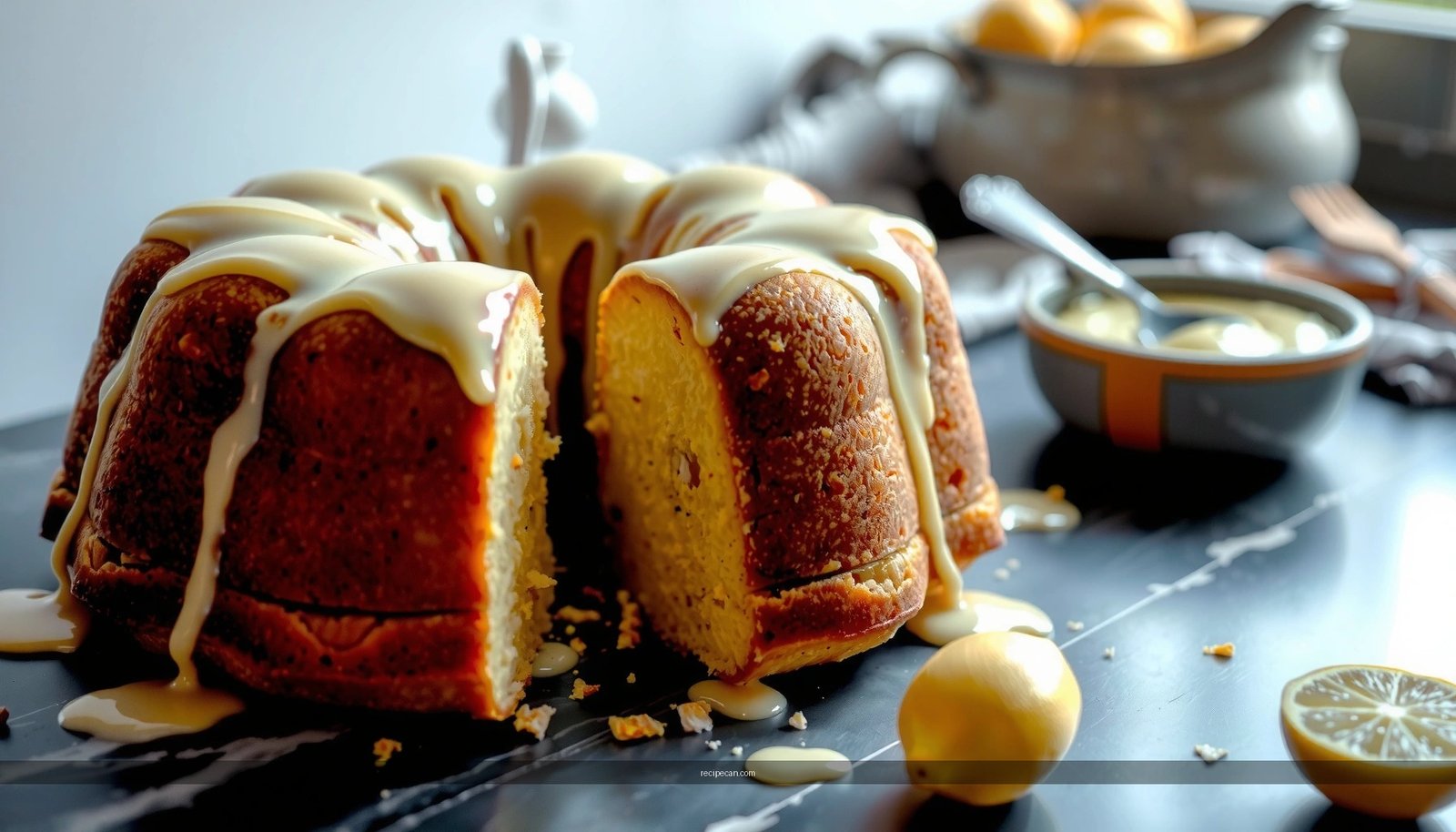
Get a lemon bundt cake with pudding recipe that delivers maximum moisture and bright, zesty flavor with minimal effort. This step-by-step method answers the real question—how to bake a bundt that stays tender and sliceable—by using pudding to lock in softness and richness. Expect a flavorful crumb, a glossy lemon glaze, and an easy bake you can repeat without guesswork.
Lemon bundt cake with pudding is the fastest way to achieve a bakery-style loaf-to-slice “wow” texture—extra tender and reliably moist—because pudding mix or instant pudding supports moisture retention while the lemon zest and juice deliver bright citrus flavor. Below, you’ll get an easy, repeatable method (with precise mix/bake guidance), plus lemon glaze options and practical troubleshooting so your bundt cake bakes up golden and unmolds cleanly.
Ingredients for Lemon Bundt Cake with Pudding
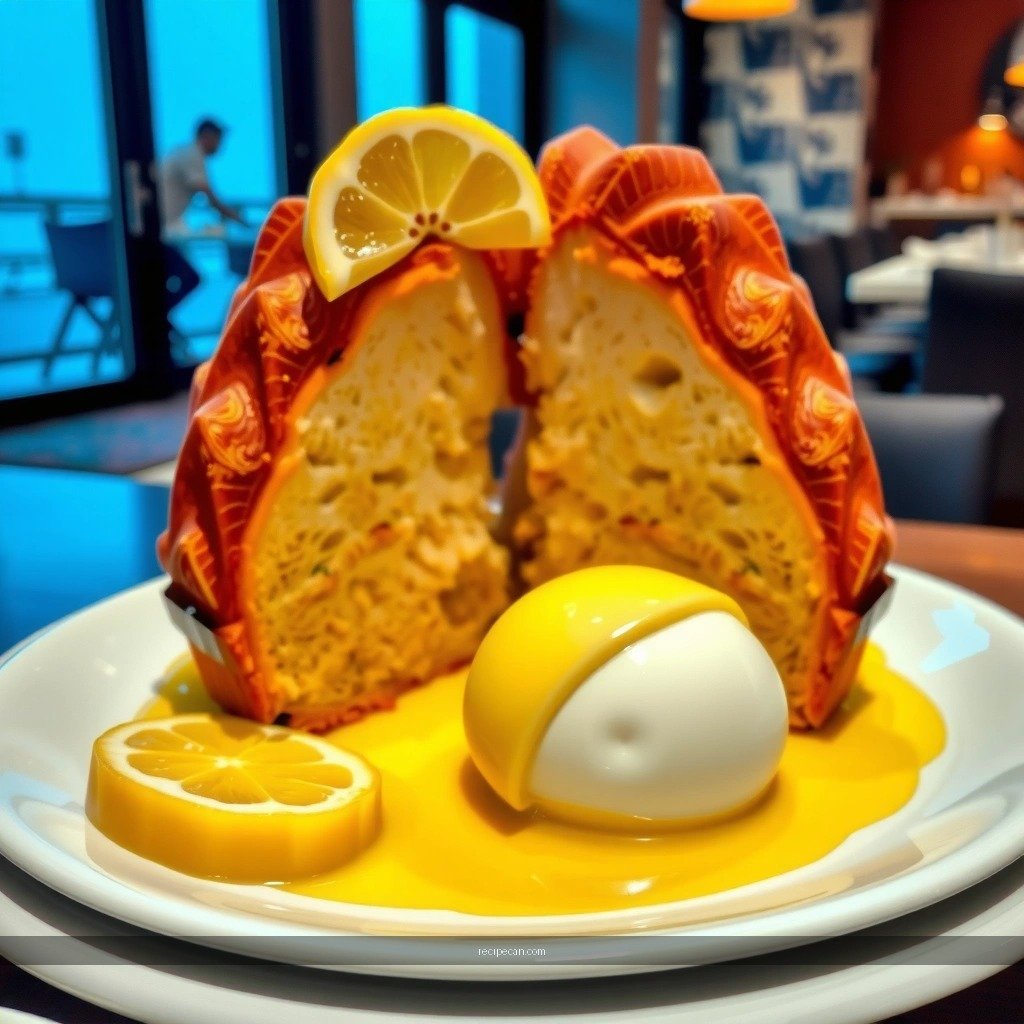
A lemon bundt cake with pudding is simple to assemble, but the ingredient choices matter for texture and balance. The core idea: use a box of lemon pudding (or instant pudding mix) to add moisture and structure, then build flavor with fresh lemon zest and juice.
– Lemon pudding mix (dry): This is the “moisture engine.” Use instant lemon pudding mix (not pudding cooked on the stove), typically in a standard 3.4–3.9 oz box.
– Flour: All-purpose flour provides the cake’s body. Keep it measured—bundt cakes rely on accurate dry-to-wet ratios.
– Sugar: Sweetness and tender crumb; don’t skip granulated sugar if you want that classic dessert bounce.
– Eggs: Provide emulsification and stability so the cake sets cleanly in a bundt mold.
– Butter (or oil): Butter adds flavor; oil increases softness. Either works—choose based on what you’re optimizing for (aroma vs. extreme tenderness).
– Fresh lemon juice and zest: Zest carries the most aromatic lemon oils; juice contributes tang and brightness.
Optional but recommended for a more “bakery-like” profile:
– Vanilla extract: Rounds out the lemon so the flavor tastes fuller, not just sharp.
– Pinch of salt: Enhances sweetness and balances the tang—especially important because lemon juice can make desserts taste flat without salt.
Pro ingredient notes (worth doing):
– Use fresh lemon zest (zest first, then juice). If you zest after juicing, you risk losing zest or reducing juice efficiency.
– If your lemons are very juicy, you can slightly adjust juice amounts—just don’t replace zest with juice entirely, because zest is where the “zesty” character lives.
Key Mix Ingredients vs. Their Texture Impact in Lemon Bundt Cake (Typical Results)
| # | Ingredient Role | Primary Effect | Typical Sweet-Spot Result | Quality Signal |
|---|---|---|---|---|
| 1 | Lemon Instant Pudding Mix | Moisture retention & tender crumb | Cuts dryness after 2–3 days | High tenderness |
| 2 | Fresh Lemon Zest | Aroma & “zesty” lemon oils | More intense citrus without extra liquid | Stronger lemon scent |
| 3 | Granulated Sugar | Tender structure & caramelization | Golden, lightly crisp crust edges | Good browning |
| 4 | Eggs | Emulsification & set | Sliceable crumb, no gummy center | Clean bake |
| 5 | Butter vs. Oil | Flavor vs. extra softness | Butter = richer aroma; oil = peak tenderness | Adjusts texture |
| 6 | Vanilla + Salt | Flavor rounding & balance | Lemon tastes brighter but not harsh | Balanced finish |
| 7 | Lemon Juice Amount | Tang & batter hydration | Moist crumb without thinning | Too much = fragile crumb |
How to Make the Bundt Cake Batter
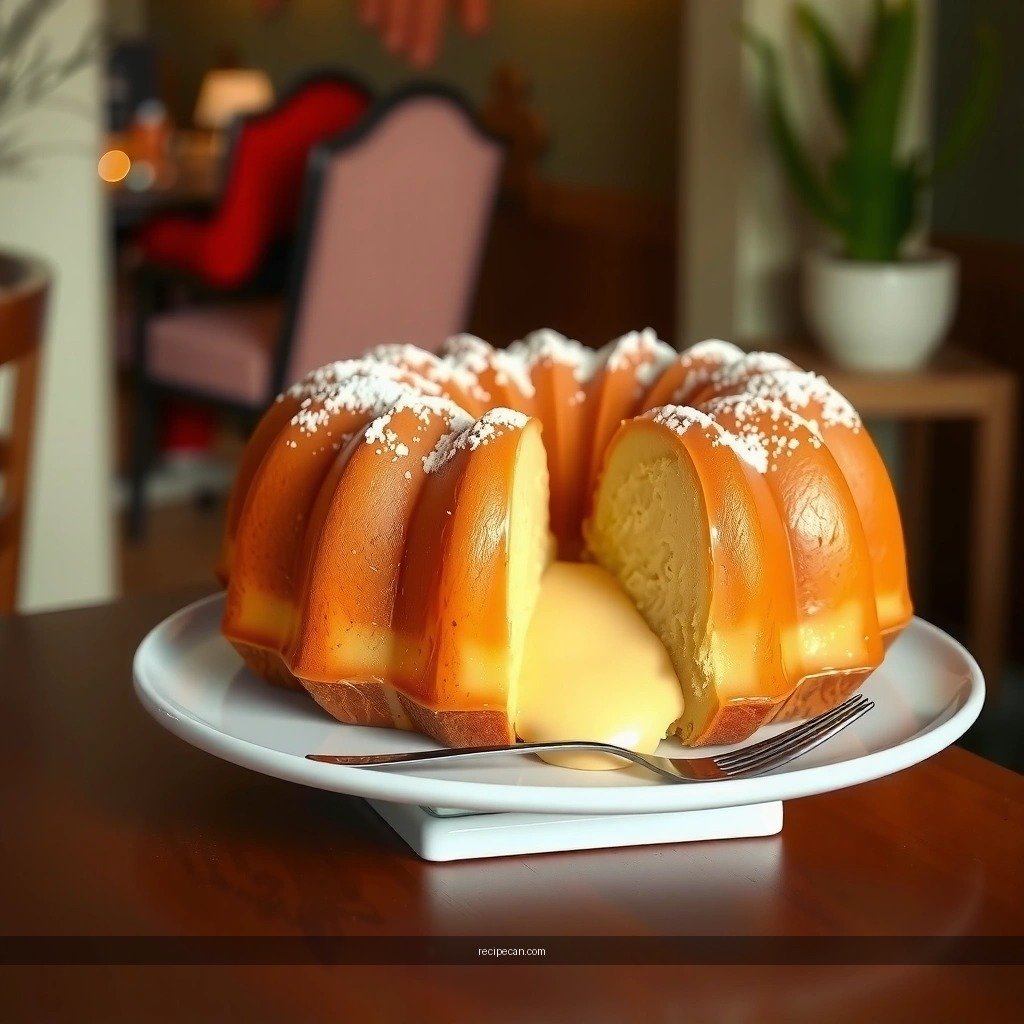
The method is designed to be straightforward: build structure without overmixing. Overmixing develops gluten in the flour, which can create a tighter crumb—something you don’t want in a lemon bundt cake with pudding where tenderness is the goal.
1. Preheat and prepare the pan
– Preheat oven to 325°F (165°C) for even baking.
– Thoroughly grease a bundt pan (every ridge), then lightly dust with flour or cocoa (flour is typical for lemon).
– Bundt cakes are unforgiving about release—good prep prevents sticking and ensures crisp patterning.
2. Mix the dry ingredients
– Combine flour, sugar, and instant lemon pudding mix.
– Whisk or stir until evenly distributed—this helps avoid streaks of pudding mix in the finished cake.
3. Combine wet ingredients
– In a separate bowl (or in a stand mixer), mix eggs with butter (melted and cooled slightly) or oil, plus lemon juice and vanilla (if using).
– Stir until cohesive; the mixture should look glossy and smooth.
4. Combine wet + dry
– Add wet into dry and mix just until smooth.
– Stop as soon as there are no dry pockets. That “just smooth” moment is critical for the tender crumb outcome.
5. Add zest and finish
– Fold in lemon zest last. Zest distributes more evenly when folded rather than aggressively mixed.
– If the batter feels thick (it often does with pudding mix), that’s normal—don’t compensate by overmixing.
Texture control tips (high-impact):
– Mix low and slow: If you’re using a mixer, use a low speed for mixing wet/dry.
– Scrape the bowl: Inconsistent mixing can leave flour pockets, which bake into dense bites.
– Don’t chase a “thin batter”: Pudding mix contributes thickness; thinning it changes the set.
Baking Time, Temperature & Bundt Tips

For a lemon bundt cake with pudding, reliability is everything. Oven temperatures vary, bundt molds vary, and batter depth changes bake time—so use the visual and physical cues rather than relying on time alone.
– Temperature: 325°F (165°C) is the sweet spot for bundt cakes—gentle heat helps the cake bake through without drying.
– Bake until tested and springy:
– A toothpick should come out clean or with only a few moist crumbs (not wet batter).
– The top should spring back when lightly touched—this usually indicates the cake has set.
Typical timeframe:
– About 45–60 minutes depending on pan size and oven calibration.
Bundt-specific best practices:
– Cool before unmolding: Let the cake cool in the pan for 10–20 minutes, then invert carefully.
– If you wait too little, the cake can tear; too long, it can stick. Cooling is about finding that release window.
– Run a thin knife around the edges if needed. A gentle release tool can save the pattern.
Why pudding helps during baking: The pudding mix thickens the batter and holds moisture, which supports a tender crumb even as the cake bakes longer for even internal set.
Lemon Glaze Options (Quick & Easy)
A lemon glaze turns a great cake into a memorable one. Keep the glaze simple so it complements the cake instead of overpowering it.
Option 1: Simple lemon glaze (bright + glossy)
– Powdered sugar + lemon juice
– Whisk until pourable but not runny.
– Drizzle while the cake is still slightly warm, or cool fully for a thicker, more set glaze.
Option 2: Add zest for extra aroma
– Add a bit of lemon zest to the glaze for a stronger citrus punch.
– This won’t change the texture much if you use finely grated zest and keep the glaze moderately thick.
Glaze texture tuning:
– Too thick? Add lemon juice 1 teaspoon at a time.
– Too thin? Add powdered sugar a tablespoon at a time.
Business-style consistency tip: If you’re baking for an event, standardize your glaze thickness by measuring the lemon juice volume and powdered sugar weight so each cake looks identical slice-to-slice.
Serving & Storage for Fresh Flavor
One advantage of a pudding-based lemon bundt cake is that it often stays moist longer than traditional cakes. Your serving approach also affects how “fresh” it tastes.
– Cool fully before slicing: Cutting warm cake can compress the crumb and cause glaze to bleed.
– Glaze after cooling: For clean edges and neat drizzle lines, glaze when the cake is mostly cool.
– For maximum moisture: Cover loosely after glazing so it doesn’t dry out.
Storage guidance:
– Room temperature: Store covered for up to 2 days for best flavor and tenderness.
– Refrigerate longer: For 3–5 days, refrigerate in an airtight container or tightly wrapped.
– Bring to room temperature before serving: Lemon flavor tastes brighter when slightly warmed, not cold.
If you want to serve it like a bakery:
– Slice, then let slices sit uncovered for 5–10 minutes so the crust regains some texture while the crumb stays moist.
Troubleshooting Common Issues
Even with a good recipe, small variables—pan shape, oven calibration, ingredient temperature—can affect results. Here are targeted fixes for the most common lemon bundt cake problems.
If it’s dry
Likely causes and fixes:
– Overbaking: Start checking around the lower end of the bake window. Use the toothpick and spring-back tests.
– Overmixing: Mix wet + dry just until smooth. More mixing can create a tighter crumb that feels dry sooner.
– Too much flour: Measure flour accurately. Spoon-and-level or weigh to avoid accidental over-measuring.
If it sticks to the pan
Most common fixes:
– Grease thoroughly: Ensure every ridge is coated, not just the center.
– Flour dusting helps: Lightly dust the pan after greasing for additional release insurance.
– Cool before flipping: Invert at the correct cooling interval (typically 10–20 minutes). If it’s too hot, it can fracture; if too cool, it can adhere.
If it sinks in the middle
– Underbaking: The most common reason. Next time, extend bake time and test in the thickest part of the bundt.
– Oven temperature too low: Verify oven settings with a simple oven thermometer if you bake often.
If the lemon flavor tastes muted
– Use fresh zest: Zest contributes oils that bottled flavoring often can’t replicate.
– Glaze adjustment: Add a slightly extra teaspoon of lemon juice to the glaze for stronger tang (taste as you mix).
Lemon bundt cake with pudding is an easy way to get that bakery-style moist texture with big lemon flavor. Follow the batter steps, bake at the right temperature, and finish with a quick lemon glaze—then slice, serve, and enjoy. If you want a “signature” version for repeat baking, consider tweaking one variable at a time—extra zest for aroma or a thicker glaze for a more dramatic finish—and lock in your preferred bake time for consistent results every run.
Frequently Asked Questions
What is the best lemon bundt cake with pudding recipe for a moist texture?
A great lemon bundt cake with pudding recipe typically uses instant vanilla pudding mix plus fresh lemon juice to lock in moisture and prevent dryness. Look for a method that creams butter and sugar well, then alternates dry ingredients with wet ingredients to keep the crumb tender. Baking until a toothpick comes out with a few moist crumbs will help you avoid overbaking, which is a common issue with bundt cakes.
How do you make a lemon bundt cake with pudding without curdling the batter?
To avoid curdling, use room-temperature ingredients and add the lemon juice gradually while mixing on low to medium speed. If your recipe includes eggs, crack them into a bowl first and add them one at a time so the batter emulsifies smoothly. Also, don’t boil or heat dairy components when you’re adding lemon—keep everything at typical mixing temperatures for best results.
Why does instant lemon pudding make bundt cake taste more flavorful?
Instant pudding mix boosts both flavor and structure because it contains starches that thicken and retain moisture in the cake. In a lemon bundt cake with pudding recipe, the pudding helps the lemon flavor distribute more evenly and keeps the crumb softer after cooling. That combination often results in a more “bakery-style” slice that stays fresh longer than standard lemon cake.
Which lemon glaze works best for a bundt cake with pudding—powdered sugar or icing?
A lemon glaze made with powdered sugar and fresh lemon juice is usually the best choice for a bundt cake because it soaks slightly into the ridges while still setting into a light finish. For extra tang and shine, use a glaze that’s just thick enough to drizzle and then brush or spoon it over a cooled cake. If you prefer a thicker topping, an icing can work, but it may not soak as nicely into the bundt grooves.
How long should you cool and store lemon bundt cake with pudding for best results?
Cool the cake in the pan for about 10–15 minutes, then invert it onto a rack so it doesn’t steam and turn gummy in the bundt ridges. Let it cool fully before glazing so the lemon topping doesn’t melt or run excessively. Store the lemon bundt cake with pudding covered in the refrigerator for up to 4–5 days, and bring slices to room temperature for the best flavor and texture.
References
- Google Scholar Google Scholar
https://scholar.google.com/scholar?q=lemon+bundt+cake+pudding+recipe - Google Scholar Google Scholar
https://scholar.google.com/scholar?q=lemon+cake+with+instant+pudding+mix+recipe - Google Scholar Google Scholar
https://scholar.google.com/scholar?q=pudding+cake+gelatinization+baking+starch - Bundt cake
https://en.wikipedia.org/wiki/Bundt_cake - List of cakes
https://en.wikipedia.org/wiki/Lemon_cake - https://en.wikipedia.org/wiki/Pudding_(dessert
https://en.wikipedia.org/wiki/Pudding_(dessert - https://en.wikipedia.org/wiki/Lemon_curd
https://en.wikipedia.org/wiki/Lemon_curd - Cake | Definition, Ingredients, & Types | Britannica
https://www.britannica.com/topic/cake - Pudding | Definition, Types, & Ingredients | Britannica
https://www.britannica.com/topic/pudding - https://www.sciencedirect.com/search?qs=pudding%20cake%20baking%20starch
https://www.sciencedirect.com/search?qs=pudding%20cake%20baking%20starch