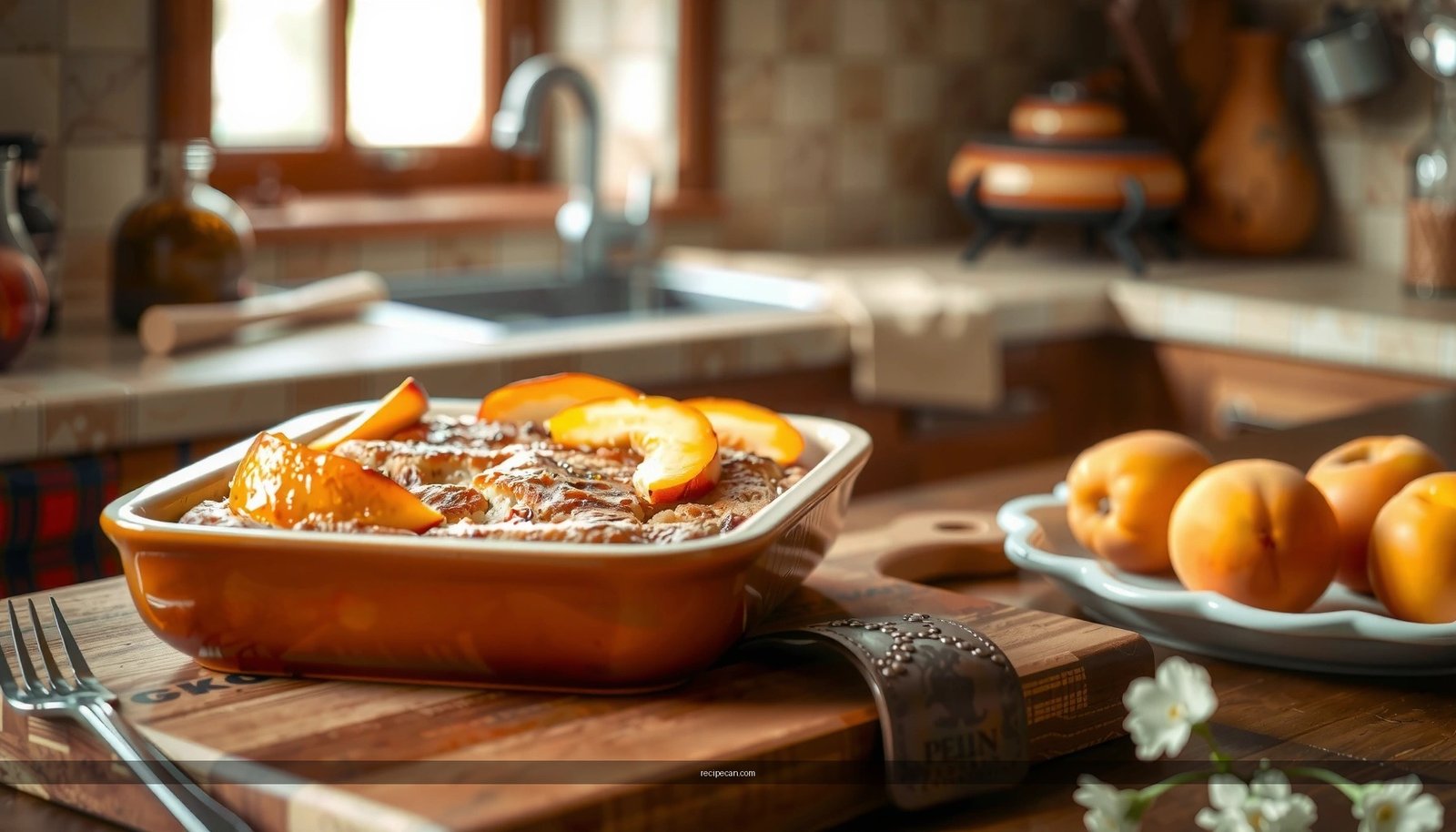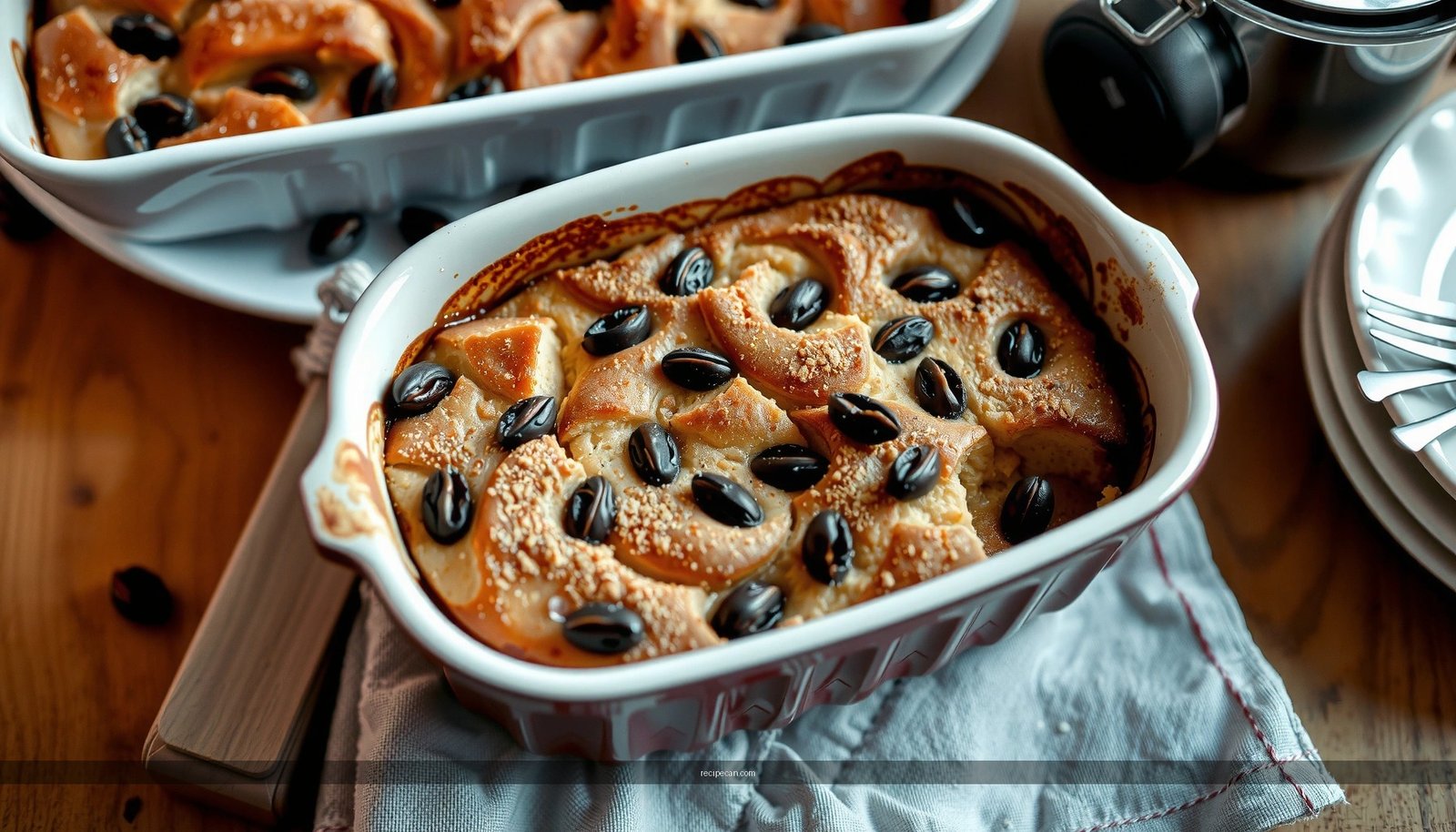
Get the best cinnamon raisin bread pudding recipe that turns stale bread into a custardy, cinnamon-scented dessert with plump raisins and no guesswork. This easy method delivers a tender interior and a softly caramelized top, so you know exactly what to expect after baking. If you want bread pudding that’s rich, spiced, and reliably set, this is the one to make.
This cinnamon raisin bread pudding recipe turns day-old bread into a tender, custardy dessert by soaking bread long enough to fully absorb the egg-milk mixture, then baking just until the center is set but still soft. With the right bread choice, soaking time, and rest period, you’ll reliably get a golden top, juicy raisins, and a creamy interior every time.
Gather Ingredients and Tools
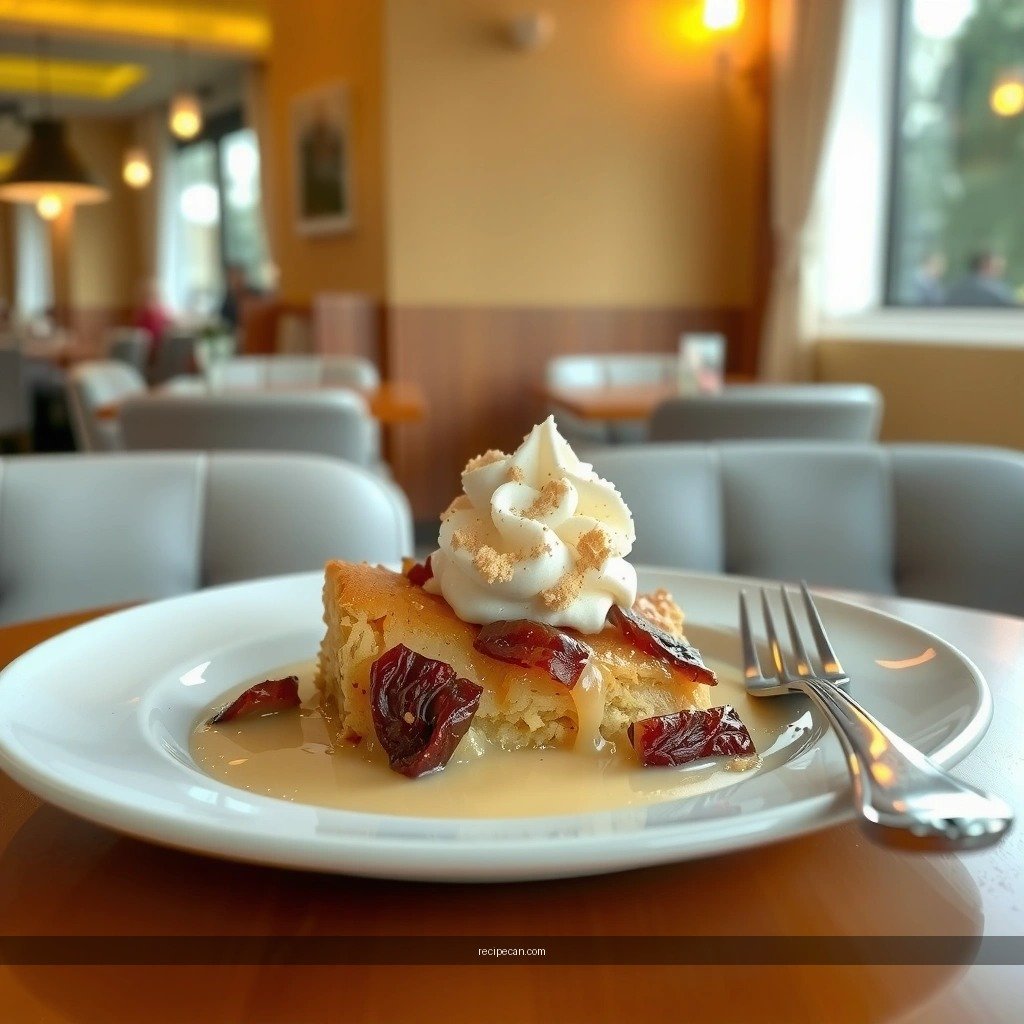
– Use day-old bread (brioche, challah, or white bread work best)
Day-old bread has dried slightly, so it absorbs custard faster and bakes up with a custardy—not gummy—texture. Brioche and challah are richer and produce the most luxurious crumb, while plain white bread is a reliable budget option.
– Stock cinnamon, eggs, milk/cream, sugar, butter, and raisins
Cinnamon provides the signature warm flavor, eggs thicken the custard, and milk/cream create that classic bread pudding “custard set.” Butter adds roundness to the spice and improves browning.
– Optional add-ins: vanilla, nutmeg, or a drizzle of icing
Vanilla makes the cinnamon taste more “baked” and less one-note. A small pinch of nutmeg adds depth. If you want a plated dessert look, a simple powdered sugar glaze or icing drizzle works well.
To make this recipe practical and consistent, choose a target custard thickness. A good rule: your custard should look like a pourable cream, not watery milk. If you’re using very dry bread, you can safely add 1–2 tablespoons more milk to help it absorb evenly.
Bread Absorption Performance (for Custardy Bread Pudding)
| # | Bread Type | Custard Absorption* | Best Use | Expected Texture** |
|---|---|---|---|---|
| 1 | Brioche | High (≈65%) | Most custard-rich results | ★★★★★ Creamy |
| 2 | Challah | High (≈60%) | Soft, even custard | ★★★★☆ Rich |
| 3 | White Sandwich Bread | Medium (≈45%) | Great everyday option | ★★★★☆ Balanced |
| 4 | Sourdough (Day-old) | Medium-Low (≈35%) | Adds structure and chew | ★★★☆☆ Chewy |
| 5 | Whole Wheat Sandwich Bread | Medium (≈40%) | Heartier flavor profile | ★★★★☆ Hearty |
| 6 | French Bread (Day-old) | Low-Medium (≈30%) | Best with longer soak | ★★★☆☆ Sturdy |
| 7 | Cinnamon Swirl Bread | Medium (≈48%) | Extra cinnamon payoff | ★★★★☆ Flavor-forward |
Approximate absorption performance based on typical crumb structure of common breads.
Texture rating reflects how consistently the custard sets without becoming dry or under-soaked.
Prep the Bread and Soak Mixture

– Cut bread into cubes for even soaking and consistent pudding
Aim for ¾–1 inch cubes so each piece has enough surface area to absorb custard without turning to mush. If your cubes vary a lot in size, the outer pieces can dry while the thickest pieces stay under-cooked.
– Mix eggs with milk/cream, sugar, cinnamon, and vanilla
Whisk thoroughly until the mixture is uniform—no streaks of egg or clumps of cinnamon sugar. A consistent custard base is the difference between “set” and “split.” If you like a stronger spice profile, consider mixing cinnamon with sugar first so the spice disperses more evenly.
– Toss bread with raisins and pour custard over to absorb
Distribute raisins across the dish rather than piling them in one area. If you want extra juicy raisins, you can soak them in warm water or rum/juice for 10–15 minutes, then drain well. Add them after cubing so you coat bread lightly and prevent raisins from sinking too far.
Soaking approach (the key to custardy texture):
For best results, soak 20–30 minutes at room temperature for soft breads (brioche/challah) or 35–45 minutes for drier bread. You’re looking for the cubes to look saturated and slightly heavier, not floating on top of custard.
Quality control tip: press a few cubes gently with a spoon. They should feel tender and pliable, indicating the custard is penetrating.
Bake to Achieve Perfect Texture

– Bake until set but still slightly soft in the center
Bread pudding “finishes” as it cools. Bake until the edges are puffed and golden, while the center jiggles slightly when the pan is shaken. Overbaking drives off moisture and pushes you toward dryness rather than custard.
– Use a baking dish size that supports even thickness
Thickness determines baking speed. A dish that’s too deep can leave the middle under-set; a dish that’s too shallow can dry out. For standard home baking, a 2-quart casserole dish is a reliable starting point for classic, sliceable pudding.
– Let it rest briefly so it firms up and sets properly
Rest 10–20 minutes after baking. During this time, residual heat completes the set and redistributes moisture. Cutting too early can make the center appear runny even though it’s on track.
Target doneness guidance:
If you have an instant-read thermometer, the center often lands around the mid-160°F to low-170°F range when set, but don’t chase a single number—watch the jiggle and the edge browning. Oven temperatures vary, so visual cues matter.
Make It Extra Flavorful
– Add a cinnamon-sugar swirl or extra cinnamon on top
A simple upgrade: mix a tablespoon of sugar with cinnamon and sprinkle it between layers or over the top before baking. The surface caramelizes, creating a fragrant, lightly crisp top crust.
– Boost richness with a mix of milk and cream
Using half milk and half cream improves mouthfeel without making the dessert too heavy. If you prefer a lighter profile, you can use more milk, but you’ll need to ensure your bread is well-soaked so the custard still feels cohesive.
– Finish with a caramel or vanilla sauce if desired
Sauces make bread pudding feel restaurant-grade. Caramel adds buttery notes that harmonize with cinnamon and raisins; vanilla sauce or crème anglaise keeps the flavor clean and elegant. A quick glaze (powdered sugar + milk + vanilla) is also a fast, crowd-friendly option.
Practical flavor pairings:
– Raisins + cinnamon + warm vanilla = classic comfort
– Brown sugar + cinnamon = deeper “toffee” notes
– Pinch of salt (even ⅛ teaspoon) = enhances sweetness perception and makes spice taste more vivid
If you’re serving this as a company-friendly dessert—say, for a luncheon or team event—prepare the pudding ahead and heat gently, then plate with sauce right before serving for the best texture and appearance.
Troubleshooting Common Issues
– If it’s dry, increase liquid or soak longer before baking
Dry bread pudding usually comes from under-soaking or overbaking. Next time, soak longer (especially for dense breads) and confirm your dish isn’t too wide (which can accelerate moisture loss). If you’re using whole wheat or sourdough, it often needs a longer soak.
– If it’s runny, bake a bit longer and let it rest before serving
Runny texture is often a bake/rest timing issue. Bake until the center is set with a slight jiggle, then rest fully. If the top is browning quickly while the center remains loose, cover loosely with foil and continue baking until set.
– If it browns too fast, loosely cover with foil during baking
Uneven browning is common across ovens. Shielding the top while the custard finishes prevents a “burnt crust with an under-set middle” outcome.
A fast diagnostic (common in kitchens):
Check after 10–15 minutes into baking. If edges are already very dark, reduce heat by 25°F or tent with foil. If nothing has set after ~30 minutes, you likely need more bake time or a thicker custard.
Storage and Reheating Tips
– Store covered in the fridge for up to 3–4 days
Covering prevents the top from drying out. The refrigeration period can actually improve consistency, making flavors taste more integrated.
– Reheat gently in the oven or microwave until warmed through
Reheating slowly helps preserve the creamy texture. In the oven, cover with foil and heat at a low temperature until warmed through. In the microwave, use shorter bursts and stop before it becomes rubbery.
– For best results, reheat in a way that preserves the creamy texture
Add a teaspoon or two of milk per slice (or drizzle sauce) before reheating to restore moisture if the pudding tightens in the fridge.
Best serving practice:
Serve warm, not scorching. Warm bread pudding releases cinnamon aroma and makes raisins taste more vibrant. If you’re adding sauce, heat it separately and spoon it over just before serving.
Doneness & Texture Checklist
| Step | What to Look For | Target Result |
|---|---|---|
| 1 | Soaking | Cubes look saturated |
| 2 | Bake edges | Puffed + golden |
| 3 | Center jiggle | Slight jiggle only |
| 4 | Rest time | 10–20 minutes |
| 5 | Serving texture | Creamy, sliceable |
Warm, custardy cinnamon raisin bread pudding is easy when you soak the bread well, bake until set, and rest before serving. Use the ingredient and baking tips above to get a golden top and tender center every time—then elevate the final bite with cinnamon-sugar sparkle and a sauce finish when you want to impress.
In conclusion, success with cinnamon raisin bread pudding comes down to three controllable levers: the bread (choose brioche, challah, or white sandwich for consistent absorption), the soaking process (soak until saturated), and the baking/rest rhythm (set edges, slightly jiggly center, then rest). Follow these steps and you’ll produce a dessert that’s reliably custardy in the middle, golden on top, and filled with juicy raisins and classic cinnamon sweetness—perfect for weeknight comfort or any gathering.
Frequently Asked Questions
What ingredients do I need for a cinnamon raisin bread pudding recipe?
You’ll typically need day-old bread (cubed), milk or half-and-half, eggs, sugar (brown sugar works great), ground cinnamon, and raisins. For extra flavor, add vanilla extract and a pinch of salt; some recipes also include butter for richness. If you want a bakery-style finish, consider a cinnamon-sugar topping or a quick glaze.
How do I make cinnamon raisin bread pudding without it turning soggy?
Use slightly stale bread and cut it into even cubes so it absorbs the custard without collapsing. Let the bread soak for about 20–30 minutes (or longer if your cubes are dense), then bake until the center is set but still slightly soft. If you notice sogginess, reduce the soaking time or slightly lower the milk amount next time, and bake a few minutes longer for a better set.
Why do my bread pudding recipes come out dry, and how can I prevent it?
Dry cinnamon raisin bread pudding usually happens when the custard ratio is too low or the bake time is too long. Make sure you whisk eggs thoroughly into the milk mixture and fully coat the bread before baking. Check doneness when the edges are puffed and the center jiggles slightly; covering with foil during baking can also prevent over-browning.
What’s the best way to flavor bread pudding with cinnamon and raisins?
Mix cinnamon directly into the custard so the flavor spreads throughout the cinnamon raisin bread pudding recipe, then toss raisins with a little cinnamon and sugar for balanced sweetness in every bite. You can also steep raisins in warm milk or water for 10 minutes before mixing to plump them and reduce chewiness. For more depth, add a touch of nutmeg or use dark brown sugar instead of white sugar.
Which bread works best for a cinnamon raisin bread pudding recipe?
Brioche, challah, and thick-cut white bread are ideal because they absorb the custard while staying tender. If you want a firmer texture, choose a hearty loaf like sourdough (but cut smaller cubes and soak a bit longer). Avoid very soft sandwich bread if you prefer a sliceable pudding, though it can work well if you reduce soak time and bake until fully set.
References
- Google Scholar Google Scholar
https://scholar.google.com/scholar?q=cinnamon+raisin+bread+pudding+recipe - Google Scholar Google Scholar
https://scholar.google.com/scholar?q=bread+pudding+cinnamon+raisins - Google Scholar Google Scholar
https://scholar.google.com/scholar?q=bread+pudding+recipe+custard+technique+bake - Bread pudding
https://en.wikipedia.org/wiki/Bread_pudding - Bread and butter pudding
https://en.wikipedia.org/wiki/Bread_and_butter_pudding - Cinnamon
https://en.wikipedia.org/wiki/Cinnamon - Raisin
https://en.wikipedia.org/wiki/Raisin - Bread
https://en.wikipedia.org/wiki/Bread - Custard
https://en.wikipedia.org/wiki/Custard - https://www.britannica.com/topic/bread-pudding
https://www.britannica.com/topic/bread-pudding