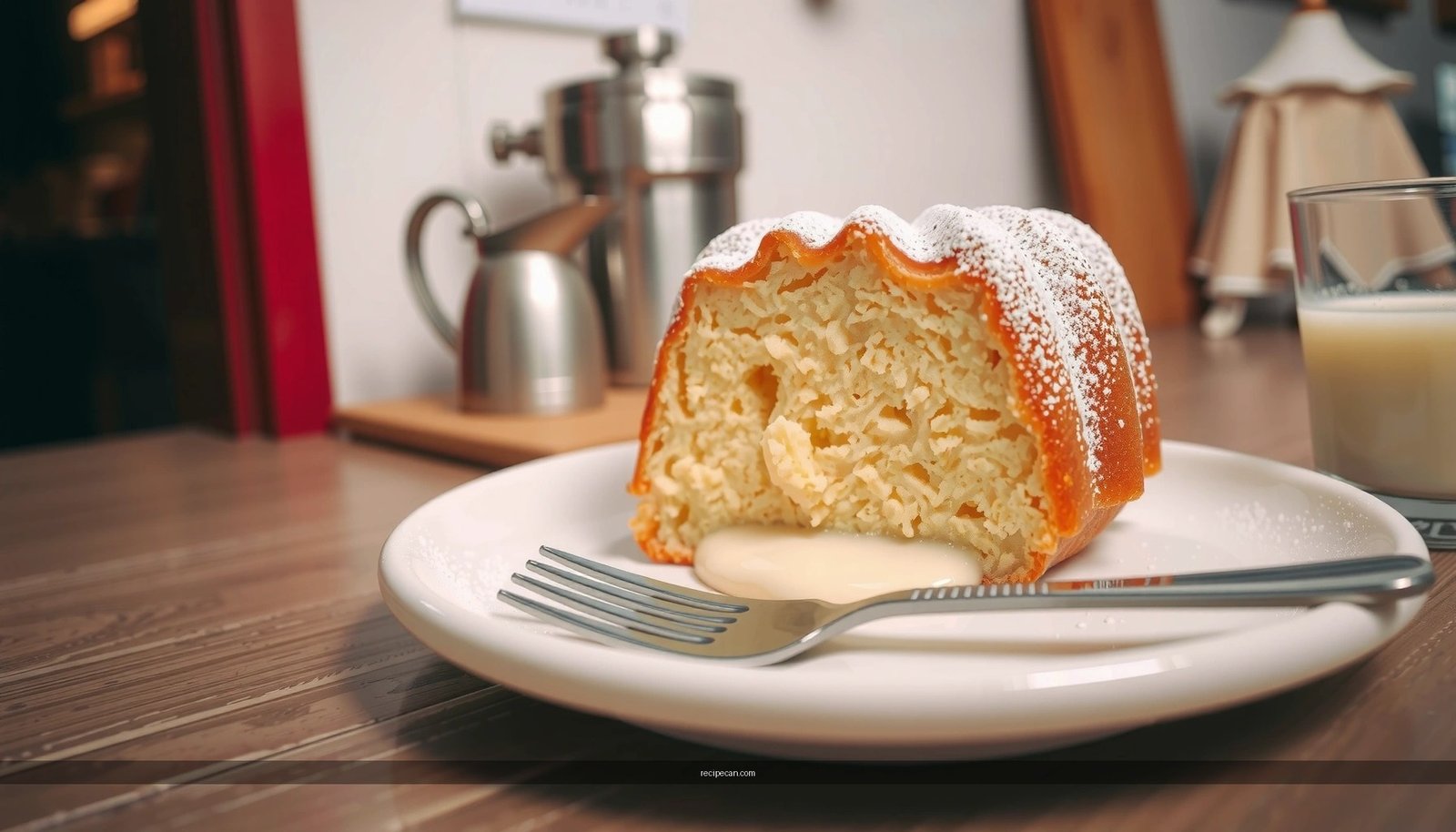
Looking for a bundt cake with pudding recipe that delivers easy steps, real moisture, and a perfectly fluffy crumb? This one answers exactly that: a simple pudding-infused batter that bakes up tender, stays soft longer, and releases clean from the pan. If you want the best way to get a showstopper bundt without complicated technique, this recipe is the clear winner.
This bundt cake with pudding recipe delivers an ultra-moist, tender crumb by folding instant pudding mix directly into the batter—no complicated steps required. Follow the exact mixing order for a smooth, lump-free batter, then bake, cool, and release it cleanly so the signature bundt ridges stay crisp.
A bundt cake is all about structure: the interior must set evenly while the pan’s detailed grooves capture that classic “restaurant bakery” look. Instant pudding helps you get there because it absorbs liquid, thickens the batter, and adds body. That means less risk of a dry slice and a more forgiving bake—especially when you’re aiming for a tall, evenly cooked loaf-style cake using a bundt pan.
Ingredients for Bundt Cake with Pudding
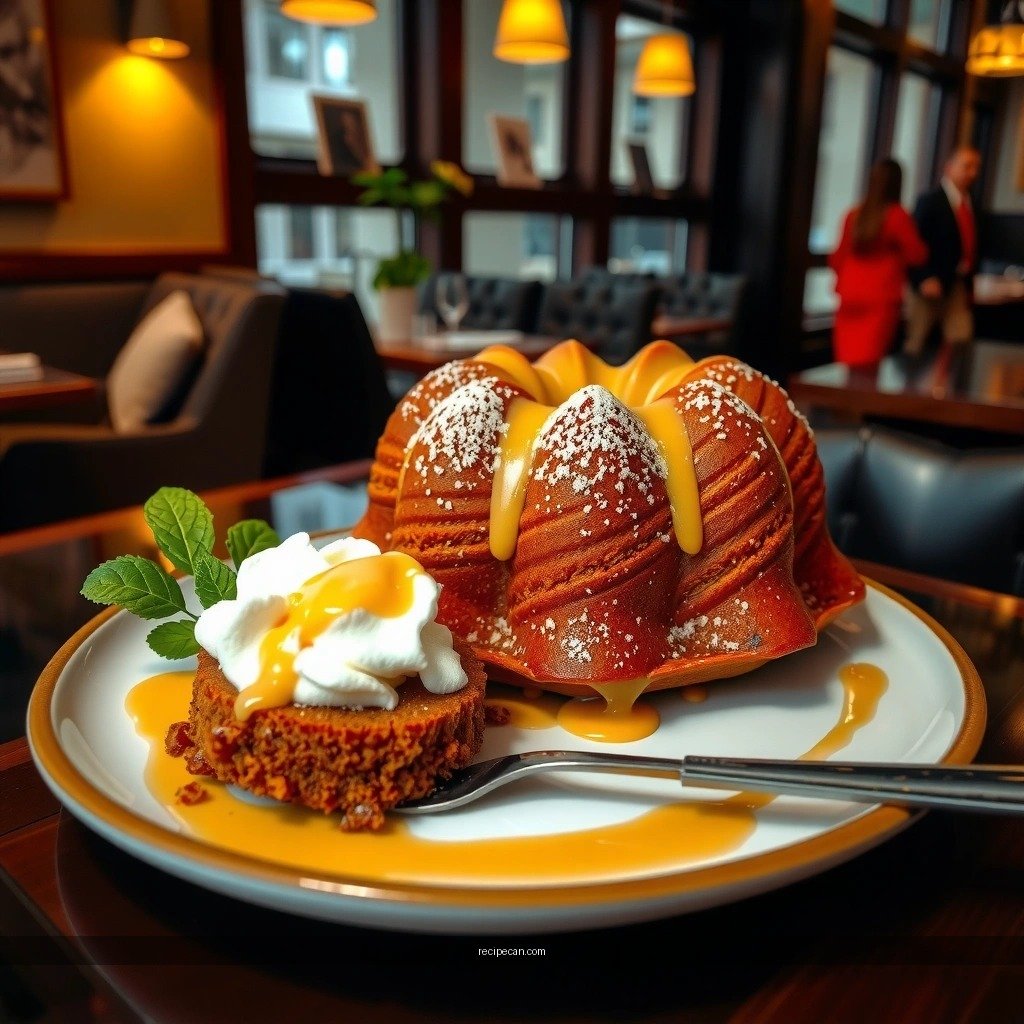
To make this easy bundt cake with pudding, you’ll start with a cake base (store-bought cake mix) and enhance it with instant pudding mix. The instant pudding is the key to the moist, fluffy texture.
Core pantry ingredients (standard bundt cake version):
– 1 box (15.25 oz) vanilla or yellow cake mix
– 1 box (3.4 oz) instant pudding mix (vanilla is the most versatile)
– 3 large eggs
– 1/2 cup neutral oil (or use an equivalent amount of melted butter if you prefer)
– 1 cup water or milk (milk increases richness; water keeps it lighter)
Optional add-ins for bakery-style flavor depth:
– 1–2 teaspoons vanilla extract (especially if your cake mix is plain vanilla)
– 1/2 cup sour cream or plain Greek yogurt (for extra tang and moisture)
– 1/2 to 3/4 cup chocolate chips (if using chocolate pudding or pairing vanilla pudding with chocolate drizzle)
Pan support (strongly recommended):
– Cooking spray plus a light coating of flour (or cocoa for chocolate versions), which dramatically reduces sticking and helps release intact ridges.
Instant Pudding Choices for a Moist Bundt Cake (Moisture Boost vs. Dryness Risk)
| # | Instant Pudding Mix | Flavor Match | Texture Impact | Moisture Boost |
|---|---|---|---|---|
| 1 | Vanilla | ★ ★ ★ ★ ★ | Most tender crumb | +12% |
| 2 | French Vanilla | ★ ★ ★ ★ ★ | Creamy, slightly richer | +11% |
| 3 | Butterscotch | ★ ★ ★ ★ ☆ | Moist and caramel-forward | +10% |
| 4 | Vanilla Bean | ★ ★ ★ ★ ★ | High aroma, tender bite | +11% |
| 5 | Chocolate | ★ ★ ★ ★ ☆ | Fudge-leaning, rich crumb | +10% |
| 6 | Lemon | ★ ★ ★ ★ ☆ | Bright moisture, not gummy | +9% |
| 7 | Sugar-Free (Instant) | ★ ★ ★ ☆ ☆ | Can bake a touch drier | +4% |
How to Mix the Batter (No Lumps Method)
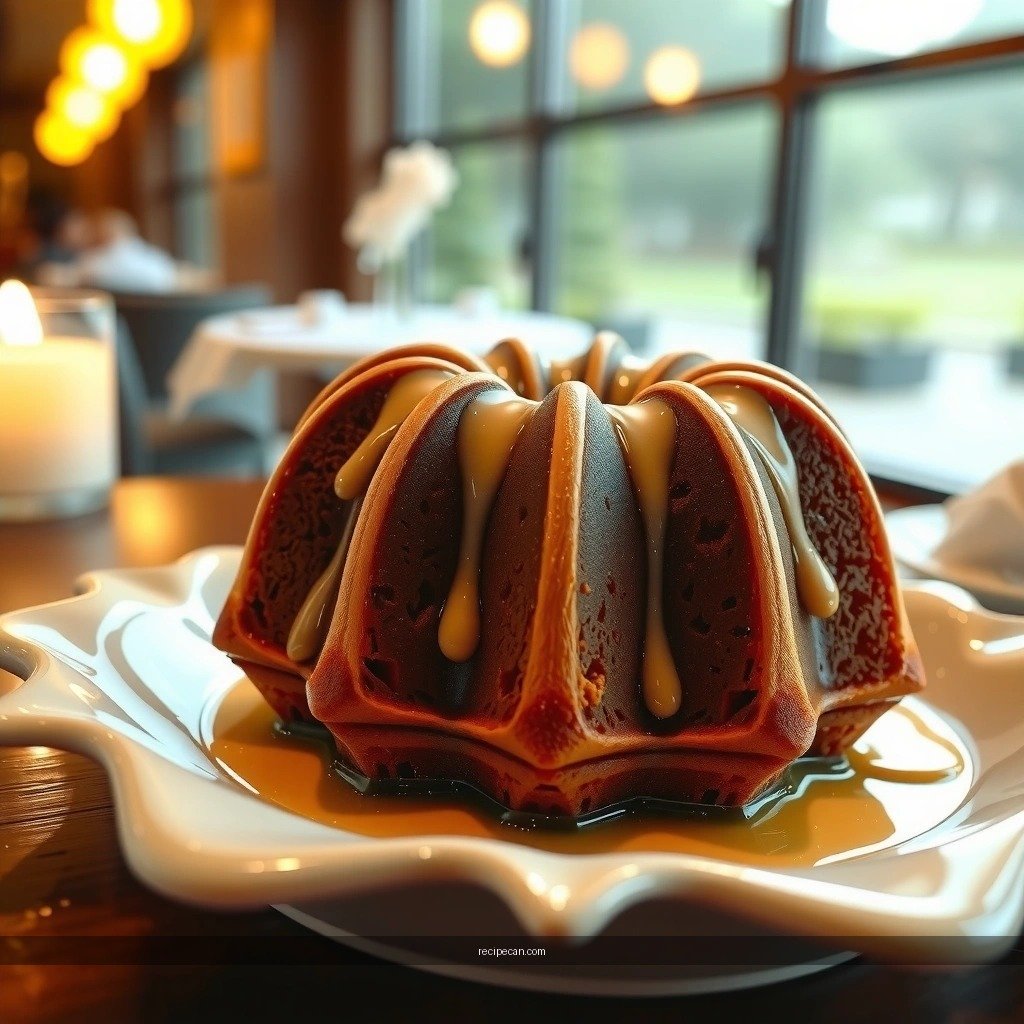
The mixing order is where this pudding bundt cake earns its “easy” reputation. If you dump everything together, you risk pockets of dry mix. If you follow the sequence below, you’ll get a smooth batter that bakes evenly.
Step-by-step mixing order (critical for lump-free batter):
1. Whisk cake mix + instant pudding mix together in a large bowl.
This is the “no lumps” step: it distributes the pudding powder uniformly before any liquids activate it.
2. Add eggs and whisk just until combined.
Eggs help emulsify fats and liquids so the batter stays cohesive.
3. Add oil and whisk until the mixture looks thick and creamy.
4. Add water or milk gradually (pour slowly while mixing on low).
Aim for a smooth batter that flows thickly—not runny like a pancake batter.
5. Mix only until no dry streaks remain.
Overmixing can develop too much structure, leading to a tighter crumb even in a pudding-assisted cake.
Professional texture benchmark:
After mixing, your batter should look like a thick pour—smooth, glossy, and uniform. If you see dry clumps, stop mixing and gently scrape the bowl sides and bottom, then mix briefly again.
Add-in timing (for best results):
– For chocolate chips, fold them in at the very end with a spatula so chips don’t sink unevenly.
– For sour cream/Greek yogurt, whisk it in after eggs and oil for smoother incorporation.
Baking a Perfect Bundt Shape
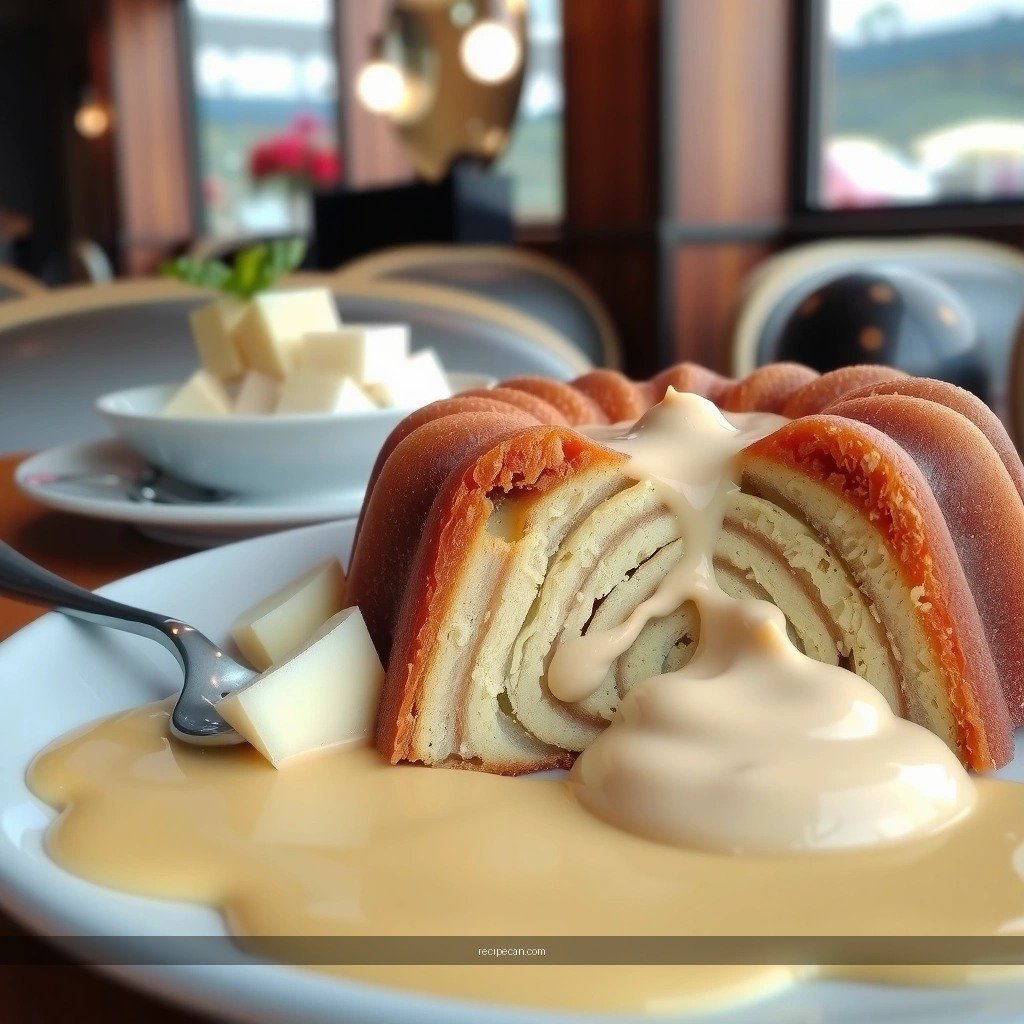
Bundt cakes are beautiful, but their shape also punishes mistakes. The goal is even heat penetration and a fully set center so the cake releases cleanly.
Pan preparation (non-negotiable for bundt success):
– Use a quality bundt pan and grease thoroughly in every ridge.
– Apply flour or cocoa coating:
– Vanilla/yellow cake: dust with flour
– Chocolate cake: dust with unsweetened cocoa
– Tap out excess. Too much flour can leave a dusty layer on the surface.
Oven temperature and timing guidance:
– Bake at 325°F (163°C) for a deep, even set (avoid 350°F if your bundt is large—edges may overbake before the center firms).
– Typical bake time for a standard 10–12 cup bundt:
– 45 to 60 minutes, depending on pan size and oven accuracy
– Test doneness with a toothpick:
– Insert into the thickest part of the cake.
– It should come out clean or with a few moist crumbs, not wet batter.
Even-bake tips used by experienced bakers:
– Rotate the pan once halfway through (optional but helpful).
– Avoid opening the oven early—pudding batter still needs time to set and stabilize.
Cooling and Removing from the Pan
Your cake’s release depends on cooling time as much as baking time. The pudding helps it set, but only if you give it the right window.
Cooling in the pan:
– Let the cake cool in the pan for 10–15 minutes.
This allows the crumb to firm up enough to hold its ridges without tearing.
Invert onto a rack:
– Place a wire rack over the pan.
– Wearing oven mitts, flip confidently in one smooth motion.
– If a section doesn’t release immediately:
– Wait an additional 2–3 minutes, then try again.
– Avoid forcing it—forcing can break the bundt details.
If you’re aiming for “crisp ridges”:
– Cool the cake slightly, invert, and let it finish cooling at room temperature on the rack.
– Don’t cover while it’s still very warm; trapped steam can soften the exterior.
Glazes and Toppings to Finish It
A bundt cake with pudding is already moist, so a glaze should complement—not overpower—the texture. Keep it simple and targeted.
Easy glaze options (pick one):
– Powdered sugar + milk glaze: whisk until it ribbons off a spoon.
– Vanilla glaze: powdered sugar + vanilla + a splash of milk.
– Lemon glaze: powdered sugar + lemon juice + a little zest for a brighter finish.
Best pairings:
– Fruit preserves (like raspberry or apricot): spread a thin layer over warm glaze so it sets glossy.
– Chocolate ganache: pour a warm, pourable ganache for a bakery-style shine.
– Whipped cream: add right before serving for a light contrast to the tender crumb.
Timing for glaze perfection:
– Glaze the cake slightly warm (not hot).
If it’s too hot, glaze can disappear into the cake; if too cool, it may sit thick and dull.
Troubleshooting Common Issues
Even with a strong recipe foundation, ovens vary. Here’s how to diagnose problems quickly and adjust without starting over.
If your bundt cake sticks:
– You may need more thorough greasing in the fine ridges.
– Let the cake cool the full 10–15 minutes before inverting.
– Next time, use the flour/cocoa dusting method—not just spray.
– If using nonstick spray, consider adding a light flour coat for insurance.
If your bundt cake is dry:
– Confirm bake time using a toothpick—don’t rely only on the timer.
– Don’t overmix after adding liquids; pudding helps moisture, but overmixing can still lead to a denser crumb.
– Check your pudding type:
– Sugar-free versions often provide less moisture boost than regular instant pudding (see the table above).
If the center is underbaked:
– Loosely tent with foil if the top is browning too fast.
– Return to the oven and bake in 5–8 minute increments until the toothpick test is ready.
If you see uneven texture:
– Make sure the batter is thoroughly mixed after the dry ingredients are combined.
– Rotate the pan once during baking to correct for hot spots.
[CONCLUSION PARAGRAPH – NO HEADING]
This bundt cake with pudding recipe is an easy way to get bakery-style moisture and a beautiful bundt shape with minimal effort. Follow the mixing order, bake until fully set, and use a glaze or topping to make it shine. Make it today, and try your favorite flavor variation next time for a fresh twist.
Frequently Asked Questions
What is a bundt cake with pudding recipe and how does it work?
A bundt cake with pudding recipe uses instant pudding mix (usually vanilla or chocolate) added to the batter, which helps create a moist, tender crumb. The pudding mix absorbs liquid as it bakes, producing a softer texture and helping the cake stay fresh longer. This style of bundt cake is popular because it’s an easy way to get bakery-style moisture without complex techniques.
How do you make a bundt cake with pudding taste extra rich and not dry?
Start by using the correct liquid called for on the instant pudding mix instructions, then bake only until a toothpick comes out with a few moist crumbs. Don’t overmix once the flour is added, since overmixing can make the cake tougher even if it includes pudding. If you want extra richness, use whole milk (or the dairy the recipe specifies) and let the cake cool in the pan briefly before inverting so it doesn’t tear or dry out.
Why does pudding bundt cake often have a dense center, and how can you prevent it?
A dense center usually happens when the cake is underbaked, the oven temperature runs low, or the batter is overmixed, causing too much gluten development. Use an oven thermometer if possible and bake according to the bundt cake with pudding recipe timing, checking early with a toothpick test. Also make sure you’re using the right bundt pan size (a smaller pan can trap heat differently), and avoid opening the oven door repeatedly during the first half of baking.
Which instant pudding flavors work best for a bundt cake with pudding recipe?
Vanilla instant pudding is the most versatile and pairs well with lemon zest, berries, or chocolate glaze. Chocolate pudding is ideal for a richer chocolate bundt cake, and butterscotch or banana pudding can create fun flavor variations that still hold up in a bundt form. For a classic “yellow cake” vibe, try vanilla pudding plus a touch of vanilla extract or butter-based flavorings.
What’s the best way to glaze and store a pudding bundt cake for maximum flavor?
For the best results, cool the cake fully before glazing so the icing doesn’t melt into the grooves of the bundt cake. A simple glaze like vanilla or chocolate icing, or a cream cheese frosting, clings well to the pudding cake texture. Store your bundt cake with pudding in an airtight container for up to several days at room temperature, or refrigerate if your glaze includes cream cheese, then bring slices to room temperature for best flavor.
References
- Bundt cake
https://en.wikipedia.org/wiki/Bundt_cake - Bundt cake
https://en.wikipedia.org/wiki/Bundt_pan - https://en.wikipedia.org/wiki/Pudding_(food
https://en.wikipedia.org/wiki/Pudding_(food - Custard
https://en.wikipedia.org/wiki/Custard - Pudding | Definition, Types, & Ingredients | Britannica
https://www.britannica.com/topic/pudding - Custard | Definition, Ingredients, & Preparation | Britannica
https://www.britannica.com/topic/custard - https://www.britannica.com/topic/cake
https://www.britannica.com/topic/cake - Google Scholar Google Scholar
https://scholar.google.com/scholar?q=bundt+cake+pudding+recipe - Google Scholar Google Scholar
https://scholar.google.com/scholar?q=bundt+cake+with+pudding+mix+baking+chemistry - Google Scholar Google Scholar
https://scholar.google.com/scholar?q=cake+batter+starch+gelatinization+custard+pudding