Looking for bundt cake recipes with pudding that reliably deliver a moist, tender crumb and big flavor without complicated steps? This guide picks the best pudding-based bundt cake formulas—so you know exactly what to make when you want a guaranteed “wow” cake with minimal effort. If you want rich chocolate, bright citrus, or classic vanilla results from pantry-friendly ingredients, you’ll find the winning mix, bake time, and flavor pairing here.
Use pudding mix in your bundt cake batter to lock in moisture and produce a tender crumb with bakery-style flavor. If you choose the right pudding flavor and follow a few texture-focused baking rules—especially pan release and bake time—you’ll reliably get a moist, sliceable bundt cake that tastes like it took more effort than it did.
Choosing the Right Pudding Flavor for Your Bundt Cake
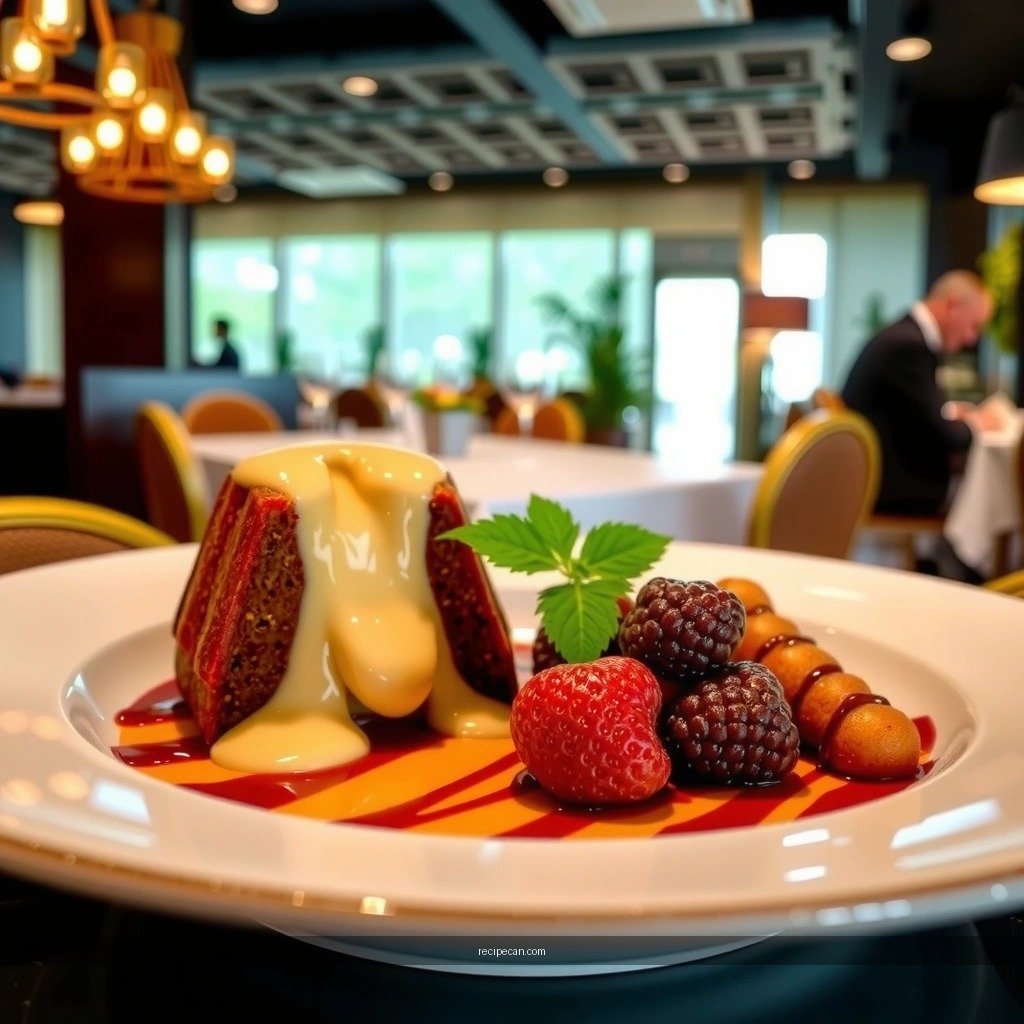
The beauty of bundt cake recipes with pudding is that the pudding mix doesn’t just add sweetness—it adds structure. When baked, pudding gelatinized starches help stabilize the crumb, and the extra fat and milk solids contribute to a softer mouthfeel. The trick is selecting a pudding flavor that complements your overall mix-ins and glaze.
– Pick complementary flavors (vanilla, chocolate, lemon, butterscotch) that match your add-ins
– Vanilla pudding is the most versatile base for berries, chocolate chips, nuts, and cookie crumbles.
– Chocolate pudding pairs well with brownies-influenced mix-ins (chocolate chips, cocoa, espresso powder, chopped toffee).
– Lemon pudding works especially well with poppy seeds, blueberries, white chocolate, and a lemon glaze.
– Butterscotch pudding is ideal for a “warm bakery” profile with toasted pecans, caramel drizzle, and brown sugar streusel.
– Use instant pudding mix for the best thickening and cake structure
“Instant” pudding is designed to thicken quickly during baking, helping the cake set evenly rather than feeling gummy. For bundt cakes, instant pudding also tends to yield more consistent crumb texture from batch to batch.
Actionable guidance: If you’re adding fruit (berries, citrus zest), consider choosing a pudding flavor that mirrors the dominant note—like lemon pudding with blueberries—so the cake reads as intentional rather than “mixed.”
Instant Pudding Mix Flavor Pairings for Moist Bundt Cakes
| # | Pudding Flavor | Best Mix-Ins | Recommended Glaze | Moisture Retention Rating |
|---|---|---|---|---|
| 1 | Vanilla | Berries, chocolate chips, toasted almonds | Powdered sugar + milk | 9.3 ★ |
| 2 | Chocolate | Chopped dark chocolate, cocoa nibs, toffee bits | Cocoa glaze + vanilla | 9.0 ★ |
| 3 | Lemon | Blueberries, poppy seeds, white chocolate | Lemon juice + powdered sugar | 8.8 ★ |
| 4 | Butterscotch | Toasted pecans, caramel bits, chopped apples | Caramel drizzle + sea salt | 8.6 ★ |
| 5 | Banana Cream | Walnuts, vanilla wafers, banana slices (folded) | Vanilla cream glaze | 7.9 ★ |
| 6 | Strawberry | White chocolate chunks, crushed shortbread | Strawberry-milk glaze | 7.7 ★ |
| 7 | Mocha / Coffee (Instant) | Chocolate chips, hazelnuts, caramel swirls | Espresso glaze (powdered sugar + coffee) | 8.4 ★ |
Essential Ingredients and Substitutions
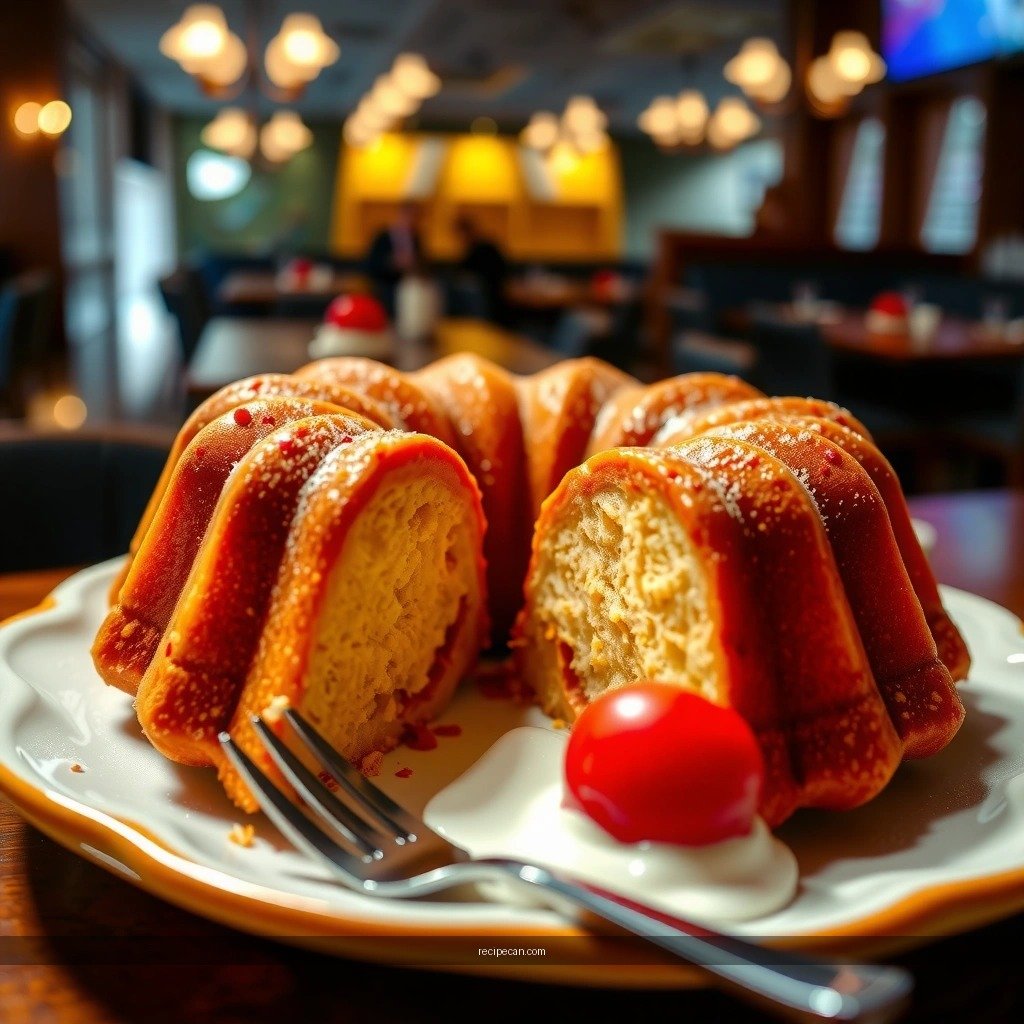
A pudding-powered bundt cake is straightforward, but consistency comes from treating substitutions like “system changes,” not random swaps. Most bundt cake recipes with pudding follow the same backbone: fat + eggs + milk + flour + pudding mix, baked in a properly greased pan.
– Combine pudding mix with common bundt staples like eggs, butter/oil, milk, and flour
A typical approach is to stir pudding mix directly into the dry ingredients (or whisk it into the batter), then add wet ingredients to hydrate the mix. The pudding mix acts like a moisture-and-structure enhancer, which is why the crumb stays soft even after cooling.
– Swap milk types (dairy or nondairy) carefully, keeping the same measurement
– Dairy milk (whole or 2%) supports classic flavor and tenderness.
– Nondairy milk (oat, almond, soy) can work well, but choose one with enough fat/body (like oat or soy) for best results. Use the same volume as the recipe calls for—no “eyeballing” if you’re aiming for repeatable texture.
Additional high-impact ingredient notes:
– Fat choice: butter adds flavor; oil often adds extra tenderness. You can use either, but don’t switch both fat and leavening styles at the same time unless you test.
– Egg temperature: room-temp eggs incorporate more evenly, reducing lumps and preventing uneven baking in bundt ridges.
Practical substitution tip: If you must replace butter with oil, use a like-for-like ratio (commonly 1:1 by volume in many baking conversions). If your recipe uses melted butter, oil behaves similarly in terms of moisture and mixing.
Basic Bundt Cake Recipe With Pudding (Step-by-Step)
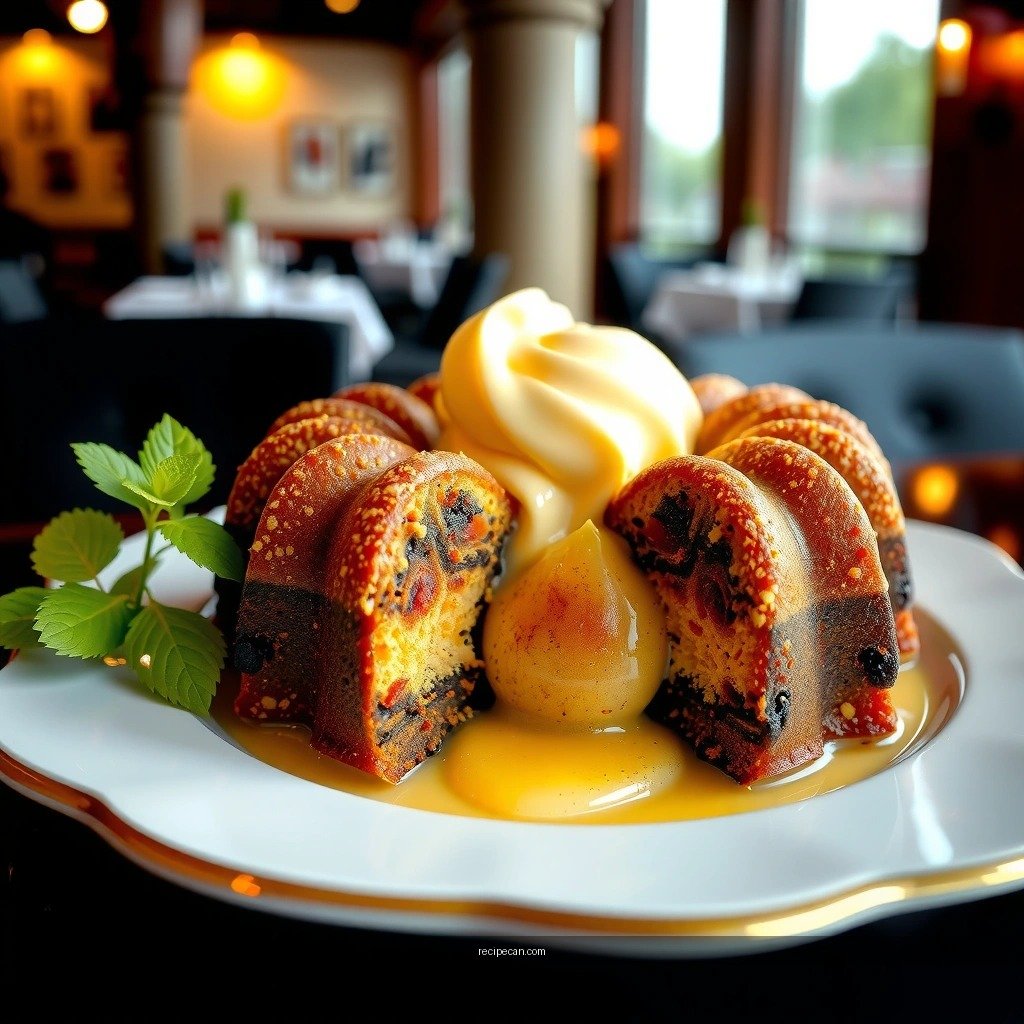
Below is a reliable baseline method used across many pudding bundt cake variations. Think of this as your “control” recipe—once you get the texture right, you can confidently swap flavors, glazes, and mix-ins.
Yield: one bundt cake (10–12 cup pan)
Core idea: pudding mix + standard bundt method = tender, moist crumb with consistent set.
1. Preheat and prep the pan
Preheat to 350°F (175°C). Grease and flour the bundt pan thoroughly (every ridge matters). Or use a high-quality nonstick baking spray designed for detailed pans.
2. Mix dry ingredients
Whisk flour, instant pudding mix, and leaveners (as the recipe specifies—often baking powder and/or soda depending on the batter). This distributes pudding evenly so pockets of thick mix don’t remain.
3. Combine wet ingredients
In a separate bowl, whisk eggs, milk, sugar, and melted butter or oil, plus vanilla (or another flavoring). Mix just until smooth.
4. Build the batter
Combine wet + dry. Mix just until combined. Overmixing develops gluten, which can make the crumb less tender and more prone to dryness later.
5. Bake until fully set
Pour batter into the prepared pan. Bake until a toothpick or thin skewer inserted in the center comes out clean (or with a few moist crumbs). Bundt cakes often need 40–55 minutes, but always check early because pan geometry varies.
6. Cool properly
Let the cake cool in the pan 10–15 minutes, then invert onto a rack. For glazing, wait until the cake is warm, not hot—heat can make glaze run off unevenly.
Why this works: pudding mix thickens during baking and helps retain moisture as the cake cools, which is exactly what you want when the cake has so many surface areas exposed to heat in bundt molds.
Flavor Boosters: Mix-Ins and Swirls
Once you master the basic pudding bundt cake recipe, you can dial up flavor depth without changing the fundamental method. For consistent results, add mix-ins thoughtfully and use swirls to create texture contrast.
– Add chocolate chips, berries, crushed cookies, or shredded coconut for texture
– Chocolate chips: fold in gently to prevent batter overmixing.
– Berries: pat fresh berries dry (excess moisture can change bake time and make the crumb gummy). Toss frozen berries lightly with flour to reduce sinking.
– Crushed cookies: use moderation—too many cookie crumbs can absorb moisture and dry the cake.
– Shredded coconut: toast briefly for richer flavor and less sogginess.
– Create swirls with flavored jam or extra pudding for a marbled look
Make a quick swirl by warming jam to loosen it, then spooning it in alternating layers before lightly swirling with a knife. You can also use extra pudding (thickened with minimal extra milk) for a more pronounced “custard vein.”
Consistency note: swirls and dense mix-ins can slightly extend bake time. Use toothpick testing in the center and one ridge area near the thickest part.
Baking Tips for Perfect Bundt Texture
Bundt cake quality lives or dies on two technical factors: pan release and bake doneness. Even with pudding mix, a poorly greased pan can tear delicate ridges, and underbaking can lead to a gummy center.
– Grease and flour the pan thoroughly (or use a nonstick baking spray)
Bundt pans have intricate surfaces. Use a pastry brush for butter/flour or apply spray in a detailed, even coat. Pay special attention to the “center tube” and deepest grooves.
– Let the cake cool in the pan briefly, then invert gently for clean release
Cooling too long can cause steam moisture to settle and cling. Cooling too short can break the crumb. A 10–15 minute window is usually optimal.
Other precision tips that improve repeatability:
– Measure flour correctly: spoon flour into the measuring cup and level. Too much flour can counteract pudding’s moisture benefits.
– Avoid opening the oven too early: early temperature drops reduce spring and can cause uneven set.
– Use a rack for cooling: leaving the cake on a warm surface can trap heat and soften the bottom unevenly.
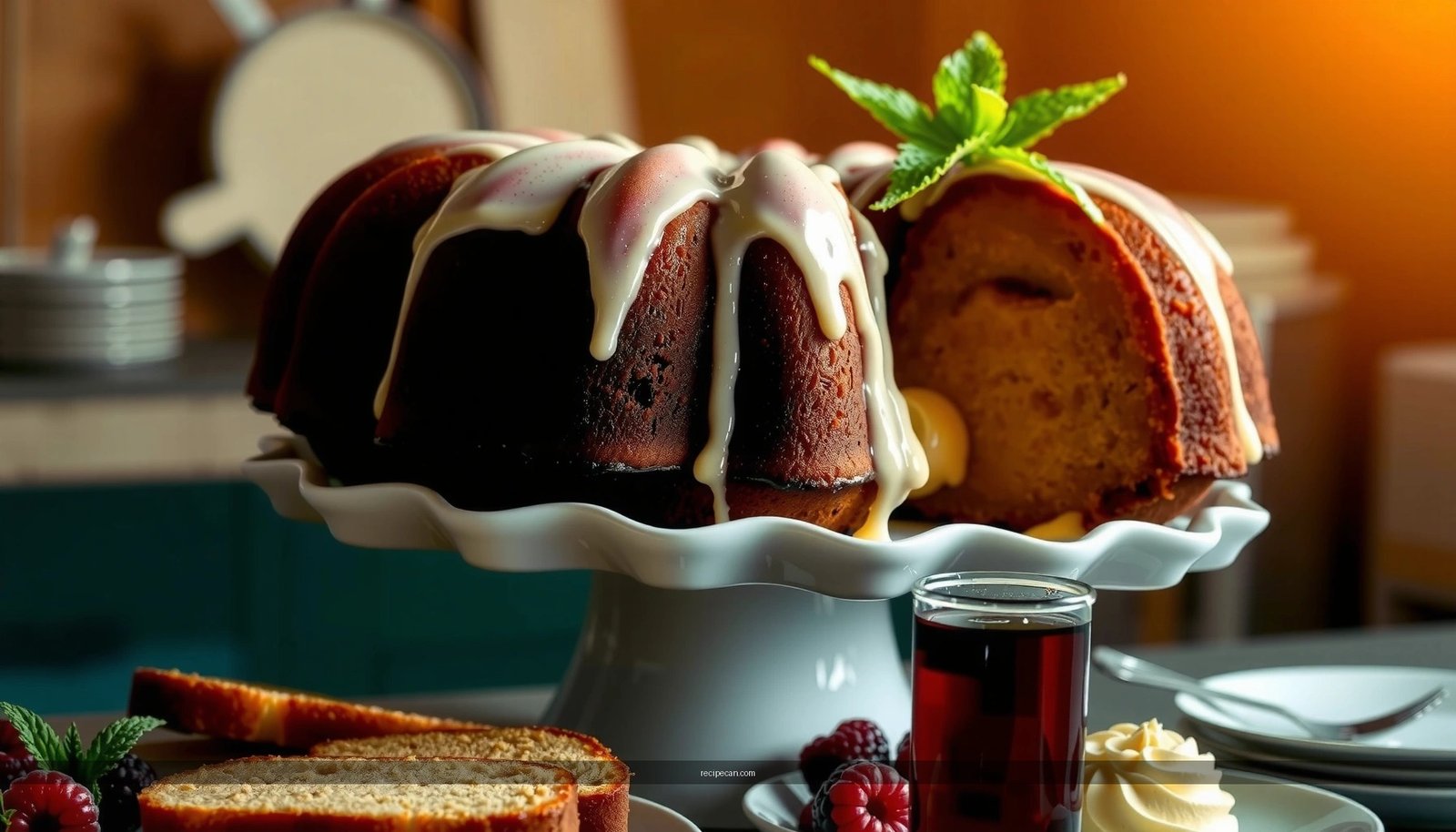
Glazes and Toppings to Complete Pudding-Filled Bundt Cakes
A great glaze should enhance flavor without washing away the cake’s texture. Pudding bundt cakes are tender, so aim for glaze consistency that adheres rather than floods.
– Try a simple glaze (powdered sugar + milk/lemon juice) for an easy finish
Stir until smooth and slightly thick. For bundt cakes, a thick glaze gives definition in ridges. Lemon juice brightens chocolate or vanilla pudding; milk keeps vanilla and butterscotch tasting classic.
– Add toppings like toasted nuts, sprinkles, or whipped cream for extra contrast
– Toasted nuts add crunch against a moist crumb (walnuts for lemon, pecans for butterscotch).
– Sprinkles work best on a cooled glaze (or on a thicker drizzle) to prevent bleeding.
– Whipped cream is ideal for serving moments rather than long storage, but it’s a high-impact finish for celebrations.
Serving strategy: For maximum sliceability, glaze after the cake cools and slice with a serrated knife that’s warmed slightly by running under hot water and drying.
Pudding-powered bundt cake recipes make it easy to bake a moist, tender cake with great flavor depth. Use the right pudding flavor, follow the basic method without overmixing, protect the pan release, and finish with a simple glaze plus smart mix-ins. Try one pudding bundt cake today—then tweak your next bake by changing the pudding flavor first, followed by the swirl or topping for a more predictable, bakery-style result.
Frequently Asked Questions
What are the best bundt cake recipes with pudding for a moist texture?
The best bundt cake recipes with pudding typically use instant pudding mix (often vanilla or butterscotch) plus a standard yellow or white cake base to lock in moisture. Look for recipes that also include sour cream, yogurt, or buttermilk, since these ingredients help the pudding flavor stay tender. Bundt pans also benefit from a slightly higher fat content (butter or oil) to prevent dryness in the center.
How do you bake a bundt cake with pudding mix without it tasting too “instant”?
To avoid an overly “instant” flavor, use a pudding flavor that matches your cake (like vanilla pudding for vanilla cake or chocolate pudding for chocolate cake) and add real vanilla extract or cocoa for depth. Make sure the pudding mix is fully dissolved by mixing it thoroughly with the batter rather than adding it in lumps. If the recipe seems too sweet, balance it with a pinch of salt and a small amount of acid (like sour cream or buttermilk) to round out the flavor.
Why does pudding bundt cake rise unevenly or crack, and how can you fix it?
Uneven rise or cracking often comes from overmixing, an oven temperature that runs hot, or under-greasing the bundt pan, which can distort the shape. Start by following the bake time closely, confirm your oven temperature with an inexpensive thermometer, and mix just until the pudding bundt batter is combined. Also grease and flour thoroughly (or use baking spray with flour) so the cake releases cleanly and maintains its signature bundt ridges.
Which pudding flavors work best for bundt cakes—vanilla, chocolate, or something else?
Vanilla pudding is the most versatile for bundt cake recipes with pudding, pairing well with citrus zest, almond extract, or cinnamon swirls. Chocolate pudding works great for rich cocoa bundt cakes and pairs nicely with ganache or cream cheese frosting. Butterscotch, lemon, and cheesecake-style pudding are also popular because they create bold, recognizable flavor without needing complicated add-ins.
How do you store and reheat a pudding-based bundt cake so it stays soft?
After cooling completely, wrap your bundt cake tightly to keep moisture in—pudding cakes usually stay freshest for 2–3 days at room temperature. For longer storage, refrigerate wrapped slices and let them come to room temperature before serving so the pudding texture doesn’t feel dense. To reheat, microwave individual slices for 10–15 seconds or warm in the oven at a low temperature briefly, avoiding over-heating that can dry out the cake.
References
- Bundt cake
https://en.wikipedia.org/wiki/Bundt_cake - https://en.wikipedia.org/wiki/Pudding_cake
https://en.wikipedia.org/wiki/Pudding_cake - Custard
https://en.wikipedia.org/wiki/Custard - Cake
https://en.wikipedia.org/wiki/Cake - https://en.wikipedia.org/wiki/List_of_cake_types
https://en.wikipedia.org/wiki/List_of_cake_types - https://www.britannica.com/topic/bundt-cake
https://www.britannica.com/topic/bundt-cake - Google Scholar Google Scholar
https://scholar.google.com/scholar?q=bundt+cake+with+pudding+recipe - Google Scholar Google Scholar
https://scholar.google.com/scholar?q=pudding+cake+mix+bundt+cake - Google Scholar Google Scholar
https://scholar.google.com/scholar?q=cake+mix+pudding+layer+bundt+cake+methods - Google Scholar Google Scholar
https://scholar.google.com/scholar?q=bundt+cake+recipes+with+pudding