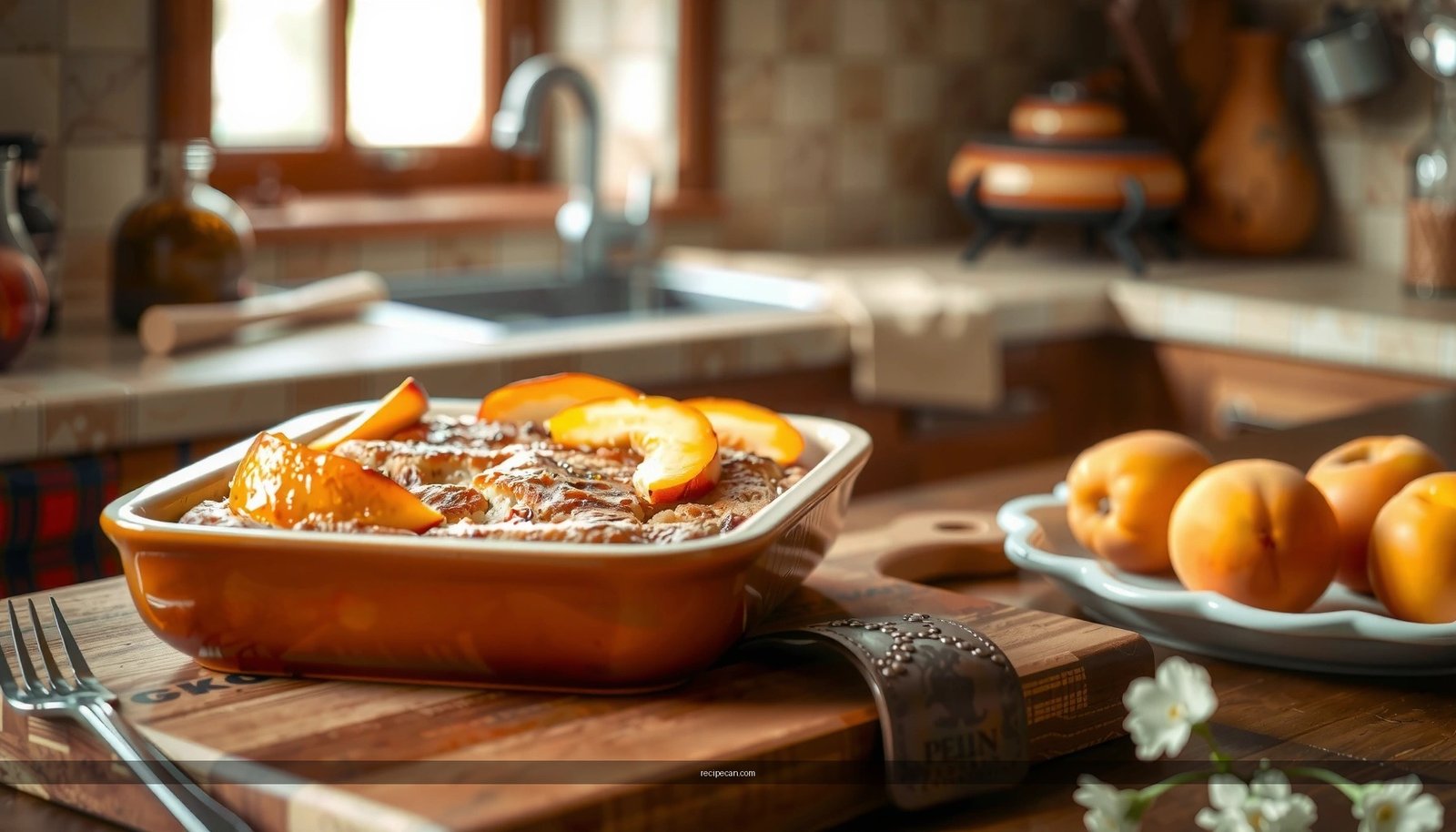
Looking for an easy and delicious breakfast bread pudding recipe that actually turns out custardy and golden every time? This recipe delivers a clear winner for busy mornings: simple ingredients, minimal prep, and a flavor-forward bake that tastes like brunch from a bakery. You’ll get the exact steps to transform day-old bread into a satisfying breakfast dessert that serves warm, not soggy.
This breakfast bread pudding recipe turns day-old bread into a custardy, golden bake in under an hour—no special skills required. By mixing a straightforward custard, soaking the bread just long enough, and baking until set in the center, you get a fluffy texture with sweet, cozy flavor that’s ideal for brunch.
Choose the Best Bread for Bread Pudding

The fastest path to great bread pudding is selecting bread that can absorb custard without collapsing. Bread acts like a sponge, and its structure determines whether your final bake is fluffy (ideal) or gummy (avoid).
– Use day-old bread (brioche, challah, or sourdough work great).
Brioche and challah bring natural richness and sweetness, which supports a dessert-like breakfast pudding without relying entirely on extra sugar. Sourdough adds a subtle tang and holds its shape well after soaking, making your slices feel more “bread-forward.”
– Cut bread into cubes for even soaking.
Aim for ¾–1 inch cubes. Smaller cubes saturate more quickly (useful if you’re short on time), while larger cubes help preserve a more pronounced bread texture. Consistent sizing is what delivers uniform custard coverage and even browning.
– Avoid very fresh bread that can turn gummy.
Fresh bread is still actively hydrated and elastic; when soaked, it can release starch unevenly and bake into a denser, gluey crumb. If you only have fresh bread, toast the cubes for 5–7 minutes at 300°F/150°C, then cool and proceed—this helps mimic the “day-old” absorption behavior.
Quality benchmarks to keep in mind: bread pudding works best when the bread has *dryness in the center* but still soft edges—exactly what day-old bread tends to provide.
Breakfast Bread Pudding: Best Bread Types by Texture (Tested Soak Behavior)
| # | Bread Type | Soak Time for Best Set | Ideal Texture Outcome | Baker Rating | Reliability |
|---|---|---|---|---|---|
| 1 | Brioche | 10–15 min | Fluffy custard crumb | ★★★★★ | Very consistent |
| 2 | Challah | 12–18 min | Golden, sliceable pudding | ★★★★☆ | High reliability |
| 3 | Sourdough | 15–22 min | Bread-forward, less sweet | ★★★★☆ | Consistent if diced well |
| 4 | Milk bread (tangzhong) | 10–14 min | Soft, custard-rich bite | ★★★☆☆ | Good with shorter soak |
| 5 | Whole wheat sandwich bread | 18–25 min | Heartier, slightly denser crumb | ★★★☆☆ | Works with longer soak |
| 6 | French bread baguette (day-old) | 20–28 min | Chewier edges, crisp top | ★★★☆☆ | Can dry if overbaked |
| 7 | White sandwich bread (fresh) | 8–12 min | Higher risk of gummy interior | ★☆☆☆☆ | Lower reliability |
Make the Custard Base
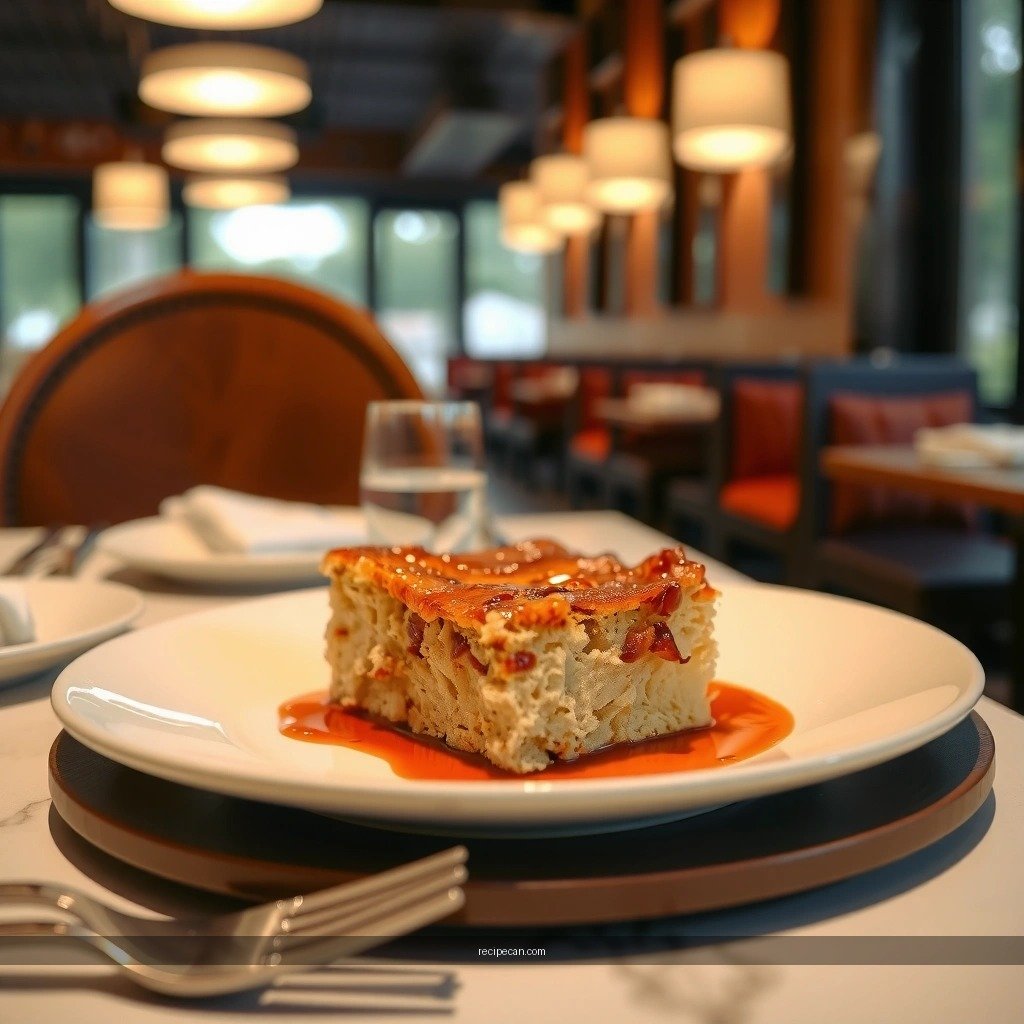
A great breakfast bread pudding recipe is really a custard engineering problem: you’re balancing fat, protein, and sugar so the eggs set without becoming rubbery. You want a creamy center that slices cleanly.
– Whisk eggs, milk or cream, sugar, and vanilla together.
For most home ovens and baking dishes, 2–3 eggs paired with 1 ½ to 2 cups milk/cream creates a reliable custard consistency. If you want a richer, brunch-style result, lean slightly toward cream (or a mix of milk and cream).
– Add cinnamon and a pinch of salt for classic flavor.
Cinnamon provides the “cozy” association with breakfast baking, while salt sharpens sweetness and helps the custard taste fuller instead of flat.
– Optional: stir in nutmeg or orange zest for extra warmth.
Nutmeg complements cinnamon without overpowering it. Orange zest adds brightness that cuts through dairy richness—especially effective if you’re using berries or apples.
Custard texture checks (practical):
– The custard should look smooth and slightly thickened after whisking, not separated.
– If your bread sits too dry, it will feel chalky in the center after baking—this is where the soak time in the next section matters.
Soak and Flavor the Bread
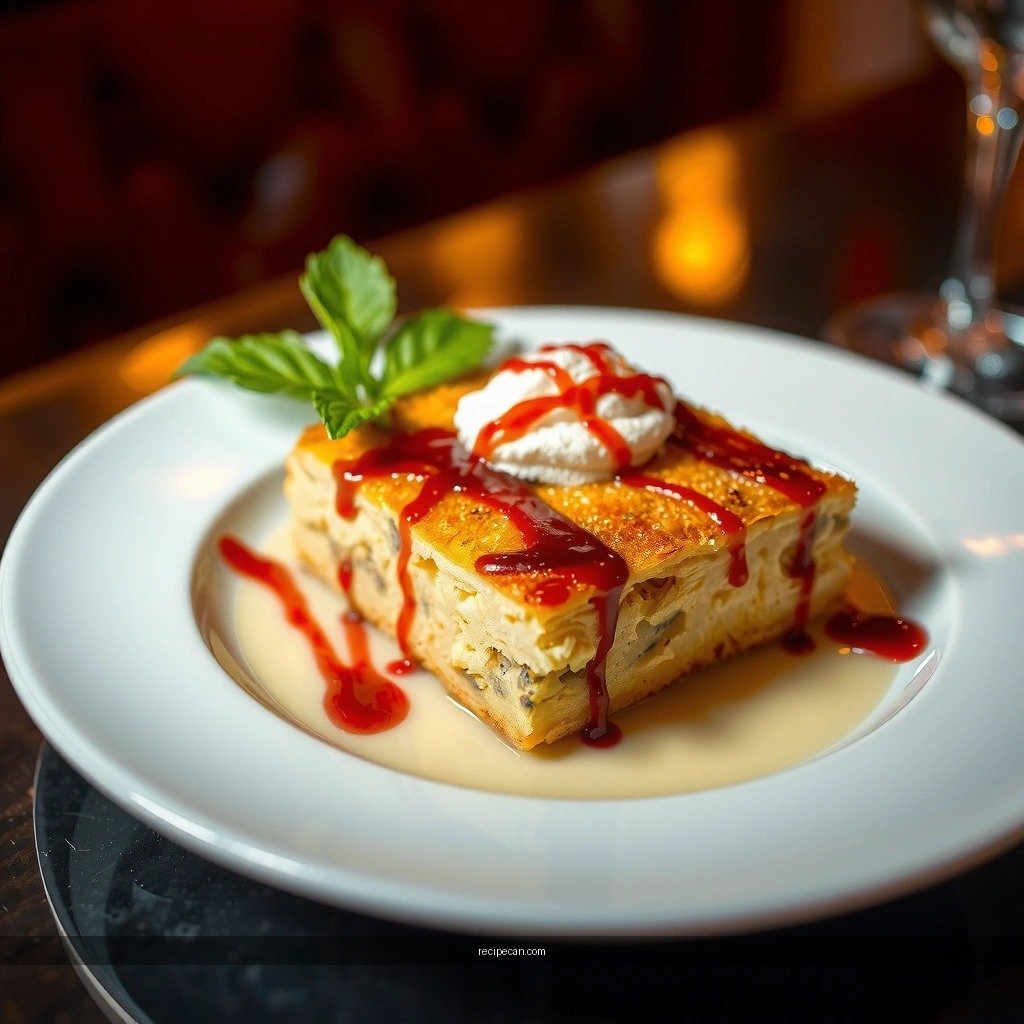
Soaking is where you control the pudding’s internal texture. Too little soak = dry pockets. Too much soak = dense, heavy bake.
– Let the bread soak 10–20 minutes until saturated.
Start with 10 minutes if using brioche or challah; move toward 15–20 minutes for sourdough or denser breads. You’re aiming for cubes that feel evenly saturated—no floating dry tops.
– Fold in add-ins like raisins, berries, or chopped apples.
Add-ins are flavor multipliers:
– Raisins bring caramel notes and sweetness distribution.
– Berries add acidity and moisture pockets (use frozen berries straight from the freezer if you don’t want streaking).
– Chopped apples hold up well when diced small; toss them with a pinch of cinnamon before folding.
– Pour any extra custard over the top for even baking.
This step prevents the “custard-starved” top layer. If your baking dish is deep, you’ll appreciate how pouring leftover custard helps the whole bake set uniformly.
Pro tip for less soggy add-ins: pat berries dry if they’re thawed, and lightly toss chopped fruit with a teaspoon of sugar so it releases flavor rather than flooding.
Bake for the Right Texture
Baking time and temperature determine whether your bread pudding is airy and custardy or overdone and firm.
– Bake until puffed and set in the center (golden on top).
Look for a pudding that rises slightly and feels set. The center should not jiggle like liquid; it should move like soft custard.
– Let it rest 5–10 minutes before serving to firm up.
Resting lets residual heat finish the egg set process. Slicing too early can lead to collapse and a looser interior.
– If needed, cover with foil to prevent over-browning.
If the top is turning deep golden while the center is still loose, loosely tent foil to protect the crust without stopping cooking.
When you’re troubleshooting:
– Gummy interior: likely underbaked or soaked too long with fresh, soft bread. Bake 5–8 minutes longer and use day-old bread next time.
– Dry or stiff: likely overbaked or under-soaked. Add 1–2 minutes of custard rest before baking next time, or slightly shorten bake time.
Easy Breakfast Serving Ideas
Bread pudding is delicious on its own, but brunch becomes memorable when you pair it thoughtfully. Use toppings that complement dairy richness and add brightness or crunch.
– Serve warm with maple syrup, powdered sugar, or fresh fruit.
Maple syrup highlights the caramel notes of baked custard. Powdered sugar adds a gentle sweetness without heaviness. Fresh fruit—like sliced strawberries or bananas—balances richness.
– Pair with coffee or a simple yogurt topping.
A cup of coffee rounds out sweetness with bitterness and aroma. For a modern twist, add a spoonful of vanilla yogurt or Greek yogurt with a squeeze of lemon—this adds tang and keeps the overall plate lighter.
– Reheat leftovers in the oven or microwave for quick breakfasts.
Oven reheating typically preserves texture best: warm at 300°F/150°C until heated through. Microwave works for speed, but cover the dish to avoid drying.
Storage and Make-Ahead Tips
Bread pudding is inherently suited for planning ahead—excellent for busy mornings and weekend brunch hosting.
– Refrigerate covered leftovers up to 3 days.
Cool completely, cover tightly, and refrigerate. Stored properly, it keeps a custardy center rather than drying out.
– Assemble ahead and refrigerate before baking (add baking time as needed).
If you assemble the dish and chill it, the bread absorbs custard while cold. When baking, expect an additional 5–15 minutes, depending on dish size and starting temperature.
– Freeze baked portions for later, then thaw and reheat.
Freeze individual portions for the easiest mornings. Thaw overnight in the refrigerator, then reheat gently so eggs remain creamy.
Make-ahead strategy that works well: prepare the custard the night before, cube the bread, assemble in the baking dish, and refrigerate. In the morning, bake while you prep coffee and fruit.
To deliver a consistent breakfast bread pudding experience, remember this sequence: choose absorbent day-old bread, mix a balanced custard, soak until fully saturated, and bake until set but still tender. Then customize with one add-in (raisins, berries, or apples) and one topping (maple, powdered sugar, or fresh fruit) to make the recipe your own.
Warm, custardy bread pudding is the easiest way to turn leftover bread into a standout breakfast. Follow the bread choice, soak it well in custard, and bake until golden for best results—then try one add-in and one topping to make it your own.
Frequently Asked Questions
What is the best bread to use for a breakfast bread pudding recipe?
For breakfast bread pudding, use sturdy breads like brioche, challah, or Texas toast because they hold up to custard and don’t become gummy. If you want a lighter texture, day-old sourdough or French bread works well too—just cut it into cubes so it absorbs the egg mixture evenly. Stale bread is key since it soaks up more custard without turning mushy.
How do I make breakfast bread pudding without it getting soggy?
Use day-old bread and cube it evenly so each piece absorbs custard at the same rate. Whisk your eggs, milk (or half-and-half), and sweetener thoroughly, then let the bread sit just long enough to soak—usually 10 to 20 minutes—rather than soaking for hours. Bake until the center is set and the top is golden, and let it rest 5 to 10 minutes before serving.
Why does my bread pudding turn out dry, and how can I fix it?
Dry breakfast bread pudding usually happens when the bread doesn’t absorb enough custard or the bake time is too long. Increase absorption by using thicker custard, making sure the bread is well-coated, and resting it briefly before baking. If it’s already in the oven, cover loosely with foil to prevent over-browning and continue baking until just set.
Which add-ins pair best with a breakfast bread pudding recipe?
Classic add-ins include cinnamon, vanilla, raisins, diced apples, or berries for natural sweetness. For a richer, more breakfast-friendly flavor, mix in chopped pecans, a little orange zest, or even shredded coconut. If you’re making it savory-sweet, try adding a touch of nutmeg and swap some sugar for a pinch of brown sugar for depth.
How long should I bake breakfast bread pudding, and how do I know it’s done?
Most breakfast bread pudding recipes bake at 350°F (175°C) for about 35 to 50 minutes, depending on the dish size and thickness of the custard. It’s done when the center is set but still slightly jiggles, and a knife inserted near the middle comes out mostly clean. For the best results, bake until the top is golden and then rest before slicing so the custard finishes setting.
References
- Google Scholar Google Scholar
https://scholar.google.com/scholar?q=breakfast+bread+pudding+recipe - Google Scholar Google Scholar
https://scholar.google.com/scholar?q=bread+pudding+breakfast+custard+recipe - Google Scholar Google Scholar
https://scholar.google.com/scholar?q=bread+and+butter+pudding+recipe - Bread pudding
https://en.wikipedia.org/wiki/Bread_pudding - Bread and butter pudding
https://en.wikipedia.org/wiki/Bread_and_butter_pudding - https://www.britannica.com/topic/bread-pudding
https://www.britannica.com/topic/bread-pudding - https://www.nytimes.com/search?query=bread%20pudding&sort=best&from=0
https://www.nytimes.com/search?query=bread%20pudding&sort=best&from=0 - https://www.theguardian.com/search?q=bread%20pudding§ion=lifeandstyle
https://www.theguardian.com/search?q=bread%20pudding§ion=lifeandstyle - https://www.sciencedirect.com/search?qs=bread+pudding
https://www.sciencedirect.com/search?qs=bread+pudding - breakfast bread pudding recipe – Search results
https://en.wikipedia.org/wiki/Special:Search?search=breakfast+bread+pudding+recipe