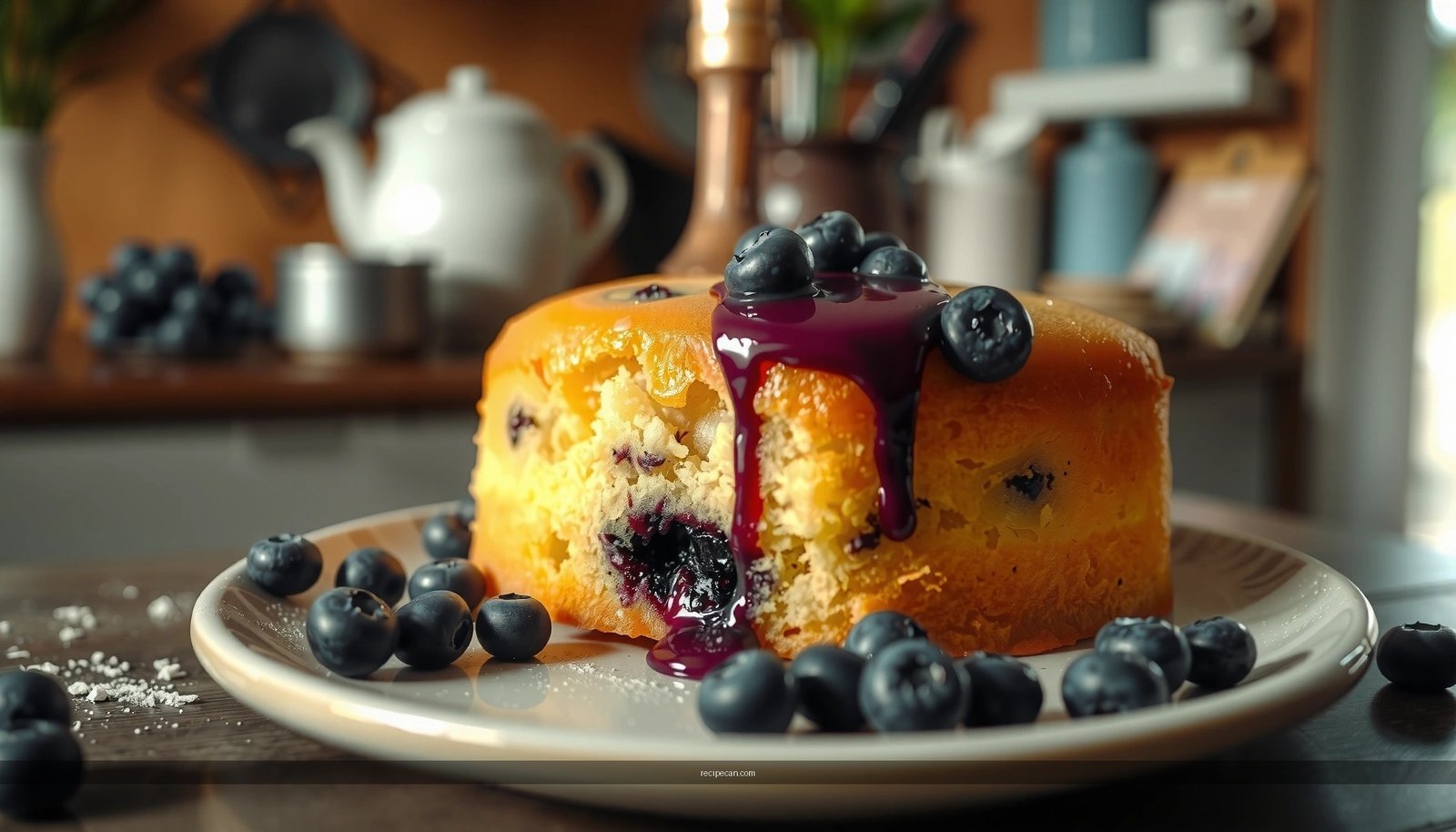
Want the best blueberry pudding cake recipe that turns out easy, moist, and packed with juicy blueberries every time? This recipe delivers a custardy pudding-center texture with a golden top, so you get that signature “wow” without complicated steps. If you’re baking for dessert tonight, it’s the clear winner for fast results and maximum blueberry flavor.
Bake one blueberry pudding cake at a time and you’ll get a custardy, pudding-like center under a lightly golden top—no complicated technique required. The secret is balanced batter (not too thin, not too thick) plus gentle mixing so the custard sets while the top bakes into a tender, cake-like layer, even with fresh or frozen blueberries.
Follow this recipe for a consistent result every bake, with specific timing cues and troubleshooting guidance so your “pudding cake” texture lands where it should: set in the middle, creamy around the edges, and bright with juicy blueberries.
Ingredients for Blueberry Pudding Cake
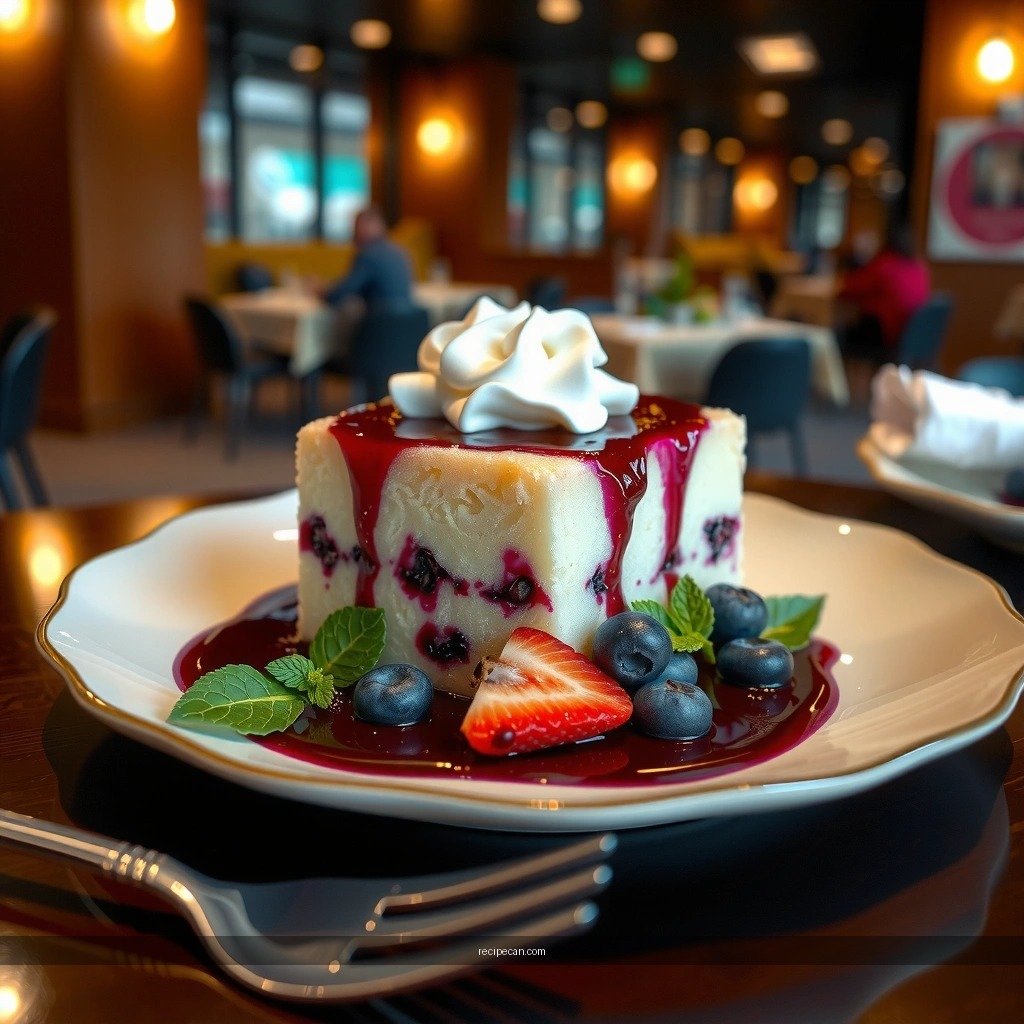
– Gather basic baking staples like flour, sugar, and baking powder
Start with all-purpose flour for structure and a small amount of baking powder to help the top set into a tender, cake-like surface rather than staying fully custard. Granulated sugar provides sweetness and also helps browning on top as the batter bakes.
– Use blueberries (fresh or frozen) for the signature juicy flavor
Blueberries should be the clear star. Fresh berries deliver bright flavor and firmer “pop,” while frozen blueberries add extra moisture and a deeper berry tone. If using frozen, avoid thawing—cold fruit helps keep the batter from thinning too quickly and can reduce blueberry bleed.
– Choose milk and eggs to create the pudding-like consistency
Milk and eggs are what turn this into a pudding cake instead of a standard berry cake. The eggs contribute structure and custard setting, while milk ensures a silky bake—pourable enough to settle into layers, but supported by flour so it thickens into a creamy center.
Core ingredients (for one 8-inch / 20 cm cake):
– 1 cup (120 g) all-purpose flour
– 3/4 cup (150 g) granulated sugar
– 2 tsp baking powder
– 1/2 tsp salt
– 2 large eggs
– 1 cup (240 ml) milk
– 1 tsp vanilla extract
– 2 cups (about 300 g) blueberries (fresh or frozen)
– 1 tbsp lemon juice (optional but highly recommended for brightness)
– 1–2 tbsp sugar for topping (optional)
> Practical note: If your blueberries are very large, you may need an extra 2–4 minutes of bake time to ensure the center sets.
Blueberry Pudding Cake: Reliability Targets (8-inch / 20 cm)
| # | Baking Target | Recommended Range | Why It Matters | Texture Reliability |
|---|---|---|---|---|
| 1 | Oven Temperature | 350°F / 175°C | Sets custard without over-drying top | ★★★★★ |
| 2 | Bake Time | 40–48 min | Middle sets but stays creamy | ★★★★☆ |
| 3 | Mixing Level | Stir 30–45 sec after combining | Prevents tough top; keeps custard tender | ★★★★★ |
| 4 | Blueberry Prep | No thaw + optional 1 tsp flour coating | Reduces sinking and bleed | ★★★★☆ |
| 5 | Batter Thickness Check | Spoonable, slowly flows | Supports custard set + top formation | ★★★★☆ |
| 6 | Pan Choice | 8-inch metal or glass | Even heat improves custard consistency | ★★★★★ |
| 7 | Cooling Window | Rest 10–15 min | Finishes setting; improves sliceable spoon texture | ★★★★☆ |
Step-by-Step Instructions
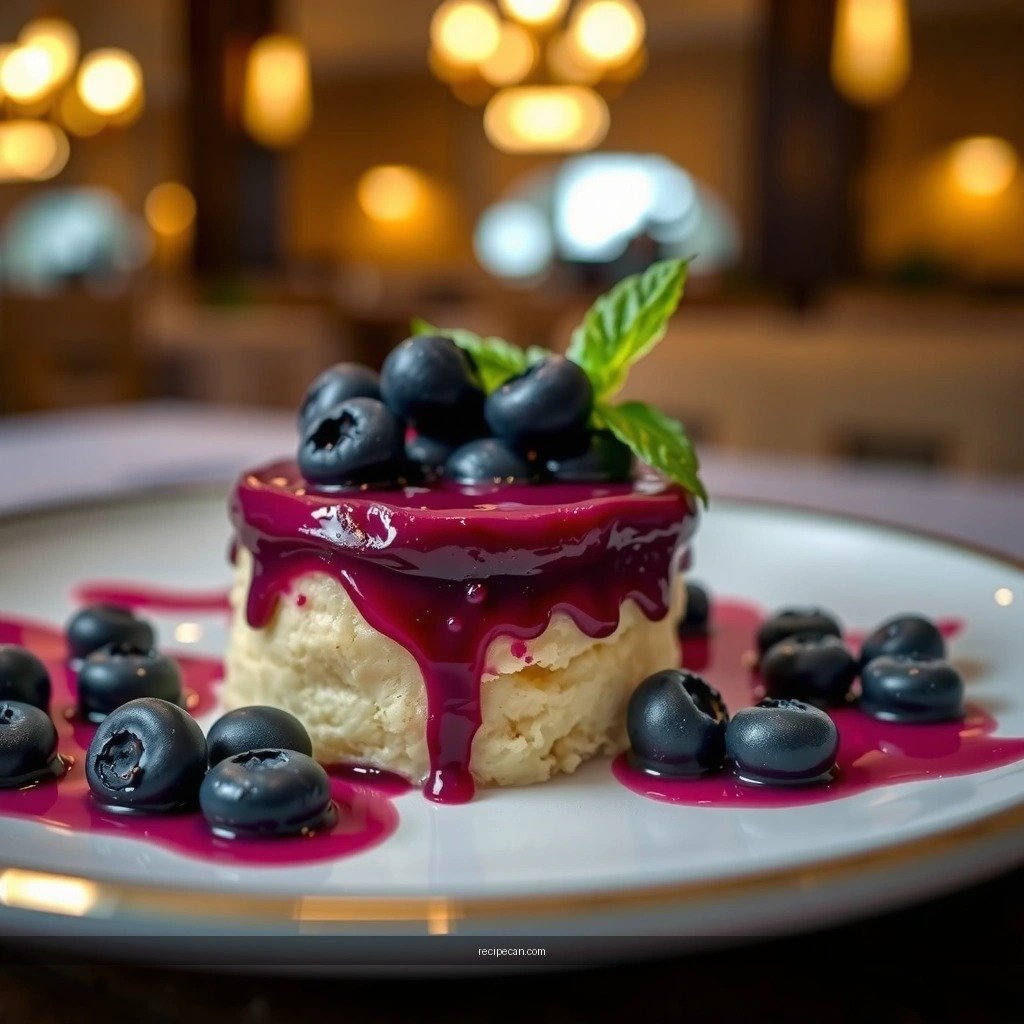
– Whisk wet and dry ingredients separately, then combine gently
Whisking separately prevents flour lumps and gives you more control over batter consistency. After you combine, fold or stir just until you don’t see dry streaks—this cake benefits from relaxed gluten development, which keeps the top tender and the custard silky.
How to do it:
1. Preheat the oven to 350°F / 175°C. Grease an 8-inch / 20 cm pan (or line with parchment for easier release).
2. Whisk the dry ingredients: flour, sugar, baking powder, and salt.
3. Whisk the wet ingredients: eggs, milk, and vanilla (and lemon juice if using).
4. Pour wet into dry and stir until smooth but do not beat.
– Layer blueberries into the batter for even fruit distribution
Instead of dumping all blueberries at once, distribute them in layers. This reduces the risk of clusters that can cause pockets of underbaked batter or overly concentrated fruit.
A practical method:
1. Spoon half the batter into the pan.
2. Sprinkle 1 cup blueberries evenly.
3. Add the remaining batter, then top with the rest of the blueberries.
4. Lightly press berries so they sit partially in the batter (don’t fully submerge everything).
– Bake until set and lightly golden, then cool briefly
This is not a “dry toothpick test” cake. The custard center should set but still look creamy when warm.
Bake:
– 40–48 minutes, rotating the pan once halfway if your oven has hot spots.
– You’re looking for: a golden, set top and edges that look firm, while the center looks set-to-jiggle, not liquid.
Cool:
– Rest 10–15 minutes before serving. The texture tightens slightly as it cools, improving both flavor and mouthfeel.
Getting the Perfect Pudding Texture
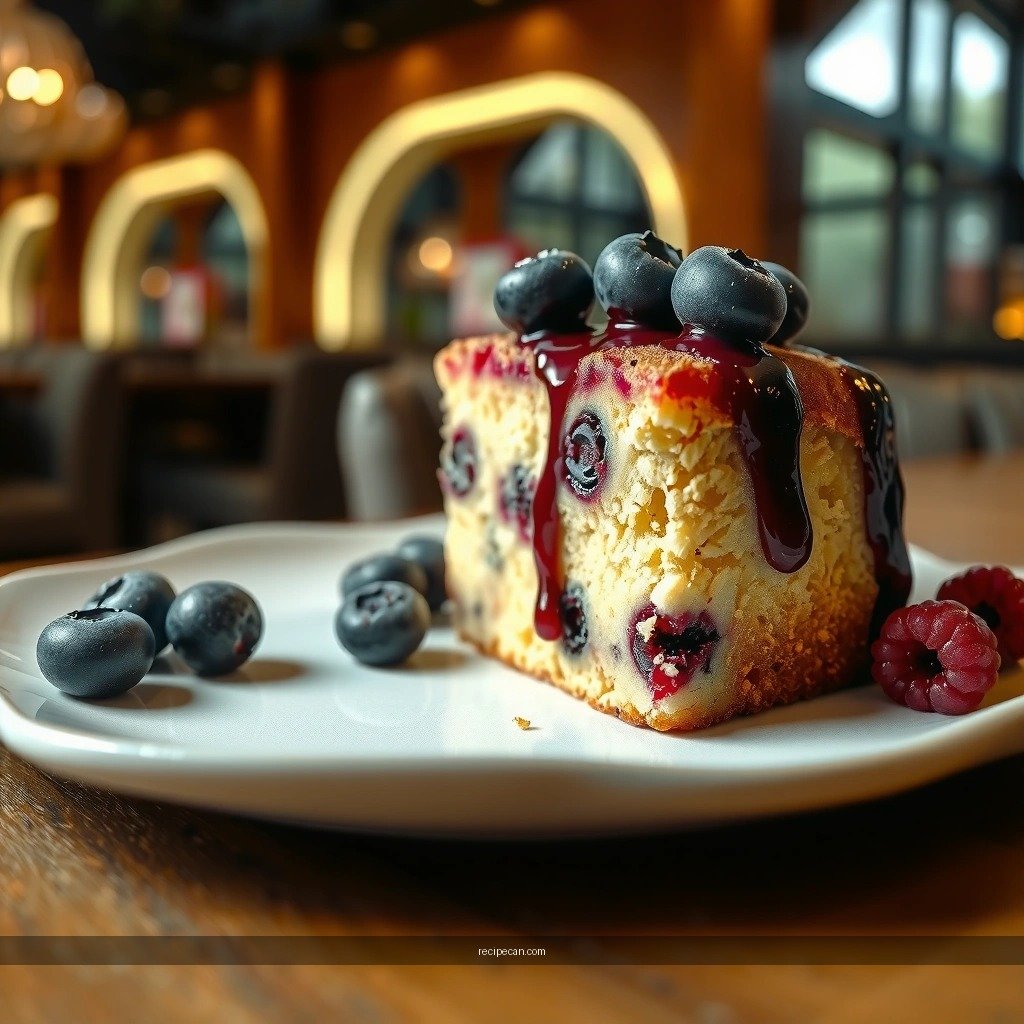
– Avoid overmixing to keep the cake tender
Overmixing develops too much gluten, which can turn the top bready and force the custard to bake tighter. Stirting gently (or folding) is a reliability move: it preserves the cake’s delicate structure while still allowing the batter to thicken.
A quick timing guideline: after combining wet and dry, spend 30–45 seconds stirring total. If you still see a few tiny lumps, it’s usually fine—continue for just a few more strokes until blended.
– Use the correct batter thickness for a custard-style center
Custard needs the right “flow.” If your batter is too thick, the center may stay dense and dry. If it’s too thin, it can become runny and prevent a proper top layer.
Target consistency:
– Batter should be spoonable and slow-flowing—like thick pancake batter, but pourable enough to spread across the pan.
If batter feels too thick (common with measuring flour by scooping):
– Add 1–2 tablespoons milk and stir gently.
If batter feels too thin:
– Add 1 tablespoon flour and stir minimally.
– Check doneness by looking for a set middle, not a wet top
A common mistake is underbaking because the center “looks wet.” Instead, watch for a set middle that still jiggles slightly.
Doneness cues:
– Top is lightly golden and set.
– Edges pull away slightly from the pan.
– Middle is set with a soft jiggle, not a slosh.
If unsure, bake 2 minutes longer—the custard will finish setting during the rest period.
Flavor Boosts and Add-Ins
– Add vanilla or lemon zest to brighten the blueberry flavor
Vanilla supports the natural sweetness of blueberries, while lemon zest (or a small amount of lemon juice) cuts through richness and makes the fruit taste more vivid. Use zest if you want a more aromatic, bakery-style profile.
Recommendation:
– Add 1 tsp lemon zest alongside vanilla for a brighter finish.
– Stir in a pinch of cinnamon for warmth
Cinnamon pairs naturally with blueberries and adds warmth without overpowering. Start small: it should enhance, not read as “spice cake.”
Use:
– 1/8 to 1/4 tsp cinnamon mixed into dry ingredients.
– Optional: fold in a handful of chopped nuts or white chocolate
For a more complex texture, add nuts or white chocolate—but keep the portions modest so the pudding layer remains delicate.
Try:
– 1/3 cup chopped almonds or pecans
– 1/3 cup white chocolate chips (fold in gently at the end)
Tip: if adding mix-ins, consider reducing blueberries slightly (e.g., 1.5 cups instead of 2 cups) to prevent oversaturation and uneven setting.
Serving and Storage Tips
– Serve warm with whipped cream, yogurt, or vanilla ice cream
Serve this blueberry pudding cake slightly warm so the custard remains creamy. It’s excellent with:
– Whipped cream (classic and light)
– Greek yogurt (tangy contrast that highlights berry flavor)
– Vanilla ice cream (creates a “blueberry cobbler meets custard” experience)
A professional presentation tip: plate with a spoonful of blueberries from the top layer so each serving shows the fruit distribution.
– Store covered in the fridge for a few days
Cool completely, then cover tightly and refrigerate. The cake keeps well because the custard structure stabilizes overnight.
Storage window:
– Up to 3 days in the refrigerator.
– Reheat gently to restore softness
Reheating brings back the tender, pudding-like texture.
Best method:
– Reheat in the microwave in 20–30 second intervals until just warm, or cover and warm in a 300°F / 150°C oven for 8–10 minutes.
Avoid overheating—too much heat can tighten the custard and make the top slightly dry.
Troubleshooting Common Issues
– If it’s too runny, bake a few minutes longer and confirm oven temperature
Runny center usually means underbaking or oven temperature drift. Use the center set/jiggle cue rather than visual “wetness.”
Fix immediately next time:
– Confirm oven with an oven thermometer.
– Increase bake time by 3–5 minutes, then rest 15 minutes.
– If it’s dry, reduce bake time and avoid overmixing
Dryness typically comes from overbaking or excessive mixing. The custard layer needs only enough time to set—not to fully dry out.
Correction:
– Reduce bake time by 3–5 minutes.
– Mix only until combined (no vigorous beating).
– If blueberries sink, coat them lightly in flour before adding
Blueberries are heavy and may sink, especially if they’re very juicy or frozen. Coating reduces friction with the batter and helps berries suspend while the cake sets.
How to coat:
– Toss blueberries with 1 teaspoon flour (and optional 1 teaspoon sugar), then fold or sprinkle into batter.
For already-baked cake:
– You can still fix presentation—serve with extra berry topping to emphasize distribution and moisture.
Warm, creamy blueberry pudding cake is as much about timing as it is about ingredients. Use the batter thickness and doneness cues (set jiggle, golden top), keep mixing gentle, and distribute blueberries thoughtfully. With this approach—whether you use fresh or frozen berries—you’ll reliably produce an easy, moist cake with a custardy center and bright, juicy blueberry flavor in every slice.
Frequently Asked Questions
What is a blueberry pudding cake, and how is it different from regular blueberry cake?
A blueberry pudding cake is a dessert that bakes into two textures: a tender, cake-like top and a soft, custardy “pudding” layer underneath. This effect comes from using a batter that becomes thick during baking, often with milk or similar liquid ingredients. Compared with regular blueberry cake, it’s usually more moist and spoonable, with a richer “pudding” center rather than an evenly aerated crumb.
How do I prevent a blueberry pudding cake from turning out too runny or underbaked?
Use the correct bake temperature and timing, and avoid opening the oven early—those quick temperature drops can leave the center under-set. Let the cake rest for 10–15 minutes after baking so the pudding layer thickens as it cools. If your batter looks very thin, measure ingredients carefully (especially flour and milk) and bake until the edges are set and the center jiggles slightly rather than sloshing.
Why is my blueberry pudding cake dry, and what adjustments will improve moisture?
Dry pudding cakes usually come from overbaking or using too little liquid, which prevents the custardy layer from forming properly. Check doneness a few minutes before the recommended time and pull it when the top looks set and golden but the center still has a gentle wobble. For moisture, ensure you use the full amount of milk (or recipe liquid) and consider adding a bit more blueberry or using juicy blueberries for better flavor and moisture.
Which blueberries are best for a blueberry pudding cake—fresh or frozen?
Both fresh and frozen blueberries work well, but frozen berries are often the easiest to use and stay juicy during baking. If using frozen blueberries, don’t thaw them—fold them in gently to reduce bleeding into the batter. Fresh blueberries can be great, but they may release more juice depending on ripeness, so balance the batter carefully to maintain the pudding cake texture.
What is the best way to serve a blueberry pudding cake for maximum flavor?
Serve it warm so the pudding layer is creamy and spoonable, ideally with vanilla ice cream, whipped cream, or a drizzle of blueberry sauce. Letting the cake rest briefly after baking helps the layers set while keeping the interior soft. For extra flavor, add a touch of lemon zest or a light sprinkle of powdered sugar right before serving to enhance the blueberry notes.
References
- Google Scholar Google Scholar
https://scholar.google.com/scholar?q=blueberry+pudding+cake+recipe - Google Scholar Google Scholar
https://scholar.google.com/scholar?q=baked+pudding+cake+blueberries - Google Scholar Google Scholar
https://scholar.google.com/scholar?q=blueberry+pudding+cake - Blueberry
https://en.wikipedia.org/wiki/Blueberry - https://en.wikipedia.org/wiki/Pudding_(food
https://en.wikipedia.org/wiki/Pudding_(food - https://en.wikipedia.org/wiki/Pudding_cake
https://en.wikipedia.org/wiki/Pudding_cake - Cake
https://en.wikipedia.org/wiki/Cake - Baking powder
https://en.wikipedia.org/wiki/Baking_powder - https://www.britannica.com/plant/blueberry
https://www.britannica.com/plant/blueberry - Pudding | Definition, Types, & Ingredients | Britannica
https://www.britannica.com/topic/pudding