Find sugar free pudding recipes that actually deliver—easy, creamy, and no-sugar added—without bland texture or complicated ingredients. This guide picks the clear best options for home cooks who want a quick dessert with full pudding comfort and zero sugar. You’ll get reliable recipes and practical tips to make them come out thick, smooth, and spoon-ready every time.
Sugar free pudding recipes let you enjoy a classic creamy dessert by swapping added sugar for smarter sweeteners and using the right thickener to create a smooth, spoonable set. Below, you’ll get several easy stovetop and no-cook options—plus guidance on achieving rich flavor, proper thickness, and better results for different dietary needs.
Sugar-Free Sweeteners That Actually Taste Great
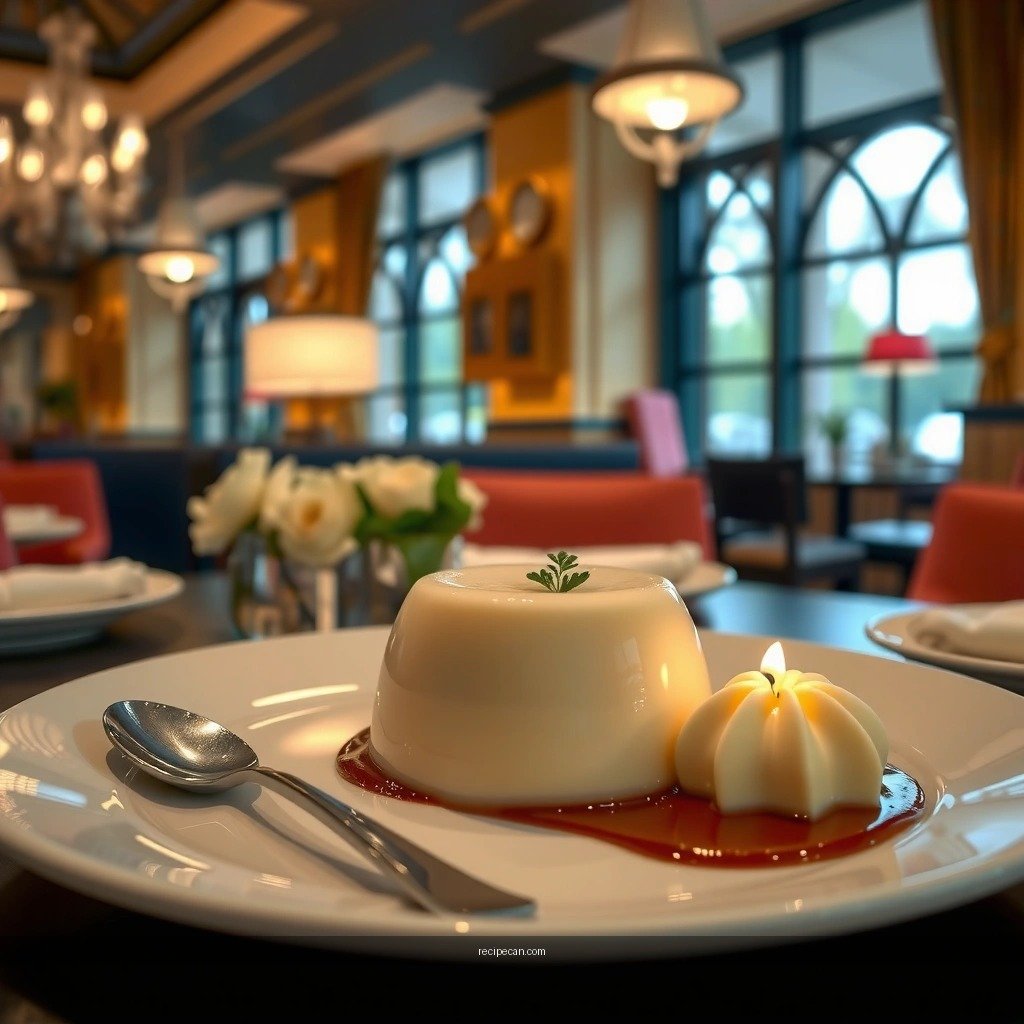
Choosing the sweetener is the difference between “tastes like pudding” and “tastes like diet.” Sugar substitutes vary in how quickly they dissolve, how they react to heat, and whether they leave an aftertaste. To keep sugar free pudding recipes tasting rich and dessert-like, focus on three factors: sweetness profile, heat stability, and digestive tolerance.
– Choose options like stevia, monk fruit, erythritol, or allulose for balanced sweetness
– Allulose is one of the easiest ways to mimic sugar’s flavor and “dessert body.” In pudding, it dissolves well and helps reduce the “flat” taste that some no-sugar desserts have.
– Erythritol is often well-tolerated and doesn’t taste as aggressively bitter as some alternatives, but it can cool slightly, which may or may not be noticeable depending on your recipe.
– Monk fruit and stevia provide strong sweetness at low amounts—best when paired with a sugar-like bulking sweetener (commonly erythritol or allulose) to round out flavor.
– Use sweeteners that caramelize/heat well when required to avoid aftertastes
– Many liquid/heat-stable formulations (including blends containing allulose or erythritol) hold up better for stovetop vanilla pudding and caramel-style flavoring.
– If you’re using stevia-heavy blends, consider adding them after cooking when possible. This can reduce the risk of a lingering aftertaste.
– Start with recommended amounts and adjust to your preferred sweetness
– Because sweeteners differ dramatically in potency, follow package conversion guidance first. Then adjust in small increments (e.g., 10–15% changes) until the sweetness matches your palate.
– For consistent results across batches, keep the sweetener brand and blend the same—pudding is sensitive to formulation differences.
Quick reference (what to expect in pudding):
– If your recipe is heated/stovetop, prioritize allulose-containing blends or heat-friendly erythritol blends.
– For no-cook pudding (chocolate or quick-set), you can often use more stevia/monk-fruit products safely, because you’re not relying on heat to dissolve flavors.
Sugar-Free Sweetener Performance Snapshot (for Pudding Use)
Sweetener Suitability for Sugar-Free Pudding Texture & Flavor (Practical Benchmarks)
| # | Sweetener / Blend Type | Stovetop Use | Heat Flavor Stability | Common Texture Role | Best For |
|---|---|---|---|---|---|
| 1 | Allulose | Excellent | Very High | Sugar-like body | Creamy custard-style |
| 2 | Erythritol (bulking) | Good | High | Volume & sweetness | Smooth, spoonable pudding |
| 3 | Monk Fruit (often blended) | Good | High | Sweetness with minimal aftertaste | Balanced no-sugar flavor |
| 4 | Stevia (use carefully) | Variable | Moderate | High sweetness, low volume | Avoid heavy use in heated bases |
| 5 | “Sugar-free” syrup blends (ready-to-use) | Good | High (varies) | Flavor + sweetness | Caramel notes & quick flavoring |
| 6 | Allulose + Erythritol blend | Excellent | Very High | Sugar-like body, rounded sweetness | Most “classic” tasting results |
| 7 | Intense sweetener + bulking blend (typical packet) | Good | Moderate (brand-specific) | Sweetness without body | May require higher thickener or more dairy |
Best Thickeners for Creamy, No-Sugar Pudding
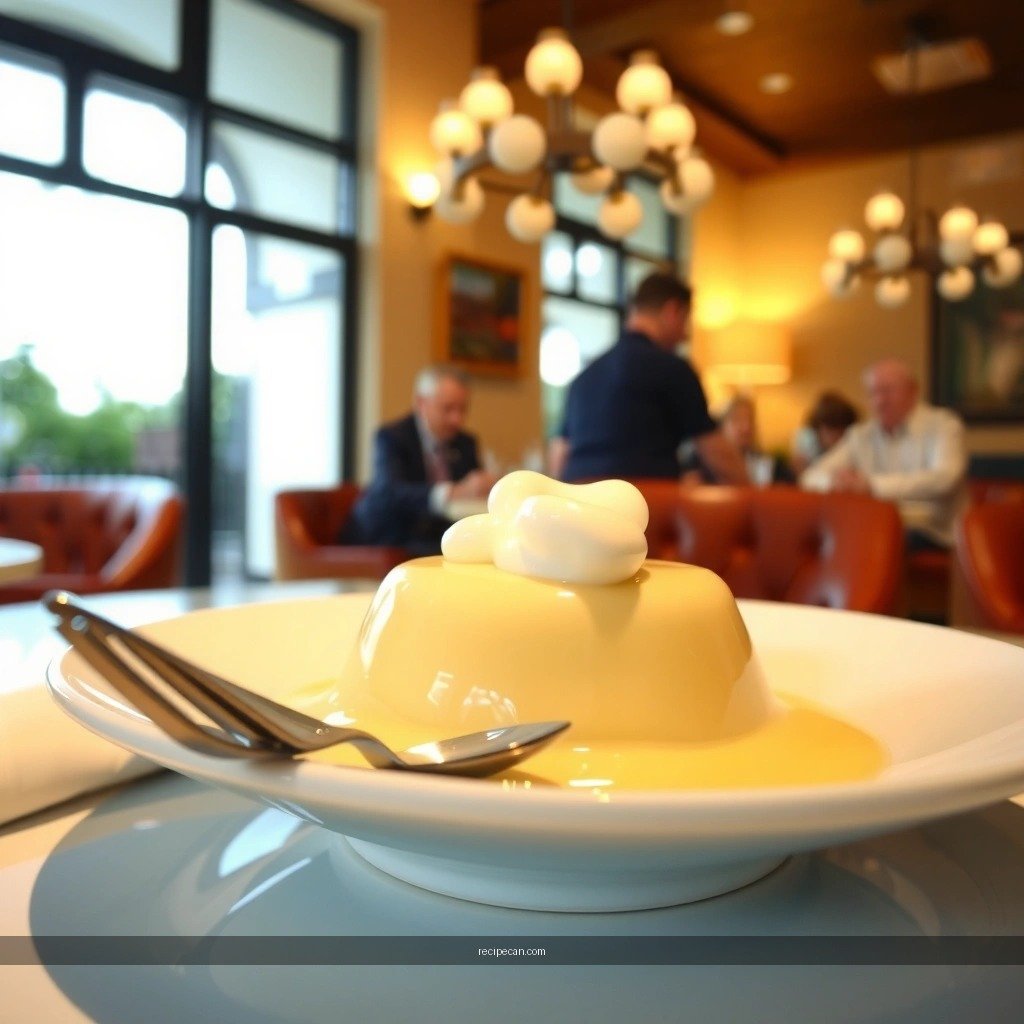
Sugar-free pudding recipes still require proper thickening—sweeteners alone won’t create the custard texture you want. The thickener determines mouthfeel, set firmness, and whether your pudding holds its shape when chilled.
– Use cornstarch or arrowroot for a smooth, set custard style
– Cornstarch produces a reliably smooth texture and is easy to find.
– Arrowroot is a common alternative for those who prefer a slightly more delicate set. It also tends to handle acidic ingredients a bit more gracefully than cornstarch.
– Practical tip: whisk thickener with cold milk first (or slurry it with a small amount of liquid) to prevent lumps.
– Try gelatin for a firmer pudding texture
– Gelatin creates a pudding that slices cleanly or holds “spoon-to-plate” structure better than starch-based pudding.
– Use it when you want a more cream-like firmness (think cheesecake-adjacent texture).
– Tip: bloom gelatin in cold water, then dissolve fully before mixing into warm base.
– For instant pudding, look for sugar-free mixes or thickening blends
– Sugar-free instant pudding mixes often include modified starches and flavor systems designed to set quickly.
– If you prefer homemade from scratch, you can mimic this using cornstarch/arrowroot plus careful cooking (until thick) and adequate chilling.
Thickeners vs. Texture Outcomes (Decision View)
Easy Stovetop Sugar Free Vanilla Pudding
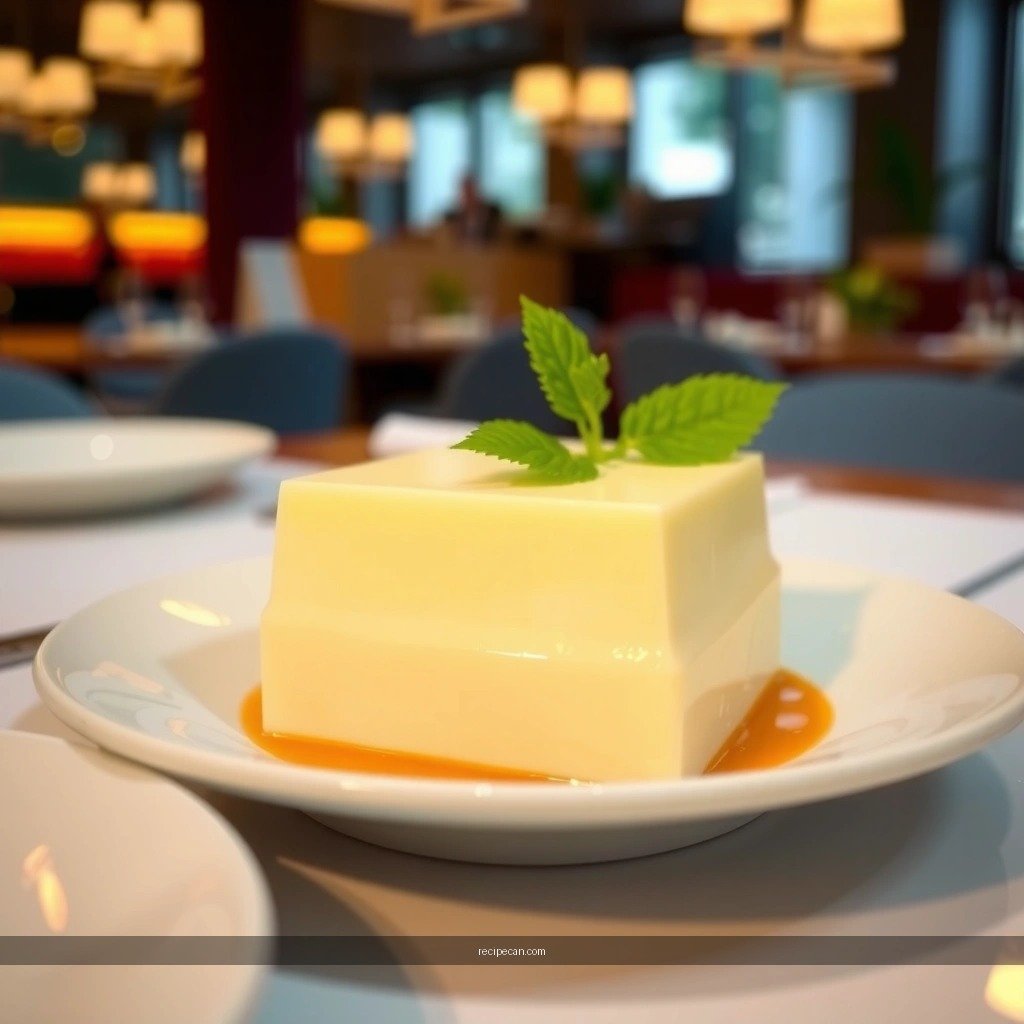
This is the “workhorse” recipe for sugar free pudding recipes because it uses heat to activate starch thickening and builds classic custard flavor with vanilla and a touch of salt.
Ingredients (about 4 servings)
– 2 cups milk (dairy or unsweetened almond/oat milk)
– 1/4 cup cornstarch (for a classic spoonable set)
– 2–4 tbsp sugar-free sweetener (allulose, erythritol blend, or monk fruit/stevia blend per your taste)
– 1–2 tsp vanilla extract
– Pinch of salt
– Optional: 1 tbsp heavy cream for extra richness
Method
1. Whisk cold base: In a bowl, whisk about 1/2 cup of the milk with cornstarch until smooth. Add remaining milk and sweetener in the pot.
2. Cook to thick: Heat over medium, whisking continuously. Once it begins to thicken and looks like pudding (thick enough to coat the back of a spoon), reduce to low and cook 30–60 seconds more to stabilize the starch.
3. Flavor + finish: Remove from heat. Whisk in vanilla, salt, and any optional cream.
4. Chill correctly: Pour into bowls or a container. Press plastic wrap directly onto the surface to prevent a skin. Refrigerate at least 2–4 hours.
How to make it taste rich
– Vanilla tastes more “rounded” when balanced by a pinch of salt.
– If using erythritol blends and you notice a cooling note, counteract it with a tiny extra splash of vanilla or use allulose next time for a more sugar-like finish.
Common mistakes (and fixes)
– Lumps: Always whisk thickener into cold liquid first.
– Thin pudding: The mixture may not have reached the “thick coat” stage—cook briefly longer next time.
– Grainy texture: Usually from overheating or boiling aggressively after thickening.
No-Cook Sugar Free Chocolate Pudding
No-cook chocolate pudding is ideal when you want an easy dessert without monitoring a stove. Many “no-cook” versions use instant pudding blends or a thickening base that sets after chilling.
Option A: Instant-blend style (best texture reliability)
Ingredients
– 2 cups unsweetened milk (or unsweetened dairy alternative)
– 1 sugar-free instant pudding mix (chocolate flavor) or a sugar-free thickening blend
– 1–2 tbsp cocoa powder (optional, for deeper chocolate)
– Optional: 1/2 tsp vanilla extract
Method
1. Whisk milk with the instant mix until smooth (30–60 seconds).
2. Stir in cocoa and vanilla if using.
3. Chill 4+ hours, stirring once halfway through if your mix recommends it.
Option B: “No-cook” with thickening + cocoa (for advanced cooks)
Some thickening approaches (like xanthan gum) can create a pudding-like texture without heat, but they must be measured carefully to avoid gumminess.
Method essentials
– Whisk cocoa + sweetener + thickener thoroughly before adding liquid.
– Chill to let the texture fully develop.
– Taste after chilling—sweetness perception can shift as pudding cools.
Toppings that make it feel like real dessert
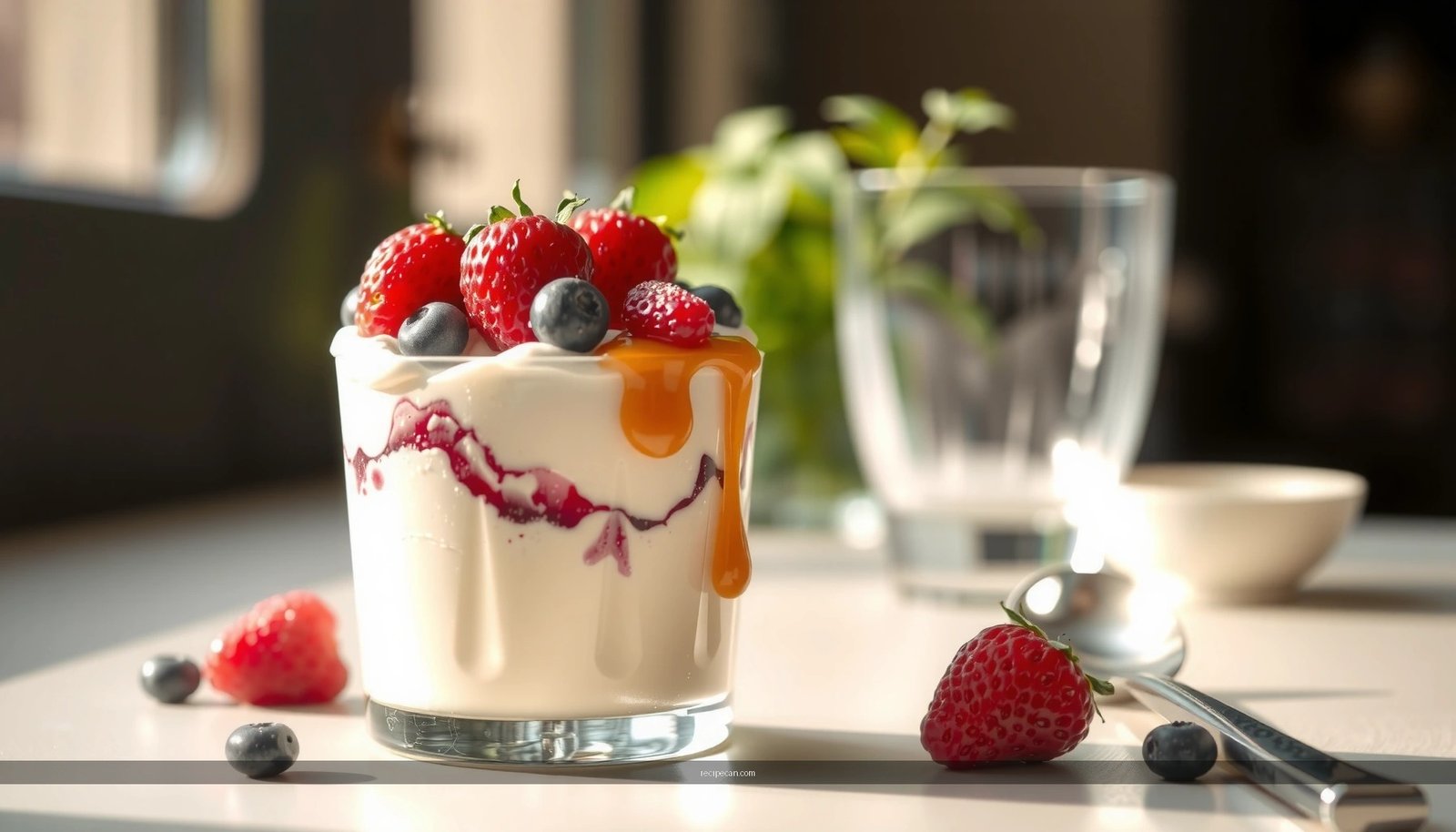
– Berries (fresh or thawed frozen)
– Unsweetened whipped cream
– Dark chocolate shavings (check labels to confirm no added sugar)
– Cinnamon or a micro-planed pinch of orange zest for a “dessert” aroma
Flavor Variations: Berry, Banana, and Caramel-Style
Once your base recipe is creamy and properly set, flavoring is where sugar free pudding recipes become truly personal. The key is adding ingredients in a way that preserves structure and doesn’t break the set.
– Add fresh or thawed frozen fruit for natural flavor and color
– For berry pudding, mash or puree a small portion of berries, then fold in. This distributes flavor without flooding the custard with excess liquid.
– For banana pudding, use mashed banana and cook it briefly if your base is stovetop (lightly softening fruit sugars and improving harmony). If no-cook, expect a slightly softer set and consider using a sturdier thickener like gelatin.
– Use cinnamon, espresso powder, or nut extracts to boost sweetness perception
– Cinnamon can make low-sugar desserts taste sweeter even when sweetness is unchanged.
– Espresso powder deepens chocolate pudding and reduces the “watery” taste that some cocoa can have.
– Almond or coconut extract works especially well in vanilla pudding.
– For caramel-style notes, use butterscotch extract or caramel-flavored sugar-free syrup
– Add caramel syrup sparingly at the end so you don’t thin your pudding.
– A tiny amount of butter extract (if available) can add a more authentic caramel flavor impression.
Berry, Banana, and Caramel-Style: How to Adapt the Base
Storage, Serving, and Troubleshooting Tips
To get the best results from sugar free pudding recipes, treat storage like an ingredient—temperature and time strongly affect thickness and texture.
– Store covered in the fridge and consume within 3–4 days for best texture
– Keep pudding sealed to minimize moisture loss and protect flavor.
– If you used stovetop cornstarch, you may notice mild thickening over days; loosen with a small amount of milk when serving.
– If pudding gets too thick, stir in a splash of milk to loosen
– Add 1–2 tbsp milk at a time.
– Stir thoroughly and chill 10–15 minutes to re-emulsify, then reassess texture.
– If it doesn’t set, increase cooking time slightly or add a small amount more thickener next batch
– For stovetop recipes: undercooking is the most common reason. Next time, cook until the pudding achieves a thicker “nappe” stage.
– For thicker failures with no-cook or instant blends: verify measurement and chilling time. Some formulations need longer to fully hydrate thickening agents.
Safety and quality notes
– Keep pudding refrigerated promptly.
– Reheat is usually not required; if you do reheat, do so gently and whisk constantly—starch-based puddings can break if boiled.
—
Sugar free pudding recipes can deliver that classic creamy dessert feel with smart sweetener choices and the right thickener. Pick a reliable stovetop vanilla or a fast chocolate version, then customize with berries, banana, or caramel-style flavors while preserving set quality. Follow the storage and troubleshooting guidance for consistent results, and you’ll be able to enjoy a guilt-free treat that tastes convincingly “real” every time.
Frequently Asked Questions
What are the best sugar free pudding recipes for diabetics?
The best sugar free pudding recipes are typically made with unsweetened milk or plant milk plus a low-glycemic thickener like cornstarch alternatives (such as arrowroot) or sugar-free pudding mix plus optional protein-rich add-ins. Look for recipes that use stevia, monk fruit, or erythritol instead of sugar alcohol blends that upset your stomach. Check the nutrition label for total carbs and fiber, since some “sugar free” sweeteners can still affect blood sugar depending on the ingredient blend.
How do I make sugar free pudding taste creamy without sugar?
To keep sugar free pudding creamy, use the right thickener and technique: whisk cornstarch/arrowroot thoroughly into a cold base first, then heat until it thickens and becomes glossy. Full-fat dairy or high-fat coconut milk can mimic the richness sugar usually provides, and a splash of vanilla extract or a pinch of salt boosts flavor without sweetness. If needed, add a small amount of heavy cream or Greek yogurt after cooking for extra texture.
Why does my sugar free pudding turn out lumpy, and how can I fix it?
Lumps usually happen when the thickener isn’t fully dissolved or when it’s heated too aggressively before it hydrates. Whisk continuously as you heat, and ensure you cook long enough for the starch to activate and smooth out the mixture. If it still becomes lumpy, strain through a fine mesh sieve or blend it briefly, then chill the pudding to set properly.
Which sugar free sweeteners work best in homemade pudding?
Stevia and monk fruit are popular for sugar free pudding because they provide sweetness with minimal impact on blood sugar, but they can have different aftertastes by brand. Erythritol-based blends often mimic sugar more closely and can help with a smoother, less “flat” dessert flavor. For best results, start with a recipe that specifies a sweetener amount by weight or brand, since sweetening strength varies widely.
How long can I store sugar free pudding, and what’s the best way to prevent a skin?
Most sugar free pudding recipes store safely in an airtight container in the refrigerator for about 3–4 days. To prevent a skin, press plastic wrap directly onto the surface while it cools, or stir occasionally in the first 30–60 minutes after cooking. Avoid freezing unless the recipe is tested for it, because thickened puddings can sometimes separate and lose their creamy texture.
References
- Google Scholar Google Scholar
https://scholar.google.com/scholar?q=sugar-free+pudding+recipe+sweeteners - Google Scholar Google Scholar
https://scholar.google.com/scholar?q=non-nutritive+sweeteners+food+formulation+starch+gelatin+pudding - Google Scholar Google Scholar
https://scholar.google.com/scholar?q=sugar+substitutes+diabetes+guideline+non+nutritive+sweeteners - https://www.who.int/publications/i/item/9789241550410
https://www.who.int/publications/i/item/9789241550410 - non-nutritive sweeteners systematic review – Search Results – PMC
https://www.ncbi.nlm.nih.gov/pmc/?term=non-nutritive+sweeteners+systematic+review - High-Intensity Sweeteners | FDA
https://www.fda.gov/food/food-additives-petitions/high-intensity-sweeteners - Artificial sweeteners and other sugar substitutes – Mayo Clinic
https://www.mayoclinic.org/diseases-conditions/diabetes/in-depth/artificial-sweeteners/art-20046936 - Pudding
https://en.wikipedia.org/wiki/Pudding - Sugar substitute
https://en.wikipedia.org/wiki/Sugar_substitute - Gelatin
https://en.wikipedia.org/wiki/Gelatin