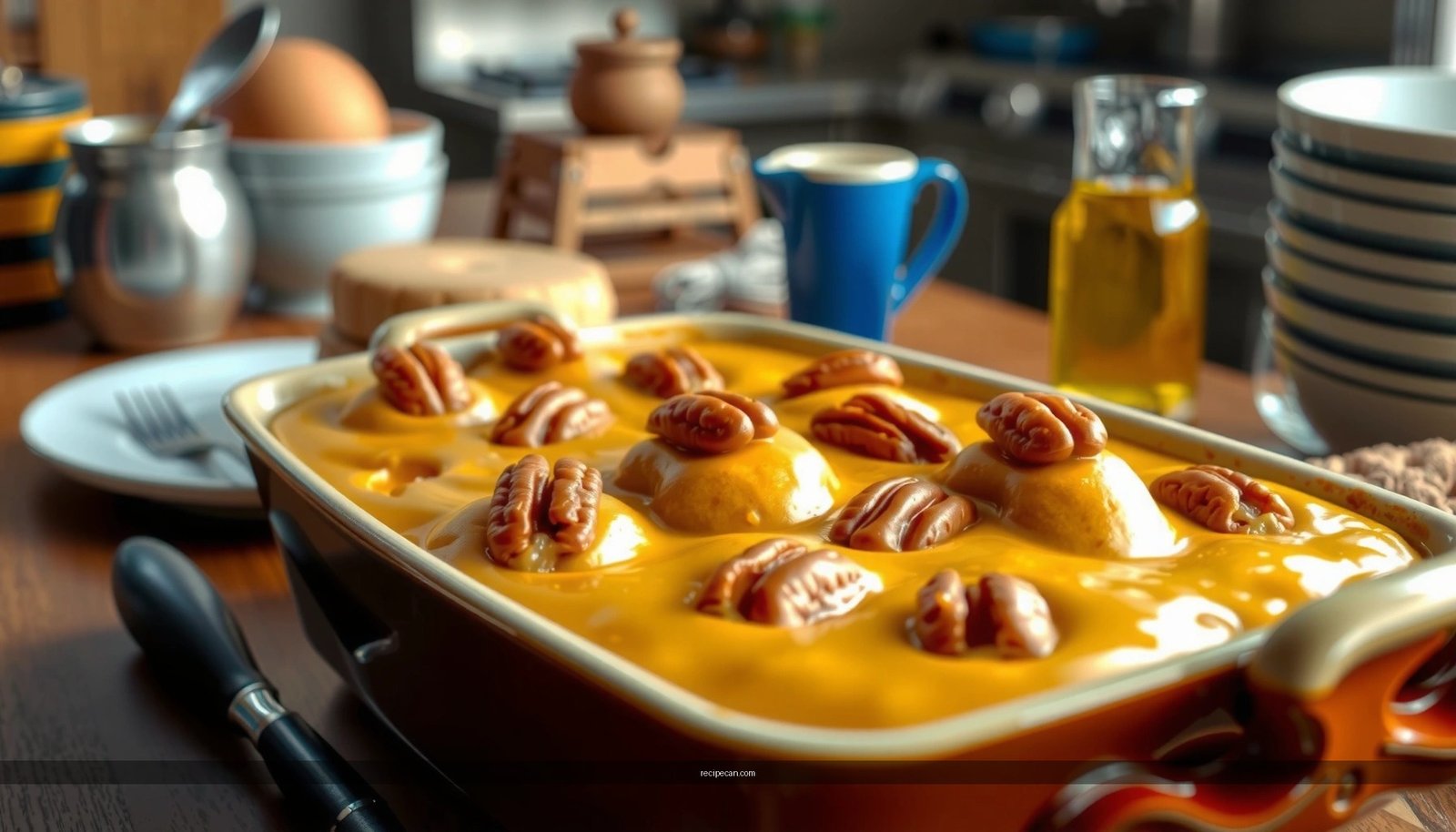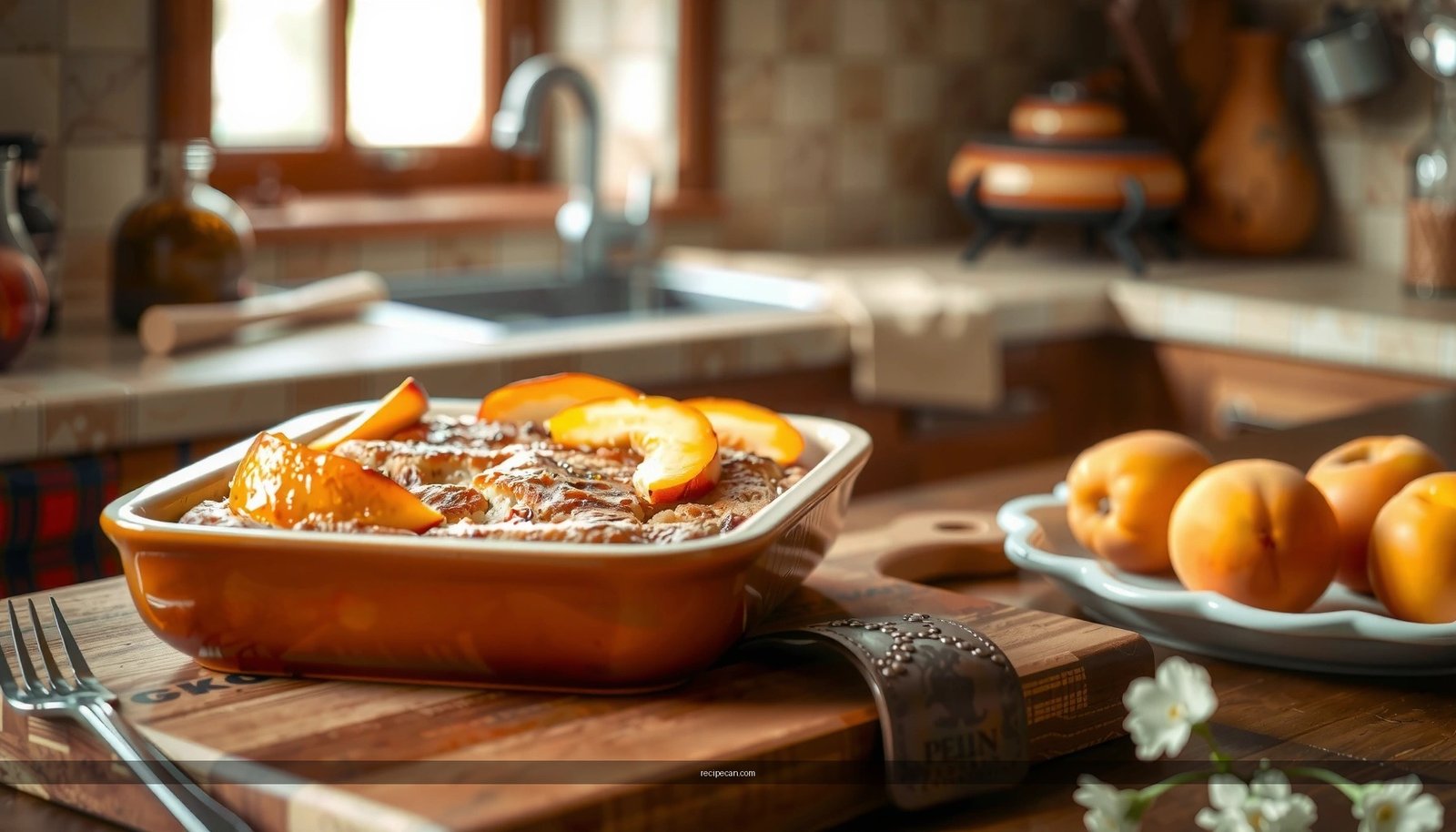
Craving pudding recipes using condensed milk that actually deliver a creamy set without the guesswork? This guide picks the best condensed-milk puddings—flan-style custard, chocolate pudding, and quick stovetop classics—so you get consistent texture, rich sweetness, and easy instructions every time. Whether you need a no-fuss dessert for tonight or a make-ahead treat for guests, you’ll know which recipe to trust and why.
Use condensed milk as the foundation for rich, creamy puddings—most recipes only require mixing, gentle heating (if needed), and chilling. The sweet spot is simple: control the heat to avoid graininess and give the pudding enough time to set for clean, sliceable results.
When you cook with condensed milk, you’re working with a concentrated dairy base that already carries sweetness and body. That means you can skip many traditional steps (like reducing sugar or tempering as aggressively), while still producing custard-like textures. Below, you’ll find multiple pudding recipes using condensed milk—no-fuss classics, chocolate variations, vanilla versions, and fruit-enhanced options—plus practical guidance for the perfect set and texture every time.
Best Use Cases for Condensed-Milk Pudding Styles (Based on Texture & Cook Method)
| # | Pudding Style (Condensed Milk Base) | Cook Steps | Chill Time | Process Risk | Rating |
|---|---|---|---|---|---|
| 1 | Classic Custard-Style (No-Fuss) | 2–3 | 3–4 hrs | Low | ★★★★☆ |
| 2 | Chocolate Condensed-Milk Pudding | 3–4 | 4–5 hrs | Low–Med | ★★★★★ |
| 3 | Vanilla Condensed-Milk Pudding (Silky) | 2–3 | 3–5 hrs | Low | ★★★★★ |
| 4 | Fruit-Enhanced (Cooked Base + Fresh Fold-In) | 3–4 | 3–6 hrs | Med | ★★★★☆ |
| 5 | No-Cook “Chill-Set” Style (With Thickening Ingredient) | 1–2 | 6–8 hrs | Med | ★★★☆☆ |
| 6 | Espresso-Mocha Condensed Pudding | 3–4 | 4–6 hrs | Low–Med | ★★★★☆ |
| 7 | Caramel-Drizzle Variation (Condensed Base) | 2–3 | 3–5 hrs | Low | ★★★★☆ |
Classic Condensed Milk Pudding (No-Fuss)
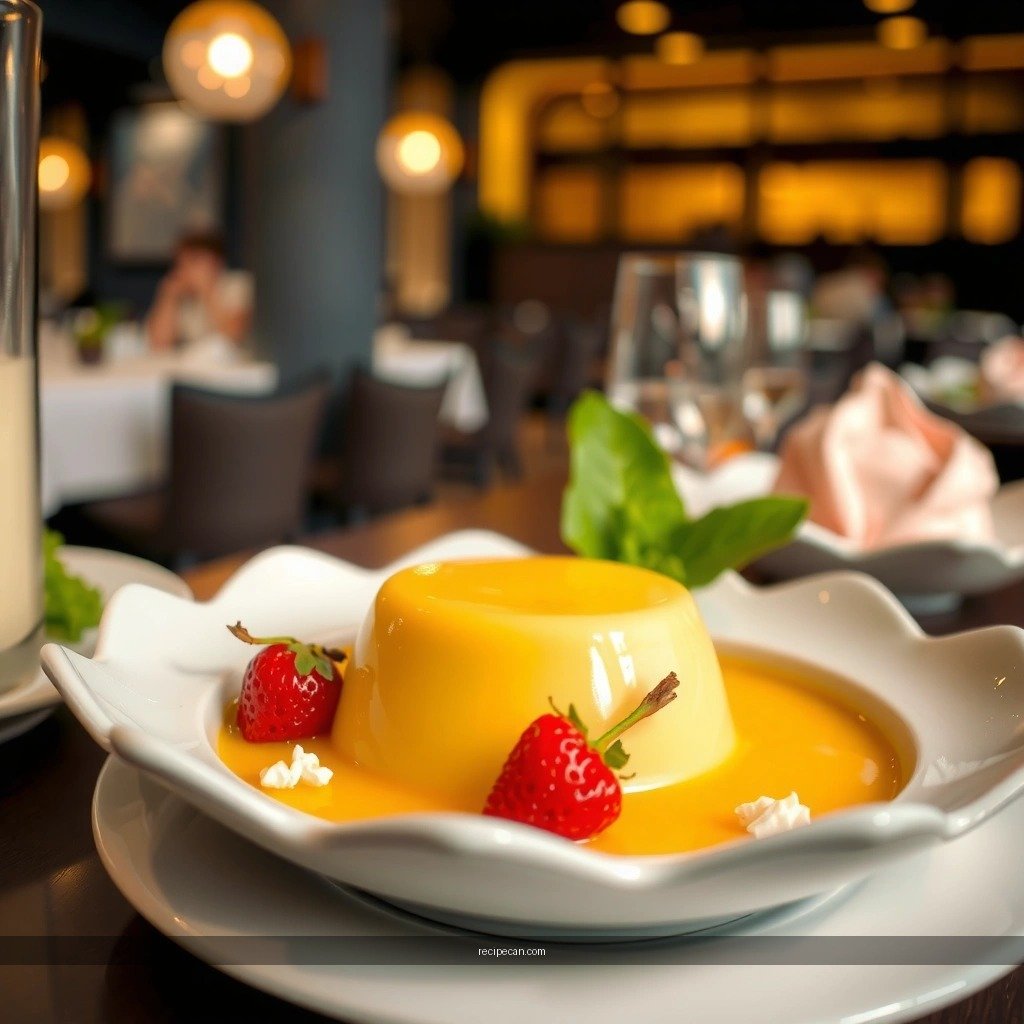
– Combine condensed milk with milk/cream for a thick, custard-style base
– Chill until set for clean slices and a smooth finish
A classic condensed milk pudding is the benchmark for texture: creamy, sliceable, and evenly thick without a “cooked egg” feel. The condensed milk provides sweetness and body; the additional milk or cream lets you control thickness. For a reliable no-fuss result, keep the heat moderate and stir consistently if your recipe uses gentle cooking.
Core concept: Use condensed milk plus whole milk (or a mix of milk and heavy cream) and warm just enough to dissolve and thicken. If your pudding is too loose after chilling, the fix is straightforward: next time, reduce the extra milk by 2–4 tablespoons per cup (240 ml) of dairy base or cook 2–3 minutes longer. If it’s too firm, whisk in a splash of warm milk before chilling.
Actionable method (custard-style, easy):
1. In a saucepan, whisk 1 can condensed milk (about 14 oz / 396 g) with 1 cup (240 ml) whole milk and 2–4 tablespoons cornstarch (optional but recommended for a “clean slice” set).
2. Cook on low to medium-low, whisking until smooth and slightly thickened (typically 5–8 minutes).
3. Off heat, whisk in 1 teaspoon vanilla extract (optional) and a pinch of salt.
4. Pour into cups or a lined dish, cool at room temperature, then chill at least 3–4 hours.
Texture targets to watch:
– When it’s ready to pour, the pudding should coat a spoon lightly and feel thicker than regular milk.
– If you see visible curdling or lumps, remove from heat and whisk vigorously; the condensed base often helps bring it back together if caught early.
Serving idea: Top with toasted coconut or whipped cream right before serving so the pudding remains crisp-topped rather than weeping moisture.
Chocolate Pudding Using Condensed Milk
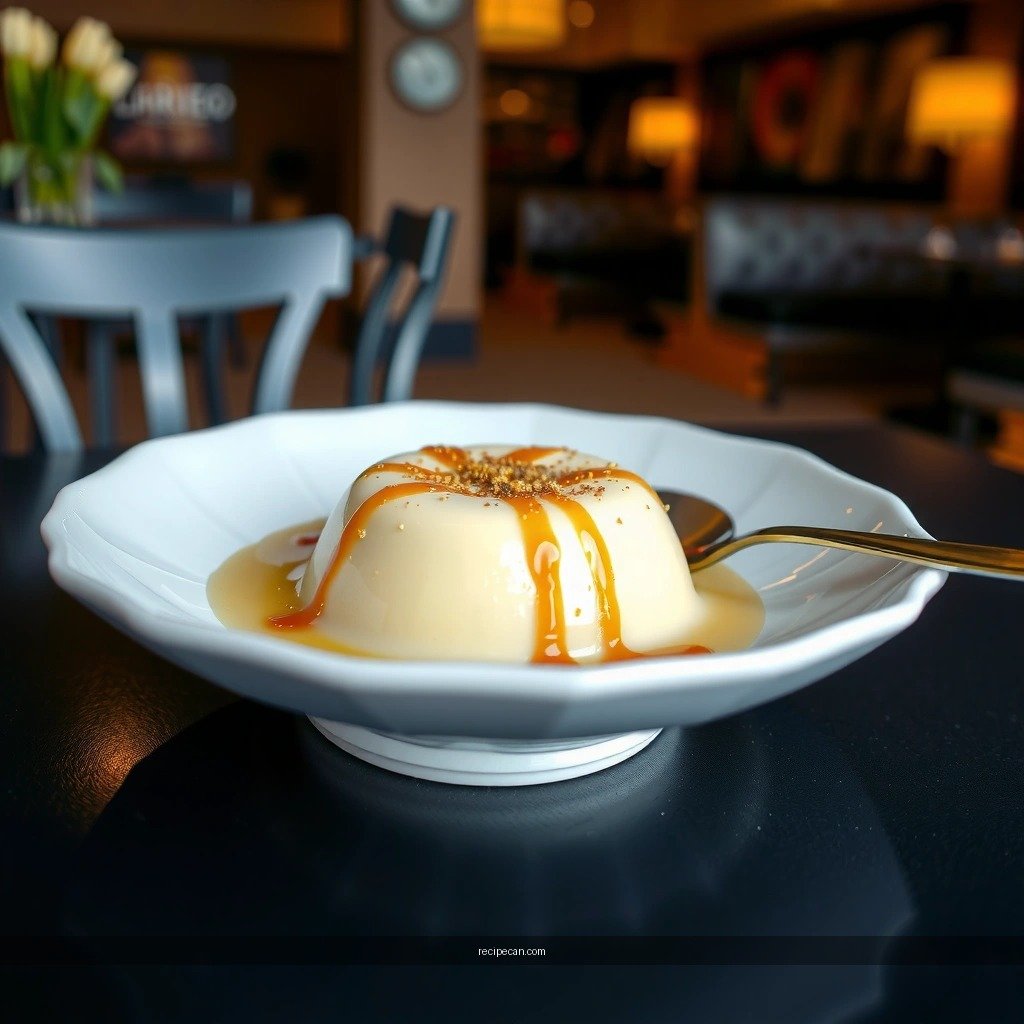
– Add cocoa powder or melted chocolate to deepen the flavor
– Use a gentle heat to prevent lumps and ensure a silky texture
Chocolate pudding is where condensed milk shines: it boosts richness and reduces the chance of gritty sweetness that can happen with only cocoa and granulated sugar. The key is managing cocoa powder (which can clump) and keeping heat gentle so fats and dairy stay smooth.
Choose your chocolate flavor path:
– Cocoa powder method: Best for a classic chocolate profile.
– Melted chocolate method: Best for a more intense, glossy mouthfeel.
Actionable method (cocoa-based, silky):
1. Whisk together 1 can condensed milk with 1 cup milk.
2. Sift in 1/4–1/3 cup unsweetened cocoa powder (sifting prevents lumps).
3. Add 2–3 tablespoons cornstarch for a stable, spoonable set.
4. Cook on low, whisking until thick (about 6–10 minutes).
5. Stir in 1–2 tablespoons melted dark chocolate (optional but elevates texture) and a pinch of salt.
6. Chill 4–5 hours.
Common problem → fix:
– Problem: cocoa lumps.
Fix: Sift cocoa before whisking; warm your milk slightly before adding, and keep whisking as it cooks.
– Problem: pudding tastes thin after chilling.
Fix: Increase cornstarch by 1 tablespoon next batch, or reduce milk by 2–3 tablespoons.
Pro-level finishing options: Add a half-teaspoon of espresso powder to intensify chocolate without tasting “coffee.” This is a high-impact flavor booster for business catering and large batches.
Vanilla Pudding Recipes Using Condensed Milk
– Flavor with vanilla extract (or vanilla bean) for a classic taste
– Adjust thickness by choosing more or less liquid milk
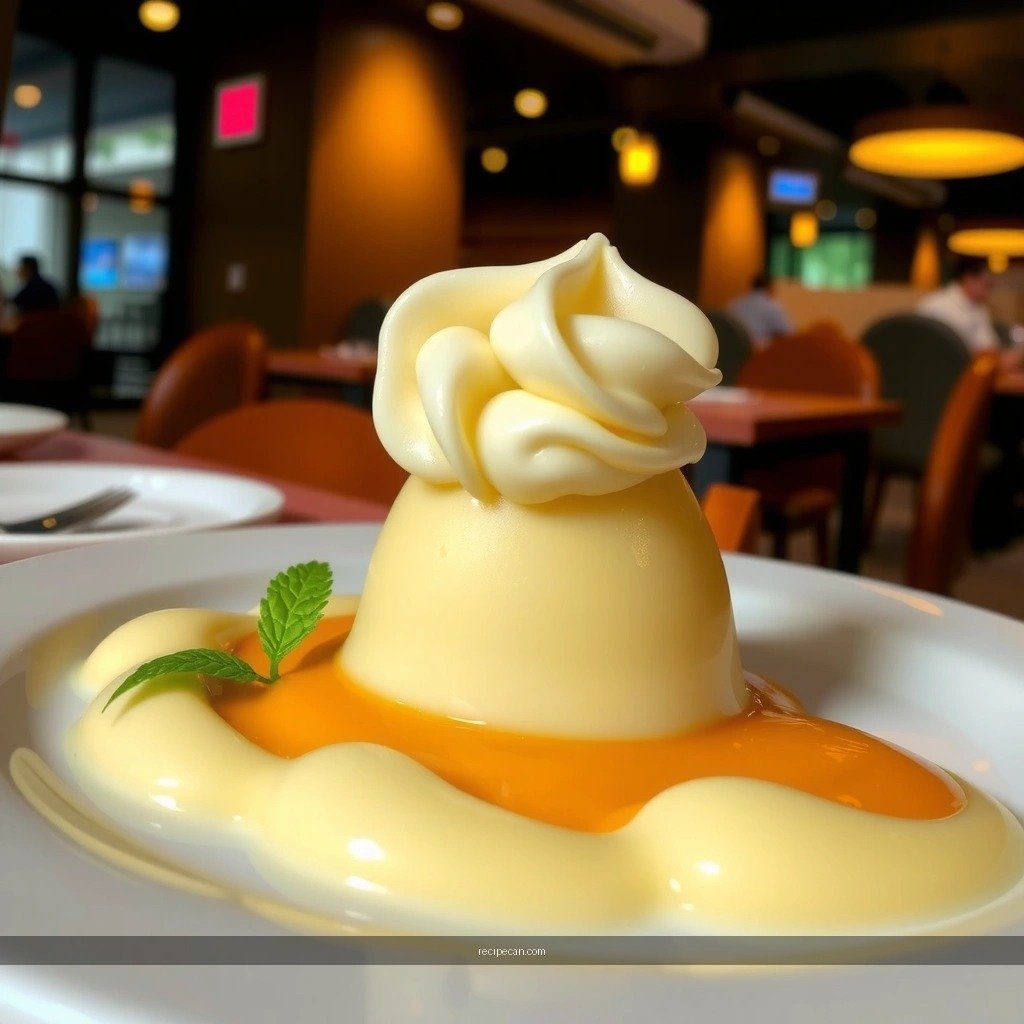
Vanilla condensed milk pudding is the most versatile base. Once you nail the vanilla texture—smooth, creamy, and evenly set—you can layer in caramel, berries, or even a crumble topping. Vanilla also works well in both individual cups and a larger molded dish for presentations.
Best practices for vanilla flavor:
– Use real vanilla extract for a clean custard aroma.
– If using a vanilla bean, steep it in warm milk for 10–15 minutes before combining with condensed milk.
Actionable method (silky and balanced):
1. Warm 1 cup milk with 1 vanilla bean pod or 2 teaspoons vanilla extract (if extract, add after cooking to preserve aroma).
2. Whisk in 1 can condensed milk.
3. Add 2–4 tablespoons cornstarch (more for sliceable custard; less for spoonable pudding).
4. Cook on low, whisking until thick and glossy.
5. Cool, then chill 3–5 hours.
How to adjust thickness (simple ratios):
– For sliceable pudding: lean toward 4 tablespoons cornstarch and use less milk (e.g., 3/4 cup instead of 1 cup).
– For soft, creamy spoon pudding: use 2 tablespoons cornstarch and keep the full 1 cup milk.
– If your pudding sets too firmly, whisk in 1–2 tablespoons warm milk before chilling.
Presentation tip: Sprinkle a thin layer of sugar-free “cookie crumbs” or crushed vanilla wafers just before serving to add contrast without soaking through immediately.
Fruit-Enhanced Puddings (Berries, Mango, Banana)
– Fold in fruit after cooking or use fruit topping before serving
– Balance sweetness with slightly tart fruits for a fresher result
Fruit can elevate condensed milk pudding from “simple dessert” to a bright, crowd-pleasing centerpiece. The main technical concern is moisture: fruit releases juices, which can thin the pudding if mixed in too early. The solution is timing—either fold cooked fruit into slightly cooled pudding or serve fruit as a topping.
Recommended approach for best texture:
– Cook fruit briefly (especially berries) to thicken and control water release.
– Cool it completely before combining.
– Fold in gently at the end, or use as a layered topping.
Option A: Berry compote topping (most stable)
1. Simmer 2 cups mixed berries with 1–2 tablespoons sugar (or honey) and a squeeze of lemon until syrupy (8–12 minutes).
2. Cool completely.
3. Spoon pudding into glasses, then top with compote.
Option B: Mango or banana mix-in (use ripe fruit, add late)
– Mango: fold in diced mango right before serving for juicy brightness.
– Banana: for best appearance, slice bananas and add on top or fold in only a few minutes before serving to reduce browning and excess liquid.
Balancing sweetness:
Condensed milk is already sweet, so slightly tart fruit (berries, lemony mango) prevents cloying. If you find the dessert too sugary, reduce added toppings or add more lemon zest to the fruit component.
Quality note for catering: Fruit toppings are fastest to degrade in appearance. If serving later, keep fruit separate until close to plating, then assemble for peak freshness.
Tips for Getting the Perfect Set and Texture
– Keep heat low and stir often when cooking to avoid curdling
– Chill long enough (usually a few hours) for the best firmness
Perfect condensed milk pudding is mostly temperature control and timing. Even with a forgiving base, overcooking can cause graininess, while under-chilling can leave the center loose.
Heat and stirring guidelines:
– Use low to medium-low and whisk constantly if your recipe includes cornstarch.
– Stop cooking as soon as the mixture looks thicker than milk and coats the spoon.
– Avoid boiling—rolling bubbles raise the risk of curdling.
Chilling rules that improve reliability:
– Chill at least 3–4 hours for standard puddings; 4–6 hours for thicker styles.
– For a smoother top, cover the surface with parchment pressed directly onto the pudding (prevents a skin).
– Cool to room temperature first, then refrigerate. Pouring hot pudding directly into the fridge can create uneven setting.
Troubleshooting quick fixes:
– Too runny after chilling: warm gently and whisk in 1–2 teaspoons cornstarch slurry (cornstarch + cold milk), then re-chill.
– Too thick or rubbery: soften with a splash of warm milk and whisk to loosen; chill again briefly (30–60 minutes) and check.
Easy Variations and Flavor Boosters
– Try cinnamon, espresso powder, coconut, or toasted nuts for new flavors
– Top with whipped cream, caramel drizzle, or chocolate shavings
Once you understand the condensed milk pudding base, variation becomes a controlled exercise in flavor and texture—not guesswork. Add boosters during cooking for integrated flavor, and add delicate toppings after chilling for better contrast.
High-impact add-ins (stir into the base):
– Cinnamon: 1/2–1 teaspoon for a warm, bakery profile.
– Espresso powder: 1/2 teaspoon to deepen chocolate or even vanilla.
– Coconut: 1–2 tablespoons shredded coconut (toast briefly first for stronger aroma).
– Toasted nuts: fold in cooled, chopped nuts; toast reduces bitterness and improves crunch.
Finishing and topping ideas (serve right before eating):
– Whipped cream: lightens sweetness and adds a “fine dining” finish.
– Caramel drizzle: pairs especially well with vanilla and chocolate condensed puddings.
– Chocolate shavings or cocoa dust: adds visual appeal and a clean chocolate aroma.
Batching strategy for events:
Make the base ahead, chill, and store covered. Add fruit or toppings close to serving to maintain texture. This approach is particularly useful for offices, family gatherings, and catering where timing matters.
Enjoy these pudding recipes using condensed milk to create rich, dessert-ready results with simple steps. Pick one recipe above, follow the texture tips, and make a batch today—then try a new flavor variation for your next sweet treat.
If you want consistently great condensed milk pudding, focus on two variables: gentle cooking (or none when using a tested method) and adequate chilling time. With the classic, chocolate, vanilla, and fruit-enhanced options above, you can create easy sweet desserts that look polished, taste indulgent, and scale well for everyday cravings or special occasions.
Frequently Asked Questions
What are the easiest pudding recipes using condensed milk that don’t require baking?
A classic no-bake option is condensed milk pudding made by mixing sweetened condensed milk with cold milk or cream and folding in whipped cream or instant pudding mix. Another easy choice is a lemon or vanilla condensed milk pudding that’s chilled until set, often with a simple cornstarch-based thickener or gelatin. These recipes are popular because they’re fast, creamy, and reliable without an oven, while still using condensed milk as the main ingredient for sweetness.
How do you make pudding with condensed milk and cornstarch so it sets properly?
To make condensed milk pudding with cornstarch, whisk cornstarch into cold milk first to prevent lumps, then simmer the mixture gently until thick and glossy. Once it reaches a pudding-like consistency, stir in sweetened condensed milk and remove from heat to avoid overcooking. For best results, chill the pudding for several hours so the condensed milk and cornstarch fully set into a smooth texture.
Why does my condensed milk pudding turn out too runny, and how can I fix it?
Runny pudding usually comes from undercooking the cornstarch or not letting it chill long enough for the thickener to work. If it’s still loose, you can often fix it by reheating and simmering briefly while whisking, then chilling again until set. Using the correct ratio of condensed milk to milk and keeping the heat at a gentle simmer are key to achieving a thick, spoonable condensed milk pudding.
Which condensed milk pudding flavors are best for beginners—vanilla, chocolate, or coconut?
Vanilla is the easiest starting point because it works well with simple thickening methods and pairs nicely with condensed milk’s caramel notes. Chocolate condensed milk pudding is also beginner-friendly if you use cocoa powder or melted chocolate and simmer just until smooth and thick. Coconut pudding is great too, but make sure to balance coconut milk or shredded coconut so the mixture stays creamy rather than grainy.
What’s the best way to layer condensed milk pudding for desserts like parfaits or trifles?
For layered pudding desserts, make the pudding thick enough to hold its shape—custard-style condensed milk pudding works especially well. Let it cool slightly before assembling, then alternate layers with crushed cookies, cake, or fruit, and chill until everything melds. To prevent soggy layers, use sturdier components (like sponge cake or graham crackers) and assemble close to serving time for the best texture contrast.
References
- Condensed milk
https://en.wikipedia.org/wiki/Condensed_milk - Flan
https://en.wikipedia.org/wiki/Flan - Crème caramel
https://en.wikipedia.org/wiki/Leche_flan - https://en.wikipedia.org/wiki/Pudim
https://en.wikipedia.org/wiki/Pudim - Dulce de leche
https://en.wikipedia.org/wiki/Dulce_de_leche - Pudding | Definition, Types, & Ingredients | Britannica
https://www.britannica.com/topic/pudding - Condensed milk | Britannica
https://www.britannica.com/topic/condensed-milk - Google Scholar Google Scholar
https://scholar.google.com/scholar?q=condensed+milk+pudding+recipe - Google Scholar Google Scholar
https://scholar.google.com/scholar?q=leche+flan+sweetened+condensed+milk+recipe - Google Scholar Google Scholar
https://scholar.google.com/scholar?q=pudim+sweetened+condensed+milk+recipe