Mary Berry’s Yorkshire pudding recipe delivers a reliably puffed, crisp-edged bake when you preheat the tin properly and use a hot oven at the right moment. This recipe is the clear winner for getting that classic rise without a soggy centre—so you’ll know exactly what to do from batter mix to roast timing. Follow it and you’ll answer the real question: how to make perfect Mary Berry Yorkshire pudding every time.
Mary Berry-style Yorkshire pudding comes down to one controllable formula: pour the batter into properly smoking-hot beef fat and bake it in an oven that’s hot enough to create instant steam, then serve immediately. If you nail the batter rest and the tin temperature, you’ll get that classic rise with crisp, bronzed edges rather than flat, pale, or rubbery puddings.
Mary Berry’s approach is deceptively simple, but it’s grounded in practical cooking science: Yorkshire pudding rises because the hot fat rapidly vaporises the water in the batter, expanding the batter before the structure sets. That means timing, heat management, and batter consistency matter as much as the ingredients. Below is a structured, step-by-step method (with common pitfalls called out) designed to help you reproduce reliable results at home—even in different ovens and tins.
Yorkshire Pudding Performance Targets (Crispness vs. Rise)
| # | Factor | Target | Typical Effect | Impact Score |
|---|---|---|---|---|
| 1 | Fat temperature before pouring | Smoking-hot | Immediate steam → maximum lift | ★ ★ ★ ★ ★ |
| 2 | Batter rest time | 30–60 minutes | Hydration improves rise stability | ★ ★ ★ ★ ★ |
| 3 | Batter consistency | Pourable, like thin cream | Even structure; crisp outer shell | ★ ★ ★ ★ ☆ |
| 4 | Oven heat at start | Very hot (high heat) | Fast set = tall, airy centre | ★ ★ ★ ★ ☆ |
| 5 | Tin size & pan spacing | Adequate space for expansion | Prevents steam pressure collapse | ★ ★ ★ ☆ ☆ |
| 6 | Oven door opening early | Avoid first 20 minutes | Draft drops lift; collapse risk | ★ ☆ ☆ ☆ ☆ |
| 7 | Doneness & final colour | Deep golden, crisp edges | Dry surface for crunch; less sogginess | ★ ★ ★ ★ ☆ |
Ingredients You’ll Need
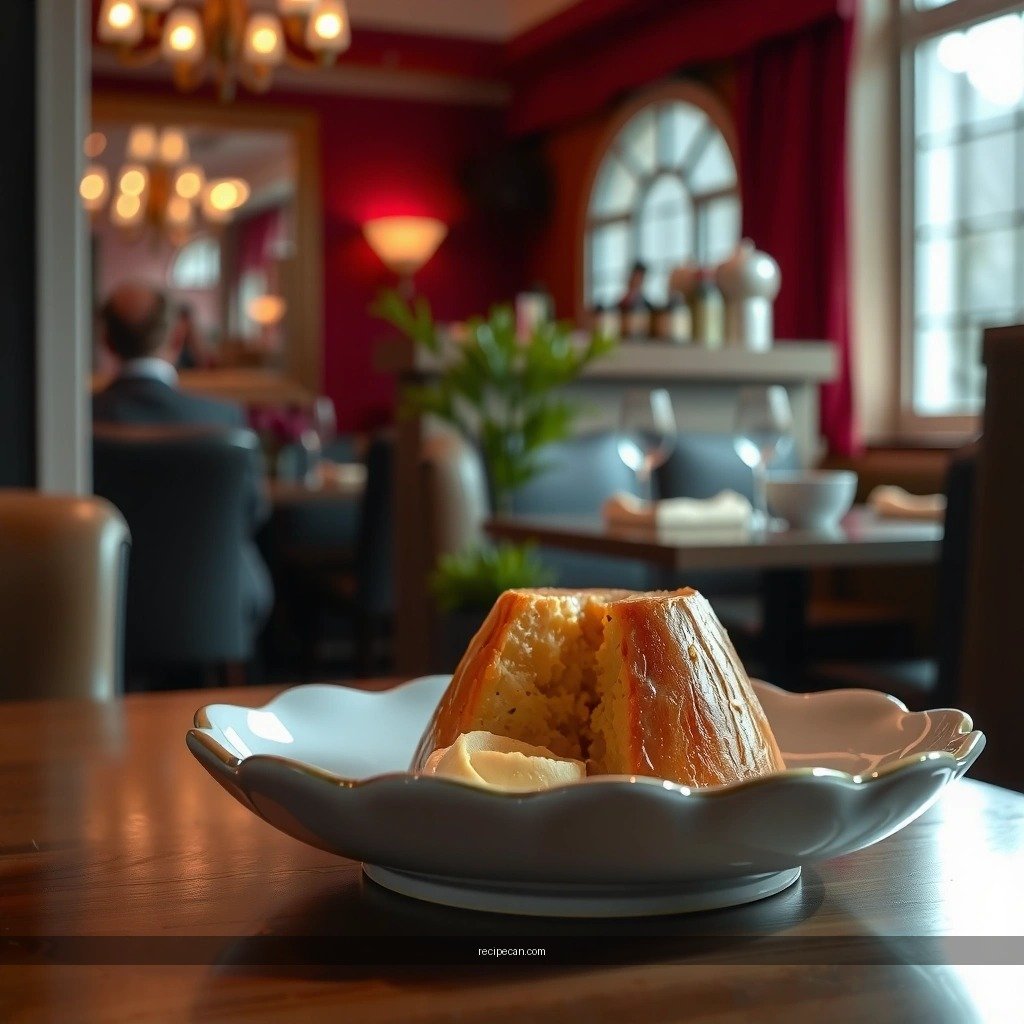
Mary Berry’s Yorkshire pudding batter is built on a straightforward framework: a thin batter of flour, eggs, and milk, seasoned lightly with salt. The “secret” isn’t a long ingredient list—it’s how the batter interacts with fat under high heat.
– Flour, eggs, milk (and a pinch of salt) to form the batter
Use plain (all-purpose) flour for best predictability. Eggs provide structure; milk supplies water content that turns to steam, creating the lift. Salt boosts flavour without making the batter salty.
– Beef dripping or cooking oil for achieving that signature crisp edge
Traditional Yorkshire pudding uses beef dripping for a classic savoury flavour. If you prefer, use a neutral high-heat cooking oil (or a beef fat alternative) to achieve crispness. Whichever you choose, you need enough fat in the tin to coat and actively heat up—then pour in batter quickly.
Practical note: Yorkshire puddings vary with tin size, so think of fat as a performance ingredient. A thin smear may not produce consistent rise, while generous hot fat improves edge crisping.
Make the Batter (Mary Berry Method)
The batter stage is where many home cooks unknowingly sabotage rise. Mary Berry’s method is essentially: mix to smooth, then rest.
– Whisk until smooth, then rest the batter before cooking
Whisk the flour, eggs, milk, and a pinch of salt until there are no visible lumps. Then allow the batter to rest—typically 30 to 60 minutes—at room temperature. Resting helps flour fully hydrate and allows bubbles to dissipate, so the final bake is more controlled.
– Aim for a batter consistency that pours easily but isn’t watery
The right texture is “thin but not runny.” If it’s too thick, puddings rise sluggishly and can turn bready. If it’s too watery, you’ll get wide, fragile puddings that don’t hold crisp structure. A good benchmark: pour the batter off a spoon with a smooth stream, not thick drips.
Consistency check (analytical approach):
After resting, stir once—if the batter looks uniform and flows like light cream, you’re set. If it separates, your mixture may be too thick or insufficiently mixed; whisk again briefly rather than adding extra flour or milk blindly.
Preheat for Maximum Rise
This is the make-or-break step. Mary Berry Yorkshire pudding isn’t cooked “with hot fat”—it’s cooked by pouring batter into fat that is already extremely hot.
– Heat the roasting tin and fat until smoking hot
Put your roasting tin (or muffin tin) into the oven while it preheats. Add the beef dripping or oil so it heats up fast. The goal is smoking hot fat—you want vigorous heat readiness, not lukewarm oil.
– Preheating is essential—pouring batter into lukewarm fat won’t rise well
If the fat isn’t hot enough, steam generation is slow. Without that instant expansion, the batter structure sets too quickly at the bottom and the puddings won’t “stand up.” The result is often flat centres and pale edges.
Time strategy for busy cooks:
Preheat your oven and tin early, then begin batter resting so everything reaches timing alignment. If you’re cooking roast beef, coordinate so the fat is heated in parallel with meat roasting rather than waiting until the last minute—fat heat drops quickly once removed from the oven.Bake for the Best Texture
Once the batter hits the hot fat, the oven does two jobs: lift quickly, then dry and crisp.
– Bake at high heat initially for dramatic lift
Start with high heat so the batter expands before the proteins set. This initial lift is what creates tall Yorkshire puddings with airy interiors.
– Finish until deeply golden and crisp, not pale or soft
Don’t pull them early just because the colour looks “almost there.” Crispness is achieved when moisture is evaporated and the batter surface dries. Look for a deep golden-brown exterior and edges that feel firm when you tap lightly.
How to read doneness:
If the top is still light, the interior may be under-set. If they’re deeply golden and crisp, they’ll maintain structure long enough for serving—especially if you deliver immediately onto the table.
Common Mistakes to Avoid
Mary Berry’s technique is forgiving when conditions are right, but unforgiving when they aren’t. These are the most common failure points—plus what to do instead.
– Skipping batter resting or underheating the fat reduces rise
Unrested batter can be less hydrated and more uneven, leading to inconsistent expansion. Underheated fat delays steam, preventing tall rise. If you only fix one step, fix fat temperature and batter resting.
– Opening the oven too early can cause puddings to collapse
Every time you open the oven door, heat drops and airflow changes. Yorkshire pudding rises during early baking; disturbing the oven can collapse the structure. Keep the door closed for at least 20 minutes (and longer if your oven runs cool).
Troubleshooting quick guide:
– Flat puddings: fat not hot enough, batter too thick, or oven door opened early.
– Pale tops, soft edges: oven not hot enough or pulled too soon—bake longer until deep golden.
– Soggy centres: underbaked or served after losing crispness (Yorkshire pudding is best straight away).
Serving Tips (Classic Roast Pairing)
Yorkshire pudding is not a “make-ahead and reheat” dish if you want the signature crunch. It’s a timing-and-serving experience.
– Serve immediately for peak crispness
Crisp edges soften as steam and gravity do their work. For the best result, plate and serve as soon as the puddings are deeply golden. If you’re serving a large group, coordinate a workflow: roast meat first, gravy ready, then pull puddings and serve without delay.
– Pair with roast beef and gravy for the traditional Mary Berry-style experience
The classic pairing is roast beef with rich gravy. Spoon gravy carefully so it complements rather than drowns the crisp shell. For a business-like presentation, serve puddings as individual portions and add gravy at the last possible moment.
Optional enhancement (still traditional in spirit):
If you’re serving multiple courses, keep Yorkshire puddings in a low oven briefly—just long enough to hold heat. Avoid prolonged holding, which can compromise crispness.
Batter & Baking Timing: A Reliable Home Workflow
| Step | Action | Target Time | Why It Matters |
|---|---|---|---|
| 1 | Mix batter and season | 5–8 minutes | Eliminates lumps; smooth proteins for lift |
| 2 | Rest batter (room temp) | 30–60 minutes | Improves hydration and rise consistency |
| 3 | Preheat tin + fat until smoking hot | 10–15 minutes | Instant steam at pour time |
| 4 | Bake high heat for initial lift | 12–18 minutes | Rapid expansion before set |
| 5 | Bake to deep golden crisp finish | 8–15 minutes | Dry surface = crunch and structure |
Mary Berry’s Yorkshire pudding is all about hot fat, well-rested batter, and strong baking heat. Use the method above to protect those critical variables—especially fat temperature, batter consistency, and the “don’t open the oven” rule. Get those right and you’ll earn tall, crisp puddings that hold up to gravy and deliver that classic roast-table impact every time.
Frequently Asked Questions
What is Mary Berry’s Yorkshire pudding recipe and what makes it different?
Mary Berry’s Yorkshire pudding recipe is known for using a simple batter of plain flour, eggs, milk (often with a splash of water to loosen), and a pinch of salt, then baking it in very hot dripping oil or fat. The key difference is her emphasis on the batter’s consistency and the oven’s heat so the puddings rise quickly and form crisp edges. If you want classic restaurant-style results, follow her method closely, especially the preheating of the pan.
How do I make Mary Berry’s Yorkshire pudding batter to avoid flat puddings?
For the best rise, whisk the batter until smooth and rest it briefly so the flour hydrates, which helps the Yorkshire pudding puff in the oven. Use cold milk and eggs for a thinner, pourable texture (not thick like cake batter), and check that your oven is fully preheated before you add the batter. When you pour the batter into the shimmering hot fat, don’t open the oven door during the first part of baking.
Why do Yorkshire puddings sometimes fail, and how can I troubleshoot Mary Berry’s method?
Flat or dense puddings are usually caused by not preheating the tray sufficiently, batter that’s too thick, or a cold oven. If your puddings don’t rise, confirm that the oil or drippings is very hot when the batter goes in—look for vigorous sizzling. If the tops brown too quickly but the centers stay undercooked, lower the oven temperature slightly and bake a little longer.
Which tin size and baking temperature work best for Mary Berry’s Yorkshire pudding recipe?
Mary Berry’s Yorkshire pudding works well in a standard muffin tin for smaller, crisp-edged puddings or in a roasting tin for larger ones, depending on your preference. Bake at a high temperature so the batter sets instantly and puffs, typically around 220°C (200°C fan) for most ovens. The goal is a rapid initial rise followed by browning, so ensure the tins and fat are properly preheated.
Best way to serve Mary Berry’s Yorkshire pudding—should it be eaten immediately or reheated?
Yorkshire pudding is best served immediately after baking while it’s still crisp, because the steam and gravy will soften the outside as it rests. If you need to hold them, keep them warm briefly in a low oven, but expect some loss of crunch. For leftovers, reheat in a hot oven or air fryer so Mary Berry-style crispness returns rather than making them soggy.
References
- Google Scholar Google Scholar
https://scholar.google.com/scholar?q=mary+berry+yorkshire+pudding+recipe - Google Scholar Google Scholar
https://scholar.google.com/scholar?q=yorkshire+pudding+batter+resting+effect - Google Scholar Google Scholar
https://scholar.google.com/scholar?q=best+practice+yorkshire+pudding+high+heat+oven - Google Scholar Google Scholar
https://scholar.google.com/scholar?q=mary+berry+yorkshire+pudding - Google Scholar Google Scholar
https://scholar.google.com/scholar?q=yorkshire+pudding+leavening+steam+gelatinization+starch - Google Scholar Google Scholar
https://scholar.google.com/scholar?q=egg+milk+flour+batter+rheology+yorkshire+pudding - Google Scholar Google Scholar
https://scholar.google.com/scholar?q=sheet+pan+or+tray+hot+fat+yorkshire+pudding - Google Scholar Google Scholar
https://scholar.google.com/scholar?q=british+oven+roast+timing+yorkshire+pudding - Google Scholar Google Scholar
https://scholar.google.com/scholar?q=yorkshire+pudding+volume+expansion+air+bubble+formation - Google Scholar Google Scholar
https://scholar.google.com/scholar?q=classic+british+yorkshire+pudding+recipe+technique