This chocolate pudding no eggs recipe delivers the egg-free dessert you want—smooth, creamy, and reliably set—without tempering or extra steps. You’ll learn exactly how to make it at home with pantry ingredients and get a rich chocolate flavor that holds its shape. If your goal is a no-fuss pudding that tastes like the classic version while staying egg-free, this is the clear winner.
This chocolate pudding no eggs recipe delivers a rich, spoonable dessert without eggs—by using cornstarch (or flour) to thicken the milk-based base. In practice, that means you can achieve a glossy, custard-like texture with a controlled simmer, careful whisking to prevent lumps, and proper chilling time for the final set.
This approach works well for anyone avoiding eggs (allergies, dietary preferences, or simply no eggs on hand), and it also fits busy schedules because the “custard” forms on the stovetop without needing an oven or tempering.
—
Egg-Free Thickening Options
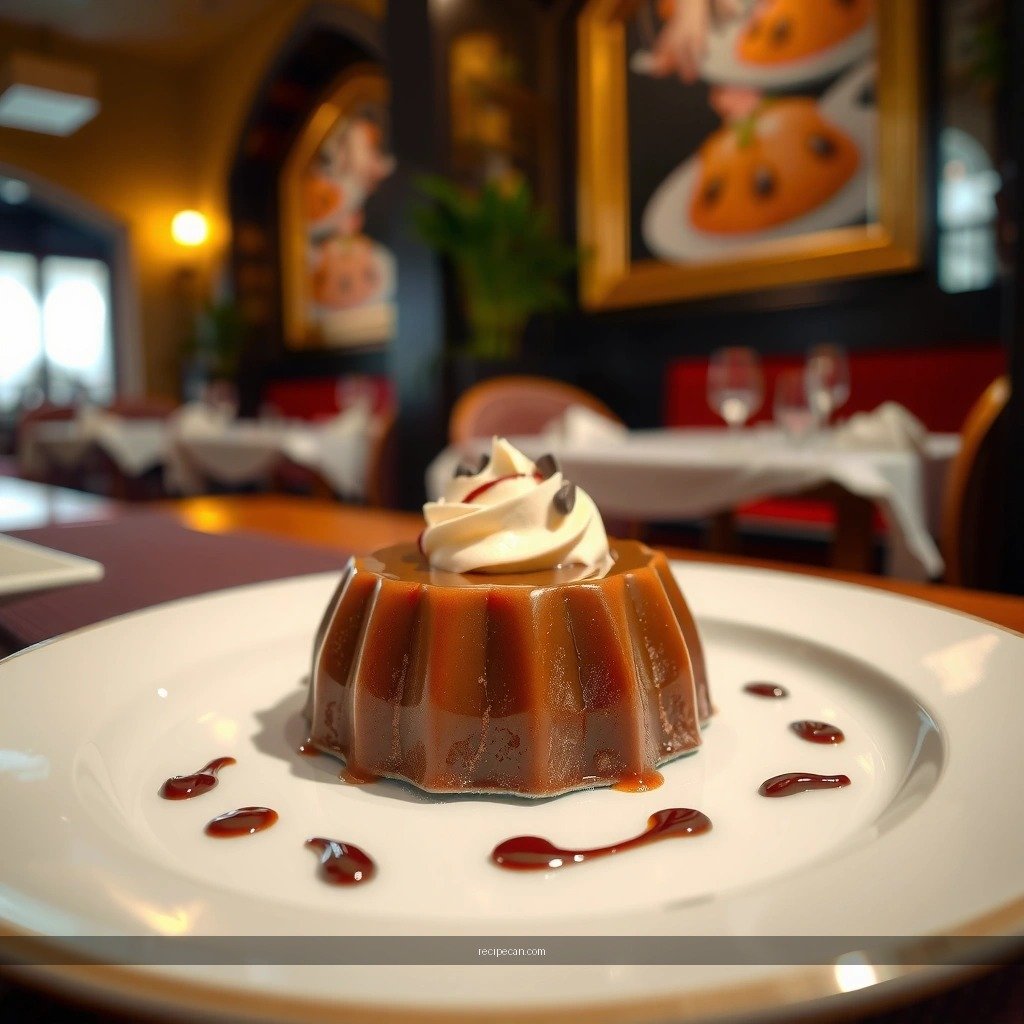
The core technical challenge in egg-free chocolate pudding is structure: eggs normally provide coagulation that thickens and stabilizes the custard. Without eggs, you replace that function with starch—specifically cornstarch or flour. Both can produce great results, but they behave differently under heat and during chilling.
1) Cornstarch (best for classic pudding-style thickening)
– What it does: Cornstarch gelatinizes as it heats, forming a smooth network that traps water and stabilizes the pudding.
– Texture outcome: Typically silky and spoonable, with a custard-like feel.
– Practical guidance: Bring the mixture to a full simmer for at least 1–2 minutes while stirring. If you stop short, it may seem thick right away but can loosen as it cools.
2) Flour (best for thicker, more “set” pudding)
– What it does: Flour thickens through starch gelatinization plus some contribution from gluten proteins.
– Texture outcome: Often slightly thicker and less glassy than cornstarch. With the right cooking time, it can still be very creamy.
– Practical guidance: Flour can taste “doughy” if undercooked. To avoid that, simmer longer—usually 2–3 minutes—and stir continuously.
3) The biggest rule: don’t rush the simmer
Starch thickening is time- and temperature-dependent. If you underheat, the pudding may:
– appear thin or watery,
– turn grainy,
– or separate after chilling.
Actionable tip: Whisk constantly until you see the pudding thicken noticeably (it should coat the back of a spoon). Then keep stirring at a gentle simmer briefly to fully activate the starch.
Starch Choice for Egg-Free Chocolate Pudding (Texture & Reliability)
| # | Thickener (Egg-Free) | Typical Thickening Style | Chill Result | Best For | Consistency Score |
|---|---|---|---|---|---|
| 1 | Cornstarch | Custard-like | Smooth & spoonable | Classic pudding texture | ★★★★★ |
| 2 | Flour (all-purpose) | Set & hearty | Firm, slightly matte | Thicker servings | ★★★★☆ |
| 3 | Flour (tighter set) | More body | Often thicker after chill | Trifle layering | ★★★★☆ |
| 4 | Cornstarch + cocoa slurry (lumps control) | Very smooth | High stability | No-lump guarantee | ★★★★★ |
| 5 | Cornstarch (under-simmer risk) | May thin later | Can loosen after chill | Quick-cook only if timed | ★★★☆☆ |
| 6 | Flour (under-cooked) | Weak set | May taste starchy | Avoid—use proper simmer time | ★★★☆☆ |
| 7 | Instant pudding mix (starch blend) | Consistent preset | Reliable set | Fastest “no-egg” option | ★★★★☆ |
—
Ingredients You’ll Need
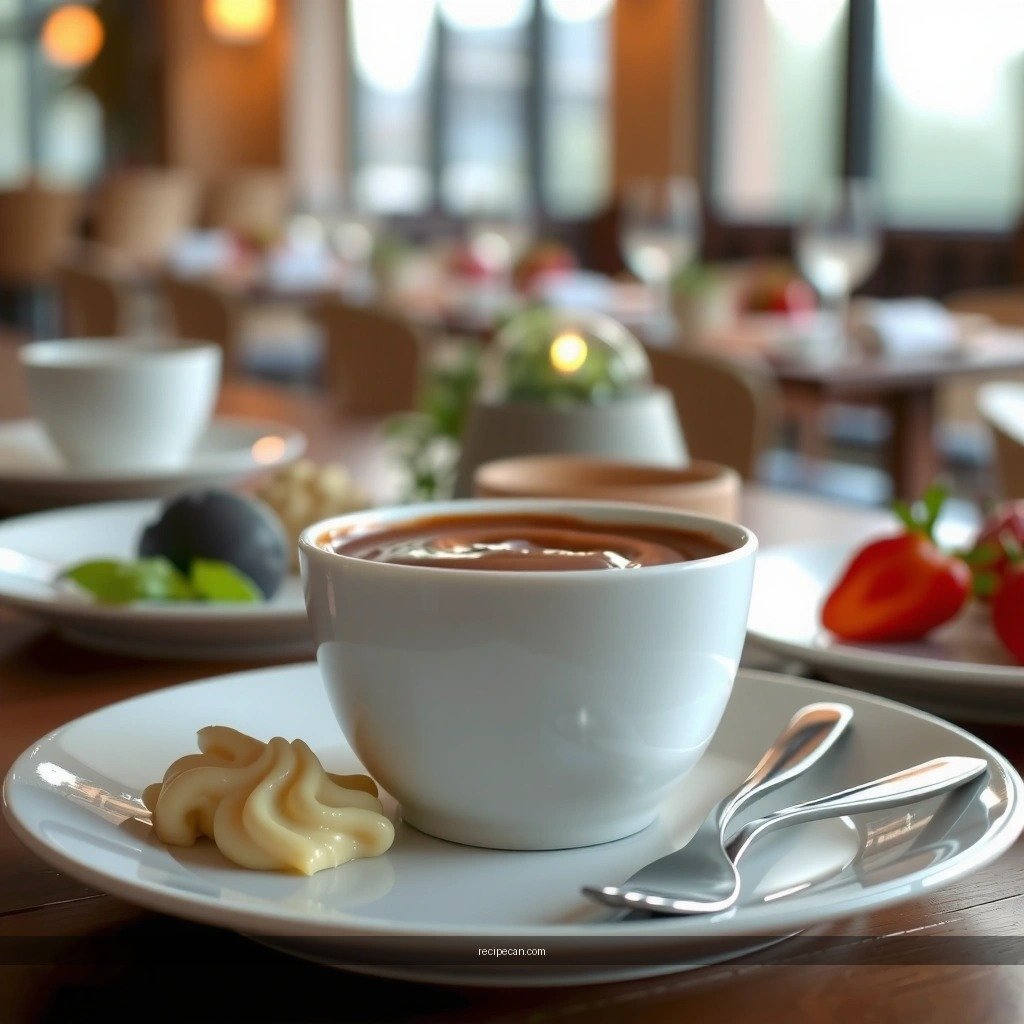
Egg-free chocolate pudding is simple: cocoa, sugar, milk, and a thickener. The key is balancing flavor with the thickening system so the pudding sets without feeling overly sweet or chalky.
Cocoa and sugar (the chocolate base)
– Unsweetened cocoa powder provides depth and classic “pudding” chocolate flavor.
– Sugar does two jobs: it sweetens and it helps create a smooth mouthfeel by balancing bitterness from cocoa.
Pro tip: If you prefer an intense, bittersweet profile, reduce sugar slightly and let the cocoa stand out. For a dessert-like sweetness, keep it balanced.
Milk (the custard liquid)
– Milk is the main carrier for flavor and texture.
– Dairy milk yields the richest results. For dairy-free versions, choose a thick, neutral plant milk and consider slightly adjusting thickener amounts.
Optional vanilla (smooth, rounded flavor)
A small amount of vanilla extract improves aroma and makes chocolate taste more “complete,” especially in an egg-free custard where flavor can sometimes seem flatter.
Cornstarch (or flour) (egg-free thickener)
– Cornstarch: best for glossy texture.
– Flour: fine if you want a more solid set and can simmer longer.
—
Step-by-Step Cooking Method
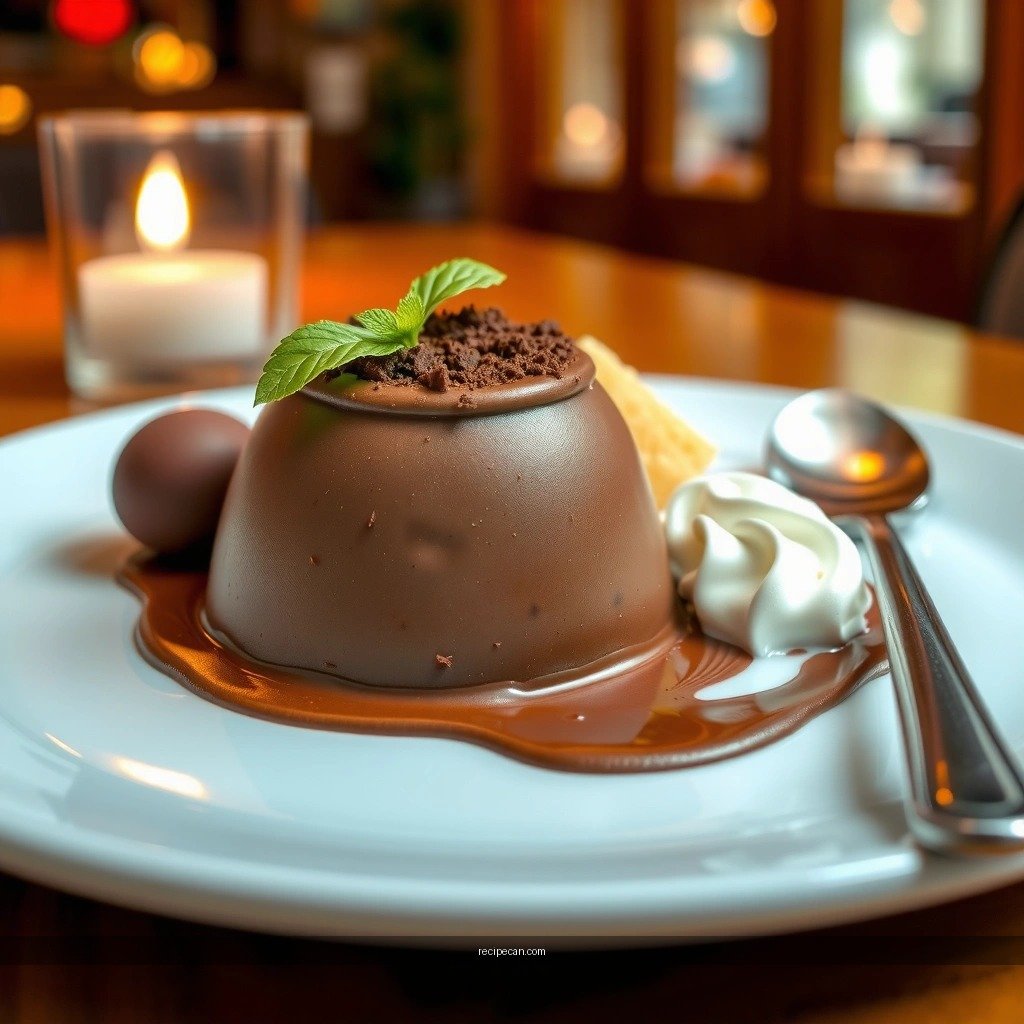
A successful chocolate pudding no eggs recipe comes down to how you combine ingredients and how long you cook the starch system.
1) Whisk dry ingredients with a little milk to prevent lumps
To avoid clumps:
– combine cocoa powder, sugar, and thickener first,
– then whisk in a small portion of milk until smooth.
This pre-mixing step matters because cocoa and starch are dry and can clump if poured directly into hot liquid.
2) Heat and stir until the mixture thickens
– Pour in the rest of the milk.
– Cook over medium heat, whisking frequently at first.
– Once it starts to thicken and look glossy, keep stirring continuously.
3) Remove from heat promptly to avoid grainy texture
Overheating starch-based pudding can lead to a texture shift (it may turn dull or slightly grainy). When your pudding reaches the right thickness:
– remove from heat,
– whisk once more to confirm uniform smoothness,
– then proceed to chilling.
—
How to Get the Best Creamy Texture
Even with the correct ingredients and timing, creaminess is influenced by technique and cooling behavior.
Stir well and scrape the sides
Starch thickens quickly and can cling to the pot.
– Stir the bottom so heat transfers evenly.
– Scrape the sides to prevent “streaks” of thickened cocoa that may create uneven texture.
Chill for a true set (and spoonable consistency)
For best results:
– cover the pudding so a skin doesn’t form,
– chill at least 2 hours.
As it cools, the starch network firms up, yielding the classic pudding feel.
Adjust sweetness or cocoa before serving
Before chilling, taste and calibrate:
– Too bitter? Add a teaspoon or two of sugar and whisk briefly on low.
– Too sweet? Increase cocoa slightly next time, or stir in a small pinch of cocoa to deepen flavor.
Quality benchmark: Spoon the pudding—if it holds a thick mound but still looks glossy, you’re in the ideal zone.
—
Serving Ideas and Storage Tips
Chocolate pudding is at its best when served cold and finished with contrasting textures.
Serving ideas
– Chilled cups topped with whipped cream and shaved chocolate
– Berry pairings (raspberries or strawberries) for a bright contrast
– Crushed cookies or graham cracker crumbs for a crunchy layer
– A dusting of cocoa for an elegant, classic finish
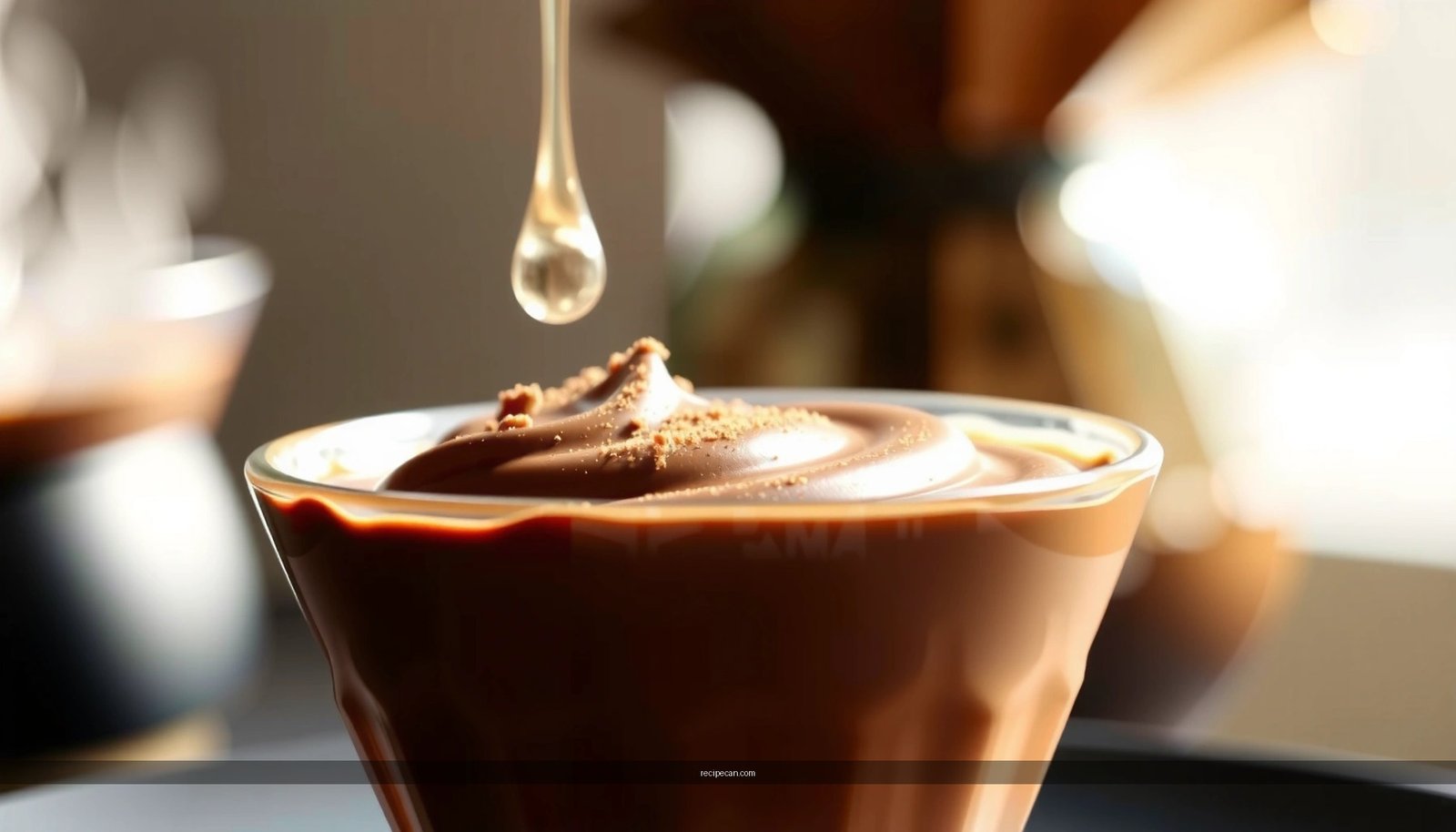
If you’re aiming for a “café-style” presentation, serve in clear glasses so the color and thickness look intentional.
Storage tips (to preserve texture)
– Refrigerate promptly after chilling.
– Store in sealed containers or cover tightly with plastic wrap directly touching the surface to prevent a skin.
– Re-stir after chilling if it firms up too much. If needed, gently loosen with a small splash of milk and stir while briefly warming.
Food safety note: Refrigerated pudding is best consumed within 3–4 days for quality.
—
Troubleshooting Common Issues
Even well-tested egg-free pudding recipes can vary based on stove strength, pot material, and thickener brand. Use these targeted fixes rather than starting over.
Too thin
Cause: Starch wasn’t fully activated (not simmered long enough).
Fix: Simmer again and stir until it thickens, or make a small cornstarch slurry (1 tsp cornstarch + 1 tbsp cold water), whisk it in, and cook for 30–60 seconds.
Too thick
Cause: Overcooked or too much thickener.
Fix: Warm gently and whisk in a small splash of milk until it loosens and becomes creamy again.
Lumpy
Cause: Dry cocoa/starch not fully incorporated, or heat got too aggressive early.
Fix: Strain the pudding through a fine mesh sieve, then whisk thoroughly and chill. For future batches, whisk dry ingredients with milk first and keep heat medium.
Skin forming on top
Cause: Cooling without full surface contact.
Fix: Press plastic wrap directly onto the pudding surface before refrigerating.
—
Warm, classic, and egg-free—this chocolate pudding no eggs recipe is the easiest way to get dessert-ready results. Use cornstarch for the smoothest custard texture, cook to a proper simmer for reliable thickening, and chill until fully set. Try the method today, and feel free to tune the cocoa and sweetness to match your preferred chocolate intensity.
Frequently Asked Questions
What is the best chocolate pudding no eggs recipe?
The best chocolate pudding no eggs recipe typically uses milk (or a dairy-free milk), cocoa powder, sugar, and a thickener like cornstarch. You’ll whisk the dry ingredients with a little cold milk first, then cook the mixture until it thickens to a custard-like consistency. Finish with butter or vanilla for a classic, rich flavor. This approach works because cornstarch creates the pudding texture without needing eggs.
How do you make chocolate pudding no eggs without lumps?
To avoid lumps, whisk cocoa powder and cornstarch thoroughly with sugar and a small amount of cold milk before heating. When you cook the mixture, keep stirring constantly and use medium heat until it comes to a gentle boil and thickens. If lumps form anyway, strain the pudding through a fine-mesh sieve while it’s hot. This ensures smooth, spoonable chocolate pudding with no eggs.
Why does my chocolate pudding no eggs turn out runny, and how can I fix it?
Runny pudding usually means the cornstarch didn’t cook long enough or the mixture didn’t reach a simmer/boil. Try bringing it back to the stove and simmering while stirring for 1–2 more minutes, which activates more thickening power. Also confirm your measurements—too much liquid or not enough cornstarch can result in a thinner pudding. After thickening, let it cool and set in the fridge, since chocolate pudding no eggs firms up as it chills.
Which thickener works best for chocolate pudding no eggs: cornstarch, flour, or tapioca?
Cornstarch is usually the best choice because it gives a glossy, silky texture similar to classic egg-based pudding when cooked properly. Flour can work, but it often produces a heavier or slightly grainier result and may need longer cooking. Tapioca can create a thicker, more gel-like pudding, but it may taste different in texture if not cooked or rested correctly. For most people seeking an easy, reliable chocolate pudding no eggs recipe, cornstarch is the go-to.
How long should you chill chocolate pudding no eggs before serving?
After cooking, let the chocolate pudding cool briefly, then cover the surface with plastic wrap (to prevent a skin) and refrigerate. For best results, chill at least 2–4 hours, though overnight is even better for a firmer, more cohesive pudding. When properly thickened and chilled, this eggless chocolate pudding should hold its shape and feel smooth. Always stir once before serving if it sets very firm.
References
- Google Scholar Google Scholar
https://scholar.google.com/scholar?q=eggless+chocolate+pudding+recipe+cornstarch - Google Scholar Google Scholar
https://scholar.google.com/scholar?q=vegan+custard+pudding+thickening+agent+starch - Google Scholar Google Scholar
https://scholar.google.com/scholar?q=starch+gelatinization+dessert+texture+pudding - https://pubmed.ncbi.nlm.nih.gov/?term=starch+gel+dessert+texture+pudding
https://pubmed.ncbi.nlm.nih.gov/?term=starch+gel+dessert+texture+pudding - https://pubmed.ncbi.nlm.nih.gov/?term=eggless+custard+thickening+agent+starch
https://pubmed.ncbi.nlm.nih.gov/?term=eggless+custard+thickening+agent+starch - Pudding
https://en.wikipedia.org/wiki/Pudding - Custard
https://en.wikipedia.org/wiki/Custard - Corn starch
https://en.wikipedia.org/wiki/Cornstarch - Starch
https://en.wikipedia.org/wiki/Starch - Pudding | Definition, Types, & Ingredients | Britannica
https://www.britannica.com/topic/pudding