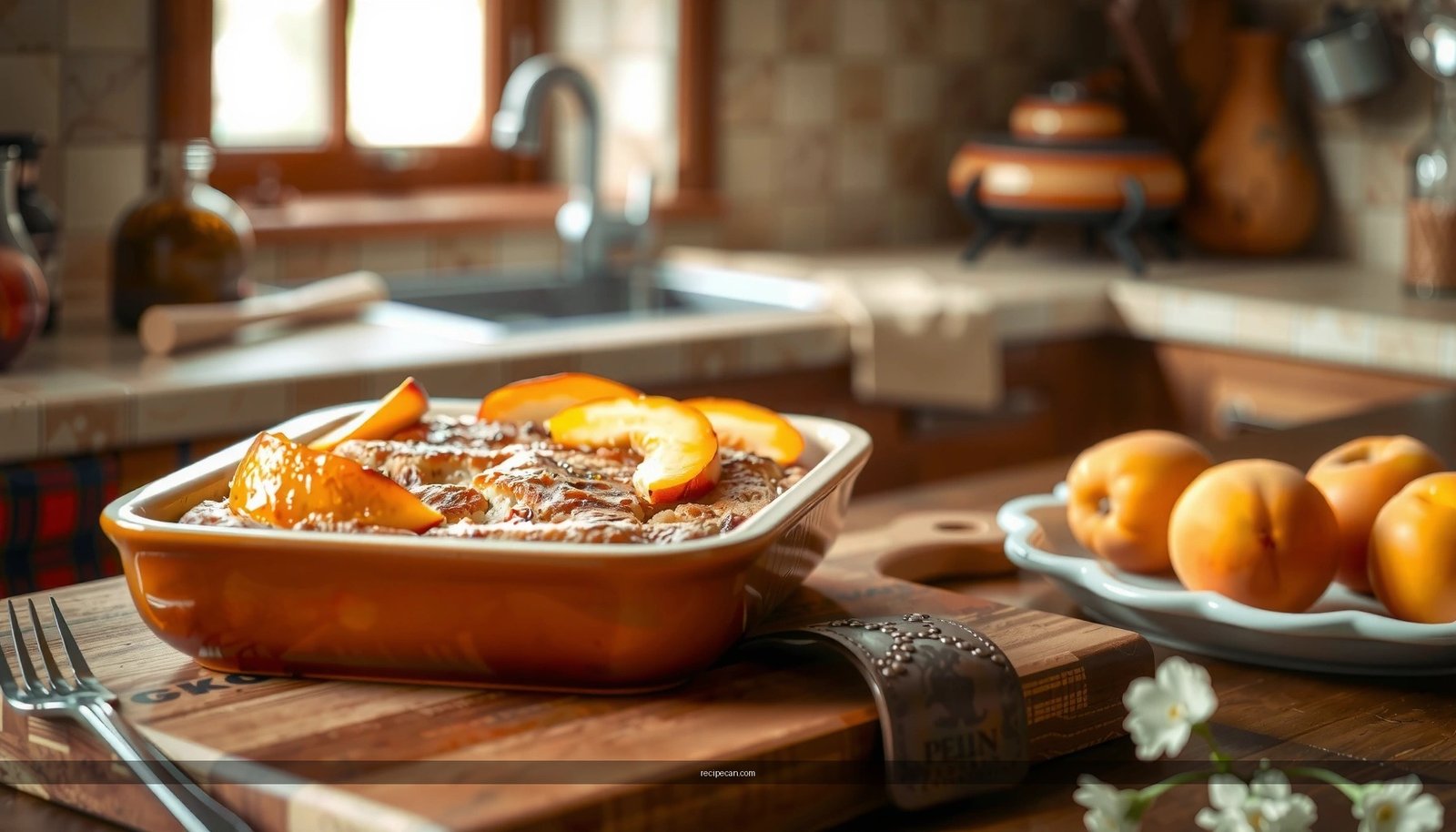
This bread pudding recipe with raisin cinnamon bread delivers the clear best outcome when you want a custardy center, caramelized edges, and bursts of sweet raisins in every bite. It guides you from soaking the cinnamon bread to baking until golden, with enough structure to set firmly without turning dry. If your goal is “thick, rich, and reliably great,” this is the one to make.
This bread pudding recipe with raisin cinnamon bread delivers a creamy, custardy center and a warmly spiced top by soaking cubed bread in a cinnamon-vanilla custard before baking. Use slightly stale bread for the best absorption and texture, then bake until just set so it stays tender and spoonable—especially when served warm.
Bread pudding is one of the most forgiving desserts you can make: it turns day-old bread into something rich, comforting, and consistently impressive. But the quality of the final result depends on a few technical choices—bread age, cube size, custard balance, soak time, and baking temperature. If you want a dependable, bakery-style outcome at home, treat this as a method as much as a recipe.
Below, you’ll find a practical approach to using raisin cinnamon bread (or similar flavored loafs) and a custard base that complements the spices rather than overpowering them. The result is an ideal dessert for weeknight comfort, holiday brunch, or any time you want to use leftover bread without sacrificing flavor.
Custard Ratios for Bread Pudding (Common Home Ranges)
| # | Bread Pudding Style | Bread (cups, cubed) | Custard (cups, dairy) | Eggs | Texture Score |
|---|---|---|---|---|---|
| 1 | Classic Custardy | 4 | 2 | 3 | ★★★★☆ |
| 2 | Heavier & Firmer | 4 | 1.75 | 3 | ★★★☆☆ |
| 3 | Extra Rich (Creamy) | 4 | 2.25 | 3 | ★★★★★ |
| 4 | Lighter Custard | 4 | 1.5 | 2 | ★★☆☆☆ |
| 5 | “Set & Sliceable” | 4 | 1.8 | 4 | ★★★☆☆ |
| 6 | Higher Bread Load | 4.5 | 2 | 3 | ★★★☆☆ |
| 7 | Very Custardy | 3.5 | 2.25 | 3 | ★★★★☆ |
Choose and Prep Your Raisin Cinnamon Bread

The bread you start with determines everything: absorbency, body, and how much of the custard turns into a silky interior versus a dense bite. For this bread pudding recipe with raisin cinnamon bread, your best option is a loaf that’s flavorful but not overly dry or stale to the point of being rock-hard.
Use slightly stale raisin cinnamon bread for better absorption and texture. Fresh bread can work, but it often yields a less custardy center because the bread hasn’t had time to lose enough moisture to drink in the custard. Aim for bread that’s a day or two old (or toasted briefly) so it softens and absorbs without dissolving.
Cube the bread evenly so it bakes uniformly. Cut slices into consistent cubes—generally about ¾ to 1 inch. Smaller cubes absorb faster and can result in a more blended texture; larger cubes create contrast and more “tender chunks.” Consistency helps the pudding set evenly across the pan.
Lightly toast if you want extra structure and a firmer top. Toasting (at 325–350°F for ~5–8 minutes) dries the surface and creates a slightly sturdier crust that holds shape when soaked. If you prefer a very creamy pudding with minimal top crunch, you can skip the toast and rely on the custard soak time instead.
Pro tip: if your raisin cinnamon bread is already sweet and aromatic, reduce additional sugar slightly in the custard so the dessert doesn’t tip into “too sweet.” That’s especially relevant when serving with caramel or vanilla sauce.
Make the Custard Base

The custard is the engine of bread pudding—eggs provide structure, dairy provides richness, and sugar helps browning while balancing spice. A well-made custard should be smooth and fully seasoned before it ever meets the bread.
Whisk eggs, milk (or half-and-half), sugar, and vanilla until smooth. Whisk thoroughly to eliminate streaks of yolk and to help the custard coat the bread evenly. Half-and-half typically produces a richer, more cohesive custard; milk gives a lighter result. For a standard home balance, many bakers use milk or half-and-half interchangeably depending on how indulgent they want the final dessert.
Add cinnamon and a pinch of salt for balanced flavor. Cinnamon is the star in raisin cinnamon bread, so keep your addition complementary. Add ground cinnamon to the custard and a pinch of salt to prevent the dessert from tasting flat—salt sharpens spice perception and makes the sweetness feel more intentional.
Optional: stir in melted butter for extra richness. Melted butter can add depth and a softer mouthfeel. Use it sparingly so it doesn’t weigh down the custard. Think of it as a finishing enhancement to your custard base, not a substitution for dairy or eggs.
Custard science in practical terms: bread pudding becomes creamy when the custard has time to penetrate the bread, and when you bake just until the custard sets. If you bake too long, the custard tightens and becomes dry; if you bake too short, the center can be runny. Your custard ratio and bake time work together.
Soak, Assemble, and Season
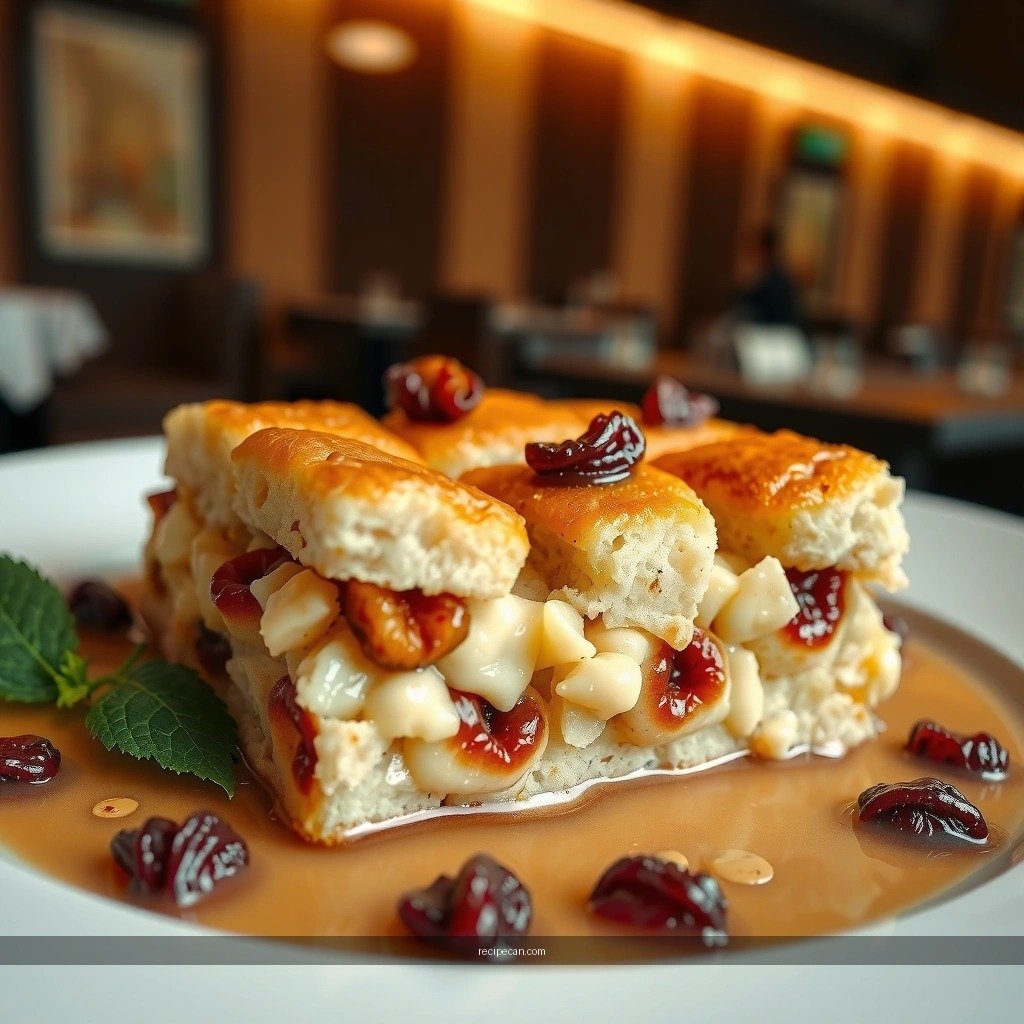
This step is where technique turns simple ingredients into a premium dessert. The objective is full saturation of bread pieces without leaving dry pockets or overly floating raisins.
Combine bread with raisins, then pour custard over top. Even if your loaf is “raisin cinnamon bread,” adding a little extra (or ensuring the raisins are well distributed) can boost flavor in every bite. Spread bread cubes evenly in your baking dish so the custard reaches all surfaces. Pour custard slowly and evenly.
Let it soak 15–30 minutes (longer for extra custardy pudding). A short soak (closer to 15 minutes) yields a more bread-forward pudding; a longer soak allows deeper custard penetration and a creamier interior. If you’re aiming for maximum custardy texture, go toward 25–30 minutes. Avoid soaking for much longer than 30–35 minutes if your bread is very delicate, because the cubes can start to break down.
Press bread down gently so everything is moistened. After pouring, use a spatula to lightly press any cubes that are poking above the custard. The custard should surround the bread, but you shouldn’t aggressively mash it. Gentle pressure ensures consistent absorption.
Optional flavor boost: add a splash of bourbon or rum extract to the custard if your audience enjoys warm, spiced notes. Keep it subtle—vanilla and cinnamon already carry a lot of aromatic weight.
As an internal quality check, the mixture should look cohesive after soaking: the liquid should be mostly absorbed but still visible around the edges. That visual cue often correlates with a custardy bake rather than a dry one.
Bake to Creamy Perfection
Baking is not just “how long”—it’s “how set.” Bread pudding should bake until the center holds together while still showing tenderness when you cut or spoon it.
Bake at about 350°F (175°C) until the center is set but still tender. At 350°F, the custard sets reliably without over-browning too quickly. You’re aiming for a gentle set: the middle should not jiggle like liquid, but it should still feel soft, not stiff.
Start checking around 35–45 minutes depending on your pan. A shallow dish bakes faster; a deeper casserole takes longer. Check at 35 minutes and then every 5 minutes after. When it’s ready, the edges will look puffed and slightly darker, and the center will appear set with a soft wobble.
Cover with foil if the top browns too quickly. If your oven runs hot or your dish is close to the heating element, the top can brown before the custard finishes setting. Loosely tent with foil to prevent over-browning while the center completes its bake.
Doneness test (professional approach): insert a knife near the center—if it comes out with custard clinging but not wet batter, the pudding is ready. Remember that bread pudding continues to set as it cools for 10–15 minutes, so don’t overbake “for safety.” The carryover heat is real.
For best texture, rest the pudding briefly before serving. Resting helps the custard stabilize and improves spoonability.
Serve with Easy Toppings
Toppings can either amplify the spiced aroma or introduce a sweet counterpoint that makes the raisins pop. The best sauces are warm and pourable so they soak slightly into the custard.
Drizzle with warm vanilla sauce or caramel for a classic finish. Warm sauce is more effective than cold because it slightly loosens the custard’s surface and spreads evenly across the pudding. Vanilla sauce adds gentle sweetness; caramel adds darker, buttery notes that pair naturally with cinnamon.
Add whipped cream, a dusting of cinnamon, or toasted nuts. Whipped cream brings contrast—light, airy, and cooling. A light cinnamon dust reinforces the spice profile, and toasted pecans or walnuts provide crunch and a toasted aroma that complements baked bread flavors.
Serve warm so the pudding stays soft and spoonable. Bread pudding is at its best when served warm. While leftovers are delicious, texture shifts as it cools. If you’re serving for a group, plan your bake timing so you can rest briefly and then serve promptly.
Pairing idea: for a brunch-style menu, serve with coffee or spiced tea. For a dessert-focused meal, consider a dessert wine or a lightly sweetened espresso.
What Bread Type Works Best for This Recipe
| Bread | Best Use Case | Expected Texture | Recommendation |
|---|---|---|---|
| Raisin Cinnamon Bread | Spiced, sweet loaf with raisins already built in | Creamy + aromatic | ★ Best |
| Brioche | Extra richness, less cinnamon dependency | Very tender | ★★★★☆ |
| Cinnamon Swirl | Similar flavor profile, typically sweeter | Flavor-forward | ★★★★☆ |
| French Bread | Sturdy, needs longer soak | Chewier, structured | ★★★☆☆ (Needs soak) |
| Challah | Eggy richness, excellent custard hold | Silky + dense | ★★★★☆ |
| Whole Wheat Bread | Hearty, more absorbent, less sweet | Hearty custard | ★★★☆☆ |
Storage and Reheating Tips
Bread pudding is ideal for advance prep and easy entertaining because it reheats well—provided you restore moisture.
Refrigerate covered for up to 3–4 days. Cool the pudding to room temperature, then cover tightly before refrigerating. This helps prevent the top from drying out and keeps the custard from absorbing refrigerator odors.
Reheat in the oven or microwave until warmed through. Oven reheating typically preserves texture best: cover loosely with foil and warm at 325–350°F until heated. Microwave works faster but can over-dry edges; use short intervals and stop once the center is warm.
Add a splash of milk before reheating to restore creaminess. Drizzle a tablespoon or two of milk over individual portions or lightly mist the top, then reheat. The milk rehydrates the bread surface and helps the custard regain its “spoonable” consistency.
If you’re meal-prepping: reheat only what you plan to eat. Freshly reheated bread pudding tastes closest to freshly baked, while repeated reheats can gradually tighten the custard.
Practical success checklist (quick)
– Slightly stale bread + even cubes = better soak and texture
– Custard whisked smooth = fewer lumps, more uniform set
– Soak 15–30 minutes and press gently = no dry pockets
– Bake until just set, then rest = creamy interior
– Serve warm with vanilla sauce or caramel = maximum comfort factor
When you bake this bread pudding recipe with raisin cinnamon bread, you’ll get a comforting dessert that’s both cozy and reliable—especially because the custard soak and warm spices work together to create a creamy, custardy result. Choose the right bread, soak with intention, bake until the center is set but tender, and serve warm with a simple topping. Make it tonight, and enjoy a dependable classic that turns leftover bread into something genuinely special.
Frequently Asked Questions
What type of cinnamon raisin bread works best for bread pudding?
Day-old cinnamon raisin bread is ideal because it absorbs the custard without turning gummy. If your loaf is very fresh, cube it and toast it lightly so it can soak up the eggs and milk evenly. Using cinnamon raisin bread also boosts flavor automatically, making a classic bread pudding recipe with raisin cinnamon bread taste rich and fragrant.
How do I make bread pudding with raisin cinnamon bread that isn’t soggy?
Cube the bread evenly and let it sit briefly (or lightly toast it) before baking so it doesn’t collapse under the custard. Use the right custard ratio—typically eggs plus milk/cream—and let the mixture rest after pouring so the bread absorbs without flooding. Bake until the center is set and the top is golden, then cool 10–15 minutes for firmer slices.
Why do people add raisins and cinnamon to bread pudding?
Raisins add natural sweetness, chew, and pops of flavor in every bite, which pairs perfectly with the warm spice notes of cinnamon. In a bread pudding recipe with raisin cinnamon bread, the cinnamon is already built into the bread, so the result tastes like a cozy cinnamon dessert rather than plain bread pudding. Together, they create a balanced, aromatic dessert that’s especially good for holidays or brunch.
Best way to soak the bread pudding mixture for even custard texture?
Pour the custard over the cubed cinnamon raisin bread and gently press the bread down so it’s mostly submerged. Let it soak for 15–30 minutes at room temperature, or up to a few hours in the fridge for a deeper flavor and more uniform texture. This helps ensure each piece absorbs custard properly, reducing dry spots and preventing a watery bottom.
Which baking temperature and time should I use for cinnamon raisin bread pudding?
Bake at 350°F (175°C) until the top is browned and the center is set, usually about 35–50 minutes depending on your baking dish size. If the top browns too quickly, loosely cover with foil and continue baking. For accuracy, check doneness by inserting a knife or skewer into the middle—it should come out mostly clean with a few moist crumbs, not wet custard.
References
- Google Scholar Google Scholar
https://scholar.google.com/scholar?q=bread+pudding+raisins+cinnamon+recipe - https://scholar.google.com/scholar?q=bread+pudding+custard+raisins+bread+recipe Google Scholar
https://scholar.google.com/scholar?q=bread+pudding+custard+raisins+bread+recipe - Google Scholar Google Scholar
https://scholar.google.com/scholar?q=history+of+bread+pudding+raisins+cinnamon - https://en.wikipedia.org/wiki/Bread_pudding
https://en.wikipedia.org/wiki/Bread_pudding - https://www.britannica.com/topic/bread-pudding
https://www.britannica.com/topic/bread-pudding - Custard
https://en.wikipedia.org/wiki/Custard - Raisin
https://en.wikipedia.org/wiki/Raisin - Cinnamon
https://en.wikipedia.org/wiki/Cinnamon - Bread
https://en.wikipedia.org/wiki/Bread - Eggs as food
https://en.wikipedia.org/wiki/Egg_as_food