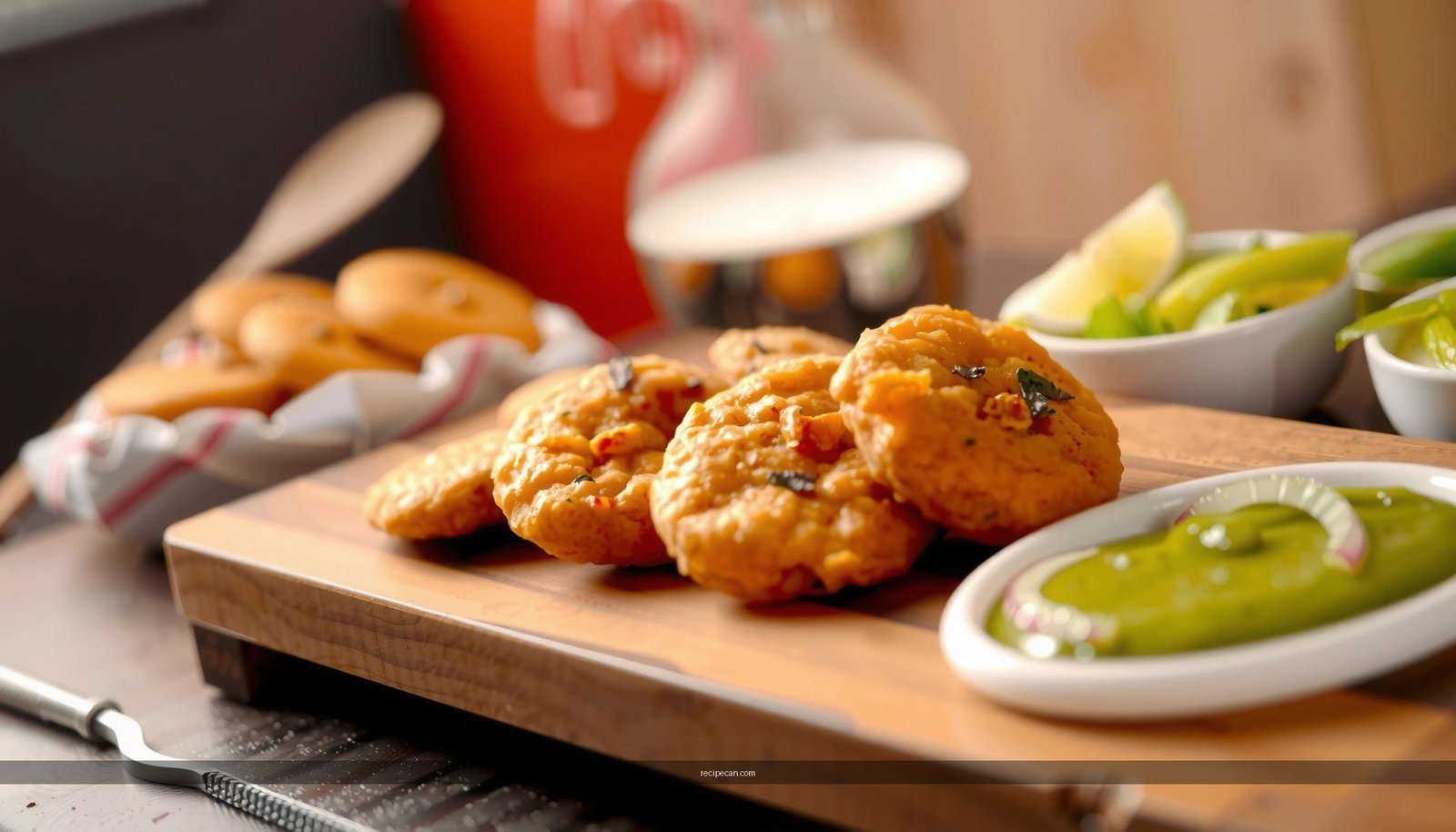
Want a besan puda recipe that delivers shatteringly crispy puda at home? This step-by-step guide shows the exact mix, frying temperature, and timing to turn besan batter into golden, crunchy rounds every time. If you’ve struggled with soggy results, follow this method and you’ll get the crispness you came for.
Besan puda are best made crispy when you use roasted besan and control two variables—dough consistency and oil temperature—so the outside browns quickly while the inside stays tender. In this recipe, you’ll get a reliable dough-to-frying process (with optional baking) and clear troubleshooting so your crispy besan puda turn out consistently at home.
Ingredients for Besan Puda Recipe
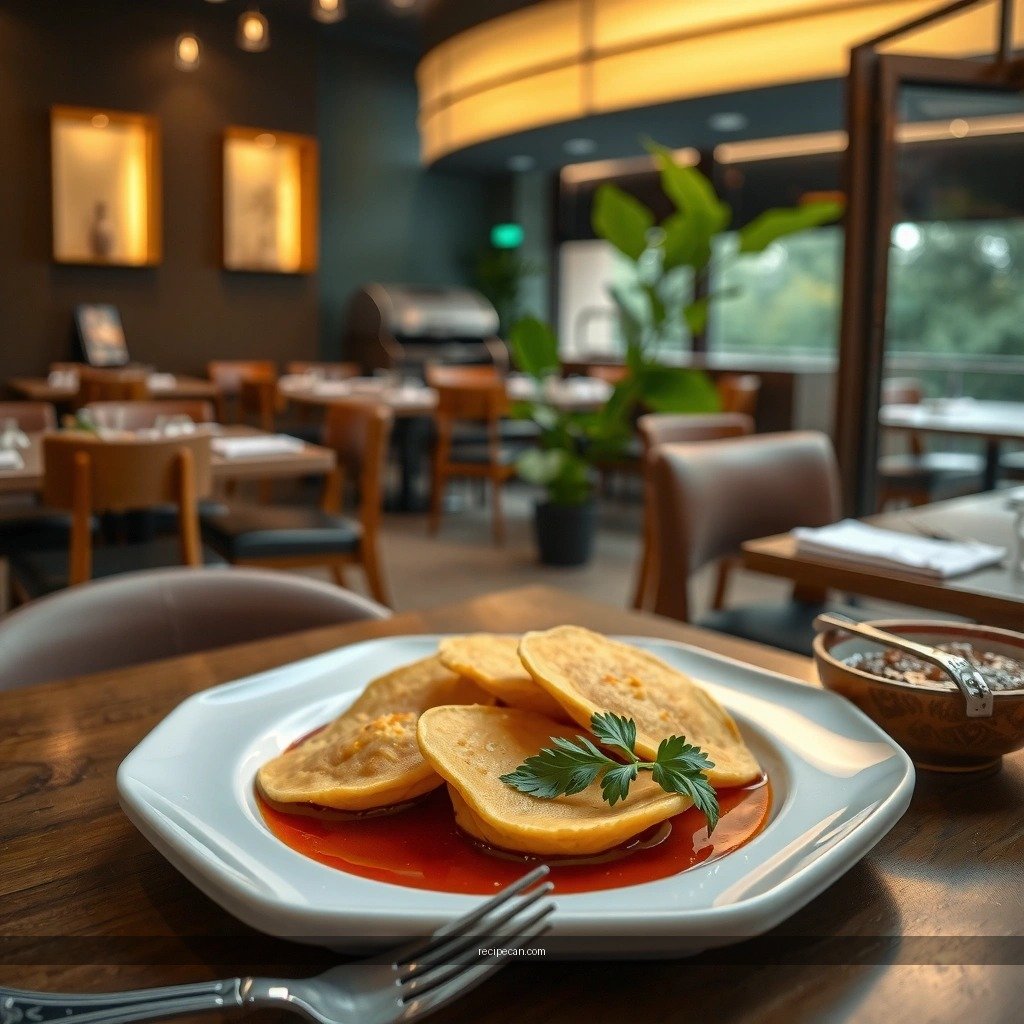
Besan puda are spiced, savory fried snacks built on roasted gram flour (besan). The goal is to create a dough that holds shape, fries evenly, and develops a crisp, lacy exterior without turning dry or greasy.
Core ingredients (with purpose):
– Roasted besan (gram flour): Use pre-roasted besan or lightly roast fresh besan until aromatic. Roasted flour improves flavor and reduces the tendency of puda to taste “raw.”
– Spices (for the classic puda profile):
– Cumin powder or cumin seeds (jeera) for warmth
– Chili powder for gentle heat
– Ajwain (optional): Adds a distinct, aromatic note and helps digestion—common in many Indian savory snacks.
– Turmeric (optional, for color and mild earthiness)
– Binding and moisture:
– Yogurt (curd) or water added gradually to form a firm but pliable dough.
– Yogurt contributes acidity and tenderness, which helps the puda crisp without staying hard.
– Salt: Add to taste; salt also helps the dough bind properly.
– Oil for frying: Neutral oils like sunflower, peanut, or vegetable oil work well.
Typical flavor boosters (optional but recommended):
– Crushed ginger (a small amount) for sharpness
– A pinch of sugar (optional): balances chili notes and can improve browning
Target Crisping Parameters for Crispy Besan Puda
| # | Crispness Factor | Target Value | What Happens if Off | Outcome |
|---|---|---|---|---|
| 1 | Oil temperature | 175–185°C | Below 175°C absorbs oil; above 190°C browns before internal set | Better crisp shell |
| 2 | Dough consistency | Firm, holds shape; not sticky | Wet dough spreads; dry dough cracks and sheds crumbs | Even browning |
| 3 | Disc thickness | 6–8 mm | Thicker = undercooked center; thinner = over-drying | Crisp outside, soft inside |
| 4 | Resting time | 10–15 minutes | Too short = grainy texture; too long = dough tightens, hard to shape | Better texture set |
| 5 | Frying batch size | 3–5 puda per batch (pan-dependent) | Overcrowding drops temperature, making puda oily | Crisper finish |
| 6 | Fry time per side | 2–3 minutes | Longer = deep color + dryness; shorter = pale, under-set interior | Right crunch |
| 7 | Post-frying cooling | 1–2 minutes before storage | Storing immediately traps steam → soft texture | Lasting crispness |
Dough Preparation & Resting
The dough is where most besan puda either succeed or fail. Since besan absorbs water at different rates (especially if your brand is finely milled), the technique matters more than exact spoons.
Step-by-step dough building:
1. Mix dry ingredients first: Combine roasted besan, salt, cumin/ajwain (if using), chili powder, and any optional turmeric. Dry mixing helps distribute spices evenly.
2. Add yogurt/water gradually: Start with a small portion and mix until a thick, shaggy mixture forms. Then add more liquid a tablespoon at a time.
3. Aim for firmness: You want a dough that can be shaped into thick discs without spreading. If it feels sticky, add 1–2 tablespoons roasted besan. If it’s cracking, add a few drops of water/yogurt.
4. Knead briefly (not aggressively): Mix just enough to make the dough smooth and lump-free.
5. Rest 10–15 minutes: Resting allows the besan to hydrate and the gluten-free matrix to firm up, improving frying structure.
Analytical troubleshooting:
– Too loose dough: puda puff unevenly and can become soft after a few minutes.
– Too stiff dough: discs crack at the edges; oil gets into micro-cracks and can leave an unpleasant crumbly feel.
– Grainy dough: usually means insufficient mixing or too little resting time.
Shaping the Pudas
Shaping controls two things: surface area (how fast it fries) and thickness uniformity (how evenly it browns). If your discs vary, you’ll end up with some puda pale and others over-browned.
Practical shaping method:
– Portion consistently: Divide dough into equal balls—this is the easiest way to keep puda size uniform.
– Pat into thick discs: Flatten to about 6–8 mm. Too thin leads to dryness; too thick delays internal cooking.
– Avoid over-handling: Excess pressing can make edges thin and prone to breaking.
– Optional: gentle scoring: If you like a “more lacy” exterior, lightly press a fork on the surface—do it once per disc to avoid thinning.
Consistency check (quick): When you lift a disc, it should hold its shape without sagging. If it droops, your dough is too wet.
Cooking Methods: Frying vs Baking (Choose One)
Both methods can produce crisp besan puda, but frying gives the most reliable crunch in the shortest time. Baking is a better “reduced-oil” option when you want easier cleanup.
Frying method (recommended for traditional crispness)
– Heat oil to 175–185°C. If you don’t have a thermometer, test by dropping a small dough piece: it should bubble steadily, not violently.
– Gently slide discs into oil. Do not overcrowd—temperature drops make puda greasy.
– Turn once when the underside looks golden. Turning too often breaks the crust as it forms.
– Drain on a rack or paper towel for minimal oil retention.
Baking method (oil-light and oven-friendly)
– Preheat oven to 220°C (or 200°C convection).
– Place discs on a lined tray with space between them.
– Lightly coat with oil spray (or brush minimal oil).
– Bake until crisp, flip halfway. Baking time often ranges 15–25 minutes depending on oven and thickness—monitor for color, not just time.
Best choice depending on your goal:
– Want “festival-style” crunch? Frying.
– Want a lighter snack with less oil? Baking, with a slightly thicker disc for better structure.
Tips for Perfect Crispy Besan Puda
Use these field-tested controls—together they explain why some batches turn out crisp while others don’t.
– Don’t overmix the dough: Mix until smooth and cohesive. Overmixing can make the dough tough and reduce the delicate crispness you want.
– Maintain steady oil temperature:
– Cool oil = greasy texture
– Too hot oil = rapid browning, undercooked interior
– Choose roasted besan for crispness: Raw besan tends to remain chalky and reduces the crisp shell formation.
– Control thickness: Even 1–2 mm variation can change browning speed.
– Spice balance: Ajwain (optional) and cumin add aroma that becomes more noticeable once crisp; go easy if you’re not used to strong flavors.
– Timing matters: For peak crunch, serve immediately after frying (or within 15 minutes). Crisps degrade as steam redistributes.
Common Problems & Fixes for Besan Puda
| # | What You See | Likely Cause | Correction | Expected Result |
|---|---|---|---|---|
| 1 | Greasy puda | Oil too cool or pan overcrowded | Heat oil to 175–185°C; fry in smaller batches | Crust forms fast, less oil uptake |
| 2 | Pale color | Oil temperature low or fry time short | Maintain temperature; fry 2–3 minutes per side | Golden, evenly cooked exterior |
| 3 | Cracked edges | Dough too dry | Add a few drops of water/yogurt; re-knead briefly | Smooth discs, better bite |
| 4 | Hard, dry puda | Over-fried or discs too thin | Reduce fry time; keep thickness 6–8 mm | May need to soften with fresher batch |
| 5 | Soft after 10–15 minutes | Steam trapped during storage | Cool 1–2 minutes before storing; reheat to restore crisp | More lasting crunch |
Shaping & Cooking Timing Overview (Quick Workflow)
If you want a repeatable home process, treat besan puda like a small production line: mix → rest → shape → fry/bake. This reduces variability and improves batch reliability.
Recommended workflow for frying:
– Mix dough: 5–8 minutes
– Rest: 10–15 minutes
– Shape: 10–15 minutes
– Fry: 2–3 minutes per side (watch color)
– Drain: 30–60 seconds on rack/paper towel
This rhythm matters because besan dough hydrates over time; if you wait too long, the discs can lose shape or dry at the surface.
Serving & Storage
Besan puda are best served hot, but the way you store and reheat them determines how much crispness you preserve.
Serving ideas:
– Mint chutney for freshness and a cooling contrast to chili
– Tamarind chutney for tangy depth
– Coriander-coconut dip (or coriander chutney) for a bright, aromatic pairing
Serve with a hot tea or coffee for a cafe-style snack experience at home.
Storage best practices:
– Cool slightly first: Let puda rest 1–2 minutes before placing them in an airtight container. This prevents steam from softening the crust.
– Short storage only: Crispy snacks typically degrade faster than baked goods. For best texture, consume within 24 hours for fried puda.
Reheating for restored crisp:
– Pan (best for crunch): Warm on a dry skillet over medium heat for 1–2 minutes per side.
– Oven: Reheat at 180–190°C for 5–8 minutes, flipping once if needed.
– Microwave: Avoid if you want crispness; it tends to soften.
Besan puda are easy to make when your dough is the right consistency and your oil temperature is steady. Follow the shaping and cooking tips above, then serve hot with your favorite chutney—try this besan puda recipe today and adjust spices to match your taste.
Besan puda deliver the perfect balance of crisp texture and spiced flavor when three fundamentals stay consistent: roasted besan for better bite, proper hydration for firm dough, and controlled frying/baking conditions for even crisping. Use the troubleshooting guidance to dial in your batch, and you’ll be able to produce reliably crispy besan puda at home—ideal for everyday snacking, tea-time hosting, or scaled preparation for parties.
Frequently Asked Questions
What is besan puda and how is it different from other besan snacks?
Besan puda is a savory Indian snack made from roasted gram flour (besan) mixed with spices and a soft dough-like batter, usually shaped and cooked on a tawa or in an appe pan. Unlike pakoras or cheelas, besan puda has a richer, slightly sweet-savory profile because the batter is cooked to a denser, “puda” texture rather than staying thin or frittered. It’s popular for tea-time because it’s filling and doesn’t require deep frying.
How do you make besan puda at home without lumps?
Start by sifting besan and dry roast it lightly so the flour becomes aromatic and easier to mix. Whisk spices (like ajwain, turmeric, chili powder, and salt) into the besan, then add water gradually to form a smooth batter or thick dough; avoid adding all water at once. For extra smoothness, you can strain the mixture once before cooking, and rest it for 10–15 minutes to hydrate and reduce lumps.
Why does besan puda become hard or dry, and how can you prevent it?
Besan puda turns hard or dry when the batter is too thick, over-roasted besan, or cooked on very high heat for too long. Keep the batter medium-thick, and cook on medium heat so the puda cooks evenly and stays soft. If you notice dryness, cover briefly while cooking and consider adding a small splash of water or curd to the next batch for better moisture retention.
Best way to cook besan puda—tawa, appe pan, or shallow-fry?
For a classic, evenly cooked texture, use a tawa with a little oil and cook on medium heat until both sides turn golden. An appe pan (mini idli/muffin maker) helps portion control and gives uniform shape, making it great for batch cooking. Shallow-frying works too, but it can make the puda slightly heavier and oilier—so use limited oil if you prefer a lighter besan puda.
Which ingredients are essential for a tasty besan puda, and what substitutions work?
Essential ingredients include roasted besan, ginger-green chili paste or ginger, ajwain (optional but common), turmeric, chili powder, salt, and a binder like yogurt or a little oil depending on your method. To make it gluten-free, stick to besan only and skip any wheat-based additions; if you want extra flavor, add chopped onions, coriander, or grated bottle gourd (lauki). If you don’t have besan, avoid substitutes because the characteristic taste and texture come specifically from gram flour.
References
- https://scholar.google.com/scholar?q=besan+puda+recipe Google Scholar
https://scholar.google.com/scholar?q=besan+puda+recipe - Google Scholar Google Scholar
https://scholar.google.com/scholar?q=besan+pudi+sweet+recipe - https://scholar.google.com/scholar?q=gram+flour+%28besan%29+fritter+%28puda%29+cooking+study Google Scholar
https://scholar.google.com/scholar?q=gram+flour+%28besan%29+fritter+%28puda%29+cooking+study - Gram flour
https://en.wikipedia.org/wiki/Besan - Gram flour
https://en.wikipedia.org/wiki/Gram_flour - Gram flour
https://en.wikipedia.org/wiki/Chickpea_flour - Pitha
https://en.wikipedia.org/wiki/Pitha - List of Indian sweets and desserts
https://en.wikipedia.org/wiki/Indian_sweets - Fritter
https://en.wikipedia.org/wiki/Fritter - Deep frying
https://en.wikipedia.org/wiki/Deep_frying