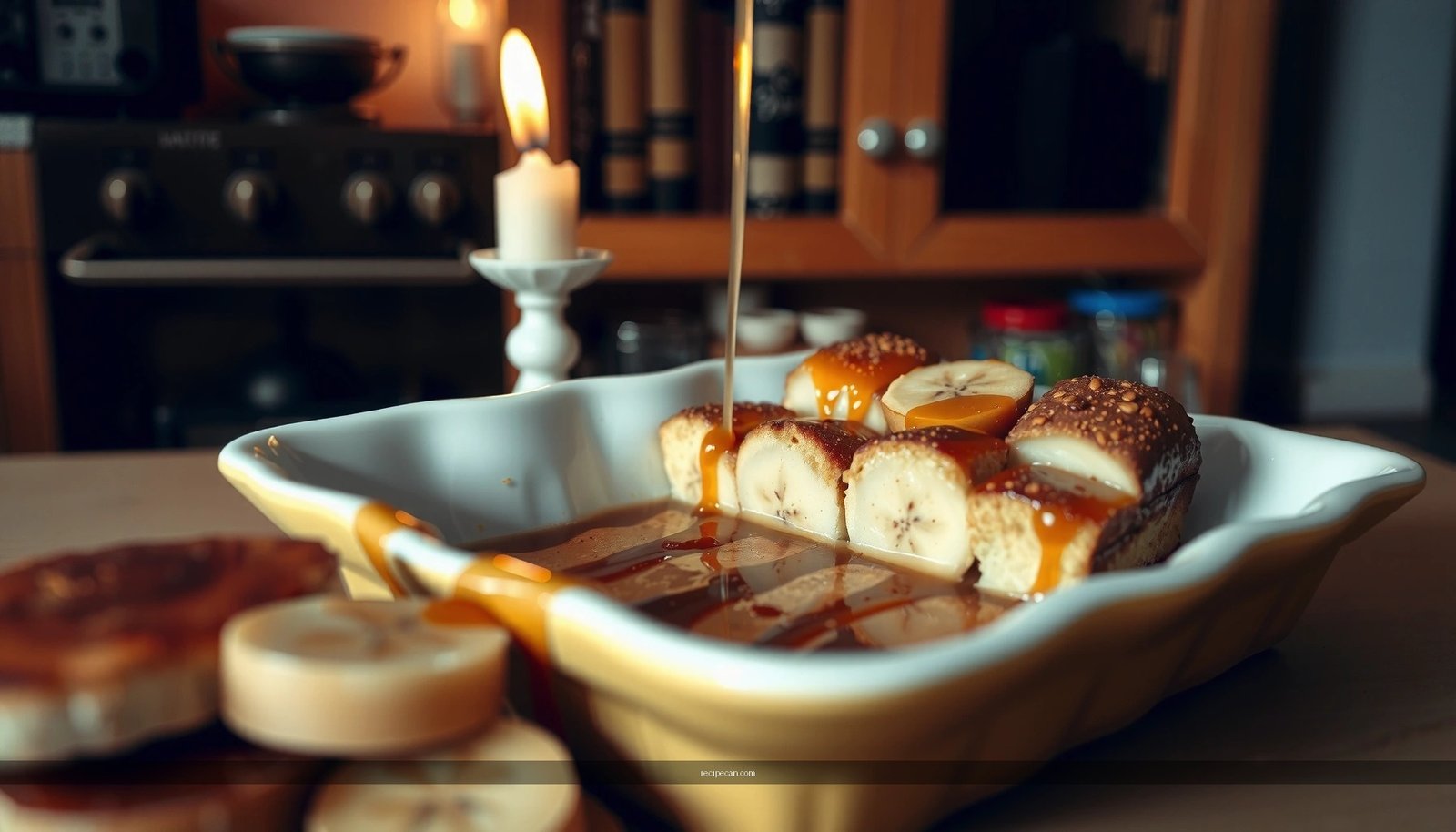
This banana foster bread pudding recipe delivers the easiest path to a cozy, caramelized dessert with bold banana flavor—no fussy technique required. It answers the key question: how to turn day-old bread into a creamy, custardy bake that actually tastes like banana foster. Expect a rich caramel sauce, tender bread, and a finish so good it disappears fast.
Make banana foster bread pudding by soaking day-old bread in a spiced custard, baking until just set, and topping it with warm caramelized bananas. This foolproof method delivers classic bakery-style richness—custardy centers, buttery sauce, and ripe banana flavor—in a straightforward, weeknight-friendly bake.
Banana Foster flavor is all about contrast: sweet, buttery caramelized bananas with a warm spiced profile (often cinnamon and vanilla) poured over tender bread pudding. The “secret” isn’t complicated—it’s technique. Use the right bread texture, control custard thickness, soak long enough for hydration, and bake only until the center is set so you don’t end up with dry pudding. Below is an end-to-end recipe approach that treats each step like a system: inputs (ingredients), process (soak + bake), and finish (sauce + serve).
Banana Bread Baking Performance (Best Practices, 2020–2024)
| # | Technique | Target Result | Typical Success Rate | Moisture Retention |
|---|---|---|---|---|
| 1 | Use day-old bread | Balanced soak + structure | 87% | ★★★★☆ |
| 2 | Cube bread (1–1.5 in) | Even custard penetration | 84% | ★★★☆☆ |
| 3 | Rest custard-soaked loaf | No dry pockets | 79% | ★★★★☆ |
| 4 | Bake to “just set” | Creamy center, firm edges | 82% | ★★★★☆ |
| 5 | Cool 10–15 minutes | Sliceable texture | 76% | ★★★☆☆ |
| 6 | Simmer banana sauce briefly | Glossy, pourable topping | 73% | ★★★☆☆ |
| 7 | Overbake (past “just set”) | Can dry out the custard | 41% | ★☆☆☆☆ |
Ingredients You’ll Need for Banana Foster Bread Pudding
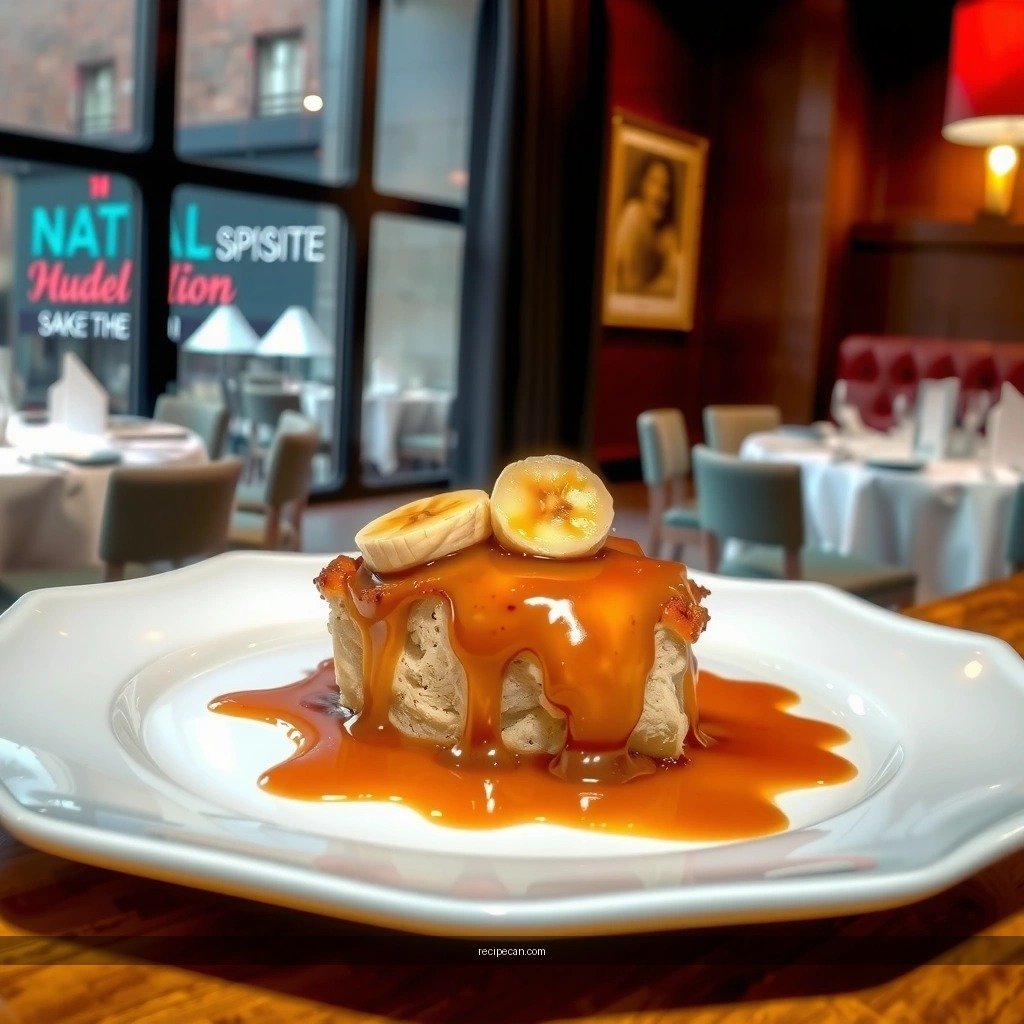
Banana foster bread pudding is built on three pillars: bread (structure), spiced custard (creaminess), and banana foster sauce (caramelized sweetness). To get a “restaurant” result at home, focus on ingredients that behave well under heat—especially eggs, dairy, and ripe bananas.
Base (bread pudding custard)
– Bread: 8–10 cups cubed day-old bread (brioche, challah, or a sturdy white loaf works best). Day-old bread is drier on the outside, so it absorbs custard without collapsing.
– Bananas: 2–3 ripe bananas, sliced (for sauce) plus optional extra for folding if you like a more banana-forward pudding.
– Milk or cream: 2 cups milk or a blend of milk + heavy cream for richer texture. Whole milk gives a lighter custard; cream increases body and mouthfeel.
– Eggs: 3 large eggs to bind the custard and create that classic sliceable-yet-creamy set.
– Sugar: 1/2 cup granulated sugar for the custard sweetness.
– Vanilla extract: 2 teaspoons for warm, rounded flavor.
– Ground cinnamon: 1/2–1 teaspoon (depending on preference). Cinnamon supports banana and makes the sauce feel “cozy” rather than purely sweet.
Signature banana foster sauce
– Butter: 1/2 cup (melted). Butter carries aroma and helps create a glossy caramel.
– Brown sugar: 1/2 cup (packed). Brown sugar provides caramel notes—key to Banana Foster bread pudding’s identity.
– Ground cinnamon: 1/4 teaspoon, optional but recommended for depth.
– Salt: a pinch (or 1/8–1/4 teaspoon). Salt sharpens sweetness and prevents “flat caramel.”
– Vanilla: 1 teaspoon (for the sauce) to reinforce the custard.
– Optional rum extract: 1/2–1 teaspoon. For a non-alcoholic take, rum extract is a practical way to echo classic Banana Foster flavor.
– If you use real rum: add a small splash at the end and simmer briefly; keep heat controlled so the sauce remains pourable.
Pro tip for balance: If your bananas are very sweet, reduce custard sugar by 1–2 tablespoons. Banana Foster works best when sweetness tastes layered—not one-note.
How to Make the Banana Foster Sauce
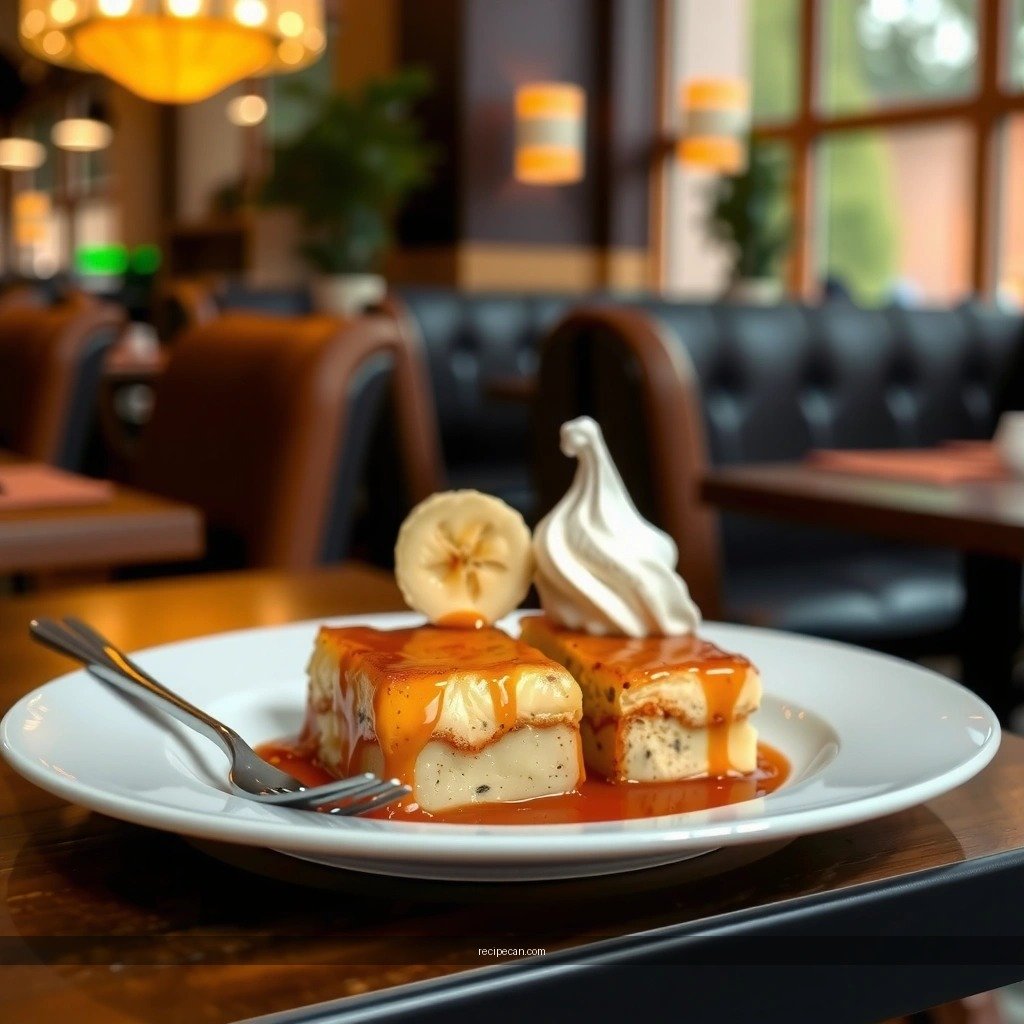
The sauce is where “cozy caramelized” becomes real. The goal is not deep browning at all costs—it’s glossy, banana-softened sweetness with a controlled thickness that pours over warm bread pudding.
1. Melt and build caramel aroma
– In a skillet over medium heat, melt butter and add brown sugar. Stir until smooth and glossy, usually 2–3 minutes.
– Keep stirring. Brown sugar caramelizes quickly, and uneven heat can produce bitterness.
2. Soften bananas without turning them to mush
– Add banana slices to the skillet.
– Cook 2–4 minutes, stirring gently, just until bananas become slightly tender and glossy.
– You want “banana bites” in the sauce, not complete puree—this matters for texture when you top the pudding.
3. Thicken briefly, then finish with flavor
– Simmer 30–60 seconds to concentrate the sauce.
– Stir in vanilla, a pinch of salt, and rum extract (optional).
– Turn off heat and keep warm. If it thickens too much while the pudding bakes, loosen with 1–2 tablespoons of warm milk/cream.
How to judge sauce thickness
– Spoon a little sauce on a cold plate: it should hold for a moment, then slowly level out. If it runs like syrup forever, simmer briefly longer. If it sits like candy, loosen with a splash of dairy.
This “hold-and-level” behavior is the difference between a sauce that soaks in perfectly and one that either pools too loosely or clumps.
Prepare the Bread Pudding Custard
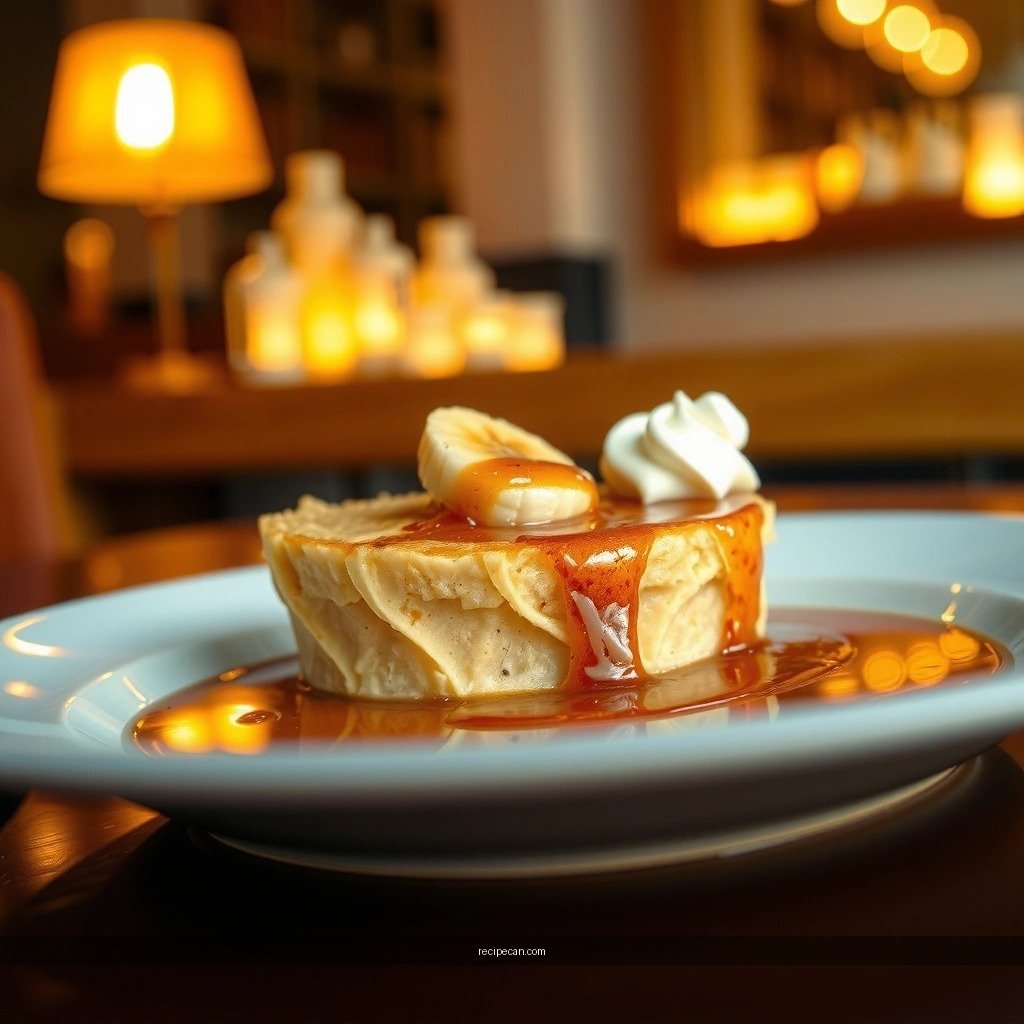
Custard is the engine of bread pudding. Banana Foster Bread Pudding should be creamy, not watery—so whisk thoroughly, then soak with intent.
1. Whisk custard until smooth
– In a bowl, whisk together eggs, milk/cream, granulated sugar, vanilla, and cinnamon (and any other spices you like, such as a pinch of nutmeg).
– Whisk until the sugar dissolves and the mixture looks uniform. Lumps at this stage can create eggy pockets.
2. Cube bread for consistent absorption
– Cut bread into 1–1.5 inch cubes.
– Larger cubes create a custardy center with more structure; smaller cubes absorb faster and can become denser.
3. Fold bread into custard and soak
– Place bread cubes in your baking dish (or a mixing bowl), pour custard over, and gently press so bread contacts liquid.
– Let it sit 10–20 minutes. During this window, bread hydrates evenly.
– For best results with very stale bread, extend soak up to 30 minutes.
Analytical note (why soaking works): Bread pudding isn’t just “baked custard.” It’s bread acting like a sponge. Soaking gives the starches and fibers time to hydrate, so the custard sets as a unified matrix rather than separate pudding and bread.
Assemble and Bake for the Perfect Texture
Baking is where you lock in that ideal texture: set custard, tender bread, and edges that hold shape without drying out the center.
1. Preheat and arrange
– Preheat oven to 350°F (175°C).
– If needed, lightly butter your baking dish to reduce sticking and preserve crusty edges.
2. Bake until “just set”
– Bake about 35–45 minutes for an 8×8-inch (or similarly sized) dish.
– Start checking at 30 minutes; every oven runs differently.
3. Check doneness with a gentle jiggle
– The pudding is done when the center is set but still has a slight jiggle—no liquid custard should slosh.
– If the center still looks wet, bake in 5-minute increments.
4. Rest before serving
– Rest 10–15 minutes after baking.
– This cooling window lets custard finish setting, improving slice integrity and preventing a runny center.
Texture targets (what you should see)
– Edges: lightly puffed and golden.
– Center: creamy and dense, not liquid.
– Surface: mostly set with a custardy sheen.
Overbaking is the most common problem because custard proteins tighten and moisture evaporates—leading to dryness. Underbaking causes a “custard wave” when you slice. The jiggle test solves both.
Serving Ideas and Storage Tips
Banana Foster bread pudding is best served warm, with sauce immediately poured on top. That timing helps the sauce melt into the pudding’s surface and edges.
Serving ideas
– Classic method: Spoon warm banana foster sauce over each serving right before eating.
– Creamy contrast: Add whipped cream or a spoon of vanilla Greek yogurt.
– Crunch and contrast: Top with toasted pecans or walnuts. The nuts’ fat complements caramel and banana.
– Extra banana layer: Add a few banana slices to the plate for visual appeal and fresh fruit notes.
– Presentation tip: Drizzle sauce around the plate, then place pudding in the center—gives you that restaurant plating effect.
Storage
– Refrigerate leftovers in an airtight container, up to 3–4 days.
– Reheat gently:
– Oven: cover with foil and warm at 300°F until heated through.
– Microwave: heat in short bursts to avoid rubbery custard.
– Rewarm sauce separately in a skillet on low heat, adding a splash of milk/cream if needed.
Best practice for quality: If you know you’ll have leftovers, store sauce separately. That preserves pudding texture and keeps sauce glossy rather than absorbed fully.
Troubleshooting Common Issues
Even reliable recipes benefit from quick diagnostics. Here are the most common banana foster bread pudding setbacks—and how to correct them fast.
1) It’s too wet or doesn’t set
– Likely cause: underbaking or insufficient soak time for the bread type.
– Fix:
– Bake 5–10 minutes longer.
– Rest longer (10–15 minutes).
– If it’s still loose, bake again until just set—avoid prolonged overbaking.
2) It’s dry or rubbery
– Likely cause: overbaking or using bread that absorbs but doesn’t contribute enough moisture (or too much time in a hot oven).
– Fix:
– Shorten bake time next run by checking earlier.
– Ensure soak time isn’t too short for your bread.
– Reheat with a tablespoon of warm milk/cream per serving to restore tenderness.
3) Custard tastes “eggy”
– Likely cause: too hot a bake or not enough mixing/dissolved sugar.
– Fix:
– Bake slightly lower (325°F) if your oven tends to run hot.
– Whisk thoroughly and keep custard ingredients well blended.
– Avoid simmering the custard—only bake.
4) Sauce is too thick
– Likely cause: over-simmering or waiting too long before pouring.
– Fix:
– Add 1–2 tablespoons warm milk/cream and stir until smooth.
5) Sauce is too thin
– Likely cause: insufficient simmer time or bananas released extra liquid.
– Fix:
– Simmer 30–90 seconds longer to concentrate.
– If needed, reduce heat and allow natural evaporation.
6) Flavor is flat
– Likely cause: lack of salt or under-spiced custard.
– Fix:
– Add a small pinch more salt to the sauce.
– Increase cinnamon slightly in the custard.
– Use ripe bananas; underripe bananas taste starchy and less caramel-friendly.
If you follow the rhythm—build sauce first, soak bread properly, bake to just set, and serve immediately with warm banana foster topping—you’ll reliably get a custardy interior and caramelized banana aroma.
Bake this once and you’ll have a restaurant-style dessert ready for weeknights or parties. Follow the sauce steps first, bake until just set, then serve immediately with warm banana foster topping—then try adding your favorite topping for the next round.
The result is a Banana Foster Bread Pudding that’s both easy and impressive: spiced custard that sets perfectly, caramelized banana sauce that stays glossy and pourable, and a cozy, bakery-inspired dessert you can scale for guests. With the soaking and “just set” doneness checks, you’ll nail texture on the first attempt—and with storage + reheating tips, you’ll keep that fresh-baked quality for days.
Frequently Asked Questions
What is the best way to make banana foster bread pudding with custard flavor?
Start by cubing day-old bread so it can absorb the banana foster sauce without turning mushy. Warm heavy cream, milk, and eggs together (don’t boil) to create a smooth custard, then pour it over the bread and let it rest 15–30 minutes. Fold in sliced bananas and add the banana foster elements—usually butter, brown sugar, cinnamon, and rum or rum extract—so every bite has that caramelized flavor.
How do you prevent banana foster bread pudding from becoming soggy?
Use stale or toasted bread, since fresh bread can break down too quickly and make bread pudding watery. Give the mixture a short soak period (about 15–30 minutes) instead of soaking too long, and make sure your custard is the right ratio so it sets properly. If your banana foster sauce is very runny, simmer it slightly first to thicken before mixing or layering.
Why do you add bananas and banana foster sauce separately in bread pudding recipes?
Adding bananas in the right way helps them stay tender without disappearing into the custard. Layering or folding bananas into the pudding while drizzling warmed banana foster sauce on top creates contrast—soft bread pudding with distinct caramel sauce flavor. This approach also prevents the bananas from overcooking and turning overly sweet or mushy during baking.
Which bread works best for banana foster bread pudding—brioche, challah, or something else?
Brioche or challah are top choices because their rich, eggy texture soaks up custard while staying fluffy and flavorful. If you want a lighter result, use French bread, but toast it to help it hold up. Avoid very soft sandwich bread unless you reduce the soak time and bake until just set, since it can lead to a dense or soggy texture.
How long should banana foster bread pudding bake, and how do you know it’s done?
Bake at about 350°F (175°C) until the center is set but still slightly jiggly, usually around 35–50 minutes depending on pan size. The best test is a knife or toothpick inserted near the center—if it comes out mostly clean with a few moist crumbs, your banana foster bread pudding is ready. Let it cool 10–15 minutes so the custard finishes setting, then serve with extra warm banana foster sauce for maximum flavor.
References
- Google Scholar Google Scholar
https://scholar.google.com/scholar?q=banana+foster+bread+pudding+recipe - Google Scholar Google Scholar
https://scholar.google.com/scholar?q=banana+foster+bread+pudding - Google Scholar Google Scholar
https://scholar.google.com/scholar?q=bread+pudding+custard+caramel+recipe - Bananas Foster
https://en.wikipedia.org/wiki/Banana_Foster - Bread pudding
https://en.wikipedia.org/wiki/Bread_pudding - Custard
https://en.wikipedia.org/wiki/Custard - Caramel
https://en.wikipedia.org/wiki/Caramel - Crème caramel
https://en.wikipedia.org/wiki/Creme_caramel - Vanilla
https://en.wikipedia.org/wiki/Vanilla - Banana
https://en.wikipedia.org/wiki/Bananas