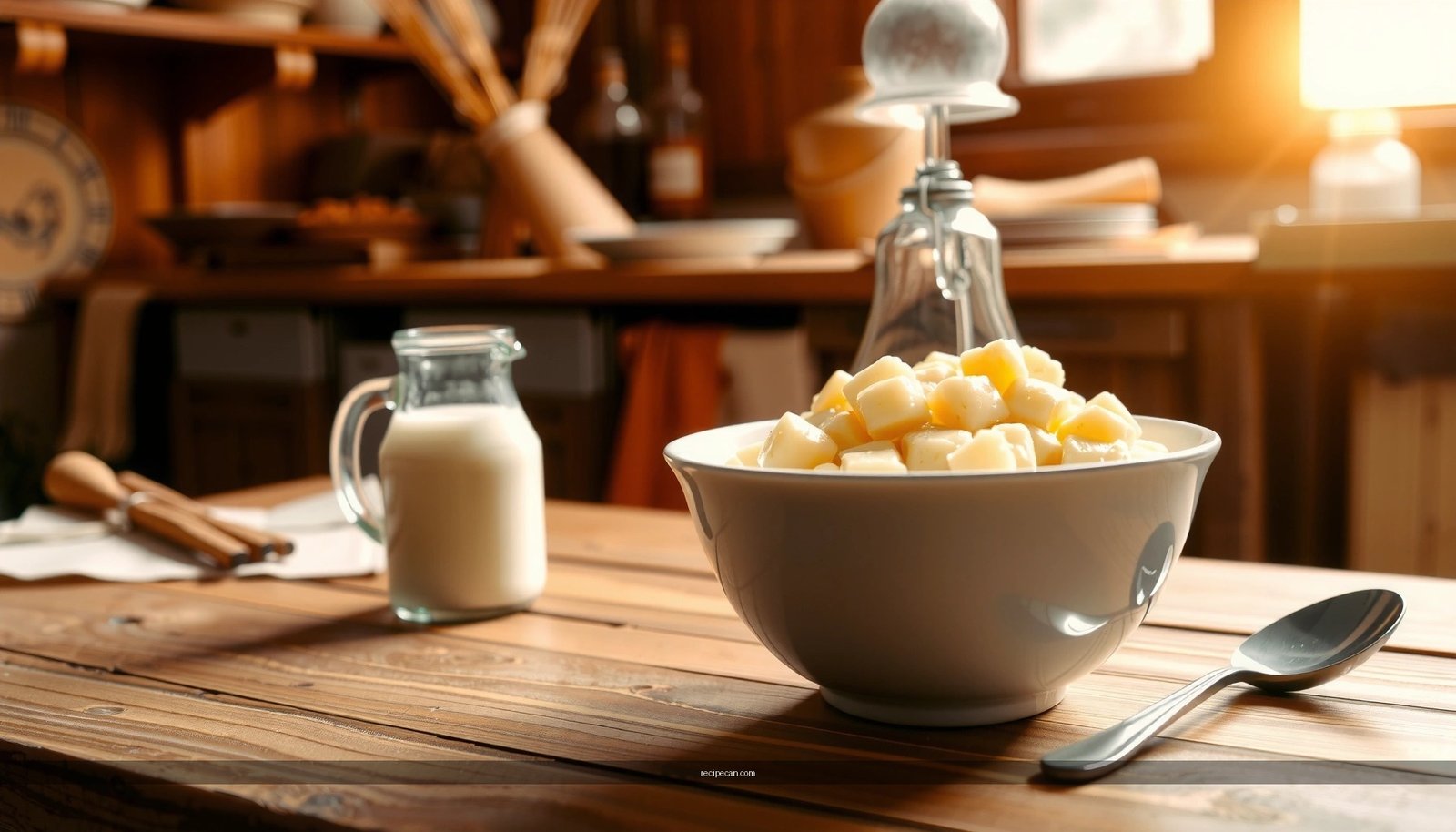
Looking for the best Amish tapioca pudding recipe? This creamy, homemade version delivers the classic spoonable texture with a straightforward method and reliable timing, so it sets up perfectly every time. If you want an easy dessert that tastes old-fashioned and cooks without stress, this is the clear winner.
Amish tapioca pudding comes together when you cook quick-cooking tapioca (or instant, if that’s what you choose) in warmed milk and sugar, then create a smooth, custard-like finish by tempering eggs and simmering to the right thickness. The key is process control—stir consistently, avoid aggressive boiling, and chill until the pudding fully sets for that creamy spoonable texture.
Make Amish tapioca pudding with quick-cooking tapioca, milk, and eggs, then simmer until thick and creamy. You’ll learn the classic step-by-step method, the right texture to aim for, and easy tips to keep it smooth and flavorful.
What You Need for Amish Tapioca Pudding

– Gather ingredients like tapioca, milk, sugar, eggs, and vanilla
– Include optional add-ins such as cinnamon or butter for extra richness
– Use the right type of tapioca (quick vs. instant) for best results
To make classic Amish tapioca pudding, you need a short list of staples—and the proportions matter more than fancy ingredients. At its core, this dessert is a gentle milk-and-starch system: tapioca absorbs liquid and thickens as it cooks, while egg yolks add custard body and a silky mouthfeel.
Core ingredients (typical Amish-style):
– Quick-cooking tapioca (most common for home recipes): cooks relatively fast and forms a creamy base without requiring a long soak.
– Milk: whole milk is ideal for richness and stable texture; 2% can work but may taste slightly less creamy.
– Sugar: balances the mild flavor of tapioca.
– Eggs: usually whole eggs or egg yolks depending on the household style; tempering is essential for smoothness.
– Vanilla: rounds out the flavor profile and makes the pudding taste “finished.”
Optional add-ins that still fit the tradition:
– Ground cinnamon (stir in lightly, or serve a pinch on top)
– Butter (whisk in at the end for gloss and richness)
– A pinch of salt (improves flavor clarity and reduces “flat” sweetness)
Choosing the right tapioca matters
Not all tapioca behaves the same. If you pick the wrong type, your pudding can end up grainy, too thick, or too loose. Quick-cooking tapioca is often the sweet spot for a home-friendly Amish-style method because it thickens efficiently while still producing a spoonable, creamy result after chilling.
Tapioca Types and How They Affect Texture (Home Cooking)
| # | Tapioca Type | Typical Cook Time | Soak Needed? | Best For | Texture Outlook |
|---|---|---|---|---|---|
| 1 | Quick-Cooking Tapioca Pearls | 8–12 min | Usually no | Stovetop Amish-Style Pudding | Creamy, glossy, spoonable |
| 2 | Instant Tapioca | 2–5 min | No | Fast Thickening | Often very smooth; can set firm |
| 3 | Small-Pearl Tapioca | 10–15 min | Optional | Even Cooking Without Lumps | Creamy with fine texture |
| 4 | Pearl Tapioca (Traditional) | 30–45 min | Often recommended | Long-Cook Classic Texture | Soft pearls; custard-like body |
| 5 | Tapioca Starch (Flour) | 5–10 min | No | Sauce-Style Thickness | Smooth, but not “pearled” |
| 6 | Giant-Pearl Tapioca | 45–60 min | Often recommended | Desserts With Chewy Pears | Distinct chew; thicker body |
| 7 | Whole Tapioca (Mixed Cuts) | 20–30 min | Variable | Comfort Pudding | Can be uneven if not stirred well |
How to Cook Tapioca to the Right Texture
– Soak (if required by your tapioca type) before simmering
– Heat gradually and stir often to prevent lumps
– Simmer until the mixture turns glossy and thick
The texture of Amish tapioca pudding is won in the “tapioca stage” before eggs ever enter the pot. When tapioca cooks properly, it transforms from opaque pearls into a translucent, glossy thickener that suspends evenly throughout the milk.
1) Confirm whether soaking is required
– Many quick-cooking tapioca pearls can go straight into the pot.
– If your package specifies soaking (common with traditional pearls), soak in cool water for the time listed, then drain and proceed.
2) Use gradual heat
Bring milk and sugar to a warm simmer rather than a hard boil. Sudden high heat can cause the outside of pearls to thicken before the center fully hydrates, increasing the chance of a “chalky” bite.
3) Stir with purpose
Stir constantly at first, then more frequently as the mixture thickens. Tapioca can settle and stick to the bottom, so use a spoon or whisk that reaches the corners and bottom of the pot.
4) Know the visual cue
Aim for a mixture that looks:
– glossy, not dull
– thick enough to coat the back of a spoon
– slow-moving when you stir, with fewer floating pearls and more uniform thickening
Practical timing guidance
If you’re using quick-cooking tapioca, you’ll typically see thickening within 8–12 minutes. If it’s not thickening, don’t just add more time—also confirm your heat level and that you’re not skipping stirring. Conversely, if it becomes extremely thick before you add eggs, you may be overcooking; in that case, whisk in a splash of milk to correct consistency before the custard stage.
Making the Creamy Egg Custard Base
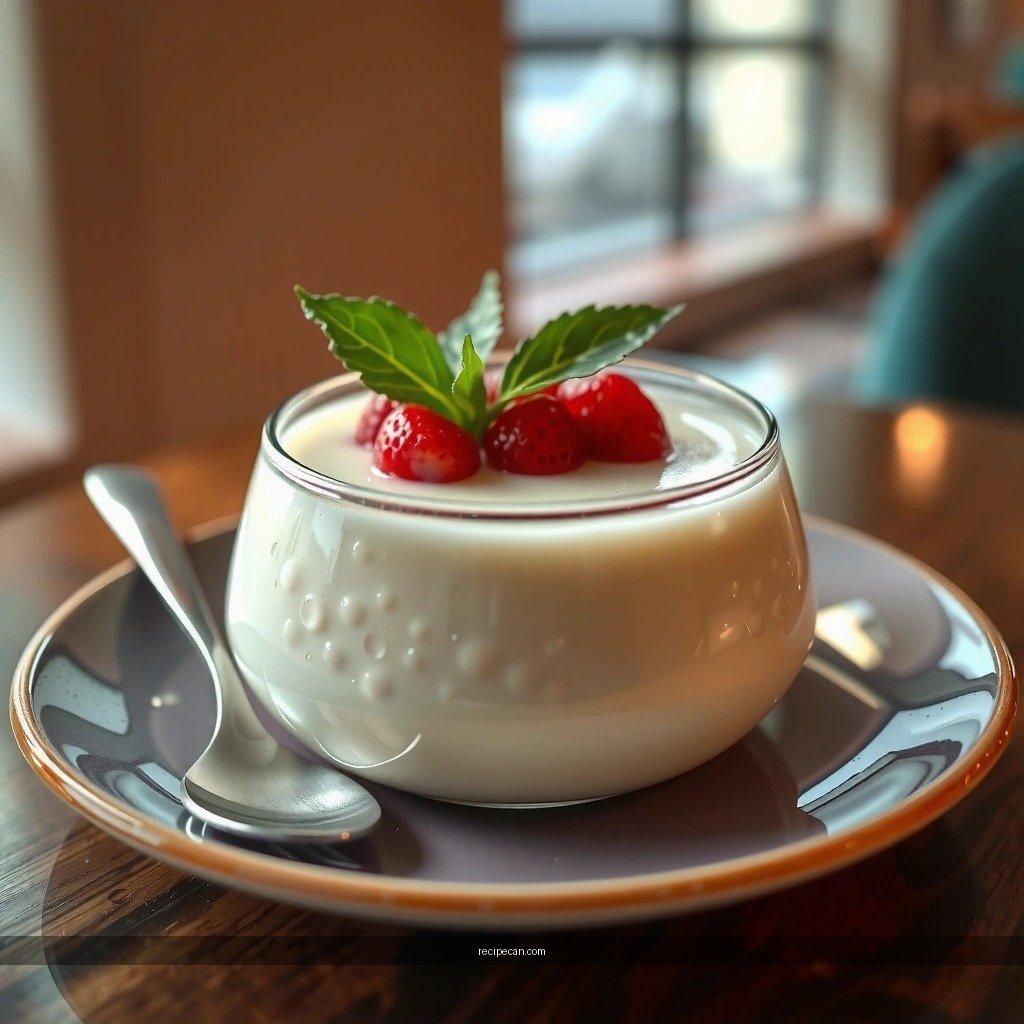
– Temper eggs before adding to hot mixture for a smooth pudding
– Stir continuously as it thickens to avoid curdling
– Cook just long enough to reach a custard-like consistency
Once tapioca is hydrated and thick, eggs are what elevate this pudding from “thick milk with pearls” to creamy Amish-style comfort. Eggs provide custard structure through proteins that gently set as they heat.
1) Tempering: the anti-curdle method
Tempering prevents scrambled eggs. The process is simple:
– Whisk eggs in a bowl until smooth.
– Slowly drizzle in a small amount of the hot tapioca mixture while whisking continuously.
– Add the tempered eggs back into the pot in a thin stream, stirring as you go.
A good rule: if you can’t pour a stream without stopping to whisk, you’re adding too fast. Slow down, keep whisking.
2) Heat carefully—no aggressive boiling
After adding eggs, maintain a gentle simmer or low heat. Boiling shakes the custard structure and makes curdling more likely. You’re looking for thickening, not boiling drama.
3) Stir continuously while thickening
Stir frequently with a whisk or spoon. Custard thickness can go from “just right” to “too thick” quickly, especially once the pudding chills.
4) Stop at custard consistency
When the mixture coats the spoon and holds a line when you run your finger through it (on the back of a spoon), it’s ready. If you keep cooking, the pudding can become grainy or overly firm after chilling.
5) Vanilla and finishing touches
Vanilla is commonly added after the custard is cooked, when the heat is low. For extra richness, stir in butter at the end—this also smooths texture by dispersing fat evenly.
Flavor Variations (Classic vs. Spiced)
– Keep it simple with vanilla and a pinch of salt
– Add cinnamon for a warm, traditional twist
– Stir in butter at the end for a richer finish
Amish tapioca pudding is naturally mild, which makes it receptive to flavor accents. The goal isn’t to mask tapioca—it’s to complement it.
Classic, balanced profile
– Vanilla: use pure vanilla extract when possible
– Salt: a small pinch sharpens sweetness and reduces “dull” milk flavor
– Keep cinnamon optional so the pudding tastes clean and old-fashioned rather than “dessert-spiced.”
Spiced variation (traditional-leaning)
Add cinnamon in one of two ways:
– Stir a measured amount into the milk early (subtle, even flavor)
– Or serve with a light dusting after chilling (more aromatic, less uniform)
For best results, use cinnamon as a measured seasoning rather than a heavy layer—tapioca absorbs flavor, so too much can dominate the delicate custard.
Butter for gloss and richness
Stir in butter off-heat or at the very end on low. Butter adds:
– smoother mouthfeel
– slight sheen (“glossy” look)
– a more rounded finish that tastes especially good warm
Chilling and Serving Tips
– Cool slightly, then refrigerate until fully set
– Serve warm or cold depending on your preferred texture
– Top with fruit, whipped cream, or a light dusting of spice
Cooling is not optional if you want the classic Amish tapioca pudding texture. As it chills, tapioca thickens further and the custard base firms into a spoonable set.
Cooling method
1. Let the pudding cool at room temperature briefly (often 10–20 minutes) to reduce condensation.
2. Cover with plastic wrap pressed directly onto the surface (prevents skin).
3. Refrigerate until fully set—typically a few hours, often best overnight.
Warm vs. cold texture
– Warm (right after cooking): softer, more fluid, with a “pourable pudding” feel.
– Cold (fully set): thicker, more sliceable in spirit, and richly creamy.
Choose your serving temperature based on texture preference. If serving at an event, cold pudding travels well in containers; warm pudding can be smoother right before serving.
Toppings that pair well
– Fresh or cooked fruit (berries, sliced peaches, or apples)
– Whipped cream (for an indulgent dessert plate)
– Cinnamon dust or nutmeg—lightly applied so it doesn’t overwhelm
Portioning tip for business-style presentation
Spoon into small jars for consistent portion sizes and clean presentation. The pressed plastic wrap technique makes jar surfaces look glossy and professional.
Troubleshooting Common Issues
– If it’s lumpy, whisk vigorously and simmer a bit longer
– If it’s too thin, simmer longer or chill to thicken
– If it’s grainy, avoid boiling and temper eggs carefully
Even reliable recipes can misbehave if heat, timing, or tempering isn’t consistent. Use these fixes to diagnose quickly.
Problem: pudding is lumpy
Likely cause: tapioca didn’t fully hydrate or stirring was insufficient.
– Whisk vigorously to break up lumps.
– Simmer gently a few more minutes, stirring often.
– If lumps persist, blend carefully (optional) after cooling slightly.
Problem: pudding is too thin
Likely cause: undercooked tapioca or custard stage didn’t thicken enough.
– Simmer longer on low while stirring.
– Remember: chilling thickens noticeably—so don’t panic instantly.
– If it remains thin after full refrigeration, revisit the recipe ratios next time.
Problem: pudding is grainy
Likely cause: eggs curdled from high heat or uneven tempering.
– Next time, reduce heat and whisk continuously during custard stage.
– Temper more slowly and gradually.
– If graininess is mild, gently reheat on low while whisking to smooth (though prevention is best).
Problem: pearls taste “starchy” or underdone
Likely cause: tapioca hydration was incomplete.
– Cook longer during the tapioca stage until glossy and uniformly thick.
– Avoid boiling once eggs are added; instead, ensure tapioca is right before custard.
Verdict: Quick Guide to Success
– Quick-cooking tapioca plus gentle heat yields the smoothest Amish-style results
– Temper eggs to protect the custard and keep the texture silky
– Chill fully for the classic spoonable thickness
Amish tapioca pudding is all about simmering to the right thickness and creating a smooth custard base. Follow the steps for proper tapioca texture, temper the eggs, and chill until set—then serve creamy and delicious. Try the recipe today and adjust the flavor with your favorite vanilla or cinnamon.
Frequently Asked Questions
What is an Amish tapioca pudding recipe and what makes it different?
An Amish tapioca pudding recipe is a classic, creamy dessert made with small tapioca pearls, milk, sugar, and eggs (often without condensed milk or complicated flavoring). It’s known for a smooth, thick custard texture and a homestyle sweetness that feels nostalgic and comforting. Many Amish-style versions also use vanilla and sometimes a hint of nutmeg for a warm, traditional flavor.
How do you make Amish tapioca pudding so it doesn’t turn out runny?
To avoid runny tapioca pudding, cook the tapioca thoroughly until the pearls turn translucent, then simmer long enough for the mixture to thicken. Stir frequently to prevent scorching and to help the tapioca release starch for that pudding-like consistency. If you’re using quick-cooking tapioca pearls, follow the package directions closely, but still let the pudding simmer until it noticeably thickens.
Why do tapioca pearls need soaking or extra cooking time in an Amish tapioca pudding recipe?
Tapioca pearls absorb liquid at different rates, and soaking can help them hydrate more evenly before they’re cooked into the custard. Traditional recipes may rely on longer cooking rather than soaking, which gradually softens the pearls and thickens the base. If the pearls aren’t cooked through, the pudding can end up gritty or thin, so patience is key to a smooth texture.
Which ingredients are best for authentic Amish tapioca pudding flavor?
For the most authentic Amish tapioca pudding, use high-quality whole milk (or a mix of milk and cream if your recipe calls for it) and real vanilla extract. Many recipes also use eggs for richness and structure, along with sugar for a classic, balanced sweetness. If you like a traditional touch, add a small amount of nutmeg or cinnamon to complement the creamy custard.
Best way to reheat or serve Amish tapioca pudding after it thickens in the fridge?
After chilling, Amish tapioca pudding typically sets more firmly, so serve it cold or allow it to warm slightly for a creamier spoonable texture. To reheat, warm gently on the stovetop over low heat, stirring frequently, since boiling can break the custard. If it becomes too thick, stir in a splash of milk to loosen it until it reaches your desired consistency.
References
- Google Scholar Google Scholar
https://scholar.google.com/scholar?q=amish+tapioca+pudding+recipe - Google Scholar Google Scholar
https://scholar.google.com/scholar?q=amish+cuisine+tapioca+pudding - Google Scholar Google Scholar
https://scholar.google.com/scholar?q=tapioca+pudding+recipe+starch+gelatinization - Amish
https://en.wikipedia.org/wiki/Amish_cuisine - Tapioca pudding
https://en.wikipedia.org/wiki/Tapioca_pudding - Tapioca
https://en.wikipedia.org/wiki/Tapioca - Cassava
https://en.wikipedia.org/wiki/Cassava - Amish | Definition, History, Beliefs, Education, Children, Lifestyle, & Facts | Britannica
https://www.britannica.com/topic/Amish - https://pubmed.ncbi.nlm.nih.gov/?term=tapioca%20starch%20nutrition
https://pubmed.ncbi.nlm.nih.gov/?term=tapioca%20starch%20nutrition - https://pubmed.ncbi.nlm.nih.gov/?term=cassava%20cyanogenic%20glycosides%20safety
https://pubmed.ncbi.nlm.nih.gov/?term=cassava%20cyanogenic%20glycosides%20safety