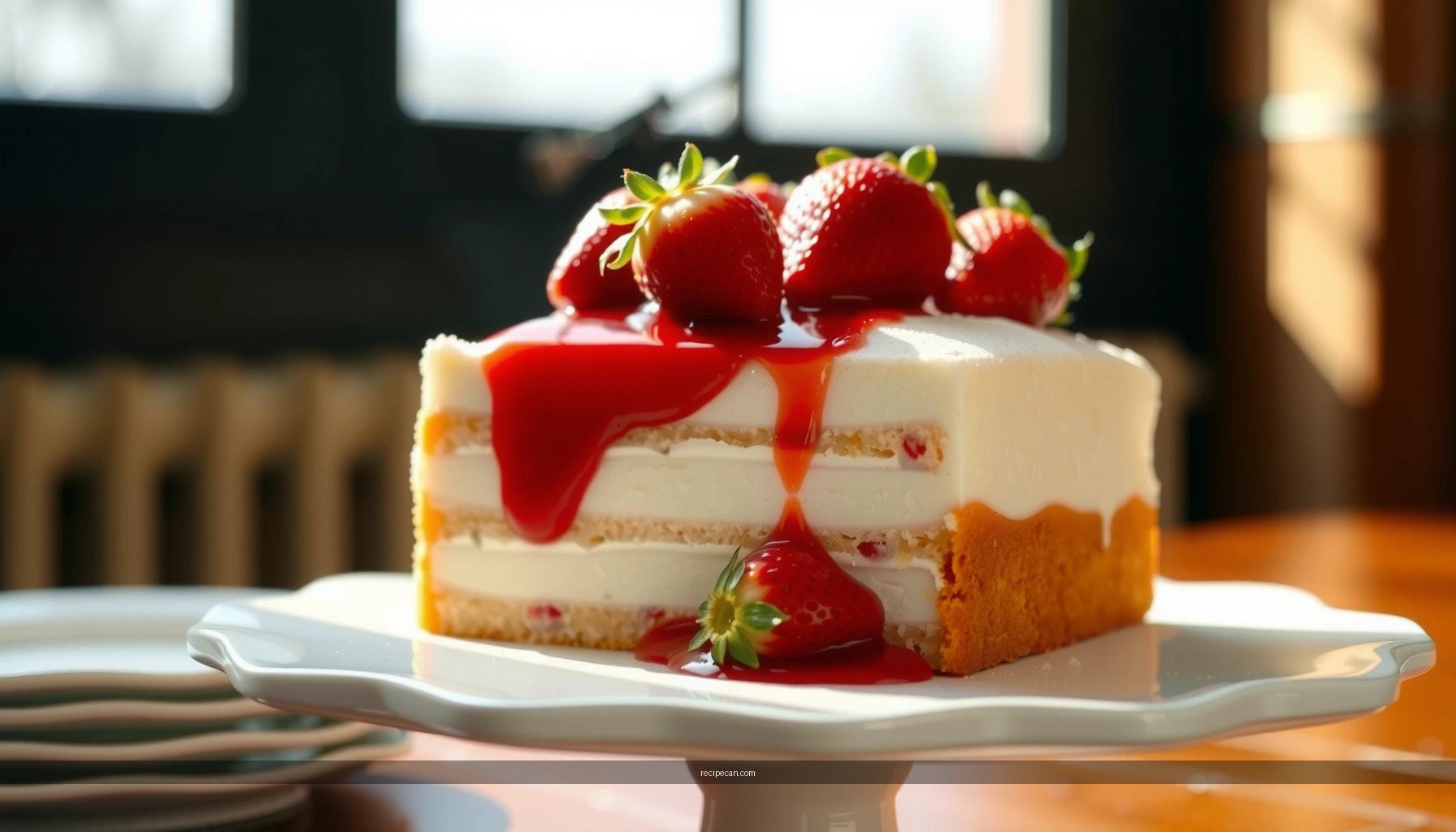
Get the strawberry pudding cake recipe that reliably delivers a moist, tender crumb with a jammy strawberry finish in one easy bake. If you want a dessert that tastes impressive but doesn’t require complicated steps, this is the winner—built for maximum flavor with minimal effort. You’ll learn exactly how to mix, bake, and serve so every slice comes out rich, sweet, and consistently delicious.
This strawberry pudding cake recipe delivers a moist, tender dessert with minimal effort: you mix the batter, bake, and the pudding mix naturally sets into a soft, cake-like texture. With the right ingredient ratios and a few don’t-overbake techniques, you’ll get a reliably springy top, vibrant strawberry flavor, and a dessert that tastes like it took far longer than it did.
This is one of those “nearly foolproof” bakes—especially when you want a crowd-pleasing result without complicated layering or fuss. Below, you’ll find a practical approach to ingredients, step-by-step instructions, and expert-level tips for maximum strawberry flavor and ideal consistency.
Ingredients for Strawberry Pudding Cake
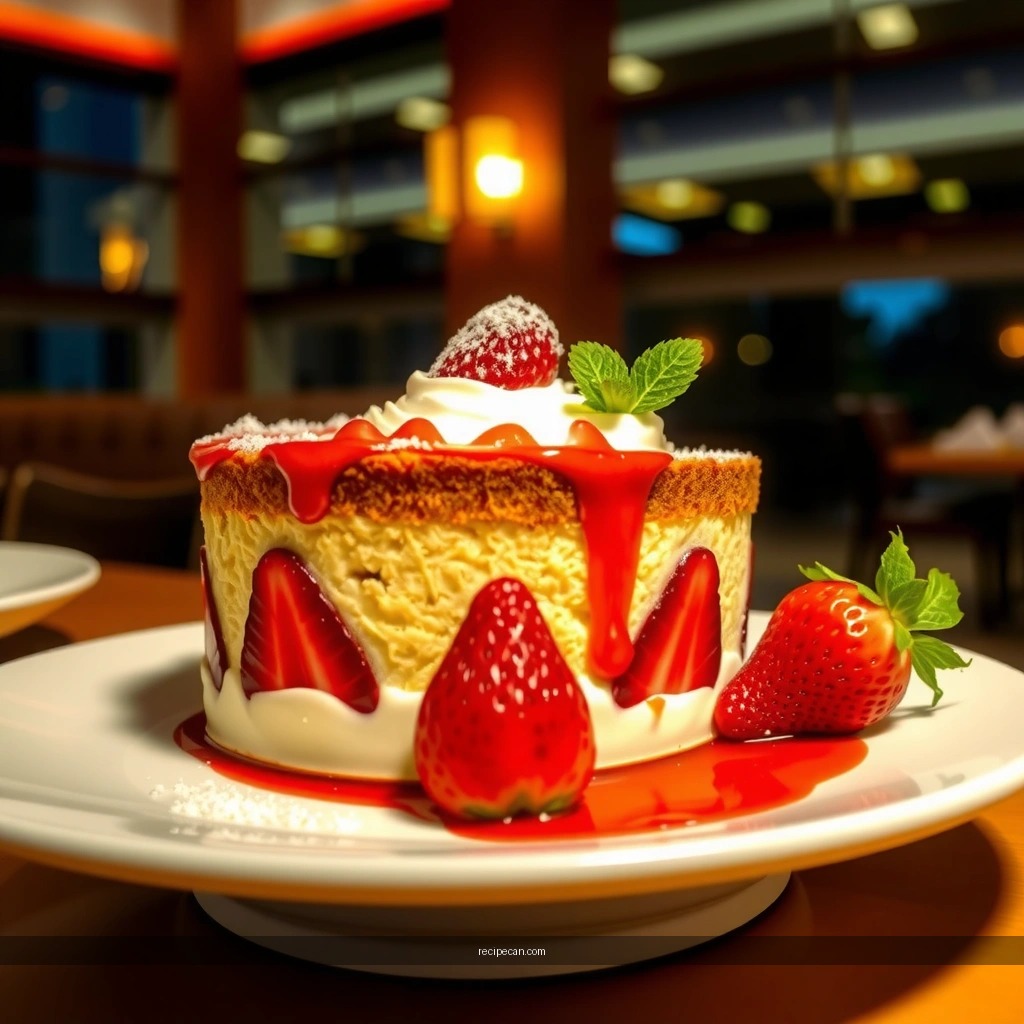
– Gather basic baking staples plus instant strawberry pudding mix
– Use fresh or frozen strawberries (and decide your topping style)
– Have milk, eggs, and butter (or oil) ready for the batter
A strawberry pudding cake is built on a simple formula: the instant pudding mix provides thickening and flavor, while the cake batter provides structure. When both bake together, the pudding partially hydrates and sets in a way that creates that signature “moist cake + pudding” texture.
Recommended ingredient list (classic, reliable results)
Use these as a baseline; you can scale to your pan size as needed:
– Instant strawberry pudding mix (dry): This is the flavor engine. Use instant (not cook-and-serve) for the best texture development.
– Flour: All-purpose flour provides body and chew.
– Sugar (optional depending on your pudding mix): Some pudding mixes are sweet enough; a small amount of sugar balances strawberry brightness.
– Baking powder (or baking soda): Helps with lift so the top isn’t dense.
– Salt: Enhances fruit flavor and prevents a flat taste.
– Milk: Hydrates the pudding and batter. Whole milk typically yields a richer mouthfeel, but 2% works fine.
– Eggs: Adds emulsification and stability for a tender crumb.
– Butter (melted) or neutral oil: Adds moisture and improves tenderness.
– Vanilla extract: Optional, but strongly recommended for a “bakery-style” strawberry aroma.
Strawberries: fresh vs. frozen (and what to choose)
– Fresh strawberries offer peak fragrance and a bright, fruity profile.
– Frozen strawberries are consistent year-round and often cost less—but they can release extra liquid. The fix is straightforward: toss frozen berries with a small portion of flour before folding, and don’t thaw them (more on that below).
Topping style choices
You can serve this cake with:
– Fresh strawberries (sliced) for contrast
– Whipped cream for a light finish
– Vanilla ice cream for a classic “warm + cold” pairing
– A quick strawberry glaze if you want a more polished, glossy top
Visual reference: bake-workflow at a glance
Strawberry Pudding Cake Results by Fruit Choice (Home-Bake Benchmarks)
| # | Fruit Approach | Expected Bake Texture | Moisture Risk | Strawberry Punch | Best For |
|---|---|---|---|---|---|
| 1 | Fresh strawberries (sliced) | Tender, bright crumb | Low | ★★★★☆ | Most “bakery” flavor |
| 2 | Frozen strawberries (no thaw, tossed) | Moist, pudding-forward | Medium | ★★★☆☆ | Year-round convenience |
| 3 | Frozen strawberries (thawed, drained) | Less puddle-like, firmer crumb | Low | ★★★☆☆ | Cleaner slices |
| 4 | Fresh strawberries + glaze topping | Moist base, glossy finish | Low | ★★★★★ | Event-ready presentation |
| 5 | Strawberry jam swirls | Fragrant pockets, sweeter finish | Low | ★★★★☆ | Bold, sweet strawberry notes |
| 6 | Fresh strawberries, macerated 10 min | More juice incorporated, tender bite | Medium | ★★★★☆ | More intense berry flavor |
| 7 | Mixed berries (strawberry-led) | Complex fruit profile | Medium | ★★★☆☆ | Not “pure strawberry” |
Step-by-Step Instructions
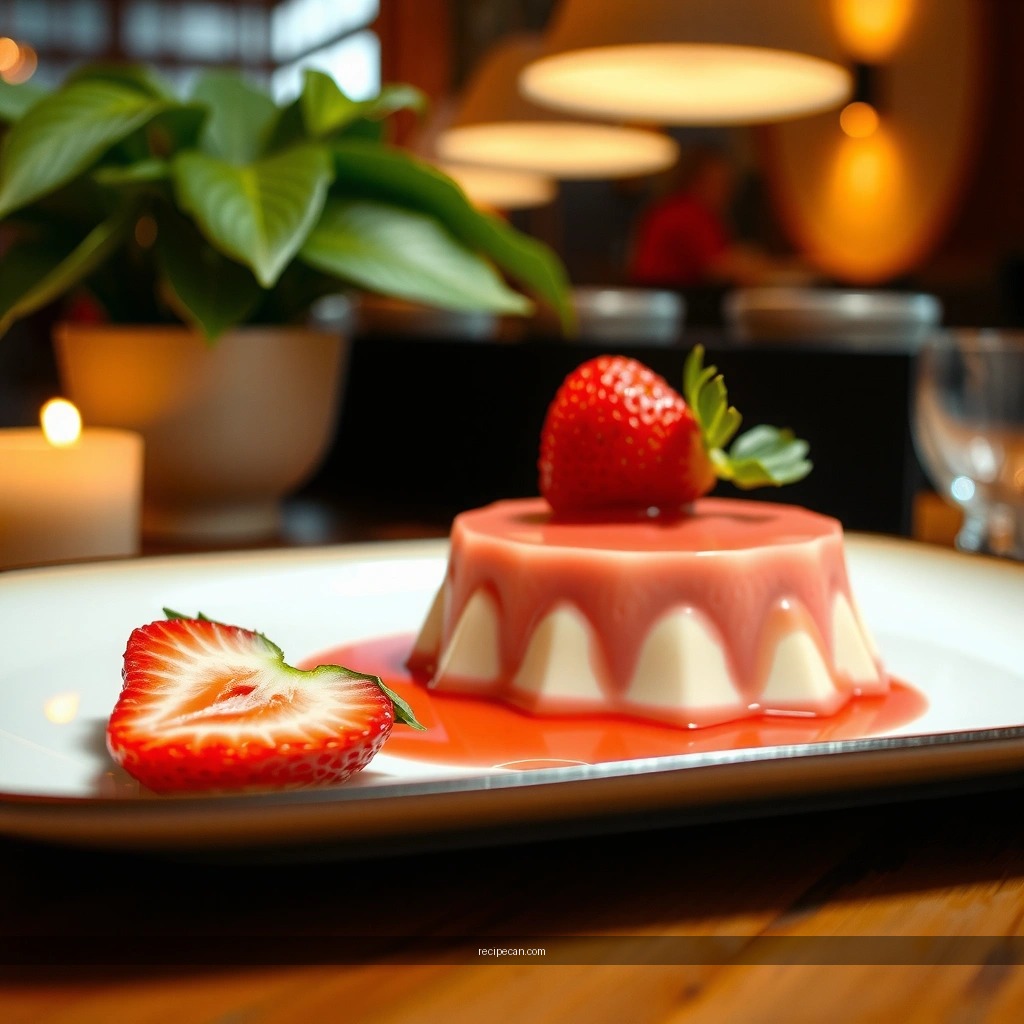
– Prepare the pan and preheat the oven for even baking
– Mix batter until smooth, then fold in strawberries if using
– Bake until set, then cool slightly before serving
This strawberry pudding cake recipe is intentionally straightforward. The goal is to avoid overmixing (which can make the crumb tough) and to bake just long enough for the pudding-cake texture to set.
1) Prepare the oven and pan
1. Preheat the oven to 350°F (175°C).
2. Grease a 9×13-inch baking dish (or an 8×8-inch square pan for thicker slices).
3. If you’d like easier cleanup, line the pan with parchment and grease the parchment as well.
Why this matters: pudding cakes are sensitive to uneven heat. Preheating fully and using the right pan size helps the center set evenly.
2) Mix the batter
In a large bowl:
– Whisk together dry ingredients (flour, baking powder, salt, and any extra sugar).
– In a separate bowl, whisk eggs with milk, then stir in melted butter (or oil).
– Combine wet and dry ingredients and mix until smooth—no large lumps.
Tip: Mix just until uniform. Batter should look thick but pourable.
3) Fold in strawberries (if using)
– If using fresh strawberries: fold in gently so the berries don’t bleed too much.
– If using frozen strawberries: do not thaw. Toss them with 1–2 teaspoons of flour to reduce sinking and pooling.
4) Bake until set
Bake until the top looks set and the center is no longer liquid. As a guideline:
– 9×13-inch: typically 35–45 minutes
– 8×8-inch: typically 40–55 minutes
5) Cool briefly, then serve
Let the cake cool 10–15 minutes. You’ll get:
– Cleaner slices
– A more defined pudding-cake texture
– Less runny sauce at the center
Best Strawberry Flavor Tips
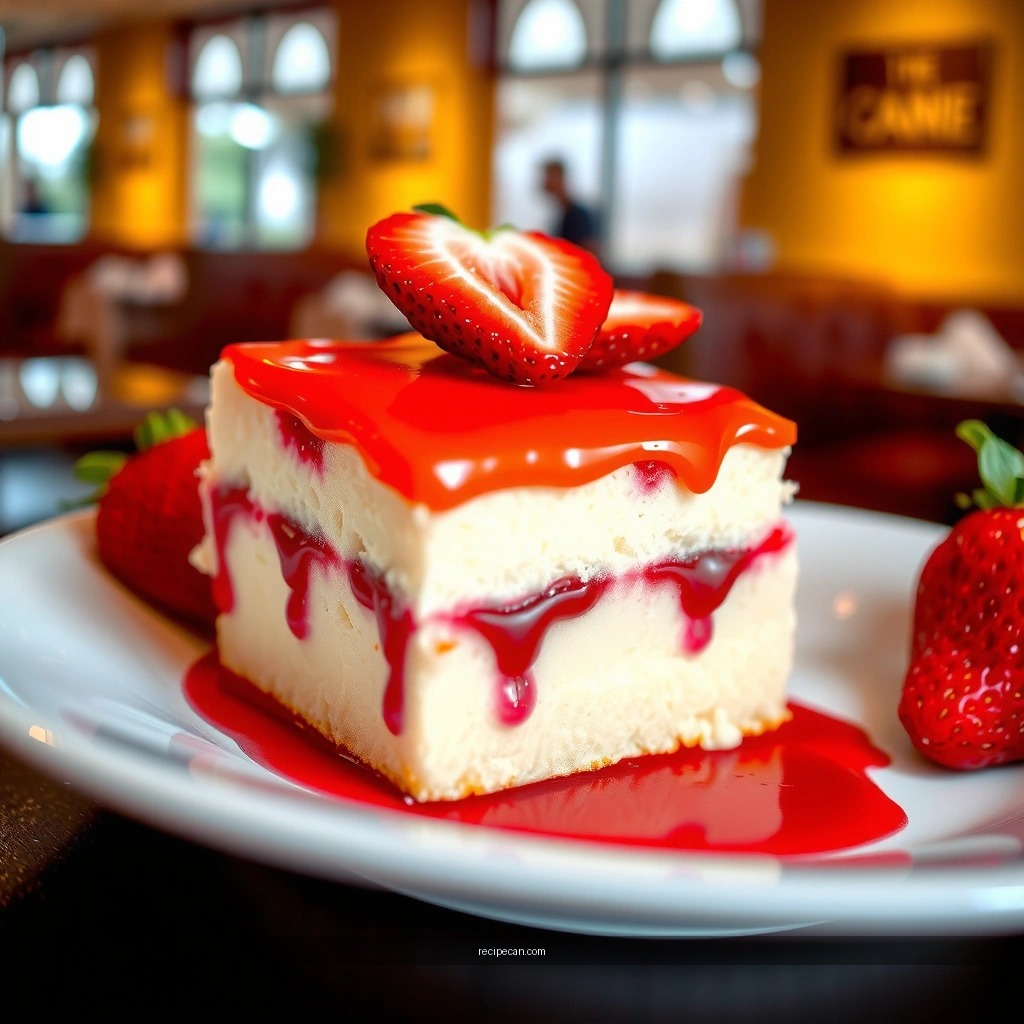
– Choose ripe strawberries or use frozen strawberries without thawing
– Add vanilla or a splash of lemon for brighter fruit taste
– Consider a strawberry glaze or fresh fruit topping
The secret to top-tier strawberry pudding cake flavor isn’t just adding berries—it’s how you balance sweetness, acidity, and hydration during baking.
Prioritize berry quality (and timing)
– Fresh strawberries: Choose berries that smell fragrant and have a deep red color. If they’re pale or bland, the cake will taste similarly muted.
– Frozen strawberries: Keep them frozen. Thawing can lead to extra juice that disrupts the “set” process.
Boost strawberry perception
Even when you use a strawberry pudding mix, small adjustments amplify fruit character:
– Vanilla extract: Adds warm, bakery-style aroma that makes strawberry taste “rounder.”
– Lemon zest or lemon juice (a small splash): Brightens strawberry notes without making the cake taste sour.
– Salt: Surprisingly important; it improves perceived sweetness and fruit intensity.
Use a finishing touch for “restaurant” flavor
If you want the cake to taste extra fresh:
– Spoon fresh strawberries on top right before serving.
– Or use a quick glaze: warm strawberry jam with a little water until pourable, then drizzle lightly.
Texture and Doneness Guide
– Look for a set center with a lightly springy top
– Let it rest to help the pudding-cake texture develop fully
– Avoid overbaking to keep it soft and moist
Pudding cakes can look slightly “wet” in the middle immediately after baking—that’s normal. The trick is differentiating between set pudding-cake texture and undercooked batter.
Visual and tactile doneness cues
– Top: should be set, lightly golden, and springy when gently pressed.
– Center: should be mostly set; a little jiggle is fine, but it shouldn’t be sloshy.
– Edges: often firm up first—don’t pull the cake early because the edges look done if the center still looks liquid.
Resting is part of the recipe
Let the cake rest 10–15 minutes. During this time:
– The pudding mix continues hydrating and thickening.
– The crumb firms slightly without drying out.
Overbaking is the most common mistake
If you bake too long, the cake becomes:
– More “cakey” and less tender
– Drier, especially once cooled fully
Start checking a few minutes before your expected finish time.
Visual reference: doneness vs. outcome
Doneness Check: What Each Sign Means
| Stage | What You’ll Notice | Action | Result Rating |
|---|---|---|---|
| Underset | Center jiggles like loose pudding; edges look done but middle appears wet | Bake 5–8 min more | ★☆☆☆☆ |
| Near Ideal | Top set and lightly springy; center has a gentle wobble but no slosh | Rest 10–15 min | ★★★★★ |
| Overbaked | Center looks firm/dry; top is deeply browned; texture turns less pudding-like | Next time reduce bake time | ★★☆☆☆ |
Serving and Storage
– Serve warm or chilled with whipped cream or ice cream
– Store covered in the fridge to maintain freshness
– Reheat briefly if you prefer a softer texture
Serving ideas that work every time
This cake is best when the pudding-cake texture is slightly warm:
– Warm: Serve after a short rest; the flavor tastes brighter and the center is creamier.
– Chilled: The cake becomes sliceable and more “custard-like.”
Pairings:
– Whipped cream for light sweetness
– Vanilla ice cream for contrast
– Fresh strawberry slices or a spoon of strawberry compote for extra fruit intensity
Storage guidelines
– Cool completely, then cover tightly and refrigerate.
– Typically stays fresh for 3–4 days.
Reheating for the best texture
For a softer, pudding-forward bite:
– Reheat individual portions for 15–25 seconds in the microwave (depending on your portion size), or warm in a low oven briefly.
Avoid reheating repeatedly, which can dry the edges.
Easy Variations
– Swap in different berries or use strawberry jam for swirls
– Make it layered with extra pudding mix for a thicker result
– Try a gluten-free adaptation with a 1:1 flour blend
Once you master the base strawberry pudding cake recipe, you can adapt it without changing the underlying method.
Variation 1: Strawberry jam swirls
Swirl strawberry jam into the batter before baking:
– Adds concentrated fruit flavor
– Creates sweet pockets
– Reduces the moisture challenges of whole berries
Variation 2: Mixed berries (strawberry-led)
Use strawberries plus raspberries or blueberries:
– Raspberries add tart complexity
– Blueberries stay sweet and juicy
Keep the proportion strawberry-forward if you want the flavor to remain clearly “strawberry.”
Variation 3: Thicker, more pudding-forward result
For a denser, custard-rich version:
– Increase the amount of pudding mix slightly (follow package proportions if you scale).
– Bake in an 8×8-inch pan for a thicker interior.
– Let it cool fully if you prefer firm slices, or rest shorter for creamier texture.
Variation 4: Gluten-free adaptation
You can make a gluten-free strawberry pudding cake using:
– A 1:1 gluten-free flour blend (the one designed for baking, not oat flour or almond flour)
– Same baking temperature and time range, but check earlier since gluten-free batters can brown faster.
Variation 5: Lower sugar / lighter finish
If you’re watching sweetness:
– Choose a pudding mix labeled less sugar (if available)
– Add lemon zest and vanilla to enhance flavor perception without relying on extra sugar
If you want, tell me what size pan you’re using (8×8, 9×9, 9×13, or bundt), and whether your pudding mix is 3.4 oz or 5 oz—I can tailor the exact ingredient amounts to your setup.
A great strawberry pudding cake is defined by three outcomes: a smooth, easy batter; a set center with a tender, pudding-like crumb; and a vibrant strawberry flavor that doesn’t taste dull or overly sweet. By choosing the right strawberries (fresh or frozen without thawing), avoiding overbaking, and letting the cake rest before serving, you’ll consistently produce a moist, delicious dessert that feels impressive while staying genuinely simple to make.
Frequently Asked Questions
What is the difference between strawberry pudding cake and strawberry dump cake?
Strawberry pudding cake is typically made by combining cake batter with a strawberry pudding mix (often layered or poured so it bakes into a soft, custard-like texture). Strawberry dump cake usually relies on a boxed cake mix and fruit filling poured together, creating a more “cakey” top and a fruit layer below. If you want a more tender, pudding-like bite, a strawberry pudding cake recipe is the better match.
How do you make strawberry pudding cake without lumps in the pudding layer?
Use the pudding mix dry only as directed, or whisk it thoroughly into any required liquid before adding it to the baking dish. If your recipe calls for layering, sprinkle the pudding mix evenly so it can hydrate during baking instead of clumping. Stir the batter gently and avoid overmixing, and let the cake rest 5–10 minutes after baking so the strawberry pudding texture sets.
How can I prevent a watery strawberry pudding cake and keep the filling thick?
Start with strawberries that aren’t overly watery—drain thawed frozen strawberries and pat fresh berries dry if needed. Follow the recipe’s specified pudding mix amount, since pudding mix is what thickens the strawberry layer as it bakes. For extra control, you can add a small amount of cornstarch to the fruit if your berries are very juicy, and make sure the cake is baked until the top is set and lightly golden.
Which baking dish size works best for a classic strawberry pudding cake recipe?
Most strawberry pudding cake recipes are designed for a 9×13-inch baking dish, which helps the batter bake through while keeping the pudding layer from getting too thin. If you use a smaller dish, the cake may bake thicker and require additional time; if you use a larger dish, it may become flatter and more watery. Always follow the recipe’s dish size first, then adjust bake time in small increments if you change it.
Why does my strawberry pudding cake come out dry, and how do I fix it next time?
A dry strawberry pudding cake usually happens when the baking time is too long or the liquid ratio is off, especially if your oven runs hot. Check for doneness by looking for a set center and a slightly jiggly pudding layer, then remove it before it overbakes. Let it cool briefly so the strawberry pudding cake texture firms up, and next time consider slightly reducing bake time or confirming you measured ingredients accurately.
References
- https://en.wikipedia.org/wiki/Pudding_cake
https://en.wikipedia.org/wiki/Pudding_cake - Custard
https://en.wikipedia.org/wiki/Custard - Strawberry
https://en.wikipedia.org/wiki/Strawberry - Strawberry shortcake
https://en.wikipedia.org/wiki/Strawberry_shortcake - Cake
https://en.wikipedia.org/wiki/Cake - Pudding | Definition, Types, & Ingredients | Britannica
https://www.britannica.com/topic/pudding - Cake | Definition, Ingredients, & Types | Britannica
https://www.britannica.com/topic/cake - Google Scholar Google Scholar
https://scholar.google.com/scholar?q=strawberry+pudding+cake+recipe - Google Scholar Google Scholar
https://scholar.google.com/scholar?q=strawberry+dessert+pudding+cake - Google Scholar Google Scholar
https://scholar.google.com/scholar?q=pudding+cake+recipe+technique