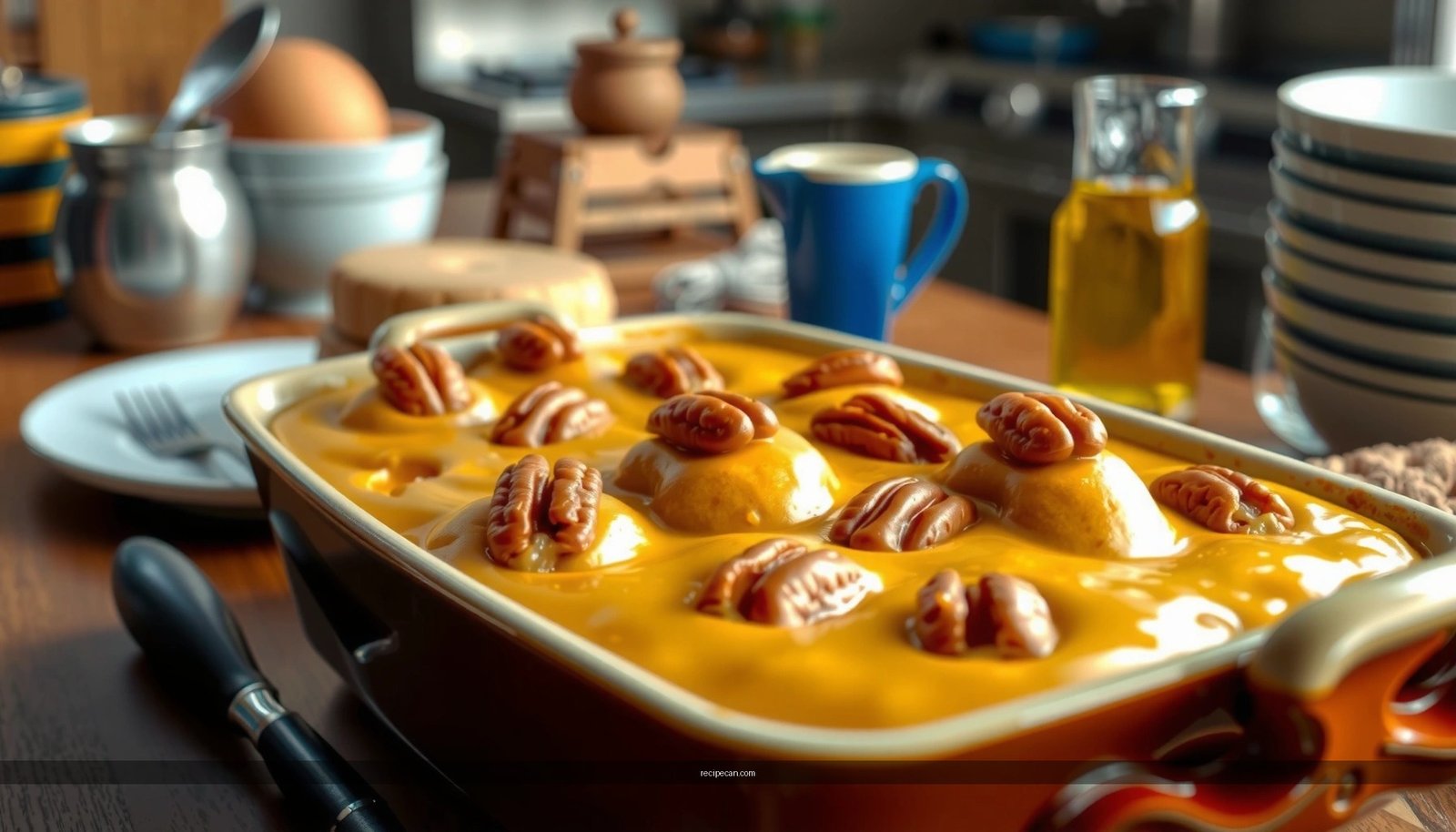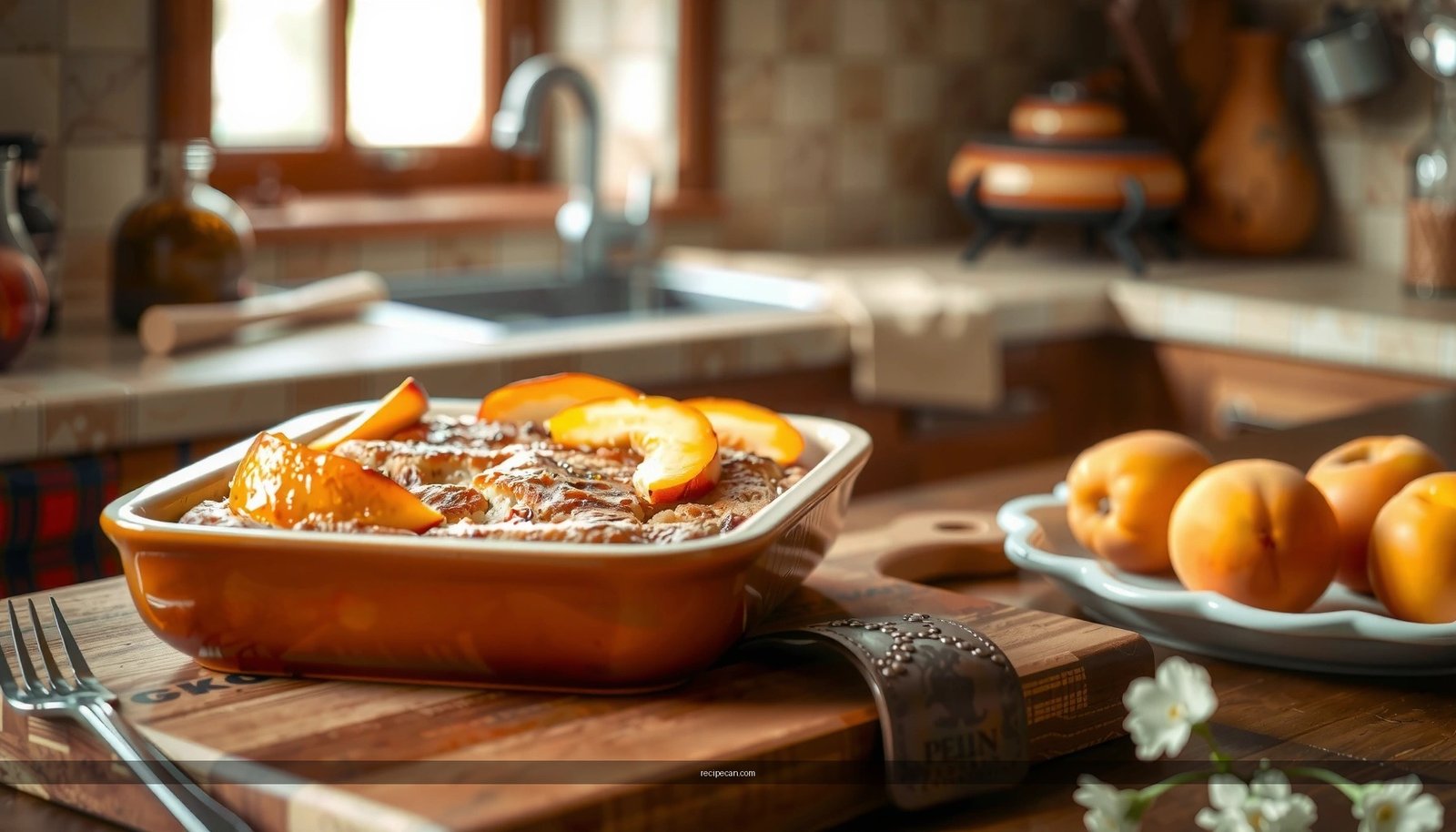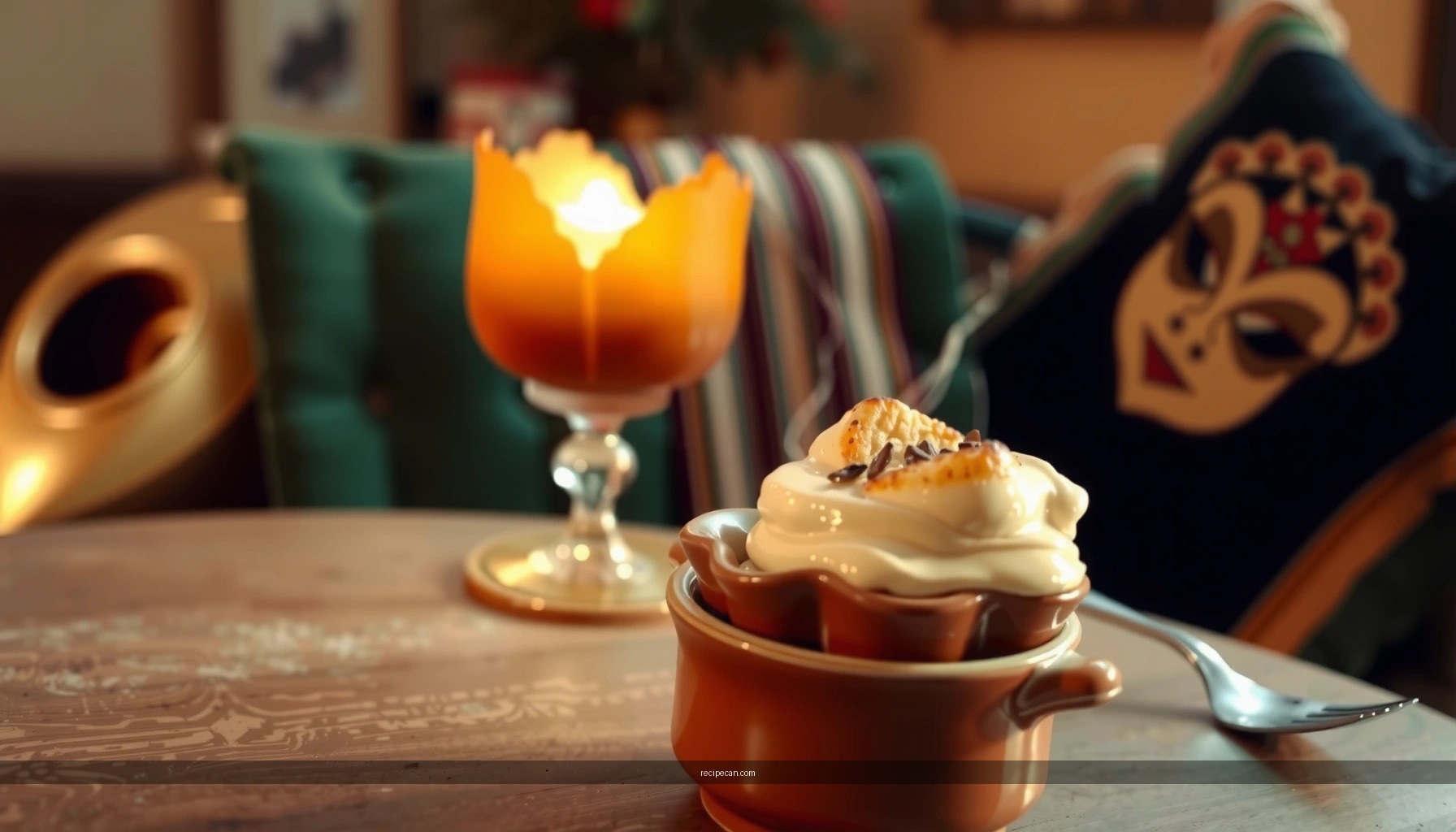
Looking for a recipe for New Orleans bread pudding that comes out classic, custardy, and deeply comforting every time—this one delivers the real answer. You’ll learn how to soak the bread properly, bake a tender crème-like center, and nail the sweet-spiced finish that makes New Orleans versions unmistakable. If you want bread pudding that slices clean and spoon-sinks into rich custard, follow this method.
Make New Orleans bread pudding with day-old bread soaked in a balanced custard, then bake just until the center is set with a gentle jiggle—finish with warm bourbon sauce for the signature flavor. This approach delivers the classic custardy texture because the bread absorbs flavor and moisture evenly, while controlled baking prevents both dryness and raw eggy spots.
In New Orleans, bread pudding isn’t treated like an “in-between” dessert—it’s a practiced technique. The difference between bland and exceptional comes down to two variables: (1) how thoroughly the bread is saturated and (2) how the custard ratio is formulated to set cleanly. Below, you’ll find ingredient guidance, bake timing checkpoints, and a bourbon sauce method that behaves consistently.
—
Gather Ingredients for New Orleans Bread Pudding
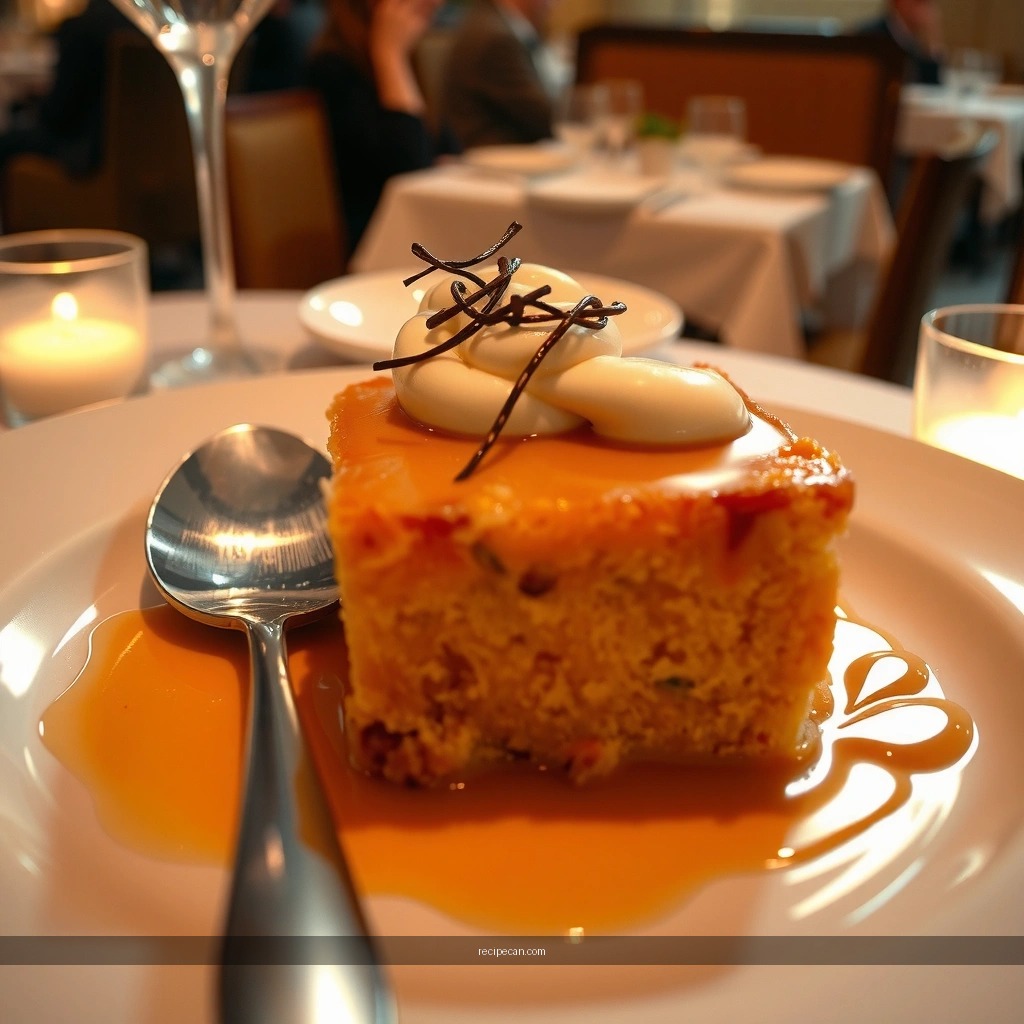
– Use day-old French or brioche bread cut into cubes for best texture
– Include eggs, milk/cream, sugar, butter, vanilla, and a touch of cinnamon
The classic New Orleans bread pudding starts with bread that’s sturdy enough to hold shape and absorb custard without collapsing into glue. French bread provides structure and chew, while brioche (rich and tender) increases softness and enhances the dessert’s caramelized edges. For the most reliable result, use day-old bread and cut it into 1-inch cubes—small enough to soak, large enough to preserve custardy pockets.
A professional custard profile uses whole eggs and a dairy blend rather than relying on milk alone. Whole milk yields a lighter custard; heavy cream deepens body and “mouthfeel,” helping the dessert taste rich even at moderate sweetness. Sugar is not just for flavor; it also influences browning (Maillard reaction) and custard browning stability.
Core flavor components
– Vanilla: rounds out sweetness and complements bourbon.
– Cinnamon (light touch): adds warmth without overpowering.
– Butter: supports browning and improves richness.
– Optional nutmeg: traditional in many New Orleans kitchens, but keep it subtle.
Bourbon sauce matters more than people think. It’s not only topping; it reintroduces warmth and aromatic complexity right before serving, which is why bread pudding often tastes best immediately after baking.
Custard Ratios That Set Reliably (Bread Pudding Baseline)
| # | Ingredient | For 8×8 in Dish | Function in Texture | Expected Impact |
|---|---|---|---|---|
| 1 | Day-old bread (French/brioche), cubes | 6 cups (~12 oz / 340 g) | Absorbs custard and forms custardy pockets | ★ High moisture retention |
| 2 | Eggs | 3 large | Sets custard structure | ★ Reliable set |
| 3 | Whole milk | 1 cup (240 ml) | Main liquid for soaking | ★ Consistent soak |
| 4 | Heavy cream | 1/2 cup (120 ml) | Adds richness and thicker custard feel | ★ Creamy mouthfeel |
| 5 | Granulated sugar | 1/2 cup (100 g) | Sweetness + browning support | ★ Balanced caramelization |
| 6 | Butter (melted for custard) | 3 tbsp (42 g) | Lifts richness and tenderness | ★ Better texture cohesion |
| 7 | Vanilla + cinnamon | 1 tbsp vanilla + 1/2 tsp cinnamon | Aromatic base for classic flavor | ★ Signature aroma |
—
Prep the Bread and Custard Base
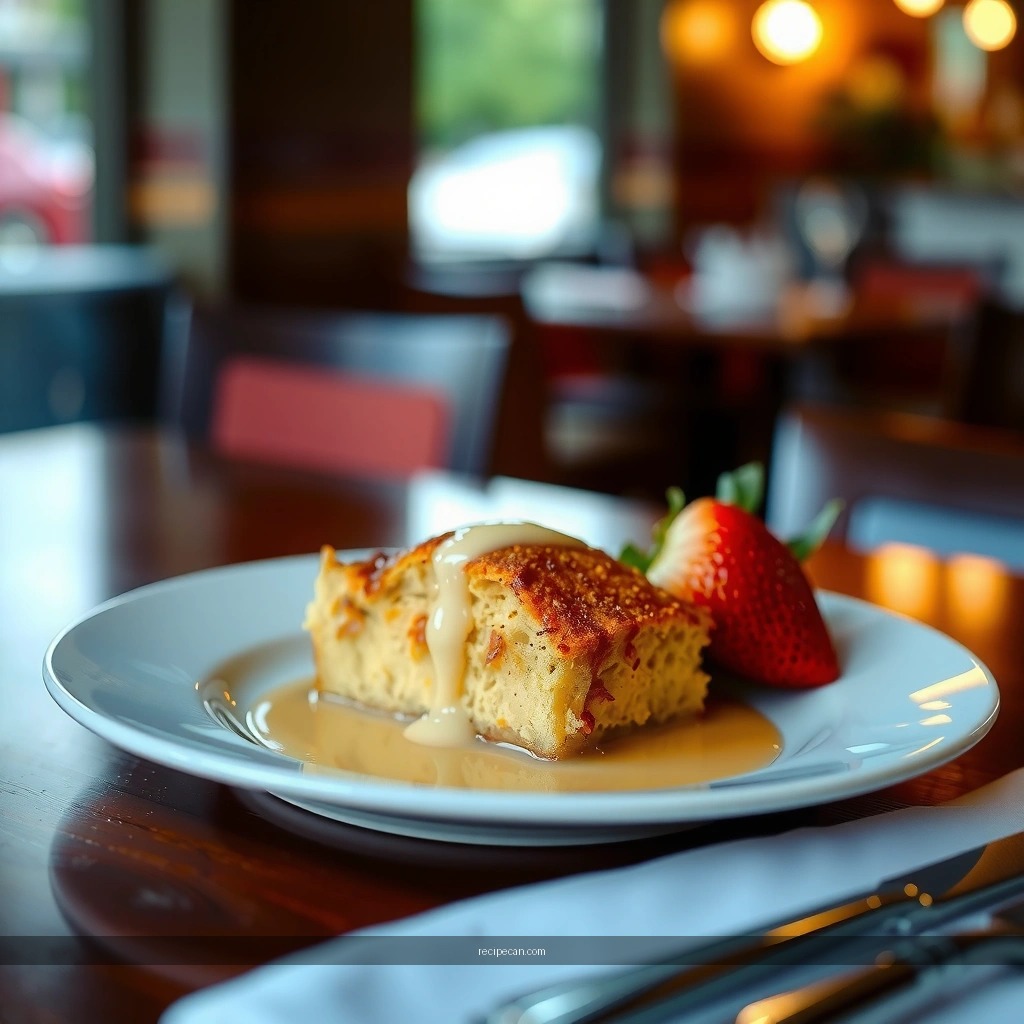
– Soak bread cubes in the custard until saturated but not mushy
– Stir in optional raisins or toasted pecans for classic add-ins
The soaking step is where New Orleans bread pudding earns its reputation. Bread pudding fails most often when the bread is either under-soaked (dry center, uneven texture) or over-soaked (mushy structure that bakes into dense slices). Your goal is saturation with integrity.
1. Cut bread consistently. Aim for 1-inch cubes for even absorption. If your cubes vary wildly, the custard will pool around smaller pieces.
2. Whisk custard thoroughly (eggs, milk, cream, sugar, vanilla, cinnamon, melted butter) until sugar dissolves. Undissolved sugar can create graininess.
3. Soak, then rest briefly. Add the custard to the bowl with cubes and stir until every piece is coated. Let sit 10–20 minutes, stirring once halfway. The bread should look glossy and heavy, but still hold shape.
Optional add-ins can enhance the flavor without disrupting custard set:
– Raisins: classic and reliable; plump them in hot water or bourbon (drained) for best texture.
– Toasted pecans: bring a buttery, earthy counterpoint to sweetness. Toast until fragrant and cool before mixing.
Analytical note: raisins introduce moisture pockets and can slightly soften nearby custard. Toasted nuts can absorb a small amount of custard; their distribution affects how “cleanly” the pudding slices.
—
Bake Until Golden and Set
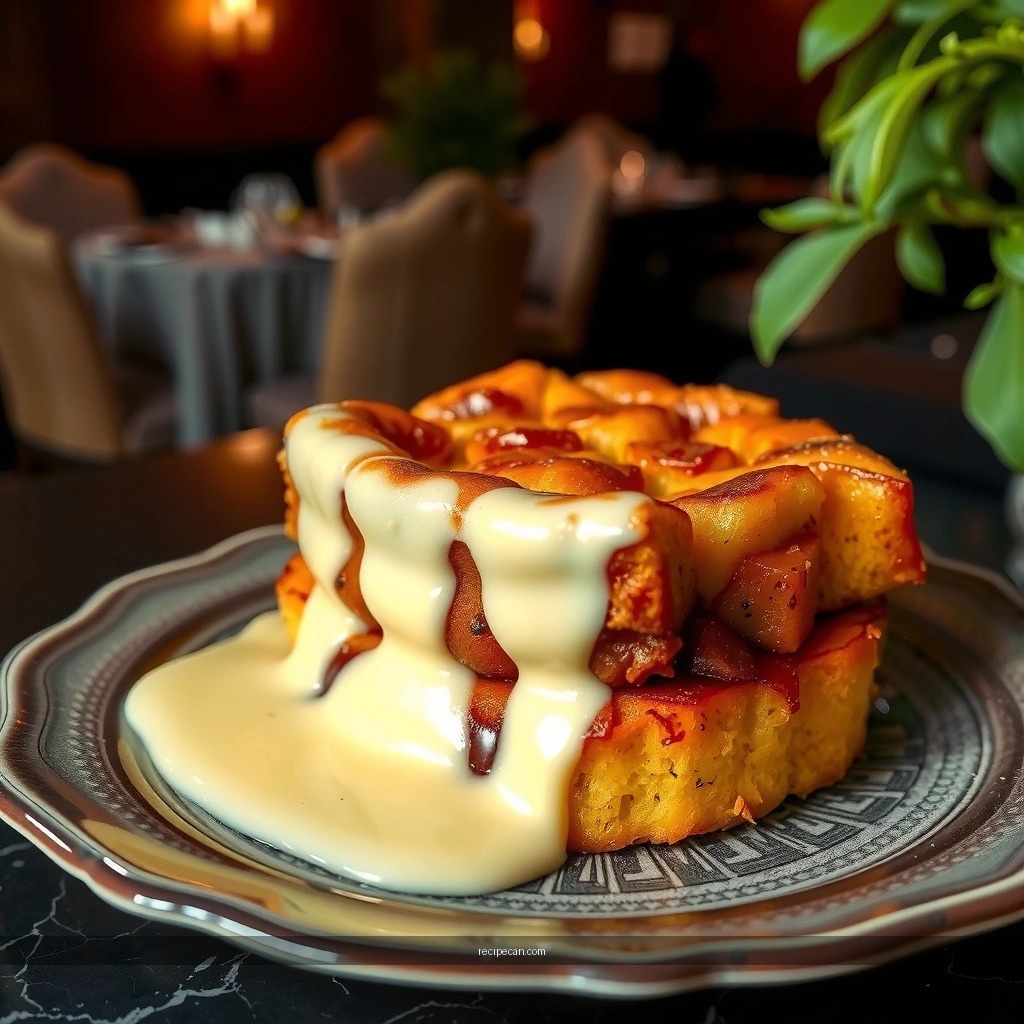
– Pour into a greased baking dish and bake at 350°F (175°C) until set
– Look for a golden top with a slight jiggle in the center
Bake temperature and doneness cues work together. Too hot or too long, and custard curdles or dries; too short, and the center remains wet.
Best-practice method
1. Grease your dish (8×8-inch or similarly sized). This prevents sticking and makes portioning cleaner.
2. Pour the soaked bread mixture in, distributing evenly.
3. Bake at 350°F (175°C) for approximately 35–45 minutes for an 8×8-inch dish. Start checking at 35 minutes.
Doneness test (most reliable):
– The top should be golden brown.
– The edges should be set.
– The center should jiggle slightly like a set custard, not slosh like liquid.
Because bread pudding continues to set as it cools, you want to remove it while the center still looks “almost done.” Rest 10 minutes before serving. This improves slice stability and ensures the custard finishes its final thermal set.
—
Make the Signature Bourbon Sauce
– Simmer butter, sugar, vanilla, and bourbon until glossy and smooth
– Pour warm sauce over the pudding just before serving
Bourbon sauce is what turns a home-baked bread pudding into a truly “New Orleans–style” dessert. The sauce should be warm, glossy, and pourable, not separated or overly thick.
Sauce process (high reliability)
1. In a small saucepan, combine butter and sugar.
2. Add a splash of vanilla and bourbon.
3. Simmer gently, stirring until the mixture becomes smooth and lightly thickened.
Serving strategy: pour warm sauce over pudding immediately before serving so the contrast between custard and syrup is at its peak. If you let the sauce soak for too long, the top crust softens quickly; if you serve sauce on the side, you risk uneven distribution.
Flavor balance tip: if you prefer a deeper caramel taste, extend simmering by 1–2 minutes. If you’re aiming for a lighter, more aromatic sauce, stop as soon as it turns glossy.
—
Serve, Store, and Reheat for Best Flavor
– Serve warm with extra sauce and a sprinkle of nutmeg or cinnamon
– Refrigerate leftovers and reheat in the oven or microwave until heated through
Bread pudding is best hot, but it stores well when handled correctly—especially when your custard ratio is balanced and your sauce is served fresh.
Serving
– Plate portions while warm.
– Add a ladle of bourbon sauce per serving.
– Finish with a light dusting of nutmeg or cinnamon for fragrance.
Storage
– Refrigerate leftovers within 2 hours.
– Cover tightly to prevent drying out.
Reheating
– Oven: 325°F (163°C) until heated through, usually 10–15 minutes depending on portion size.
– Microwave: short bursts (30–45 seconds), then check and rotate. Bread pudding heats unevenly; over-microwaving can make the edges firmer.
Professional expectation: refrigerated bread pudding becomes denser; reheating restores softness, but it won’t be exactly like day-of. If you want maximum “fresh” texture, consider reheating and then spooning on additional warm bourbon sauce.
—
Troubleshooting Common Bread Pudding Issues
– If it’s too dry, bake less time and ensure bread is fully soaked
– If it’s too runny, let it bake a few minutes longer and rest before serving
Even experienced cooks run into issues. Use these diagnostics to correct the next attempt quickly:
1. Bread pudding is too dry
– Cause: under-soaked bread, or overbaked custard.
– Fix: ensure cubes are fully saturated during the 10–20 minute soak. Next time, start checking earlier (around 30–35 minutes) and remove when the center jiggles slightly.
– Serving rescue: add warm bourbon sauce to reintroduce moisture and perceived creaminess.
2. Bread pudding is too runny
– Cause: custard not fully set at bake time; possibly too much liquid relative to bread.
– Fix: bake 3–5 minutes longer and rest for at least 10 minutes before cutting. Remember: the center finishes setting as it cools.
3. Top is browned but center is underdone
– Cause: oven hotspots or dish placement too high.
– Fix: loosely tent with foil to prevent excessive browning while the center finishes baking.
4. Custard looks grainy or separated
– Cause: overheating or insufficient stirring of sugar/eggs before soaking.
– Fix: keep to 350°F and ensure custard is mixed until sugar dissolves.
—
Bread pudding is all about soaked bread, well-balanced custard, and a warm sauce—this New Orleans recipe delivers that classic custardy comfort. Follow the soaking step for even saturation, bake until the center jiggles gently, and finish with bourbon sauce right before serving to lock in the signature flavor. Once you get the custard set and the topping warm, you’ll have a dessert your household will want to repeat again and again.
Frequently Asked Questions
What is a classic New Orleans bread pudding recipe?
A classic New Orleans bread pudding typically uses French bread or brioche cubes soaked in a custard made from eggs, milk or half-and-half, sugar, and vanilla. Many recipes add warm spices like cinnamon and nutmeg and finish with raisins or toasted pecans for texture. For an authentic Creole flavor, include a splash of bourbon and serve it with a buttery bourbon sauce or a rum sauce. Baking it until the center is just set helps create the signature creamy interior.
How do you make New Orleans bread pudding from stale bread without it turning soggy?
Cut stale bread into even cubes and let it sit uncovered so it can absorb custard without becoming mushy. Warm the milk (or half-and-half) and pour it gradually over the bread mixture, then let it rest 10–15 minutes so the custard penetrates. Bake at a moderate temperature until the top is golden and the center has a custard-like jiggle rather than liquid. Using the right bread-to-custard ratio is key—too much liquid makes bread pudding soggy.
Why do some New Orleans bread pudding recipes include bourbon or rum, and how much should you use?
Bourbon or rum adds depth and warmth that pairs well with vanilla, cinnamon, and caramelized bread edges—common in New Orleans-style desserts. For most bread pudding recipes, start with about 2–3 tablespoons of bourbon (or rum) in the custard and add a bit more in the sauce if you’re serving adults. If you’re sensitive to alcohol flavor, reduce the amount and rely more on vanilla and nutmeg. The alcohol also helps balance sweetness and enhances the caramel notes in the baked topping.
What’s the best sauce to serve with New Orleans bread pudding?
The most popular pairing is a warm bourbon sauce made with butter, brown sugar, cream, and bourbon, poured over the hot pudding so it soaks in slightly. Another classic option is a vanilla-bean cream or caramel sauce, both of which highlight the custardy center. If you want that New Orleans bakery feel, choose a sauce that’s pourable and served warm for the best contrast. Avoid overly thick sauces that won’t integrate well with the bread pudding.
Which bread works best for New Orleans bread pudding—French bread, brioche, or something else?
French bread is a common choice because it holds shape while absorbing custard, giving you a balanced creamy-and-firm texture. Brioche is also excellent if you want a richer, softer bread pudding since its buttery crumb absorbs custard more smoothly. If you’re aiming for a sturdier New Orleans bread pudding, choose day-old bread and cube it evenly so every bite has consistent custard coverage. For best results, choose bread with good structure (not overly fresh or airy white bread), and toast lightly if your bread is very soft.
References
- Bread pudding
https://en.wikipedia.org/wiki/Bread_pudding - Cuisine of New Orleans
https://en.wikipedia.org/wiki/New_Orleans_cuisine - Creole cuisine
https://en.wikipedia.org/wiki/Creole_cuisine - https://en.wikipedia.org/wiki/Southern_cuisine
https://en.wikipedia.org/wiki/Southern_cuisine - https://www.britannica.com/topic/bread-pudding
https://www.britannica.com/topic/bread-pudding - https://www.bbc.co.uk/food/recipes/bread_and_butter_66446
https://www.bbc.co.uk/food/recipes/bread_and_butter_66446 - https://www.nytimes.com/keyword/bread%20pudding
https://www.nytimes.com/keyword/bread%20pudding - Google Scholar Google Scholar
https://scholar.google.com/scholar?q=New+Orleans+bread+pudding+recipe - Google Scholar Google Scholar
https://scholar.google.com/scholar?q=Creole+bread+pudding+history - Google Scholar Google Scholar
https://scholar.google.com/scholar?q=New+Orleans+cuisine+bread+pudding