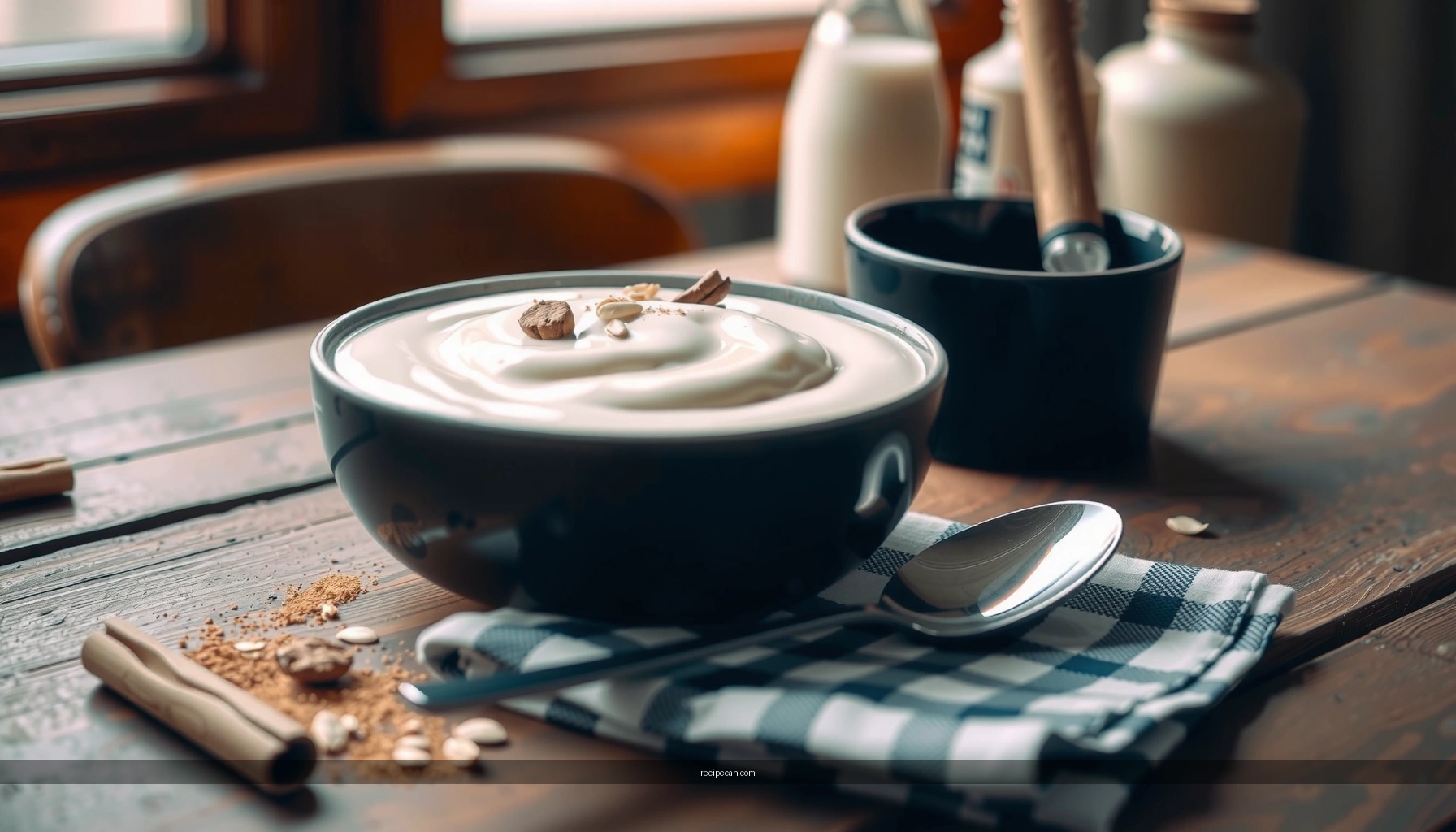
If you’re searching for the best dairy free rice pudding recipe, this one delivers a creamy, spoonable bowl without milk or butter. You’ll get a straightforward method with the right rice-to-liquid ratio and sweet, vanilla-forward flavor that sets up cleanly every time. The result answers the key question—how to make dairy free rice pudding taste rich and satisfying—without guesswork.
This dairy free rice pudding recipe delivers a thick, custard-like dessert—without milk—by simmering the rice until it turns naturally creamy and then fine-tuning texture with smart thickening. In this guide, you’ll learn how to cook the rice until tender, sweeten it just right, and achieve that classic spoonable consistency using simple dairy-free swaps you can find easily.
Choose Your Dairy-Free Ingredients
The foundation of any dairy free rice pudding is selecting swaps that replicate creaminess and mouthfeel while keeping flavor balanced. Since rice pudding thickens from starch released during cooking, you don’t need dairy for structure—you mainly need dairy-free ingredients that enhance richness and taste.
– Pick a dairy-free milk (almond, oat, or coconut) that you like the taste of
– Oat milk tends to be the most neutral and creamy, making it a strong default for dessert.
– Almond milk is lighter; it works well if you prefer a less “rounded” pudding.
– Coconut milk adds richness and a subtle coconut aroma—great when pairing with vanilla, cinnamon, or toasted coconut.
– Use dairy-free butter or coconut oil if you want extra richness
A small amount (typically 1–2 tablespoons) helps round out the flavor and gives the dessert a silkier finish, especially if you’re using a lighter milk like almond.
– Choose sweeteners (maple syrup, sugar, or condensed-style alternatives)
– Maple syrup provides warm flavor and dissolves smoothly.
– Granulated sugar is predictable and easy to measure for consistent results.
– Condensed-style dairy-free alternatives can be used for extra creaminess, but they often add sweetness quickly—so you’ll want to reduce the added sweetener elsewhere.
Dairy-Free Milk vs. Cooking Performance for Rice Pudding (Practical Use, 2026)
| # | Dairy-Free Milk | Typical Texture | Sweetness Change | Best Use Case |
|---|---|---|---|---|
| 1 | Oat milk (barista-style) | Creamy | + Low | Classic vanilla rice pudding |
| 2 | Oat milk (original) | Slightly lighter | – Moderate | Cinnamon-spiced pudding |
| 3 | Almond milk (unsweetened) | Light & silky | – Moderate | Lighter, less sweet desserts |
| 4 | Almond milk (sweetened) | Creamy but can taste sweet | + Medium | When you want less added sweetener |
| 5 | Coconut milk (full-fat) | Rich & lush | + Medium | Toasted coconut + vanilla variations |
| 6 | Coconut milk (light) | Less thick, faster thinning | – Moderate | If you plan to chill to thicken more |
| 7 | Soy milk (unsweetened) | Custard-like body | + Low | High-protein, classic texture |
Use this as a decision aid: if you want the closest feel to traditional milk-based rice pudding, oat (barista-style) or soy are typically the most consistent. If you’re optimizing for flavor complexity, coconut milk can create a premium, dessert-style profile.
Cook the Rice for Creamy Texture
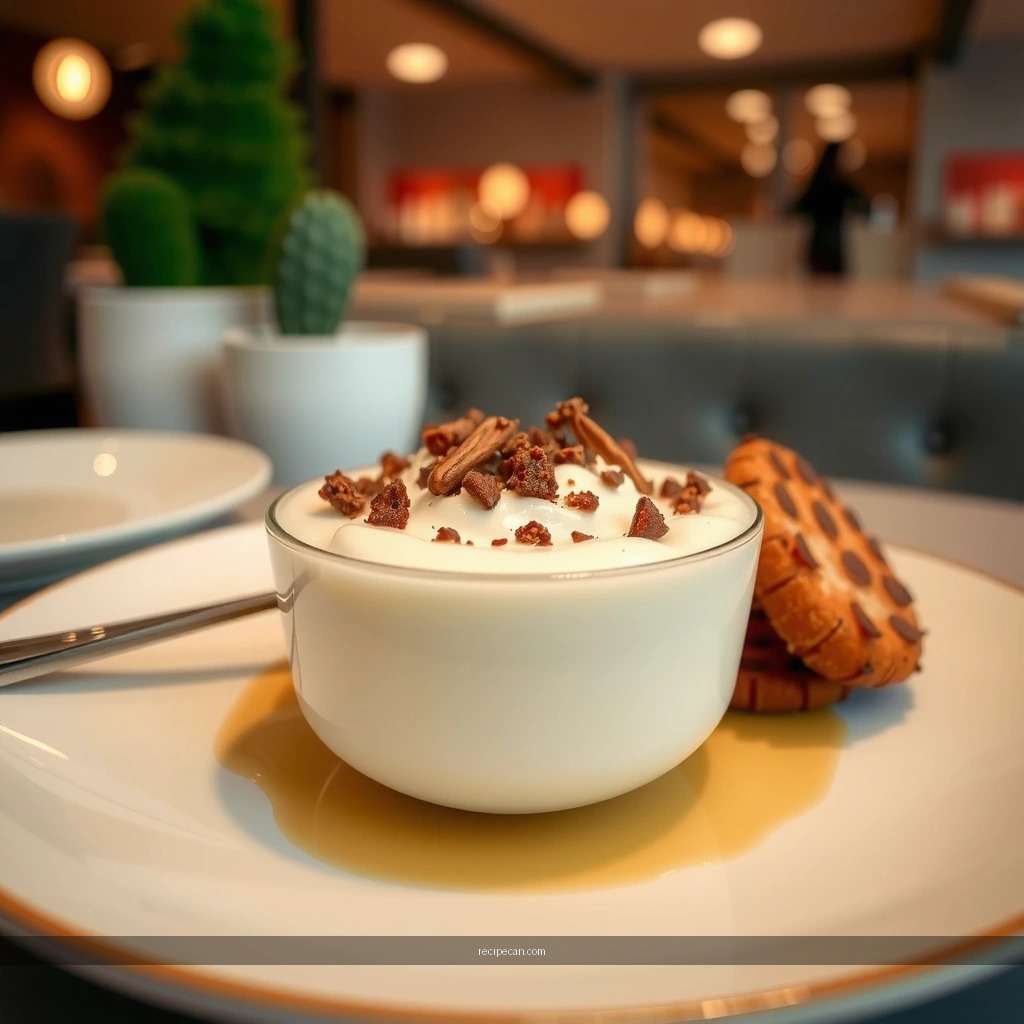
Creaminess in dairy free rice pudding comes primarily from starch. The goal is to simmer until the grains are tender enough to break down slightly and release starch into the liquid.
– Simmer short- or medium-grain rice until it becomes soft and starchy
Short-grain rice (or Arborio-style rice) is ideal because it releases more starch than long-grain varieties. If you use jasmine or basmati, expect a thinner, more distinct-grain result.
– Stir regularly to prevent sticking and help thicken the pudding
Stirring does two jobs: it keeps the rice from scorching at the bottom, and it distributes heat so starch release thickens evenly. You don’t need constant stirring, but plan to stir every few minutes—especially during the first half of cooking.
– Add flavor early (like vanilla) and keep heat at a gentle simmer
Warm aromatics infuse as the rice softens. Vanilla extract works well, and spices like cinnamon (sticks or powder) bloom quickly in gentle heat. Keep the heat at a steady simmer—boiling aggressively can make the pudding separate or turn gummy.
Operational tip:
If your rice pudding seems to “tighten” as it cooks, that’s a sign starch is building—lower the heat slightly and add small splashes of dairy-free milk or water to stay within a creamy, stirring-friendly consistency.
Make It Thick and Custard-Like
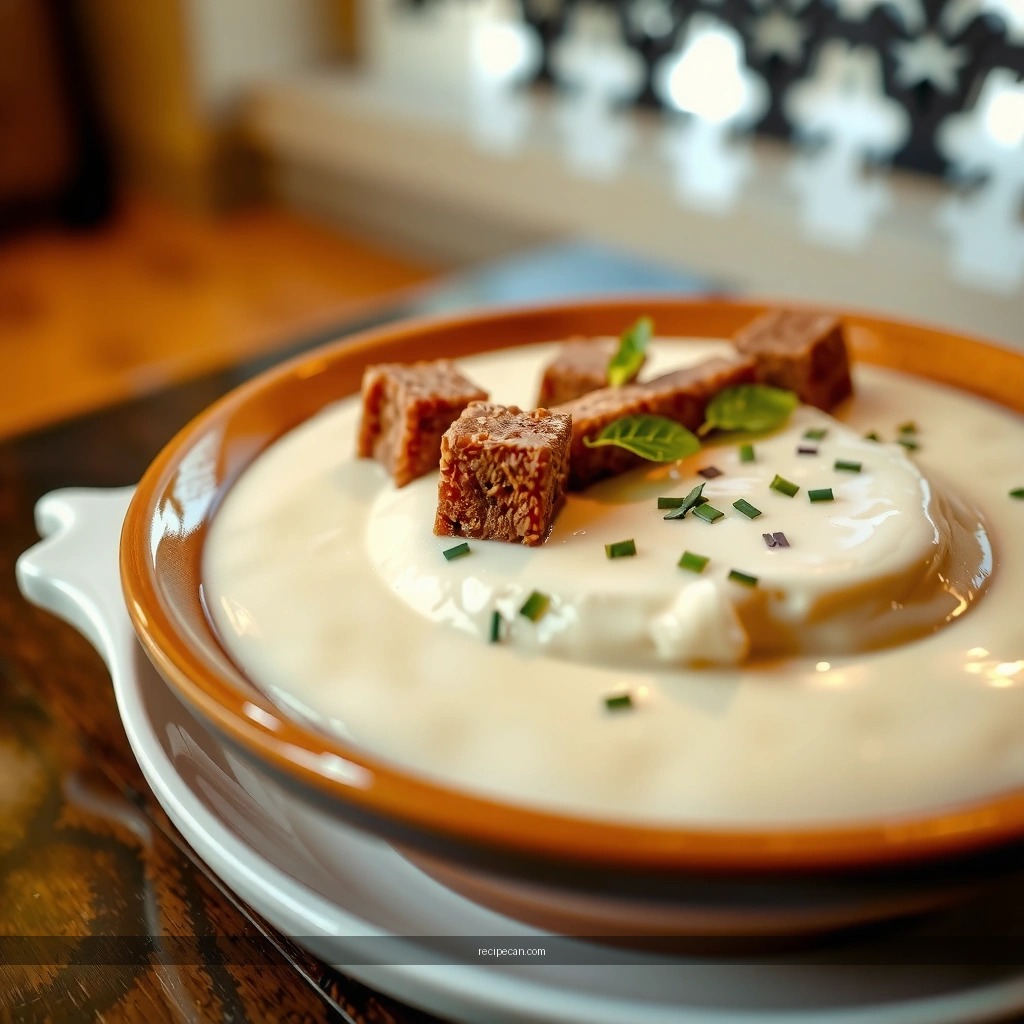
Classic rice pudding has a spoon-coating texture—thick but not dry. Because dairy-free milk brands vary in fat and viscosity, texture control matters. You can reach that custard-like finish by combining rice starch + targeted thickening.
– Use a thickening method such as extra simmering or a small amount of cornstarch
Start with simmer time: if the mixture is too loose, let it cook longer. If you need results faster or consistency is unpredictable, use cornstarch. A common approach is to dissolve a small amount in cool dairy-free milk, then stir it in and simmer for another minute or two until glossy.
– Consider adding a pinch of salt to balance sweetness
Salt isn’t optional if you want “restaurant-style” flavor. A small pinch sharpens vanilla and spices and prevents the pudding from tasting flat or overly sweet.
– For extra creaminess, blend a small portion of cooked rice and stir back in
This is one of the most reliable tricks for dairy free rice pudding that resembles a custard. Blend about 1 cup of cooked rice with a splash of liquid until smooth, then return it to the pot. The result is thick, silky, and uniformly creamy without eggs or dairy.
Quality benchmark:
When you run a spoon through the pudding, it should leave a clean trail that closes slowly. If it immediately floods back, it needs more simmering or a careful thickener adjustment.
Flavor Variations and Add-Ins
Once the base dairy free rice pudding is dialed in, the sky’s the limit. Use add-ins that complement rice’s mild flavor and the warm profile of cinnamon/vanilla.
– Add cinnamon, nutmeg, orange zest, or cardamom for warm flavor
Try a “holiday profile” (cinnamon + nutmeg) or a bright twist (vanilla + orange zest). Cardamom is especially effective because it adds floral warmth without overpowering sweetness.
– Mix in raisins, chopped dates, or toasted nuts
– Raisins swell as they warm, giving pockets of sweetness.
– Chopped dates melt into the pudding for caramel-like richness.
– Toasted nuts (almonds, pecans, or pistachios) add crunch and a toasted aroma that elevates the dessert.
– Try dairy-free chocolate chips or shredded coconut for a twist
For a “dessert café” feel, fold in dairy-free chocolate chips near the end so they stay glossy. Shredded coconut adds texture and works beautifully with coconut milk.
Practical pairing ideas:
– Vanilla + raisins + cinnamon
– Orange zest + toasted almonds + cardamom
– Coconut milk + shredded coconut + toasted pecans
– Cocoa + chocolate chips + pinch of salt (for a more adult “brown sugar” vibe)
Serving, Storage, and Reheating
Dairy free rice pudding can be served warm for comfort or chilled for a thicker, more set dessert texture.
– Serve warm or chilled, depending on your preferred texture
Warm pudding is creamy and spoonable. After chilling, starch continues to set and the pudding becomes more custard-like—almost like a dairy-free pudding cup.
– Store leftovers in an airtight container in the fridge
Refrigerated rice pudding typically keeps well for 3–4 days. To reduce skin formation, press a piece of parchment or plastic wrap directly onto the surface before sealing.
– Reheat gently with a splash of dairy-free milk to loosen
Reheat on low heat or in short microwave intervals, stirring between bursts. Add dairy-free milk gradually until you reach your desired consistency.
Texture note:
Chilled dairy free rice pudding is naturally thicker. If you reheat and it seems thin, simmer for a minute on low heat while stirring—it will tighten as it warms.Common Troubleshooting Tips
Even experienced cooks run into texture challenges with rice pudding. These fixes are quick, predictable, and keep the dessert’s custard goal intact.
– If it’s too thin, simmer longer or add a small cornstarch slurry
First, simmer uncovered for 5–10 minutes, stirring. If you still need more body, stir in cornstarch slurry and cook briefly until glossy.
– If it’s too thick, stir in more dairy-free milk gradually
Add 1–2 tablespoons at a time, stirring until smooth. Thickening happens quickly, so incremental additions prevent over-loosening.
– If it’s not flavorful enough, adjust vanilla, cinnamon, and sweetener to taste
Taste matters. Rice can mute flavors while cooking, especially if you used unsweetened dairy-free milk. Adjust in small increments: a little extra vanilla, a touch more cinnamon, or a spoonful of maple syrup.
Avoidable issues to watch for:
– Using long-grain rice (less starch release)
– Cooking too fast (boiling can alter texture)
– Skipping stirring early on (scorching reduces quality)
This dairy free rice pudding recipe is an easy way to enjoy the classic creamy dessert without dairy. Follow the rice-cooking steps for the best texture, sweeten gradually for balance, and use simple thickening strategies—like extra simmering or blending a portion of rice—when you want a true custard-like finish. Once mastered, you can personalize it with spices, dried fruit, nuts, or chocolate for a version that suits your taste and your dietary needs.
Frequently Asked Questions
What is a simple dairy free rice pudding recipe?
Use Arborio or jasmine rice simmered in a plant-based milk like almond, oat, or coconut milk with sugar (or maple syrup), cinnamon, and a pinch of salt. Cook the rice until tender and creamy, stirring often to release starch for a classic rice pudding texture. Finish with vanilla extract and serve warm or chilled for an easy dairy free rice dessert.
How do you make dairy free rice pudding creamy without dairy?
Creaminess comes from starch—choose short-grain rice and simmer slowly while stirring frequently. If you want extra thickness, let it cook a few minutes longer or add a slurry made from 1–2 teaspoons cornstarch mixed with cold plant milk. You can also stir in a little coconut cream (from the can) near the end for a richer dairy free rice pudding consistency.
Why does my dairy free rice pudding turn out watery, and how can I fix it?
Watery pudding usually means the rice isn’t cooked long enough or the liquid-to-rice ratio is too high. Next time, simmer until the grains are fully tender and the mixture coats the spoon; it will thicken further as it cools. You can also fix it by reheating and stirring to reduce liquid, or by thickening with cornstarch while gently simmering.
Which plant-based milk is best for dairy free rice pudding?
Oat milk is often the easiest for a creamy, traditional flavor because it mimics dairy’s body well. Coconut milk makes a more decadent, slightly tropical rice pudding, while almond milk is lighter but may require a little thickening for the best texture. Choose unsweetened versions so you can control sweetness and avoid overly thin dairy free rice pudding results.
What are the best flavor add-ins for dairy free rice pudding?
Classic options include cinnamon sticks, nutmeg, and vanilla extract for a warm, comforting profile. For fruitiness, try raisins, chopped dried dates, or a splash of orange zest; for richness, add toasted coconut flakes or dairy-free butter. If you want a pudding-like finish, stir in a pinch of salt and let the flavors rest briefly before serving.
References
- Google Scholar Google Scholar
https://scholar.google.com/scholar?q=dairy-free+rice+pudding - Google Scholar Google Scholar
https://scholar.google.com/scholar?q=rice+pudding+soy+milk+almond+milk+recipe - Google Scholar Google Scholar
https://scholar.google.com/scholar?q=lactose+intolerance+management+plant+milk - Rice pudding
https://en.wikipedia.org/wiki/Rice_pudding - https://en.wikipedia.org/wiki/Dairy-free_diet
https://en.wikipedia.org/wiki/Dairy-free_diet - Lactose intolerance
https://en.wikipedia.org/wiki/Lactose_intolerance - Plant milk
https://en.wikipedia.org/wiki/Plant_milk - Lactose Intolerance – NIDDK
https://www.niddk.nih.gov/health-information/digestive-diseases/lactose-intolerance - Lactose intolerance – NHS
https://www.nhs.uk/conditions/lactose-intolerance/ - Lactose intolerance – Symptoms & causes – Mayo Clinic
https://www.mayoclinic.org/diseases-conditions/lactose-intolerance/symptoms-causes/syc-20374232