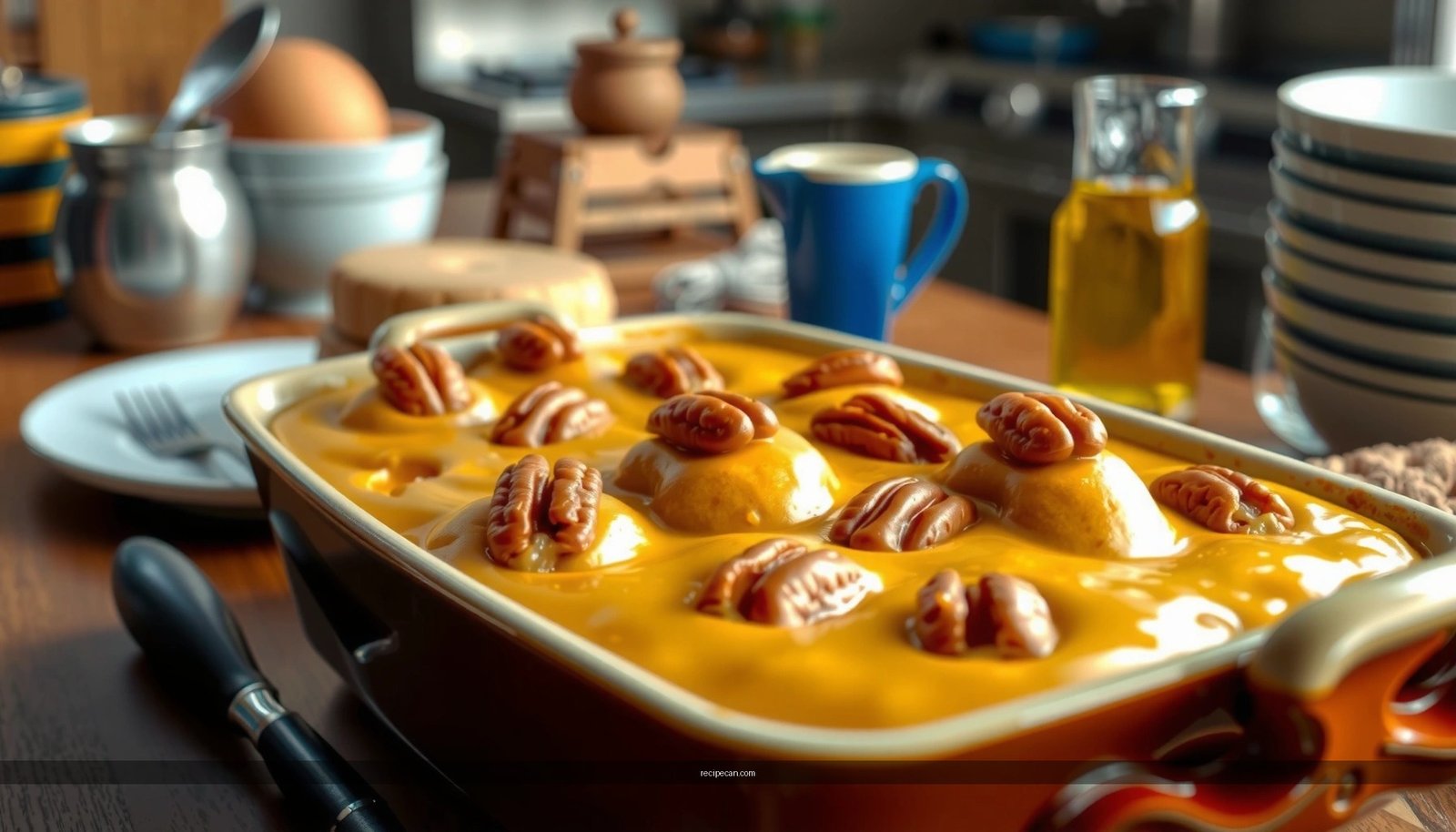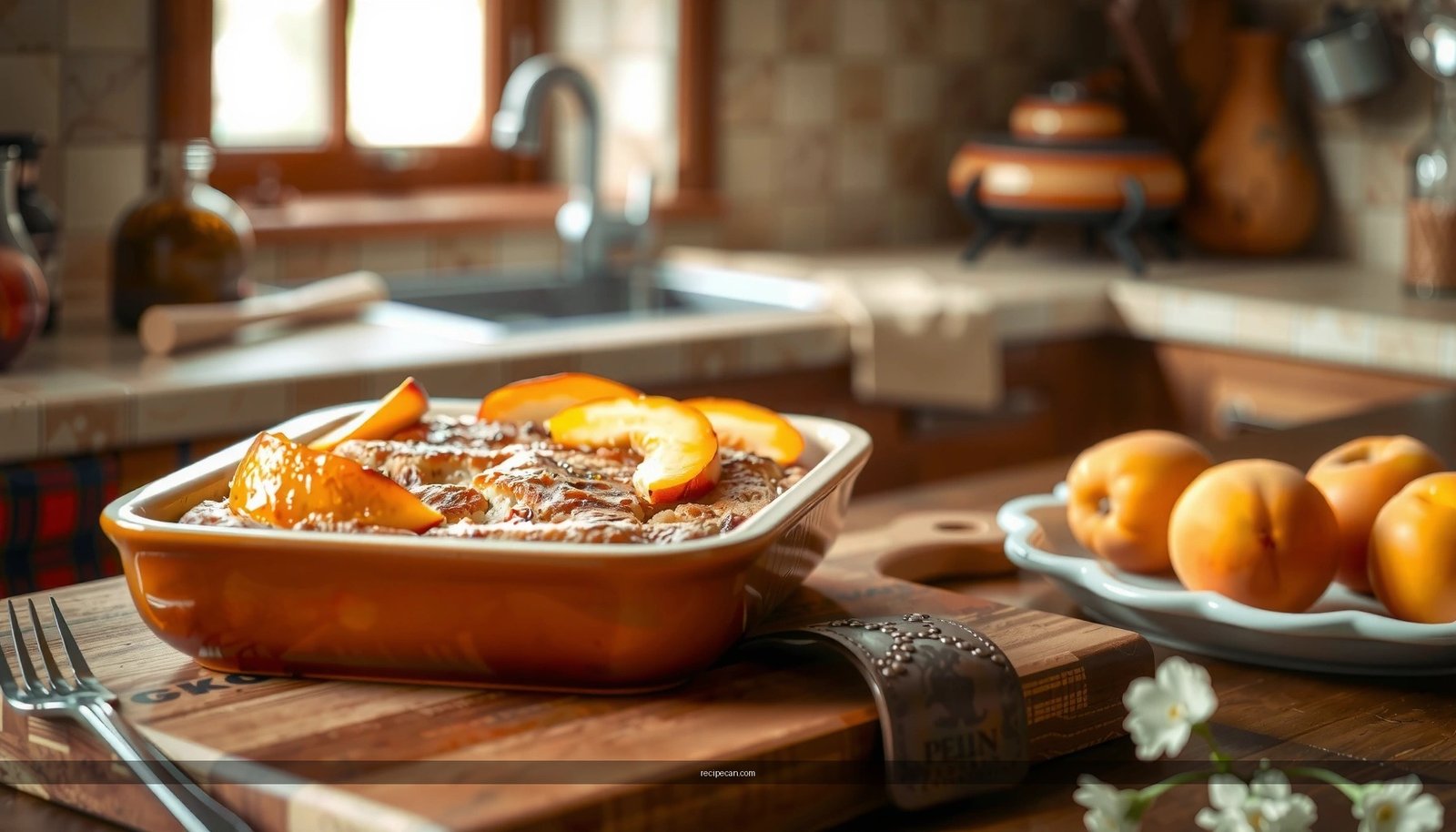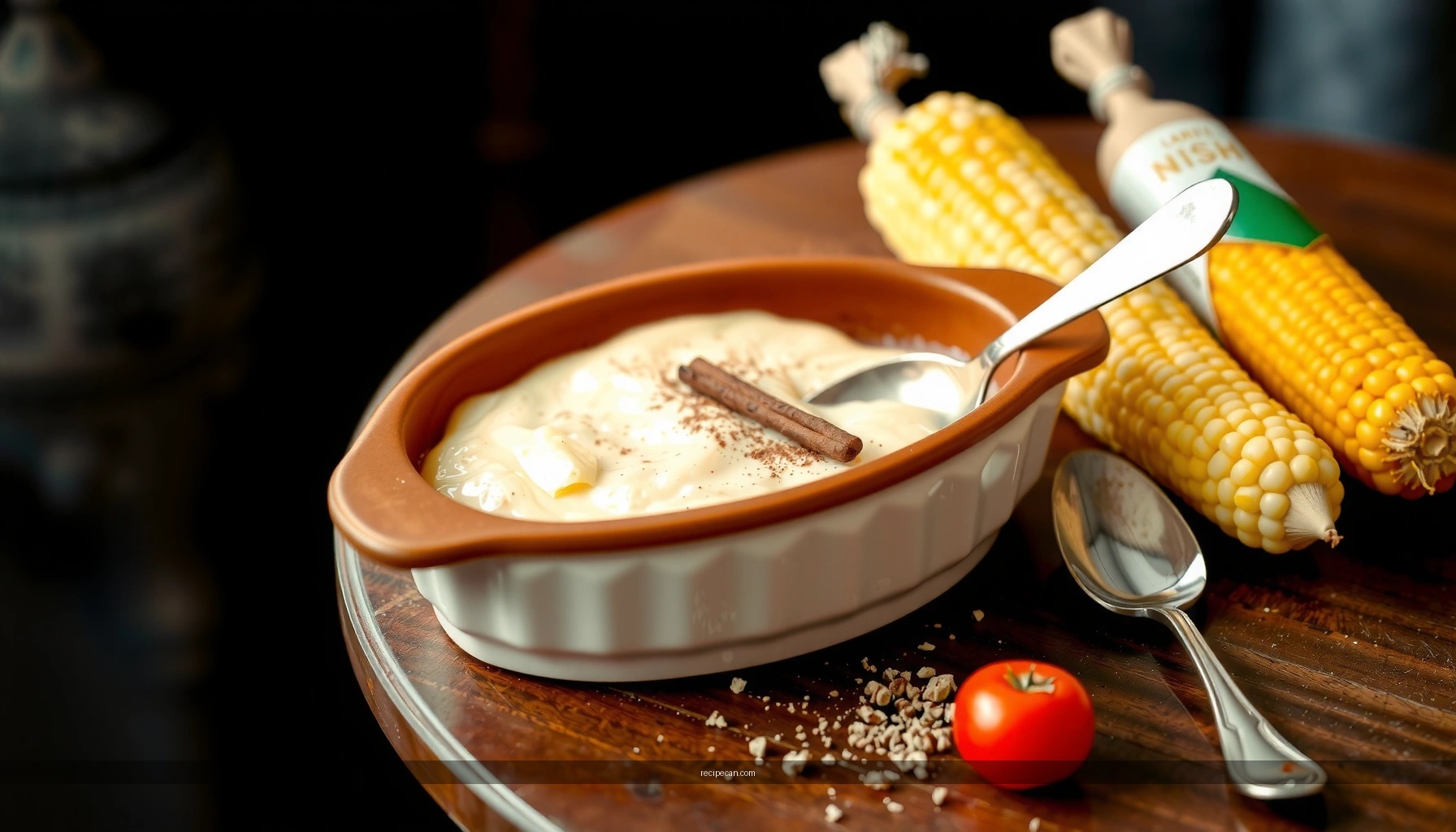
Get a creamy, spiced Jamaican cornmeal pudding recipe you can make easily at home, with the exact steps to nail its thick, custardy texture. This guide answers how to cook cornmeal until smooth, balance warm spices, and sweeten just right for a standout Jamaican-style dessert. If you want the simplest route to pudding that slices clean and tastes deeply spiced, this is the one to follow.
This Jamaican cornmeal pudding recipe delivers a smooth, creamy result by cooking the cornmeal thoroughly and letting the pudding set properly—so it comes out rich (not gritty). With milk (or coconut milk), warm spices, and a sweetened condensed richness, you can bake or steam it to tender perfection every time.
This dessert—often called “cornmeal pudding” in Caribbean homes—rests on one core technique: cornmeal must be cooked long enough and stirred correctly for the starches to hydrate fully. When that happens, the pudding becomes spoon-tender with a custardy bite. Below, you’ll find the key ingredients, exact step logic, and timing guidance that help you get the texture right on your first attempt.
Cornmeal Texture Guide: Heat & Stir Targets for Smooth Pudding
| # | Stage | Typical Cook Time | What You Should See | Texture Risk |
|---|---|---|---|---|
| 1 | Initial hydration | 5–7 min | Thickening starts; no big lumps | High (if rushed) |
| 2 | Starch development | 10–14 min | Smooth, glossy base | Low |
| 3 | Thick “spoon-coat” phase | 6–9 min | Pulls slightly from spoon | Low |
| 4 | Rest before baking/steaming | 10–15 min | Slightly thickens, bubbles calm | Very Low |
| 5 | Baking set time | 35–50 min | Center looks set, edges slightly darker | Medium (over/under) |
| 6 | Steaming set time | 45–70 min | Firm wobble; knife inserted comes out clean | Medium (steam varies) |
| 7 | Cooling & final firm-up | 20–40 min | Sliceable; surface smooth | Low (best flavor) |
Ingredients for Jamaican Cornmeal Pudding
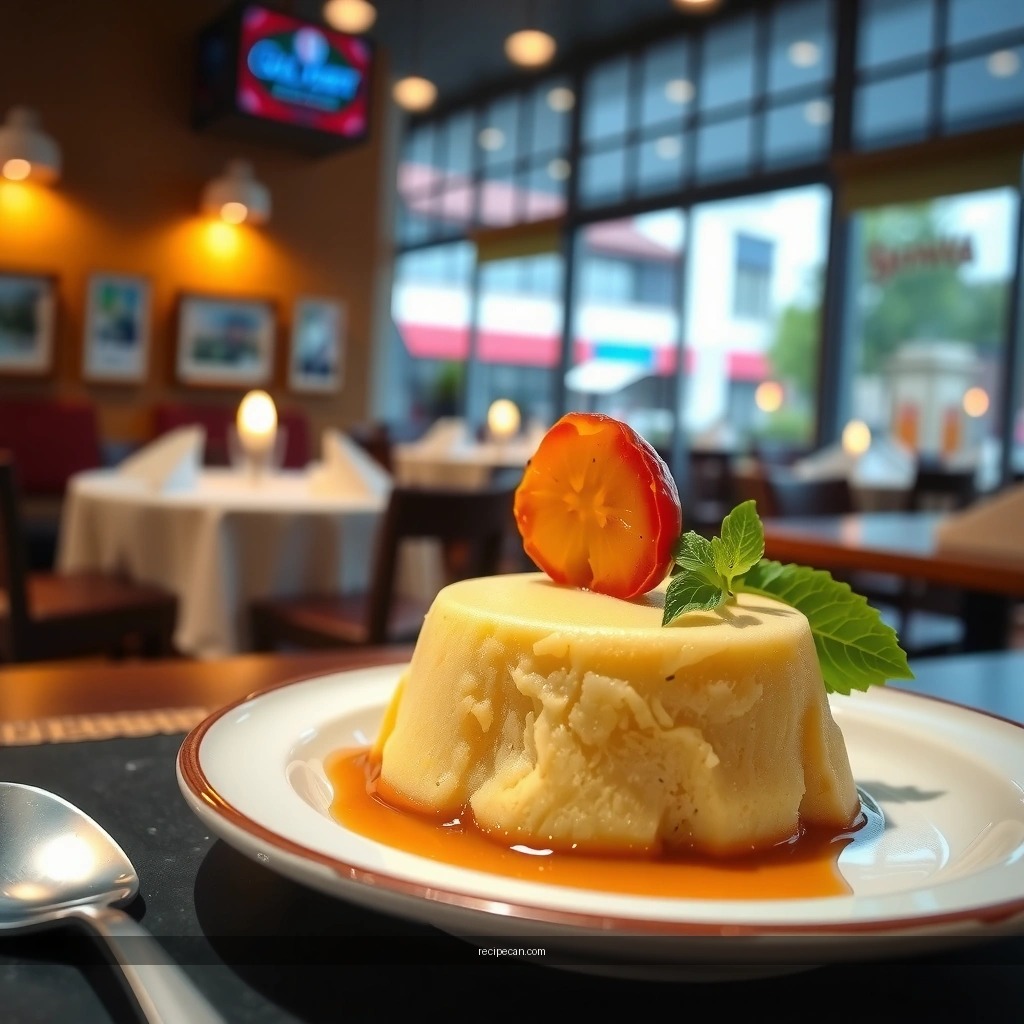
At its core, Jamaican cornmeal pudding is a cooked cornmeal base that becomes custardy when dairy, sweetener, and spices are combined and then baked or steamed. The best results come from balancing creaminess (milk or coconut milk), sweetness (sugar and/or sweetened condensed milk), and warmth (classic spices).
Base ingredients
– Cornmeal (medium grind preferred): This is the structure. Medium-grind cornmeal hydrates more predictably than very fine meal (which can go from smooth to thick too quickly).
– Milk (or coconut milk): Milk creates a classic creamy profile, while coconut milk adds a tropical richness.
– Sugar: Used to sweeten before baking/steaming, helping the pudding develop a rounded flavor.
– Egg (optional, but helpful for structure): Some versions include an egg to give extra custard stability. If you prefer a simpler method, you can omit it—just ensure your cornmeal is cooked thick enough before setting.
Spices for the Jamaican signature
– Ground cinnamon: For warmth and comforting aroma.
– Ground nutmeg: For that distinctive Jamaican “baked dessert” note.
– Optional: a pinch of cloves or allspice if you want a deeper holiday-style fragrance.
Sweetened richness and add-ins
– Sweetened condensed milk (recommended): This is where many people get that “creamy dessert” feel—both in flavor and mouthfeel. Stir it in late so it integrates without scorching.
– Optional add-ins:
– Vanilla extract for smoother dessert character
– Butter for extra gloss and tenderness
– Raisins for bursts of sweetness
– More condensed milk if you like a richer, softer set
– Shredded coconut for texture and a toasted aroma (especially good if you bake)
A practical note: cornmeal thickness is influenced by grind size and brand. If your pudding tends to be gritty, it’s usually because the cornmeal didn’t cook long enough or wasn’t stirred early enough.
Equipment and Prep Tips
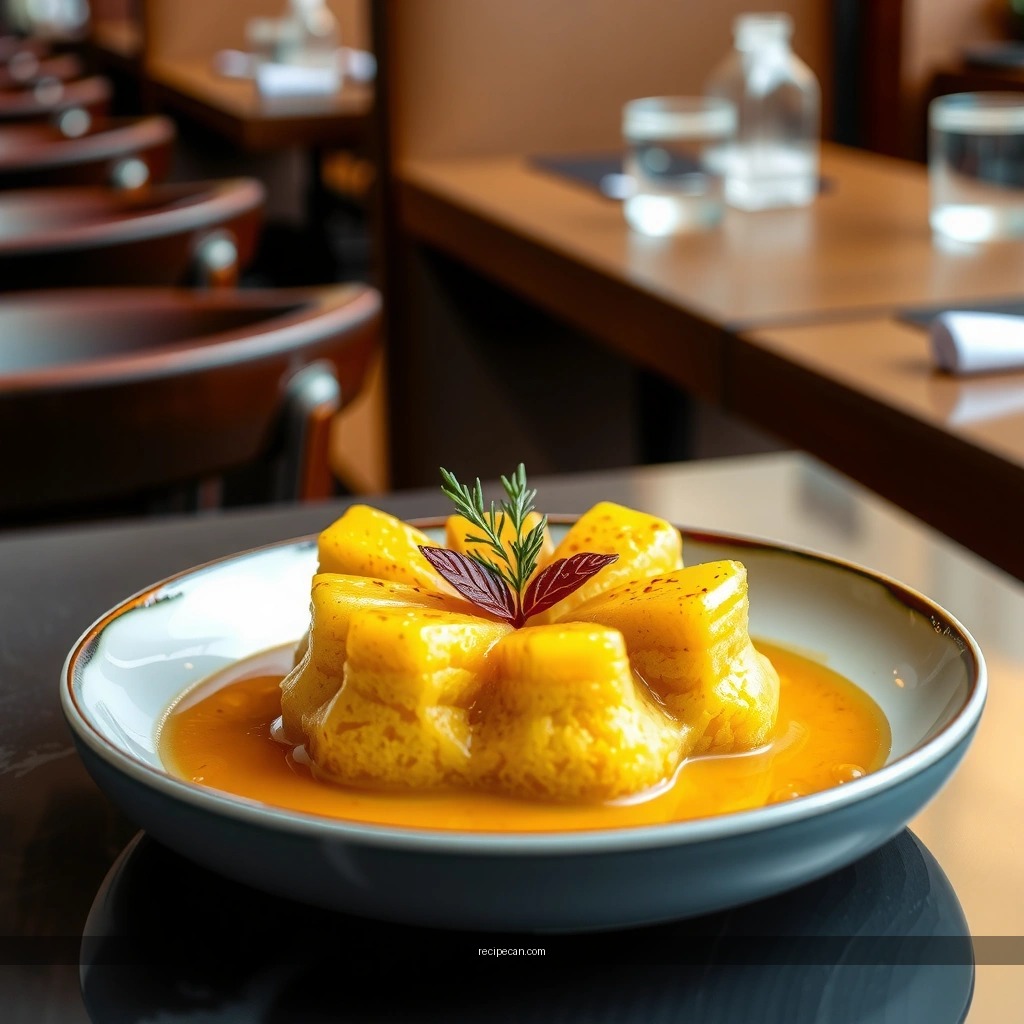
The right tools and prep habits matter because pudding is sensitive to scorching and lumps during the early cook stage.
Equipment that improves consistency
– Heavy-bottom pot or saucepan: Helps prevent uneven heating, which can scorch the milk or create gluey bits.
– Whisk or sturdy spoon: Use a whisk during the first few minutes to prevent clumps, then switch to a spoon for thicker stirring.
– Fine-mesh sieve (optional): If you accidentally form lumps, strain once at the thickest stage before baking/steaming.
Prep tips for speed and control
– Measure liquids in advance: Milk and coconut milk additions affect viscosity; measured additions reduce trial-and-error.
– Grease your dish well: Whether baking in a casserole or steaming in a mold, lightly grease so the finished pudding releases cleanly and doesn’t stick at the edges.
– Organize add-ins by timing:
– Spices early (for bloom)
– Condensed milk and vanilla later (for smoothness)
– Raisins/coconut last (so they don’t sink excessively)
Heat management principle
Keep the heat at medium during cooking and reduce if bubbles threaten to foam over. Gentle simmering lets starches hydrate without drying the mixture or burning the milk.
Step-by-Step Recipe Instructions
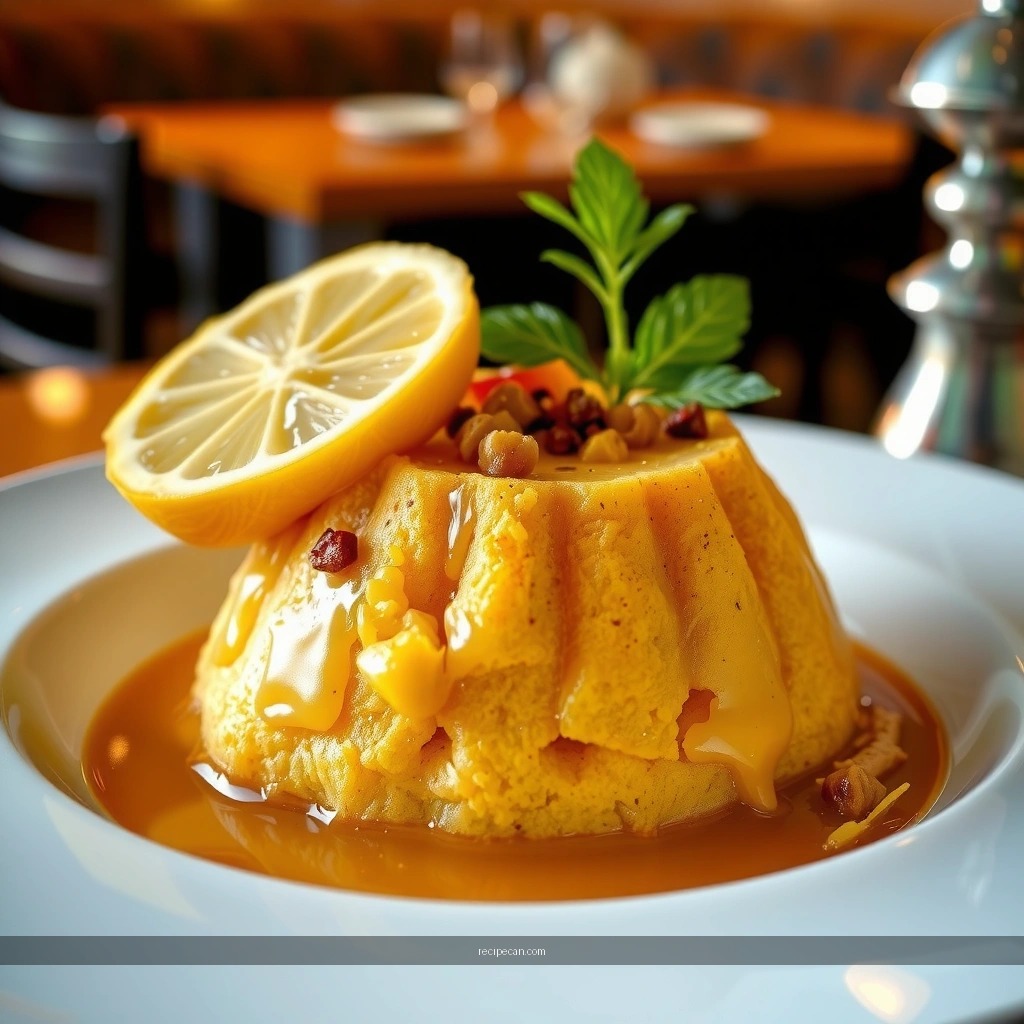
Below is a reliable method for Jamaican cornmeal pudding that prioritizes smooth texture. Baking gives a slightly firmer top; steaming keeps everything evenly custardy.
Step 1: Combine and cook the cornmeal base
1. In a heavy saucepan, add milk (or coconut milk) and bring to a gentle simmer.
2. Gradually whisk in cornmeal to avoid lumps.
3. Cook over medium heat, stirring constantly for the first few minutes, then stir frequently.
4. Continue until the mixture thickens to a spoon-coat consistency—typically around 25–35 minutes, depending on grind.
Step 2: Season and sweeten
5. Add sugar and stir until dissolved.
6. Add cinnamon and nutmeg (and any optional spice) and cook for another 2–3 minutes so the flavors bloom.
Step 3: Finish for creaminess
7. Reduce heat to low. Stir in butter (optional).
8. If using egg, whisk it briefly, then temper by adding a small ladle of hot cornmeal mixture to the egg and mixing quickly—then return the tempered egg to the pot.
9. Stir in vanilla and sweetened condensed milk last, mixing until fully integrated.
Step 4: Set by baking or steaming
10. Pour into a greased baking dish or pudding mold.
11. Bake: at 350°F / 175°C for 35–50 minutes, until the center is set but still slightly tender.
12. Steam: about 45–70 minutes depending on mold size, until a knife inserted in the center comes out clean.
13. Let rest 20–40 minutes before slicing or serving—this is the step that turns “hot and loose” into “creamy and set.”
Timing checkpoints (what “done” should feel like)
– Early on: thickening should begin within the first 10 minutes.
– Midway: the mixture becomes glossy and consistently smooth.
– End: it should look like a thick custard base even before baking/steaming—otherwise you risk a gritty texture.
Achieving the Right Texture (Creamy vs. Gritty)
Texture is the deciding factor for this recipe. Cornmeal pudding becomes creamy when starch granules are fully hydrated and the proteins in dairy set evenly during baking/steaming. It turns gritty when the mixture is undercooked, too hot too fast, or not given time to firm up.
How to prevent grittiness
– Stir constantly early: The first 5–7 minutes are critical for preventing clumps.
– Cook until thick—don’t “stop early”: If you transfer to the baking dish before the cornmeal has thickened to a spoon-coat stage, the oven will not fully fix underhydrated cornmeal.
– Use medium heat: High heat can scorch the milk at the bottom while the cornmeal near the top remains undercooked.
– Let it rest before serving: Cooling allows starches to continue setting and rehydrating slightly.
Creamy vs. firm: how to control mouthfeel
– For creamy-soft pudding: bake until the center is just set and wobble remains.
– For sliceable pudding: let it cool longer and bake slightly longer (or chill after baking).
– If the pudding thickens too much while cooling, reheat gently with a splash of milk to loosen—this restores the creamy spoonability without turning watery.
A useful analytical approach: if you taste while hot, cornmeal may still feel a little firm. After a 20–30 minute rest, the texture typically smooths out into the characteristic Jamaican pudding bite.
Flavor Variations and Add-Ins
Once the base technique is correct, Jamaican cornmeal pudding becomes highly customizable. Flavor additions work best when you add them at the right moment so they don’t overpower or sink unevenly.
High-impact variations
– Coconut milk for a richer profile: Swap part or all of the milk with coconut milk. The result is fuller and slightly more fragrant, especially with nutmeg.
– Brown sugar for deeper sweetness: Replace some white sugar with brown sugar for caramel-like depth.
– More nutmeg for “classic bakery” aroma: Nutmeg intensifies after baking/steaming. Add a little extra on top before setting.
Popular add-ins and when to add them
– Raisins: Stir in near the end so they distribute evenly and don’t overcook into dryness.
– Shredded coconut: Works well with baking because it can lightly toast at the top.
– Butter (finish): Add at low heat for a silkier mouthfeel.
– Condensed milk swirl: For visual appeal, drizzle a little extra condensed milk on top before serving (not before baking, to prevent excessive sweetness pooling).
A professional tip: If you add fruit (like raisins), consider soaking them briefly in warm water or juice to soften and reduce chew variability.
Serving Suggestions and Storage
How you serve and store your Jamaican cornmeal pudding affects texture as much as cooking.
Serving
– Serve warm: Spoon it straight from the baking dish for a comforting, custard-like dessert.
– Toppings:
– Drizzle sweetened condensed milk for extra richness
– Dust with cinnamon for aroma
– Optional: toasted coconut for crunch contrast
Warm pudding is typically creamier; chilled pudding becomes firmer and sliceable.
Storage and reheating
– Fridge storage: Cover and store in the refrigerator for up to 3–4 days.
– Reheat gently: Use a microwave at short intervals or rewarm in a small pot with a splash of milk. Stir to restore smoothness.
– Freezing: If you freeze, thaw in the fridge overnight and reheat gently; texture may loosen slightly due to dairy separation, but gentle reheating usually recovers the creaminess.
Because this dessert relies on starch and dairy stability, avoid frequent high-heat reheating—gentle warming keeps it silky rather than grainy.
This Jamaican cornmeal pudding recipe is all about thickening the cornmeal properly and letting it set so you get that smooth, creamy bite. Make it today by following the steps closely, adjusting spices to your taste, and serving it warm or chilled—then share your results or favorite add-ins.
In summary, the key to Jamaican cornmeal pudding is controlled cooking: hydrate the cornmeal until you reach a spoon-coat consistency, season and finish with sweetened condensed richness at the right moment, and then bake or steam until set. With the texture safeguards—constant early stirring, correct thickness before transferring, and adequate resting time—you’ll get a creamy, spiced dessert that’s consistent, flavorful, and easy to reproduce.
Frequently Asked Questions
What is the best recipe for Jamaican cornmeal pudding?
A classic Jamaican cornmeal pudding uses fine cornmeal, coconut milk or evaporated milk, sweetened condensed milk, butter, eggs (often), nutmeg, vanilla, and a pinch of salt. Many recipes also include raisins and/or sugar for sweetness and flavor. You cook the cornmeal mixture until thick, then bake or steam it until set and slightly firm in the center for that traditional pudding texture.
How do you make Jamaican cornmeal pudding without lumps?
To avoid lumps, whisk cornmeal with a small amount of cold milk or water first, then gradually pour it into hot coconut milk while stirring continuously. Keep the heat at a steady simmer and stir often until the mixture thickens to a smooth, creamy consistency. If lumps still form, use a whisk vigorously or strain the mixture before baking to ensure a silky Jamaican cornmeal pudding.
Why does Jamaican cornmeal pudding become too thick or too runny?
The texture usually comes down to the cornmeal-to-liquid ratio and cooking time. If it’s too thick, it likely needs a bit more coconut milk (or a longer warm rest to absorb moisture); if it’s too runny, it may not have cooked long enough to set. Bake/steam until the center is firm but still creamy, and let the pudding cool slightly so it thickens as it sets.
Which baking method is best for Jamaican cornmeal pudding—baked or steamed?
Both methods work, but baking typically gives a firmer, more custard-like Jamaican cornmeal pudding with lightly set edges. Steaming can produce a softer, more tender pudding with a smoother, evenly cooked texture. Choose based on your equipment and desired mouthfeel; either way, use a covered dish and check doneness with a toothpick or gentle jiggle test.
What can I add to enhance flavor in Jamaican cornmeal pudding?
For authentic Jamaican flavor, use plenty of nutmeg and vanilla, and consider adding cinnamon or allspice for warmth. Raisins, shredded coconut, or a small amount of grated ginger can add depth and a more aromatic pudding. If you want a richer dessert, add an extra egg or a bit more butter, but keep sweetness balanced so your Jamaican cornmeal pudding isn’t overly sugary.
References
- Google Scholar Google Scholar
https://scholar.google.com/scholar?q=Jamaican+cornmeal+pudding+recipe - Google Scholar Google Scholar
https://scholar.google.com/scholar?q=Jamaican+cornmeal+porridge+pudding - Google Scholar Google Scholar
https://scholar.google.com/scholar?q=Caribbean+cornmeal+pudding+traditional+recipe - https://en.wikipedia.org/wiki/Cornmeal_pudding
https://en.wikipedia.org/wiki/Cornmeal_pudding - Jamaican cuisine
https://en.wikipedia.org/wiki/Jamaican_cuisine - Cornmeal
https://en.wikipedia.org/wiki/Cornmeal - Jamaican cuisine
https://en.wikipedia.org/wiki/Jamaican_desserts - https://en.wikipedia.org/wiki/Pudding_(food
https://en.wikipedia.org/wiki/Pudding_(food - Jamaica | History, Population, Flag, Map, Capital, & Facts | Britannica
https://www.britannica.com/place/Jamaica - https://www.britannica.com/topic/food-and-drink/cooking-techniques/soups-and-stews
https://www.britannica.com/topic/food-and-drink/cooking-techniques/soups-and-stews