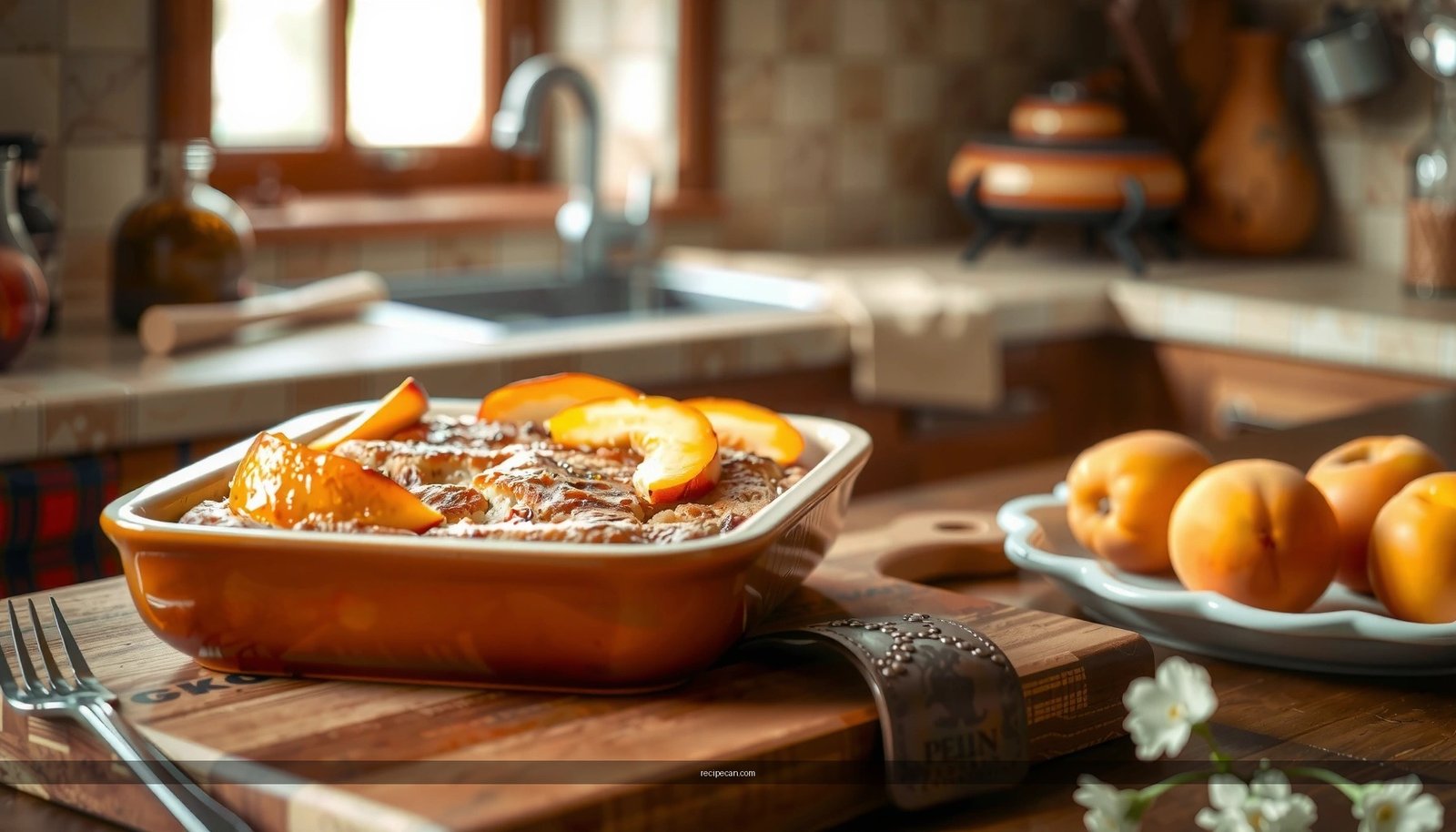
Looking for a persimmon pudding recipe in Mitchell, Indiana that actually tastes like the local-style favorite? This guide gives you the best straightforward method—what to use, how to prepare the persimmons, and when to bake for a rich, set custard you can trust. If you want the quickest path to Mitchell-style results without guesswork, this is the recipe to follow.
This persimmon pudding recipe delivers a classic Mitchell, Indiana-style dessert with a thick, spoonable set and warm spice flavor—without complicated techniques. Use fully ripe, soft persimmons, bake at a steady temperature, and follow the pulp-handling steps to prevent thin pudding and ensure a clean, reliable set.
If you’re looking for “persimmon pudding near me” results that go beyond nostalgia, this method is the practical answer: it treats persimmon pulp like a fruit custard base. You’ll get sweetness naturally from ripe fruit, balanced with spices like cinnamon and nutmeg, and you’ll use straightforward pantry ingredients to help the pudding set in the oven.
What You Need for Persimmon Pudding (Mitchell, Indiana Style)

Mitchell-style fruit puddings tend to emphasize comfort: real fruit flavor first, warm spices second, and a custardy, cake-adjacent texture that slices cleanly when cooled. For that outcome, the ingredients matter as much as the baking process.
Essential ingredients for a traditional flavor profile
Use this core set to achieve the balanced “spiced fruit custard” character:
– Ripe persimmons (about 2 1/2 to 3 cups mashed pulp)
– Eggs (2 large) for structure and gentle custard setting
– Milk or evaporated milk (1 cup) for richness and dependable baking results
– Sugar (1/2 to 3/4 cup, adjusted to ripeness)
– All-purpose flour (2 to 3 tablespoons) for thickness and a smoother set
– Butter (2 tablespoons, melted) for a rounder mouthfeel
– Vanilla extract (1 teaspoon) for aroma
– Baking powder (1 teaspoon) for slight lift and an inviting pudding crumb
– Salt (1/4 teaspoon) to sharpen persimmon sweetness
– Ground cinnamon (1 1/2 teaspoons)
– Ground nutmeg (1/4 to 1/2 teaspoon)
– Optional ginger (1/4 teaspoon) for a deeper warm-spice note
Best type of persimmons to use
For the best Mitchell-style outcome, choose fully ripe persimmons that are soft and jelly-like. The key indicator is texture: the fruit should yield easily when pressed, and the flesh should be sweet rather than astringent.
Avoid firm or only partially ripe persimmons—especially if they still feel dry or “tight” in the skin—because they won’t mash smoothly and can lead to a pudding that bakes thin or tastes tannic.
Common pantry spices that match the Mitchell-style taste
While every home version differs, the spice profile that consistently pairs well with persimmons is:
– Cinnamon (signature warm sweetness)
– Nutmeg (custardy depth)
– Ginger (optional, adds a gentle bite)
– Clove (optional pinch; use lightly so it doesn’t overpower)
If you want a “local-style” feel, stick to cinnamon + nutmeg as your baseline and make ginger a small adjustment based on preference.
Ripe Persimmon Choices for Pudding Texture (Mitchell-Style Practice)
| # | Persimmon Type / Ripeness Clue | Mash Ease | Sweetness | Pudding Set Result | Fit for Mitchell-Style |
|---|---|---|---|---|---|
| 1 | American persimmon (very soft) | ★ ★ ★ ★ ★ | High | Thick, creamy | Best |
| 2 | American persimmon (soft, jelly center) | ★ ★ ★ ★ ☆ | High | Reliable set | Excellent |
| 3 | Fuyu (ripe, still firm but sweet) | ★ ★ ★ ☆ ☆ | Medium-High | Thickens well | Great |
| 4 | Fuyu (slightly under-ripe) | ★ ★ ★ ☆ ☆ | Medium | May need extra baking time | Okay |
| 5 | Hachiya (firm, not fully ripe) | ★ ★ ☆ ☆ ☆ | Low-Medium | Can turn astringent | Avoid |
| 6 | Hachiya (ripe, very soft) | ★ ★ ★ ★ ★ | High | Velvety, custard set | Best |
| 7 | Frozen persimmon pulp (thawed, drained) | ★ ★ ★ ★ ☆ | High | Predictable thickness | Excellent |
Prep Tips: How to Get Smooth, Sweet Persimmon Pulp

The texture of your pudding begins with pulp prep. Most issues—lumps, thinness, or uneven set—come from pulp handling rather than the bake itself.
How to mash persimmons for the right pudding texture
1. Scoop pulp from very ripe persimmons with a spoon.
2. Mash thoroughly until mostly smooth. For extra finesse, push pulp through a fine mesh sieve to remove fibrous bits.
3. Measure after mashing so your flour and eggs ratios remain consistent.
If you’re working with American persimmons (often seed + fiber dense), sieving can make the pudding feel more “custard-like.”
Tips for reducing excess liquid so it bakes thick
Persimmons can vary in water content. To help your pudding set thickly:
– Drain off obvious juice after mashing (especially if pulp looks soupy).
– Simmer pulp gently for 3–5 minutes if it’s very watery, then cool slightly before mixing.
– Hold back 1–2 tablespoons of milk initially, then add only if the batter is too thick.
This “controlled hydration” approach is how you avoid the dreaded outcome: a pudding that tastes great but never fully thickens.
When to stop mixing for a tender result
Overmixing can develop a tougher texture due to flour hydration and air incorporation.
– Mix ingredients until just combined—no longer.
– Stir in flour and baking powder gradually to prevent clumps, but once smooth, stop.
– If using a whisk, keep it efficient and brief.
A tender pudding is built by gentleness: smooth batter, minimal agitation, and steady heat in the oven.
Step-by-Step Persimmon Pudding Recipe
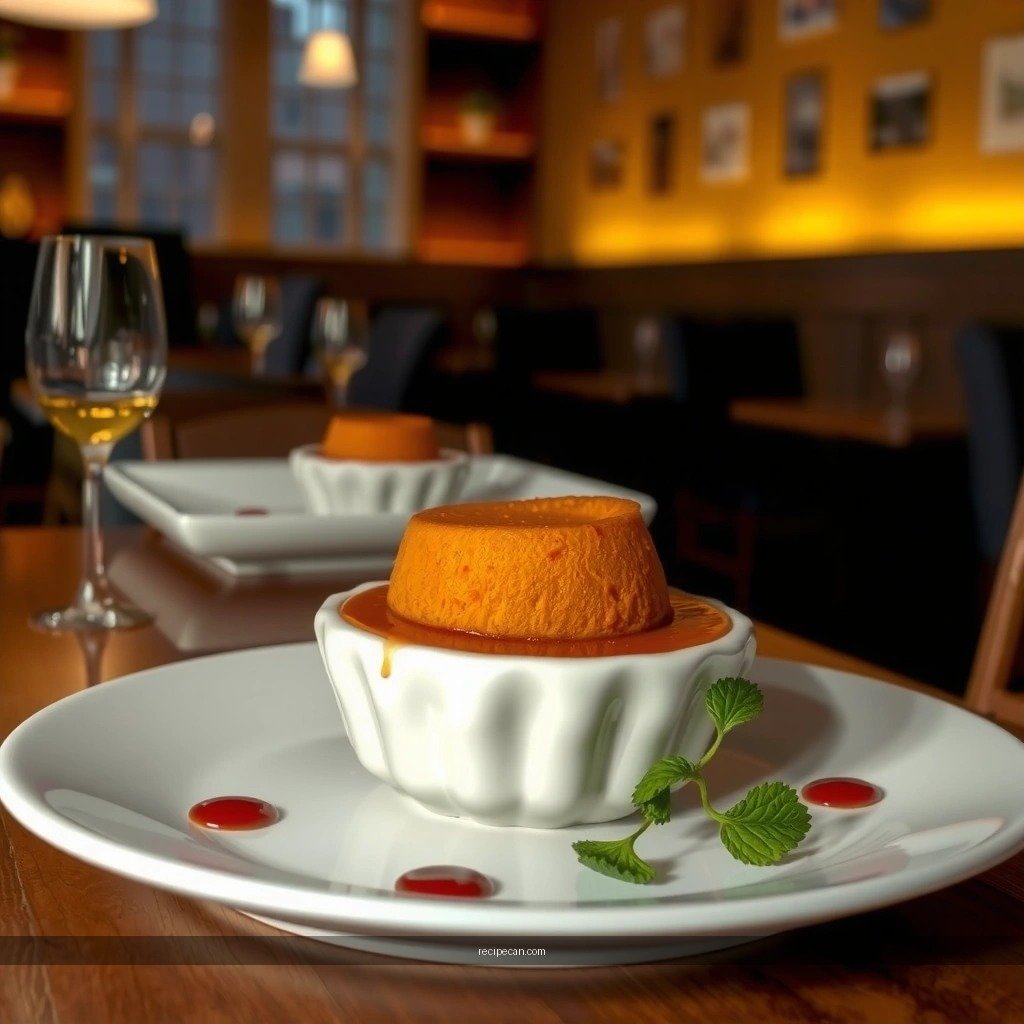
This timeline is designed for consistent results in most home ovens. It’s structured so the center bakes through without drying the edges.
Baking timeline from prep to finished set
– Prep: 15 minutes
– Mix & fill: 10 minutes
– Bake: 35–45 minutes at 350°F (175°C)
– Rest: 20–30 minutes to firm up before slicing
Mixing order to prevent lumps and ensure even blending
1. Preheat oven to 350°F (175°C).
2. Prepare pan: Use an 8×8-inch baking dish (or 2-quart casserole). Lightly butter it.
3. Combine dry ingredients: In a bowl, whisk flour, baking powder, salt, cinnamon, nutmeg (and ginger if using).
4. Blend wet ingredients: In a larger bowl, whisk eggs, sugar, milk, melted butter, and vanilla.
5. Add persimmon pulp: Stir in the measured persimmon pulp.
6. Combine wet + dry: Add dry to wet and mix until smooth. Scrape the bowl edges.
7. Fill and bake: Pour into pan and bake until set.
Doneness cues so the center bakes through
Your pudding is done when:
– The edges look set and slightly puffed.
– The center jiggles gently like soft custard, not liquid slosh.
– A knife inserted near the center comes out with moist crumbs (not raw wet batter).
If the center seems underdone, bake in 5-minute increments rather than increasing temperature—higher heat can force the edges to over-set while leaving the center loose.
Baking & Serving: Achieve the Perfect Set
Mitchell-style serving often emphasizes contrast: warm pudding plus a rich topping. The goal is a texture that holds up to a spoon—or slices with confidence.
Recommended bake temperature and pan size guidance
– Temperature: 350°F (175°C)
– Pan size: 8×8-inch for classic thickness
– Alternative: If using a 9×13-inch dish, expect a thinner pudding and reduce baking time by ~5–10 minutes (start checking at 30 minutes).
Use a ceramic or glass dish when possible; it promotes even heat distribution for custardy desserts.
Resting time for clean slices or spoonable pudding
Resting is not optional if you want the perfect set:
– 20 minutes: spoonable, creamy texture
– 30–45 minutes: firmer, cleaner slices with less runny center
Cover loosely after 20 minutes to prevent a skin from forming if you prefer a softer top.
Serving ideas (warm with sauce, whipped topping, or butter)
Traditional, high-impact serving options:
– Warm with vanilla sauce (or caramel sauce) for an “Indiana home dessert” feel.
– Whipped topping for light sweetness against spiced fruit.
– Butter + a pinch of cinnamon-sugar for a simple, nostalgic finish.
– Hot drizzle option: A little warmed maple syrup can highlight persimmon’s natural honey notes.
For best results, serve at slightly warm temperature—cold pudding can mute spice aroma and make persimmon taste less bright.
Variations to Match Your Taste
A good local-style recipe is flexible. Adjust sweetness and add-ins without losing the pudding’s structural integrity.
Options for adding nuts, raisins, or extra spices
Consider these mix-ins:
– Raisins: 1/3 cup for a familiar old-fashioned sweetness
– Toasted chopped pecans or walnuts: 1/2 cup for crunch and depth
– Extra spice: Add a pinch of clove or cardamom for a more complex aroma
Fold mix-ins after combining wet and dry so they distribute evenly.
Adjust sweetness level depending on persimmon ripeness
Since persimmons vary, sugar is a dial:
– If persimmons taste very sweet and fully ripe, use 1/2 cup sugar.
– If flavor is mild, move toward 3/4 cup sugar.
– Taste the pulp before mixing—this is your most reliable predictor.
Dairy or thickener swaps if needed
If you want dietary or availability flexibility:
– Evaporated milk can replace regular milk for richer body.
– Half-and-half yields a creamier result but can require slightly less bake time.
– If you need a thicker set, increase flour to 3 tablespoons rather than adding more eggs (eggs can make the texture feel more “egg-forward”).
For thickening, flour is typically the most controllable option in fruit puddings.
Storage & Reheating for Best Flavor
Persimmon pudding tastes even better after it rests—spices meld and the fruit flavor rounds out.
How to store leftovers to keep them moist
– Cool completely.
– Cover tightly and refrigerate in an airtight container.
– Keep portions in individual containers if you plan multiple reheat cycles (less drying).
Stored properly, refrigeration helps prevent a watery separation.
Reheating methods (microwave vs. oven)
– Microwave: Reheat individual portions in 15–25 second bursts, stirring gently, until warm. Add a teaspoon of milk if it thickened too much.
– Oven: Cover the dish with foil and warm at 325°F (165°C) for 15–20 minutes for a more even reheat.
Oven reheating preserves the custard-like texture best, especially for whole-pan leftovers.
How long it keeps for quality dessert
For best quality:
– Refrigerated: 3–4 days
– Freezing: Not recommended for best texture, because persimmon custards can soften and slightly separate after thawing.
If you freeze, wrap tightly and thaw in the refrigerator, then reheat gently to reduce texture changes.
Warm up your kitchen with this persimmon pudding recipe inspired by Mitchell, Indiana—follow the prep and baking tips for the right texture and set. Make it tonight, then tell us how it turned out (and whether you served it with a sauce) so you can refine it for your perfect next batch.
This Mitchell, Indiana-style persimmon pudding succeeds when ripe pulp and controlled mixing guide the set in the oven—so you get a thick, spiced dessert that slices cleanly or serves spoon-style. Stick to the recommended ratios, reduce excess liquid when needed, and let it rest before cutting for consistently excellent results every time.
Frequently Asked Questions
What is the classic persimmon pudding recipe from Mitchell, Indiana?
The “Mitchell, Indiana” style persimmon pudding recipe is typically a warm, spiced dessert that uses ripe persimmons for natural sweetness and moisture. Most versions combine persimmon pulp with flour (or a flour-and-cornmeal mix), eggs, milk or cream, sugar, and baking spices like cinnamon and nutmeg. Some home cooks also add raisins or chopped nuts for texture and flavor, then bake until set and lightly browned.
How do you make persimmon pudding using persimmon pulp from ripe fruit?
Start by choosing very ripe persimmons—soft to the touch—then mash them into smooth pulp. You’ll usually stir the pulp with wet ingredients (like eggs and milk) before adding dry ingredients to avoid lumps in a persimmon pudding recipe mitchell indiana style. If the pulp seems watery, cook it briefly to reduce moisture, which helps the pudding set properly in the oven.
Why does persimmon pudding sometimes turn out too watery or dense?
Watery pudding is often caused by persimmons that aren’t fully ripe or pulp that’s not reduced enough; underripe fruit can also affect texture and sweetness. Dense pudding can happen when too much flour is used, the batter is overmixed, or the pudding is baked too long and loses its delicate moisture. For best results, measure flour carefully, mix just until combined, and bake until the center is set but still tender.
Which spices and add-ins are best for a traditional Mitchell-style persimmon pudding?
Most Mitchell, Indiana persimmon pudding recipes lean on warm baking spices such as cinnamon, nutmeg, ginger, and cloves for a classic fall flavor profile. Common add-ins include raisins, chopped walnuts or pecans, and a pinch of salt to balance sweetness. If you want a richer dessert, a splash of vanilla and a bit of butter or cream can make the persimmon flavor more pronounced without overpowering it.
Best way to serve persimmon pudding—do you need sauce or toppings?
Many people serve persimmon pudding warm with sauce or topping, because it complements the fruit’s natural sweetness and soft, custardy crumb. Traditional options include vanilla ice cream, whipped cream, or a simple caramel or butterscotch sauce that melts over the top. If you want a more classic “Mitchell” feel, serve it shortly after baking (or rewarm gently) so the persimmon pudding stays moist and fragrant.
References
- Google Scholar Google Scholar
https://scholar.google.com/scholar?q=Mitchell+Indiana+persimmon+pudding+recipe - Google Scholar Google Scholar
https://scholar.google.com/scholar?q=persimmon+pudding+recipe - Google Scholar Google Scholar
https://scholar.google.com/scholar?q=Mitchell+Indiana+persimmon - Persimmon
https://en.wikipedia.org/wiki/Persimmon - Pudding
https://en.wikipedia.org/wiki/Pudding - Persimmon | Description & Species | Britannica
https://www.britannica.com/plant/persimmon - Pudding | Definition, Types, & Ingredients | Britannica
https://www.britannica.com/topic/pudding - https://www.loc.gov/search/?q=persimmon+pudding
https://www.loc.gov/search/?q=persimmon+pudding - Books: persimmon pudding – Project Gutenberg
https://www.gutenberg.org/ebooks/search/?query=persimmon+pudding - https://www.nytimes.com/search?query=persimmon%20pudding
https://www.nytimes.com/search?query=persimmon%20pudding