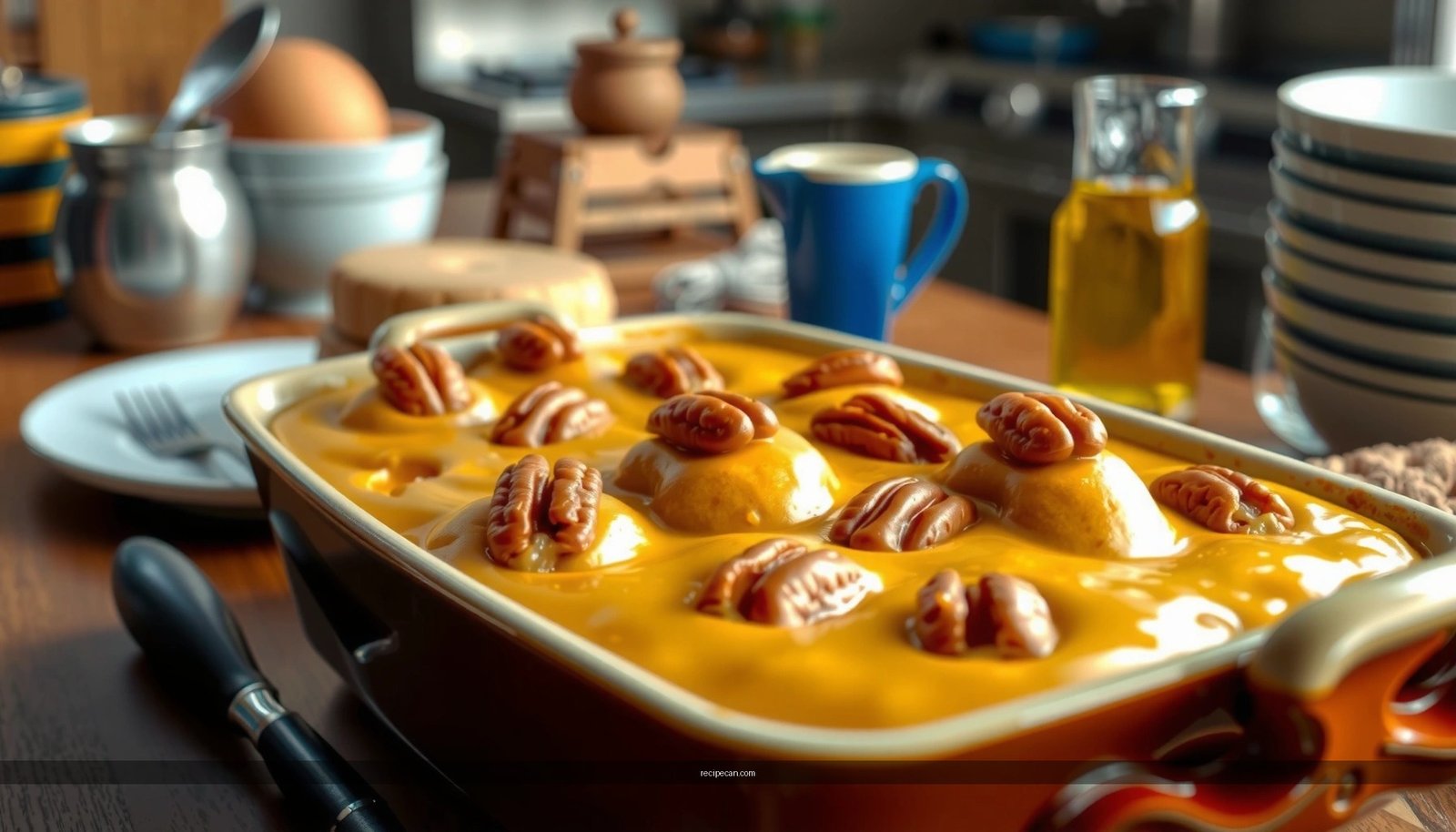
Get a classic bread pudding recipe New Orleans style that delivers the signature custardy center and crisp top every time. This recipe answers whether you can achieve true “New Orleans” texture without guesswork—so you know exactly how long to soak the bread, how to temper the custard, and when to bake for that set-but-silky finish. Follow these steps and you’ll land a standout dessert worthy of the French Quarter.
Bake a custardy, lightly sweet New Orleans–style bread pudding by saturating day-old French bread in a seasoned egg-and-dairy custard, then baking just until set with a golden top and a gentle jiggle. Do that—and pair it with bourbon, vanilla, or butterscotch sauce—to get the classic spoonable texture and rich flavor people associate with Creole comfort food.
Classic New Orleans Bread Pudding Ingredients
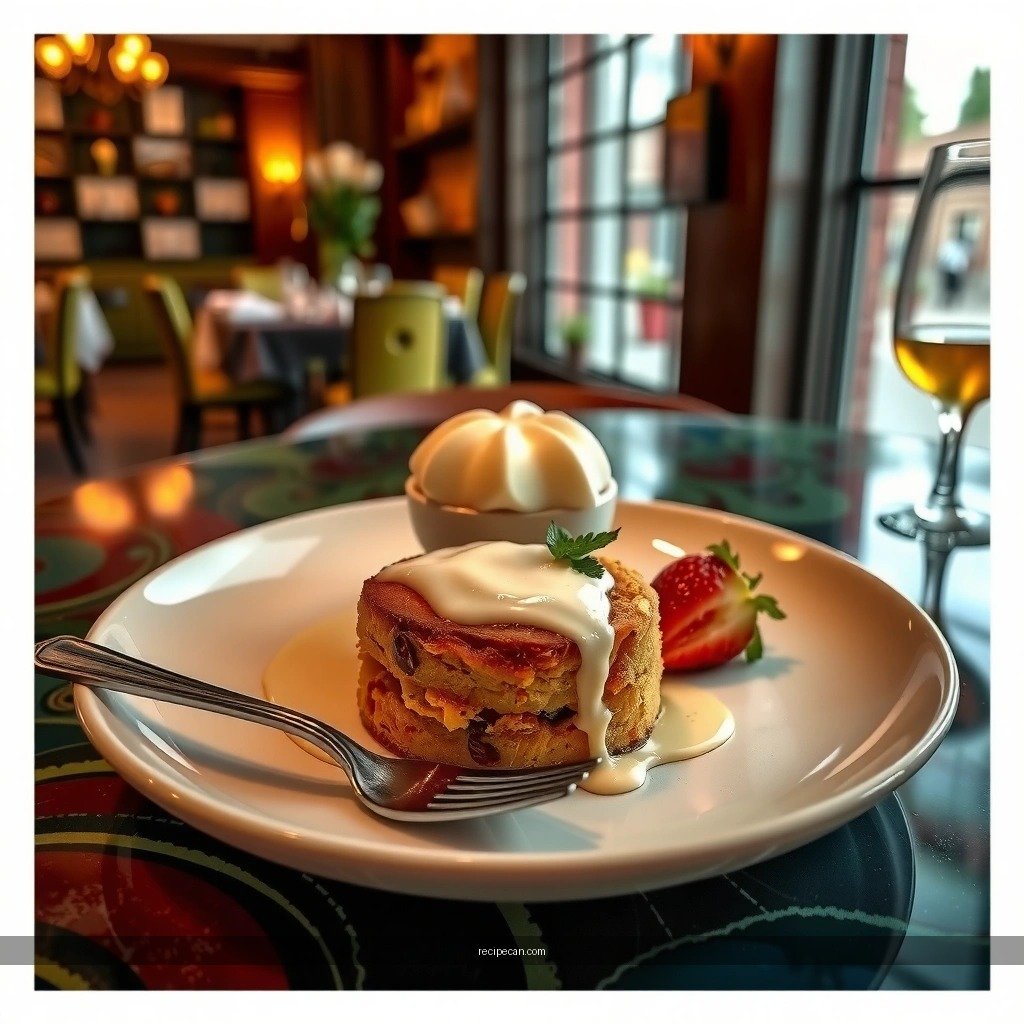
– Use day-old bread (French bread works best) for structure
– Mix eggs, milk/cream, sugar, and vanilla for a rich custard base
– Add cinnamon and optional raisins or chocolate for traditional flavor
A truly classic bread pudding recipe New Orleans style starts with two decisions: the bread and the custard ratio. For the bread, choose day-old French bread (or another sturdy, crusty loaf) because it absorbs custard evenly while still holding shape after baking. Fresh bread tends to turn gummy; stale bread tends to soak properly and set into tender “custardy pockets.”
For the custard, New Orleans–inspired versions typically balance eggs for structure, milk and/or cream for silkiness, sugar for a gentle sweetness, and vanilla for warmth. Cinnamon adds the signature “baking spice” note that makes bread pudding feel seasonal even when it’s not. Raisins and chocolate are optional, but both appear in traditional variations—raisins add pop and chew, while chocolate deepens flavor and rounds out the sweetness.
Practical ingredient guidance (so your results are consistent):
– Bread volume: Plan roughly 6–7 cups of torn bread cubes/pieces for an 8×8 or 9×9 pan, depending on how generously you pack it.
– Egg count: Use eggs in a way that reliably sets the custard (more eggs = firmer slice; fewer eggs = softer bite). Most classic home recipes land in the 4–5 egg range for this volume.
– Dairy blend: Milk alone can bake a bit lighter; adding cream helps you achieve that classic custardy mouthfeel.
– Flavoring: Vanilla extract is usually enough; if you like extra depth, a small pinch of nutmeg complements cinnamon without taking over.
Prep the Bread for the Perfect Texture
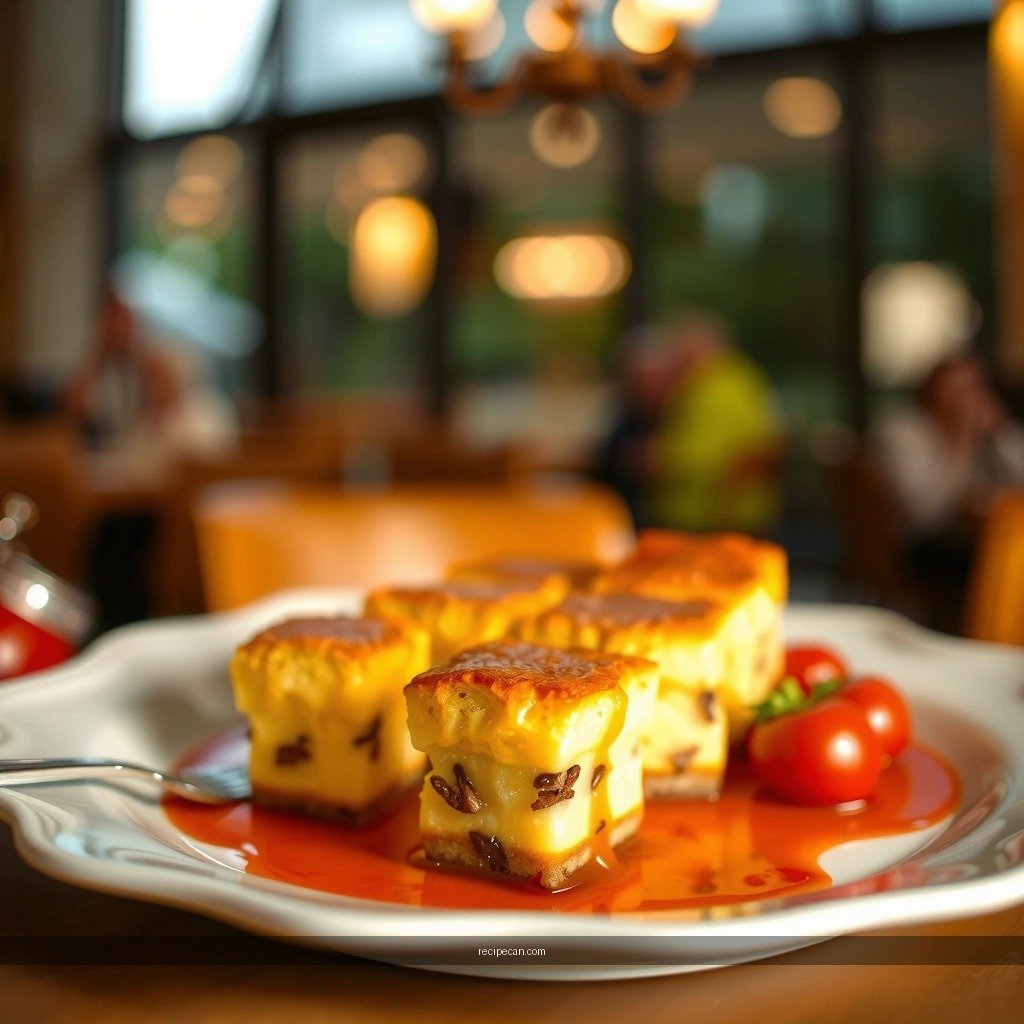
– Tear bread into bite-size pieces to soak evenly
– Soak until saturated but not falling apart
– Let it rest briefly so the custard fully penetrates
The texture of New Orleans bread pudding is less about complicated technique and more about how thoroughly the bread is prepared to receive the custard. Tear bread into bite-size pieces (rather than cutting uniform cubes) so custard can travel into the crumb from multiple angles. This matters because bread pudding isn’t a casserole of solid chunks—it’s a blend of bread + custard chemistry.
Soaking: the “saturated but not falling apart” rule
1. Tear the bread and distribute it in your buttered baking dish.
2. Pour custard over it slowly, ensuring all pieces get contact with liquid.
3. Press gently only if needed—avoid compressing bread into a dense mass.
4. Let it sit 10–20 minutes so the custard penetrates the bread rather than pooling only on the bottom.
If you soak too little, you’ll get dry pockets. If you soak too long or use very soft bread, you risk a pudding that collapses into a dense layer. The sweet spot is when the bread feels fully heavy and wet, but the pieces still look distinct before baking.
Resting time improves absorption
That short rest before baking is one of the most overlooked aspects of a classic bread pudding recipe New Orleans cooks swear by. During the rest:
– eggs begin thickening slightly,
– the bread absorbs custard,
– flavor components (vanilla, cinnamon, salt) distribute more evenly.
A brief rest helps your final pudding set cleanly while remaining spoonable.
Make the Custard and Seasoning
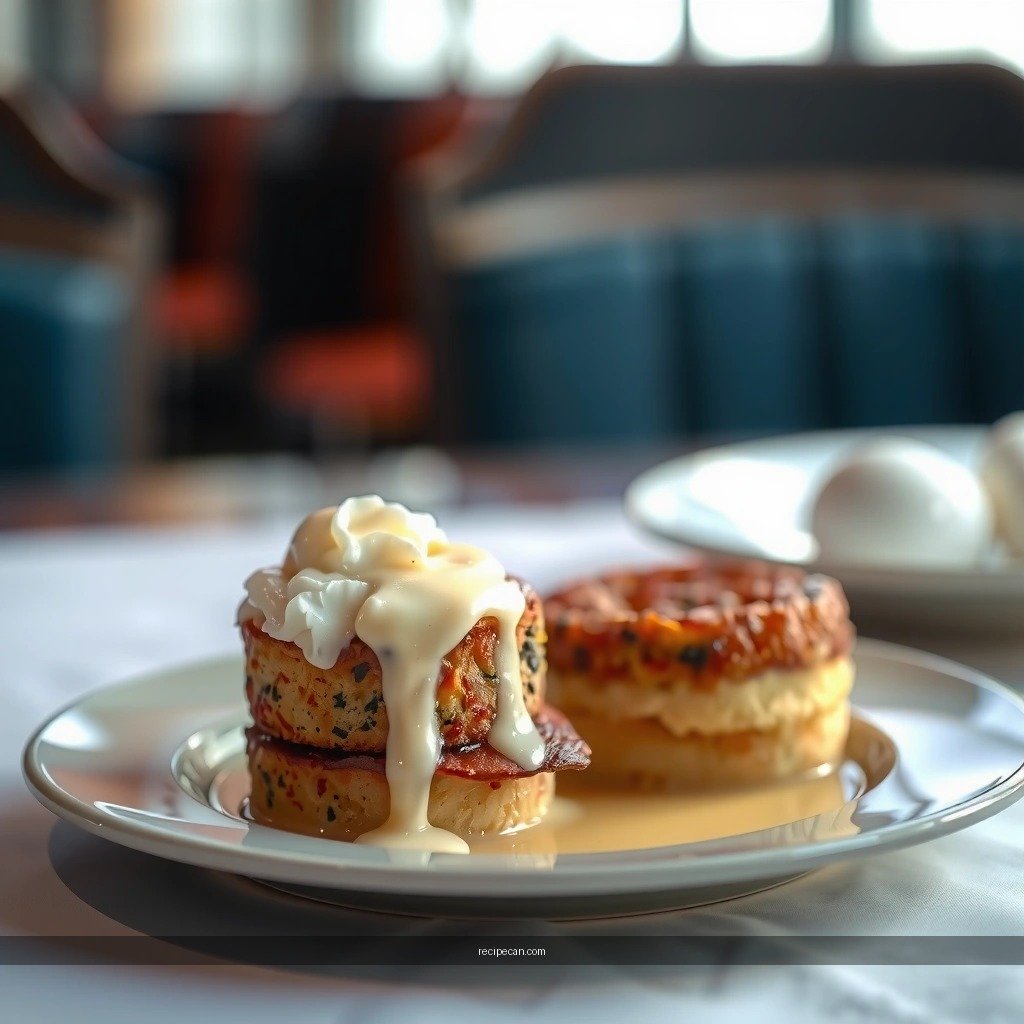
– Whisk eggs thoroughly to avoid streaks in the finished pudding
– Warm dairy slightly to help sugar dissolve and flavors blend
– Season with cinnamon and salt for balanced sweetness
Custard success comes from uniform mixing. If eggs aren’t whisked well, you can end up with streaks or small, firm egg bits. And if sugar isn’t dissolved or evenly distributed, you may notice graininess or uneven sweetness—especially around the edges.
How to build a reliable custard base
1. Whisk eggs until smooth and slightly lighter in color.
2. Warm dairy gently (just until it’s hot but not boiling). Warm dairy helps sugar blend faster and keeps custard silky.
3. Whisk dairy into eggs, then add sugar, vanilla, cinnamon, and salt.
Why salt matters (even in a sweet dessert)
A small amount of salt improves sweetness perception and balances cinnamon. Think of it as a “flavor stabilizer” that prevents the pudding from tasting flat or one-note.
Cinnamon strategy
Use cinnamon thoughtfully. Too much can taste harsh after baking. Too little, and the bread pudding feels generic. Most classic versions use cinnamon as a steady background note—present, comforting, but never overpowering.
Optional add-ins, integrated
If using raisins: soak them briefly in warm water or bourbon (optional) so they rehydrate and don’t steal moisture from the custard. If using chocolate: choose chopped chocolate or chocolate chips and fold them in so you get pockets of richness rather than melted chocolate streaks.
Custard Bake Targets for New Orleans–Style Bread Pudding (Home Ovens)
| # | Pan & Fill Level | Oven Temp | Bake Time Range | Done When* | Custardy Texture |
|---|---|---|---|---|---|
| 1 | 8×8 in, 3–4 cm filled | 325°F (163°C) | 35–45 min | Golden top, center jiggle | ★ ★ ★ ★ ★ |
| 2 | 9×9 in, 2–3 cm filled | 325°F (163°C) | 30–40 min | Set edges, soft center | ★ ★ ★ ★ ☆ |
| 3 | 9×13 in, 2–3 cm filled | 325°F (163°C) | 35–50 min | Light browning, gentle shake | ★ ★ ★ ★ ★ |
| 4 | Thinner layer (≤2 cm) | 350°F (177°C) | 20–30 min | Mostly set, minimal jiggle | ★ ★ ★ ☆ ☆ |
| 5 | 8×8, chilled before bake | 325°F (163°C) | 40–55 min | Center reaches custard set | ★ ★ ★ ★ ★ |
| 6 | Overmixed custard (bubbly) | 325°F (163°C) | 35–45 min | Top set, fewer bubbles inside | ★ ★ ★ ☆ ☆ |
| 7 | High heat (350–375°F) | 350–375°F (177–190°C) | 25–35 min | Top darkens before center sets | ★ ★ ☆ ☆ ☆ |
“Jiggle” should be a light wobble in the center, not liquid sloshing. Resting 10 minutes after baking further sets the custard without drying it out.
Assemble and Bake to Golden Perfection
– Layer soaked bread into a buttered baking dish
– Pour custard over evenly and press gently if needed
– Bake until set with a golden top and a slight jiggle in the center
Once your bread is prepped and your custard is mixed, assembly is straightforward—but it’s also where quality shows. The goal is even coverage and a bake that sets the custard without overcooking the eggs.
Step-by-step method
1. Butter your baking dish (lightly, to prevent sticking and add flavor).
2. Add soaked bread to the dish in an even layer.
3. Pour remaining custard over the top so it reaches the corners.
4. If bread sits too high above the custard, press gently with a spoon so contact is consistent.
Bake behavior: what you should look for
– A golden top with light browning
– Edges set while the center jiggles slightly
– A pudding that looks like it’s set but still moist and tender
Overbaking is the most common failure point in a bread pudding recipe New Orleans style. If you push it too long, the custard tightens and turns less creamy. As a professional rule of thumb: bake toward under-set rather than over-set; the pudding finishes setting during cooling.
Cooling is part of the process
Let the pudding rest for about 10 minutes before serving. This:
– stabilizes the custard,
– improves slice/serve integrity,
– keeps the interior creamy rather than watery.
Sauce Options: Bourbon, Vanilla, or Butterscotch
– Choose a bourbon sauce for a bold New Orleans-inspired finish
– Go classic with a vanilla sauce for a lighter flavor profile
– Keep sauce warm and drizzle right before serving
Sauce transforms bread pudding from “good” to “memorable,” and this is where New Orleans–style versions really earn their reputation. A warm sauce penetrates the top crust and delivers flavor in every bite. The sauce should be served warm, not piping hot, so it complements the custard instead of evaporating too quickly.
Bourbon sauce (bold, aromatic, classic)
Bourbon sauce adds a caramelized depth and a warm, boozy aroma. For best results, simmer with butter, brown sugar, and a splash of bourbon until smooth. You’ll notice it clings to the pudding and intensifies the cinnamon notes.
Vanilla sauce (lighter, elegant)
Vanilla sauce is a smoother, more delicate companion. It emphasizes the custard’s vanilla warmth and lets cinnamon and bread flavor come through cleanly. This option is ideal when you want a classic comfort profile without heavy caramel notes.
Butterscotch sauce (rich and toasty)
Butterscotch brings a deeper sweetness and buttery finish. It pairs especially well with raisins or chocolate because its caramel flavor rounds out both.
Serving timing matters
Drizzle sauce right before serving for the best balance of:
– crust integrity,
– surface moisture,
– aroma.
If you’re serving a crowd, keep sauce warm in a separate saucepan and portion it at the table or right after plating.
Serving Tips and Storage
– Serve warm for the best creamy, spoonable texture
– Top with sauce and a pinch of cinnamon or toasted nuts
– Store covered and reheat gently to avoid drying out
Bread pudding is best treated as a serve-warm dessert. While it reheats well, it’s at its most luxurious immediately after baking, when the custard is set yet still creamy.
Serving enhancements
– Spoon pudding into bowls so sauce coats evenly.
– Finish with a pinch of cinnamon.
– Add toasted pecans or walnuts for crunch and a Southern-inspired richness.
Storage
Cover leftovers and refrigerate promptly. For best texture, store in an airtight container to prevent the top from drying out.
Reheating without drying
– Reheat gently in a low oven or microwave at reduced power.
– Add a small splash of milk or cream (optional) before reheating to restore moisture.
– Heat until just warm throughout—avoid extended reheating, which can tighten the custard.
A common misconception is that bread pudding “sets” permanently in the fridge. In reality, reheating with moisture helps restore much of its original custardy behavior.
A classic bread pudding recipe New Orleans style is all about soaking the bread properly and baking until the custard is set with a golden top. Focus on balanced ingredients, thorough custard penetration, and correct doneness (slight center jiggle), then finish with a warm bourbon, vanilla, or butterscotch sauce. Serve it warm, garnish lightly, and reheat gently—so every spoonful delivers that unmistakable Creole comfort.
Frequently Asked Questions
What’s the best New Orleans bread pudding recipe with bourbon and custard?
A classic New Orleans-style bread pudding recipe starts with day-old brioche or French bread, soaked in a rich vanilla custard made from eggs, milk, and heavy cream. For a traditional flavor, add bourbon and a splash of vanilla, then bake until the top is deeply golden and the center is softly set. Many people also fold in raisins and sometimes add nutmeg or cinnamon to match the warm, dessert-shop style found in New Orleans. Serve it warm with a bourbon sauce or caramel sauce for the most authentic finish.
How do I make New Orleans bread pudding that isn’t dry or rubbery?
Dry bread pudding usually comes from using fresh bread, under-soaking, or baking too long—so use day-old bread and soak it until fully saturated. Use a custard ratio that’s balanced (enough liquid to tenderize the bread, but not so much that it turns watery), and bake at a moderate temperature until the edges set and the center jiggles slightly. If you notice it’s getting too dark before it’s done, loosely tent the dish with foil to prevent over-browning. Let it rest for at least 10–20 minutes so the custard finishes setting as it cools.
Which bread is best for a New Orleans-style bread pudding—brioche, French bread, or sourdough?
Brioche is often the best choice for a New Orleans bread pudding recipe because its buttery texture produces a tender, custardy crumb. French bread works well too, especially if it’s sturdy and slightly stale, which helps it absorb the custard without collapsing. Sourdough can taste tangy, but it may yield a firmer pudding unless you use enough custard and let it soak thoroughly. For the most “New Orleans” feel, aim for bread that’s rich, sturdy, and at least a day old.
Why do some New Orleans bread puddings use a sauce (like bourbon sauce) and how should I serve it?
In New Orleans, bread pudding is commonly served with sauce because it adds extra moisture, richness, and a signature flavor punch. A bourbon sauce—made with butter, brown sugar, cream, and bourbon—soaks into the pudding and elevates the dessert from simple to indulgent. The best way to serve is warm bread pudding with warm sauce poured over just before eating, so the texture stays soft and glossy. This also helps mask minor dryness if you slightly overbake.
How can I add traditional New Orleans flavors like cinnamon, vanilla, and pecans without overpowering the custard?
Start with small amounts of cinnamon and nutmeg—warm spices should support the vanilla custard, not dominate it. Toasting pecans lightly first improves flavor and helps them stay crisp, but fold them in after soaking so they don’t get lost in the custard. If you’re adding raisins or other mix-ins, keep the portion moderate to avoid uneven texture or soggy pockets. Taste your custard before baking to confirm the seasoning is balanced, then follow the bake time for a perfectly set New Orleans bread pudding recipe.
References
- Bread pudding
https://en.wikipedia.org/wiki/Bread_pudding - Cuisine of New Orleans
https://en.wikipedia.org/wiki/New_Orleans_cuisine - Creole cuisine
https://en.wikipedia.org/wiki/Creole_cuisine - https://www.britannica.com/topic/bread-pudding
https://www.britannica.com/topic/bread-pudding - https://www.britannica.com/topic/New-Orleans-cuisine
https://www.britannica.com/topic/New-Orleans-cuisine - Google Scholar Google Scholar
https://scholar.google.com/scholar?q=New+Orleans+bread+pudding+recipe+history - Google Scholar Google Scholar
https://scholar.google.com/scholar?q+Creole+bread+pudding+New+Orleans+dessert - Google Scholar Google Scholar
https://scholar.google.com/scholar?q=bread+pudding+Louisiana+Creole+recipe - https://www.cdc.gov/foodsafety/food-safety-basics.html
https://www.cdc.gov/foodsafety/food-safety-basics.html - bread pudding – Search Results – PMC
https://www.ncbi.nlm.nih.gov/pmc/?term=bread+pudding