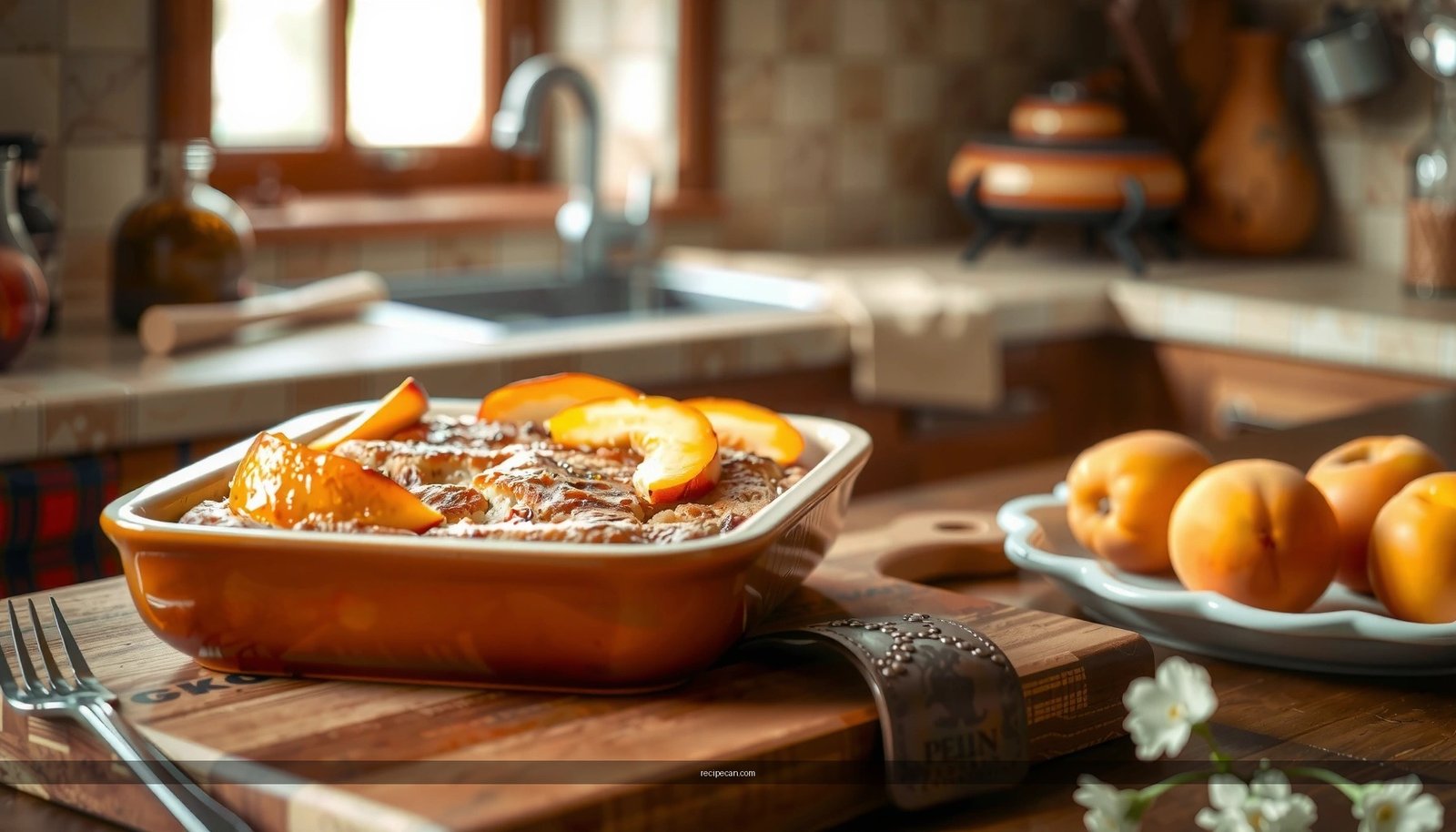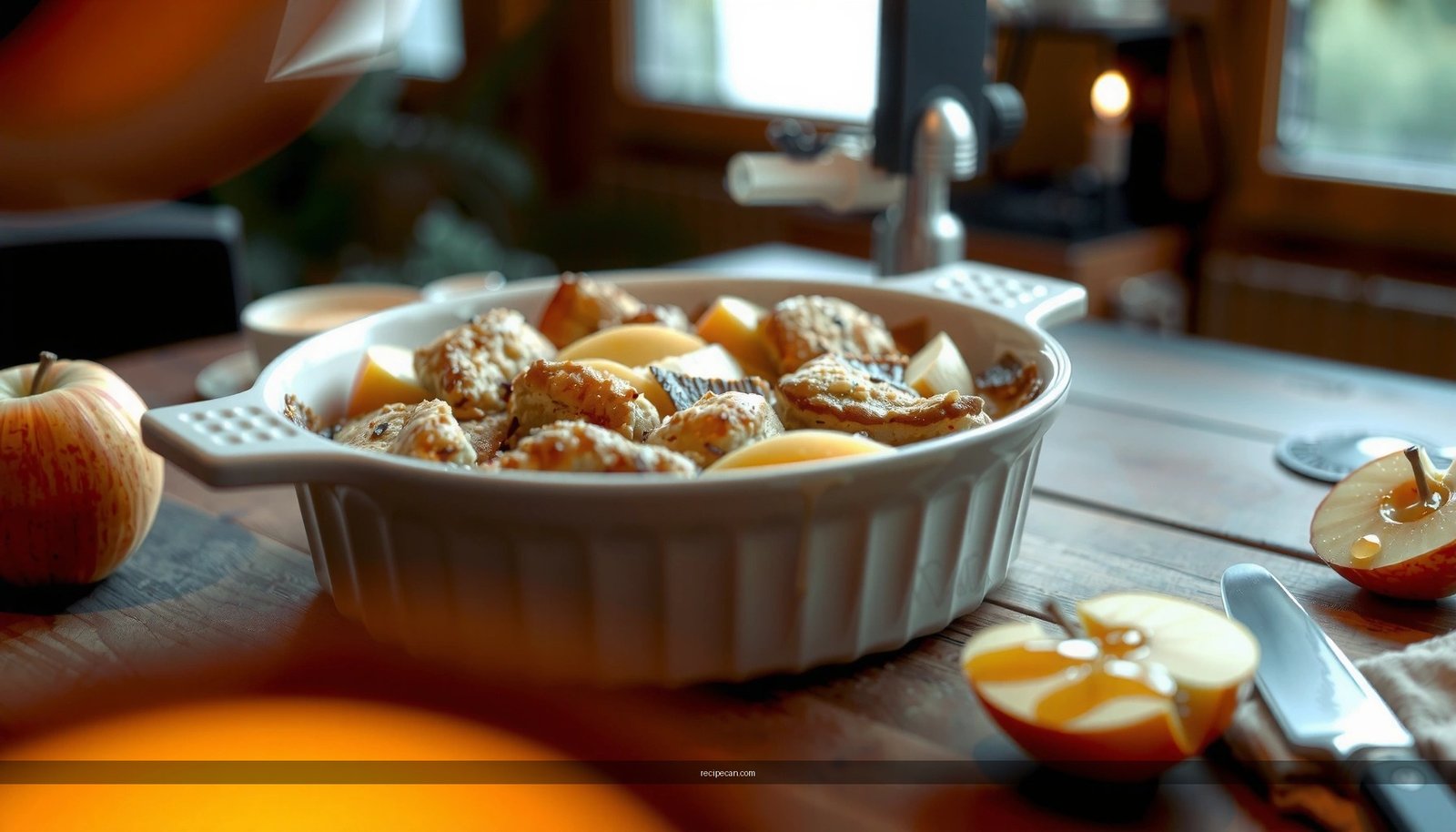
This applesauce bread pudding recipe delivers the coziest, most reliable bread-to-custard ratio for a spoonable dessert you can serve straight from the oven. It answers whether you can skip complicated steps and still get a tender center, crisp top, and warm cinnamon-apple flavor in one easy bake. If you want a dependable way to turn leftover bread into something that tastes homemade, this is the winner.
This applesauce bread pudding is a simple, baked dessert that transforms leftover bread into a custardy, warmly spiced treat—no complicated technique required. Cube or tear your bread, soak it briefly in a creamy egg-and-applesauce custard, then bake until puffed and golden for a cozy result that tastes like homemade comfort food.
Ingredients You’ll Need

Applesauce bread pudding relies on a balanced custard: eggs provide structure, milk or cream adds richness, and applesauce brings moisture plus gentle sweetness. To keep this recipe both easy and consistent, focus on the “custard ratio” first, then flavor it with warm spices and optional add-ins.
Core ingredients (the essentials)
– Bread (day-old is best): Brioche, challah, sourdough, or plain sandwich bread all work.
– Applesauce: Look for unsweetened or lightly sweetened applesauce so you can control overall sweetness.
– Milk or cream: Use whole milk for a lighter pudding or heavy cream for a more luxurious texture.
– Eggs: Provide the custard set (typically 4 eggs for a standard 8×8-inch dish).
– Sugar: Sweetens and helps balance the tartness of applesauce.
Flavor boosters (what makes it taste “bakery” good)
– Ground cinnamon: Classic with apples and bread pudding.
– Vanilla extract: Rounds out the spice profile and adds warmth.
– Pinch of salt: Makes the sweetness taste more pronounced and prevents a flat flavor.
Optional add-ins (for texture and contrast)
– Raisins: Plump during baking and add bursts of sweetness.
– Chopped nuts (walnuts or pecans): Add crunch and a toasted, earthy note.
– Butter: Either melted and mixed in or used to grease the dish; it supports browning and richness.
For a quick “planning” guide, here’s how common bread choices typically affect the outcome:
How Bread Type Influences Applesauce Bread Pudding Results
| # | Bread type | Best texture goal | Absorption level | Sweetness impact | Bake-time tolerance |
|---|---|---|---|---|---|
| 1 | Brioche | Very soft, custardy | High | Mild | Excellent |
| 2 | Challah | Tender with rich chew | High | Mild | Excellent |
| 3 | Sourdough | Bold flavor, firmer bite | Medium | Moderate | Good |
| 4 | Sandwich bread | Soft and spoonable | Medium-High | Moderate | Good |
| 5 | Whole wheat bread | Hearty, rustic pudding | Medium | Mild | Moderate |
| 6 | Rye bread | Caramel-like depth | Low-Medium | Moderate | Moderate |
| 7 | Croissants | Flaky, indulgent custard | High | Moderate | Good |
Prep the Bread and Oven
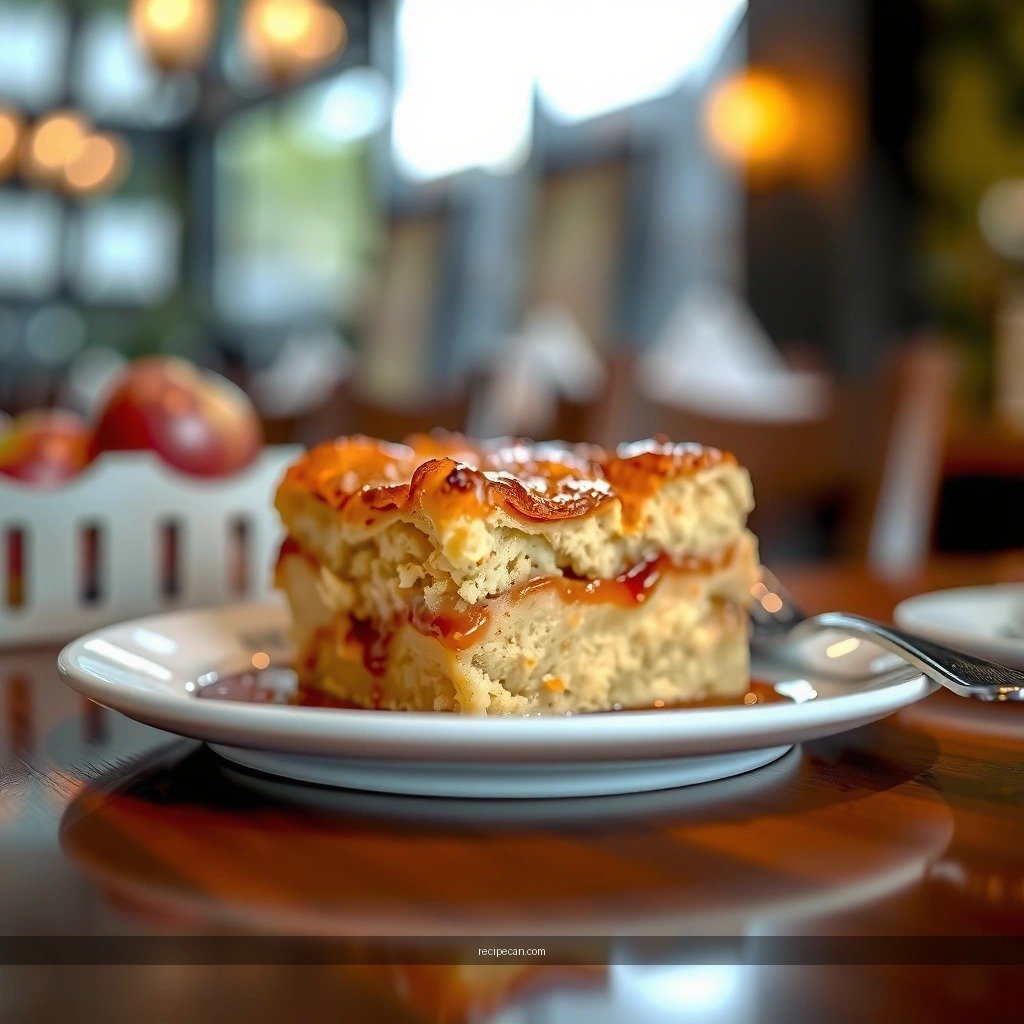
Great applesauce bread pudding starts with bread prep. Since custard needs time to soak, the goal is to create slightly “dry” surfaces that absorb liquid without turning mushy.
1) Cube or tear the bread
– Tear into 1 to 1½-inch pieces for better custard coverage, or cube if you prefer more uniform slices.
– If your bread is very fresh, leave it uncovered at room temperature for a few hours—or toast lightly—so it won’t collapse.
2) Preheat and prepare the dish
– Preheat the oven to 350°F (175°C).
– Grease your baking dish thoroughly (butter or nonstick spray works). Proper greasing helps prevent sticking and supports browning.
3) Toss with spices (and add-ins if desired)
A light spice coating on the bread improves distribution:
– Toss bread with cinnamon and a pinch of salt.
– If using raisins or nuts, fold them in now so they distribute evenly rather than sinking.
Practical timing tip: If you want a more custardy interior, use slightly larger pieces. For a more uniform “set,” use smaller cubes and let the mixture rest a bit longer.
Make the Custard Mixture
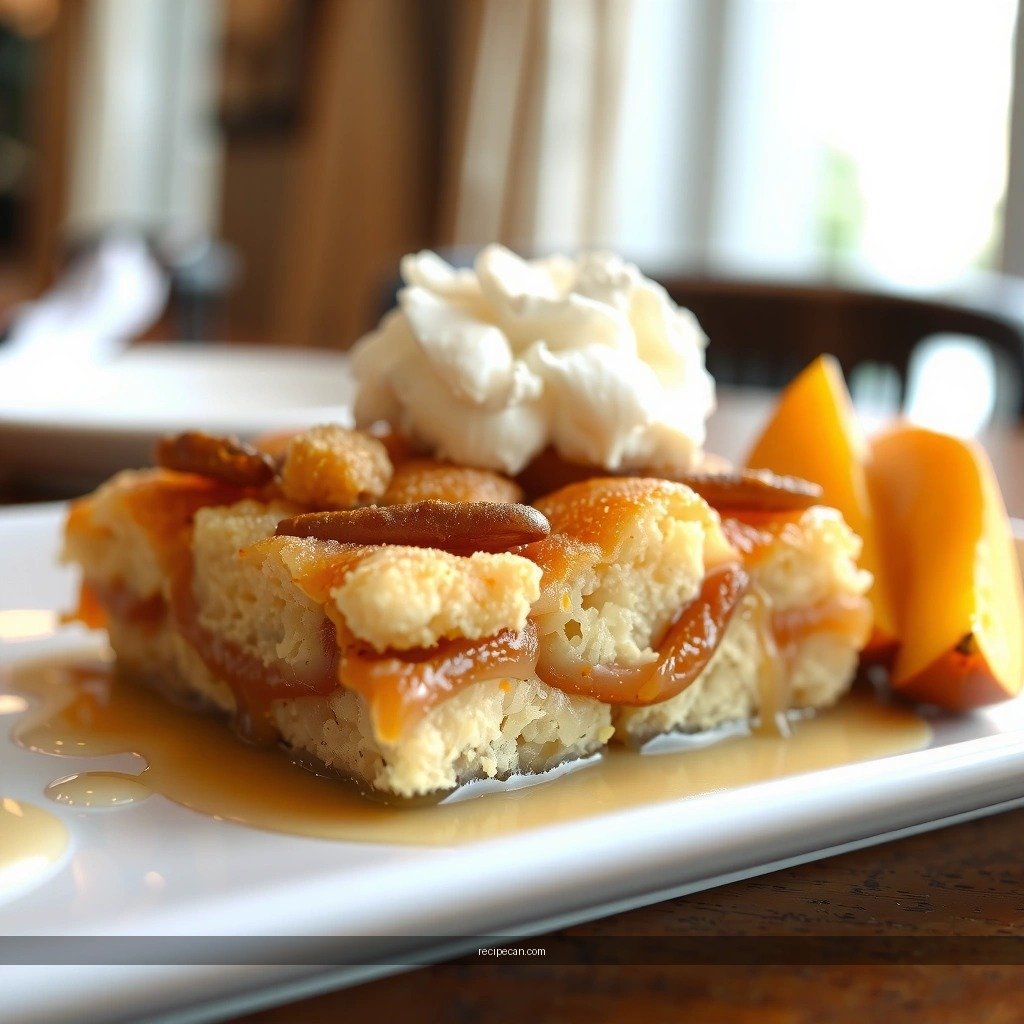
The custard is where the recipe becomes creamy, sliceable, and reliably set. Think of eggs as the “binder,” applesauce as the “moisture + sweetness base,” and milk/cream as the “softening and richness.”
1) Whisk eggs with milk/cream and sugar
– Whisk eggs until smooth.
– Add milk or cream, sugar, and spices like cinnamon.
– Stir in vanilla last for a clean flavor profile.
2) Stir in applesauce
Applesauce contributes natural sweetness and a tender crumb:
– Mix it in until fully integrated—no streaks.
– If your applesauce is very sweet, reduce sugar slightly to keep the dessert balanced.
3) Combine custard with bread
– Pour the custard over the bread and gently stir to ensure all pieces are moistened.
– Let it soak 10–20 minutes (longer if your bread is especially dry).
– You’re not trying to fully bake it ahead—just allowing absorption for a consistent custard set.
Consistency check (important): The mixture should look thick and cohesive, not watery. If it seems dry, add a splash of milk; if it seems overly loose, stir in a bit more bread.
Bake to Perfect Texture
Baking determines whether your applesauce bread pudding is custardy and tender—or overly firm.
1) Pour into the dish and bake
– Transfer the soaked mixture to your greased baking dish.
– Bake at 350°F (175°C) until puffed and set.
2) Check doneness correctly
Because bread pudding behaves differently than a cheesecake, use the “gentle jiggle” method:
– The center should wiggle slightly but not look liquid.
– If the top browns too quickly, loosely cover with foil for the remaining bake time.
3) Rest before serving
Resting improves both texture and cut-ability:
– Let it rest 15–25 minutes before slicing or spooning.
– During rest, the custard continues to set, reducing runniness.
Target outcome: golden top, custardy center, and warm spice aroma that reads “apple-forward,” not “egg-forward.”
Make It Your Own
One of the strengths of applesauce bread pudding is flexibility. You can tailor sweetness, texture, and spice without changing the core method.
Add-ins for depth and bite
– Raisins: Add sweetness pockets and a classic holiday feel.
– Chopped apples: For extra fruit texture, fold in diced apples (toss with a little cinnamon so they bake into the custard).
– Walnuts or pecans: Add crunch and a nutty finish.
Sweetness and spice adjustments
– If you prefer a less-sweet dessert, reduce sugar by 1–2 tablespoons and lean into applesauce flavor.
– For a warmer “fall bakery” profile, increase cinnamon slightly or add apple pie spice.
Serving ideas that elevate the result
– Caramel sauce: Turns the pudding into a dessert-staple crowd-pleaser.
– Whipped cream: Adds lightness and contrasts the dense custard.
– Vanilla ice cream: Warm-and-cold contrast makes this feel restaurant-grade.
If you’re serving guests, consider setting out toppings separately so each person can control sweetness—especially helpful in a business or catering context where preferences vary.
Storage and Reheating Tips
Leftovers are common because this dessert is so comforting—and properly stored, it stays delicious.
Storage
– Cover and refrigerate for up to 3–4 days.
– Use an airtight container to prevent the top from drying out.
Reheating
– Oven method (best texture): Reheat at 325°F (165°C) until warmed through. Cover with foil to prevent over-browning.
– Microwave method (fastest): Heat in short intervals, stirring or rotating if possible.
Refresh texture without drying
Custard can tighten if reheated aggressively. Aim for “just warm,” not “hot-hot,” and avoid multiple reheats. For microwave leftovers, stopping early and letting carryover heat finish the job usually produces the softest results.
Conclusion
This applesauce bread pudding recipe delivers the essence of comfort baking: day-old bread becomes custardy, lightly sweet, and warmly spiced with minimal effort. By prepping the bread for better absorption, using a balanced egg-and-applesauce custard, baking until set with a gentle jiggle, and resting before serving, you’ll get a golden-top dessert that slices cleanly and tastes homemade. Start with the base recipe, then customize with raisins, nuts, or extra fruit—and enjoy leftovers that reheat beautifully for days.
Frequently Asked Questions
What’s the best applesauce bread pudding recipe for a custardy texture?
Look for a recipe that uses cubed bread plus eggs and milk or half-and-half to create a custard base, then lets the bread soak for at least 20–30 minutes before baking. Stir in unsweetened applesauce (or lightly sweetened) for moisture and flavor, and bake until the center is set but still slightly tender. If you want extra custardy applesauce bread pudding, cover with foil for the first half of baking and remove it near the end to brown the top.
How do I make applesauce bread pudding without getting it soggy?
Use bread that’s slightly stale (day-old is ideal) so it can absorb the custard without becoming gummy. Start with a moderate amount of applesauce and milk, and ensure the pudding is baked until the center reaches a gentle set—if it jiggles too much, it needs more time. For additional control, toast the bread cubes briefly in the oven before mixing them in.
Why does my applesauce bread pudding turn out dry, and how can I fix it?
Dry bread pudding usually happens when the custard ratio is too low or the bread didn’t soak long enough. Increase the milk/egg mixture slightly next time and allow the dish to rest so the bread fully absorbs the liquid. You can also fix an already-baked dry pudding by reheating it covered with a splash of milk or adding warm sauce like caramel or apple butter to re-moisten the servings.
Which bread works best for applesauce bread pudding?
Brioche, challah, sourdough, and even cinnamon bread are popular choices because their texture holds up well while still absorbing custard. Brioche and challah produce a richer, softer applesauce bread pudding, while sourdough offers a firmer bite and deeper flavor. Aim for 1-inch cubes and keep the bread slightly stale for the best balance of tenderness and structure.
What temperature and bake time should I use for applesauce bread pudding?
Bake applesauce bread pudding at 350°F (175°C) until the edges are set and the center is just firm, typically about 35–50 minutes depending on the dish size. Use a toothpick or knife test near the center—some moist crumbs are fine, but wet batter means it needs more time. Let it cool for 10–15 minutes to set fully, which improves slicing and helps the flavors of applesauce bread pudding come together.
References
- Bread pudding
https://en.wikipedia.org/wiki/Bread_pudding - Apple sauce
https://en.wikipedia.org/wiki/Applesauce - https://en.wikipedia.org/wiki/Pudding_(food
https://en.wikipedia.org/wiki/Pudding_(food - Custard
https://en.wikipedia.org/wiki/Custard - Bread
https://en.wikipedia.org/wiki/Bread - https://en.wikipedia.org/wiki/Apple_dessert
https://en.wikipedia.org/wiki/Apple_dessert - Vanilla
https://en.wikipedia.org/wiki/Vanilla - Google Scholar Google Scholar
https://scholar.google.com/scholar?q=applesauce+bread+pudding+recipe - Google Scholar Google Scholar
https://scholar.google.com/scholar?q=bread+pudding+applesauce - Google Scholar Google Scholar
https://scholar.google.com/scholar?q=applesauce+custard+bread+pudding