If you’re hunting for a not your momma banana pudding recipe that’s truly creamy and rich (not the old-school, set-and-slice kind), this is the winner. We’ll show you exactly how to build a totally different banana pudding with a smooth, dreamy custard base and bold banana flavor in every spoonful. By the time you finish reading, you’ll know whether this version is the right choice for your table—and how to make it.
This not your momma banana pudding recipe delivers a noticeably richer, cleaner set and more “dessert-first” flavor by upgrading the pudding texture, selecting the right bananas, and using a topping engineered to stay stable after chilling. Instead of leaning on thin custard that turns loose or grainy, you’ll build slice-ready layers with a custard-style pudding base, fresh bananas, and a topping that holds its shape—so every forkful tastes intentional, not improvised.
This approach is especially useful for home cooks who want consistent results for gatherings, meal prep, or layered dessert service. Banana pudding is deceptively technical: small variations in pudding thickness, banana ripeness, cookie absorption, and chilling time can make the difference between “still gorgeous at serving” and “soggy by the second day.” Below, you’ll get a practical framework—what to do, why it matters, and how to avoid the most common failure points.
Banana Ripeness vs. Banana Pudding Layer Outcomes (Practical Guide)
| # | Banana Stage (Skin) | Texture Risk | Best Use in Banana Pudding | Layer Hold Score |
|---|---|---|---|---|
| 1 | Mostly green with hints of yellow | ★ Firm; can taste starchy | Raw-eating bananas, not pudding | 3/10 |
| 2 | Yellow with green at the tips | ★ Firm; less sweetness | Early layer structure (short chill) | 4/10 |
| 3 | Yellow with a few small brown spots | ★ Firm-ripe; sweet | Best overall balance | 8/10 |
| 4 | Fully yellow, minimal spots | ★★ Softening over time | Works well if served within 24 hours | 7/10 |
| 5 | Yellow with many brown freckles | ★★★ Tendency to smear | If you like softer banana texture | 5/10 |
| 6 | Mostly brown with a few yellow areas | ★★★ Very mush-prone | Best for banana bread, not layered slices | 3/10 |
| 7 | All brown (overripe) | ★★★★ Will collapse | Swirl into pudding off the heat | 1/10 |
Upgrade the Pudding Base (No Bland Results)
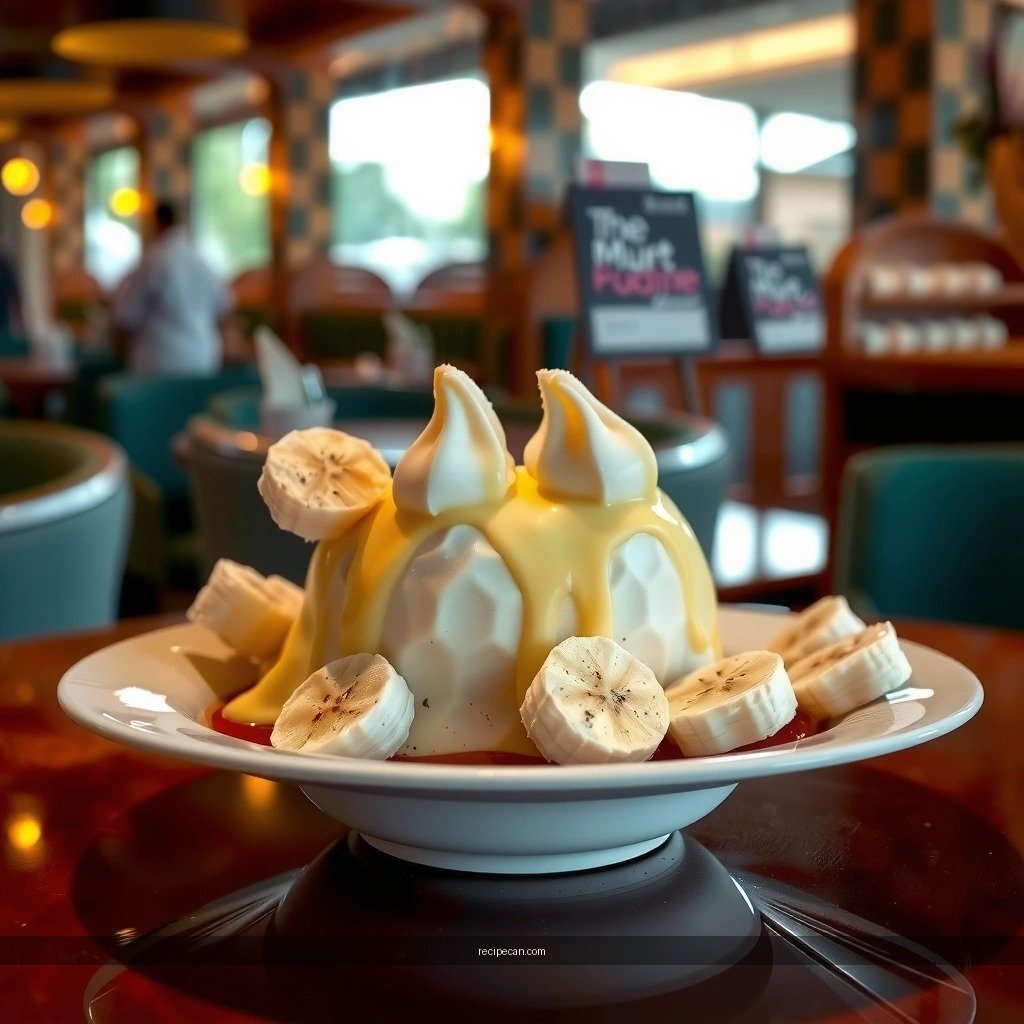
A “thin” pudding is the main reason banana pudding can feel underwhelming. Traditional recipes often produce a custard that tastes fine but has weak structure—so cookies absorb quickly and bananas sink, leaving a dessert that’s more “banana mash in milk” than layered pudding. For this not your momma banana pudding recipe, the upgrade is straightforward: aim for a thicker, more custard-style pudding with enough body to hold clean layers.
What to do differently
– Cook for thickness, not just “done.” When the pudding coats the back of a spoon and you can draw a clean line through it (with the spoon), you’re close. The key is that it should set into slices after chilling—not just thicken slightly.
– Target a silky, not grainy, texture. To achieve a smooth pudding, control heat and whisk consistently. Curds usually come from uneven heating; a steady medium heat helps the proteins set evenly.
– Balance sweetness with dairy richness. Blandness usually comes from either under-seasoning or an over-reliance on sweetened condensed dairy without “rounding” flavors. A small amount of vanilla extract (or even a whisper of salt) elevates perceived sweetness while avoiding that one-note flavor.
Why thickness matters for business-style consistency
If you’re serving this dessert for a gathering (or scaling for events), texture consistency is the KPI. Thick custard-style pudding:
– supports repeatable layers,
– reduces cookie sogginess,
– and prevents the top from looking melted by day two.
Practical checkpoint
When you assemble layers, the pudding should feel spoonable but stable—it should settle into the dish without running like a sauce.
Pick the Right Bananas
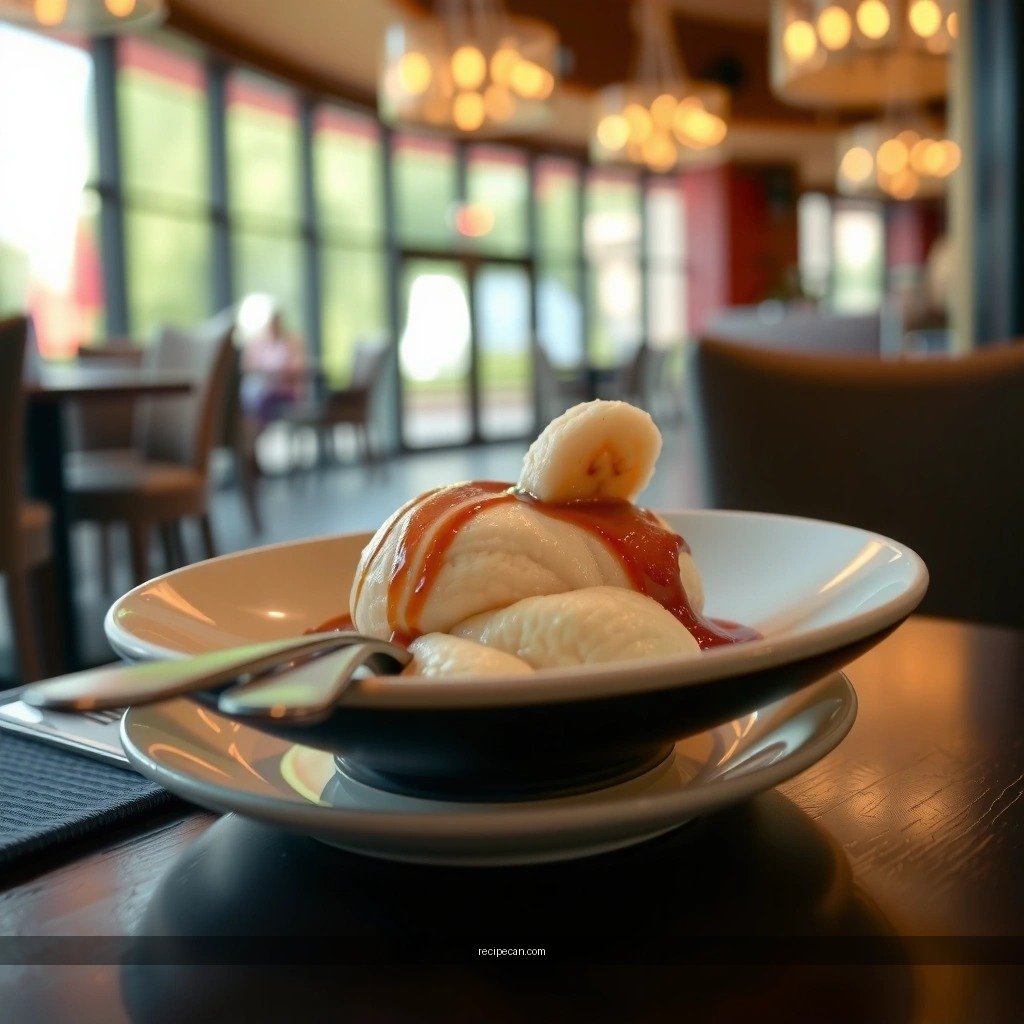
Banana pudding lives or dies by ripeness. This not your momma banana pudding recipe leans into a simple principle: ripe-but-firm bananas give you banana flavor without turning the layers into mush.
Ripeness target
You’re looking for bananas that are sweet and aromatic but still slice cleanly. In practice, that typically means:
– yellow fruit with a few small brown spots (not fully freckled or fully brown),
– or yellow with minimal spotting if you plan to serve within 24 hours.
Slice just before assembling
Bananas brown quickly due to enzyme activity. Browning isn’t the end of the world flavor-wise, but it does affect appearance and can change how “fresh” the pudding looks in your layers. Slice right before you assemble, then work efficiently.
How to prevent “banana collapse”
– Keep banana slices thicker (e.g., coin slices that are slightly chunky) so they resist disintegration.
– Use restraint with pre-mixing. If you toss bananas into pudding early, they soften faster and blur layer lines.
Service timing matters
Even the perfect banana will soften over time once it’s layered in custard. If you want the classic “slice-and-see” look, plan to serve after full set—then keep your holding window tight.
Layer Like You Mean It
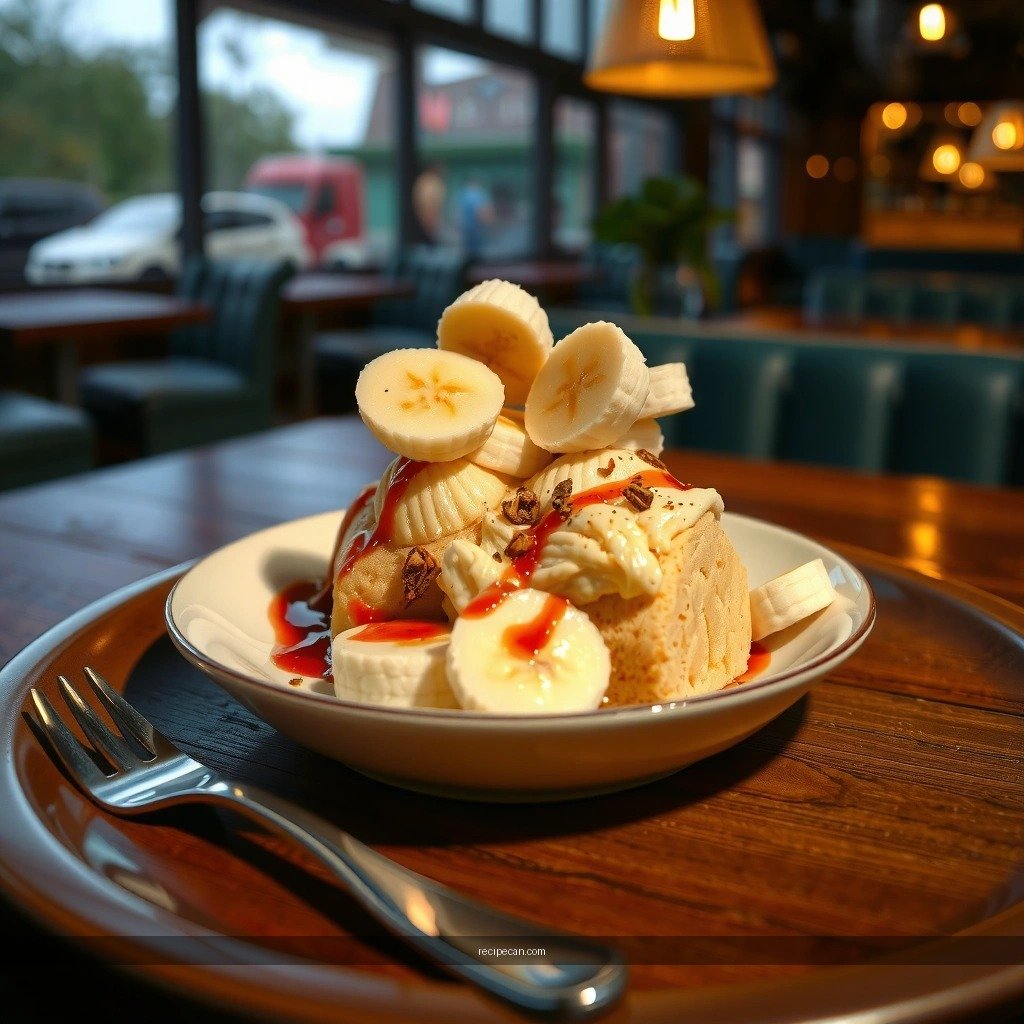
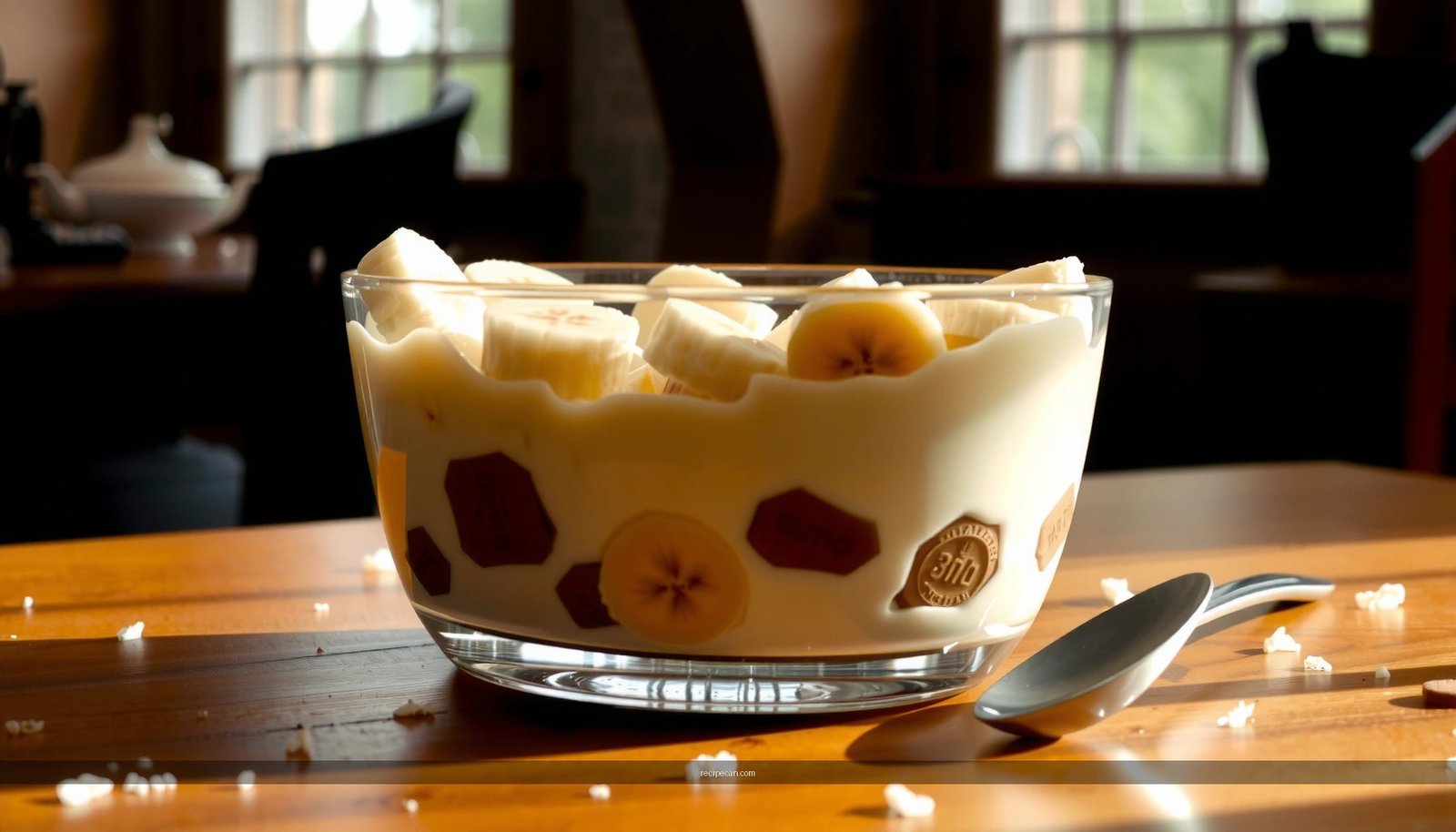
Layering isn’t just presentation—it’s how you control flavor distribution and texture contrast. This is where your pudding stops being “a dessert” and becomes an engineered experience: banana brightness, cookie structure, and creamy pudding should land in the same bite.
The core layering rhythm
– Start with pudding (a thin base layer) so cookies don’t sit directly on glass or metal.
– Add bananas in a single direction (for visual “stripes”).
– Add whipped component (if you’re using whipped topping or stabilized whipped cream) to soften the custard flavor and lighten the texture.
– Repeat until you reach the top, finishing with pudding and toppings so slices look intentional.
Repeat layers for that classic structure
Most banana pudding disappointments come from uneven distribution—too much banana in one spot, or too much cookie saturation. Repeating layers spreads:
– banana aroma evenly,
– cookie crunch without flooding,
– and pudding sweetness across every forkful.
Pro-level consistency tip
If your pudding holds shape, you can use the back of a spoon to gently smooth between layers—this prevents air pockets that later collapse and muddy the look of slices.
Add Flavor and Crunch Where It Counts
A banana pudding can taste “standard” when it’s built only on vanilla, sugar, and banana. This not your momma banana pudding recipe fixes that by adding targeted flavor contrast and structured crunch that remains present after chilling.
Choose cookies that balance sweetness and texture
The cookie layer should:
– complement banana sweetness (not compete),
– soften enough to integrate,
– but stay distinct for at least part of the bite.
Use cookies with a buttery profile and manageable fragility. If you use cookies that are too delicate, they dissolve; too hearty, and they feel dry or gritty. Think in terms of “snackable texture” transitioning into “soft crumble” in the pudding.
Optional flavor boosts (without going off-script)
Keep add-ins restrained so banana flavor remains the star. High-impact options include:
– Vanilla bean or extra vanilla for warmth and aroma
– A hint of cinnamon or nutmeg to deepen custard complexity
– A small amount of espresso powder (micro-dose) to amplify chocolate-cookie notes *if* you choose a cookie with cocoa undertones
– A pinch of salt across the pudding and topping to prevent “dessert-only sweetness”
Analytical takeaway
Flavor “elevation” isn’t adding more ingredients—it’s improving the balance so banana reads clearly against cream and cookie. Even one well-chosen spice can shift the perception from “kids’ dessert” to “grown-up comfort.”
Make the Topping Stay Pretty
Many banana pudding toppings look gorgeous at assembly and then weep or collapse after chilling. That happens because the topping wasn’t engineered for stability—or it sat too long at the wrong moisture level.
What to aim for
– A topping that holds a smooth dome or uniform layer
– No watery pooling after refrigeration
– Minimal deflation when sliced
Topping strategies
– If using whipped topping, choose a version designed to be stable in cold desserts or stabilize it by adjusting sweetness and moisture (for example, pairing with thicker dairy and avoiding runny mixtures).
– If using a cream-based topping, ensure the base is cool but not cold enough to seize and separate.
Chill long enough for flavor to meld
The best serving windows typically allow:
– pudding to fully set,
– cookies to hydrate to the right softness,
– and flavors to blend without turning the banana layers dull.
A common failure is under-chilling: the pudding tastes thinner and the layers smear. Another failure is over-chilling without structure: the cookies fully saturate and the dessert loses contrast. Your goal is stable, sliceable texture—not dessert that tastes like pudding soup.
Chill, Slice, and Serve at Peak Texture
The chilling phase is not passive. It’s a critical control point that determines whether this not your momma banana pudding recipe delivers “creamy, dreamy” slices or a mixed-up casserole vibe.
Refrigerate until fully set
A fully set pudding should:
– slice cleanly,
– hold banana slices in recognizable pockets,
– and show distinct cookie strata.
Serve chilled—with a short tempering window
Serve it cold, but allow a brief rest at room temperature (just a few minutes) so the custard reads creamy rather than stiff. If you serve straight from the fridge, the texture can feel slightly tighter—especially if the pudding base is very custard-thick.
Portioning tip for clean edges
Use a sharp knife and wipe between cuts. This prevents smeared toppings and keeps layers visually crisp, which matters for both home presentation and any hosted-event environment.
—
This not your momma banana pudding recipe is built on one overriding principle: design texture, then layer flavor to match. Upgrade your pudding to a custard-style thickness that sets cleanly, choose ripe-but-firm bananas sliced just before assembly, and layer with repeat structure so every bite includes banana, cookie, and creamy pudding in balanced proportion. Finish with a topping that stays stable in the fridge, chill until fully set, and serve at peak sliceability for the exact “slice-and-see” effect. If you make it, tell me what you changed—cookies, topping approach, or flavor add-ins—and how those choices affected texture and flavor in your final batch.
Frequently Asked Questions
What makes the “not your momma banana pudding” recipe different from traditional banana pudding?
This version typically leans into a richer, more modern flavor by adding layers that go beyond classic vanilla wafers and simple pudding. Common upgrades include thicker pudding, extra vanilla flavor, and a more robust banana-to-cream ratio so it tastes “restaurant-style” instead of overly sweet or one-note. Expect a dessert that holds its texture better in the fridge while still being creamy and indulgent.
How do I keep banana pudding from becoming watery or soggy using the not your momma banana pudding method?
Use fresh bananas and slice them close to assembly, then layer promptly so the cookies don’t sit too long with wet custard. Many versions also suggest lightly coating bananas (or layering with a thicker pudding base) to reduce seepage. If you’re making ahead, assemble up to a point and refrigerate, then add the final banana layer right before serving for best texture.
How do I make the pudding base thick and creamy for “not your momma banana pudding”?
The key is careful cooking and correct ratios—cook the pudding mixture until it coats the back of a spoon and looks visibly thick. If the recipe includes eggs or cornstarch, whisk thoroughly to prevent lumps and avoid undercooking, which can cause a runny banana pudding. Once thick, cool slightly before layering so it stays creamy rather than curdling or thinning out.
Which ingredients are best for an extra flavorful no-your-momma banana pudding—cookies, bananas, and dairy?
Choose ripe-but-firm bananas for sweetness without turning mushy, and use vanilla wafers or similar cookies that can absorb flavor without dissolving instantly. For dairy, opt for high-quality milk and, if included in the recipe, a rich component like sweetened condensed milk and/or heavy cream for a thicker, “not your momma” texture. Vanilla and a pinch of salt also make a big difference in balancing sweetness.
Why does not your momma banana pudding taste even better after chilling, and how long should I refrigerate it?
Chilling time allows the pudding and cookie layers to meld, giving the dessert a cohesive, creamy texture instead of separate components. Most people find it peaks after several hours, when the cookies soften just enough and the bananas integrate into the custard flavor. For clean slices, refrigerate until set, then serve cold—typically the next day is best if you have the time.
References
- Banana pudding
https://en.wikipedia.org/wiki/Banana_pudding - Custard
https://en.wikipedia.org/wiki/Custard - https://en.wikipedia.org/wiki/Pudding_(food
https://en.wikipedia.org/wiki/Pudding_(food - Banana
https://en.wikipedia.org/wiki/Banana - https://www.britannica.com/topic/banana
https://www.britannica.com/topic/banana - Pudding | Definition, Types, & Ingredients | Britannica
https://www.britannica.com/topic/pudding - https://www.cdc.gov/foodsafety/keep-food-safe.html
https://www.cdc.gov/foodsafety/keep-food-safe.html - Google Scholar Google Scholar
https://scholar.google.com/scholar?q=banana+pudding+recipe+history - Google Scholar Google Scholar
https://scholar.google.com/scholar?q=banana+custard+dessert+food+safety+dairy+eggs - https://scholar.google.com/scholar?q=banana+postharvest+ripeness+texture+desserts Google Scholar
https://scholar.google.com/scholar?q=banana+postharvest+ripeness+texture+desserts