Looking for an ice cream recipe using stevia that tastes like real dessert without sugar? This guide gives you a sugar-free stevia ice cream recipe that delivers a creamy texture and balanced sweetness, with clear instructions and the right amounts to avoid bitterness. If you want a dependable way to satisfy cravings while cutting sugar, you’ll know exactly what to make and how to get it right the first time.
Yes—you can make great stevia ice cream by replacing sugar with the right amount of liquid or powdered stevia and then balancing that intense sweetness with creamy dairy (and optional custard-style egg yolks). This guide gives you a straightforward sugar-free stevia ice cream recipe approach, plus practical, repeatable tactics to avoid bitterness and the ice crystals that often derail homemade frozen desserts.
Choose the Right Stevia for Your Ice Cream
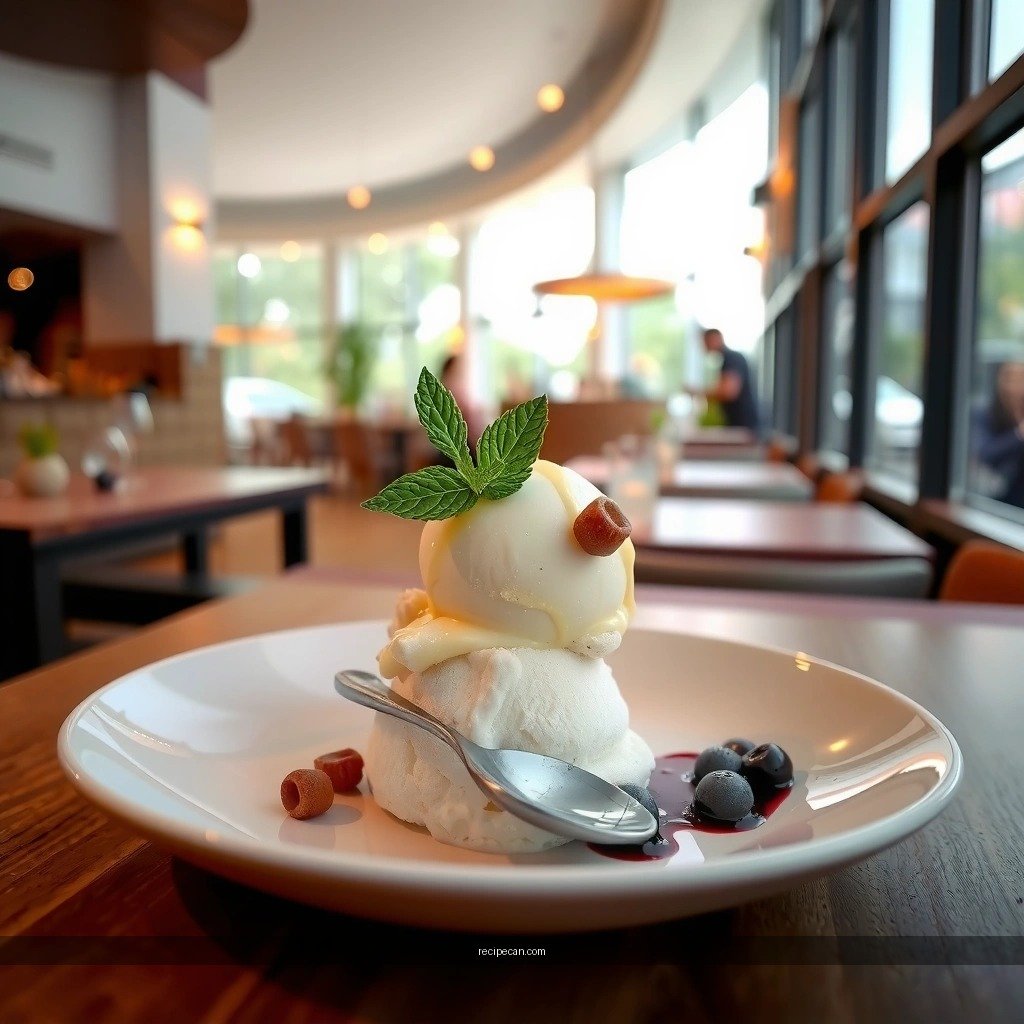
Not all stevia products behave the same in ice cream. Your goal isn’t just “sweetness”—it’s predictable melting, smooth texture, and minimal aftertaste.
– Use liquid or powdered stevia that’s meant for baking or “sugar-free” recipes
Products labeled for baking tend to be formulated to stay stable when combined with dairy and chilled long enough for proper texture development. For ice cream, you also want something that dissolves well in cold cream and doesn’t separate aggressively over time.
– Start with a small amount, since stevia can taste bitter if overused
Stevia’s sweetness is powerful and fast, but excess can trigger a harsh or licorice-like aftertaste, especially as the ice cream freezes and concentrates flavor compounds. A smart method is to begin conservative (e.g., “about half your expected amount”), then adjust in small increments after tasting the chilled base.
A practical conversion mindset
Because stevia extracts vary widely by brand and concentration, treat any conversion like a starting hypothesis—not a law. Even within the same “powdered stevia” category, potency can differ substantially. Your best workflow is: estimate → mix → chill → taste → fine-tune.
Stevia Form Guidance for a 1 Quart (≈946 mL) Ice Cream Base
| # | Stevia Type | Estimated Sweetness (vs. sugar) | Start Amount for 1 Quart | Bitterness Risk | Expected Result |
|---|---|---|---|---|---|
| 1 | Liquid stevia extract (baking/sugar-free) | ~1/4–1/2 tsp sugar equivalent per 1–2 mL | 2.0 mL (then adjust) | Low → Medium | ★★★★★ |
| 2 | Powdered stevia (100% extract) | ~1/32–1/16 tsp per 1 tsp sugar equivalent | 1/16 tsp (then adjust) | Medium | ★★★★☆ |
| 3 | Stevia “granules” (extract + carrier) | ~1:1 by volume is NOT guaranteed | Use label ratio; start at 60% | Medium | ★★★☆☆ |
| 4 | Stevia blends (stevia + erythritol) | ~Sugar-like sweetness with less aftertaste | Start at 75–85% of sugar amount | Low | ★★★★☆ |
| 5 | Stevia blends (stevia + maltodextrin) | Often smoother mouthfeel (varies) | Start at label ratio; taste after chilling | Low → Medium | ★★★★★ |
| 6 | “Table stevia” (non-baking / not specified) | Potentially uneven dissolution | Start at 50% and blend longer | Higher | ★★☆☆☆ |
| 7 | Stevia “drops” meant for beverages | May be stronger per mL than baking stevia | Start at 1 mL (then adjust) | Medium → High | ★☆☆☆☆ |
Use this table as a field guide: pick a form suited for baking, start low, and use taste-after-chill adjustments rather than forcing a perfect “sugar equivalent” from memory.
Build a Creamy Base (Dairy or Egg-Free Options)
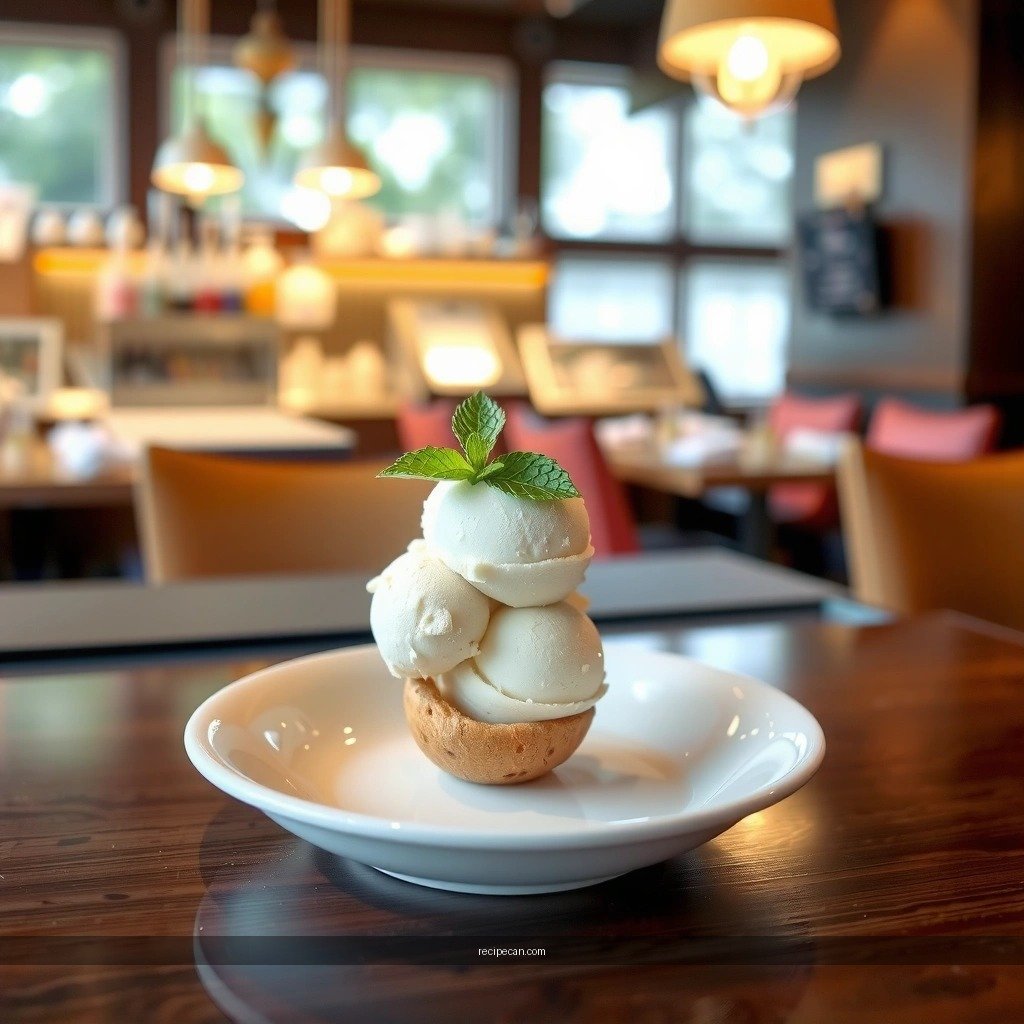
Sugar isn’t just sweetness—it also contributes to body, freeze behavior, and perceived smoothness. When you replace sugar with stevia, you must rebuild texture using fat, proteins, and emulsion stability.
– Combine heavy cream (and milk) with sweetener and flavoring for a smooth texture
A classic starting point is a ratio around 60–70% heavy cream and 30–40% milk (by volume). The cream provides fat for mouthfeel, while milk helps keep the base from becoming overly dense. Dissolve stevia fully, then add vanilla and any other flavorings before chilling.
– Use egg yolks if you want a custard-style base that churns well
Egg yolks contain emulsifiers (like lecithin) and proteins that help create a stable custard, which generally improves scoopability. A custard base also reduces the “icy” perception common with many sugar-free ice creams. If you’re aiming for a smoother, more premium texture, custard-style is the most reliable route.
A simple base structure (what matters most)
Whether you choose egg-free or custard:
1. Heat gently (especially for custards) to dissolve any solids and develop stability.
2. Cool fast and chill thoroughly (texture depends on this step).
3. Churn or freeze with agitation to control ice crystal growth.
If you’re new, start with one method and repeat it consistently—ice cream troubleshooting becomes much easier when only one variable changes.
Sweeten Without Bitterness (Balance Your Flavor)
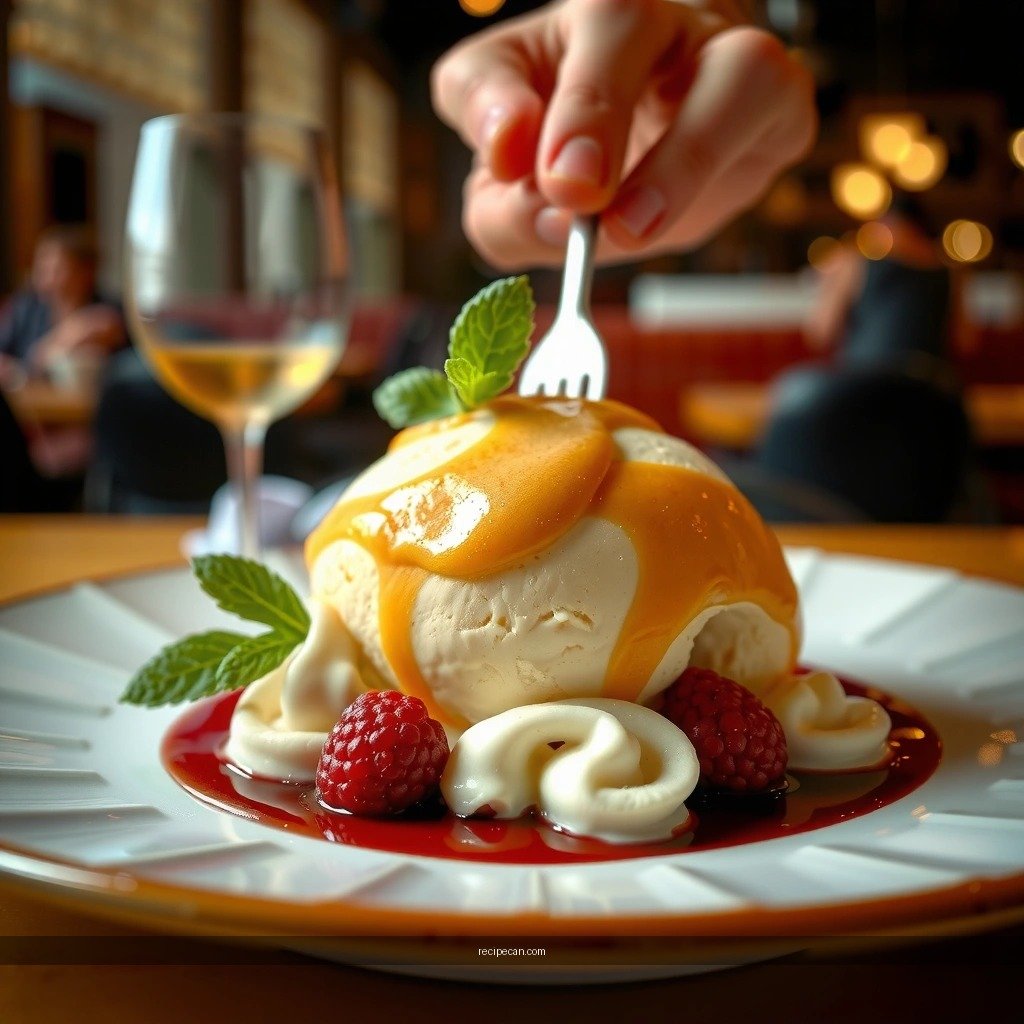
Stevia’s aftertaste is the #1 reason homemade sugar-free ice cream disappoints. The fix is not “more stevia”—it’s strategic balancing of flavors and concentration.
– Add vanilla and a pinch of salt to round out stevia’s aftertaste
Vanilla doesn’t just add aroma; it makes sweetness feel fuller and more rounded. Salt counteracts flat flavors and can reduce the perception of bitterness. Use a small pinch—you’re enhancing, not seasoning as if it were savory.
– Consider small amounts of supportive sweeteners if needed (optional)
Many bakers use a tiny amount of another sweetener type (often sugar alcohols or mild non-sugar supports) to reduce stevia’s harsh edge and improve freeze behavior. The key is minimal use and careful tasting—too much of the wrong support can create texture issues or a different aftertaste.
Flavor strategy that works in practice
– Chocolate: Stevia + cocoa often tastes more “natural” because cocoa’s bitterness masks stevia’s aftertaste.
– Berries: Pair stevia with acidity (lemon juice or berry puree) to brighten flavor and reduce medicinal notes.
– Coffee: Coffee aromas boost perceived sweetness, making less stevia feel adequate.
In other words: don’t fight bitterness head-on—design around it.
Churn or Freeze: Pick Your Method
Churning helps incorporate air and breaks up forming ice crystals, which improves texture. But even without a machine, you can get good results with disciplined freezing.
– Churn in an ice cream maker for the smoothest, most scoopable results
If you own a machine, churn the base as directed. For sugar-free mixes, this step can make the difference between “soft-serve smooth” and “frozen granita.”
– If freezing without churning, stir or blend every 30–45 minutes
Do not “set it and forget it.” For best outcomes, stir thoroughly at regular intervals during the first 2–3 hours. This repeatedly disrupts crystal growth and gives you a more uniform texture.
Time and temperature are your hidden ingredients
In stevia ice cream, the base can freeze faster than traditional custards because sugar (which depresses the freezing point) is reduced or eliminated. That’s why churn timing, or consistent stirring, matters more than many people expect.
Achieve the Best Texture (Prevent Ice Crystals)
Ice crystals form when water in the base has time to organize into larger structures. With stevia (and no sugar), you’re relying on fat, proteins, and stabilizers to slow that process.
– Chill the base thoroughly before churning
Warm base = slower aeration and larger crystals. Chill until the base is cold throughout—often several hours in the refrigerator.
– Store in an airtight container and keep freezer temperature consistent
Air exposure encourages dryness and flavor drift; temperature fluctuations promote larger ice crystals over time. Keep your freezer stable and scoop quickly to minimize temperature swings.
Troubleshooting quick fixes
– If it’s too icy: reduce freezeback time by serving earlier, churn longer (if possible), and consider a custard base next.
– If it’s too soft: you may have used a supportive sweetener blend with lower freezing-point depression than expected, or the base needs a bit more dairy solids (e.g., slightly higher cream ratio).
– If it’s grainy: ensure stevia dissolved completely before chilling; blend briefly if needed.
Flavor Ideas and Serving Tips
Once your base is stable and non-bitter, flavors become your competitive advantage—especially for families, meal prep, and branded “better-for-you” desserts.
– Try chocolate, berries, or coffee with stevia to boost perceived sweetness
These flavors add depth and aroma that make stevia sweetness feel more complete. For berry ice cream, aim for a balanced mix of puree and acidity; for chocolate, use cocoa that you enjoy eating on its own.
– Let it sit 3–5 minutes before serving for easier scooping
Sugar-free ice cream firms faster. A short rest helps the surface soften without turning the whole pint into a melt.
Example flavor pairings (high confidence)
– Vanilla bean + a touch of extra vanilla extract (aroma amplifies sweetness)
– Dark cocoa + pinch of espresso powder (rounds bitterness)
– Strawberry puree + lemon zest (brightness reduces stevia aftertaste)
Stevia ice cream can be a legitimately satisfying dessert when you treat it like a systems problem: sweetness chemistry, emulsion stability, and freeze control.
Stevia ice cream is achievable and tastes great when you use the right stevia amount, balance flavors, and focus on texture (chilling + proper freezing). Follow the sections above to make your first batch, then adjust sweetness and flavors to match your taste—save the recipe and try a new flavor next time.
Frequently Asked Questions
What is the best way to sweeten ice cream with stevia without an aftertaste?
To reduce stevia’s aftertaste, use a stevia blend designed for baking (often combined with erythritol or monk fruit) instead of pure stevia. Add stevia gradually, and start with a smaller amount than you think you need because sweetness perception changes when the base is frozen. For balance, include a pinch of salt and a little vanilla or a small amount of honey-free flavoring, which helps round out the sweetness in your stevia ice cream recipe.
How do I convert regular sugar recipes to a stevia ice cream recipe?
Begin by checking the stevia product’s conversion chart (stevia is not measured 1:1 like sugar). In many cases, you’ll replace sugar with a measured amount of stevia sweetener and also consider adding a sugar alcohol like erythritol for texture, since sugar contributes to ice cream’s body and prevents excessive iciness. If your recipe uses egg yolks or cornstarch, keep them as written—they help improve creaminess even when sugar is reduced.
How do I prevent icy texture when making ice cream with stevia?
Sugar helps lower freezing point, so using only stevia can lead to harder, icier results. To prevent this, incorporate a texture-friendly sweetener like erythritol or use a thickening agent (egg yolks, custard base, or a small amount of cornstarch) to stabilize the mixture. Also chill the base thoroughly before churning and freeze the finished ice cream quickly to maintain smoothness.
Which stevia sweetener works best for homemade ice cream recipes?
Look for stevia sweeteners labeled “baking” or “for cooking,” especially those blended with erythritol or dextrose-free bulking agents, because they dissolve well and create better ice cream texture. Liquid stevia can work for small batches, but it’s harder to calibrate and may amplify aftertaste if overused. Choose a product with clear dosing instructions so your stevia ice cream recipe stays consistent batch after batch.
Why does my stevia ice cream base taste bland or curdle, and how can I fix it?
Stevia can taste flat when the base is under-seasoned, so add a pinch of salt, vanilla extract, and consider warming the base gently to fully dissolve any cocoa or milk solids. If you’re making a custard-style stevia ice cream recipe, curdling usually comes from overheating—keep the mixture at a low simmer and stir constantly until thickened. Strain the custard if needed for extra smoothness, then cool it fast before churning.
References
- Google Scholar Google Scholar
https://scholar.google.com/scholar?q=stevia+ice+cream+recipe - Google Scholar Google Scholar
https://scholar.google.com/scholar?q=steviol+glycosides+ice+cream+formulation+study - Google Scholar Google Scholar
https://scholar.google.com/scholar?q=stevia+as+a+sugar+substitute+ice+cream+sensory+properties - Stevia
https://en.wikipedia.org/wiki/Stevia - Ice cream
https://en.wikipedia.org/wiki/Ice_cream - High-Intensity Sweeteners | FDA
https://www.fda.gov/food/food-additives-petitions/high-intensity-sweeteners - https://www.britannica.com/plant/stevia
https://www.britannica.com/plant/stevia - https://www.mayoclinic.org/drugs-supplements/stevia/art-20362036
https://www.mayoclinic.org/drugs-supplements/stevia/art-20362036 - https://www.nccih.nih.gov/health/stevia
https://www.nccih.nih.gov/health/stevia - https://pubmed.ncbi.nlm.nih.gov/?term=stevia+ice+cream+formulation
https://pubmed.ncbi.nlm.nih.gov/?term=stevia+ice+cream+formulation