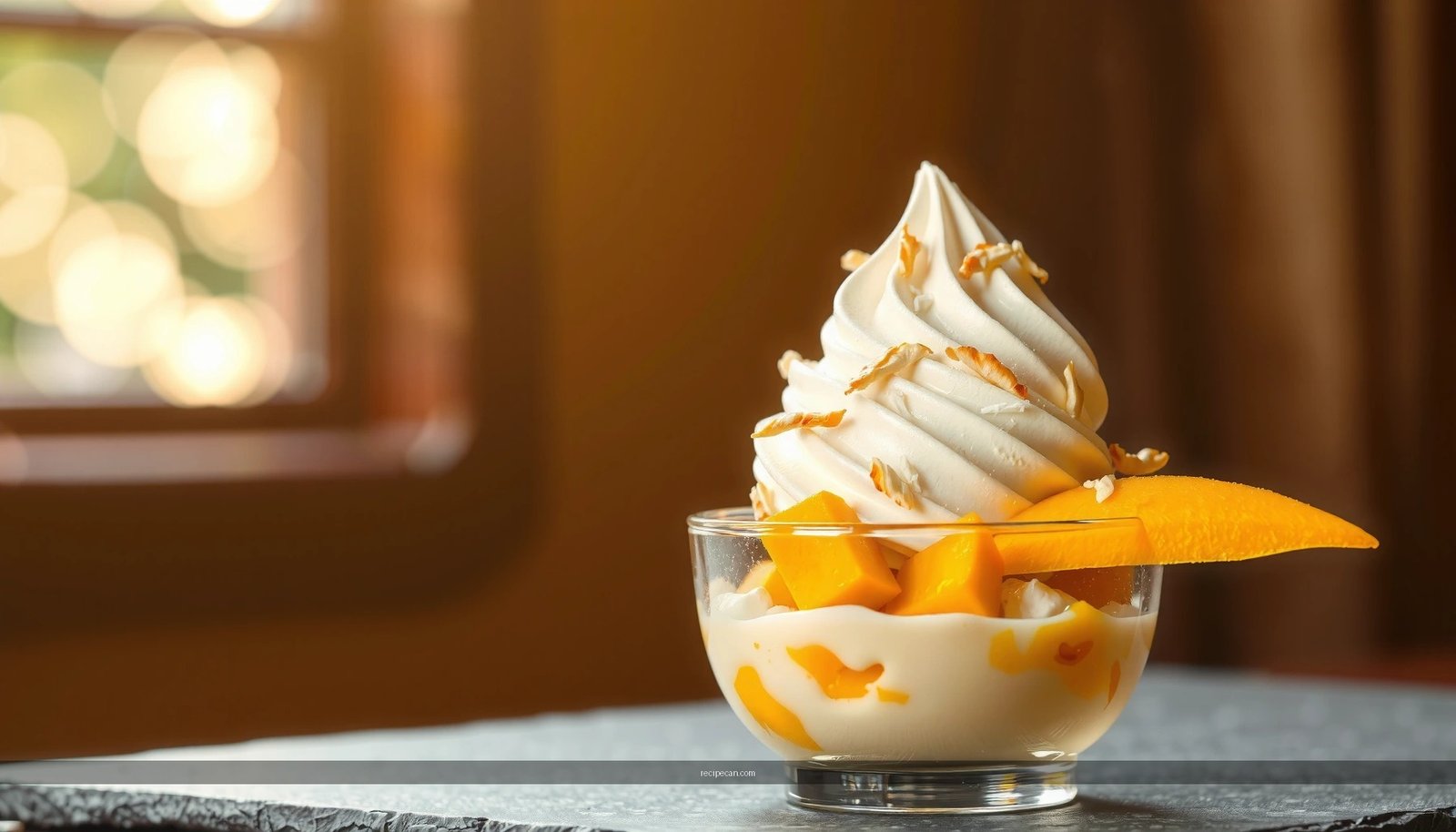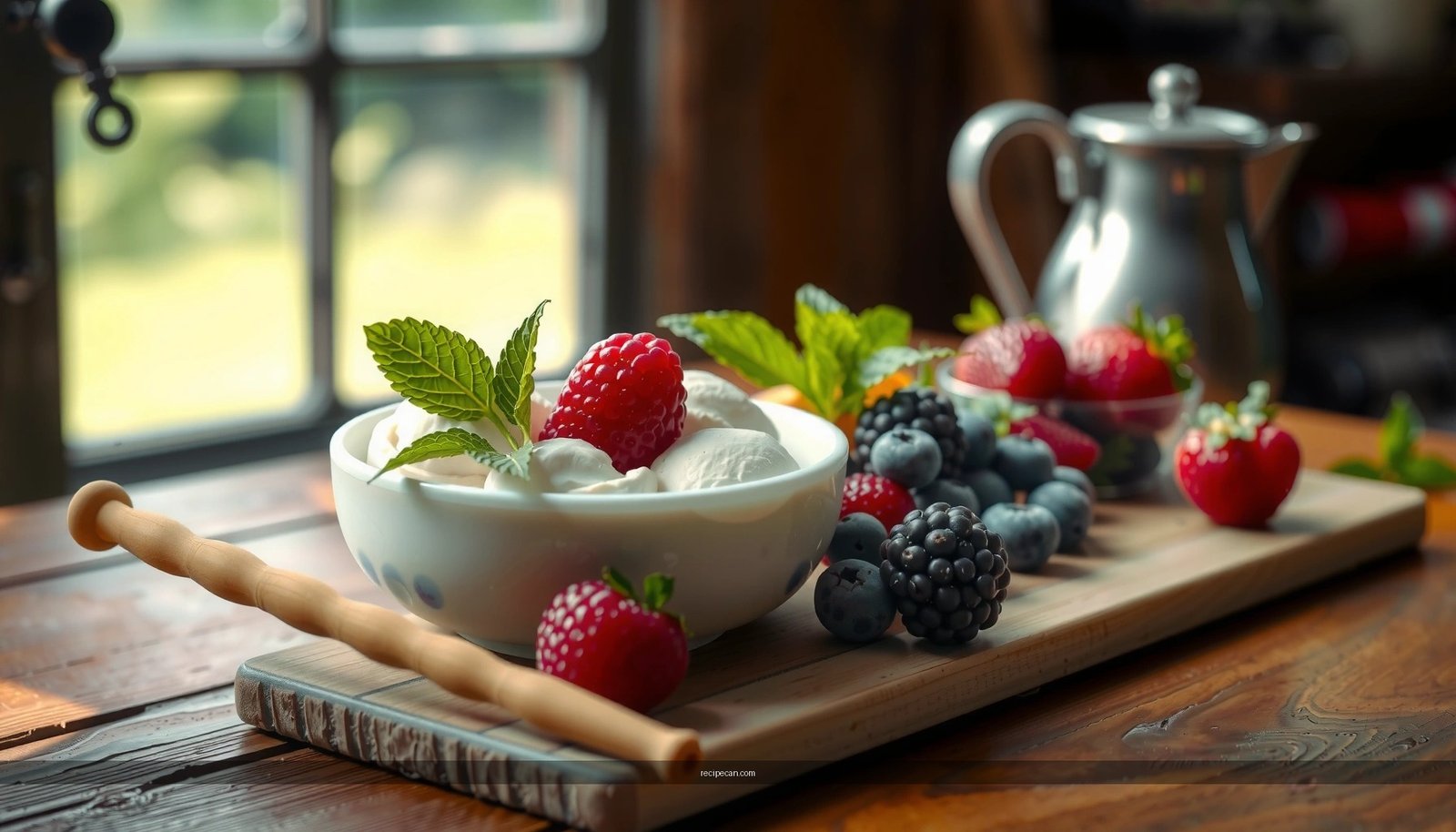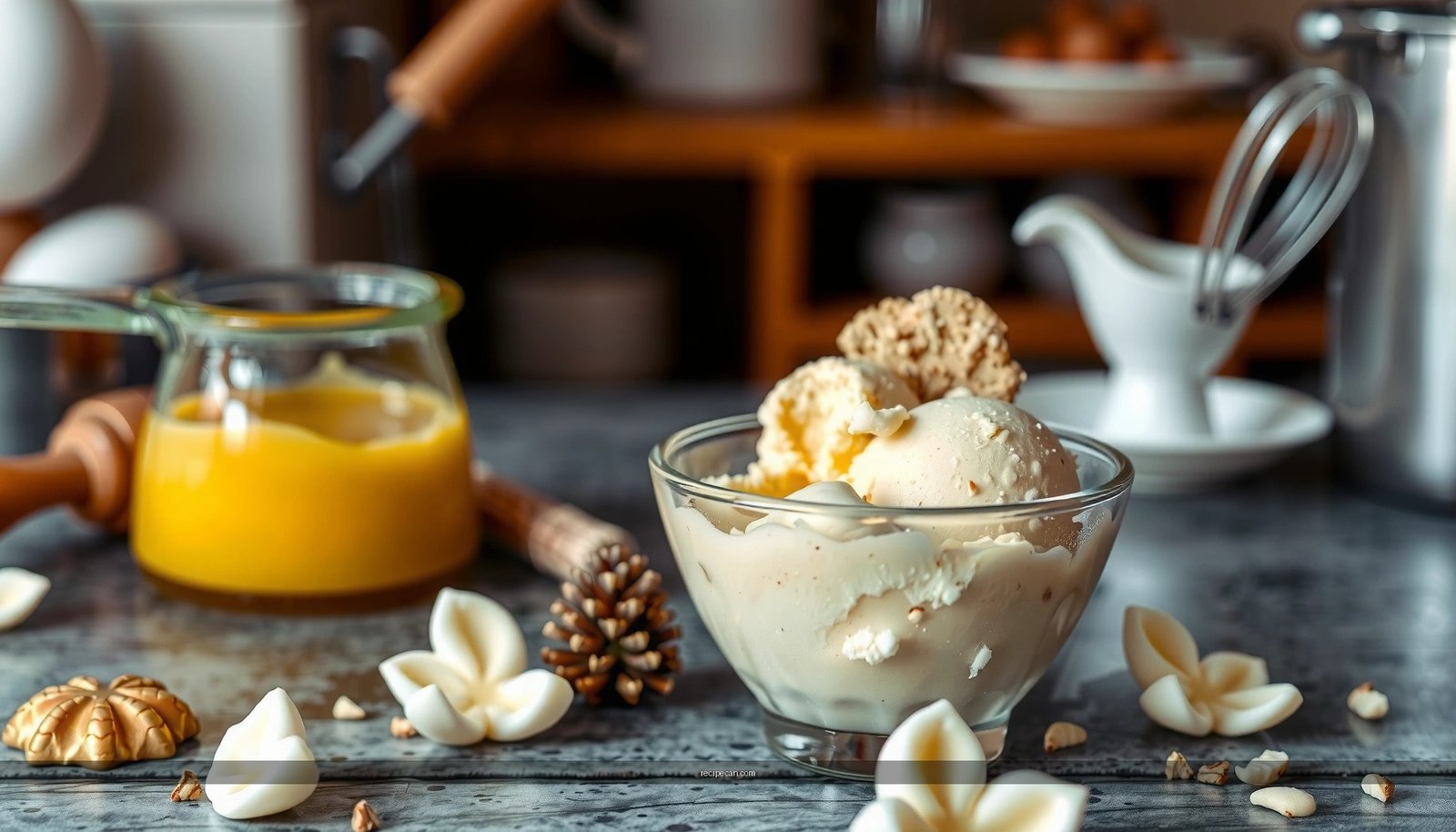
Get an eggnog ice cream recipe without an ice cream maker that delivers a creamy, custard-style finish using only a bowl, a whisk, and a freezer—no churner required. This is the best no-machine method if you want that classic eggnog flavor and a smooth texture with minimal equipment. Follow the steps below to make a batch that freezes solid without turning icy.
Yes—you can make rich, scoopable eggnog ice cream without an ice cream maker by cooking a custard base, chilling it thoroughly, then freezing it after folding in whipped cream for a smooth, creamy texture. This no-churn method relies on culinary fundamentals (custard thickening, controlled chilling, and air incorporation) to mimic what churning would normally do, so you still get that classic eggnog flavor—plus better control over spice, sweetness, and alcohol.
Gather Ingredients and Tools
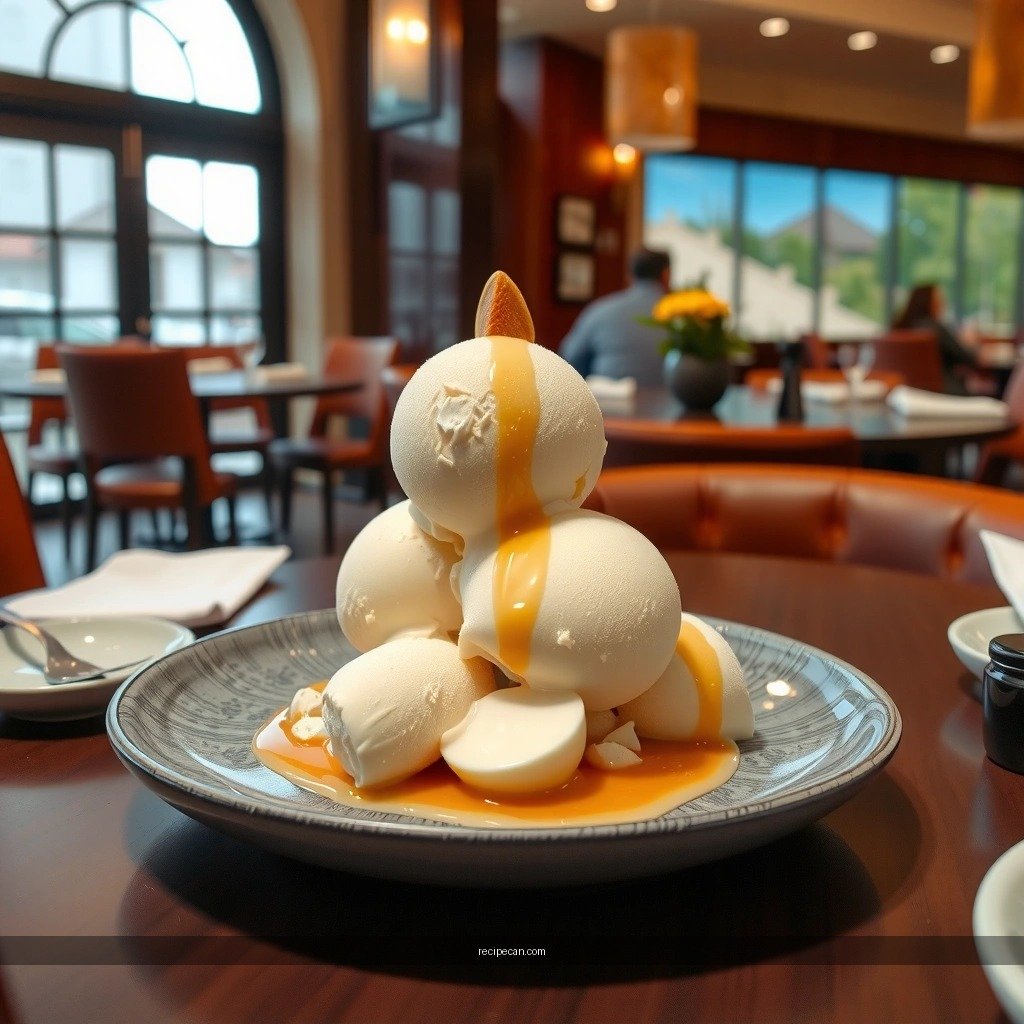
To produce true “egg nog ice cream” at home (not just frozen cream), focus on ingredients that create structure and flavor depth. The custard base provides a stable, creamy matrix while the whipped cream adds lift and helps reduce icy texture.
– Egg yolks: Thicken the custard and deliver the signature custardy mouthfeel.
– Heavy cream: Adds fat for richness and helps lower the freezing point for better scoopability.
– Whole milk: Balances richness and supports a smoother custard.
– Sugar: Sweetness plus stabilizing effect (sugar helps control ice crystal formation).
– Nutmeg: The essential eggnog spice—use freshly grated when possible for maximum aroma.
– Vanilla extract: Rounds out eggnog flavor and complements nutmeg.
– Optional bourbon or rum: Traditional eggnog nuance. Use sparingly so the flavor stays “custard-forward,” not “boozy.”
Recommended optional upgrades
– Pinch of salt: Enhances sweetness and spice perception.
– Ground cinnamon (optional): A subtle secondary warmth, but nutmeg should lead.
– High-quality nutmeg: Old or flat nutmeg is a common reason homemade eggnog ice cream tastes “thin” even when the method is correct.
Tools
– Mixing bowl
– Saucepan
– Whisk (or heatproof spatula)
– Fine-mesh strainer (optional but helpful for ultra-smooth custard)
– Loaf pan or freezer-safe container (8×4-inch or similar capacity)
– Spatula
– Electric mixer (for whipped cream) or a whisk with strong arm power
Suggested Mix Ratios for No-Churn Eggnog (Yield: ~1 Quart)
| # | Ingredient (No-Churn Eggnog Base) | Amount | Role in Texture | Expected Impact |
|---|---|---|---|---|
| 1 | Egg yolks | 6 large | Custard thickening | Stronger scoop |
| 2 | Heavy cream | 1 cup (240 ml) | Fat + creaminess | Lower iciness |
| 3 | Whole milk | 1 cup (240 ml) | Base liquid + balance | Smoother custard |
| 4 | Granulated sugar | 1/2 cup (100 g) | Sweetness + ice control | Better texture |
| 5 | Nutmeg (fresh preferred) | 1 to 1 1/2 tsp | Aromatic spice backbone | More “eggnog” aroma |
| 6 | Vanilla extract | 2 tsp | Flavor rounding | Balanced sweetness |
| 7 | Rum or bourbon (optional) | 1 to 3 tbsp | Classic eggnog warmth | Depth (use lightly) |
Make the Eggnog Custard Base
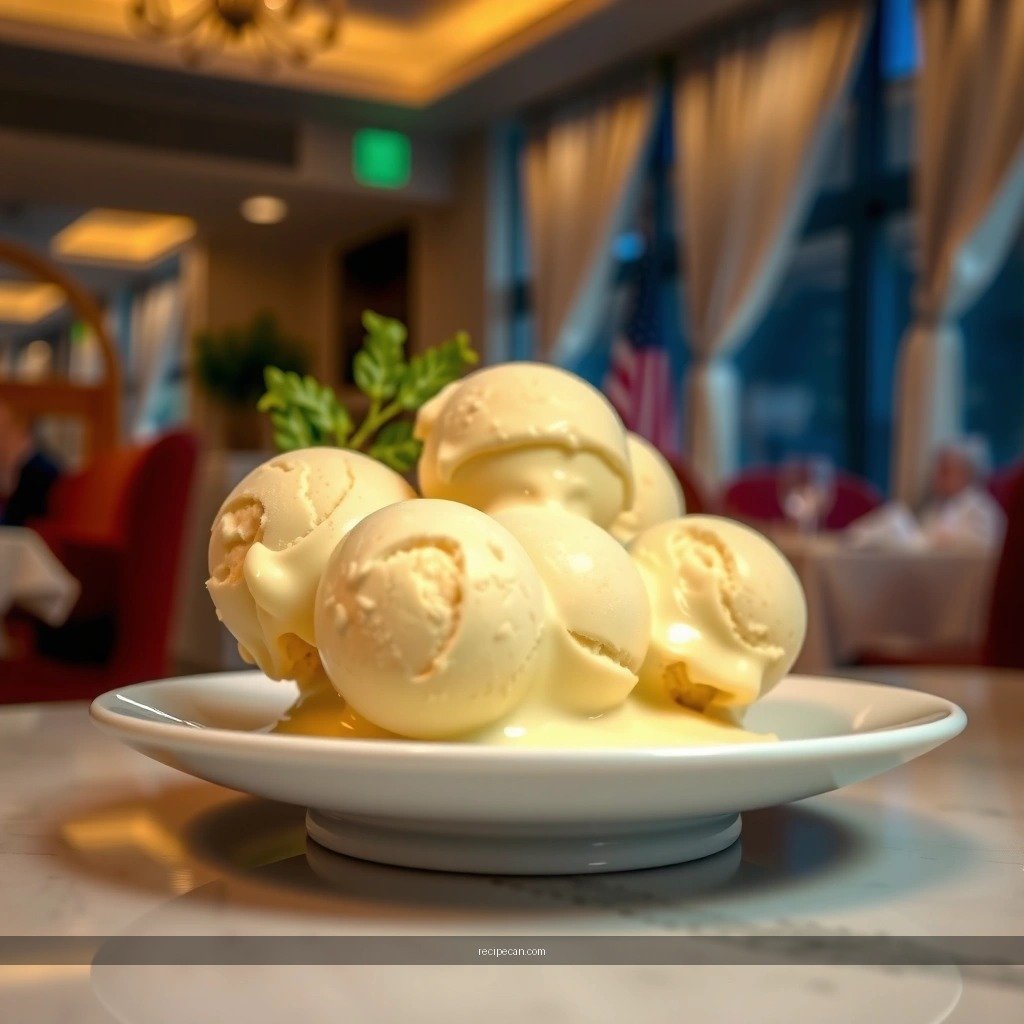
The custard is what makes this no-churn eggnog ice cream taste like a real frozen custard rather than icy cream. The goal is to thicken gently without scrambling the yolks.
1) Warm the dairy
In a saucepan, heat:
– milk + heavy cream + most of the sugar (reserve a small portion if you like for yolk tempering)
Warm until steaming and hot to the touch—no rolling boil. Boiling increases the risk of curdling and produces a grainy texture.
2) Temper the yolks
In a bowl, whisk egg yolks until smooth. Slowly drizzle a small amount of the hot dairy into the yolks while whisking continuously. This step is critical because it gradually raises yolk temperature.
Why it matters: tempering builds the custard’s thickening power without turning the mixture into scrambled eggs.
3) Cook to a nappe-style thickness
Pour the tempered yolks back into the saucepan. Cook on medium-low, stirring constantly with a whisk or heatproof spatula. Scrape the bottom and corners.
Cook until it coats the back of a spoon and you can draw a line with your finger:
– Line should remain visible (a “nappe” consistency).
– Typical time is often 6–10 minutes, depending on heat and pan size.
4) Strain for ultra-smooth results (recommended)
Even careful cooking can produce tiny bits. Straining through a fine-mesh sieve ensures a refined mouthfeel—especially important for no-churn eggnog where texture can amplify imperfections.
Add Flavor (Nutmeg and Vanilla) and Cool
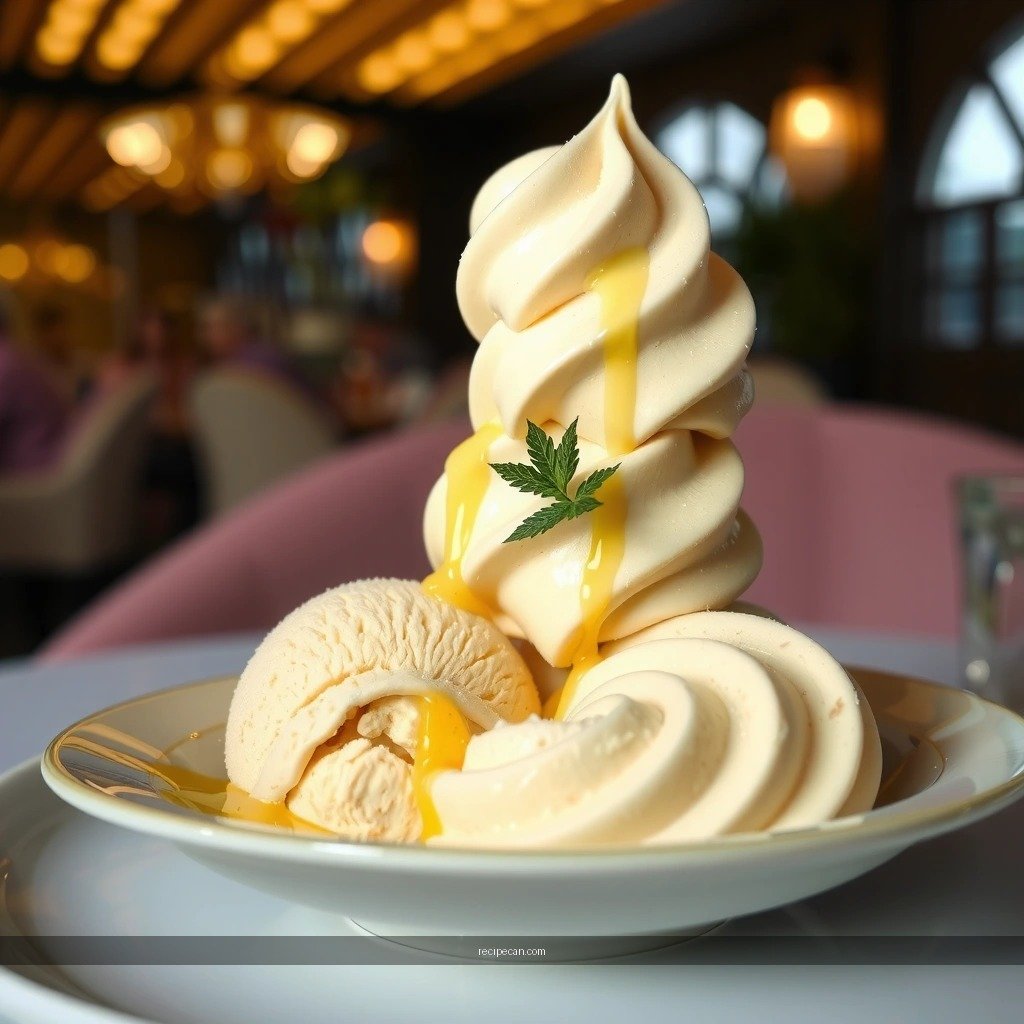
Flavor needs time to bloom, and chilling is what converts a hot custard into an ice-cream-ready base.
Add nutmeg and vanilla off heat
Once the custard reaches the right thickness:
– Turn off heat.
– Stir in vanilla and nutmeg.
– Add rum or bourbon (if using) only after removing from heat.
Alcohol note: a small amount enhances flavor. Too much can soften the freezing structure excessively and reduce scoopability.
Cool thoroughly in the fridge
Transfer custard to a container and press plastic wrap directly onto the surface (prevents a skin). Chill until cold, typically 4+ hours or overnight.
Why thorough chilling is essential: folding whipped cream into warm custard can deflate the air and lead to a denser, icier result.
Whip and Fold for a Creamier Texture
No-churn eggnog ice cream wins or loses at this stage: you want aeration, not overmixing.
Whip to soft peaks
In a separate bowl, whip heavy cream (the portion reserved for whipping) until:
– soft peaks form (the peak gently droops).
Soft peaks give you a lighter texture and help the final ice cream resist large ice crystals.
Fold gently
Add about one-third of the whipped cream into the chilled custard and fold to loosen the base. Then add the remaining whipped cream and fold gently until no streaks remain.
Folding technique: use a spatula and turn the mixture over itself. Overmixing breaks whipped cream structure and increases iciness.
Analytical perspective: why this mimics churning
Churn incorporates air while creating smaller ice crystals through mechanical agitation. Here, we replace that effect by:
– adding air via whipped cream
– using custard solids (yolks + dairy) to reduce ice growth
– freezing in a way that limits crystal size (handled in the next section)
Freeze and Achieve the Best Scoop
With no ice cream maker, your freezer becomes the “engine.” Freezing method controls texture as much as recipe.
Fill and level
Pour the finished mixture into a freezer-safe loaf pan or container. Smooth the top to reduce trapped air pockets.
Freeze until firm
Freeze until scoopable—usually 6–10 hours depending on freezer temperature.
If you want a smoother texture, stir at least once:
– At the midpoint of freezing (around 2–3 hours in for many freezers), remove and stir vigorously to break up early ice formation.
– Re-freeze immediately.
Practical note: smaller metal pans freeze faster and often improve texture consistency.
Rest before serving
For the best scoop:
– Remove and rest 5–10 minutes at room temperature.
– Scoop quickly and return promptly to the freezer.
This short rest keeps the surface from being too hard while preserving the interior structure.
Storage and Make-Ahead Tips
Eggnog ice cream keeps well when you treat it like a delicate custard: minimize air exposure and temperature swings.
Cover tightly
– Use an airtight lid or cover with parchment/plastic wrap pressed to the surface.
– This reduces ice crystal formation and prevents off-flavors from the freezer.
Best quality window
For optimal flavor and texture, freeze for:
– 1–2 weeks at peak quality
– beyond that, expect gradual firmness and slight spice fade (nutmeg aroma is volatile)
Serving strategy for families and hosts
If you’re making this for a holiday gathering:
– Freeze in a deeper container for fewer ice edges, or
– portion into smaller containers so you can thaw only what you need.
Spice adjustments after a first taste
Because freezing mutes some aroma, do a small taste of the finished custard (before freezing) and consider:
– If you want brighter spice: add a tiny extra pinch of nutmeg to the base and taste again.
– If you want less intensity: slightly reduce nutmeg rather than skipping it entirely—egg-nog ice cream depends on nutmeg for identity.
Most Common No-Churn Eggnog Issues and How to Fix Them
| # | Symptom | Likely Cause | Corrective Action | Priority |
|---|---|---|---|---|
| 1 | Icy texture | Custard not chilled enough or not stirred mid-freeze | Chill overnight + stir once halfway through freezing | High |
| 2 | Grainy custard | Overcooked yolks or no straining | Cook to spoon-coating only + strain after cooking | High |
| 3 | Dense, heavy mouthfeel | Whipped cream overmixed or folded into warm custard | Fold gently + keep custard fully chilled before combining | Medium |
| 4 | Bland flavor | Nutmeg old/weak or under-seasoned base | Use fresh nutmeg; taste custard and adjust before freezing | Medium |
| 5 | Too soft after freezing | Excess alcohol or freezer is warmer than expected | Use 1–3 tbsp alcohol; verify freezer temp (ideally ~0°F/-18°C) | Medium |
| 6 | Hard outer layer | Surface exposed to air or no resting before serving | Press wrap to surface; rest 5–10 minutes before scooping | Low |
| 7 | Weak eggnog character | Not enough nutmeg/vanilla or no “aroma bloom” time | Let base chill; adjust spices after first custard taste | Low |
You can make eggnog ice cream without an ice cream maker by combining a cooked eggnog custard with whipped cream, then freezing until scoopable. Follow the chilling and folding steps for the creamiest texture—then taste-test, adjust spice, and serve it fresh for the holidays.
Frequently Asked Questions
What is the best eggnog ice cream recipe without an ice cream maker?
The best no-churn eggnog ice cream recipe uses a thick base like sweetened condensed milk plus whipped cream or a cooked custard, then you freeze until scoopable. For strong eggnog flavor, steep nutmeg and vanilla in the warm dairy and fold it in before chilling. If you want a more classic “ice cream” texture without churning, choose a no-churn method with whipping for air, which helps prevent iciness.
How do you make eggnog ice cream without an ice cream maker and avoid it turning icy?
To prevent ice crystals, use a recipe that includes sweetened condensed milk and heavy whipping cream (or a cooked custard), then freeze in a shallow container and stir every 30–45 minutes for the first 2–3 hours. Keep the freezer cold and let the ice cream sit at room temperature for 5–10 minutes before scooping. Using finely ground nutmeg and fully dissolved sugar also helps the mixture set smoothly.
How do you make eggnog ice cream without eggs or with egg-free ingredients?
If you want to avoid eggs, use a no-churn “eggnog-style” base with sweetened condensed milk, cream, and eggnog flavorings like vanilla, nutmeg, cinnamon, and rum extract (optional). Another egg-free option is to use a custard-free method with dairy plus cornstarch-thickened eggnog base for a richer mouthfeel. Either way, chill the base thoroughly before freezing to improve texture.
Why does homemade eggnog ice cream need to be chilled before freezing?
Chilling allows the dairy base to thicken and the spices (nutmeg, cinnamon, and vanilla) to fully flavor the mixture. It also helps the fat firm up evenly so the ice cream sets smoother without an ice cream maker. If you freeze a warm or only lightly chilled base, it’s more likely to separate or develop an icy texture.
Which eggnog should you use for the best flavor—store-bought or homemade?
Store-bought eggnog is the easiest choice and usually gives consistent flavor fast, especially for a no-churn eggnog ice cream recipe without an ice cream maker. If you make homemade eggnog, use a similar fat content and consider straining for a smoother base. In either case, taste first—very sweet or heavily spiced eggnog may need less added sugar or fewer spices in the ice cream mixture.
References
- Eggnog
https://en.wikipedia.org/wiki/Eggnog - Ice cream
https://en.wikipedia.org/wiki/Ice_cream - Custard
https://en.wikipedia.org/wiki/Custard - Frozen custard
https://en.wikipedia.org/wiki/Frozen_custard - Eggnog | Origins, Ingredients, Holiday Traditions, & Recipe | Britannica
https://www.britannica.com/topic/eggnog - https://pubmed.ncbi.nlm.nih.gov/?term=no-churn+ice+cream+processing
https://pubmed.ncbi.nlm.nih.gov/?term=no-churn+ice+cream+processing - https://pubmed.ncbi.nlm.nih.gov/?term=egg+custard+frozen+dessert+ice+cream
https://pubmed.ncbi.nlm.nih.gov/?term=egg+custard+frozen+dessert+ice+cream - Google Scholar Google Scholar
https://scholar.google.com/scholar?q=eggnog+ice+cream+no-churn+recipe - Google Scholar Google Scholar
https://scholar.google.com/scholar?q=homemade+ice+cream+without+ice+cream+maker+egg+custard - Google Scholar Google Scholar
https://scholar.google.com/scholar?q=eggnog+composition+pasteurization+frozen+dessert