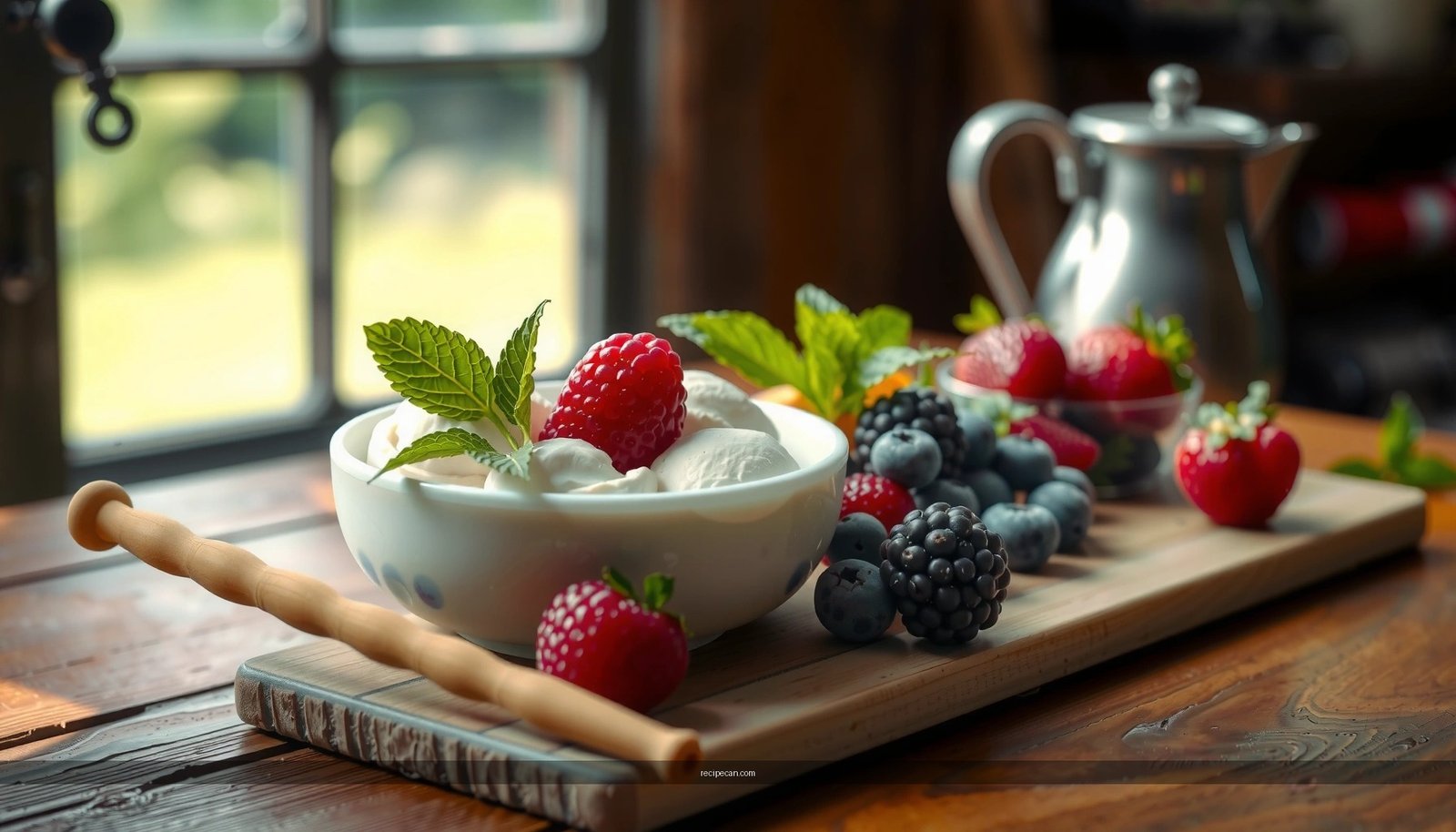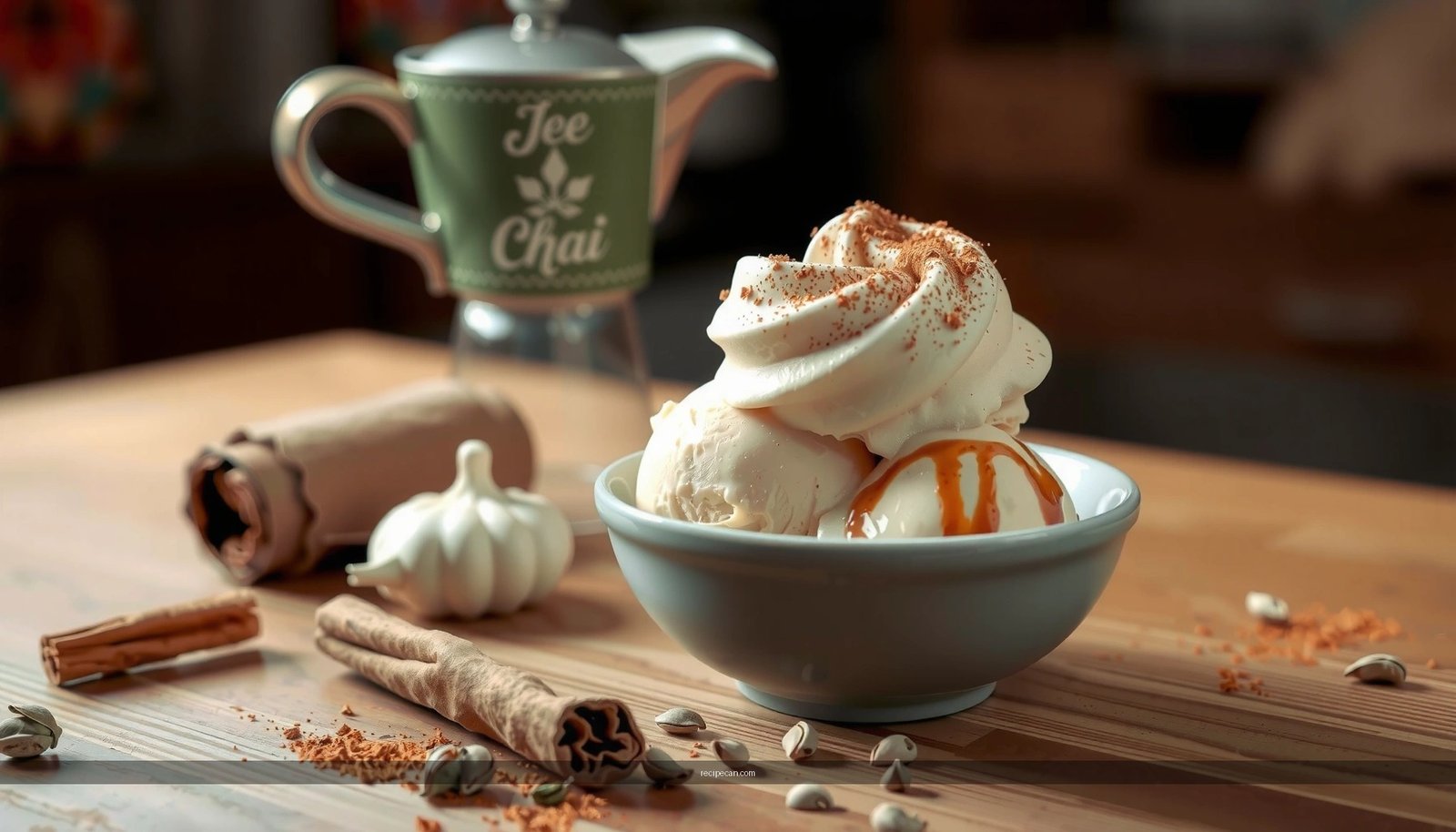
This chai ice cream recipe delivers the creamiest, most reliably spiced scoop—without complicated steps. You’ll get a smooth custard base infused with chai spices and a straightforward method that works whether you’re making it in an ice-cream machine or freezing it at home. If you want rich, drink-like chai flavor in every bite, this is the best version to follow.
Make chai ice cream at home by steeping chai spices in warm cream (or a cream–milk blend), straining well for a smooth base, then churning or freezing until scoopable. This recipe focuses on the critical variables—proper spice infusion, balanced sweetness, and thorough chilling—so you get a creamy, spiced dessert with no bitterness and no gritty texture.
Ingredients for Chai Ice Cream
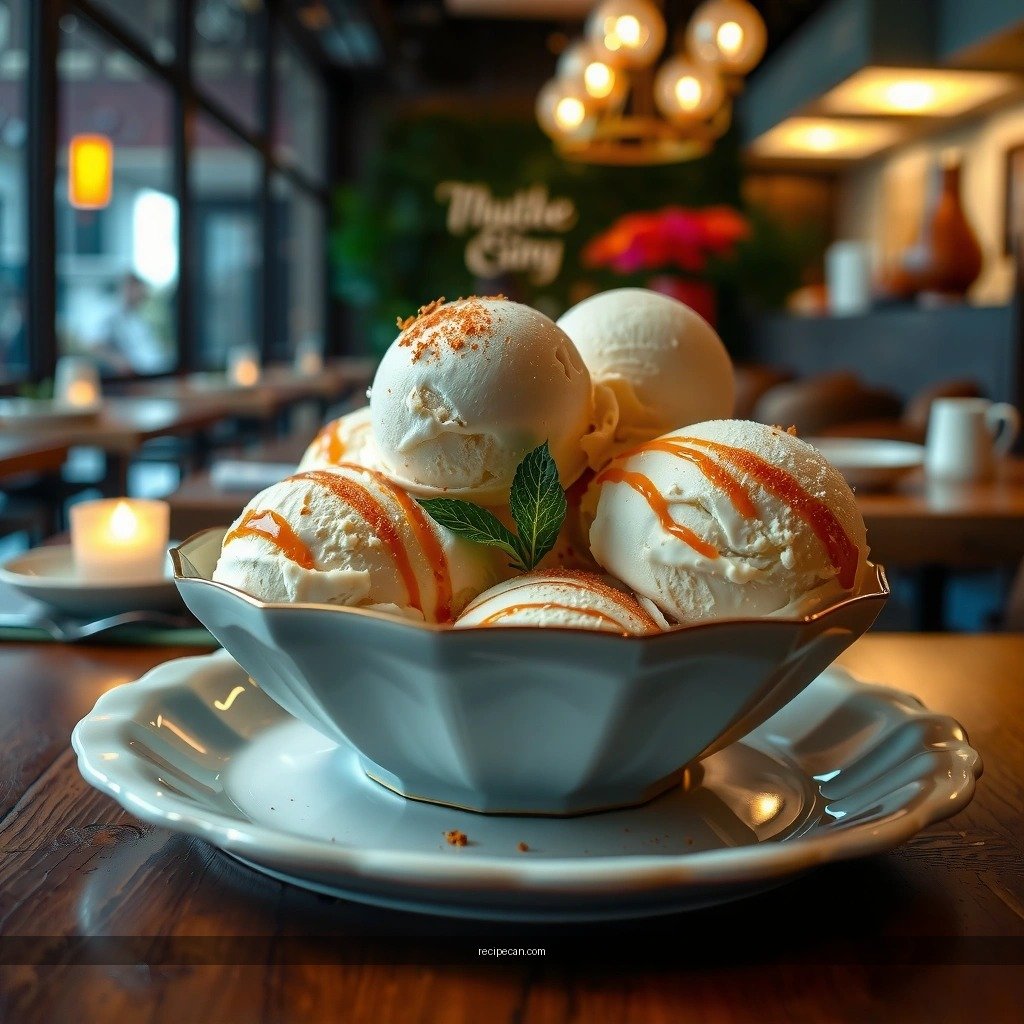
Chai ice cream is fundamentally a “spiced dairy base” problem: you’re extracting flavor from spices into fat and water, then keeping the texture stable during freezing. The ingredient list below is designed to help you do exactly that.
– Freshly steeped chai spices (the flavor engine):
– Cinnamon sticks or ground cinnamon
– Fresh ginger (sliced) or ginger powder
– Cardamom pods (lightly crushed) or ground cardamom
– Whole cloves (use sparingly)
– Optional: black peppercorn (a tiny pinch adds warmth)
– Cream: heavy cream or whipping cream for richness and body
– Milk: whole milk for balance (you can use more cream for an ultra-creamy profile)
– Sugar: to sweeten and reduce ice crystal harshness
– Vanilla (optional but recommended): rounds the spice and improves perceived sweetness
Custard-style optional ingredients
– Egg yolks: add emulsification and a custard-like mouthfeel. If you prefer a no-cook approach, skip them and use the no-churn or cook-free method.
Practical note on “tea” vs “chai spices”
Many chai flavors come from tea + spices; for ice cream, you can achieve a true chai character using either:
1) Spices only (easier to control bitterness), or
2) A small amount of black tea plus spices, steeped briefly and strained extremely well.
If you’re aiming for maximum smoothness, start with spices-first and optionally add tea.
Data Table: What Spices Usually Contribute to Chai Ice Cream
Spice Profile and Recommended Strength for Chai Ice Cream
| # | Ingredient | Typical Amount | Flavor Role | Texture Impact | Sweetness Compatibility |
|---|---|---|---|---|---|
| 1 | Cinnamon stick (or 1/2 tsp ground) | 1–2 sticks (2–4 g) | Warm, sweet spice top-note | Low (strain well) | High |
| 2 | Fresh ginger (sliced) | 8–12 g | Bright warmth, clean finish | Medium (small particles can feel gritty) | High |
| 3 | Green cardamom pods | 4–6 pods | Floral, aromatic “chai” signature | Low (crush for better extraction) | Very high ★★★ |
| 4 | Whole cloves | 2–3 cloves | Deep, slightly medicinal warmth | Medium (use fewer; strain thoroughly) | Moderate |
| 5 | Black tea (optional) | 1–2 tsp loose tea | Malty chai base note | Medium (over-steeping can increase bitterness) | High |
| 6 | Vanilla extract | 1 tsp | Rounds spice, improves “bakery” aroma | Low | Very high ★★ |
| 7 | Nutmeg (optional pinch) | 1/8 tsp | Subtle sweetness and depth | Low (tiny amount only) | High |
How to Infuse Chai Flavor
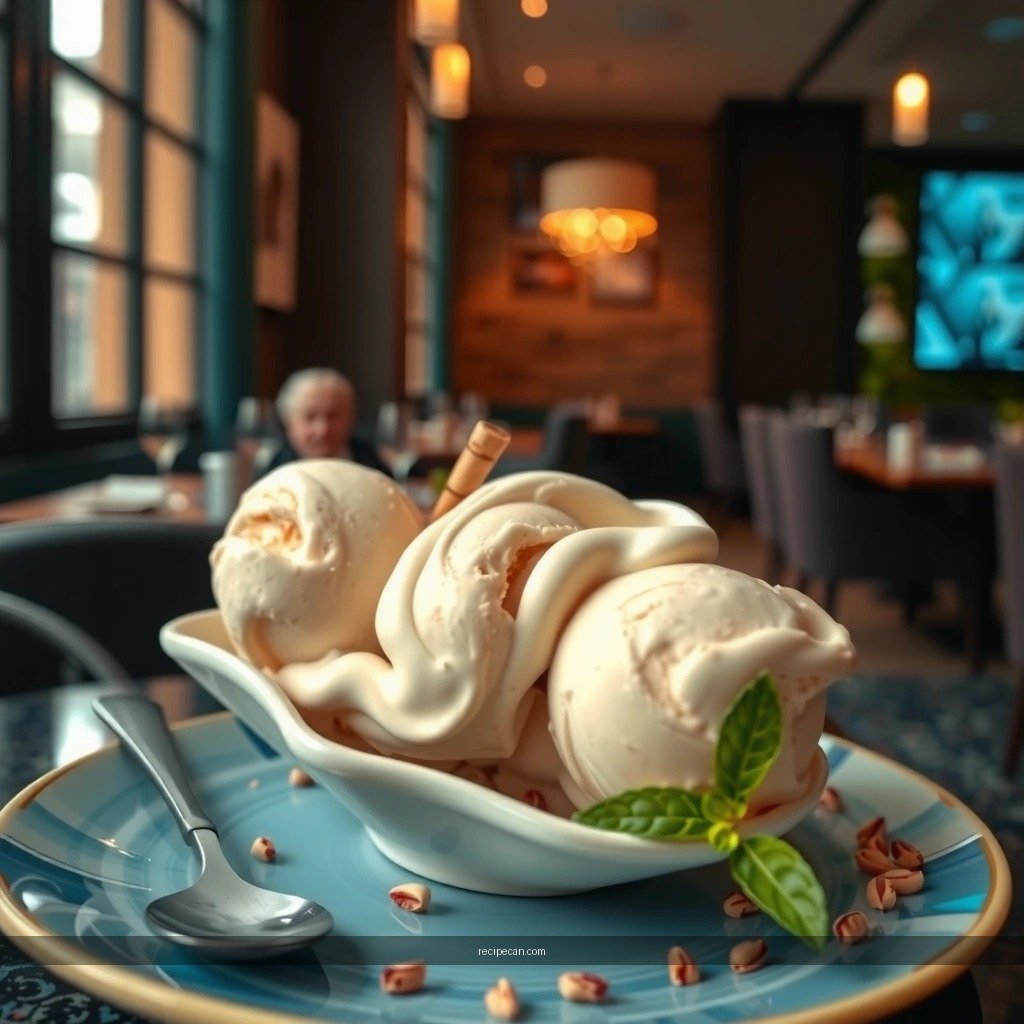
The most common chai ice cream failure is bitter flavor or muddy texture. Both problems come from the same root causes: over-steeping and inadequate straining.
– Simmer or steep spices in warm dairy to extract flavor without bitterness
Start by heating your cream + milk mixture until steaming (not boiling). Add whole spices (cinnamon, cardamom pods, cloves, ginger) and keep the heat gentle. In practice, aim for:
– 8–15 minutes for whole spices, stirring occasionally
– 3–7 minutes if using a stronger tea component (loose tea or tea concentrate), since tea tannins can turn harsh when exposed too long
– Strain thoroughly so the final ice cream is smooth
Strain through a fine mesh sieve, then—if you want “premium smooth”—press the spices gently and strain again. Avoid any ginger fibers or cardamom husks in the final base; they can create graininess or interfere with churning.
Analytical tip:
Spices dissolve their aroma compounds at different rates. The goal is not maximum extraction—it’s optimal flavor balance. Strong spices (clove) extract faster and can dominate quickly; start with slightly less than you think you need, then adjust in a future batch.
Chai Ice Cream Base (No-Churn or Custard Option)

You have two reliable paths to chai ice cream at home. Choose based on equipment and the texture you want.
Option A: No-churn (simpler prep, consistent results)
– Whip cream until soft peaks form.
– Warm your infused dairy base just enough to dissolve sugar, then cool.
– Fold dairy into whipped cream gently to preserve air.
– Freeze in a shallow container for faster, smoother freezing.
Best for: busy schedules, beginners, and anyone without an ice cream maker.
Option B: Custard-style (extra creaminess, more “ice cream shop” body)
A custard base thickens from egg yolks and improves emulsion, which helps reduce ice crystals.
– Infuse your dairy with spices.
– Whisk egg yolks with sugar until smooth.
– Temper with hot dairy gradually, then cook gently until the mixture lightly coats a spoon (do not boil).
– Strain again, then chill completely before churning.
Best for: ultra-creamy texture and a more stable scoop, especially in freezers that fluctuate in temperature.
Cooling is not optional:
Whether no-churn or custard, your base needs to be fully chilled. Chilling helps stabilize fats and sugars, making the final churn/freezing step more predictable.
Churning and Freezing Tips
Chai ice cream’s texture depends on timing, temperature, and airflow. Treat this part like process control, not a casual last step.
– Chill the mixture at least several hours for best texture
For best results, refrigerate until the base is cold throughout—ideally at least 4 hours, and overnight if possible.
– Freeze until firm, and let it soften briefly before serving
After churning, transfer to an airtight container and freeze until firm. For serving:
– Let it sit 3–8 minutes at room temperature (varies by your freezer) so spices and sweetness express at their best.
– If your scoops are tearing, you likely need slightly more soften time, not more sugar.
Quality control checklist
– Base is strained and chilled: smoothness and mouthfeel improve immediately.
– Chilled long enough: prevents oversized ice crystals.
– Airtight storage: reduces freezer odors and ice crystal growth.
Flavor Variations and Add-Ins
Once your chai base is correct, variations become an exercise in balancing aroma strength with sweetness and texture.
– Add a splash of vanilla, black tea concentrate, or a pinch of nutmeg
– Vanilla: improves “roundness” and counterbalances ginger heat.
– Black tea concentrate: use a small amount (start with 1–2 tsp) to avoid bitterness.
– Nutmeg: keep it minimal; it’s powerful and can overshadow cardamom.
– Mix-ins like whipped cream, caramel swirl, or toasted nuts (optional)
Mix-ins work best when they’re prepared to avoid freezing issues:
– Caramel swirl: slightly warm for easier swirls; freeze quickly afterward.
– Toasted nuts: chop evenly and toast until fragrant; add near the end of churning so they distribute.
– Whipped cream additions: add after partial freezing if you want pronounced pockets.
Professional flavor balance example:
If you increase ginger for punch, consider either (1) slightly more cardamom for floral balance, or (2) a touch less clove to prevent “medicinal” notes.
Comparison Table: Best Method Based on Your Setup
| # | Feature | No-Churn | Custard Churn |
|---|---|---|---|
| 1 | Equipment required | Whisk + freezer-safe container | Ice cream maker + thermometer (helpful) |
| 2 | Prep time | ~15–25 minutes | ~35–60 minutes |
| 3 | Most important step | Folding technique + chilling | Gentle custard thickening + straining |
| 4 | Scoopability after 1 day | Good | Excellent |
| 5 | Best texture window | ~1–2 days | ~2–4 days |
| 6 | Risk of “icy” texture | Higher if base isn’t cold | Lower due to custard emulsion |
| 7 | Spice extraction control | High (short infusion + strain) | High (infuse, then strain after cooking) |
| 8 | Milk-fat utilization | Whipped cream provides structure | Custard provides viscosity and stability |
| 9 | Complexity for beginners | Lower | Medium (tempering needed) |
| 10 | Flavor intensity potential | Very strong with spice-only infusion | Strong and “rounded” due to custard base |
| ★ | Best For | Weeknight dessert | Shop-style creaminess |
Churning and Freezing Tips (Reinforced)
To lock in a consistently creamy chai ice cream texture, treat temperature as your main variable.
– Chill the mixture at least several hours for best texture
If you churn a warm base, the ice cream often becomes grainier because fat and sugar don’t have time to fully stabilize.
– Freeze until firm, and let it soften briefly before serving
For best scoopability, freeze until firm but not rock-hard; a quick softening window restores aroma and spice expression.
If your freezer is known for dryness (fast ice crystal formation), use a deeper container and press plastic wrap directly on the surface before sealing.
Flavor Variations and Add-Ins
If you want to tailor your chai ice cream to your audience or personal preference, variations should follow a simple logic: maintain the spice balance, then add complementary textures.
Try one of these:
– Vanilla-forward chai: add 1 tsp vanilla and reduce clove slightly for a gentler finish.
– Tea-forward chai: add a small amount of black tea concentrate after straining; keep steeping brief.
– Spiced caramel chai: fold in a caramel ribbon during the last 1–2 minutes of churning.
– Toasted nut chai: add chopped toasted almonds, pistachios, or walnuts for crunch—keep portions moderate so the base remains the star.
Serving and Storage
– Serve within a day or two for peak flavor and scoopability
Spices taste best soon after freezing. Over time, aroma can fade and ice crystals can increase—even with a good recipe.
– Store in an airtight container to reduce ice crystals
Use a tight seal and minimize air exposure. If possible, keep the container toward the center of the freezer (most stable temperature) and avoid frequent door openings.
Serving idea (works well for guests)
For a café-style presentation, serve in pre-chilled bowls and drizzle with warm caramel or honey. This approach boosts perceived sweetness and intensifies the chai aroma without adding extra spice bitterness.
VS Table: No-Churn vs Custard Churning
| # | Criteria | No-Churn | Custard |
|---|---|---|---|
| 1 | Effort level | Low | Medium |
| 2 | Flavor smoothness | Very good (with straining) | Excellent (custard emulsifies) |
| 3 | Ice crystal risk | Moderate | Lower |
| 4 | Spice intensity stability | High initially, fades sooner | High with longer window |
| 5 | Best for hosting | Yes (plan ahead) | Yes (premium texture) |
| 6 | Time to “ready to serve” | Typically sooner | Slightly longer |
| 7 | Control of bitterness | Very controllable (short steep) | Very controllable (infuse + strain) |
| 8 | Texture complexity | Simple, creamy | Rich, custard-like body ★★★ |
| 9 | Equipment cost | Minimal | Higher (ice cream maker) |
| 10 | Consistency across batches | High with careful chilling | Very high with proper tempering |
| ✓ | Verdict | Choose if you want easy, reliable chai ice cream | Choose if you want maximum creaminess and premium scoopability |
Chai ice cream is all about properly steeping the spices, using a well-chilled base, and churning or freezing to lock in that creamy texture. Follow the steps above—especially careful infusion, thorough straining, and patient chilling—then try one variation (like vanilla-forward chai or a caramel swirl) to tailor the flavor to your preferences. Make your next batch your best, and share your favorite twist with anyone who thinks homemade ice cream is too complicated.
Frequently Asked Questions
What is the best chai ice cream base recipe?
A great chai ice cream base starts with a creamy dairy base (heavy cream and milk) infused with chai spices like cinnamon, cardamom, ginger, and cloves. Simmer the dairy gently with the spices so the chai flavor develops without scorching, then strain and cool before churning. For extra richness and authentic texture, whisk in egg yolks (custard-style) or use a no-egg custard method depending on your preference. This approach yields a smooth, spiced chai ice cream that tastes like your favorite chai—only frozen.
How do you make chai ice cream without curdling the custard?
To avoid curdling, heat your milk and cream slowly and keep the temperature controlled when tempering the egg yolks. Whisk constantly while cooking the custard and stop once it thickens enough to coat a spoon (usually around 170–175°F / 77–80°C). Strain the custard right away to remove any bits of cooked egg, then cool quickly before chilling. This method helps you get a silky chai ice cream texture without grainy curds.
Which spices work best for chai ice cream?
The most common chai spice blend includes cinnamon, cardamom, ginger, cloves, and black pepper for warmth. If you want a classic masala chai flavor, use a mix of whole spices steeped in the dairy; whole spices often taste more aromatic than ground. Adjust sweetness and intensity by tailoring the spice ratio—stronger ginger or pepper makes the chai ice cream taste “spicier,” while more cardamom leans floral. Taste your infused base before churning so the spice balance is right.
Why does my chai ice cream taste icy or have a grainy texture?
Icy or grainy chai ice cream usually comes from high water content, insufficient fat, or a base that wasn’t churned at the right consistency. Make sure you chill the custard thoroughly before churning and, if possible, churn until it reaches a soft-serve thickness. Overheating the custard can also cause tiny solids that make texture gritty, so strain and control temperature carefully. Adding a stabilizer (like a small amount of cornstarch or gelatin in the method you follow) can further improve smoothness.
How long should you steep chai spices for the best flavor in ice cream?
For chai ice cream, steep the spices long enough to extract aroma, typically 20–30 minutes on low heat, then strain for a clean finish. If you want a deeper, more intense flavor, you can steep longer off-heat (about 1–2 hours) after warming the dairy, then cool and chill. Keep the infusion gentle—boiling can mute spice notes and affect the custard’s smoothness. Proper steeping is key to a chai ice cream that tastes fragrant and well-balanced, not just faintly spiced.
References
- Google Scholar Google Scholar
https://scholar.google.com/scholar?q=chai+ice+cream+recipe - Google Scholar Google Scholar
https://scholar.google.com/scholar?q=masala+chai+ice+cream - Google Scholar Google Scholar
https://scholar.google.com/scholar?q=black+tea+catechins+milk+ice+cream - Masala chai
https://en.wikipedia.org/wiki/Masala_chai - Ice cream
https://en.wikipedia.org/wiki/Ice_cream - https://www.britannica.com/topic/tea
https://www.britannica.com/topic/tea - Ice cream | Definition, History, & Production | Britannica
https://www.britannica.com/topic/ice-cream - eCFR :: 21 CFR 135.110 — Ice cream and frozen custard.
https://www.ecfr.gov/current/title-21/chapter-I/subchapter-B/part-135/subpart-B/section-135.110 - https://pubmed.ncbi.nlm.nih.gov/?term=tea+polyphenols+milk
https://pubmed.ncbi.nlm.nih.gov/?term=tea+polyphenols+milk - https://www.sciencedirect.com/search?qs=chai+ice+cream
https://www.sciencedirect.com/search?qs=chai+ice+cream