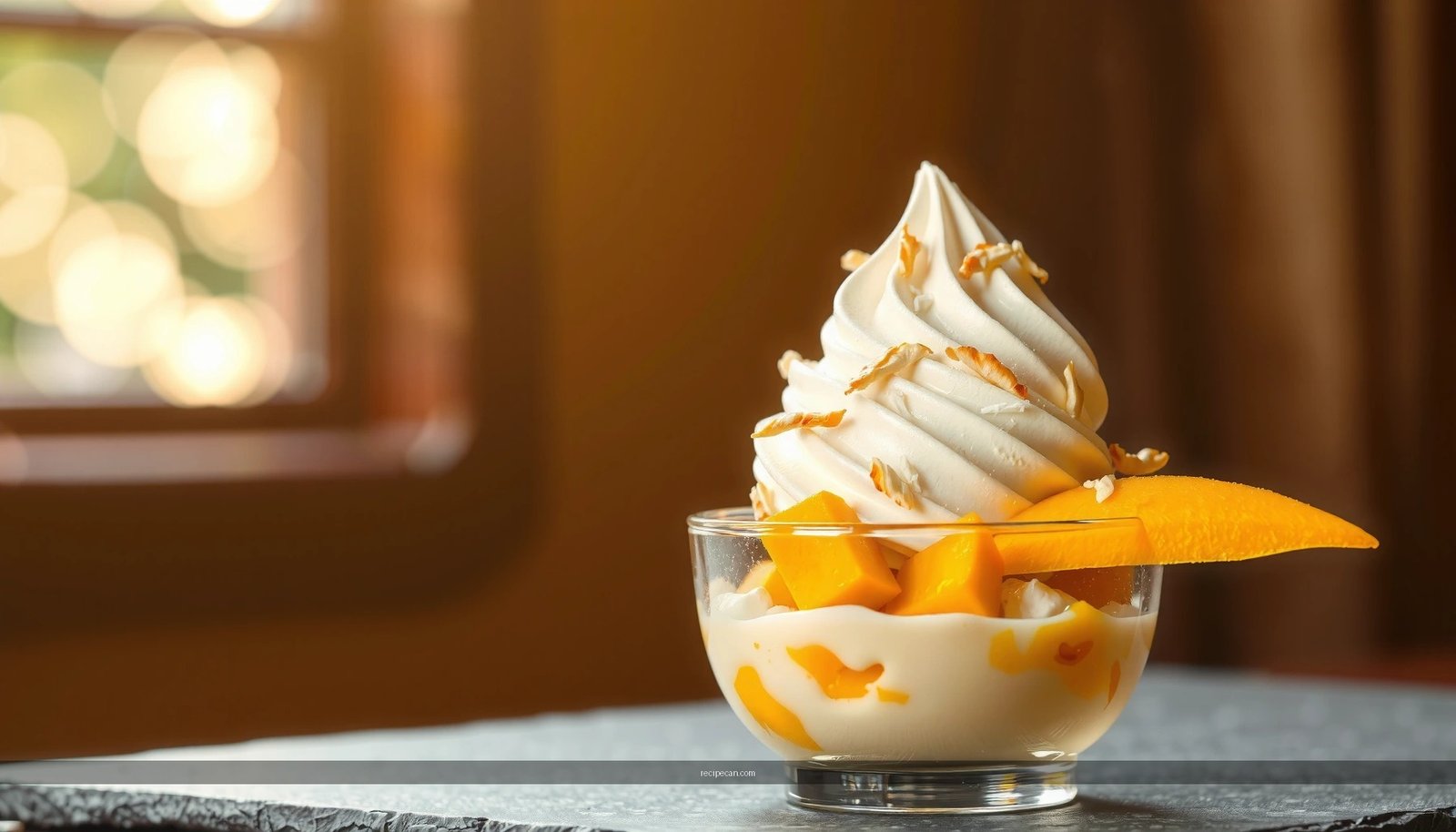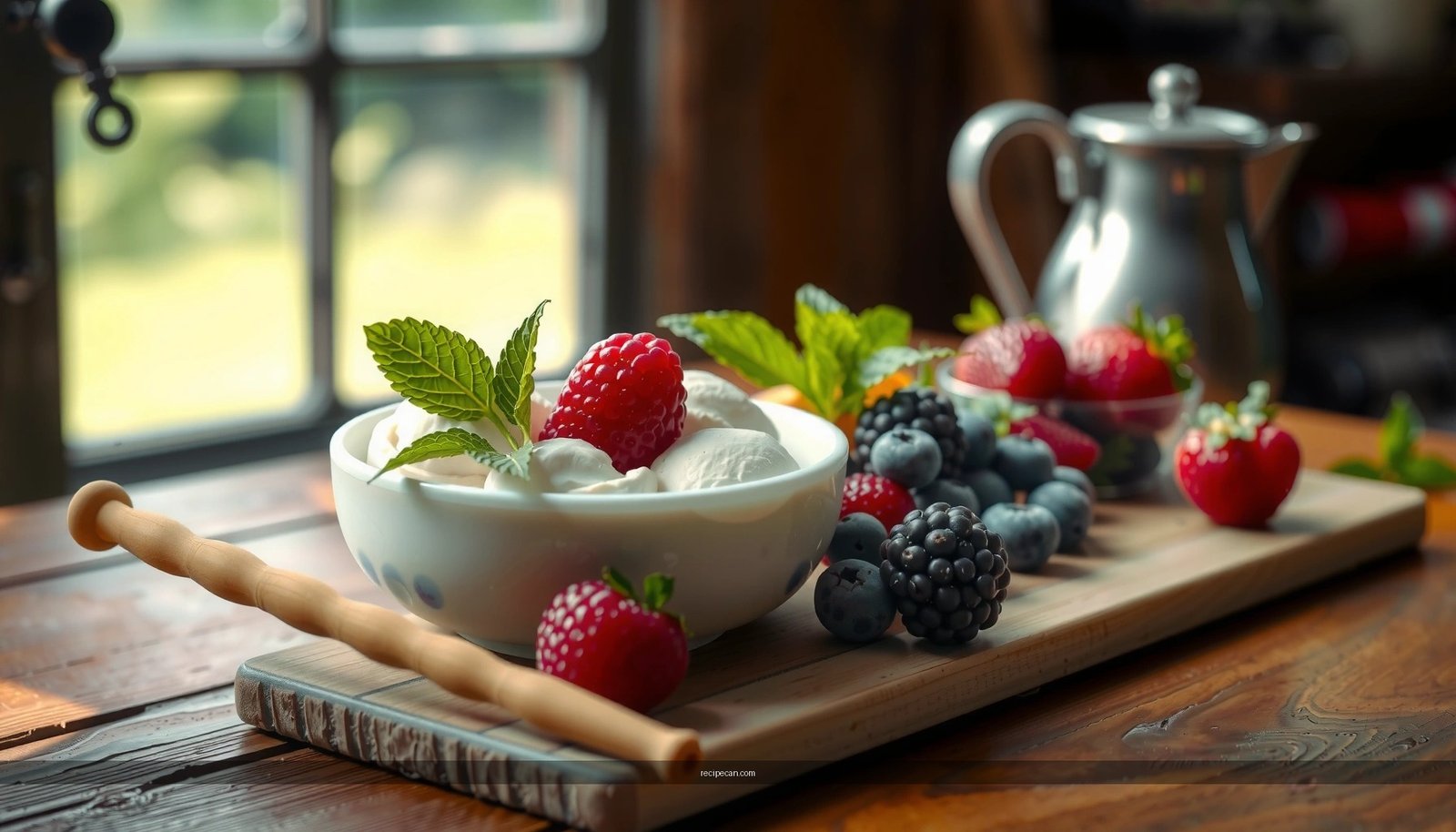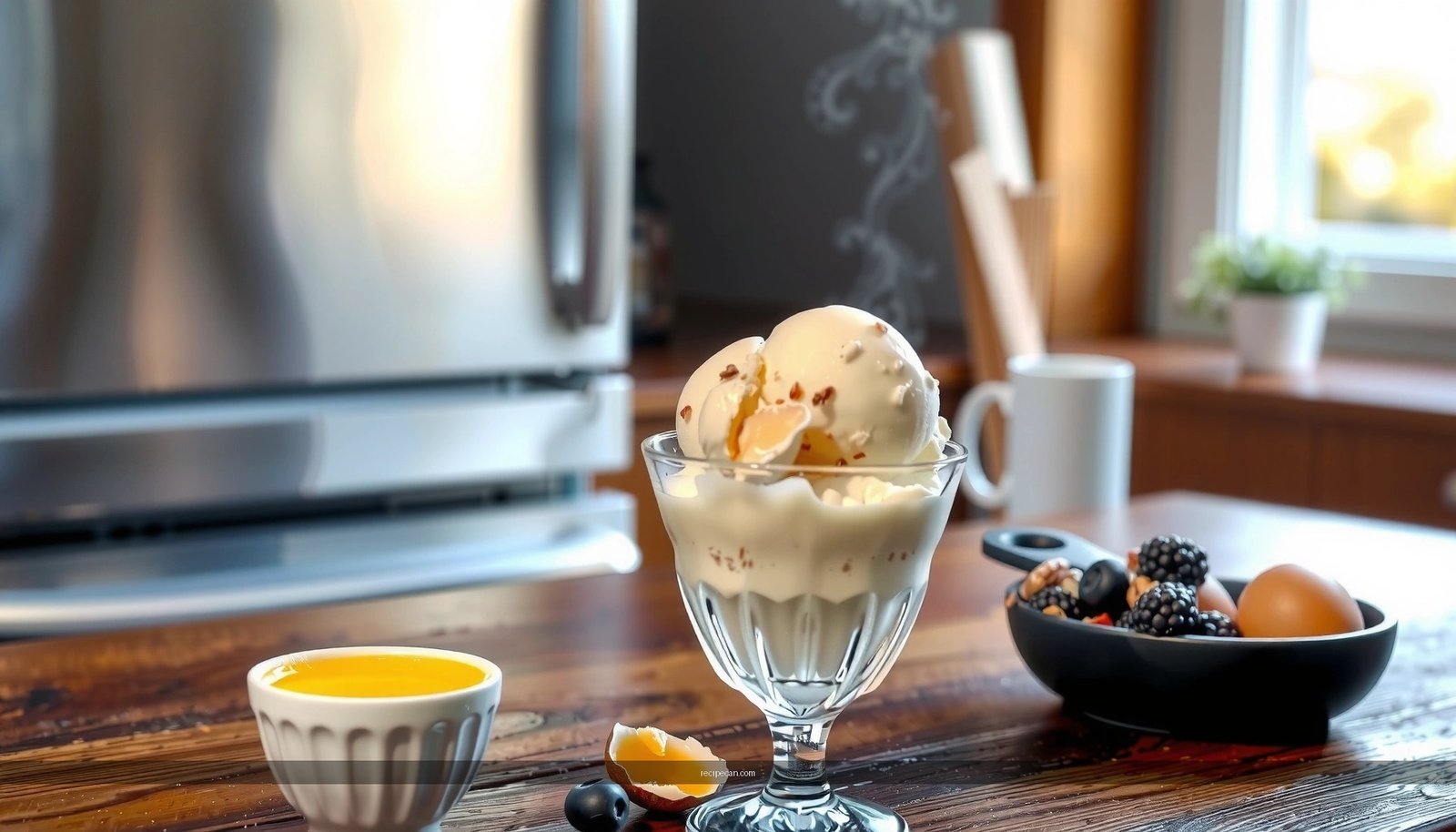
Get a keto ice cream recipe with eggs that delivers the easy, creamy low-carb result you want without runny texture or complicated techniques. This recipe is the winner if you want rich custard-style ice cream made with eggs as the base, so it churns smoothly and tastes genuinely “ice cream” instead of icy fat. If you want a dependable go-to method for keto dessert nights, this is the one to follow.
Make keto ice cream with eggs by turning yolks into a thick custard, then chilling and churning (or repeatedly blending) until it’s scoopable. This egg-based custard method delivers a smooth, low-carb texture without relying on sugar.
If you’ve ever tried “keto ice cream” that turned icy or tasted flat, the issue is usually technique, not ingredients. With eggs, you can build structure the way classic ice cream does—using yolk proteins and fat to stabilize a custard that thickens reliably. Pair that custard with a keto-friendly sweetener and the right fat (heavy cream or coconut cream), and you get a dessert that’s creamy, not grainy, while staying low in carbs.
Estimated Net Carbs and Dessert Performance (Per 2–3 Servings Sweetened)
| # | Keto Sweetener | Net Carbs (approx.) | Solubility | Custard Texture Rating | Flavor Balance vs. Sugar |
|---|---|---|---|---|---|
| 1 | Erythritol (granular) | ~0 g | High | ★★★★☆ | +Creaminess |
| 2 | Monk fruit (powdered) | ~0 g | Medium–High | ★★★☆☆ | -Slight dryness |
| 3 | Allulose | ~2–4 g | High | ★★★★★ | +Sugar-like |
| 4 | Stevia (liquid/extract) | ~0 g | High | ★★☆☆☆ | -Aftertaste risk |
| 5 | Erythritol/monk fruit blend | ~0–1 g | High | ★★★★☆ | +Balanced |
| 6 | Sugar alcohol blend (erythritol-based) | ~0–3 g | High | ★★★☆☆ | -Freezer firmness |
| 7 | Coconut sugar (not recommended) | ~12–18 g | High | ★☆☆☆☆ | -Carb overshoot |
Keto Base: Eggs, Cream, and Low-Carb Sweetener
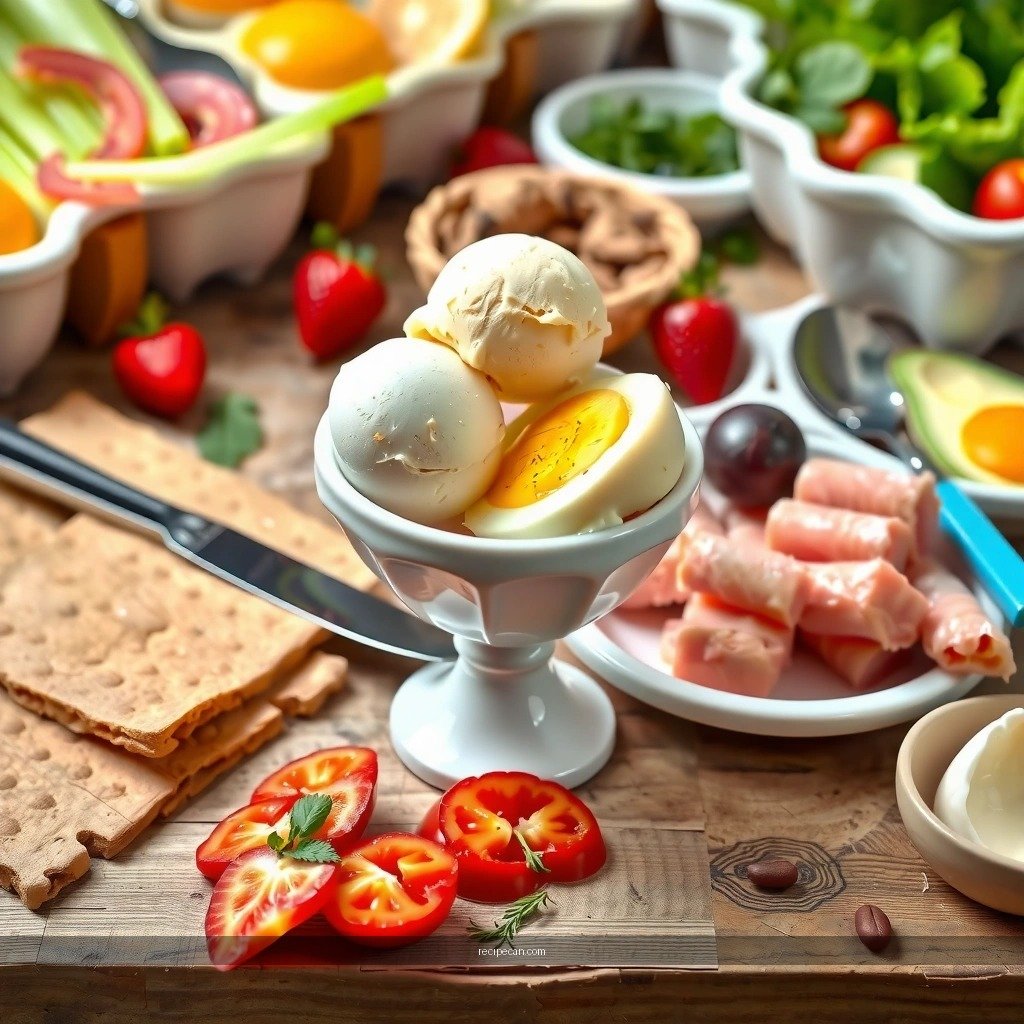
A creamy keto ice cream starts with the right fat and the right sweetening approach. In this egg ice cream recipe, egg yolks do the heavy lifting: they thicken the base through custard cooking, which helps prevent the icy, crumbly texture you often get from simple “fat + sweetener” blends.
– Use egg yolks for richness and a classic custard texture
Yolks contribute fat plus emulsifying proteins. Together, they form a stable custard that traps air during churning (or resists large ice crystals during repeated freeze-thaw blending). If you use whole eggs, you’ll add extra egg protein structure—but yolks are the most reliable for the smoothest mouthfeel.
– Choose heavy cream or coconut cream for the creamiest mouthfeel
Heavy cream is the most neutral-tasting and delivers the closest “dairy ice cream” texture. Coconut cream is naturally dairy-free and can be equally smooth when it’s well mixed and heated gently—just expect a mild coconut flavor unless you use a neutral base and flavor it with vanilla or espresso.
– Sweeten with options like erythritol or monk fruit (keto-friendly)
Keto ice cream needs sweetness plus freezing behavior control. Traditional sugar lowers the freezing point and improves scoopability. Many keto sweeteners do not fully replicate sugar’s freezing effect, so selecting the right one matters.
– Erythritol often creates a clean, mild sweetness and churns well.
– Allulose is especially helpful because it behaves more sugar-like in desserts.
– Monk fruit blends can be excellent but may require careful dosing depending on whether your product contains erythritol (and how much).
If you want an easy win, use an erythritol/monk fruit blend designed for baking or desserts.
Actionable tip: Start with slightly less sweetener than you think you need, cook the custard, then taste the warm base. Custard tastes less sweet when chilled and churned, so adjust gradually rather than over-sweetening early.
How to Make the Egg Custard (No Scrambling)
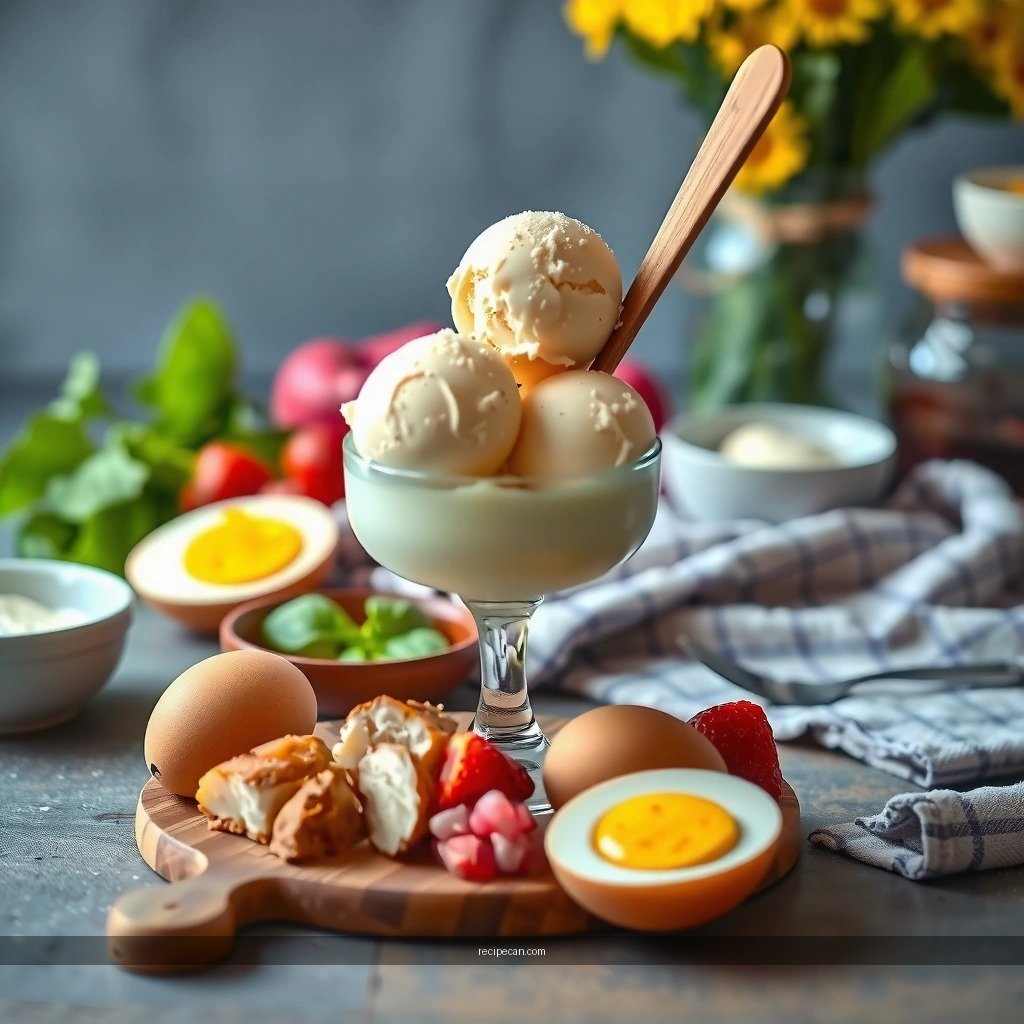
The “no scrambling” part is really about temperature control and tempering. Custard fails when eggs hit excessive heat too quickly. When you temper eggs into warm dairy, you distribute heat evenly and create a thick, spoon-coating base—without curdles.
– Heat dairy gently until steaming, not boiling
Bring your heavy cream (or coconut cream) and any additions (like vanilla extract added after heating, or a pinch of salt) to steaming. Boiling is a fast track to protein separation.
– Temper eggs by slowly mixing warm cream into yolks
In a bowl, whisk egg yolks with your keto sweetener until smooth. Then pour in warm cream very slowly while whisking constantly. This step raises yolk temperature gradually so the proteins thicken evenly once returned to the pot.
– Cook just until the mixture thickens enough to coat a spoon
Return the custard to the saucepan and cook on low to medium-low, stirring constantly with a silicone spatula. You’re aiming for a custard consistency where it coats the back of the spoon and you can draw a line through it.
If you have a thermometer, a typical target is around 170–180°F (77–82°C), but “coating the spoon” is the practical standard.
Quality control: Strain the custard through a fine-mesh sieve if you notice any micro-curds. This one step can rescue texture and keep the final ice cream consistently smooth.
Chill time is non-negotiable: Refrigerate the custard until fully cold, ideally 4–8 hours. A cold base churns better and yields fewer ice crystals—especially important when your sweetener doesn’t behave exactly like sugar.
Flavor Options for Keto Ice Cream
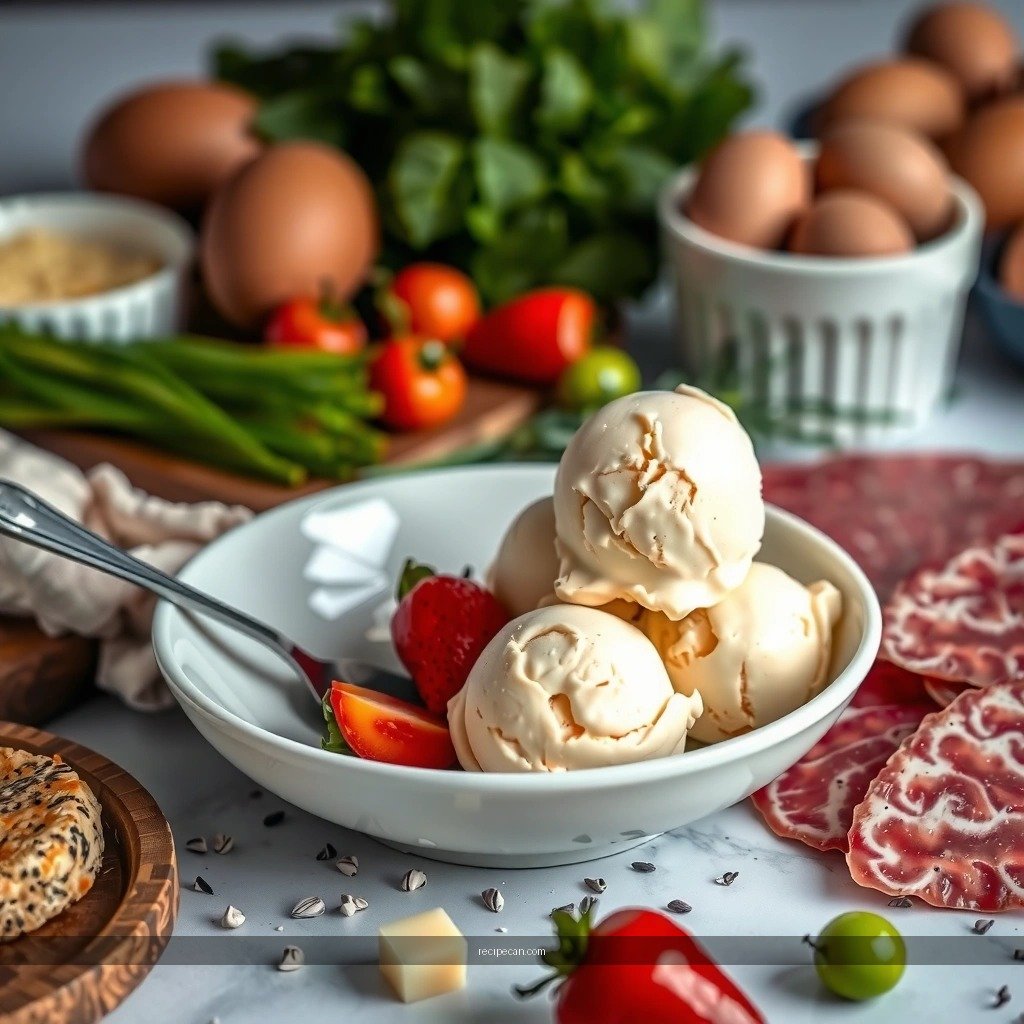
Once your egg custard base is stable, flavors become a simple swap-and-stir process. The key is to keep add-ins keto-friendly and low enough in carbs that they don’t destabilize the custard or introduce grainy textures.
– Add vanilla extract, cocoa powder, or espresso for quick variations
Vanilla is the easiest and makes the egg flavor almost undetectable. For chocolate, use unsweetened cocoa powder (stir it into the custard while warm so it dissolves). Espresso powder adds a mocha depth and pairs well with dark chocolate keto add-ins.
– Stir in keto-friendly nut butter or shredded coconut for texture
Peanut butter, almond butter, and other nut butters can round out the dessert and improve richness. Coconut flakes add texture, but keep them fine and moderate—large pieces freeze hard and can turn icy.
– Keep add-ins low in carbs to maintain ketosis
This is where “keto” recipes often drift. Many chocolate chips, caramel bits, and cookie crumbles add sugar and starch that raise net carbs quickly. If your goal is keto adherence, choose add-ins with minimal net carbs per serving and consider portion control.
Practical pairing ideas:
– Vanilla custard + 1–2 tablespoons cocoa (light chocolate)
– Espresso custard + cocoa (coffee-chocolate swirl)
– Vanilla custard + almond butter (creamy “gelato-like” flavor)
Tip: Add mix-ins after churning, not before, if they include solid chunks (nuts, coconut, chocolate pieces). This reduces the risk of over-freezing or uneven distribution.
Churning vs. No-Churn Freezing Method
You can make this keto ice cream with or without an ice cream maker. Churning incorporates air and refines ice crystals. No-churn versions can still be excellent, but they require repeated blending to break up ice growth.
– Churn 20–30 minutes for the smoothest, fluffier result
Once your custard is fully chilled, churn according to your machine’s guidance. Most models are ready in the 20–30 minute window for a soft-serve texture. Transfer to a container and freeze to firm up.
– No-churn: freeze, then re-blend every 30–45 minutes until smooth
For no-churn keto ice cream, pour the chilled custard into a freezer-safe container. Freeze until edges begin to set, then blend vigorously (immersion blender works best). Repeat every 30–45 minutes for 2–4 cycles, until the mixture becomes creamy rather than icy.
– Let it set properly for best scoopability
No matter which method you choose, let the ice cream rest in the freezer for at least 4 hours so the fat and proteins fully stabilize and the texture becomes scoopable.
Process insight: If you rush the freeze or skip the final set, the ice cream can feel slightly loose or icy even if the custard base was perfect.
Troubleshooting: Texture, Thickness, and Bitterness
Egg custard gives you a strong foundation—but dessert outcomes depend on details. Use these targeted fixes to diagnose what went wrong quickly.
– If it’s too thin, cook the custard slightly longer next time
Thin custard usually means under-cooking. Eggs thicken based on temperature and time, so cook until it truly coats the spoon. Also confirm that you strained the custard and chilled it fully—warm custard can look deceptively thin.
– If it’s icy, chill longer and ensure full thickening before freezing
Icy keto ice cream commonly results from an insufficiently thick base and/or insufficient chilling time. Thicken first (don’t stop early), then chill until the base is completely cold. If you don’t churn, repeated blending is essential.
– Balance sweetness to avoid a lingering “eggy” or bitter taste
Egginess can be a sign of under-seasoning or over-heating (which can intensify cooked flavors). Start with a pinch of salt and vanilla. Bitterness often comes from certain sweeteners used too heavily or used without balancing flavors like vanilla, cocoa, or espresso.
Quick remediation checks:
– Eggy taste: add vanilla, ensure gentle heating, and avoid boiling.
– Bitter taste: reduce sweetener next time or try a blend product designed for desserts.
– Grainy texture: strain the custard and confirm you temper properly.
Storage and Serving Tips
Proper storage preserves the custard’s stability and reduces ice crystal formation. Keto ice cream is typically more sensitive than regular ice cream because sugar is lower (or absent), so airtight storage matters.
– Store in an airtight container to prevent ice crystals
Press parchment or plastic wrap directly against the surface before sealing if you can. This helps limit air exposure, which accelerates freezer burn and ice crystal growth.
– Freeze 4–6 hours before serving for the best texture
Give the ice cream time to firm while allowing fat/protein structure to settle. The “best scoopability” window usually lands after full set, not immediately after freezing.
– Thaw 3–5 minutes for easier scooping
Keto ice cream often firms more quickly in the freezer. A short countertop thaw makes it creamy and reduces the risk of a broken scoop.
Portion strategy for keto adherence: Serve in measured portions and account for any net carbs from mix-ins (like nuts, cocoa, or specialty chocolate). Even “keto-friendly” toppings can add up.
Once you master the egg custard base, you can make endless keto ice cream flavors while staying low-carb. Follow the tempering and thickening steps carefully, then choose churn or no-churn to match your equipment—then try your first batch today and customize it with your favorite keto flavor.
Frequently Asked Questions
What is the best keto ice cream recipe with eggs for a creamy texture?
A great keto ice cream recipe with eggs typically uses egg yolks as the base, heavy cream, and a low-carb sweetener like erythritol or monk fruit. Whisking the yolks and gently tempering them with warm cream helps create a custard-like base that thickens without cornstarch. Churning the mixture (or slowly freezing while stirring) improves body and prevents iciness for a smooth, keto-friendly finish.
How do I make keto ice cream with eggs without scrambling the custard?
Use a low to medium-low heat and constantly whisk when cooking the egg yolks to keep the temperature stable. Tempering is key: slowly pour warm cream into the yolks while whisking, then return the mixture to the pot and cook until it coats the back of a spoon. Remove from heat immediately once thickened, then strain if needed to remove any small curdles and cool quickly.
Why do egg yolks matter in keto ice cream recipes?
Egg yolks provide fat, emulsification, and proteins that help the ice cream set into a creamy texture rather than freezing into a hard, icy block. In keto ice cream, eggs also support a custard base, which can reduce the need for starches and keeps the recipe low in carbs. This makes keto egg ice cream especially useful if you want a rich, “real ice cream” mouthfeel while staying sugar-free.
Which keto sweeteners work best in ice cream made with eggs?
Erythritol, monk fruit, and allulose are popular keto sweeteners because they help maintain sweetness without adding many net carbs. Allulose is often praised for texture because it can reduce iciness, while erythritol gives a classic sweetness profile but may crystallize if not handled properly. For best results, choose a sweetener labeled freezer-friendly or use a blend designed for low-carb desserts.
How long should you chill and freeze keto ice cream made with eggs?
After cooking your egg-based custard, chill the mixture in the refrigerator for at least 4 hours (overnight is best) so it fully thickens and tastes develop. If you use an ice cream maker, churn according to the manufacturer’s directions, then freeze for 2–4 hours to firm up. For no-churn keto ice cream with eggs, freeze and stir every 30–60 minutes during the first few hours to minimize ice crystals.
References
- Google Scholar Google Scholar
https://scholar.google.com/scholar?q=keto+ice+cream+recipe+eggs - Google Scholar Google Scholar
https://scholar.google.com/scholar?q=ketogenic+diet+ice+cream+nutrition - https://scholar.google.com/scholar?q=egg+custard+ice+cream+emulsion+freezing Google Scholar
https://scholar.google.com/scholar?q=egg+custard+ice+cream+emulsion+freezing - Ketogenic diet
https://en.wikipedia.org/wiki/Ketogenic_diet - Ice cream
https://en.wikipedia.org/wiki/Ice_cream - Custard
https://en.wikipedia.org/wiki/Custard - Eggs as food
https://en.wikipedia.org/wiki/Egg_as_food - https://www.mayoclinic.org/healthy-lifestyle/weight-loss/in-depth/ketogenic-diet/art-20043966
https://www.mayoclinic.org/healthy-lifestyle/weight-loss/in-depth/ketogenic-diet/art-20043966 - https://pubmed.ncbi.nlm.nih.gov/?term=ketogenic+diet+milk+fat+insulin
https://pubmed.ncbi.nlm.nih.gov/?term=ketogenic+diet+milk+fat+insulin - Keto diet | Description, Facts, Advantages, & Disadvantages | Britannica
https://www.britannica.com/topic/ketogenic-diet