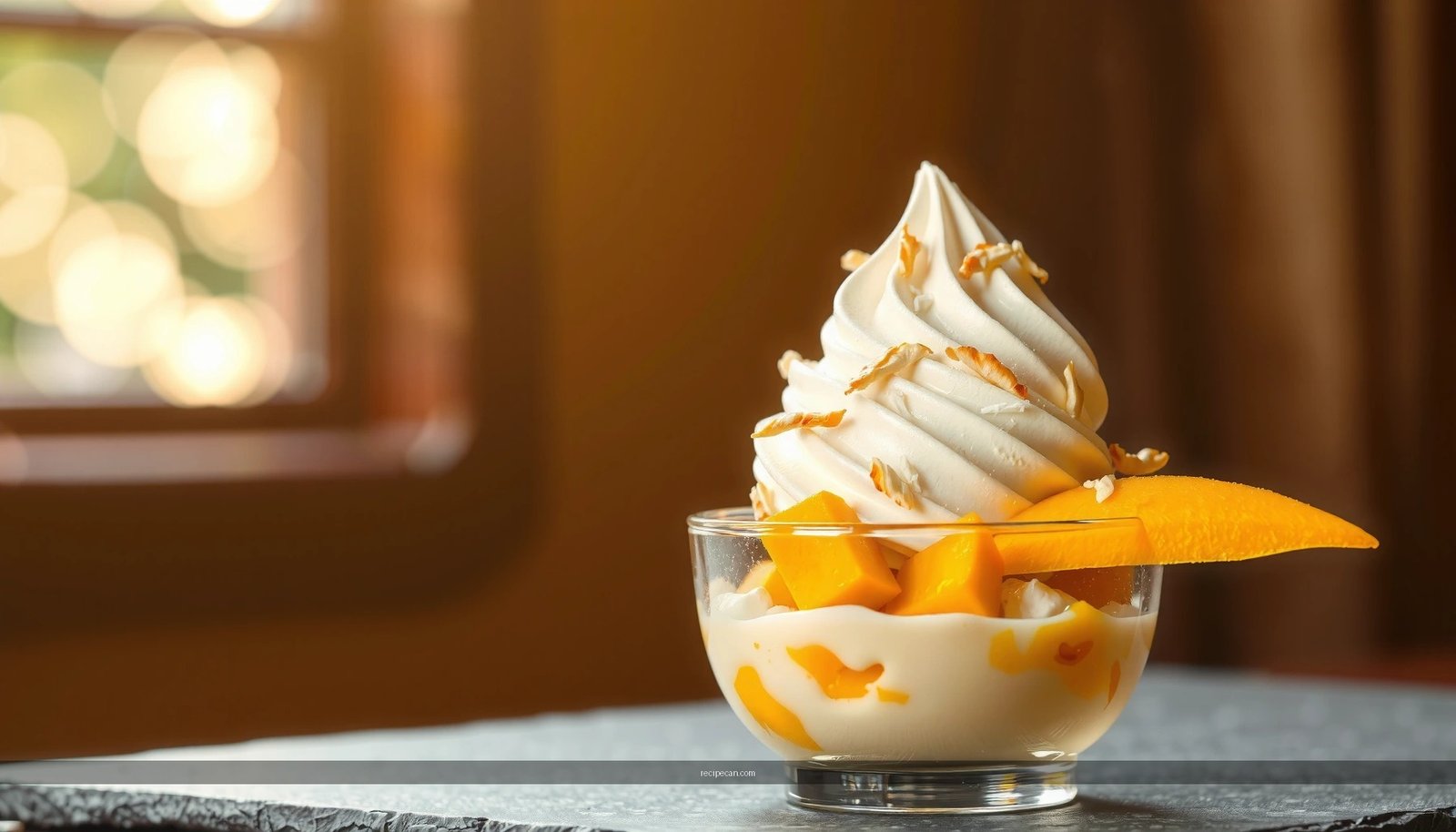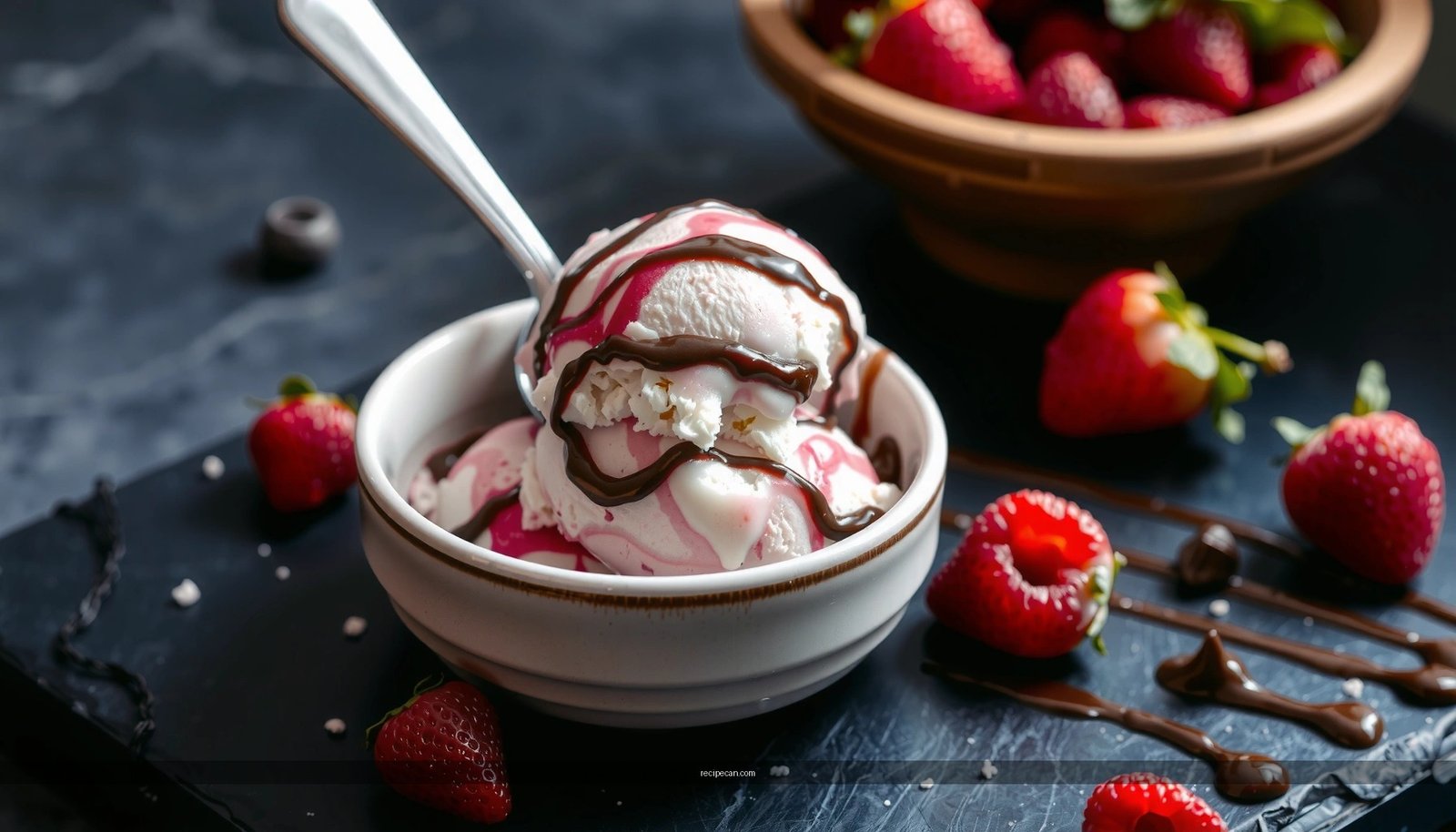
Looking for ice cream recipes for diabetics that actually keep blood sugar in check? This guide names the best lower-sugar ice cream approaches—sugar-free, portion-controlled, and sweetened with options that minimize glucose spikes—so you can enjoy the taste without the crash. You’ll get practical recipes designed for steady blood sugar, not just “diet” desserts that taste like compromise.
Ice cream recipes for diabetics can be both satisfying and diabetes-friendly when you deliberately reduce added sugar, choose blood-sugar–aware ingredients, and control portions. Below, you’ll find practical ingredient swaps, easy no-churn recipe ideas, and a clear approach to carb counting so you can enjoy frozen desserts while minimizing unwanted glucose spikes.
Choose Diabetic-Friendly Sweeteners

Lower-sugar ice cream starts with the sweetener choice. Traditional ice cream often relies on a combination of sucrose and milk solids that drive up total carbohydrates quickly. For diabetic-friendly recipes, your goal is to reduce added sugar while keeping the texture and flavor you want.
Best sweetener options for many people with diabetes include:
– Erythritol: Provides sweetness with minimal impact on blood glucose for many individuals. It can also help preserve a “classic” ice cream sweetness level without the same carbohydrate load as sugar.
– Stevia: A high-intensity sweetener that can reduce carbs substantially. It’s often best blended with a sugar alcohol or erythritol to improve mouthfeel.
– Monk fruit: Another high-intensity sweetener option that may support lower carbohydrate intakes. Look for blends that reduce aftertaste.
How to shop smart (this matters as much as the recipe):
– Check nutrition labels for total carbohydrate, not just “sugar.” Some sweeteners reduce sugar but can still contribute to carbs.
– Be aware that sugar alcohols (often erythritol blends, maltitol, sorbitol) may cause digestive discomfort for some people. Maltitol, in particular, can raise blood glucose more than erythritol—so it’s worth prioritizing erythritol-based formulations.
– Start with small portions and monitor your response, because individual glucose sensitivity varies by medication, body weight, activity, and timing.
Practical tip: If you’re new to low-sugar ice cream, test one serving on a day when you can monitor your glucose trends. That feedback loop will guide both sweetener choice and portion size.
Pick Better Base Ingredients

After sweeteners, the next lever is the base. Conventional ice cream typically includes cream plus added sugar, and sometimes added thickeners. For diabetes-friendly ice cream recipes, you can improve blood-sugar impact by shifting toward higher protein, higher fat (when appropriate), and fiber-containing add-ins.
Use these base strategies:
– Choose unsweetened dairy or Greek yogurt. Greek yogurt increases protein and can reduce the need for added sugar. Plain nonfat or low-fat Greek yogurt is a versatile option for no-churn recipes.
– Add fiber-rich mix-ins to slow absorption. Chia seeds and ground flax can help thicken, improve texture, and add fiber. Fiber doesn’t “block sugar,” but it can support slower digestion and better post-meal glucose behavior.
– Consider full-fat options if they fit your meal plan and preferences. Fat slows gastric emptying, which may help blunt glucose rise. The key is total carbohydrate and portion control—not only fat content.
Texture matters: Many low-sugar desserts feel icy without the right structure. To maintain a scoopable, creamy result:
– Use thickening agents sparingly but intentionally (for example, a small amount of chia gel can reduce iciness).
– Prefer full-fat yogurt or a blend of yogurt + cream for a creamier mouthfeel without relying on sugar.
Typical Carbohydrates per Serving (30–60 g) for Common Ice Cream Choices
| # | Dessert Type (Serving) | Net Carbs | Added Sugar (g) | Diabetes Fit |
|---|---|---|---|---|
| 1 | Greek Yogurt “No-Churn” (plain, 1/2 cup) | 9 g | 0–2 g | ★ Best choice |
| 2 | Lower-Sugar Ice Cream (30 g) | 12–18 g | 2–6 g | ★ Good control |
| 3 | Sorbet (30 g) | 14–22 g | 10–18 g | ★ Higher risk |
| 4 | Regular Ice Cream (1/2 cup) | 25–35 g | 18–30 g | ★ Often spikes |
| 5 | Protein “Gelato-Style” (1/2 cup) | 10–16 g | 0–5 g | ★ Often manageable |
| 6 | “Diet” Ice Cream (30 g, variable) | 8–14 g | 0–4 g | ★ Check labels |
| 7 | Chocolate Milk Ice Treat (30–60 g) | 15–28 g | 12–22 g | ★ Higher sugar |
Note: Values vary by brand and recipe; treat these ranges as decision-support ranges and confirm with the specific nutrition facts you use.
Easy No-Churn Ice Cream Recipes

No-churn ice cream is ideal for diabetic-friendly cooking because it’s simple, customizable, and often uses fewer ingredients than churned commercial styles. The most consistent approach is a yogurt- or cream-based base plus a lower-sugar sweetener.
Recipe 1: Yogurt-Based Vanilla “No-Churn”
– Base: plain Greek yogurt (unsweetened) + heavy cream (optional for richness)
– Flavor: vanilla extract + pinch of salt
– Sweetener: erythritol or monk fruit blend (adjust to taste)
– Texture: let it chill until fully set; for extra creaminess, mix well and press out lumps.
Why it works for blood sugar: You reduce added sugar, increase protein, and keep the carbohydrate load lower than many traditional ice creams.
Recipe 2: Berry “No-Churn” Ice Cream
– Use measured fruit: frozen berries are naturally lower in sugar than many ice cream mixes, but portion still matters.
– Sweetening: add only enough low-glycemic sweetener to bring out sweetness—berries often need less than expected.
– Thickener: chia seeds (optional) to slow absorption and improve texture.
Pro move: For a smoother result, thaw berries slightly and blend or mash them before mixing into the base. This reduces ice crystals and improves scoopability.
Recipe 3: Peanut Butter Swirl (Lower-Sugar)
– Base: yogurt no-churn
– Swirl: peanut butter plus a small amount of erythritol and cocoa (optional)
– Watch portions: peanut butter is calorie-dense; carbs are usually lower than sugar-heavy desserts, but serving size still impacts total intake.
Safety/quality note: If you use sugar alcohol blends, start with smaller amounts. Some blends have a stronger aftertaste or digestive effects in sensitive individuals.
Diabetes-Friendly Ice Cream Flavor Variations
Flavor variations help you avoid “diet burnout.” The trick is to use ingredients that deliver taste without pushing total carbs too high.
Chocolate
– Use unsweetened cocoa powder for depth and color.
– Sweeten with erythritol or a monk fruit blend rather than sugar.
– For a more “real ice cream” feel, add a small amount of cream or full-fat yogurt.
“Cookie” flavors without the glucose hit
– Instead of traditional cookies, use:
– crushed low-sugar biscuits (check net carbs),
– or a moderation-first approach with small pieces mixed into a lower-sugar base.
– If you want the crunch, fold in at the end and freeze briefly; long freezes can make inclusions soften.
Cinnamon and vanilla boosters
– Cinnamon, vanilla, and espresso powder add perceived sweetness and complexity.
– These flavor enhancers can reduce the amount of sweetener needed—an important lever for diabetes-friendly ice cream recipes.
Portion-aware mix-ins
Even if the base is low sugar, toppings can raise carbs quickly. Consider:
– a measured spoon of nuts (low carb, higher fat),
– a measured fruit spoon (carbs matter),
– or a sugar-free chocolate drizzle (check total carbs).
Portion Sizes and Carb Counting Tips
When you have diabetes, the real question isn’t only “Is it sugar-free?”—it’s how many carbs you’re consuming per serving and how those carbs fit your personal glucose response.
Track carbs per serving (not just sugar):
– Read labels for total carbohydrate and calculate net carbs if that’s your approach (net carbs typically consider fiber and sugar alcohols, but definitions vary).
– For homemade ice cream, calculate carbs using your recipe’s ingredient labels and your final serving count.
Pair dessert intelligently:
– Eat dessert after a balanced meal rather than alone on an empty stomach.
– Pair with protein or healthy fats (for example, have ice cream after yogurt + nuts or alongside a meal), which can reduce the speed of glucose absorption for many people.
Use serving strategies that work in the real world:
– Start with a smaller serving (for instance, 1/3 to 1/2 cup depending on your targets).
– Slow down: smaller bites and slower eating can help reduce peaks for some individuals.
Benchmarking approach: Make one recipe, measure the carbs, test your glucose response, then adjust sweetener amount or portion next time. This transforms “guessing” into a repeatable system.
Safety and Customization for Your Needs
Diabetes is not one-size-fits-all. Your medication regimen, kidney function, and typical post-meal glucose patterns all influence what will be safe and effective for you.
Make it personalized:
– Discuss targets and carbohydrate goals with your clinician or dietitian—especially if you use insulin or medications that can cause hypoglycemia.
– Monitor glucose response for the first few times you try a new recipe. Take note of:
– time of day,
– meal composition,
– portion size,
– and sweetener type.
Adjust for tolerance:
– If a sweetener blend causes GI discomfort, switch brands or sweetener types.
– If your glucose rises more than expected, reduce portion size first, then adjust sweetener amount, and consider lowering fruit or inclusion add-ins.
When to be extra cautious:
– If you have kidney disease, or you’re on specific diabetes medications, consult your clinician before substantially changing dietary patterns.
– If you’re pregnant or managing gestational diabetes, individual guidance is especially important.
Ultimately, whether you make no-churn vanilla, chocolate, or fruit flavors, the key is consistent: use lower-sugar sweeteners, choose smart base ingredients, and keep portions controlled.
Pick one recipe above, confirm the nutrition details for your ingredients, and start with a small serving—then adjust based on your blood sugar response.
Frequently Asked Questions
What ice cream recipes for diabetics are low in sugar and still taste creamy?
Look for diabetic-friendly ice cream recipes that use sugar alternatives like erythritol or allulose and include thickening ingredients such as Greek yogurt, unsweetened coconut milk, or heavy cream for creaminess. Adding a small amount of vanilla, cinnamon, or cocoa can boost flavor without increasing sugar. For better blood-sugar control, choose recipes with minimal added sweeteners and higher protein or fat to slow glucose absorption.
How can I make homemade ice cream without spiking my blood sugar?
Start with a base that’s lower glycemic, such as unsweetened almond milk or full-fat Greek yogurt, and sweeten with allulose, erythritol, or stevia-based blends. Increase fiber and fullness by mixing in chia seeds, ground flax, or berries in controlled portions—these can help reduce the impact of carbs. If you use a recipe that includes an egg custard base, it can also improve texture while keeping added sugars low.
Why do “sugar-free” ice creams sometimes still affect diabetics’ blood glucose?
Even sugar-free ice creams can contain carbohydrates from ingredients like milk, cream, or fruit, and some sugar alcohols may still raise blood sugar for certain people. Labels can be misleading because “sugar-free” doesn’t always mean “carb-free,” so it’s important to check total carbs and individual blood glucose responses. Choosing ice cream recipes for diabetics with lower total carbs and careful portion sizes is usually more effective than relying on marketing claims alone.
Which sweeteners are best for diabetic ice cream recipes—erythritol, allulose, or stevia?
Allulose is often prized for tasting more like sugar and helping prevent ice crystals, which can improve homemade ice cream texture. Erythritol is another popular option for diabetic ice cream recipes because it has a low glycemic impact, though large amounts can cause digestive discomfort for some people. Stevia works well for sweetness, especially when paired with erythritol or allulose to improve mouthfeel and reduce aftertaste.
What are the best no-churn ice cream recipes for diabetics when I don’t have an ice cream maker?
No-churn diabetic-friendly ice cream recipes typically combine a low-sugar base (like Greek yogurt or coconut cream) with a sweetener such as allulose or erythritol and fold in whipped cream for a smooth, creamy texture. You can make chocolate, vanilla, or berry-flavored versions by using cocoa powder or small amounts of low-glycemic fruit. For portion control, pre-portion servings and sweeten conservatively so you can enjoy homemade ice cream without a large carb load.
References
- Google Scholar Google Scholar
https://scholar.google.com/scholar?q=ice+cream+diabetes+recipe - Google Scholar Google Scholar
https://scholar.google.com/scholar?q=low+carbohydrate+ice+cream+diabetes - Google Scholar Google Scholar
https://scholar.google.com/scholar?q=glycemic+index+ice+cream+diabetes - https://www.cdc.gov/diabetes/managing/eat-well/meal-planning.html
https://www.cdc.gov/diabetes/managing/eat-well/meal-planning.html - What Is Diabetes? – NIDDK
https://www.niddk.nih.gov/health-information/diabetes/overview/what-is-diabetes - Type 2 diabetes – NHS
https://www.nhs.uk/conditions/type-2-diabetes/living-with-and-caring-for/type-2-diabetes-food-and-drink/ - https://www.mayoclinic.org/diseases-conditions/diabetes/in-depth/diabetes-diet/art-20048310
https://www.mayoclinic.org/diseases-conditions/diabetes/in-depth/diabetes-diet/art-20048310 - Healthy diet
https://www.who.int/news-room/fact-sheets/detail/healthy-diet - https://pubmed.ncbi.nlm.nih.gov/?term=diabetes+ice+cream+low+glycemic+effect
https://pubmed.ncbi.nlm.nih.gov/?term=diabetes+ice+cream+low+glycemic+effect - https://www.britannica.com/science/diabetes-medication-and-treatment
https://www.britannica.com/science/diabetes-medication-and-treatment