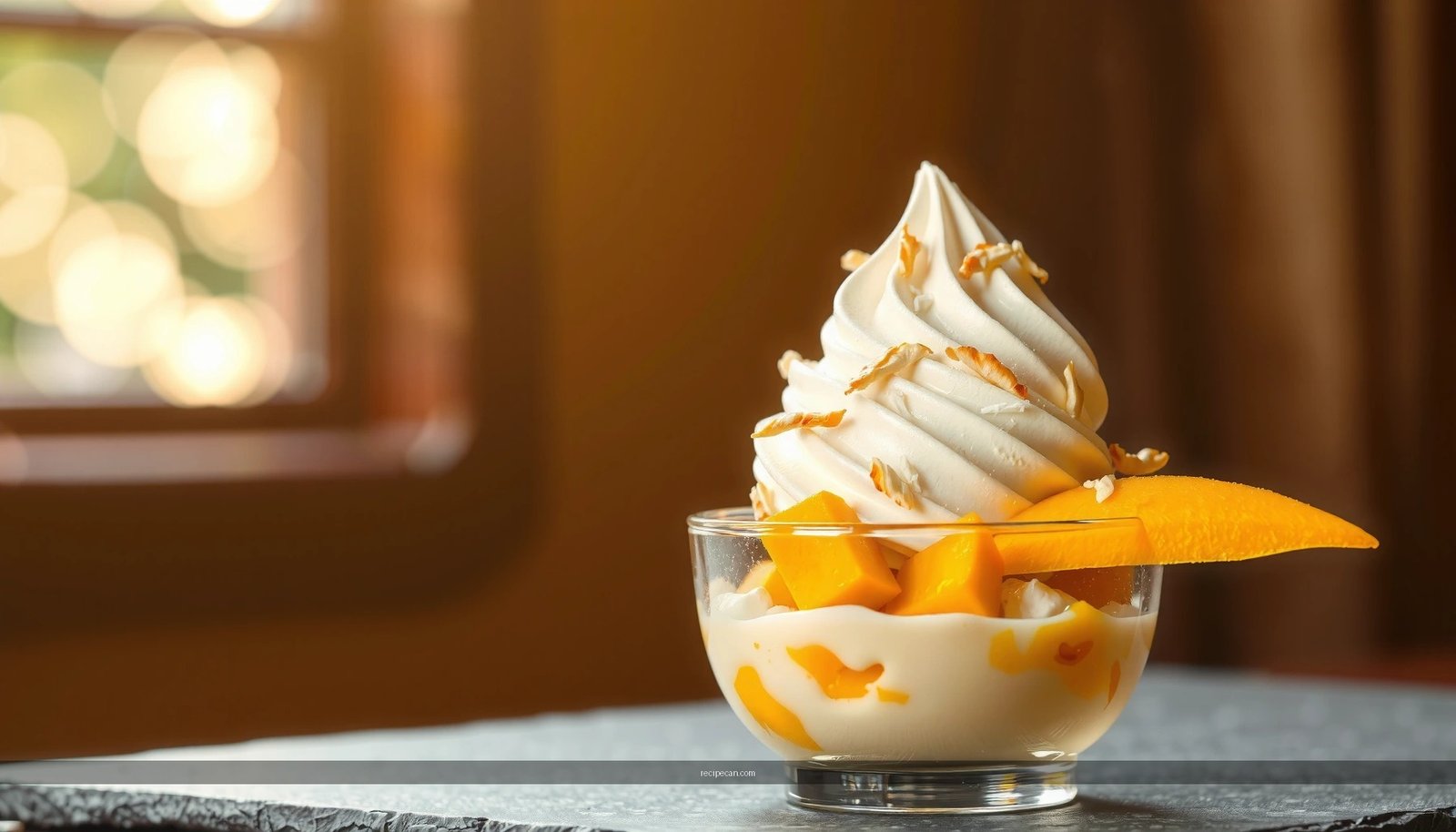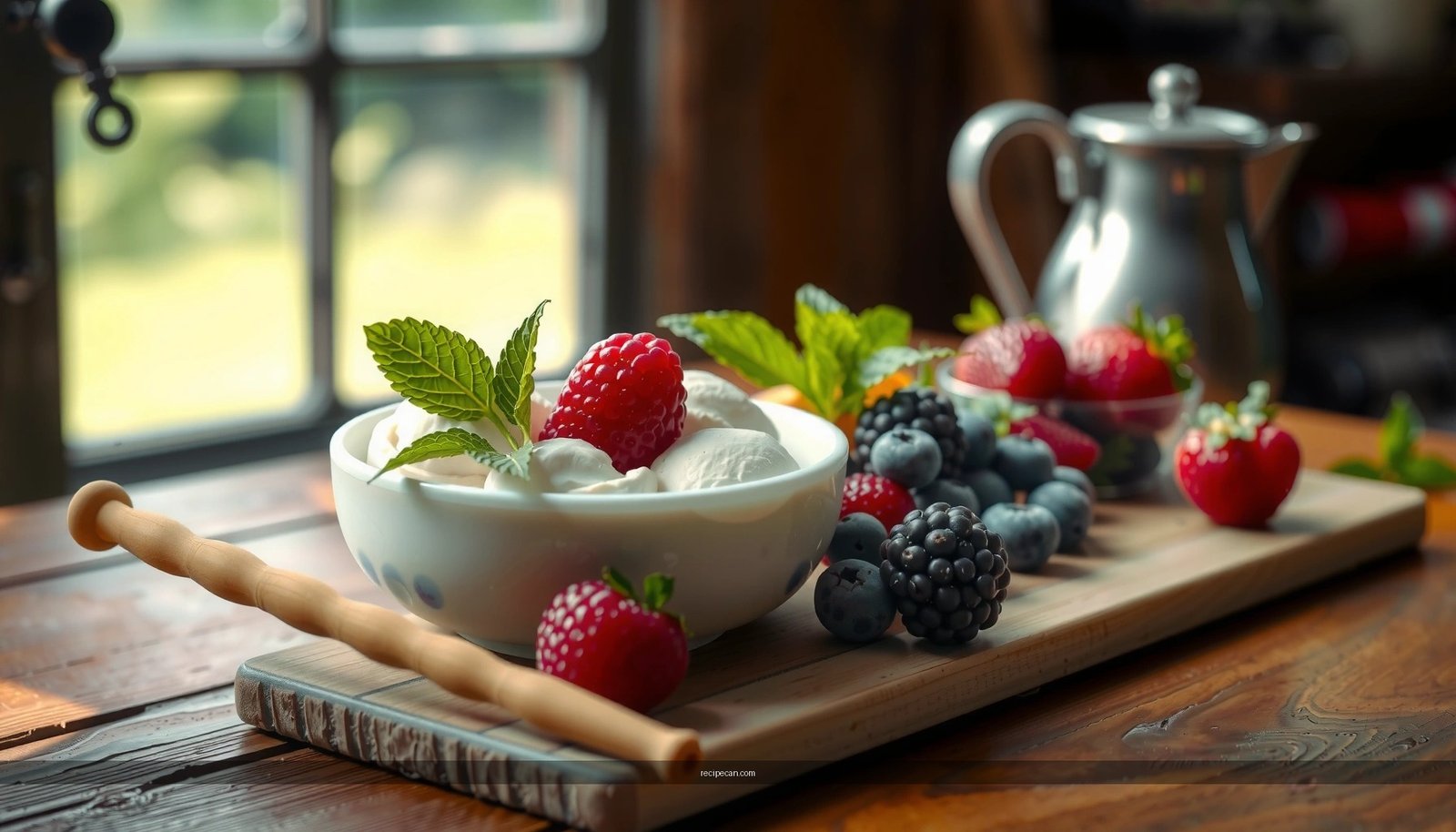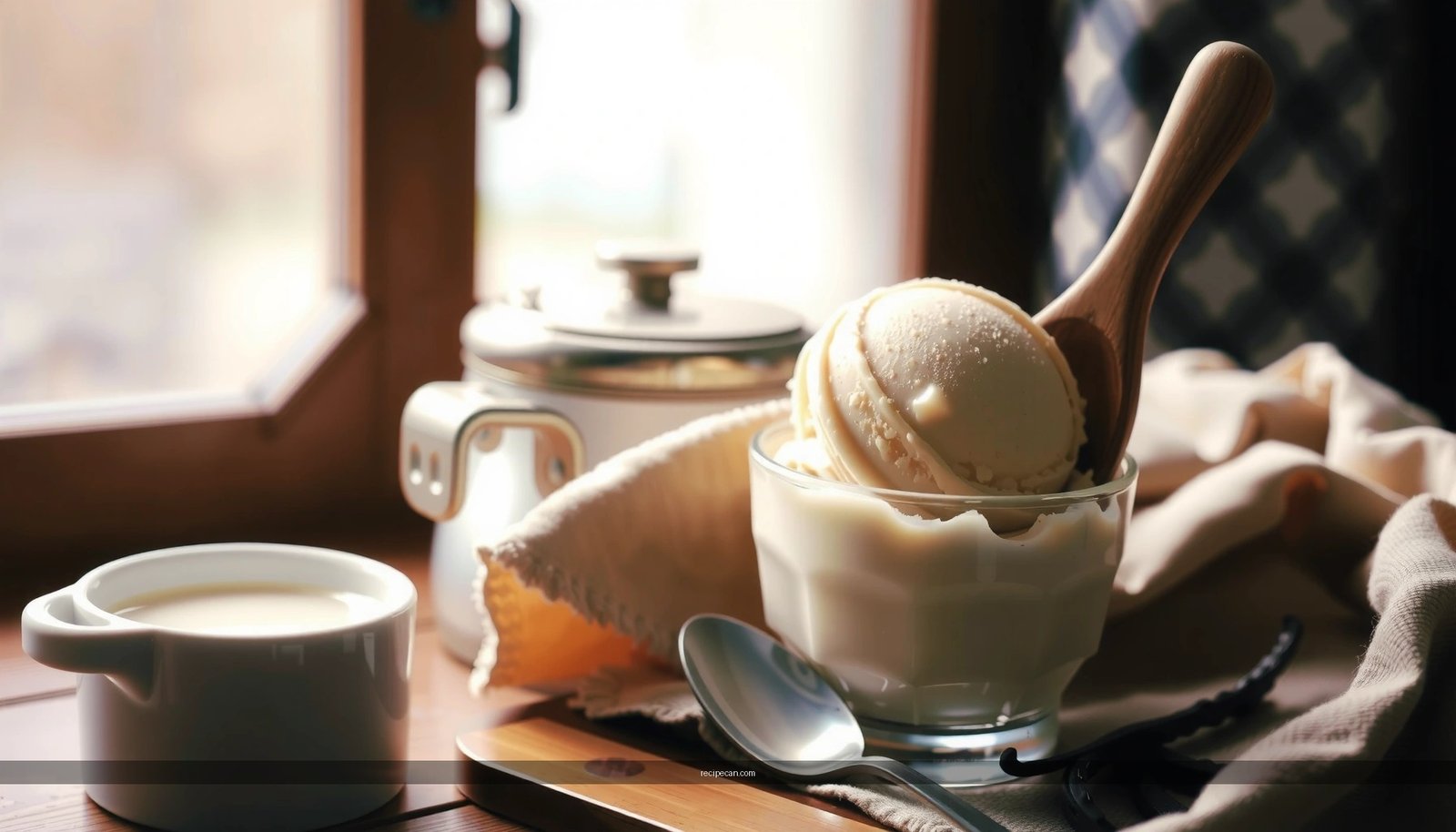
Looking for an ice cream recipe with raw milk that reliably turns out creamy without guesswork? This guide gives you a clear, step-by-step method—mixing, heating, and churning—so you can make homemade raw-milk ice cream with a smooth texture and rich flavor. If you follow the temperatures and timing exactly, this is the fastest path to a dependable result.
Use raw milk to make smooth, creamy ice cream by chilling a well-strained base thoroughly and churning until thick and scoopable (then freezing to finish). This recipe walks you through a practical workflow—from optional custard heating for safety to careful freezing and serving—so you get a rich texture with fewer icy crystals.
Ingredients for Ice Cream Recipe with Raw Milk
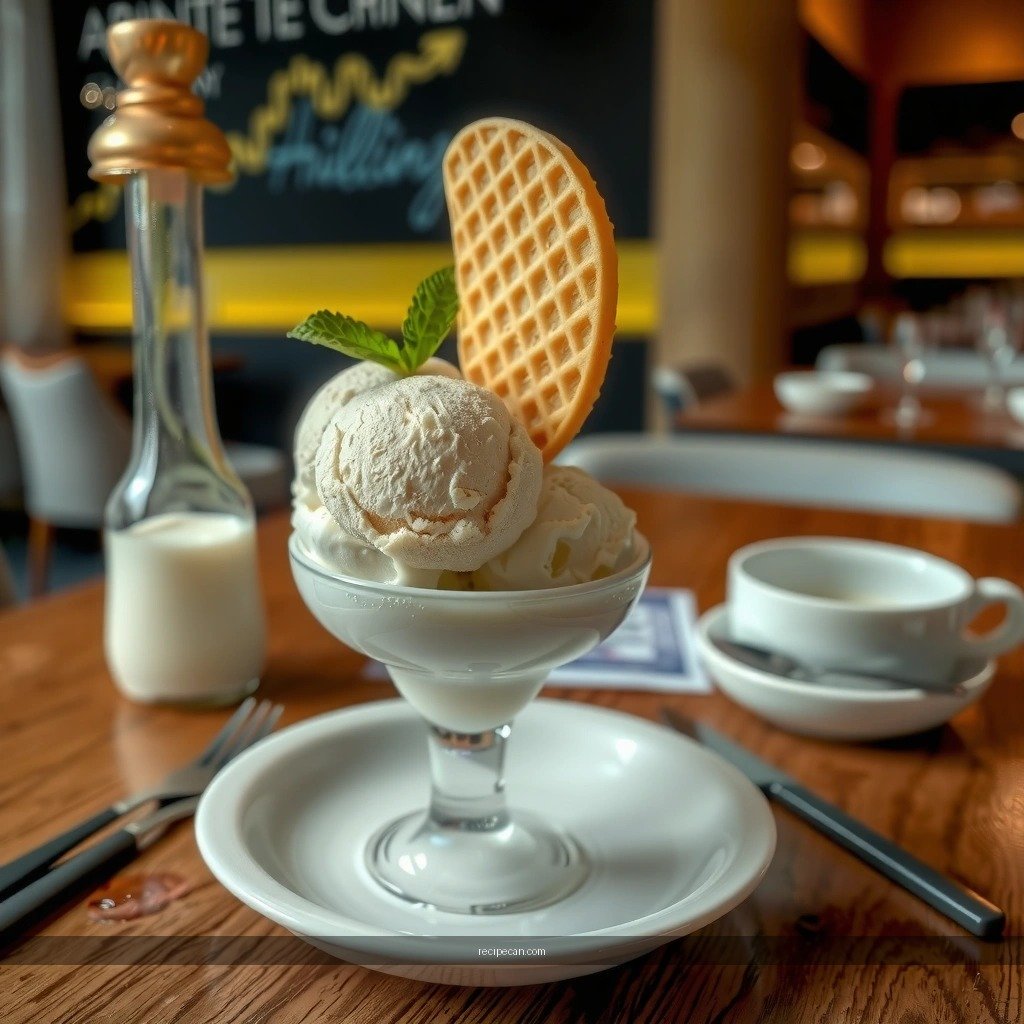
Choosing the right ingredients is the difference between “soft and scoopable” and “icy and grainy.” With raw milk ice cream, your milk quality and your fat balance matter as much as your technique.
– Raw milk: The flavor foundation. Use fresh, cold raw milk from a reliable source.
– Cream (optional, but recommended): Adds butterfat for a smoother mouthfeel and helps stabilize the freeze.
– Sugar: Dissolves into the base and controls freezing point. Less sugar can lead to harder ice cream and larger ice crystals.
– Vanilla (or your flavoring): Vanilla bean paste/extract or other flavors (like cocoa or fruit purées).
– Optional egg yolks for a classic custard-style base: Egg yolks add emulsifiers (lecithin) that improve texture and reduce iciness.
– Salt: Enhances overall flavor and can make sweetness taste more balanced.
– Simple add-ins: Fruit flavors, crushed cookies, chocolate, caramel, or coffee—added at the correct time for best texture.
> Practical formulation note: If your raw milk is already very rich, you may reduce cream slightly; if it’s leaner, adding cream helps you achieve the “classic gelato-like” scoop.
Quick reference: building blocks for creamy texture
Raw-Milk Ice Cream: Typical Base Fat & Texture Outcomes
| # | Target Base Fat | Expected Scoop Texture | How Likely Ice Crystals | Creaminess Score |
|---|---|---|---|---|
| 1 | 10–12% fat (milk + light cream) | Soft, spoonable | Lower (if chilled & churned well) | ★★★☆ |
| 2 | 12–16% fat (classic churn base) | Thick, clean scoops | Lowest | ★★★★★ |
| 3 | 16–20% fat (richer style) | Very rich, slower melt | Low (watch sweetness) | ★★★★☆ |
| 4 | 8–10% fat (lean base) | Softer but can harden fast | Moderate if under-churned | ★★★ |
| 5 | Under 8% fat (very lean) | Often icier | Higher (needs extra sugar/stabilization) | ★ |
| 6 | Egg-yolk custard base (emulsion boost) | Smoother even with modest fat | Lower | ★★★★☆ |
| 7 | No-egg “milk + cream only” base | Great flavor; texture depends on fat | Variable | ★★★☆ |
Prepare the Raw Milk Base
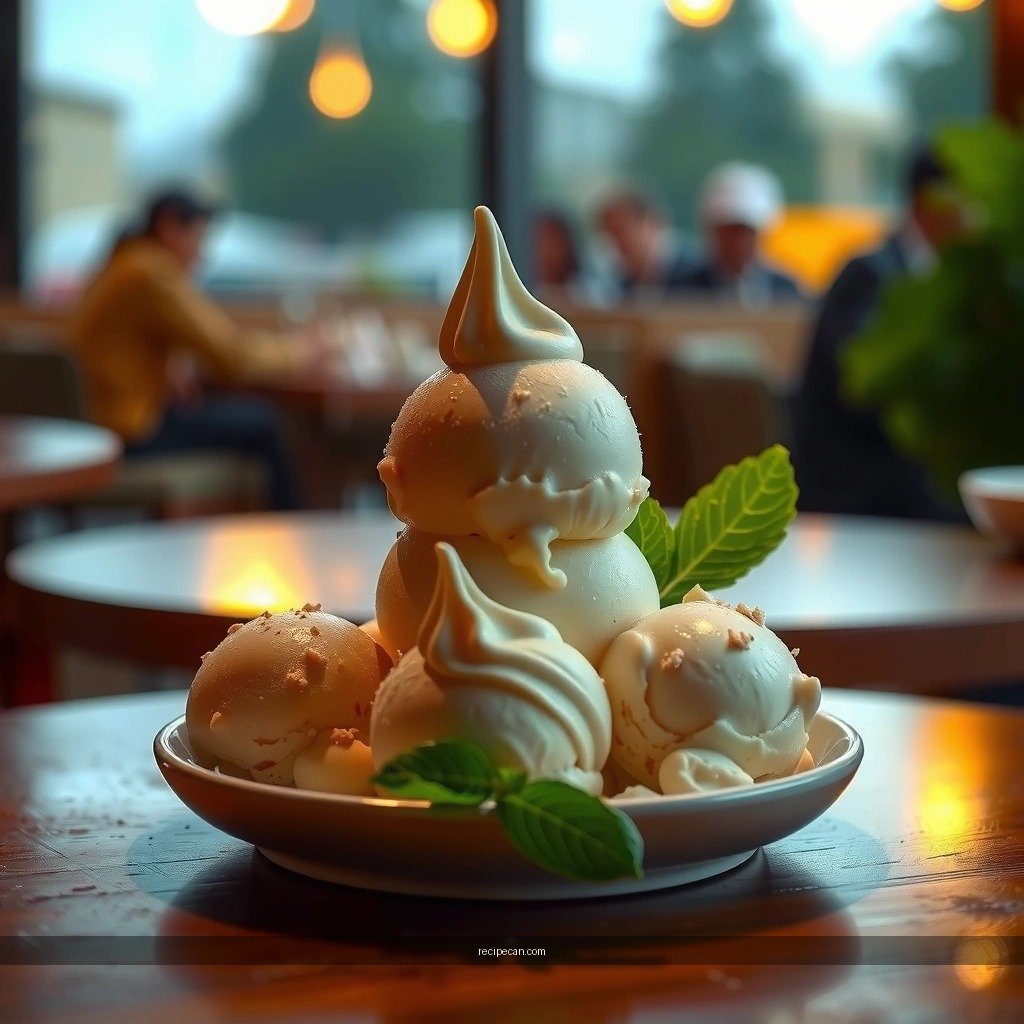
The base phase is where ice cream quality is engineered. For raw milk ice cream, you’re aiming to dissolve sugar fully, create a stable emulsion (optionally with eggs), and remove any particles that can create graininess.
Step-by-step base method (custard or no-egg)
1. Gently combine raw milk, cream (if using), sugar, vanilla (if using alcohol-free vanilla extract, you can add later too), and salt in a saucepan.
2. Warm carefully on medium-low heat until the sugar dissolves. Avoid boiling—boiling can scald milk solids and lead to cooked notes.
3. Optional custard route (recommended for maximum smoothness):
– Whisk egg yolks in a bowl.
– Temper: Slowly drizzle a small amount of warm milk mixture into the yolks while whisking constantly.
– Return everything to the saucepan and cook until it thickens slightly (it should coat a spoon).
4. Strain for extra-smooth consistency. Even if you temper well, straining captures any tiny curds or vanilla bits for a cleaner texture.
Why “strain” matters more than people expect
Straining removes:
– Any micro-curdled egg fragments (from imperfect heating)
– Vanilla bean particles that can affect mouthfeel
– Any natural sediment that may exist in raw milk
Cooling is not optional—plan for it
– Chill the base in an ice bath first, then refrigerate until very cold.
– For best churn results, many churners perform well when the base is near 35–40°F (2–4°C) rather than “cold but still warm.”
Churn for the Right Texture
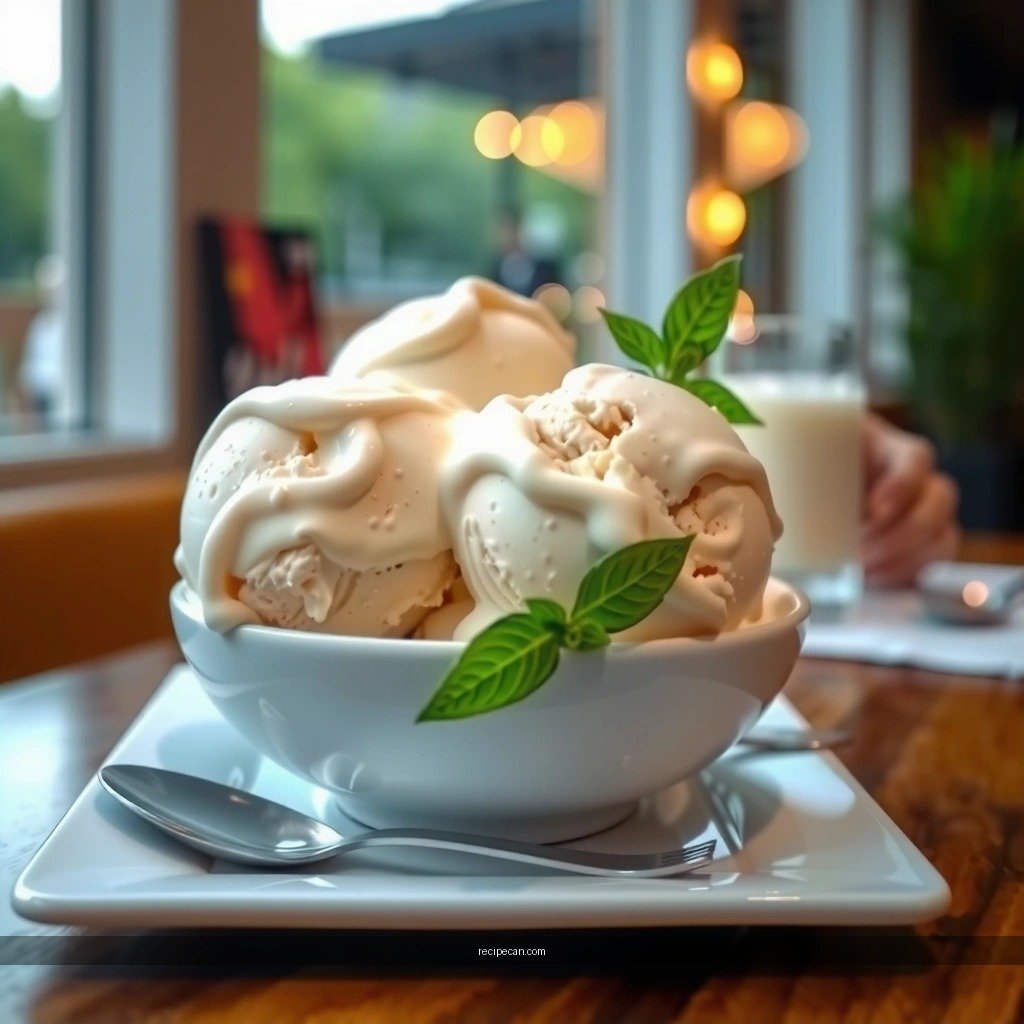
Churning transforms your liquid mixture into an ice-cream-like structure by forming ice crystals of the right size and whipping in air. The goal is not to “freeze fully” in the machine—it’s to create a thick, scoopable texture that will finish in the freezer.
Churning workflow for creamy raw milk ice cream
1. Chill the mixture until cold before churning (again: temperature is a control lever).
2. Churn until thick and scoopable, not rock-hard.
– If you churn too briefly, ice crystals grow during freezing and you get an icier final result.
– If you churn too long, the mixture can become grainy or overly firm before it’s stored.
3. Transfer immediately to an airtight container.
4. Freeze to finish setting, typically several hours.
Key texture signals (what “right” feels like)
– The churned base should look like a soft-serve consistency with visible thickening.
– It should hold lines from the paddle/spoon briefly, indicating stable fat and emulsion.
Airtight freezing reduces grain formation
Air exposure encourages surface dehydration and ice crystal growth. Pressing plastic wrap directly onto the surface (then sealing with a lid) helps reduce freezer burn and maintains smoothness.
Food Safety and Handling Tips
Raw milk requires disciplined food safety practices. I can’t advise unsafe handling, and local rules vary—so treat this section as mandatory operational guidance, not optional reassurance.
Handling best practices (practical and specific)
– Keep raw milk refrigerated at all times prior to use (avoid leaving it on the counter).
– Use clean, sanitized tools: saucepans, whisks, strainers, and containers.
– Maintain hygiene to reduce cross-contamination (separate utensils for raw milk vs. ready-to-freeze products).
Consider safety tradeoffs with custard heating
For some people, pasteurizing the base (before chilling) is the safest route, particularly for higher-risk individuals. If you use a custard method, many home cooks heat the base enough to thicken, but that is not the same as full pasteurization unless you follow a validated time/temperature process.
Operational takeaway: If you have concerns about pathogens, consult your local health guidance and consider pasteurizing before you proceed with the churn.
Storage times and freshness
– Label and date your container.
– Freeze promptly after churning; the smoother your churn, the more forgiving your storage becomes.
– Use within recommended freshness windows for quality (flavor and texture decline over time, even if frozen safely).
Flavor Variations and Mix-Ins
Once your base is dialed in, you can expand flavors while protecting the texture. The timing of add-ins matters: some ingredients should go into the churner; others should be folded in after.
Best additions during churning
– Cocoa powder (for chocolate): Mix into the base while warming so it disperses evenly.
– Crushed cookies or nuts: Add near the end of churning so they remain crunchy rather than dissolving.
– Coffee concentrate: Use a strong infusion or concentrate and reduce added liquid; too much water can increase iciness.
Swirls (fold after churning)
– Jam ribbons, honey swirls, caramel streaks, or fruit purée
– Fold gently after churning to create visual marbling without deflating the mixture too much.
Adjust sweetness based on milk flavor
Raw milk can taste naturally sweet or grassy depending on the herd, season, and feed. Taste your base:
– If it tastes “flat,” slightly increase sugar next time.
– If it tastes very sweet already, keep sugar modest to preserve balance and prevent overly soft ice cream.
Practical example flavor combos
– Vanilla bean + caramel bits (caramel folded after churning)
– Chocolate + toasted hazelnuts (hazelnuts added near the end)
– Strawberry swirl (fruit purée folded after churn)
Storing and Serving Your Raw Milk Ice Cream
Storage determines whether your batch stays smooth after the first scoop. Serving technique also affects perceived creaminess.
Storage rules that protect texture
– Store tightly covered to reduce ice crystals.
– Keep the freezer set consistently cold; temperature swings can cause partial thaw/refreeze and roughen texture.
– For best quality, consume within a practical freshness period (quality declines even when safety is preserved).
Serving for the best scoop
– Let it soften briefly at room temperature until it reaches a workable texture—usually just a few minutes depending on your kitchen.
– Avoid leaving it out long enough to melt, then refreeze; that cycle increases graininess.
Quality checks
When tasting:
– Smooth, creamy texture with a clean flavor = base, churn, and freeze aligned.
– Icy texture usually signals under-churning, insufficient chilling, or a leaner base.
– Graininess can point to incomplete sugar dissolution, inadequate emulsification, or insufficient straining.
Enjoy your homemade ice cream with raw milk by focusing on a well-chilled base, careful churning, and smart handling. Pick your flavor, try the custard or no-egg version, and make your first batch today—then share your favorite variation.
Storing and Serving Your Raw Milk Ice Cream
Store your finished raw milk ice cream in an airtight container (optionally with plastic wrap pressed onto the surface) to reduce air exposure and ice crystal growth. For best scooping, let it sit briefly at room temperature until it softens slightly, then return it promptly to the freezer to maintain a creamy, scoopable texture.
If you want, tell me your milk fat level (or whether you’ll use cream and egg yolks), your ice cream maker model, and your preferred flavor—then I can tailor the base proportions and churn timing for your exact setup.
Frequently Asked Questions
What’s the safest way to make ice cream using raw milk?
Use raw milk only if it’s from a reputable source and kept refrigerated consistently. Heat-treating raw milk (for example, warming it to around 160°F/71°C and then cooling) helps reduce the risk of pathogens while still preserving many of the milk’s natural qualities. If you choose to skip heating, be extra strict with sanitation and freezing speed, but note that no raw-milk ice cream method eliminates food-safety risk.
How can I temper eggs for an ice cream recipe with raw milk?
Whisk egg yolks with sugar until smooth, then slowly pour in warm milk in a thin stream while whisking constantly to prevent scrambling. Return the mixture to the heat and stir until it thickens enough to coat a spoon (commonly around 170–175°F/77–80°C). Strain the custard for a silkier texture, chill it thoroughly, and then churn into ice cream using your ice cream maker.
Why does my raw milk ice cream taste “off,” and how do I prevent it?
Off flavors are often caused by milk that’s too old, improper temperature control, or curdling from overheating. Keep raw milk cold until you start, avoid bringing it to a hard boil, and temper any egg-based mixture gently to maintain a smooth custard. Chilling the base for several hours (or overnight) also helps the flavor mature and improves ice cream texture.
Which ice cream recipe works best with raw milk—custard-style or no-churn?
Many people prefer custard-style raw milk ice cream because the egg yolks add stability and help create a creamy texture even with homemade ingredients. No-churn recipes can work, but they often rely on sweetened condensed milk or whipping cream and may mask or emphasize raw milk flavor more strongly. If you want rich, classic results, try a cooked custard base with careful heating and thorough chilling before churning.
What’s the best way to get thick, creamy texture when using raw milk in ice cream?
Use a balanced ratio of fat and sugar, and avoid over-thinning the base by using proper cream levels or a custard method. Chill the base until it’s very cold before churning, since starting temperature heavily affects how quickly ice crystals form. After churning, freeze in a shallow container and press parchment directly on the surface to reduce iciness—especially important for homemade ice cream made with raw milk.
References
- Raw milk
https://en.wikipedia.org/wiki/Raw_milk - Ice cream
https://en.wikipedia.org/wiki/Ice_cream - https://www.fda.gov/food/dietary-supplements/questions-and-answers-raw-milk-and-raw-milk-products
https://www.fda.gov/food/dietary-supplements/questions-and-answers-raw-milk-and-raw-milk-products - https://www.cdc.gov/foodsafety/rawmilk/index.html
https://www.cdc.gov/foodsafety/rawmilk/index.html - https://pubmed.ncbi.nlm.nih.gov/?term=raw+milk+ice+cream+listeria
https://pubmed.ncbi.nlm.nih.gov/?term=raw+milk+ice+cream+listeria - https://pubmed.ncbi.nlm.nih.gov/?term=raw+milk+pathogens+review
https://pubmed.ncbi.nlm.nih.gov/?term=raw+milk+pathogens+review - Google Scholar Google Scholar
https://scholar.google.com/scholar?q=raw+milk+ice+cream+safety - Google Scholar Google Scholar
https://scholar.google.com/scholar?q=raw+milk+ice+cream+Listeria+outbreak - Google Scholar Google Scholar
https://scholar.google.com/scholar?q=ice+cream+manufacturing+and+food+safety+pasteurized+milk - About Listeria Infection | Listeria Infection | CDC
https://www.cdc.gov/listeria/