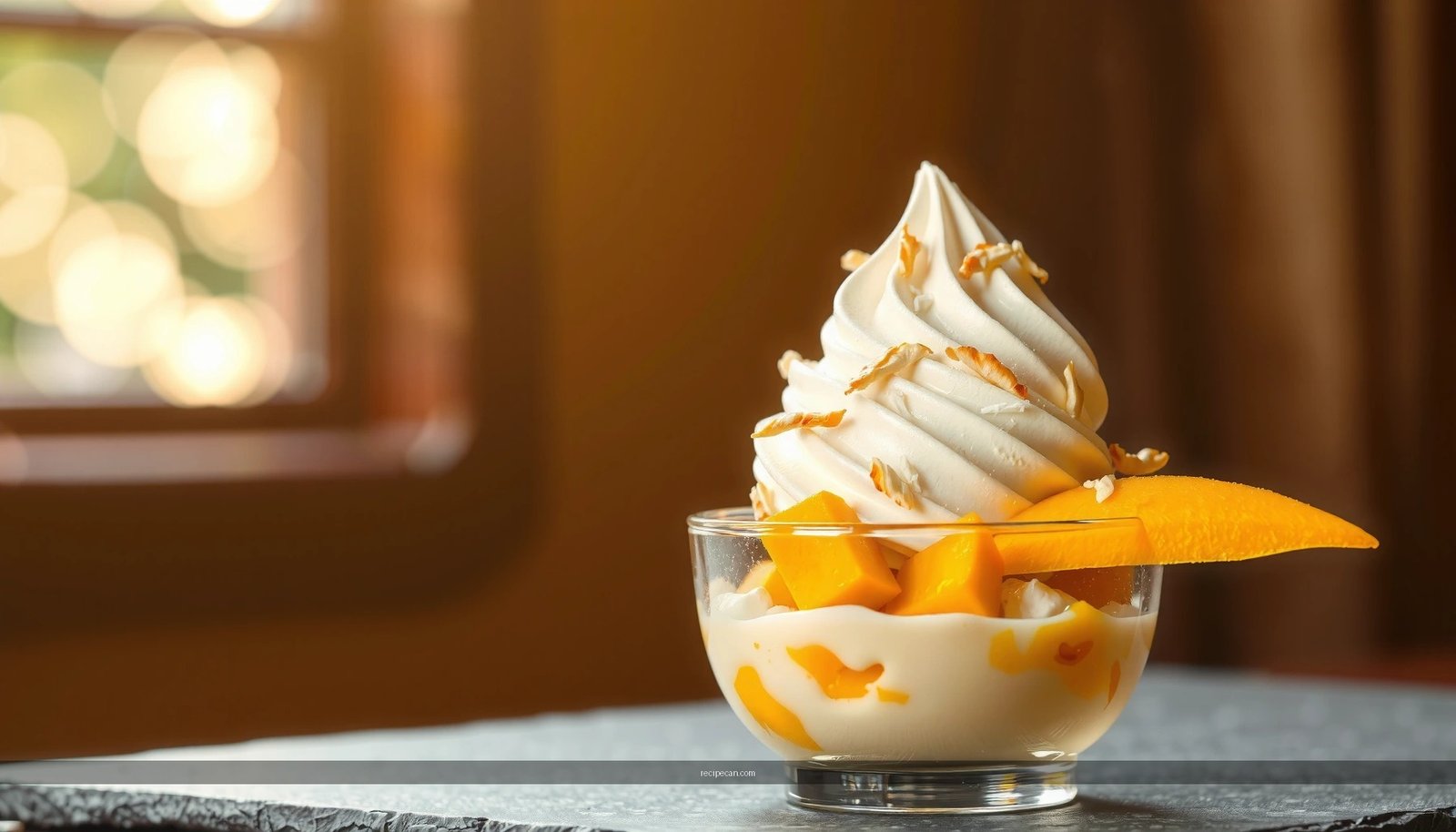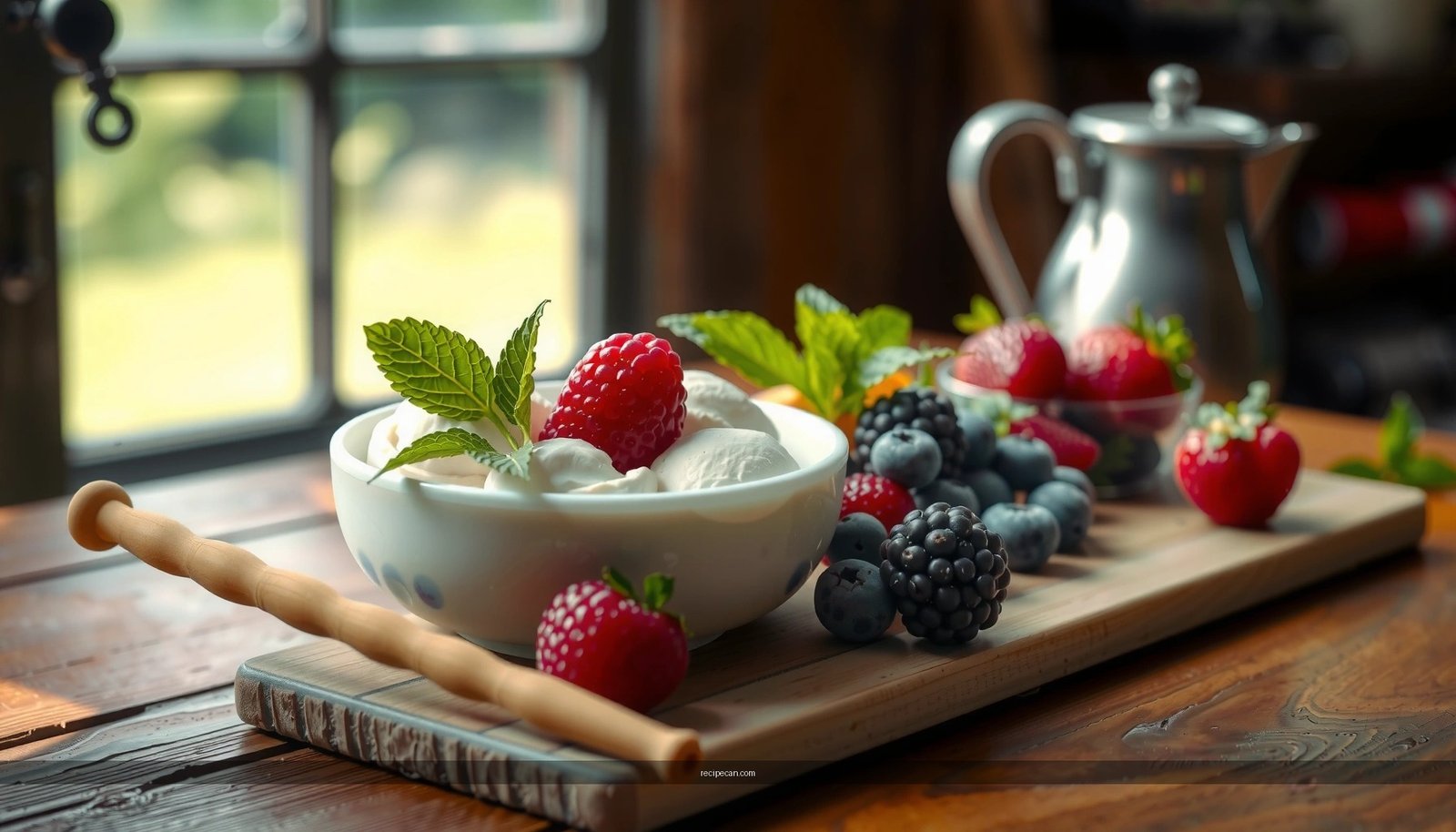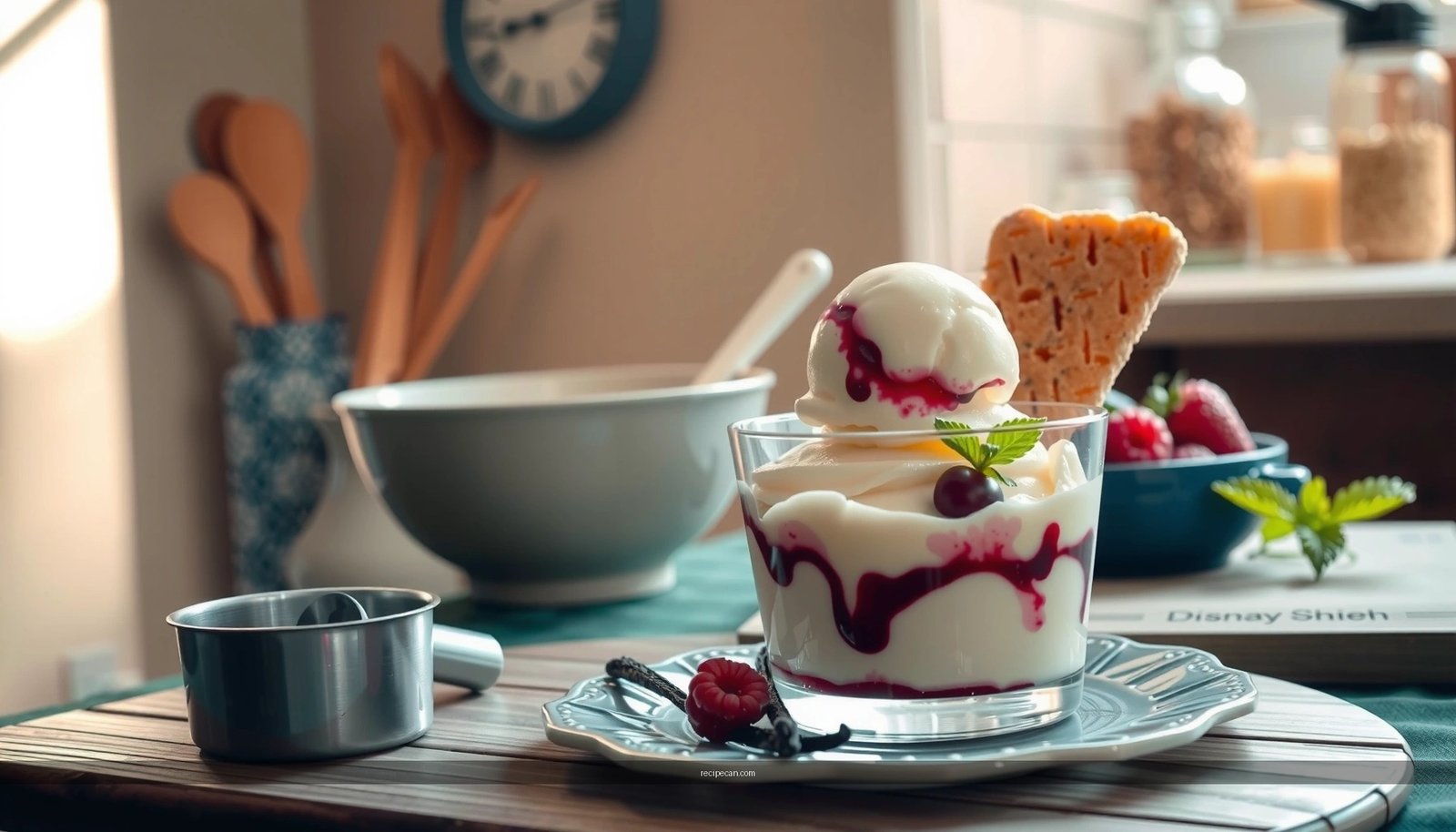
If you’re searching for an ice cream recipe using gelatin that actually delivers a thick, scoopable, creamy texture, this method is the clear winner. You’ll learn how gelatin stabilizes the base, how to bloom and dissolve it properly, and how to churn for a smooth homemade finish instead of icy grains. Follow the steps and you’ll get a reliable result every time—no guesswork, just dependable ice cream.
To make creamy ice cream with gelatin (without eggs), bloom unflavored gelatin in cold water, gently dissolve it into your warm dairy base, then chill thoroughly before churning or freezing. This process improves emulsification and helps the finished ice cream set smoothly for a scoopable texture.
Choose Your Gelatin Type and Amount
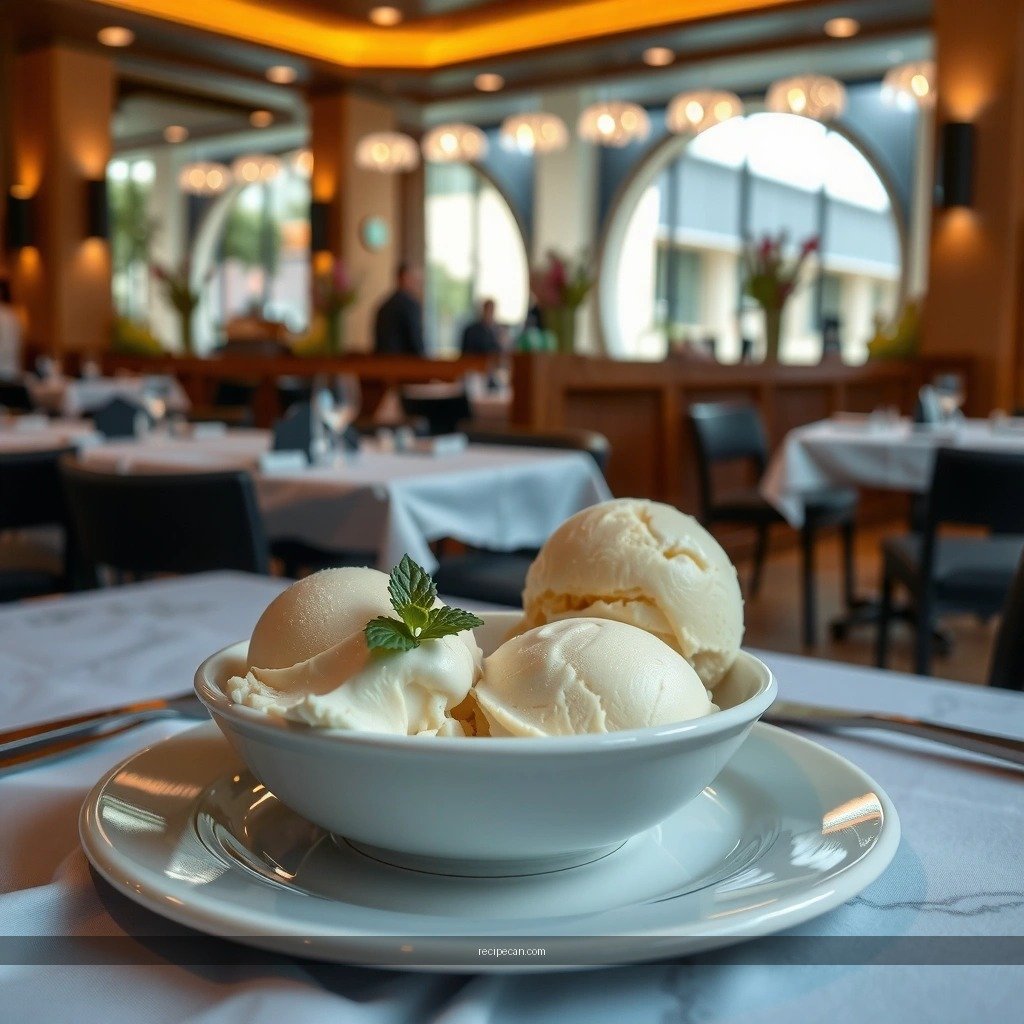
Gelatin works by forming a thermo-reversible gel network—meaning it sets as it cools and loosens as it warms. For ice cream, you want a network that is strong enough to limit ice crystal growth, but not so strong that it becomes chewy or overly firm. That’s why your gelatin choice and dosage matter.
Use unflavored gelatin (powder or sheets) for best results
– Powder gelatin is typically easier to measure precisely.
– Gelatin sheets are convenient if you already have them, but they vary by “bloom” strength (the gelling power).
Keep ratios consistent so the ice cream sets properly
Gelatin dosage is usually calibrated against bloom strength, which commonly ranges from ~150 to 250 for many consumer products. A higher bloom gelatin sets more firmly per gram, so the “same grams” can feel different from brand to brand.
Consider adjusting slightly for softer vs. firmer texture
As a practical framework for a standard home batch (around 1 liter total ice cream base), you can tune firmness by changing gelatin by small increments:
– Softer, spoon-friendly: slightly lower gelatin
– Firmer, scoops cleanly: slightly higher gelatin
– If you’re using a rich dairy base (more cream), you often need a bit less gelatin because the fat content already helps body and mouthfeel.
Gelatin Bloom Strength vs. Dosage for Creamy Ice Cream Set (Base ~1 L)
| # | Gelatin Bloom (typical) | Gelatin per ~1 L | Bloom Water (per package norm) | Expected Scoop Firmness |
|---|---|---|---|---|
| 1 | 150 Bloom (lower) | 4.0 g | ~20–25 g water | ★★☆☆☆ |
| 2 | 160–180 Bloom | 3.5 g | ~18–25 g water | ★★★☆☆ |
| 3 | 190–200 Bloom (common) | 3.0 g | ~15–25 g water | ★★★★☆ |
| 4 | 210–220 Bloom | 2.6 g | ~15–22 g water | ★★★★☆ |
| 5 | 230–240 Bloom | 2.3 g | ~15–20 g water | ★★★★★ |
| 6 | 250 Bloom (high) | 2.0 g | ~13–18 g water | ★★★★★ (firmest) |
| 7 | Sheets (equivalent to ~200 Bloom) | ~6 small sheets (≈3.0 g) | ~15–25 g cold water | ★★★★☆ |
Note: bloom water amounts vary by brand—always follow the package instructions for bloating, while keeping overall gelatin mass in the target range for your desired firmness.
Bloom and Dissolve the Gelatin Correctly
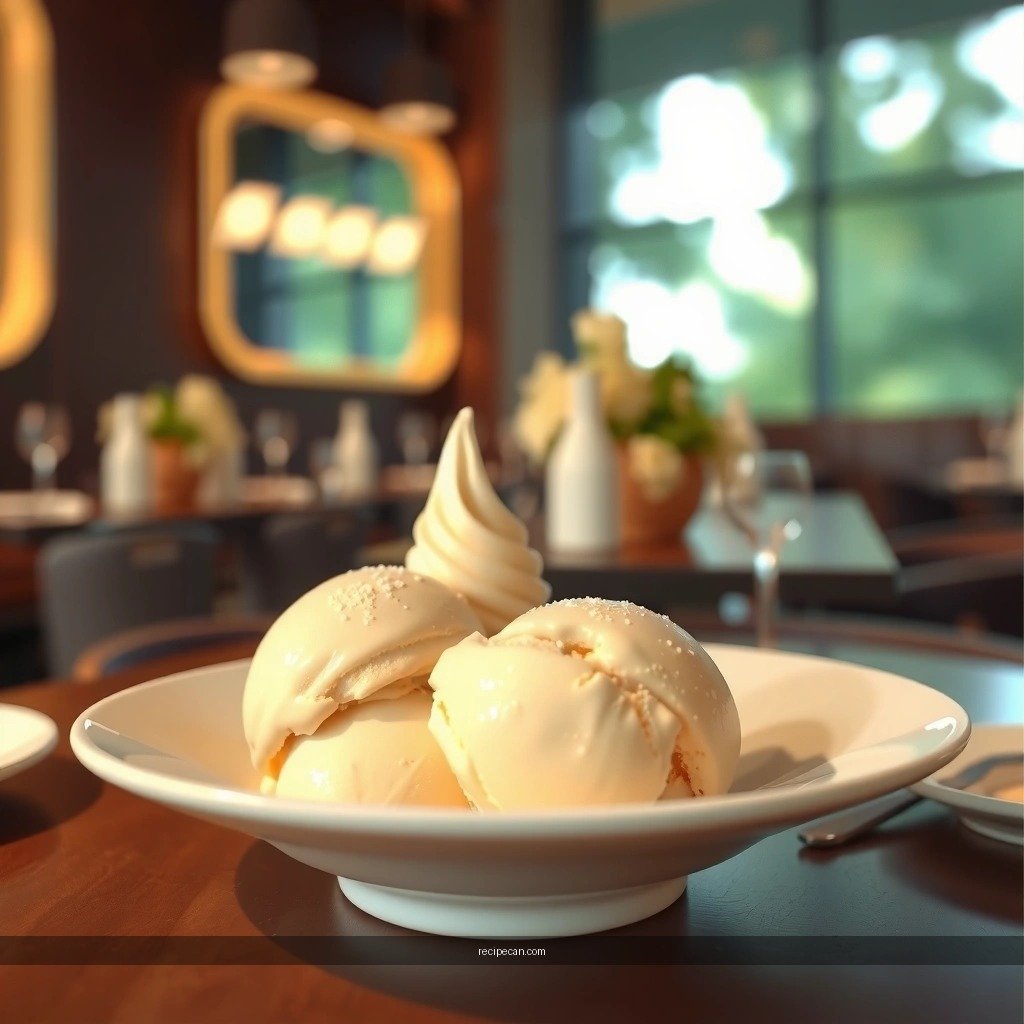
The biggest quality difference between “good” and “great” gelatin ice cream is how consistently the gelatin dissolves.
Bloom gelatin in cold water (or per package directions) before heating
Blooming hydrates gelatin granules so they swell and soften. If you skip blooming and add gelatin directly into hot liquid, you’re more likely to get undissolved bits that create a grainy texture.
Practical approach:
– Sprinkle gelatin over cold water rather than dumping in a pile.
– Let it sit until fully hydrated (commonly 5–10 minutes for powder; sheets soften and become flexible).
Warm the mixture just until the gelatin fully dissolves
Once bloomed gelatin is added to the warm dairy base:
– Heat gently, stirring frequently.
– Stop heating as soon as the gelatin disappears and the mixture looks smooth.
Avoid boiling to prevent grainy texture
Boiling can damage gelatin’s network-building behavior and increases the risk of texture problems. Aim for gentle steaming conditions (warm, not furious bubbling). This is especially important if your base has cocoa or starch-like ingredients, which can scorch or thicken unevenly.
Build the Creamy Ice Cream Base
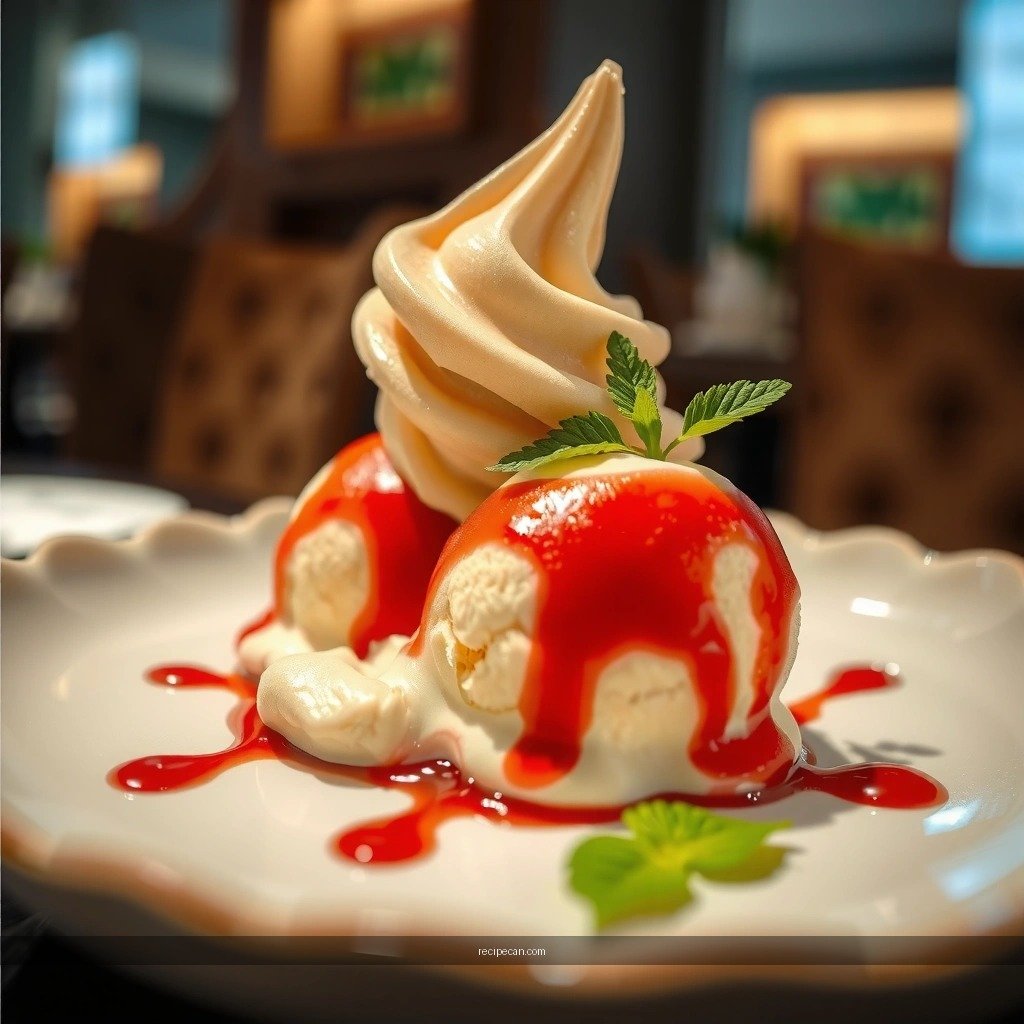
A gelatin-stabilized ice cream still relies on classic ice cream fundamentals: dairy richness, sugar balance, and flavor layering.
Combine dairy (cream/milk) and sweetener to your taste
For a reliable “homemade ice cream” structure:
– Use cream for smoothness and scoop quality.
– Use milk to moderate richness (and help the base churn more easily).
– Add sugar gradually while warming so it dissolves fully.
Sugar doesn’t only sweeten; it also lowers freezing point, helping produce a softer texture and reducing harsh iciness.
Stir in flavorings (vanilla, fruit purée, cocoa) after heating
To protect flavor and avoid uneven dispersion:
– Add extracts like vanilla after the mixture is warm enough that gelatin is dissolved.
– For cocoa, whisk it in early enough to dissolve and prevent clumps (but avoid aggressive boiling).
– For fruit purée, consider straining seeds/pulp for smoother results and adding after gelatin dissolution.
Strain the base if you want extra-smooth results
Straining is a “small step, big payoff”:
– It catches any gelatin micro-lumps you might not notice.
– It removes undissolved spice particles, cocoa flecks, or fruit solids.
If you’re producing a premium “texture-first” ice cream—think events, gift batches, or repeat customers at home—straining is one of the highest ROI moves.
Chill the Base Before Churning
Gelatin ice cream quality depends heavily on chilling. Warm base = poor churn and uneven crystallization.
Refrigerate until fully cold for better churn and texture
Chill time often ranges 4 to 12 hours depending on batch size. The goal is to get the base into a temperature range where:
– gelatin is set,
– fats are stable,
– and ice crystal formation is controlled.
Even if you’re short on time, don’t rush directly to churn or freezing—your texture will likely suffer.
Taste and adjust sweetness before freezing/churning
Sweetness changes as the mixture freezes. What tastes “right” at room temperature can taste dull once chilled and churned. Adjust before freezing:
– Add a small pinch of salt if flavors feel flat (salt can sharpen sweetness perception).
– Increase sugar slightly if you’re using tart fruit.
Cover the bowl to prevent a skin from forming
A film (skin) can introduce texture defects. Use plastic wrap directly on the surface, or cover tightly with a lid.
Churn or Freeze: Two Simple Options
Once your base is cold, you have two routes—each works well, and gelatin helps both.
Churn for a lighter, softer scoopable ice cream
Churning incorporates air and breaks up forming ice crystals. The result is typically:
– smoother spoon texture,
– faster scoopability,
– and more uniform body.
If you’re aiming for “classic gelato-like” structure, churn until thickened—then transfer promptly to a container for final hardening.
No-churn freezing requires periodic stirring to reduce ice crystals
No-churn doesn’t mean “no effort”—it means managing ice crystal size:
– Freeze, then stir vigorously every 30–60 minutes for the first 2–4 hours (total).
– This breaks up large crystals and supports a creamier mouthfeel.
Gelatin helps, but periodic stirring is still the main lever for no-churn smoothness.
Freeze until firm, then serve for best consistency
Even churned ice cream benefits from rest time. For the best scoop:
– Freeze until firm enough to hold shape,
– then let it sit 3–5 minutes at room temperature before serving to soften the gelatin network for a cleaner bite.
Troubleshooting Common Gelatin Ice Cream Issues
Gelatin ice cream is forgiving, but these adjustments will save you when something feels off.
If it’s too firm, reduce gelatin slightly next time
Common signs:
– resistance when scooping,
– a rubbery or overly set mouthfeel.
Fix:
– Reduce gelatin by about 10–20% in your next batch.
– Also consider slightly higher cream content (fat can soften perceived firmness).
If it’s icy, chill longer or stir more during freezing
Common signs:
– visible ice crystals,
– crunchy, watery texture.
Fix:
– Chill the base longer before churning/freezing.
– If no-churn, increase the frequency of early stirring.
– Confirm your freezing temperature is consistent (very warm freezers increase ice crystal growth).
If it’s grainy, ensure gelatin dissolves fully and avoid overheating
Common signs:
– gritty mouthfeel,
– small “gel” specks.
Fix:
– Bloom properly every time.
– Heat gently and stop once gelatin dissolves.
– Strain the base for additional insurance.
As a quality-control mindset: gelatin ice cream is a process product. Small deviations (skipped bloom, rushed chill, or boiling) tend to show up immediately in texture.
In the end, this ice cream recipe using gelatin delivers a creamy set with a straightforward method: bloom, dissolve, mix into the base, chill, then churn or freeze. Follow gelatin timing and chilling steps for the smoothest texture, and use the dosage guidance to dial in your preferred firmness—so your homemade scoops consistently taste “restaurant good,” not merely “homemade.”
Frequently Asked Questions
How do you make ice cream with gelatin instead of eggs?
To make ice cream with gelatin, bloom unflavored gelatin in cold milk or cream, then heat the base until the gelatin fully dissolves. Whisk gelatin into your dairy mixture (often milk/cream plus sugar and flavorings), then cool it before churning or freezing. This method helps create a thicker, smoother ice cream texture without using egg yolks.
What is the best gelatin type and amount for an ice cream recipe?
For most homemade ice creams, unflavored powdered gelatin is the easiest option because it dissolves reliably in warm dairy. A common starting range is about 1 to 2 teaspoons of unflavored gelatin per 2 cups (about 480 ml) of liquid base, adjusting for desired firmness and whether you’re churning. Always bloom gelatin first and dissolve completely to avoid grainy texture.
Why does ice cream made with gelatin end up icy, and how can you prevent it?
Ice can form when the base has too little sugar and stabilizing fat, or when gelatin isn’t fully dissolved before freezing. Make sure the gelatin is heated just enough to dissolve, then chill the mixture thoroughly before churning. Also consider adding a bit of sweetener or creaminess (like a portion of heavy cream, condensed milk, or a small amount of corn syrup) to reduce ice crystal growth.
Which flavors work best in a gelatin-based ice cream recipe?
Gelatin pairs well with both classic and bold flavors because it stabilizes the dairy base during freezing. Vanilla, chocolate, strawberry, and coffee are popular choices since they blend smoothly into warm milk/cream. For fruit flavors, slightly reduce watery mixtures or strain chunks, so the gelatin-based ice cream stays thick and creamy rather than becoming icy.
What’s the best method to churn or freeze ice cream using gelatin for a smooth texture?
For the smoothest results, chill the gelatin-stabilized base thoroughly (often several hours) before churning in an ice cream maker. If you’re not churning, pour the mixture into a container and freeze, stirring every 30–45 minutes for the first few hours to break up ice crystals. Once set, allow it to firm up fully, then serve slightly soft at room temperature for best scoopability.
References
- Google Scholar Google Scholar
https://scholar.google.com/scholar?q=gelatin+ice+cream+stabilizer - Google Scholar Google Scholar
https://scholar.google.com/scholar?q=gelatin+stabilized+ice+cream+mix+overrun+melting - Google Scholar Google Scholar
https://scholar.google.com/scholar?q=gelatin+ice+cream+emulsion+protein+stabilization - https://pubmed.ncbi.nlm.nih.gov/?term=gelatin+ice+cream+stabilizer
https://pubmed.ncbi.nlm.nih.gov/?term=gelatin+ice+cream+stabilizer - https://pubmed.ncbi.nlm.nih.gov/?term=gelatin+stabilizes+ice+cream
https://pubmed.ncbi.nlm.nih.gov/?term=gelatin+stabilizes+ice+cream - https://pubmed.ncbi.nlm.nih.gov/?term=gelatin+ice+cream+melting+overrun
https://pubmed.ncbi.nlm.nih.gov/?term=gelatin+ice+cream+melting+overrun - Gelatin
https://en.wikipedia.org/wiki/Gelatin - Ice cream
https://en.wikipedia.org/wiki/Ice_cream - https://www.sciencedirect.com/search?qs=gelatin+ice+cream+stabilizer
https://www.sciencedirect.com/search?qs=gelatin+ice+cream+stabilizer - https://www.sciencedirect.com/search?qs=gelatin+stabilized+ice+cream
https://www.sciencedirect.com/search?qs=gelatin+stabilized+ice+cream