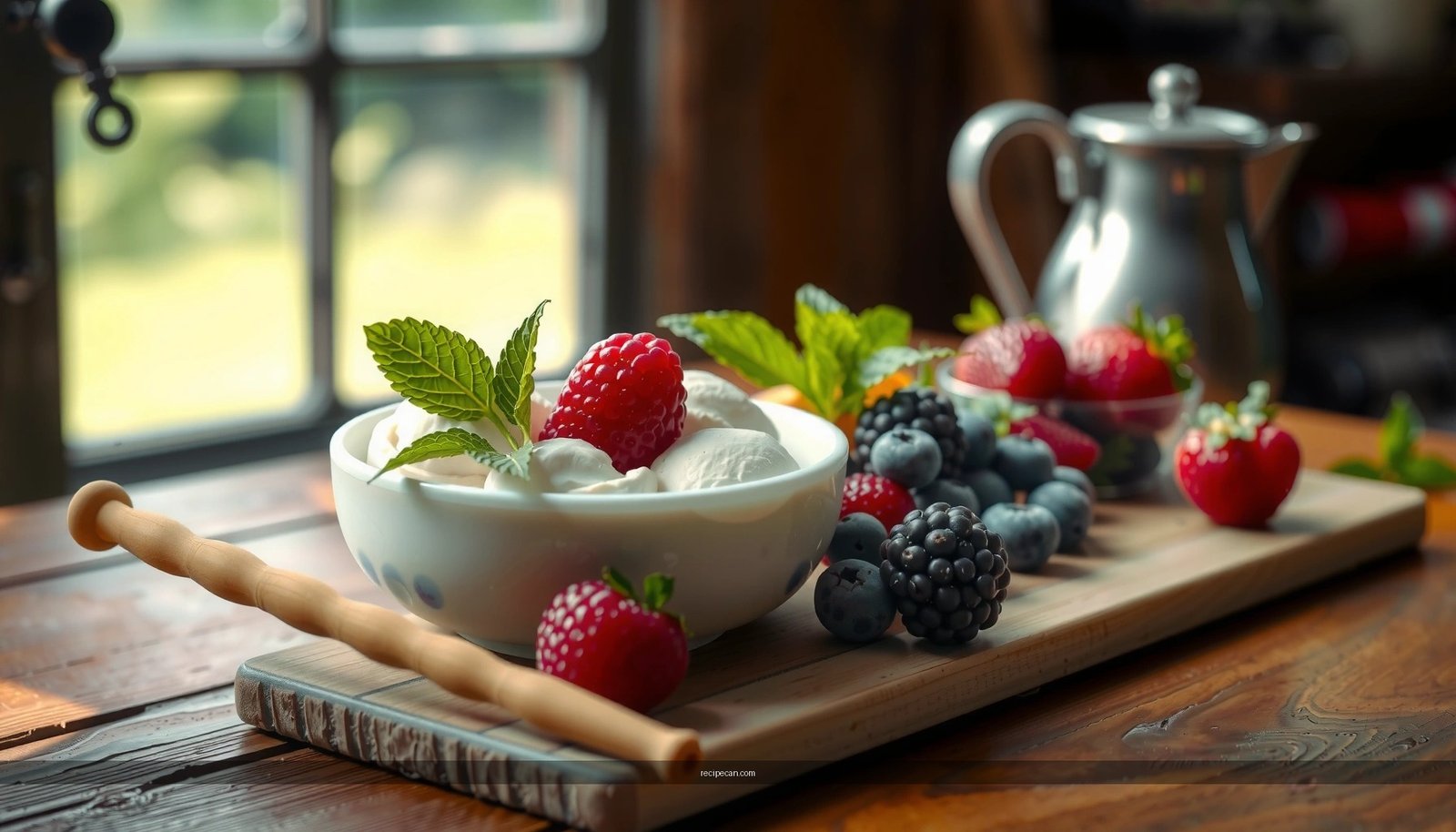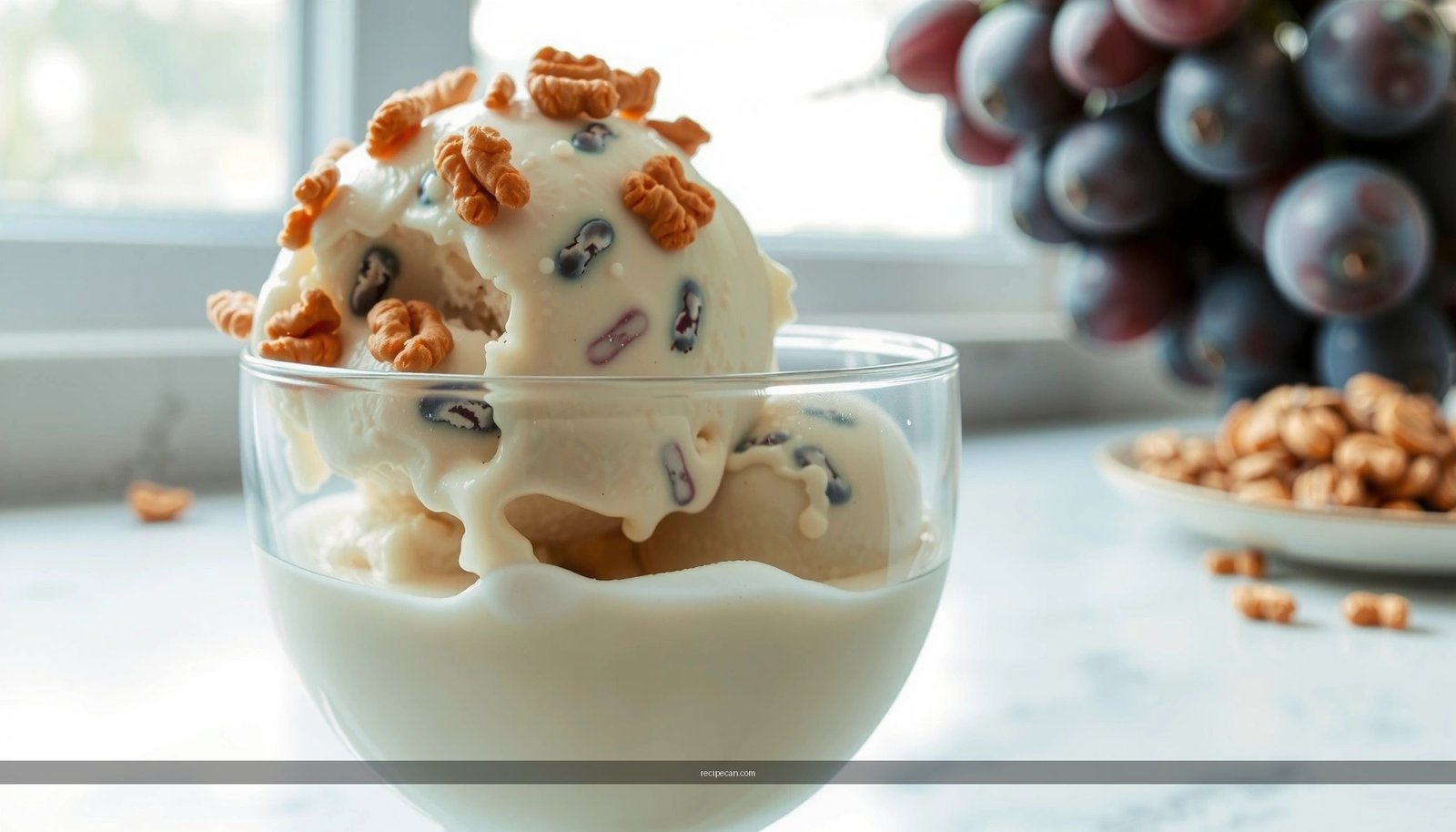
This grape nuts ice cream recipe delivers the clear win: a creamy vanilla base with real Grape-Nuts crunch in every bite. It answers how to make homemade ice cream that stays cold, scoopable, and properly textured—without turning the cereal soggy. If you want a dessert that’s both smooth and unmistakably crunchy, this is the one to follow.
Make grape nuts ice cream at home by steeping crushed Grape-Nuts in warm cream, then churning the base and folding in extra crunch at the end; the result is a toasty, custard-style flavor with a signature bite. In this recipe, you’ll follow a reliable process—infusing the cereal into dairy, chilling for a smooth texture, churning to soft-serve consistency, and timing the crunch so it stays crisp instead of going stale or icy.
Gather Ingredients and Tools for Grape Nuts Ice Cream

Before you start, decide how you want the crunch to behave in your finished ice cream. The most consistent method is “infuse for flavor, fold for bite”: you steep crushed Grape-Nuts in warm dairy to carry the toasted notes throughout the base, then add more Grape-Nuts near the end so it remains audible when you scoop.
Core ingredients (for a classic custard-style base)
– Milk and/or heavy cream: Use a mix for richness without being overly heavy. Heavy cream improves body and reduces ice crystals.
– Sugar: Sweetens and helps lower the freezing point for better scoopability.
– Egg yolks (optional, but recommended for custard-style smoothness): Yolks emulsify and thicken, creating the creamy mouthfeel people expect from premium ice cream.
– Vanilla extract: Adds a familiar dessert aroma that complements the cereal’s toasted character.
– Grape-Nuts cereal: Use crushed Grape-Nuts to infuse efficiently; whole pieces can linger as crunchy bits rather than fully lending flavor.
Helpful tools
– Saucepan for heating the dairy and tempering/cooking custard
– Whisk to keep the base smooth
– Strainer (optional but useful) to remove larger cereal particles for a more uniform custard
– Ice cream maker to churn to the right texture
– Fine-mesh strainer (optional) if you want a smoother “restaurant-style” base
– A thermometer (helpful) if you choose the custard method and want control (typically aiming around 170–175°F / 77–80°C for thickening)
Decide your crunch strategy
– Infused crunch (in the base): more uniform, less “chunky.”
– Fold-in crunch (at the end): maximum bite and best texture retention.
– If you like “hybrid” results, use a moderate amount in the base and a larger portion as a late fold-in.
Texture Goals vs. Base Style for Homemade Grape-Nuts Ice Cream
| # | Target Finish | Recommended Base | Cereal Role | Expected Scoopability* | Outcome Rating |
|---|---|---|---|---|---|
| 1 | Velvety custard | Egg-yolk custard | Infused + lightly strained | 5–15 min thaw | ★★★★★ |
| 2 | Balanced chew | Cooked custard (eggs) | Infused + small fold-in | 10–20 min thaw | ★★★★☆ |
| 3 | Chunky crunch | Eggless base | Infused + heavy fold-in | 15–25 min thaw | ★★★☆☆ |
| 4 | Toast-forward flavor | Eggless cooked base | Infused without straining | 10–20 min thaw | ★★★★☆ |
| 5 | Lowest ice crystals | Egg custard + long chill | Infused + strained | 5–15 min thaw | ★★★★★ |
| 6 | Very smooth “gelato-like” | Eggless base (no chunks) | Infused + strained hard | 10–25 min thaw | ★★★☆☆ |
| 7 | Most intense crunch (party scoop) | Egg custard | Infused + late fold-in | 5–10 min thaw | ★★★★☆ |
\“Scoopability thaw window” is a practical guideline for the texture you’ll taste after freezing.
Make the Cream Base with Grape-Nuts

The heart of this grape nuts ice cream recipe is how you infuse the cereal. The goal is to capture the cereal’s toasted flavor while keeping the base smooth enough to churn well.
1) Warm dairy and steep crushed Grape-Nuts
– In a saucepan, gently warm cream and/or milk until steaming but not boiling.
– Add crushed Grape-Nuts (for faster infusion, crush it to small flakes).
– Let it steep on low heat for about 10–20 minutes, stirring occasionally. This is where you’re building that signature toasty profile.
2) Sweeten and thicken (custard method)
– In a separate bowl, whisk sugar with egg yolks until the mixture looks slightly lighter and smooth.
– Slowly temper: drizzle a small amount of warm grape nuts-infused dairy into the yolk mixture while whisking continuously.
– Return the mixture to the saucepan and cook gently, stirring, until it coats the back of a spoon (or reaches the thickened target temperature). Avoid high heat to prevent scrambled eggs.
3) Strain for “restaurant smooth,” or keep bits for thicker body
– Strain through a fine-mesh strainer for a creamier, more uniform custard.
– For a thicker, more textured base, you can strain lightly or leave some particles in—just remember that the fold-in stage will control crunch more precisely.
Analytical perspective: why steeping works
Crushed Grape-Nuts behaves like a toasted “infusion ingredient.” The flavors dissolve into the dairy, but the cereal structure remains partially intact, which is why late-stage addition is essential if you want that crisp bite.
Churn the Mixture for the Right Texture
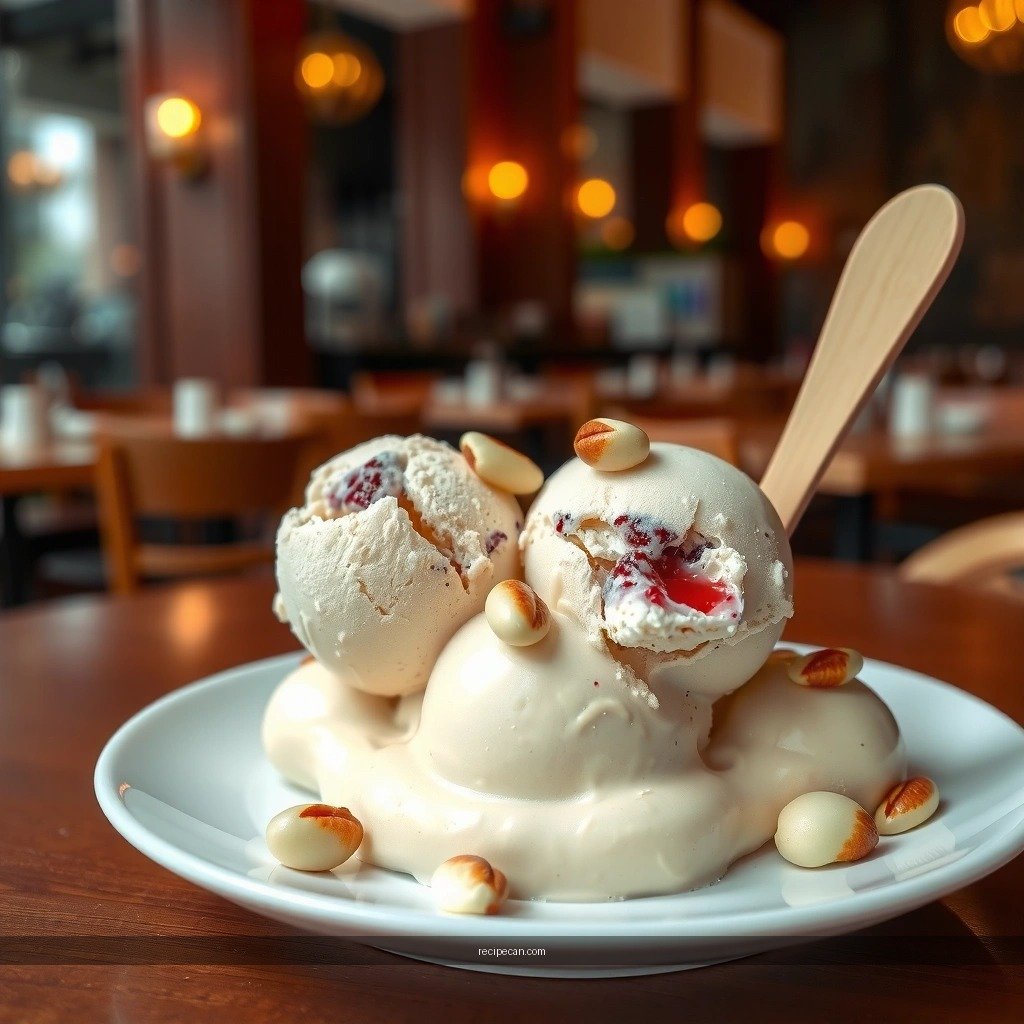
Churning is where infusion becomes ice cream. Even a great base can turn grainy or icy if it’s not chilled correctly or churned beyond the ideal point.
1) Chill thoroughly before churning
– Chill the finished base in the refrigerator until very cold—ideally at least 4 hours and preferably overnight.
– A well-chilled base helps the ice cream maker form smaller ice crystals, yielding a smoother scoop.
2) Churn to soft-serve consistency
– Churn according to your ice cream maker’s instructions, typically stopping when the mixture resembles soft serve—thick, airy, and pourable.
– If you churn too long, you can create a dry or buttery texture and reduce the quality of later freezing.
3) Control over-churning (practical rule)
Because different machines vary, use timing as a baseline, not a strict rule. The most reliable signal is texture:
– It should be thick and aerated, not stiff.
– If it starts to look grainy or curdled, stop immediately and check your base temperature.
Add Crunch at the Right Time
This step determines whether your grape nuts ice cream is “crunchy and creamy” or “soft with lost bite.”
Fold in near the end
– When the ice cream has finished churning and is at soft-serve stage, add additional crushed or lightly chopped Grape-Nuts.
– Mix gently so you keep the aeration.
Avoid gritty texture
– If you crush too finely, it can start to feel gritty once frozen.
– Aim for a mix of small flakes and slightly larger bits for a satisfying snap.
Taste before final balance
– If you want a sweeter dessert, adjust vanilla or sugar in the base stage (after steeping, before freezing).
– Once it’s churned, avoid over-correcting with extra sugar—it can affect freezing behavior and potentially soften the crunch.
A professional-quality workflow is: infuse for depth, then fold in for texture.
Freeze and Serve for Best Flavor
Freezing is not just storage—it’s final texture development.
1) Transfer and freeze until firm
– Pack the churned ice cream into a container, press parchment or plastic wrap directly onto the surface to reduce air exposure, and freeze until firm.
2) Let it soften slightly before serving
– For the best scoop, let it sit at room temperature for 5–15 minutes (varies by your freezer and whether you used strained vs. unstrained base).
– This short softening window reactivates the creamy texture and brings back the crunch.
3) Store properly to preserve crunch
– Crunch can dull over time as moisture migrates and pieces absorb ice cream fats.
– For best results, consume within about 1–2 weeks for maximum crunch integrity.
Troubleshooting Common Grape Nuts Ice Cream Issues
Even with a strong process, small variables (steep time, chilling time, machine power) can shift texture. Use these targeted fixes.
– If it’s too icy:
Increase chilling time (base must be very cold), and ensure your base was thick enough during the custard step. Thin bases freeze with larger crystals.
– If it’s too firm:
Slightly increase the sweetness next time (within reason) and reduce your fold-in ratio if the mixture feels overly dry. For serving, soften briefly before scooping.
– If the crunch is lost:
Add more Grape-Nuts during the final fold-in, not during the full infusion. Also check crush size—larger flakes tend to stay crisp longer than fine dust.
– If it tastes toasted but not “creamy”:
That usually means you strained too aggressively and reduced body, or you cooked the custard too lightly. Aim for proper thickening until the base coats the spoon.
– If you see graininess:
Overheating the custard or under-straining cereal bits can be the cause. Gentle heat and optional straining are your controls.
Enjoy your homemade grape nuts ice cream by infusing the base, churning to smooth consistency, and adding extra Grape-Nuts for signature crunch. Follow the steps above, then tweak sweetness and crunch level to make it your perfect batch—try it today and share how it turns out!
Ready to dial it in? If you tell me whether you’re using eggs or an eggless method and which ice cream machine you have, I can suggest exact steeping/churning adjustments for your setup.
Frequently Asked Questions
What is the best way to make Grape Nuts ice cream at home without eggs?
Use a simple no-egg base by starting with milk and heavy cream, then heating it just until steaming. Stir in crushed Grape Nuts cereal and a little cornstarch or an eggless thickener if you want a custard-like texture. Let the mixture chill thoroughly before churning so the grape nuts ice cream firms up and stays creamy.
How do you keep Grape Nuts cereal from turning soggy in your ice cream recipe?
Toast the Grape Nuts briefly in a dry skillet or oven before adding them, which helps preserve crunch and flavor. You can also fold in a portion of the crushed cereal after churning for a more noticeable texture contrast. Mixing in only after the base has cooled also reduces sogginess in grape nuts ice cream.
Why does my Grape Nuts ice cream taste bitter or too “cereal-like,” and how can I fix it?
Bitterness often comes from over-crushing or using too much cereal, especially if it wasn’t toasted lightly. Balance the flavor with vanilla extract, a pinch of salt, and enough sugar to offset the roasted notes of Grape Nuts. If it tastes flat, try letting the base steep in the fridge for a few hours so the flavors blend—then strain if you want a smoother grape nuts ice cream.
Which Grape Nuts ingredients work best—plain cereal, crushed vs. whole, and how much to use?
Most home cooks get the best results using plain Grape Nuts cereal and crushing it to small pieces for even distribution. Start with about 1 to 1½ cups per quart of base for a pronounced “Grape Nuts” flavor without overpowering sweetness. For extra texture, keep aside a small handful of lightly crushed cereal to fold in late for bite in the finished grape nuts ice cream.
What’s the best method to churn Grape Nuts ice cream so it stays thick and scoopable?
Chill the base at least 4–8 hours (overnight is ideal) before churning, because cold liquid churns more effectively and produces a smoother texture. Churn until it reaches soft-serve consistency, then freeze to firm up—typically 4 hours or longer. For best results with grape nuts ice cream, don’t over-churn, and use an airtight container to prevent ice crystals.
References
- Google Scholar Google Scholar
https://scholar.google.com/scholar?q=grape+nuts+ice+cream+recipe - Google Scholar Google Scholar
https://scholar.google.com/scholar?q=Grape-Nuts+cereal+in+ice+cream - Google Scholar Google Scholar
https://scholar.google.com/scholar?q=cereal+in+frozen+desserts+ice+cream - Grape-Nuts
https://en.wikipedia.org/wiki/Grape-Nuts - Ice cream
https://en.wikipedia.org/wiki/Ice_cream - Ice cream | Definition, History, & Production | Britannica
https://www.britannica.com/topic/ice-cream - https://pubmed.ncbi.nlm.nih.gov/?term=ice+cream+stabilizers+gel+emulsifiers
https://pubmed.ncbi.nlm.nih.gov/?term=ice+cream+stabilizers+gel+emulsifiers - https://pubmed.ncbi.nlm.nih.gov/?term=frozen+desserts+texture+starch+protein+milk+fat
https://pubmed.ncbi.nlm.nih.gov/?term=frozen+desserts+texture+starch+protein+milk+fat - 21 CFR § 135.110 – Ice cream and frozen custard. | Electronic Code of Federal Regulations (e-CFR)…
https://www.law.cornell.edu/cfr/text/21/135.110 - 21 CFR § 135.130 – Mellorine. | Electronic Code of Federal Regulations (e-CFR) | US Law | LII / L…
https://www.law.cornell.edu/cfr/text/21/135.130