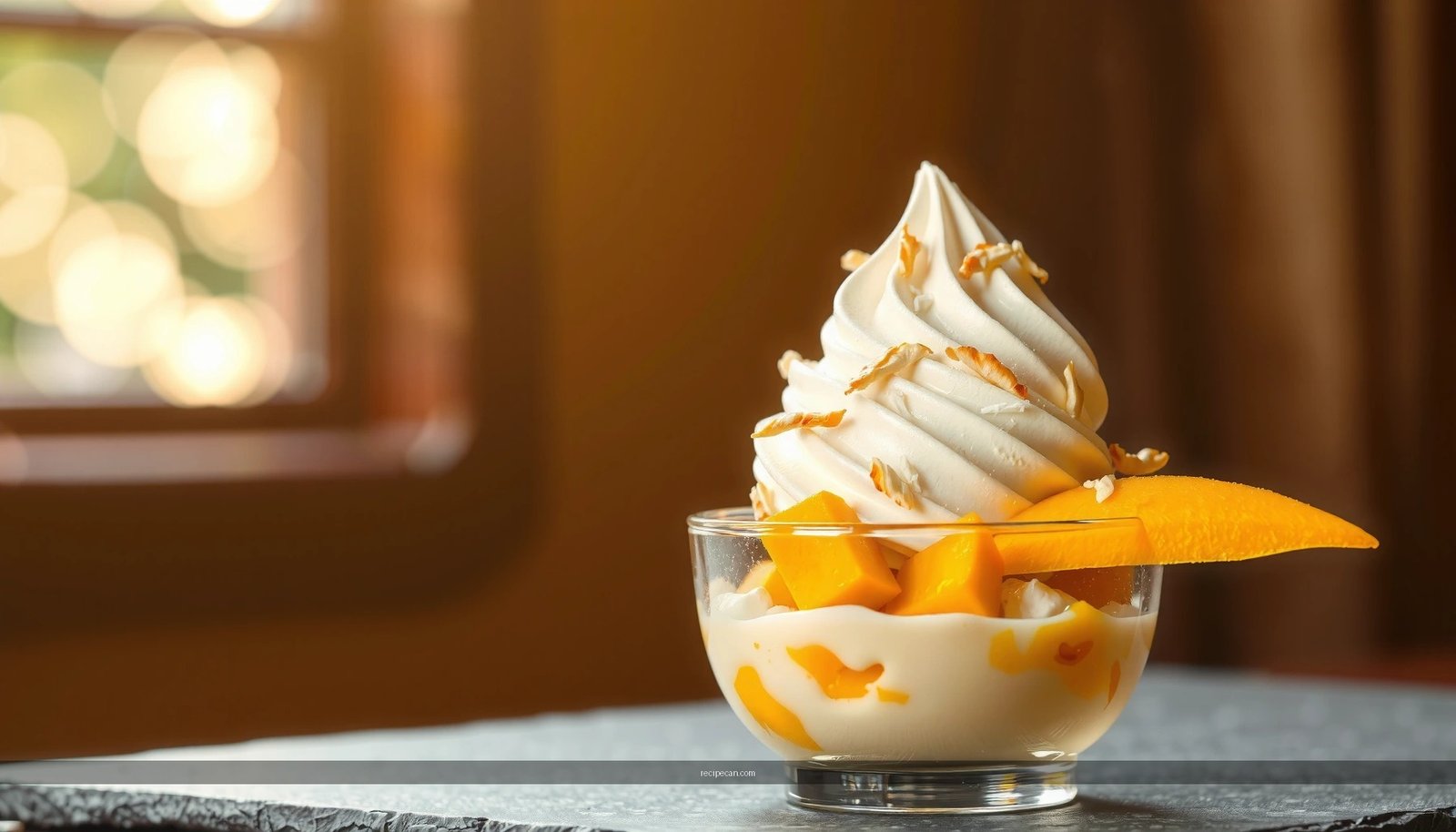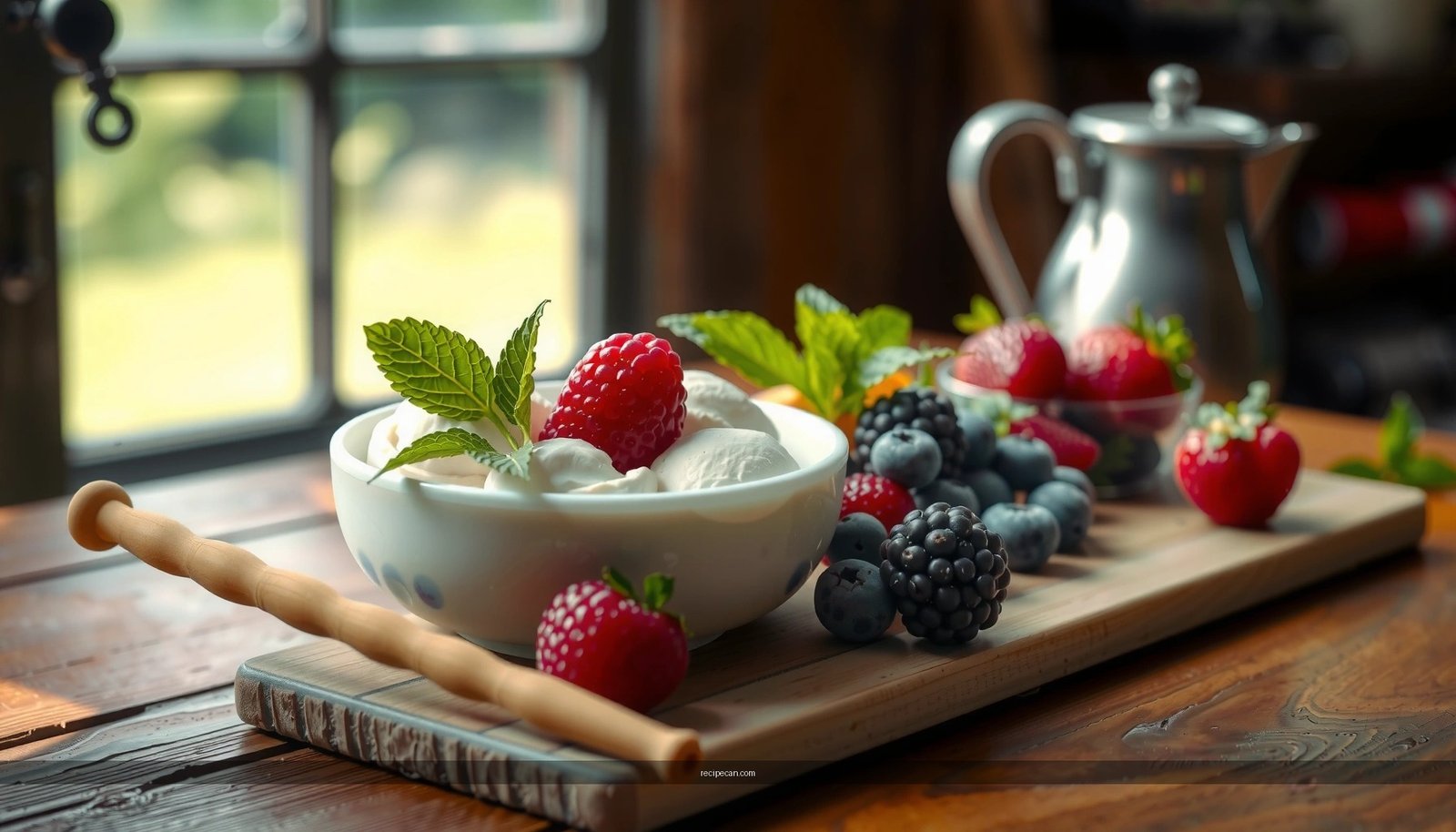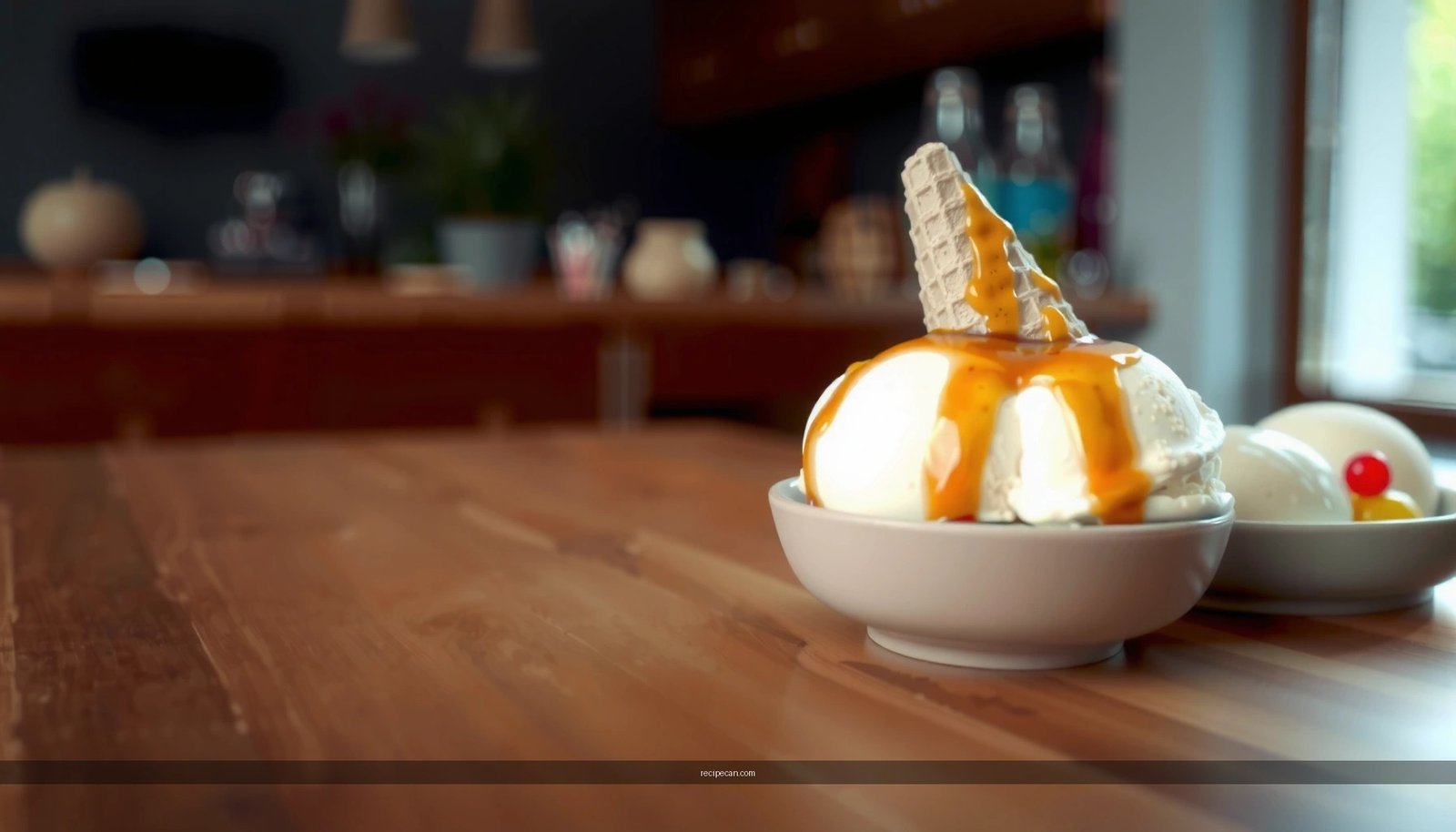
This French ice cream recipe delivers the classic, creamy texture you want—no airy shortcuts, no complicated equipment. It answers whether you can make true French-style custard-based ice cream at home and still get reliably smooth results. If you follow the steps closely, you’ll get a rich, elegant scoop every time, whether you’re serving it plain or turning it into a dessert.
French ice cream comes out classic and scoopable when you build a true custard base, chill it thoroughly, and churn it to a soft-serve texture before freezing. Follow the temperature checkpoints (especially “thick enough to coat a spoon, not boiling”) and you’ll avoid the two biggest problems—scrambled custard and icy, grainy ice cream.
Key Ingredients for French Ice Cream
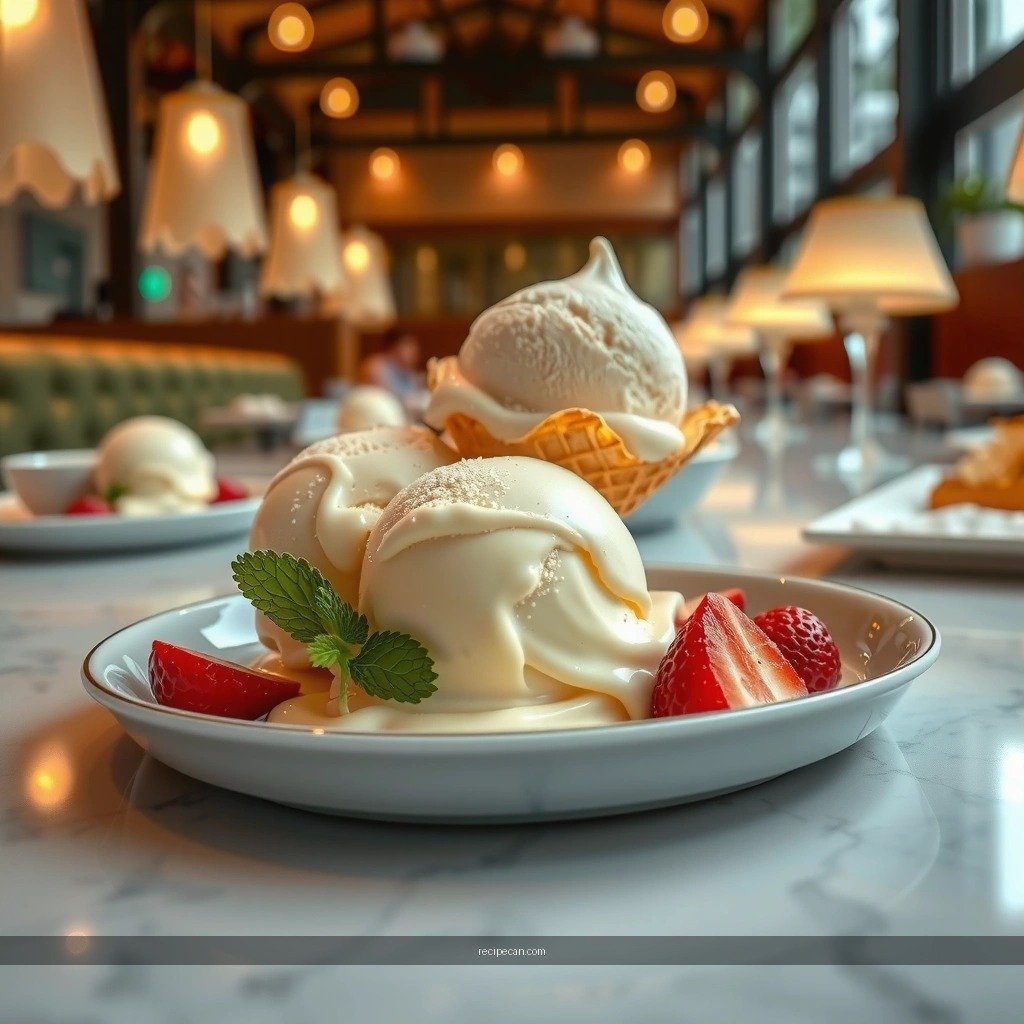
French ice cream is fundamentally about emulsified fat and sugar plus egg yolks that help create a custard structure. That structure improves scoopability, slows ice-crystal growth, and delivers the characteristic “silky” mouthfeel associated with classic French-style churned desserts.
Use heavy cream, milk, and egg yolks for a rich custard base
– Heavy cream contributes the majority of the fat that gives richness and smooth melting.
– Milk balances the fat so the custard cooks evenly and tastes “custard-like” rather than overly buttery.
– Egg yolks add emulsifiers (lecithin) and proteins that thicken the base gently and stabilize the final texture.
Sweeten with sugar and flavor with vanilla (optional: lemon zest or other accents)
– Sugar doesn’t just sweeten—it also lowers the freezing point, helping your ice cream stay soft-scoopable instead of rock-hard.
– Vanilla is the traditional anchor flavor. If you’re aiming for a more French-leaning, aromatic profile, use vanilla bean (seeds) or high-quality vanilla extract.
– Lemon zest (or orange zest) is a classic variation that brightens the custard without making it taste like sorbet. Add zest during steeping for maximum aroma.
Proportion reference (for a standard home batch):
A typical “custard-first” ratio that works reliably is 1 cup (240 ml) whole milk + 2 cups (480 ml) heavy cream + 1/2–3/4 cup sugar + 5–6 egg yolks + vanilla. You can scale, but keep the relationship between yolks and dairy consistent for predictable thickening.
Ingredient “why it matters” quick guidance
– If your ice cream tastes thin, you likely undermeasured cream or undercooked the custard.
– If it tastes heavy/greasy, consider reducing cream slightly or ensure you tempered properly to prevent curdling.
– If it tastes flat, it’s often under-sweetened or missing vanilla/aromatic steeping time.
Make the Custard Base
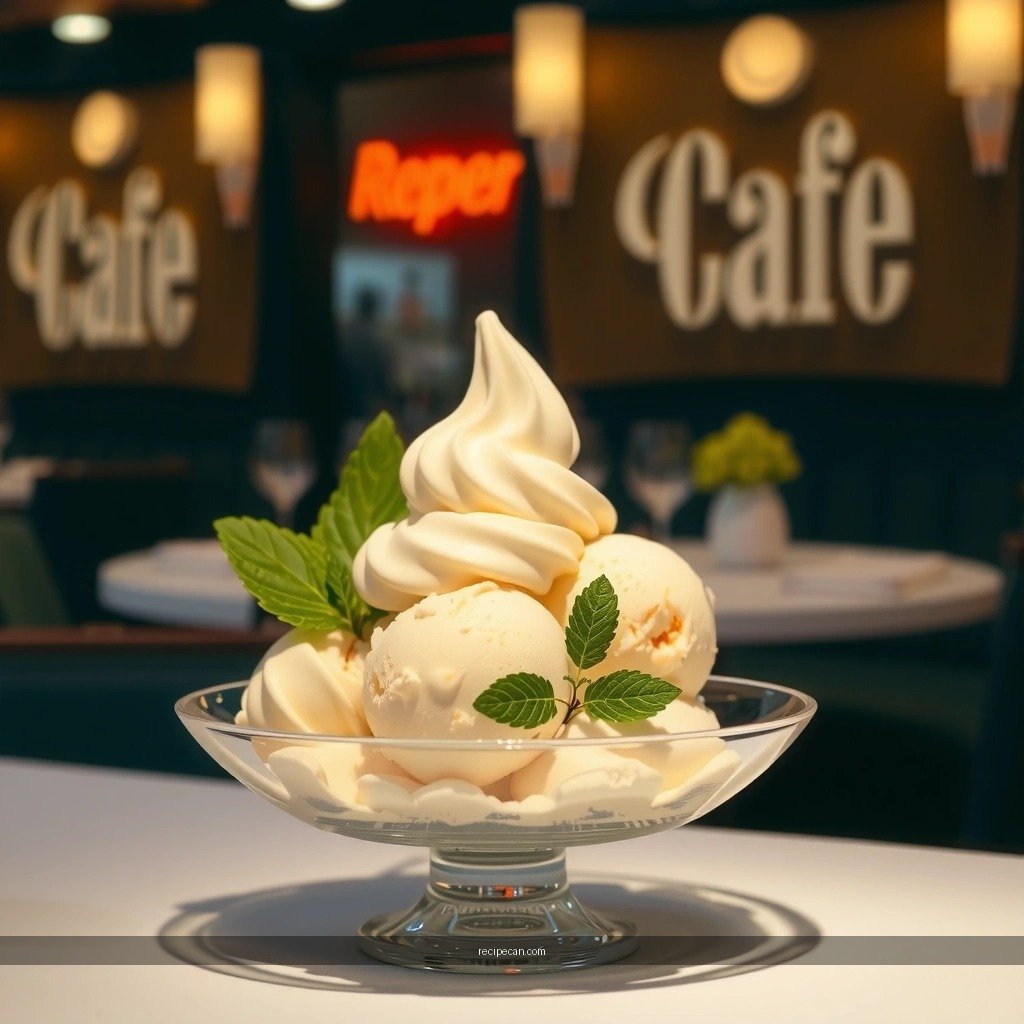
The custard base is the heart of French ice cream. Most texture issues originate here—either the custard didn’t thicken enough (leading to watery churn) or it got too hot (leading to scrambled egg bits and an uneven structure).
Whisk yolks and sugar, then slowly temper with warm dairy
Start by whisking egg yolks with sugar until the mixture looks slightly lighter and smoother. Tempering is what prevents curdling: you’ll pour warm dairy into the yolks gradually while whisking constantly.
Actionable method:
1. Warm milk + cream just until steaming and fragrant (no need to boil).
2. Whisk yolks + sugar in a bowl.
3. Slowly drizzle warm dairy into yolks, whisking continuously.
4. Pour the tempered mixture back into the saucepan.
Cook until thick enough to coat a spoon—avoid boiling to prevent scrambling
Cook on medium-low heat, stirring with a silicone spatula or wooden spoon (scrape the bottom and corners). You’re looking for thickening that indicates emulsification and protein set.
Target texture:
– “Coats a spoon” means if you drag a finger through a thin line on the spatula, the line should stay for a moment.
– If you use a thermometer: aim roughly for 170–175°F (77–80°C) in most home kitchens.
Avoid boiling:
– Boiling introduces too much agitation and can over-coagulate egg proteins unevenly, causing graininess.
Flavor builds during and after cooking
– Vanilla: add at the end for best aroma, or steep vanilla bean in warm dairy before tempering.
– Lemon zest: steep with the warm dairy for 10–20 minutes, then strain before chilling so the zest doesn’t turn bitter.
Custard success metrics (what to look for)
If you want a practical “quality checklist,” use these during cooking:
– Consistency: smooth and glossy, not foamy
– Coating: spoon leaves a film
– Heat: no bubbling; gentle steaming only
– Smell: creamy vanilla/dairy, not “egg-forward”
Data table: What custard outcomes lead to in finished texture
Custard Temperature vs. Texture Risk (Home French Ice Cream)
| # | Custard Heat Range | What Happens | Typical Result | Texture Outcome Rating |
|---|---|---|---|---|
| 1 | 160–165°F (71–74°C) | Under-thickening | Often loose base | ★★☆☆☆ |
| 2 | 165–168°F (74–75.5°C) | Borderline set | May churn slower | ★★★☆☆ |
| 3 | 168–170°F (75.5–77°C) | Adequate thickening | Good spoon coating | ★★★★☆ |
| 4 | 170–175°F (77–80°C) | Ideal custard set | Stable, silky base | ★★★★★ |
| 5 | 175–180°F (80–82°C) | Slight over-set risk | Potential micro-grain | ★★★☆☆ |
| 6 | 180–190°F (82–88°C) | Higher scrambling risk | Visible curds possible | ★☆☆☆☆ |
| 7 | Boiling (≥212°F / 100°C) | Proteins over-coagulate | Grainy custard base | ☆☆☆☆☆ |
Chill Until Fully Cold
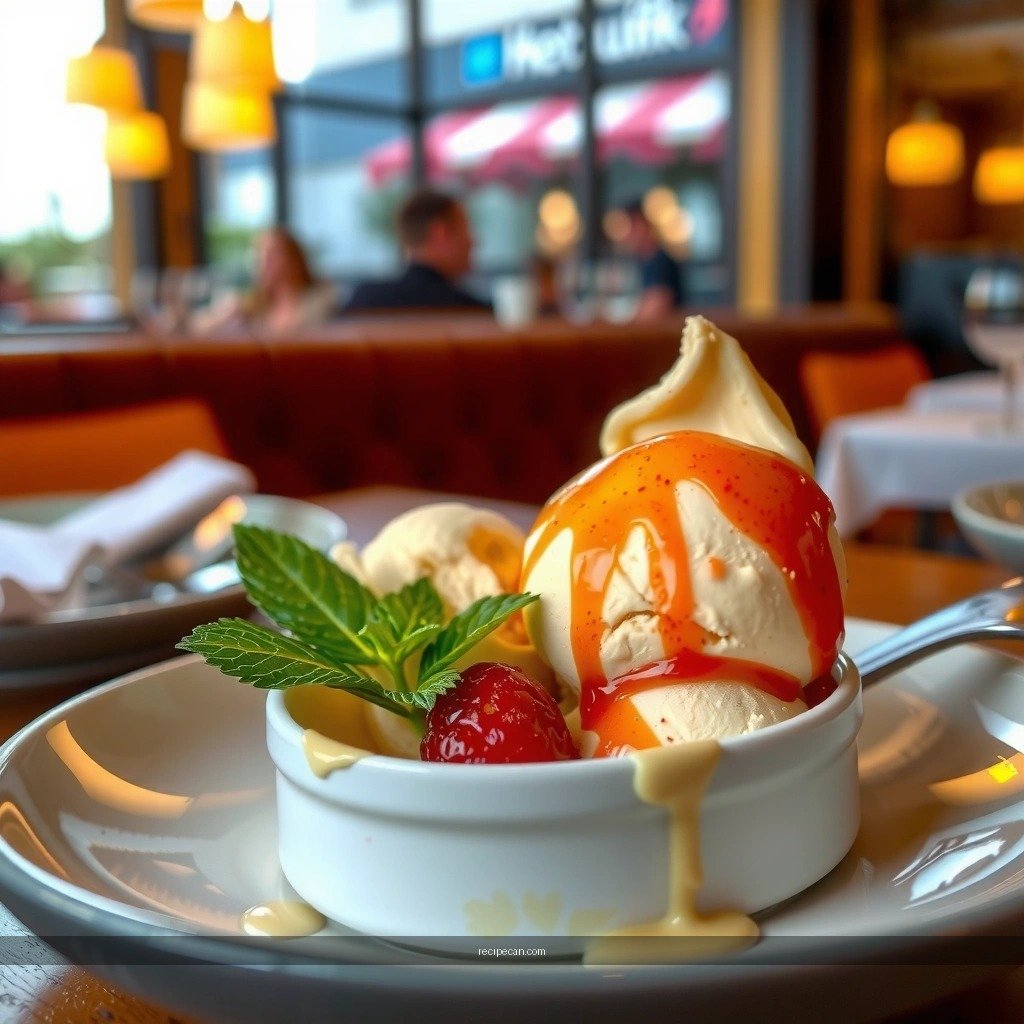
Even a perfect custard base can become icy if it isn’t chilled properly. French ice cream relies on a cold, stable mix so the churn creates fine ice crystals instead of large ones.
Strain the custard for a silkier texture
After cooking, strain the custard through a fine-mesh sieve. This removes any micro-curdling or zest remnants, delivering the smoothness French-style ice cream is known for. Straining is also insurance: if you were slightly too hot, it can still save texture.
Chill thoroughly (several hours or overnight) before churning
Cool the strained custard quickly and then refrigerate until cold throughout. A useful target is at least 4–6 hours, and overnight is ideal.
Practical chilling approaches:
– Ice bath cooling: Set the saucepan/bowl in a larger bowl of ice water, stirring occasionally until cool to the touch.
– Airtight coverage: Place plastic wrap directly on the surface (this reduces a “skin”).
– Temperature check: If you can measure, aim for ≤40°F (4°C) throughout before churning.
Why it matters (the “science, in plain business terms”):
Chilling improves operational consistency. The churner starts working from the correct thermal baseline, producing a smoother, more predictable texture batch to batch.
Churn for Smooth, Scoopable Texture
Churning is where the custard turns into ice cream. The objective isn’t just “freeze it”—it’s to incorporate air and partially freeze the mixture into a state that will finish firming in the freezer.
Churn according to your ice cream maker’s instructions
Different machines vary (compressor vs. freezer bowl, blade speed, and total capacity). Use your manufacturer’s guidance for timing and operation, but keep an eye on the texture.
What to watch for:
– The mixture should thicken noticeably.
– It should look like soft-serve—pale, aerated, and creamy.
– It should hold ridges from the churner paddle for a moment.
Aim for a soft-serve consistency before freezing
As soon as the mixture reaches soft-serve texture, stop the churn. Over-churning can lead to a denser mix that may trap larger ice crystals and reduce the silky finish you’re targeting.
If you want a simple “operator’s rule”:
Churn to “can be scooped like soft serve”, not “fully frozen like gelato out of the container.”
Freeze to Set Properly
This step determines whether your French ice cream stays creamy days later or develops ice crystals.
Transfer to a container and freeze until firm
Use a shallow, airtight container if possible. Even freezing is faster when the thickness is consistent. Freeze until firm, typically 4 hours or overnight depending on your freezer.
Press parchment or wrap directly on the surface to reduce ice crystals
Moisture exchange and air exposure accelerate freezer burn and ice-crystal growth. To reduce that:
– Press parchment paper or plastic wrap directly onto the surface of the ice cream.
– Then seal the container with its lid.
Best practice for service:
– Let the ice cream sit at room temperature for 3–5 minutes before scooping (this aligns texture with what the custard chemistry expects).
Common Mistakes to Avoid
If you’ve ever had “tasty but icy” results, the cause is usually traceable to one of these issues.
Cooking too hot (or not thickening enough) can ruin texture
– Too hot: scrambled custard proteins and graininess that can’t fully be corrected downstream.
– Too cool: a base that never fully emulsifies—leading to a weak structure that freezes into a rougher texture.
Solution: use both visual cues (spoon coating) and, if you can, a thermometer.
Skipping chilling leads to icier ice cream and slower freezing
Warm custard causes:
– Longer churn time
– Larger ice crystals during both churn and freezer setting
– A texture that feels stiffer and less creamy
Solution: chill until cold throughout—preferably overnight.
Extra pitfalls (worth knowing):
– No straining: minor curds can remain and feel gritty.
– Air exposure after churning: creates freezer crystals and dryness.
– Inconsistent sweetness: under-sweetened custard can freeze harder and lose scoopability.
French ice cream is most successful when you treat it like a process with defined checkpoints: custard thickness, full chilling, controlled churning, and sealed freezing. This is why the classic approach—custard base + careful temperatures—consistently delivers a smooth, scoopable result.
If you want a reliable vanilla-first template, make this French ice cream recipe exactly as described, then adjust flavors in the next batch:
– Add lemon zest for a bright French “citrus custard” profile
– Stir in cocoa (or melted dark chocolate) for a deep, mocha-like custard
– Use vanilla bean to elevate aroma and perceived creaminess
French Ice Cream Recipe: Classic, Creamy, and Easy is a straightforward method once you respect the core fundamentals: build a properly thickened custard, strain for smoothness, chill completely, churn to soft-serve, and freeze with surface protection. Get these steps right and you’ll produce consistently creamy, scoopable French-style ice cream at home—without icy surprises or texture compromises.
Frequently Asked Questions
What is the best French ice cream recipe for a creamy, smooth texture?
A classic French-style base uses egg yolks (custard) and dairy like heavy cream and milk, then cooks to thicken before churning. This custard method helps French ice cream stay silky and reduces ice crystals compared with no-cook recipes. For best results, chill the custard thoroughly and churn in a cold ice cream maker until it reaches soft-serve consistency.
How do you make French vanilla ice cream without curdling the custard?
Cook the egg yolk mixture gently over low heat, stirring constantly and stopping when it coats the back of a spoon or reaches about 170–175°F (77–80°C). Avoid boiling, because high heat causes the yolks to curdle. Strain the custard for extra smoothness, then cool quickly (ice bath if needed) before refrigerating and churning.
Why does French ice cream taste richer than many store-bought versions?
Traditional French ice cream relies on custard richness from yolks and a higher ratio of dairy fat, which gives a fuller mouthfeel and more pronounced flavor. It often also uses real vanilla bean or high-quality vanilla extract, letting the ingredient notes come through clearly. Chilling and proper tempering during churning further improves texture and flavor release.
Which mix-ins work best in French ice cream recipes—cookies, fruit, or chocolate?
Chocolate and cookie pieces are popular because they contrast well with the creamy custard base and hold their shape when added at the right time. For fruit, choose ripe, low-water varieties or use a cooked fruit compote to prevent the ice cream from becoming icy. As a rule, add mix-ins during the last few minutes of churning so they distribute evenly without sinking.
How long should you churn and freeze French ice cream for the perfect consistency?
Churn typically takes 20–40 minutes, depending on your ice cream maker and recipe base, and you’re aiming for a soft-serve texture. After churning, transfer to a freezer-safe container and freeze 2–4 hours to firm up while keeping the French ice cream scoopable. For best flavor and texture, let it sit at room temperature for 5–10 minutes before serving.
References
- https://en.wikipedia.org/wiki/Cr%C3%A8me_glac%C3%A9e
https://en.wikipedia.org/wiki/Cr%C3%A8me_glac%C3%A9e - https://en.wikipedia.org/wiki/Ice_cream
https://en.wikipedia.org/wiki/Ice_cream - Sorbet
https://en.wikipedia.org/wiki/Sorbet - Ice cream | Definition, History, & Production | Britannica
https://www.britannica.com/topic/ice-cream - Google Scholar Google Scholar
https://scholar.google.com/scholar?q=French+ice+cream+cr%C3%A8me+glac%C3%A9e+recipe - Google Scholar Google Scholar
https://scholar.google.com/scholar?q=cr%C3%A8me+glac%C3%A9e+custard+ice+cream+mix+emulsion+study - Google Scholar Google Scholar
https://scholar.google.com/scholar?q=ice+cream+stabilizers+fat+overrun+review - https://pubmed.ncbi.nlm.nih.gov/?term=ice+cream+processing+review
https://pubmed.ncbi.nlm.nih.gov/?term=ice+cream+processing+review - ice cream processing | Nature Search Results
https://www.nature.com/search?q=ice%20cream%20processing - https://www.sciencedirect.com/search?qs=french%20ice%20cream%20cr%C3%A8me%20glac%C3%A9e%20recipe
https://www.sciencedirect.com/search?qs=french%20ice%20cream%20cr%C3%A8me%20glac%C3%A9e%20recipe