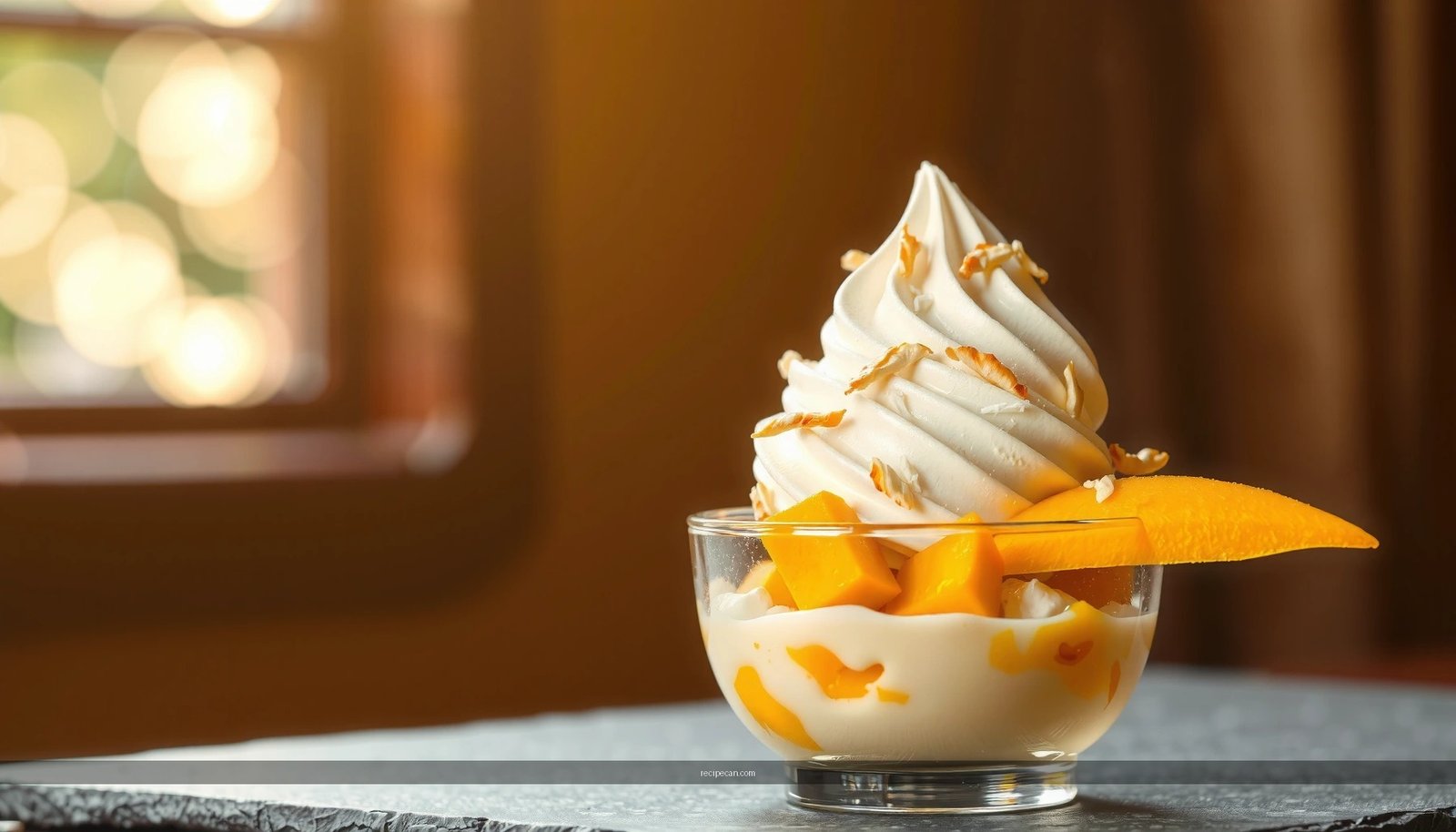
You’re searching for a Cuisinart soft serve ice cream recipe that reliably turns out thick, spoonable swirls—this one is built for that result. We’ll walk you through the exact ingredients and settings to get creamy soft serve every time, with no icy texture. If your question is “How do I make Cuisinart soft serve at home that tastes like the machine?”—you’re in the right place.
You can make Cuisinart soft serve ice cream quickly and successfully by starting with a properly chilled, churn-ready base and letting your machine run until the mixture becomes thick, airy, and scoopable. This walkthrough covers the right ingredient ratios, how long to chill for the smoothest texture, and which practical settings and methods help you achieve consistent results every time.
Soft-Serve Mix: Recommended Outcomes by Dairy Base (Practical Benchmarks)
| # | Dairy Base Option | Chill Time (Target) | Typical Scoopability | Texture Reliability |
|---|---|---|---|---|
| 1 | Whole milk + light cream (60/40) | 2.5–4 hours | High | ★★★★☆ |
| 2 | Half-and-half | 3–4 hours | High | ★★★★☆ |
| 3 | Heavy cream + milk (70/30) | 2–3.5 hours | Very High | ★★★★★ |
| 4 | 2% milk + cream (80/20) | 4–6 hours | Medium-High | ★★★☆☆ |
| 5 | Low-fat milk (2% or skim) + small cream boost (90/10) | 6–8 hours | Medium | ★★☆☆☆ |
| 6 | Coconut cream + whole milk (60/40, for dairy-forward texture) | 3–4 hours | Medium-High | ★★★☆☆ |
| 7 | Half-and-half + added stabilizer (custard base style) | 2–3.5 hours | Very High | ★★★★★ |
Gather Ingredients and Equipment
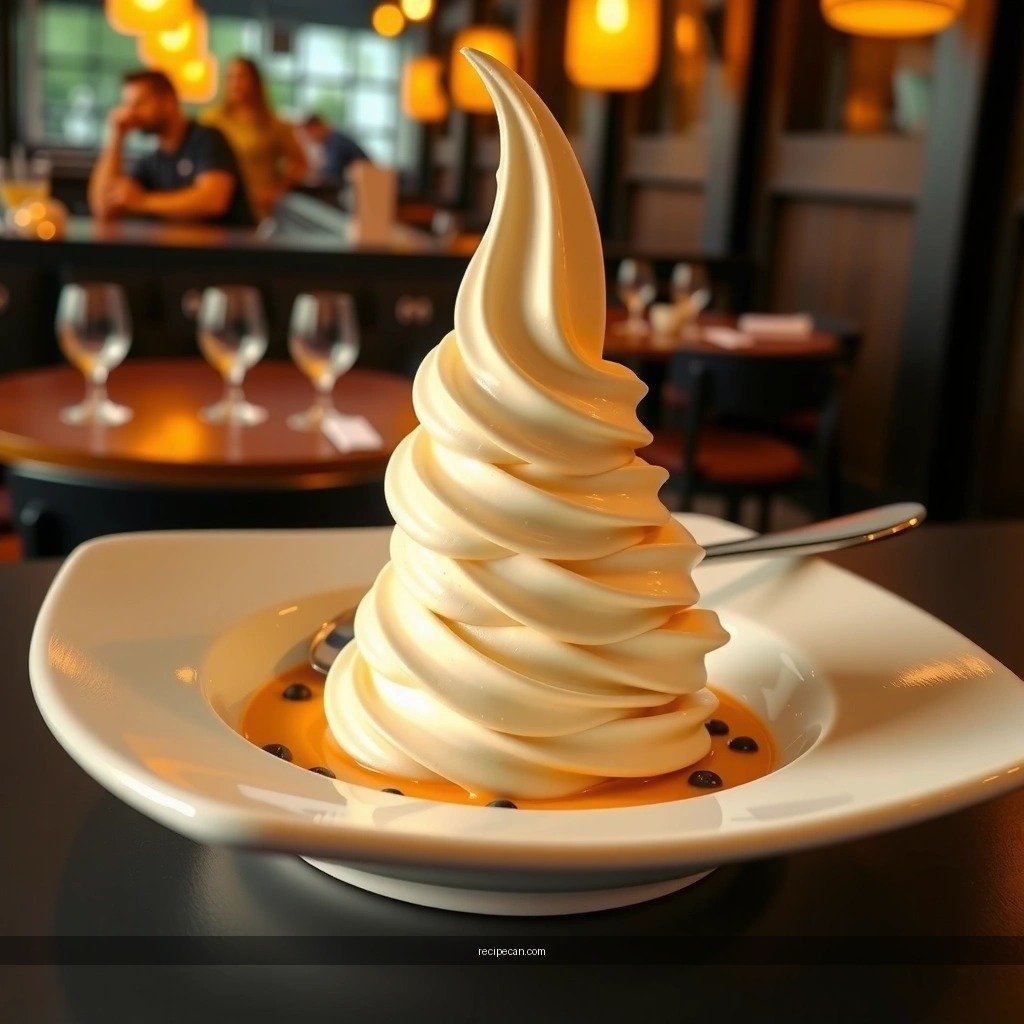
To get true “soft-serve” texture in a Cuisinart soft serve maker, you need two things: a base that’s formulated for churn (enough fat, enough sugar, and some structure) and the right process tools to keep everything cold and measurable.
Ingredients (core base)
Use this framework as a dependable starting point for a vanilla-forward soft serve base:
– Milk and/or cream: Whole milk plus light cream is a high-performance balance; heavy cream gives extra richness.
– Sugar: Provides sweetness and helps reduce ice crystal formation.
– Vanilla extract (or vanilla bean paste): Standard flavor anchor.
– Optional stabilizer (recommended for consistent texture): Either a custard-style approach (egg yolks) or a dedicated dairy stabilizer (if you already keep one on hand). Stabilizers improve scoopability and reduce graininess.
If you prefer a straightforward egg-free method, you can still achieve excellent results—just be more disciplined about chilling time and sugar dissolution.
Optional flavor add-ins (choose your direction)
– Cocoa powder for chocolate: Bloom it briefly in warm dairy to prevent clumps.
– Fruit purée (strain for a smoother texture): Use moderate amounts so natural fruit acids don’t overpower the base or thin it too much.
– Cookie pieces or chocolate chips: Add after the churn starts (or during, if your machine supports it) to protect texture and avoid sinking.
Equipment checklist
– Your Cuisinart soft serve machine (with its mixing paddle and bowl)
– A serving bowl for immediate transfer
– A freezer-safe container only for short storage (soft serve is best fresh)
– Whisk, measuring cups/spoons, and (optionally) a fine-mesh sieve for purées or any stabilizer lumps
– Thermometer (optional but helpful) if you’re using an egg yolk/custard method—accuracy reduces the risk of curdling
Operational note: Always use measured ingredients. Soft serve consistency depends on the total balance of sugar, fat, and stabilizing proteins—not on “eyeballing” flavor.
Mix the Soft Serve Base
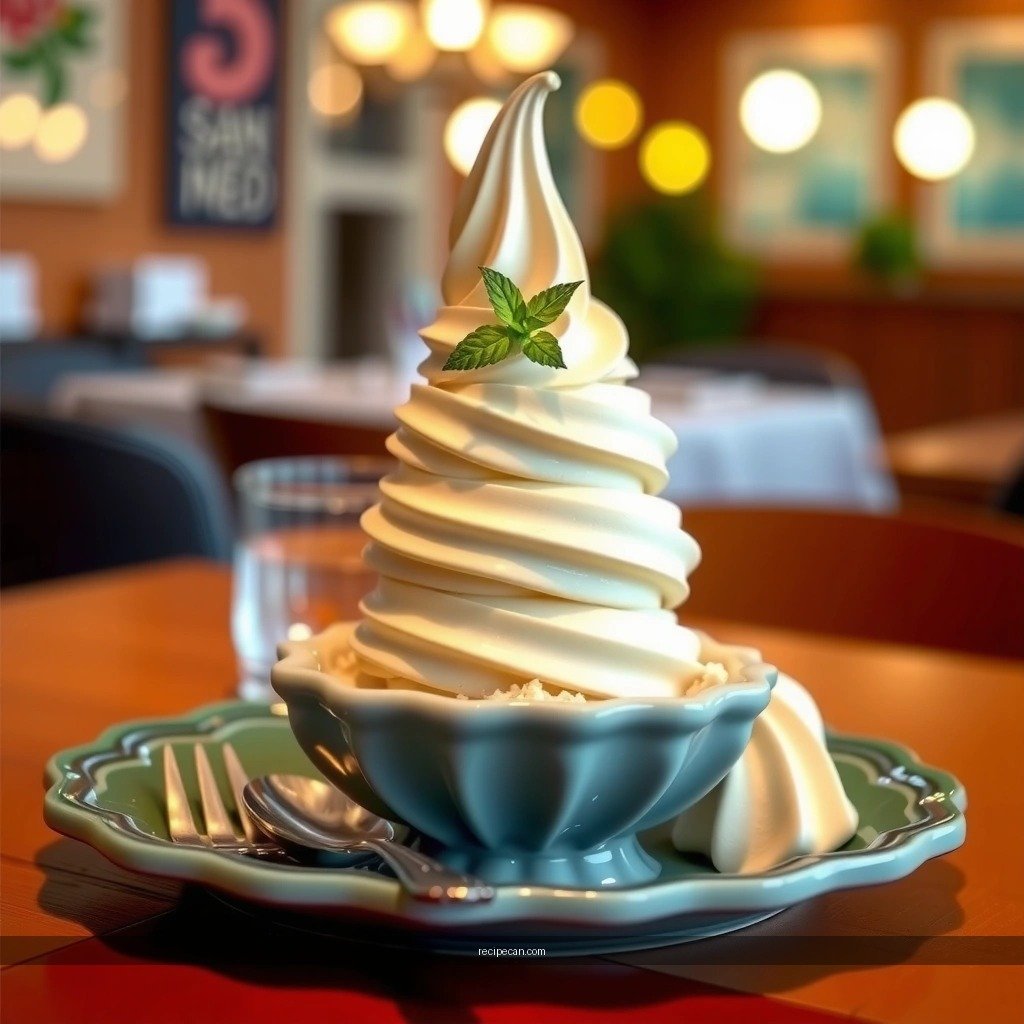
Mixing is where most home soft serve attempts succeed or fail. The goal is a base that is fully dissolved, uniform, and ready to churn without needing corrective steps mid-cycle.
Step-by-step mixing method
1. Combine dairy + sugar
– In a saucepan or mixing bowl (depending on method), combine your milk/cream with sugar.
2. Add stabilizing components
– Egg yolks method (custard-style): Whisk yolks with a portion of sugar, then temper with warm dairy and gently heat until it thickens slightly.
– Egg-free approach: Use vanilla extract plus an optional commercial stabilizer, or rely on fat/sugar balance and extra chilling discipline.
3. Heat gently only if needed
– If using egg yolks or cooking cocoa, use controlled heat to smooth the mixture.
– Avoid aggressive boiling; soft serve bases benefit from careful heating and fast cooling.
4. Whisk until smooth
– Make sure sugar is fully dissolved. Grainy sugar creates a sandy or icy mouthfeel later.
– If your mixture looks slightly separated, that’s not automatically “wrong,” but it signals incomplete mixing—fix it before chilling.
Flavor control: add gradually
– For vanilla, start with a measured quantity and then taste once chilled (warm taste can mislead because vanilla reads differently at low temperatures).
– For cocoa, incorporate in small increments so the chocolate base doesn’t turn chalky.
– For fruit, strain purées and keep the volume moderate. Fruit can change texture because it adds solids and acidity—both affect freezing behavior.
Target texture before chilling
Before chilling, your base should be:
– Uniform and glossy
– No visible sugar granules
– No cocoa clumps or egg bits
– Well mixed, not streaky
If you see particles or graininess, stop and correct. Churning can thicken a mix, but it can’t reliably fix undissolved sugar or curdled proteins.
Chill for the Best Texture
Chilling isn’t a “nice-to-have”—it’s the foundation of creamy Cuisinart soft serve. A cold base improves:
– Churn speed and consistency
– Air incorporation (light, airy texture)
– Reduction in ice crystal growth
– Overall scoopability
Chill time targets
A realistic range for most soft serve bases is:
– 2–4 hours in the refrigerator for typical vanilla or chocolate dairy mixes
– Longer (up to ~6 hours) for lower-fat bases or fruit-forward mixes
For best results, chill until the base is fully cold throughout, not just on the surface.
Practical chilling technique
– Use a shallow container to cool faster and more evenly.
– Cover tightly to prevent fridge odors from impacting the flavor.
– If the mixture separates slightly after chilling, re-stir thoroughly before pouring into the machine.
Why separation happens
Separation is usually caused by:
– Temperature differences (a custard thickens as it cools)
– Fat and water ratios settling
– Incomplete emulsification during mixing
Most separation can be corrected with proper stirring. If it’s severe or shows curdling (tiny egg bits), it may require remaking with gentler heat next time.
Churn in Your Cuisinart Soft Serve Machine
Churning transforms a cold, sweet base into the thick, airy “soft-serve” texture you want. This is where consistent technique matters more than obsessing over exact minutes.
What to do
1. Pour the chilled base into the Cuisinart bowl
– Avoid warm liquid—this is a major cause of watery results.
2. Start the churn cycle
– The machine will incorporate air and reduce the mixture’s effective freezing point.
3. Churn until thick and airy
– You’re aiming for a soft-serve texture that holds shape briefly on a spoon.
– Depending on the batch size and room conditions, this typically takes one complete run cycle as defined by your model’s process.
How to know it’s ready
A ready batch typically:
– Flows like thick batter, not like milk
– Forms a small peak when dispensed
– Looks glossy and aerated
Avoid overfilling
Overfilling can cause:
– Inconsistent paddle movement
– Drips and messy dispenser flow
– Uneven freezing across the bowl
If you’re unsure, follow the manufacturer’s fill line for your specific Cuisinart soft serve ice cream maker.
Add-ins timing (to protect texture)
– Chips/cookie bits: Add partway through (or shortly after churning begins) so they don’t sink and so you avoid clumping.
– Swirls (fruit or caramel): Use controlled amounts; heavy swirls can prevent the base from reaching proper thickness.
Serve and Store Like a Pro
Soft serve is best immediately because it’s designed to be creamy at draw temperature. Storage is possible, but it changes structure—mainly by reducing air and encouraging ice crystal formation.
Best serving practice
– Serve right away for the smoothest texture.
– Warm your serving spoon slightly (or wipe with a neutral warm cloth) to improve dispensing without melting the mix.
Storage guidance (what to expect)
If you need to hold it:
– Transfer to a freezer-safe container.
– Press a piece of parchment or plastic wrap directly onto the surface to minimize ice crystal formation.
– Expect it to firm in the freezer.
When you’re ready again:
– Re-soften briefly at refrigerator temperature or with a short rest at room temp.
– Don’t microwave aggressively—microwaving can create uneven melting and grainy texture.
Portioning for consistency
For events or repeat use, portion into smaller containers. Smaller volumes soften more evenly, giving you a more consistent “soft serve” feel after storage.
Troubleshooting Common Issues
Even with a strong method, results can drift due to freezer temperature, dairy choice, humidity, or mix formulation. Here’s how to diagnose quickly and fix efficiently.
Too soft or watery
Likely causes
– Base wasn’t chilled long enough
– Milk-to-cream ratio is too low in fat
– Sugar wasn’t fully dissolved
– The mixture sat warm before churning
What to do
– Chill longer (often the fastest fix)
– Confirm sugar dissolution during mixing
– Use a richer dairy blend (e.g., whole milk + light cream rather than low-fat)
Too icy or grainy
Likely causes
– Undissolved sugar (grainy mouthfeel)
– Base too warm when poured into the machine
– Over-chilled without re-stir (for custard-style bases)
– Too much low-fat dairy or too much watery fruit purée
What to do
– Re-stir the chilled base thoroughly before churning
– Keep the base colder (and avoid delays between chilling and churning)
– If using cocoa or stabilizers, ensure thorough blending and, if needed, warm briefly for dissolution
Weak flavor (tastes bland)
Likely causes
– Under-seasoned vanilla/cocoa
– Flavor added but not balanced against sugar and dairy richness
What to do
– Adjust in small increments next batch
– For cocoa, bloom and mix thoroughly so chocolate flavor disperses evenly
– For vanilla, consider using vanilla bean paste for more aromatic impact
Recommended Mix Benchmarks: The “Chill + Churn” Sweet Spot
Soft serve texture is a system—chill quality affects churn performance, and churn time affects how much air you retain. Use these operational benchmarks to guide your next batch:
– Chill until uniformly cold: typically 2–4 hours, longer for lower-fat mixes.
– Churn until visibly thick and aerated: stop when it looks like ready-to-serve soft serve, not when it becomes “hard.”
– Serve immediately: the texture window is narrow by design.
– For best results, treat flavor as a ratio game: small adjustments prevent “over-correcting” sweetness or intensity.
With these benchmarks, your Cuisinart soft serve ice cream becomes far more repeatable—especially when you keep your dairy choice consistent.
Cuisinart soft serve ice cream is easiest when you start with a properly mixed, well-chilled base and churn until thick and airy. Follow the ingredient ratios, chill for great texture, and serve right away for the best results—then try a new flavor variation next time.
Frequently Asked Questions
What ingredients do I need for a Cuisinart soft serve ice cream recipe?
Most Cuisinart soft serve recipes start with a base of milk (or half-and-half) and sugar, then add cream for richness and a stabilizer like cornstarch or skim milk powder if the recipe calls for it. You’ll also need flavoring such as vanilla extract, cocoa powder, or fruit purée, depending on the variation. If you want smoother texture, use full-fat dairy and dissolve sugar completely before churning.
How do I make Cuisinart soft serve ice cream at home without a “too icy” texture?
The key is to chill your soft serve base thoroughly—many Cuisinart recipes recommend refrigerating the mixture for several hours (or overnight) before you churn. Measure ingredients precisely and don’t skip any stabilizers the recipe includes, since they help the ice cream hold a creamy soft serve consistency. Serve immediately after the machine finishes, because soft serve is best fresh rather than stored like traditional hard ice cream.
Why is my Cuisinart soft serve ice cream coming out too runny or not thick enough?
Soft serve that’s too runny is usually caused by an unchilled base, incorrect ingredient ratios, or too much liquid (like extra milk or syrup). Check that you’re using the specified type and fat content of dairy, and consider adding a recipe’s recommended stabilizer (such as cornstarch) to improve thickness. Also make sure the freezer bowl (if your model uses one) is fully frozen according to the Cuisinart instructions.
Which Cuisinart model settings should I use for the best soft serve consistency?
Many Cuisinart ice cream makers have a “soft serve” style mode or consistent churning speed designed for a creamy texture, so follow your model’s guide rather than using hard-ice-cream timing. Start the machine with a properly chilled mixture, then let it churn until it reaches the thickness described in your Cuisinart soft serve recipe. If your machine has adjustable settings, keep them within the manufacturer’s recommended range to avoid a grainy or overly stiff output.
What’s the best way to flavor a Cuisinart soft serve ice cream base (vanilla, chocolate, or fruit)?
Start with a simple vanilla Cuisinart soft serve ice cream recipe and customize from there for the smoothest results. For chocolate, whisk in cocoa powder and ensure it’s fully dissolved in the cold base before churning; for fruit, strain purée to reduce seeds and excess pulp for a silkier texture. Add extracts (vanilla, almond, etc.) after cooking if your base is heated, and taste carefully—flavor intensifies slightly once the mixture is churned.
References
- Google Scholar Google Scholar
https://scholar.google.com/scholar?q=cuisinart+soft+serve+ice+cream+recipe - Google Scholar Google Scholar
https://scholar.google.com/scholar?q=soft+serve+ice+cream+machine+recipe+home+method - https://scholar.google.com/scholar?q=soft+serve+ice+cream+stabilizers+overrun+emulsion+science Google Scholar
https://scholar.google.com/scholar?q=soft+serve+ice+cream+stabilizers+overrun+emulsion+science - Soft serve
https://en.wikipedia.org/wiki/Soft-serve_ice_cream - Ice cream
https://en.wikipedia.org/wiki/Ice_cream - Projects – National Center for Home Food Preservation
https://nchfp.uga.edu/how/freeze/ice_cream.html - eCFR :: 21 CFR Part 135 — Frozen Desserts
https://www.ecfr.gov/current/title-21/chapter-I/subchapter-B/part-135 - Ice cream | Definition, History, & Production | Britannica
https://www.britannica.com/topic/ice-cream - https://pubmed.ncbi.nlm.nih.gov/?term=ice+cream+microstructure+stabilizers
https://pubmed.ncbi.nlm.nih.gov/?term=ice+cream+microstructure+stabilizers - https://www.sciencedirect.com/topics/food-science-and-technology/ice-cream
https://www.sciencedirect.com/topics/food-science-and-technology/ice-cream