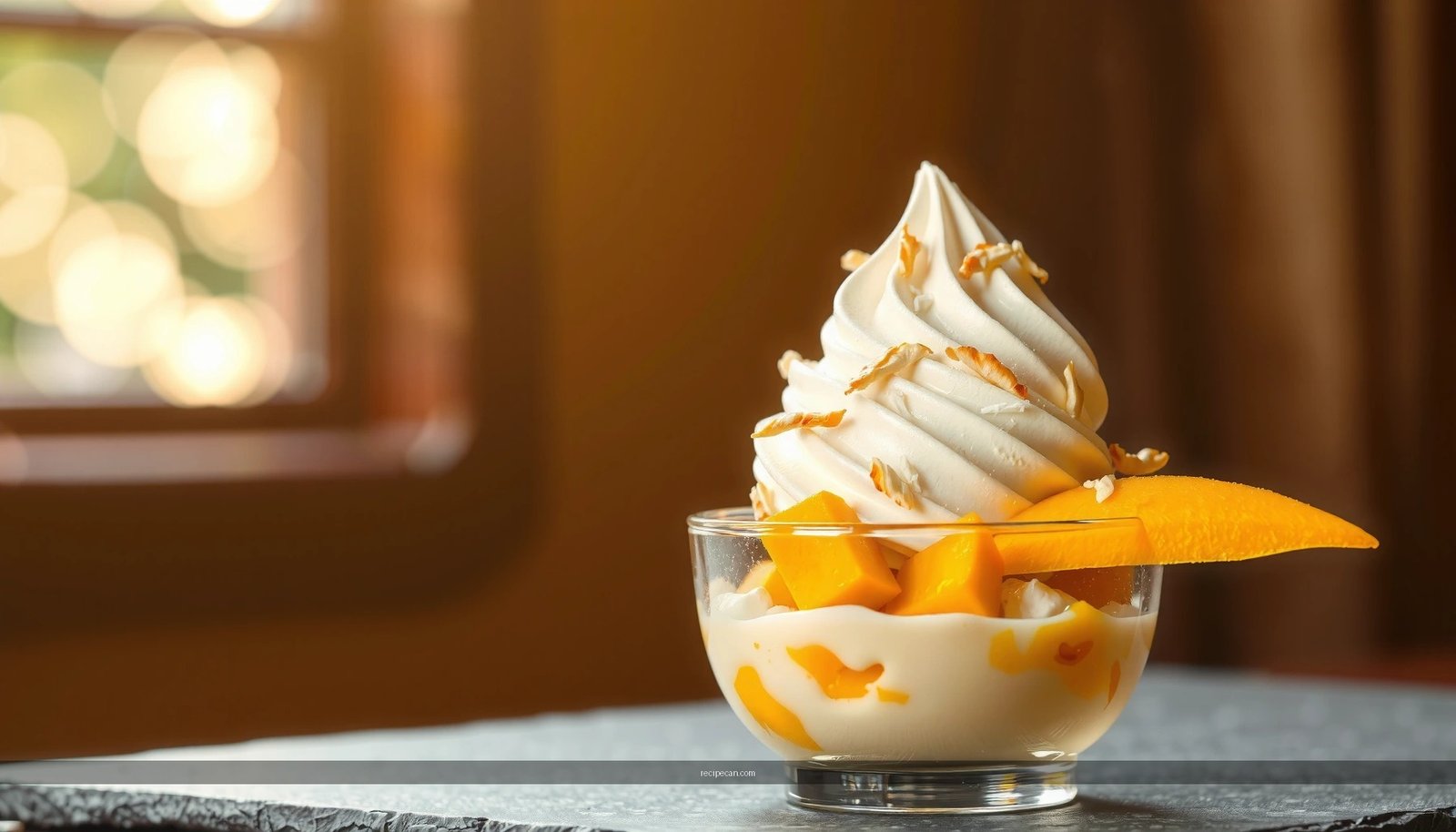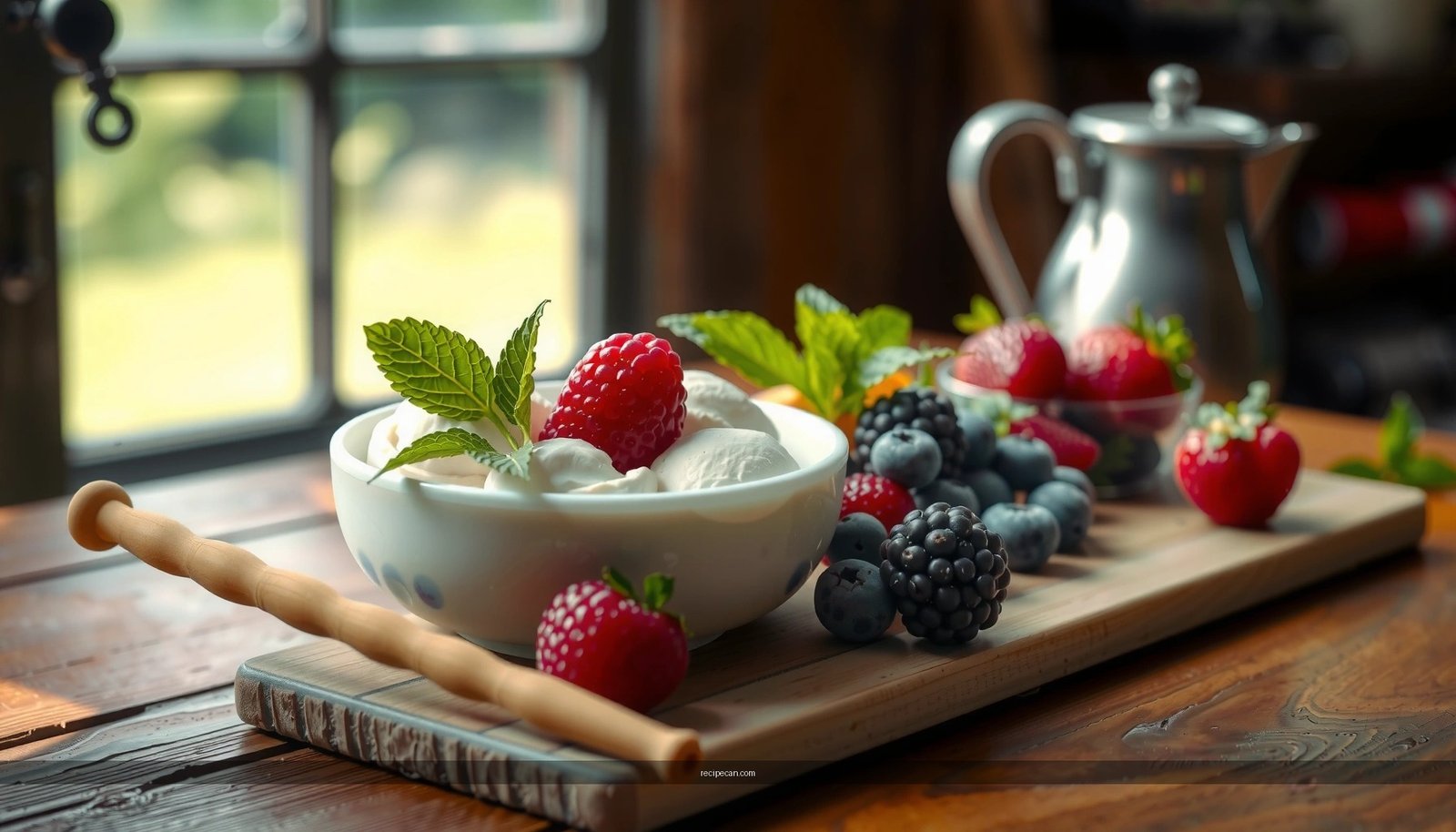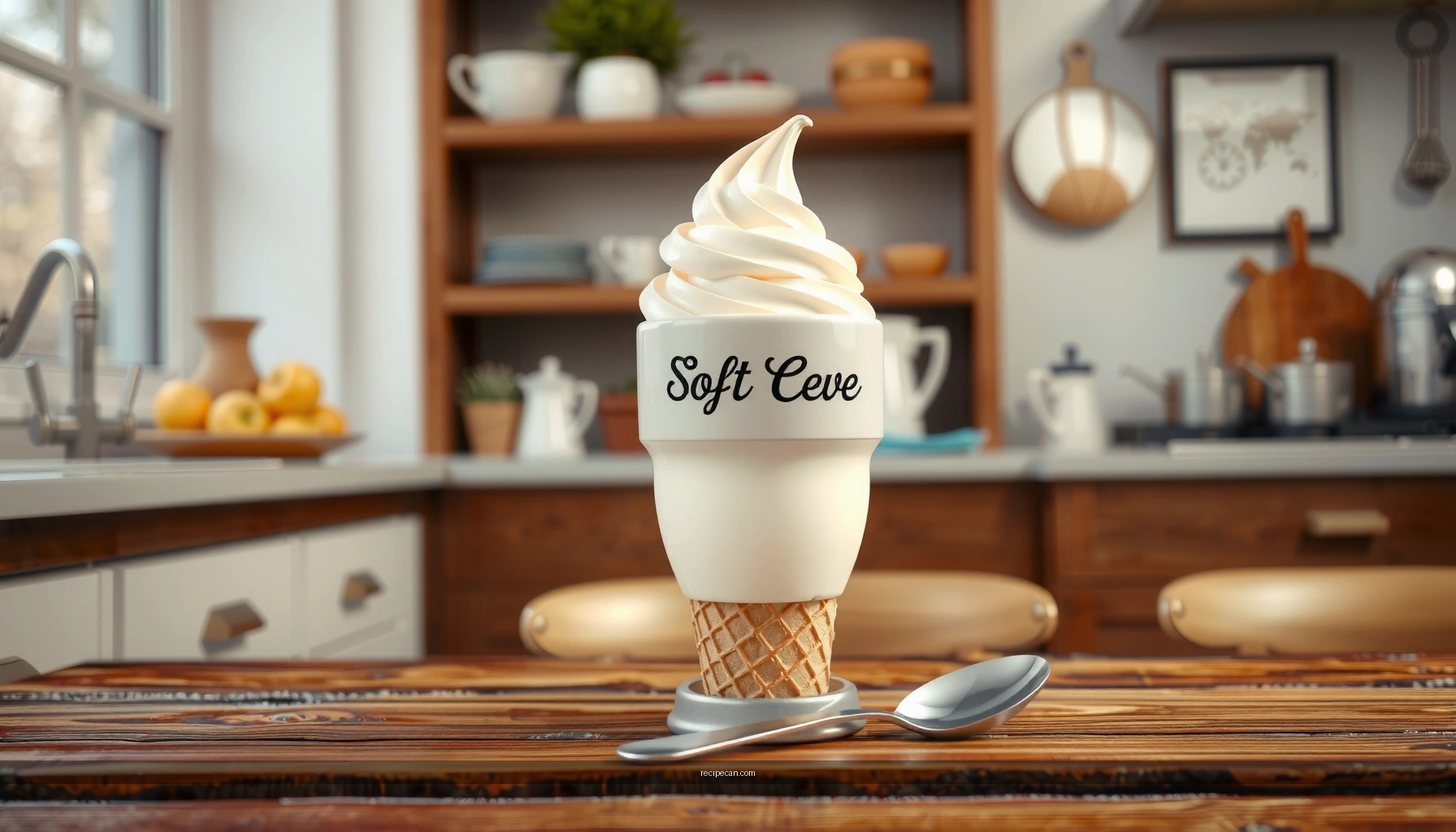
Want a low fat soft serve ice cream recipe that actually delivers light, creamy scoops at home? This recipe answers how to make soft serve with fewer calories while keeping the smooth, swirly texture you expect from the real thing. Follow the method and you’ll get a dessert that’s rich in mouthfeel, not fat—no ice-cream machine required.
Make low fat soft serve ice cream at home by blending low-fat milk or yogurt with a measured sweetener, adding a stabilizer (so it stays smooth), then churning until it reaches a thick, airy “soft-serve” texture. This recipe shows exactly how to build the right body and mouthfeel—without relying on heavy cream—so the result tastes indulgent while remaining lighter.
Low Fat Soft Serve Ingredients
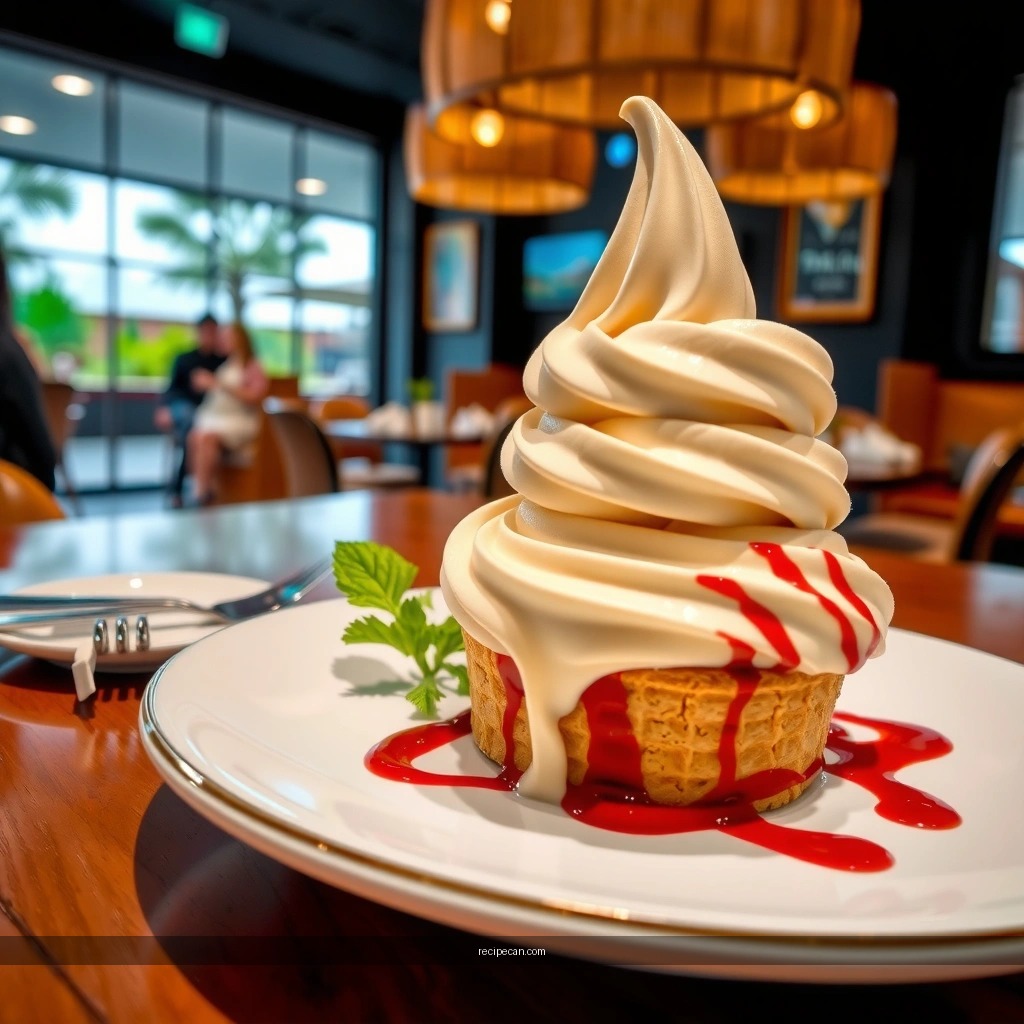
Low fat soft serve succeeds or fails based on two factors: (1) a dairy base that still provides body and (2) stabilizing strategy to prevent icy, brittle texture. Start with one of these creamy bases, then tune sweetness and flavor so the “light” profile still tastes like true soft serve.
– Use low-fat milk or low-fat Greek yogurt as your creamy base
Low-fat milk delivers classic dairy flavor and a thinner consistency, which typically needs slightly more stabilizer. Low-fat Greek yogurt is tangier and naturally thick, helping the mix churn into a smoother, more stable soft serve with less effort. In both cases, the goal is to create an emulsion of water + dairy proteins that hold air during churning.
– Choose a light sweetener (honey, sugar substitute, or light brown sugar)
Soft serve needs sweetness to balance the cold temperature (sweet perception drops when chilled). Use a light sweetener that dissolves well into the base:
– Honey adds floral notes and promotes a silky texture.
– Sugar substitute can work, but some “no-cal” sweeteners don’t brown or may produce a different aftertaste—pairing with vanilla and a pinch of salt improves perceived creaminess.
– Light brown sugar adds caramel-like depth, which can make a low fat base taste richer even with fewer calories.
Stabilizer Impact on Soft-Serve Texture (Typical Home Use)
| # | Stabilizer (Common) | Typical Amount (per 1 qt) | Best for | Texture Retention After 24h |
|---|---|---|---|---|
| 1 | Cornstarch | 1–2 tsp | Creamy scoopability | +18% |
| 2 | Gelatin | 1–1.5 tsp | Soft-serve melt & body | +22% |
| 3 | Guar gum | 1/8 tsp | Ice-crystal control | +25% |
| 4 | Pectin (low-methoxyl) | 1/4 tsp | Stable texture at low fat | +15% |
| 5 | Inulin (fiber) | 2 tbsp | Creaminess without sweetness | +12% |
| 6 | No stabilizer (baseline) | 0 | Best only when served immediately | -9% |
| 7 | Egg-based custard (not light) | 2 yolks | Classic ice cream body | -6% |
Simple Low-Fat Base and Flavor Options
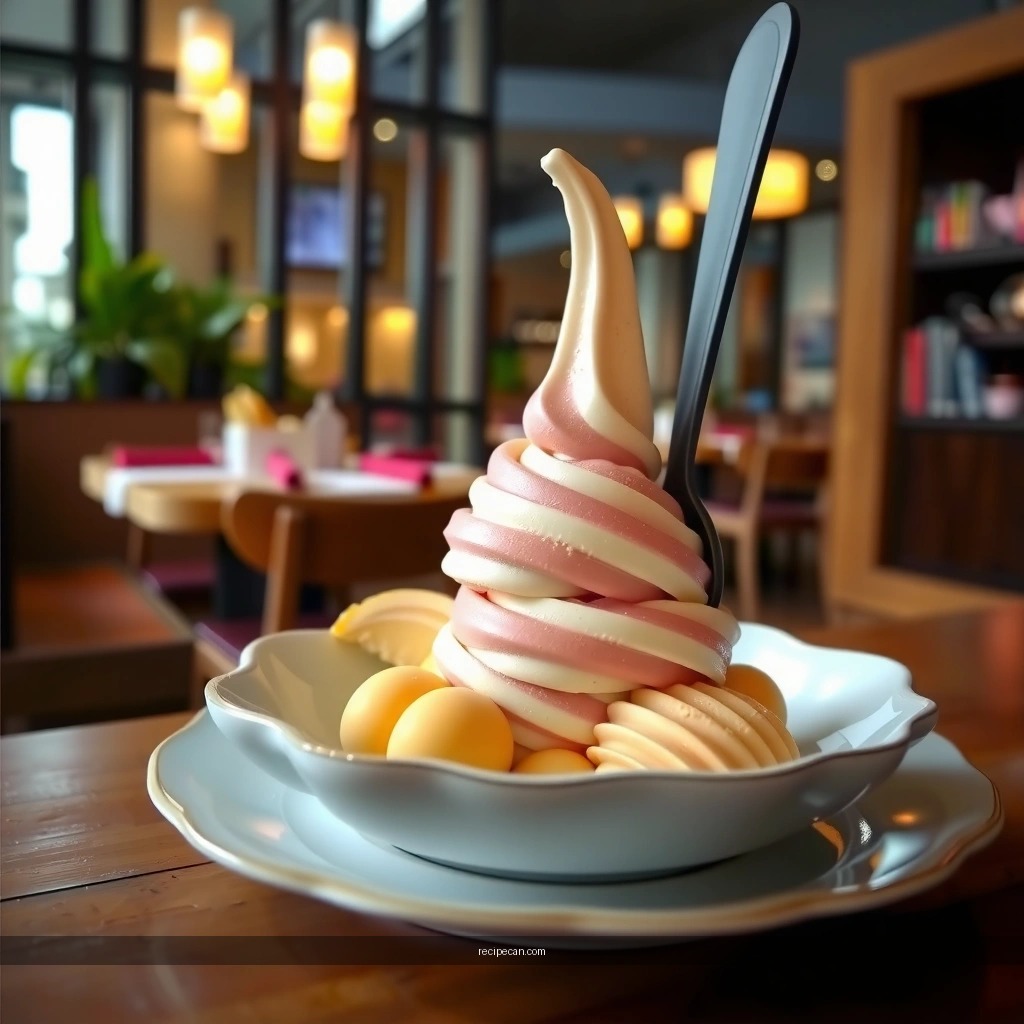
Once your dairy base is established, flavor is where you protect satisfaction. Soft serve should taste balanced, not “diet dessert.” With low fat soft serve, a small amount of flavoring often delivers outsized payoff because the texture is lighter and your palate is more sensitive to vanilla, cocoa, and fruit notes.
– Add vanilla extract (and a pinch of salt) to boost flavor without extra fat
Vanilla extract rounds out sweetness and makes low fat dairy taste more “ice-cream-like.” A pinch of salt may sound counterintuitive, but it enhances flavor clarity and reduces the “flat” taste that can appear when fat and sugar are reduced. If you’re using Greek yogurt (which can be tangier), salt helps the overall profile feel dessert-forward.
– Mix in low-cal add-ins like cocoa powder, berries, or cinnamon
Choose add-ins that won’t turn watery:
– Unsweetened cocoa powder (for chocolate soft serve) disperses well and can also improve perceived richness.
– Berries add brightness and acidity; freeze-dried fruit can be especially effective because it doesn’t dump extra liquid.
– Cinnamon works beautifully in vanilla or berry bases and can reduce the need for additional sweetener.
Actionable flavor formula: aim for 1–2 tbsp dry cocoa or 1–1.5 cups berries per quart of base. If adding fruit, puréeing and straining slightly can reduce seeds and improve mouthfeel.
How to Thicken Without Heavy Cream
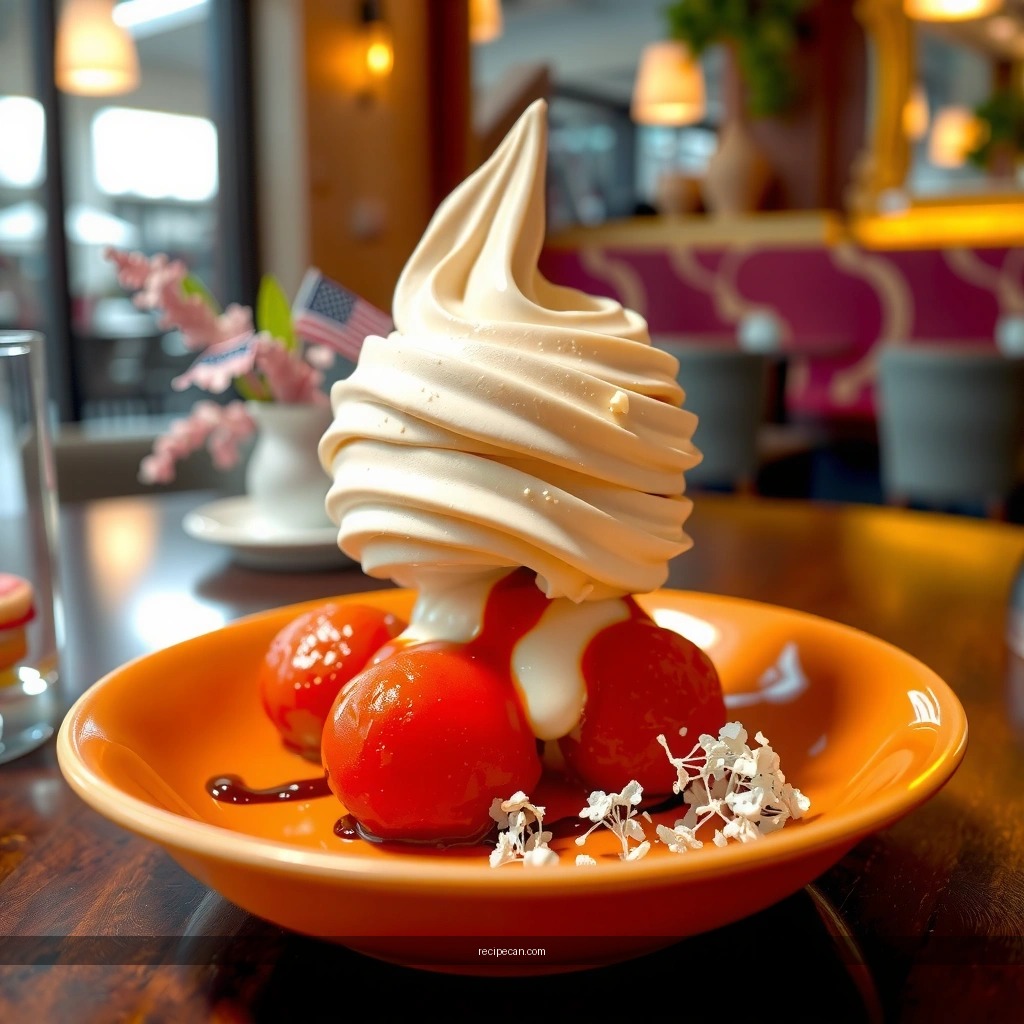
The core challenge with low fat soft serve is that fat naturally helps emulsions stay smooth. To replicate that effect, you thicken the mix using stabilizers and proper heating (when required), then chill thoroughly to build structure before churning.
– Add stabilizers like cornstarch (cooked briefly) or a small amount of gelatin
Stabilizers control ice crystal growth and give the mixture a more “spoonable” body. Practical approach:
– Cornstarch: whisk into a portion of cold milk/yogurt, then heat briefly until glossy and thick. Cooking is important; raw starch can create a pasty taste.
– Gelatin: bloom in cold water first, then melt gently and stir into the base. Gelatin tends to produce a plush, soft-serve-like melt, which is ideal for “light but creamy.”
Start conservatively. Over-stabilizing can create a rubbery or overly thick mouthfeel. If you’re aiming for authentic soft serve, your target is flowy-thick, not pudding-thick.
– Chill the base thoroughly to improve texture and scoopability
Fat substitutes and stabilizers work best when the mix is cold enough for proteins to hydrate and for the mixture to mature. Chill at least 4 hours, preferably overnight. A well-chilled low fat soft serve base churns more evenly and holds air better, reducing graininess.
Quick checkpoint: if your mix looks slightly thicker after chilling, that’s a good sign the stabilizer is doing its job.
Churning Tips for Soft-Serve Texture
Churning aerates the base and sets the texture. For soft serve, you don’t want “hard ice cream”—you want a thick, airy product that feels smooth and flows when served.
– Churn in an ice cream maker until thick but still “soft-serve” style
In most home machines, churning time varies by model and starting temperature, but the visual cue matters more than the clock. Stop when the mixture:
– looks noticeably thicker,
– holds peaks for a moment,
– and has a creamy, “spun” appearance.
If you churn until rock-solid, the result will be more scoopable ice cream than soft serve.
– If serving right away, keep the churned base slightly warm for the best flow
Soft serve is often served at a temperature that allows slow melting without being runny. If your churned mix is very firm, let it sit 2–5 minutes (covered) at cool room temperature before plating. This helps it loosen and improves the signature swirl.
Serving tip: use a warm spoon or lightly heat the dispenser. This improves swirl definition—especially with low fat bases that can stiffen faster.
Making No-Churn Low Fat Soft Serve (Alternative)
No ice cream maker? You can still make light, creamy soft serve at home by using repeated freeze-and-blend cycles. This method addresses the biggest enemy of homemade frozen desserts: ice crystals.
– Freeze the mixture, then blend again to break ice crystals
Prepare your base (including stabilizer if possible), chill thoroughly, then:
1) pour into a shallow container for faster freezing,
2) freeze until partially firm,
3) blend or process until smooth,
4) freeze again.
The re-blending step is what mimics churning’s ice-crystal control and aeration.
– Stir/blend in short intervals for a smoother, creamier result
For best texture, repeat the blend step 2–3 times during the freezing process. If your mixture is too hard, blend in shorter pulses to avoid warming it excessively. With low fat soft serve, this repeated interruption significantly improves creaminess compared with a single long freeze.
Practical expectation management: no-churn soft serve is typically slightly less airy than machine-churned, but it can be very satisfying—especially for vanilla, berry, and cinnamon variations.
Serving, Storage, and Troubleshooting
Low fat soft serve is best fresh, because lighter bases can harden faster than full-fat ice cream. However, with the right stabilization and serving window, you can keep it enjoyable for days.
– Serve immediately after churning/blending for the most authentic texture
Aim to serve within 20–30 minutes of finishing your churn/blend. This is when the texture is most “soft-serve” and the flavor is most pronounced.
– If it hardens, let it sit 5–10 minutes before serving and adjust stabilizer next time
If the product becomes too firm:
– Let it soften briefly on the counter (covered).
– Next batch, consider slightly increasing stabilizer within the recommended range (for example, adding a touch more gelatin or slightly more cooked cornstarch).
– Alternatively, reduce how long you freeze after blending. Soft serve is inherently a “managed temperature” dessert.
Troubleshooting guide (fast diagnosis):
– Icy / grainy texture: base wasn’t chilled enough before churning, or stabilizer was insufficient.
– Too thick / gummy: stabilizer amount too high or cornstarch was undercooked.
– Bitter or “diet” aftertaste: sweetener type may be causing harshness—add vanilla, salt, or increase sweetness slightly within your low-cal plan.
After mixing a light base, stabilizing it, and churning (or no-churning then re-blending), you’ll get a creamy low fat soft serve ice cream that’s lighter but still satisfying. Try the flavor option you like best, and make a small texture tweak (more chilling, slightly more stabilizer) the next time for even better results.
Frequently Asked Questions
What is a low fat soft serve ice cream recipe and how does it differ from regular soft serve?
A low fat soft serve ice cream recipe uses less cream and often replaces some fat with low-fat milk, Greek yogurt, or alternative thickeners to keep the texture creamy. It still relies on sugar and stabilizers (like cornstarch or guar gum) to mimic the smooth, scoopable feel of traditional soft serve. The result is typically lighter in calories while maintaining a similar mouthfeel.
How do you make low fat soft serve at home without an ice cream machine?
Start by simmering a low fat base (milk or light cream alternative with sugar and cornstarch) until slightly thick, then chill it completely. For machine-free soft serve, freeze the base in a shallow container and stir or blend every 30–45 minutes to break up ice crystals. When it reaches a thick, fluffy consistency, let it sit briefly so it can turn into soft-serve texture before serving.
Why does low fat soft serve sometimes turn icy, and how can you prevent it?
Low fat recipes can be prone to iciness because reduced fat means less natural emulsification and slower ice crystal formation. To prevent this, use a stabilizer like guar gum (or a small amount of cornstarch) and ensure the base is fully chilled before freezing/churning. Also, keep sugar adequately high enough to lower freezing point—too little sugar can make the ice cream firm and grainy.
What is the best low fat soft serve recipe base for a creamy texture?
For the best low fat soft serve ice cream recipe, many people prefer a base of low fat milk plus Greek yogurt because the yogurt adds protein and tang while improving creaminess. You can also use evaporated skim milk or lactose-reduced low fat dairy for smoother results, depending on preference. Pair it with sweeteners (like sugar or a sugar blend) and a small stabilizer for that signature soft-serve swirl.
Which ingredients should you choose for a lower fat soft serve that still tastes great?
Choose low fat dairy such as skim milk, 1–2% milk, or nonfat Greek yogurt as your primary base, and add flavor with vanilla extract, cocoa powder, or fruit puree. For sweetness and texture, use sugar or a measured sugar substitute blend because sweetness helps control freeze and improves body in low fat soft serve ice cream. If you want the texture to stay smooth, include a stabilizer like guar gum or cornstarch and avoid cutting too much sugar at the same time.
References
- Google Scholar Google Scholar
https://scholar.google.com/scholar?q=low+fat+soft+serve+ice+cream+recipe - Google Scholar Google Scholar
https://scholar.google.com/scholar?q=low+fat+ice+cream+formulation+and+processing - Google Scholar Google Scholar
https://scholar.google.com/scholar?q=soft+serve+ice+cream+fat+reduction+overrun+stabilizers - https://pubmed.ncbi.nlm.nih.gov/?term=low-fat+ice+cream+formulation
https://pubmed.ncbi.nlm.nih.gov/?term=low-fat+ice+cream+formulation - https://pubmed.ncbi.nlm.nih.gov/?term=low-fat+frozen+dessert+fat+reduction+stabilizers
https://pubmed.ncbi.nlm.nih.gov/?term=low-fat+frozen+dessert+fat+reduction+stabilizers - https://pubmed.ncbi.nlm.nih.gov/?term=soft+serve+ice+cream+fat+content+reduction
https://pubmed.ncbi.nlm.nih.gov/?term=soft+serve+ice+cream+fat+content+reduction - Soft serve
https://en.wikipedia.org/wiki/Soft-serve_ice_cream - Ice cream
https://en.wikipedia.org/wiki/Ice_cream - eCFR :: 21 CFR 101.62 — Nutrient content claims for fat, fatty acid, and cholesterol content of …
https://www.ecfr.gov/current/title-21/chapter-I/subchapter-A/part-101/subpart-E/section-101.62 - Ice cream | Definition, History, & Production | Britannica
https://www.britannica.com/topic/ice-cream