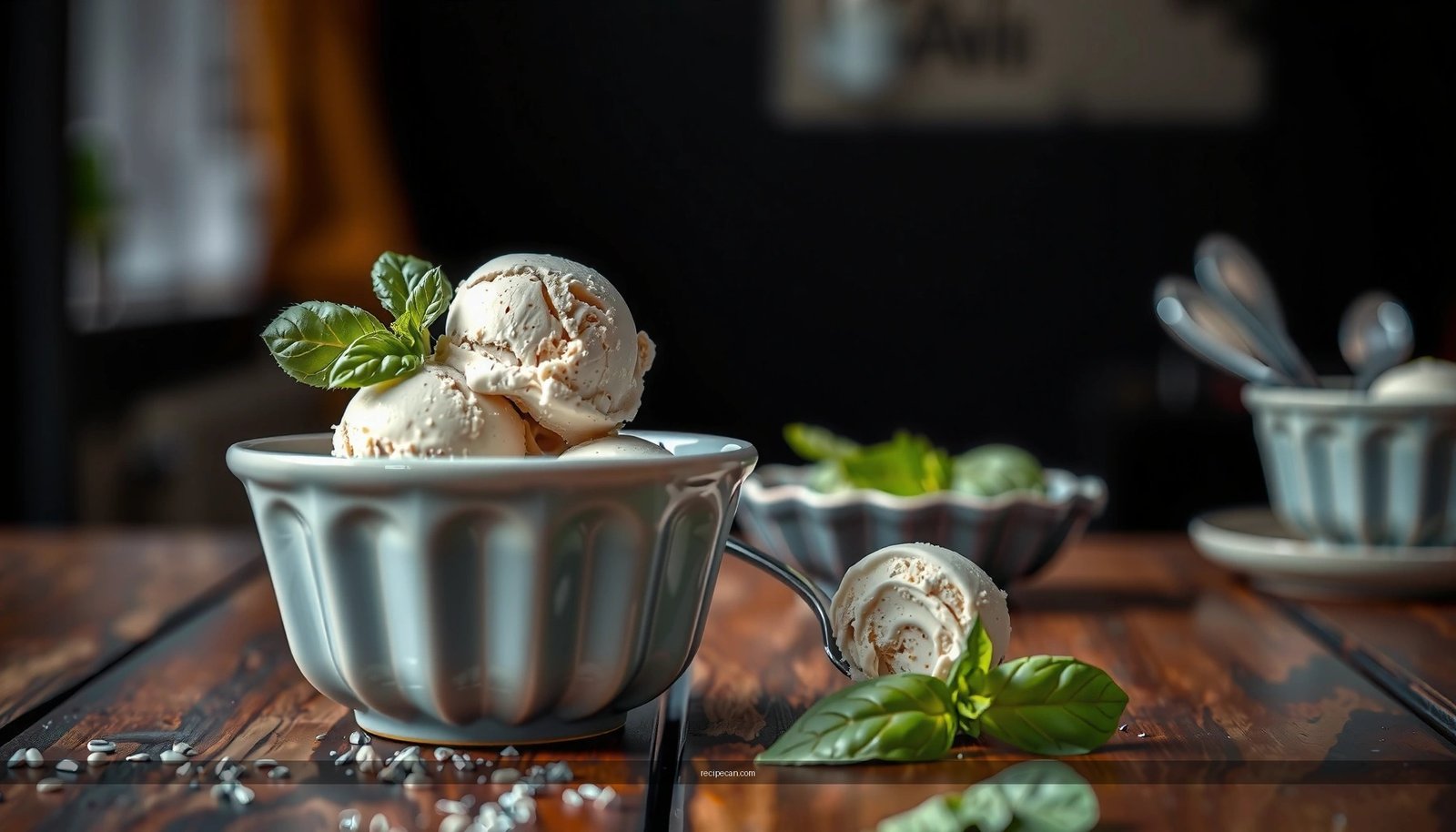
This recipe for basil ice cream delivers the creamiest, fresh-tasting scoop when you want a simple, homemade dessert that tastes unmistakably of summer. You’ll learn how to infuse basil properly, get a smooth custard-style texture, and churn without icy results. If you’ve been searching for an easy basil ice cream recipe that actually turns out, this is the winner.
Basil ice cream is best when you infuse fresh basil into warm cream (or milk), strain thoroughly, and chill the base long enough before churning—this is what delivers a clean, “green” flavor without bitterness. Below is a practical, home-friendly method that balances sweet cream with aromatic basil and produces a silky texture in your ice cream maker.
Basil is an unusual choice for ice cream because its flavor compounds are delicate: heat can unlock aroma, but excessive steeping or inadequate straining can introduce a muddy or slightly bitter profile. The goal is to capture basil’s top notes—peppery, herbal, and fresh—while maintaining ice cream structure through proper fat, sugar, and (optionally) egg yolks or cornstarch. Think of this recipe as a controlled infusion process combined with a classic custard-style or starch-thickened base.
Suggested Basil Steeping Targets (for a 1x Batch)
| # | Steeping Time | Resulting Flavor Intensity | Best Use | Strain Priority |
|---|---|---|---|---|
| 1 | 10 minutes | ★☆☆☆☆ (Mild) | Dessert pairing, first-timers | Low |
| 2 | 15 minutes | ★★☆☆☆ (Light-Medium) | Everyday “fresh” basil flavor | Medium |
| 3 | 20 minutes | ★★★☆☆ (Balanced) | Best all-around texture + aroma | Medium-High |
| 4 | 25 minutes | ★★★★☆ (Strong) | When basil is mild or you love herb-forward desserts | High |
| 5 | 30 minutes | ★★★★★ (Very Strong) | Use only with young, tender basil | Very High |
| 6 | 35 minutes | ★★★★☆ to ★★★★☆ | Risky—can drift toward bitter notes | Extremely High |
| 7 | 40 minutes | ★★★☆☆ (Bitter drift) | Not recommended for smooth results | Critical |
Fresh Basil Flavor: How to Infuse Cream
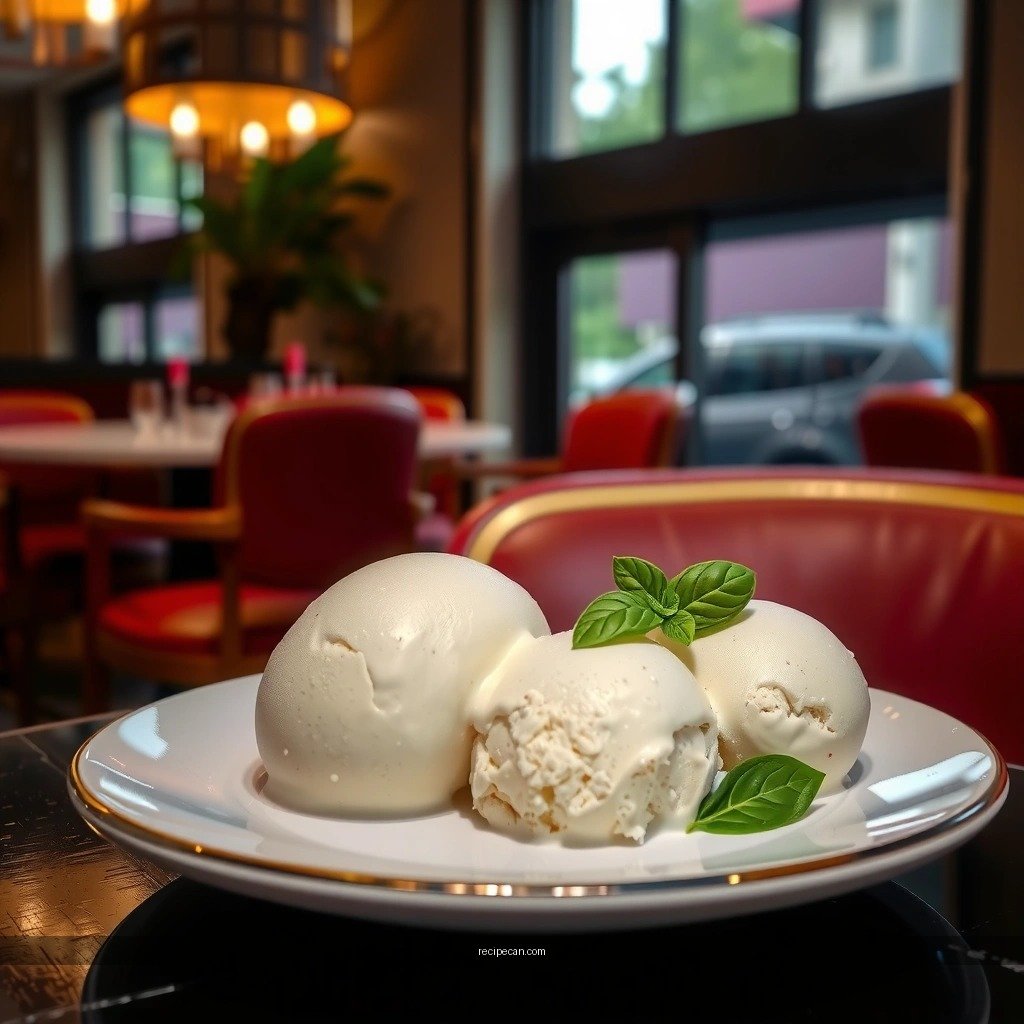
Infusing is where basil ice cream becomes “basil-forward” rather than simply “mint-green.” Start by warming your cream (or milk) gently—hot enough to extract aroma, not so hot that it scalds or dulls flavor. A low simmer is the enemy of brightness; you want a steady, aromatic steep.
– Steep chopped basil in warm cream/milk until fragrant
Use fresh basil leaves, chopped or lightly bruised to increase surface area. Plan for 15–20 minutes at a gentle heat (around steaming, not boiling). If you want a stronger basil ice cream, increase time gradually rather than jumping to long steeping; basil’s bitterness risk rises with duration and leaf maturity.
– Strain well to keep the ice cream smooth
Basil contains tiny leaf particles and fibers. If you skip straining (or strain too lightly), your finished ice cream can taste grassy and feel grainy. For best results, strain through a fine mesh sieve, then—if you’re aiming for a premium texture—press the solids gently. Avoid squeezing aggressively, which can force bitter plant compounds through.
– Adjust steeping time to control intensity
Use time as your primary “flavor knob.” The best balance for most home cooks lands around 20 minutes: strong enough to taste like basil, mild enough to stay sweet-cream friendly. If your basil is very tender, you can go slightly longer; if it’s older or more mature, keep it closer to 15 minutes.
Ingredients You’ll Need
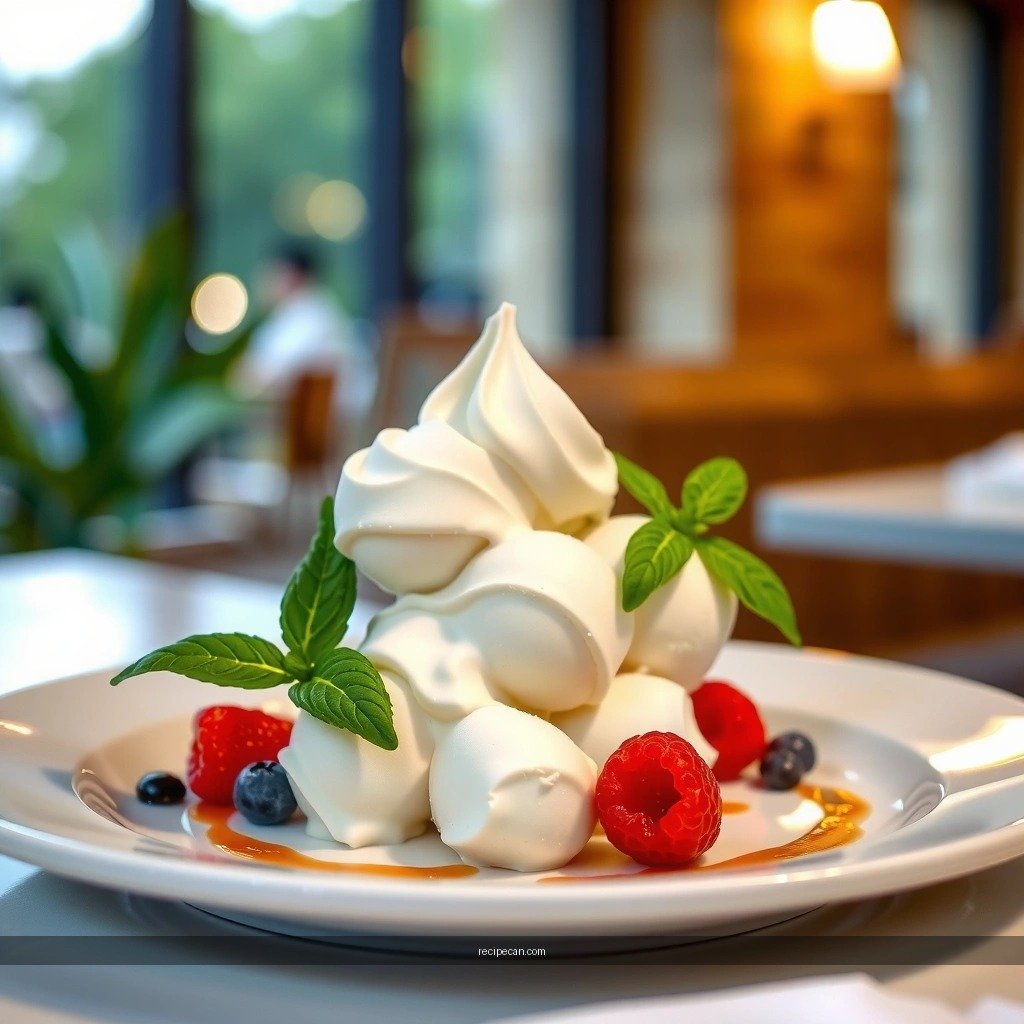
A great basil ice cream recipe is less about complexity and more about correct proportions and functional ingredients. You’ll need a dairy base that can carry flavor (cream for a richer mouthfeel), sweeteners to balance herbal notes, and a thickener system to prevent iciness.
– Fresh basil, heavy cream or milk, and sugar
Choose fresh basil for the cleanest aromatics. For structure and scoopability, heavy cream is ideal; milk can lighten the flavor but may require more careful thickening. Sugar doesn’t just add sweetness—it also helps lower the freezing point for a softer, more scoopable finish.
– Optional add-ins like lemon zest or vanilla for brightness
Basil pairs naturally with citrus. Lemon zest adds top-note lift that makes the herbal flavor feel fresher and less “cooked.” Vanilla is optional but often helps round out the green flavor, especially if you’re using milk rather than all cream.
– A stabilizer step using egg yolks or cornstarch (depending on your method)
You have two practical pathways:
– Egg yolk custard method (classic, richer, extra-smooth): Yolks thicken the base and contribute emulsifying power for a silky texture.
– Cornstarch method (simpler, often no tempering): A small amount of cornstarch thickens and improves freeze stability. You’ll still want to cook it briefly to remove any raw starch taste.
Choose based on your time and comfort level; both can produce excellent basil ice cream as long as you chill thoroughly before churning.
Step-by-Step Recipe Method
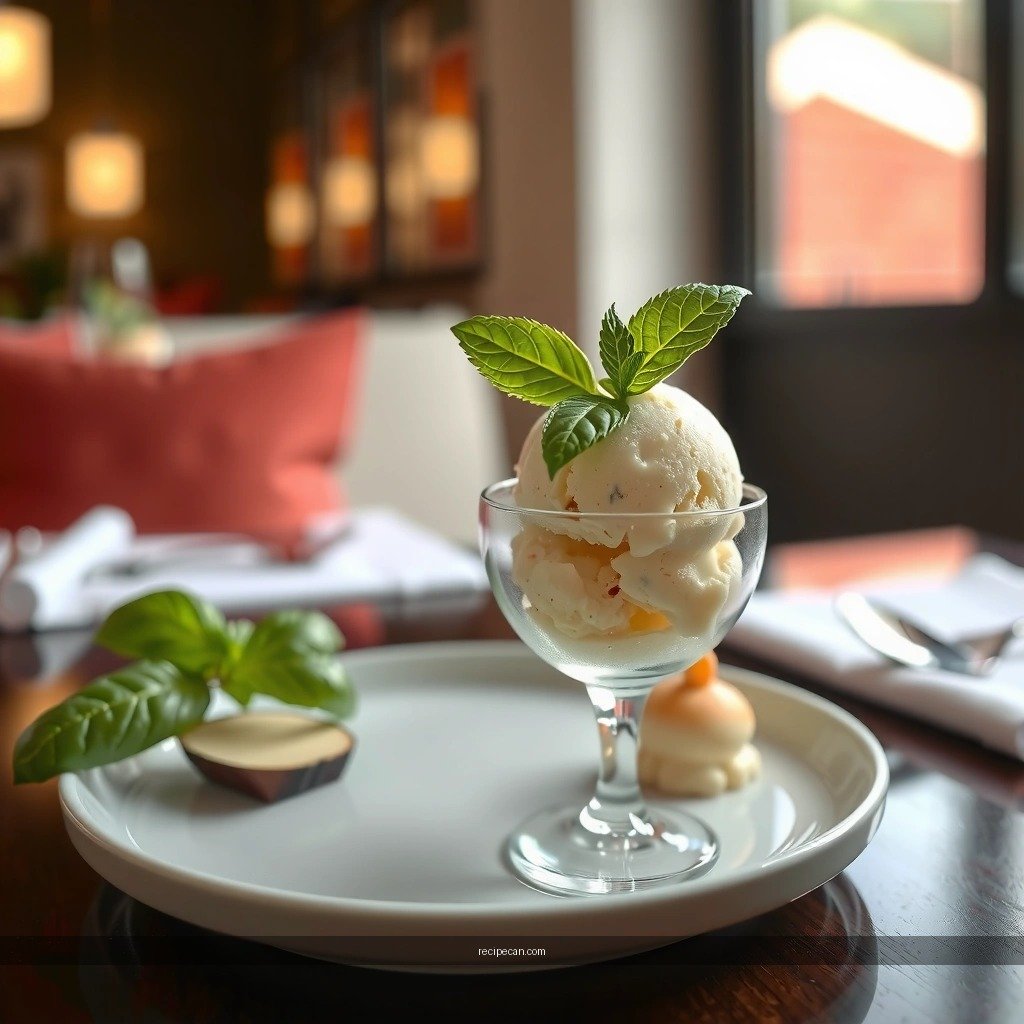
This is the workflow that protects flavor and texture. Infuse carefully, thicken correctly, and chill until the base is cold enough for your ice cream machine to churn efficiently.
– Warm, infuse, then strain the basil mixture
Combine cream (or cream + milk) and basil in a saucepan. Warm just until fragrant begins, then hold a gentle temperature for your target infusion window (typically 15–20 minutes). Stir occasionally to distribute basil evenly. Strain through a fine sieve.
– Whisk in sugar and any thickening ingredients
Add sugar while the dairy is still warm so it dissolves cleanly. Then incorporate your thickener system:
– Custard route: Whisk egg yolks separately, then slowly pour in warm basil cream while whisking to temper. Return to the pot and cook until the mixture thickens enough to coat the back of a spoon (do not boil).
– Cornstarch route: Whisk cornstarch with a small splash of cold milk or cream to make a slurry, then whisk into the warm basil dairy. Cook briefly, stirring, until thickened.
Finish by adding optional vanilla and/or lemon zest if desired.
– Chill thoroughly before churning
Chill is not optional—it’s how you get smooth ice crystals. Cover the base and refrigerate until fully cold (at least 4 hours, ideally overnight). Cold base improves churn efficiency and helps the final texture stay creamy rather than icy.
Churning for the Best Texture
Churning is where you turn a flavored dairy base into scoopable structure. The key is timing: churn until it resembles soft-serve, then set properly in the freezer.
– Churn according to your ice cream maker’s instructions
Every machine differs, but the principle is consistent. Churn until the mixture reaches a soft, airy consistency—usually around the soft-serve stage. Over-churning can lead to a heavier, butter-like texture, while under-churning can produce grainy results.
– Freeze briefly to set the texture
Transfer to a container and freeze for a short period—often 2–4 hours—to firm it while preserving softness. If you freeze it for too long right away, basil ice cream can become rock-solid and lose some aroma.
– Stir in any final flavor additions only after churning
If you plan to add delicate finishes—such as extra lemon zest, a swirl of honey, or finely chopped basil tips—do it after churning. This preserves freshness and reduces the chance of dulling aromatic notes via heat exposure.
Tips for Serving and Storage
Even a perfect batch can suffer from poor handling. Treat basil ice cream like a high-aroma dessert: gentle warming for serving, controlled air exposure for storage.
– Serve at slightly softened temperatures for best scoopability
Basil aroma becomes more noticeable as the ice cream warms slightly. Let it sit 5–10 minutes at room temperature before scooping, especially if stored cold. You’ll get cleaner flavor expression and easier texture.
– Store airtight to reduce icy texture
Air exposure causes ice crystals and flavor fade. Press parchment or plastic wrap directly onto the surface, then seal the container tightly. This minimizes “freezer burn” and keeps the basil taste bright.
– Use within a few weeks for peak basil freshness
Fresh basil is at its most vivid early on. For best results, plan to enjoy within 2–3 weeks. After that, the texture may remain good, but the herb character can mellow.
Flavor Variations to Try
Once you’ve nailed the infusion and base, variations are straightforward. Think in terms of complementary brightness, contrast, and herb chemistry.
– Add lemon or honey for a brighter profile
Try a small amount of lemon zest or a honey drizzle after churning. Honey rounds basil’s sharpness and enhances floral notes—especially in a cream-forward base.
– Try pairing with strawberries or olive oil drizzle
Basil and strawberries are a classic synergy: the fruit’s acidity lifts the herbal sweetness. For a sophisticated adult twist, serve with a light olive oil drizzle and flaky salt; it adds depth without overpowering.
– Experiment with basil type (sweet basil vs. Thai basil)
Sweet basil tends to be gentle and aromatic, ideal for a crowd-pleasing basil ice cream. Thai basil is spicier and more anise-leaning, producing a more complex, savory-herbal dessert. If you switch basil varieties, shorten steeping slightly—spicier basils can turn assertive faster.
Basil ice cream is all about properly infusing fresh basil, chilling the base, and churning for a smooth, creamy finish. Make this recipe once as written, then tweak steeping time and add-ins to find your perfect balance—try it today and share your favorite variation.
If you’d like, tell me whether you prefer the egg yolk custard method or the cornstarch method, and what ice cream maker you use—I can tailor exact timings and quantities to your setup.
Frequently Asked Questions
What does basil ice cream taste like, and is it similar to mint ice cream?
Basil ice cream has a fresh, slightly sweet-herbal flavor that can taste like vanilla with a green, aromatic twist. Unlike mint ice cream (which is usually cool and menthol-forward), basil is more savory-fragrant and pairs well with berries, citrus, and honey. Depending on how much basil you use, the flavor can range from subtle and creamy to noticeably herbaceous.
How do you make basil ice cream without it tasting bitter or overpowering?
Start by gently heating or steeping chopped basil in the milk/cream base instead of boiling it, which helps prevent bitterness. Use young basil leaves when possible and avoid including tough stems; a small amount at first is better because you can strain and adjust after tasting. For the cleanest flavor, strain the mixture well before churning and consider adding a touch of lemon zest or a little honey to balance the herb notes.
Why should you steep basil in the custard base instead of blending it directly into the ice cream?
Steeping basil allows the aromatic oils to infuse evenly, while minimizing leafy particles that can create a gritty texture or stronger vegetal flavors. If you blend basil directly, you may get a more intense “raw herb” taste and occasional discoloration from chlorophyll exposure. A custard-style recipe with a careful steeping step typically yields a smoother basil ice cream with more balanced flavor.
What’s the best way to churn and store basil ice cream so it stays creamy?
Chill the basil ice cream base thoroughly (often overnight) so the custard is cold enough to churn efficiently and reach a smooth consistency. Churn until it thickens to soft-serve texture, then freeze until firm, keeping the container airtight to reduce ice crystals. For best results, press parchment or plastic directly onto the surface before sealing, and use within a few weeks for peak flavor.
Which ingredients pair best with basil ice cream for a more flavorful dessert?
Basil ice cream shines with fruit-forward and sweet-salty toppings like fresh strawberries, blueberries, peaches, or grilled pineapple. Add-ons such as honey, lemon zest, balsamic glaze, pistachios, or toasted almonds complement the herbal notes and deepen the creamy base. If you’re making a recipe basil ice cream serving, try a drizzle of honey-butter sauce or a quick strawberry compote to highlight the aromatic basil flavor.
References
- Google Scholar Google Scholar
https://scholar.google.com/scholar?q=basil+ice+cream+recipe - Google Scholar Google Scholar
https://scholar.google.com/scholar?q=herb+infused+ice+cream+basil - Google Scholar Google Scholar
https://scholar.google.com/scholar?q=basil+flavor+ice+cream+volatile+compounds - Ice cream
https://en.wikipedia.org/wiki/Ice_cream - Basil
https://en.wikipedia.org/wiki/Basil - Gelato
https://en.wikipedia.org/wiki/Gelato - Ice cream | Definition, History, & Production | Britannica
https://www.britannica.com/topic/ice-cream - eCFR :: 21 CFR 135.110 — Ice cream and frozen custard.
https://www.ecfr.gov/current/title-21/chapter-I/subchapter-B/part-135/subpart-A/section-135.110 - Eugenol | C10H12O2 | CID 3314 – PubChem
https://pubchem.ncbi.nlm.nih.gov/compound/Eugenol - Food Search | USDA FoodData Central
https://fdc.nal.usda.gov/food-search?query=basil