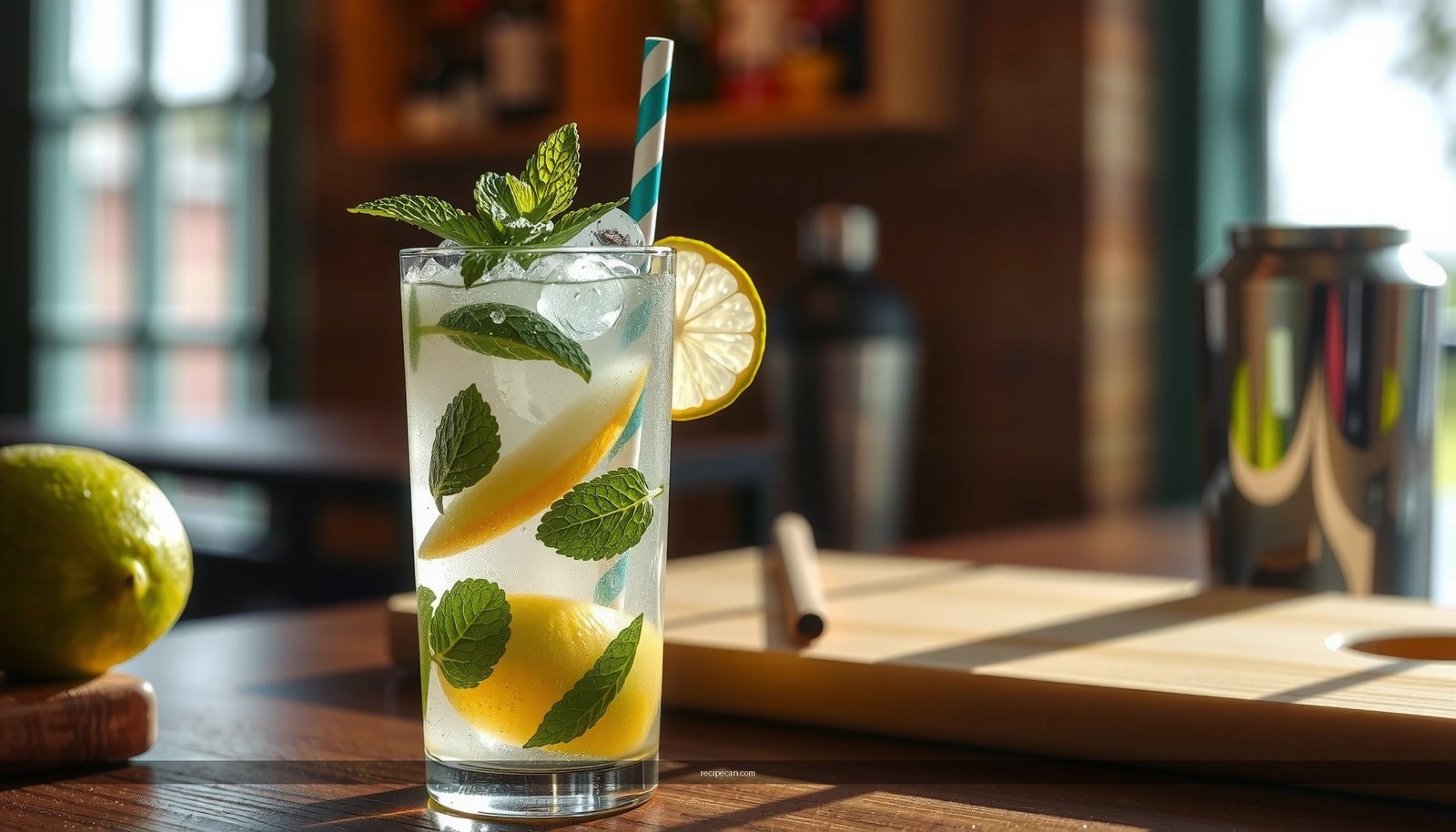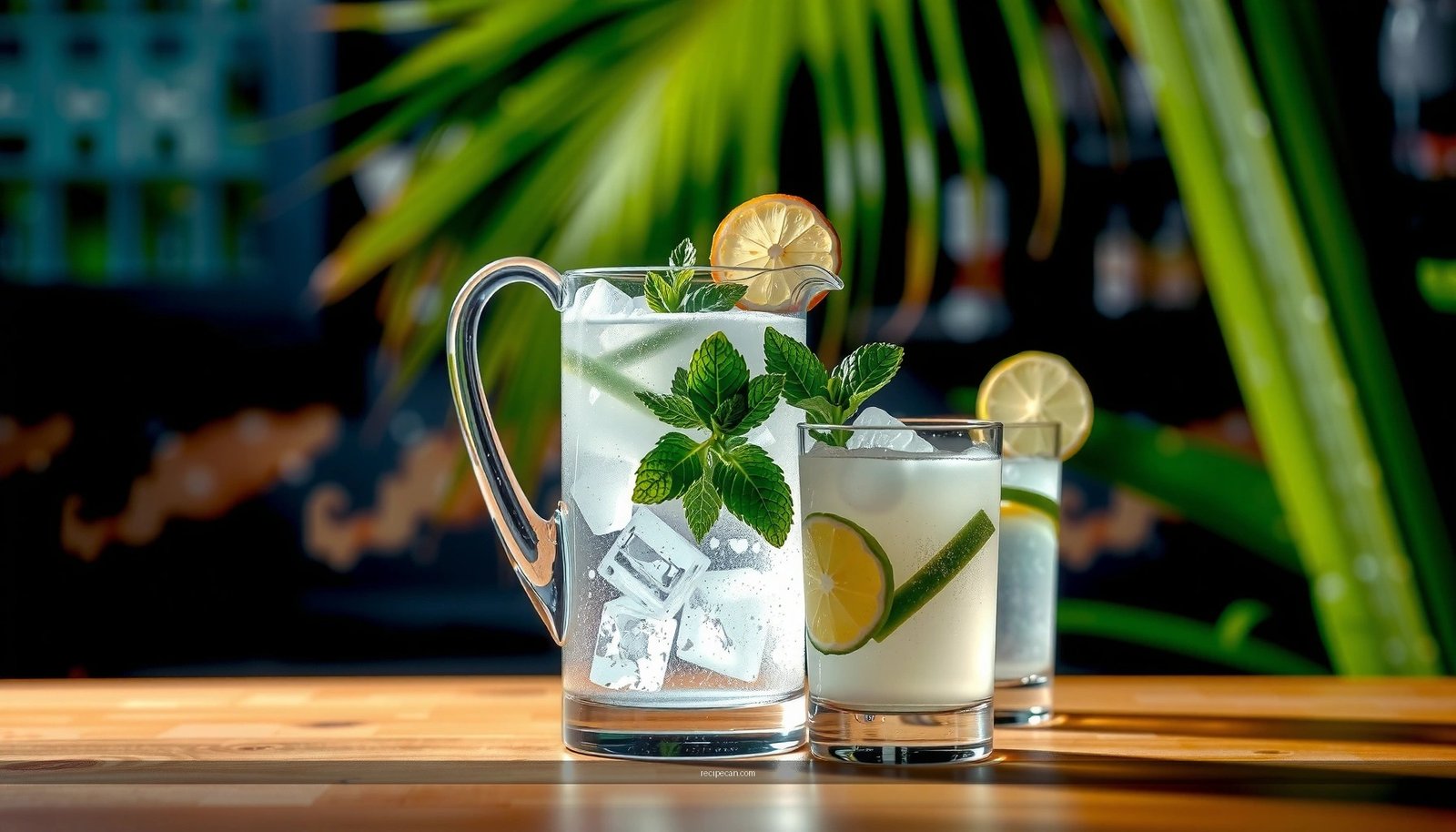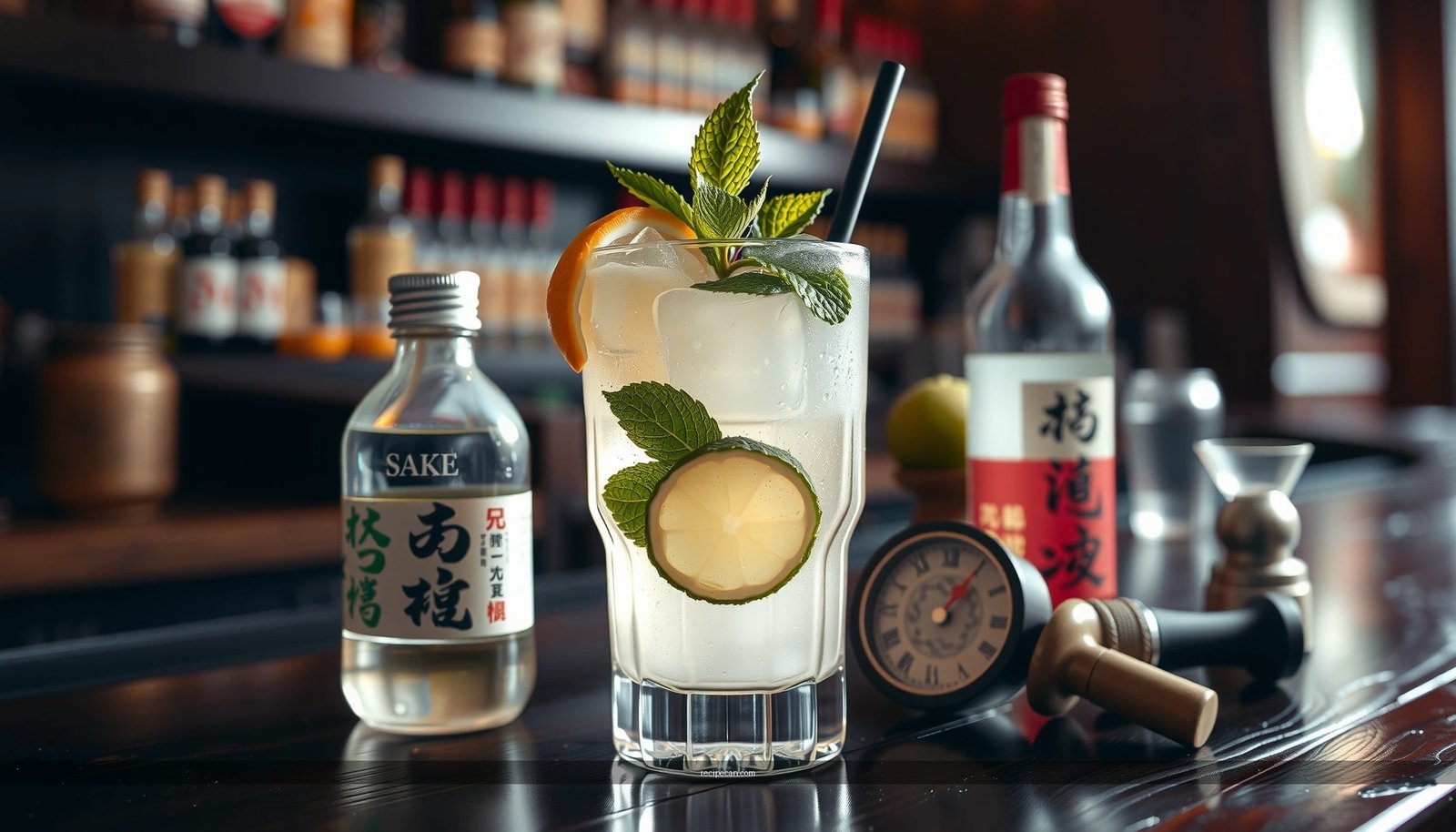
This sake mojito recipe delivers the freshest citrus mojito you can make at home—bright lime, crisp mint, and a clean sake finish that won’t overwhelm the drink. Follow the steps and you’ll get the right balance of sweetness and acidity, with proper muddling for maximum flavor and no muddled bitterness. If you want a mojito that tastes lighter than rum versions while still feeling celebratory, this is the one to make.
A sake mojito swaps rum for sake while preserving the mojito’s core magic: fresh mint, lime, and balanced sweetness. In this recipe, you’ll learn the right ingredient ratios and a controlled muddling technique so your citrus-mint drink tastes bright, crisp, and consistently refreshing instead of harsh or overly sweet.
Ingredients for Sake Mojito
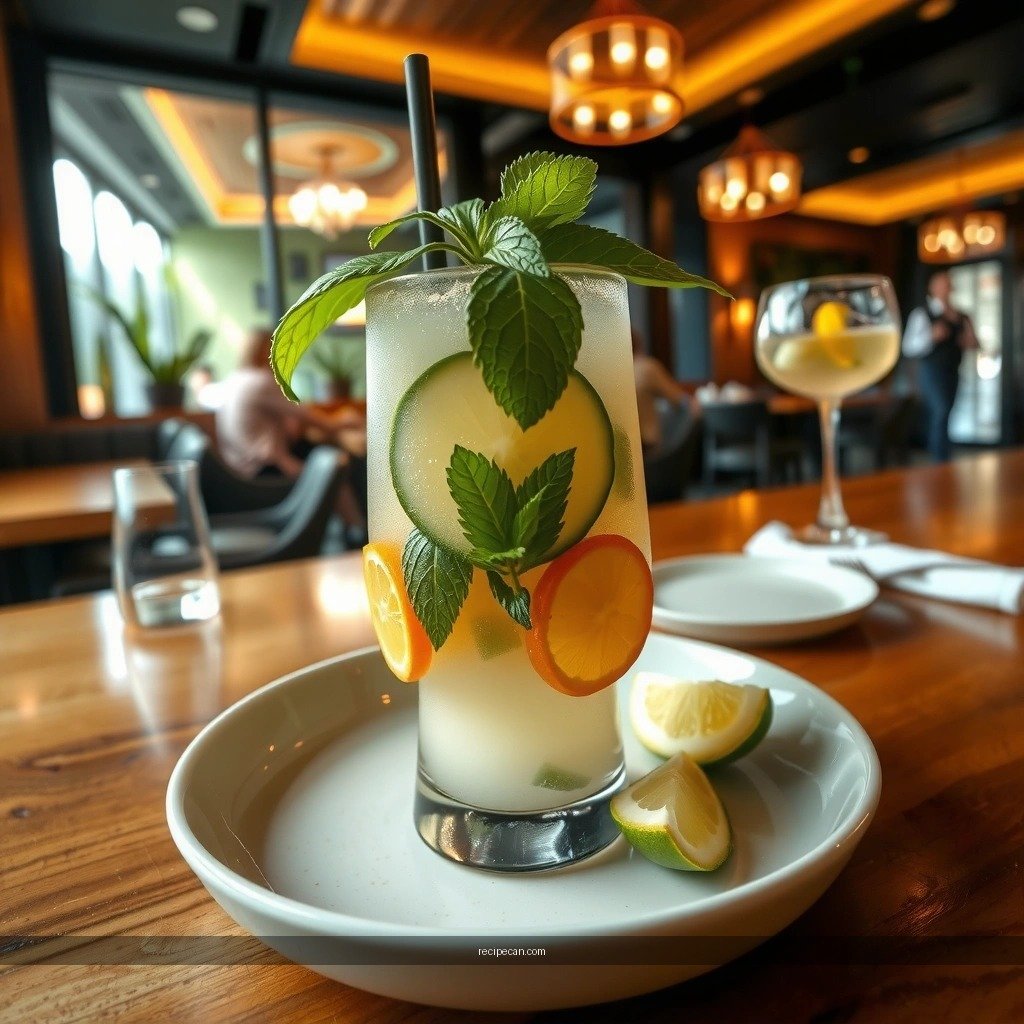
A classic mojito is all about harmony—aromatic mint, sharp lime, measured sweetness, and carbonation to lift everything. For a sake mojito, the structure stays the same; you just replace rum with sake, allowing the subtle rice character to round out the lime and mint rather than dominate them.
Core ingredient checklist (for one pitcher batch or multiple drinks scaled as needed):
– Sake (dry or sparkling): Choose a clean, dry sake for a crisp profile that won’t turn the mojito cloying.
– Fresh mint: Use leaves only (avoid bruised stems when possible) to keep the flavor aromatic rather than vegetal.
– Lime juice: Fresh is strongly recommended; it delivers the sharp acidity that makes mojitos “pop.”
– Simple syrup (or honey syrup): Sweeten in measured amounts so the lime stays the headline.
– Club soda: Adds carbonation and dilutes strength just enough to keep the drink refreshing.
– Ice: Plenty of it; mojitos are a cold, sensory drink—temperature impacts perceived sweetness and mint intensity.
Practical note: If you’re aiming for restaurant-style balance, don’t “eyeball” sweetness. Mojitos can swing from perfect to syrupy quickly, especially when sake’s flavor is slightly round or when mint is very fresh and intense.
Best Sake Styles for Mojitos (Taste Fit for Mint + Lime)
| # | Sake style | Ideal sweetness | Carbonation needs | Mojito “match” | Rating |
|---|---|---|---|---|---|
| 1 | Dry Junmai (clean, dry finish) | Low | Medium | ★ Crisp + lime-forward | 4.8/5 |
| 2 | Sparkling Dry Sake | Low | Low | ★ Bright bubbles, less dilution | 4.7/5 |
| 3 | Honjozo (dry, light body) | Low–Medium | Medium–High | ★ Easy to balance with syrup | 4.4/5 |
| 4 | Ginjo (fruity-dry profile) | Low–Medium | Medium | ★ Mint-friendly aromatics | 4.3/5 |
| 5 | Nama (unpasteurized) with clean finish | Low–Medium | Medium | ★ Fresh palate, good for lime | 4.2/5 |
| 6 | Medium Sweet Sake | Medium | High | ⚠ Syrup must be reduced | 3.4/5 |
| 7 | Sweet/Sake “Mirin-like” styles | High | Very High | ⚠ Overpowers mint + lime | 2.6/5 |
Step-by-Step Sake Mojito Recipe
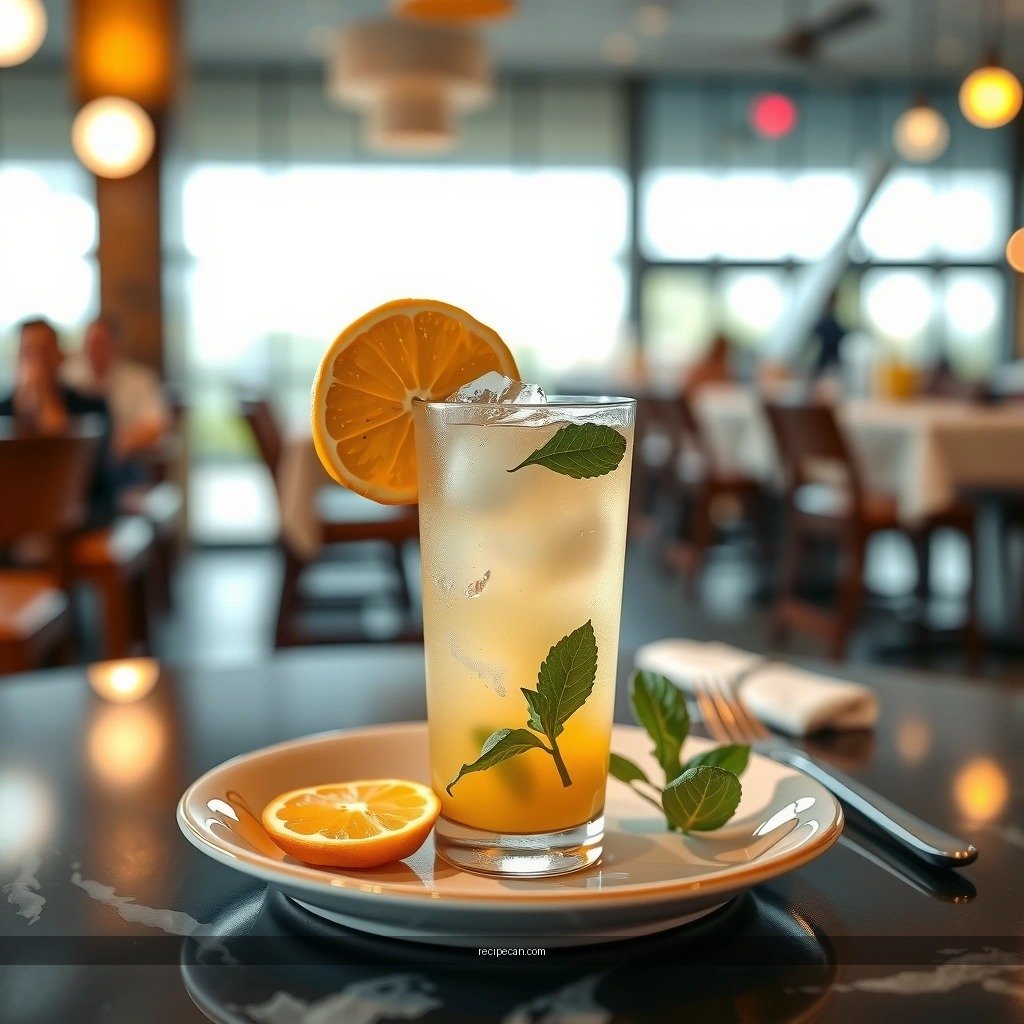
To get a reliable mojito flavor profile, build in layers: muddle (aroma), balance (lime + syrup), then finish with carbonated lift (sake + soda). This approach reduces the chance of mint bitterness and prevents the drink from tasting flat.
For 1 serving (scale up as needed):
1. Muddle: Add 6–10 fresh mint leaves to a sturdy glass. Add 1–2 oz (30–60 ml) fresh lime juice and 0.5–1 oz (15–30 ml) simple syrup.
2. Gently release aroma: Muddle just enough to bruise the leaves lightly and fragrance the mixture—aim for aromatic oils, not crushed bitterness.
3. Add sake: Pour in 2–4 oz (60–120 ml) dry sake. Stir lightly to combine.
4. Top with club soda: Add 2–4 oz (60–120 ml) club soda (adjust based on how sweet or strong your sake tastes).
5. Ice-first service: Ensure the drink is cold and well-diluted—serve over plenty of ice for a smooth finish.
Quality control tip: If your first batch tastes too sharp, reduce lime slightly or increase syrup by a few milliliters. If it tastes flat, increase club soda and consider using a drier sake.
How to Muddle Mint (Without Making It Bitter)
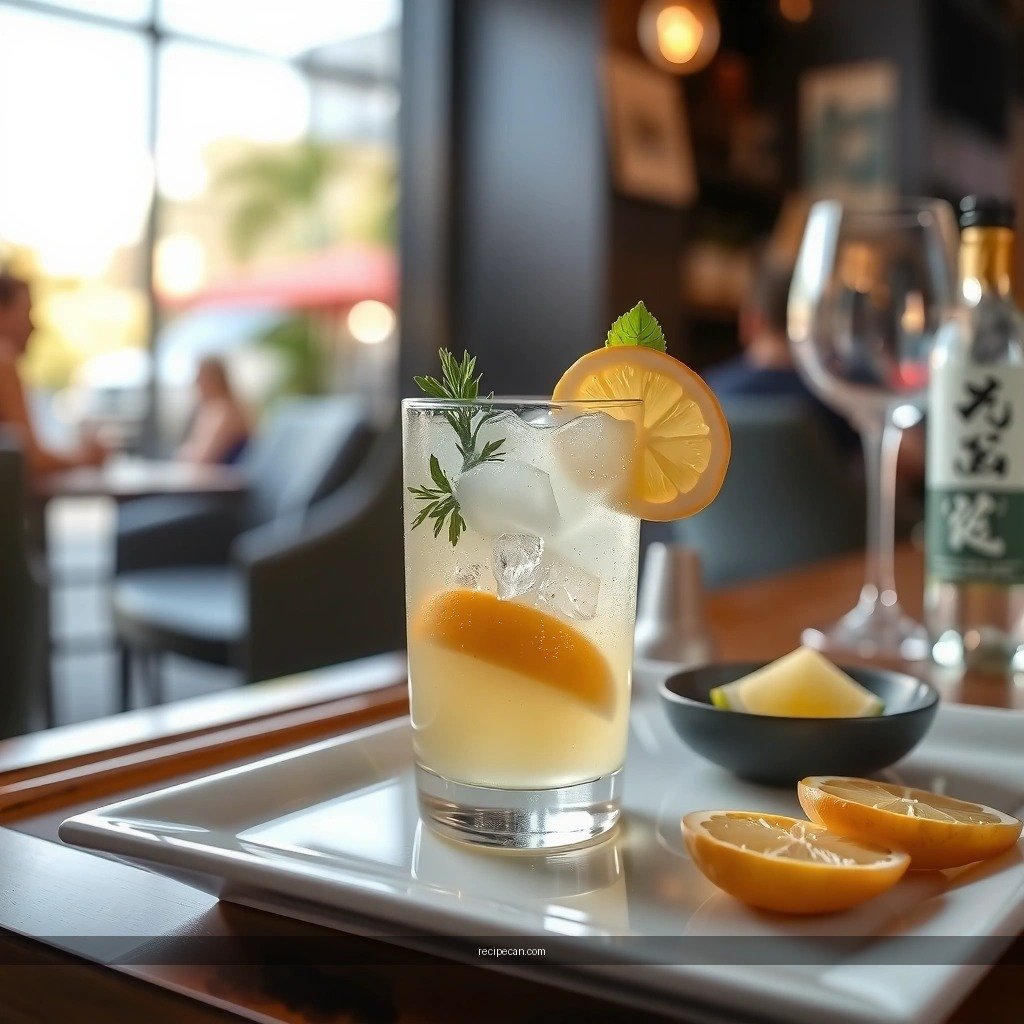
Mint bitterness is the most common mojito failure point. It usually happens when leaves are over-crushed or muddled too aggressively, releasing harsher compounds along with the aromatic oils.
Use this controlled muddling method:
– Press lightly, don’t grind: Use the bottom of a spoon or muddler with a firm but brief press—think “bruise and perfume,” not “crush.”
– Stop when fragrant: The mixture should smell like fresh mint immediately after muddling. If the aroma turns herbal/green-bitter, you’ve gone too far.
– Keep leaves mostly intact: Ideally, you’ll see lightly torn leaves rather than full pulp. Intact leaves release aroma more cleanly.
– Avoid long dwell time: If you muddle and wait too long before adding sake and soda, you can intensify bitterness. Build the drink promptly.
Analytical perspective: Mint oils dissolve better in slightly acidic mixtures. Lime juice helps extract the pleasant volatile aromas quickly, so muddling longer than necessary usually adds bitterness without improving fragrance. That’s why the “stop once fragrant” rule is so effective.
Choosing the Right Sake for Mojitos
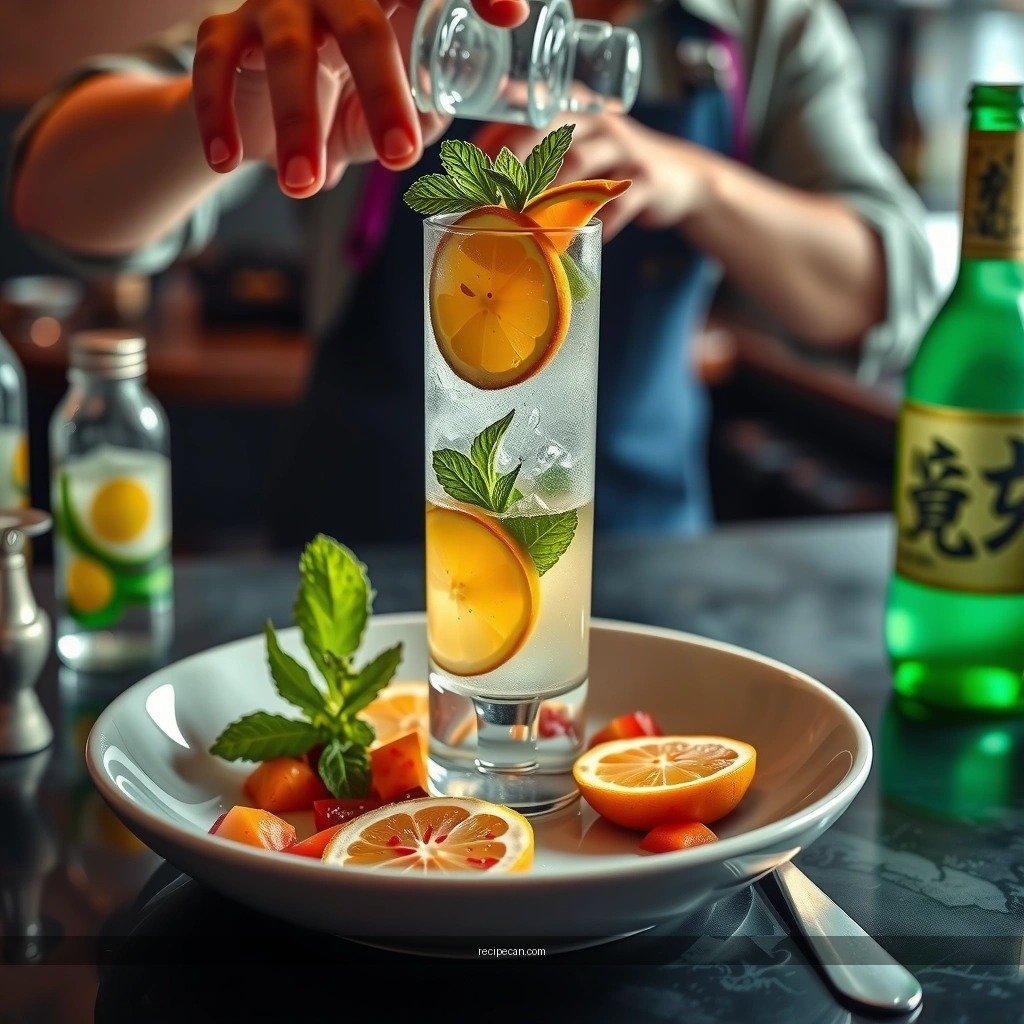
Not all sake behaves the same in a cocktail. The key variables are dryness, body, and whether it’s sparkling. For mojitos, you want sake that supports lime and mint rather than replacing them.
Dry sake (recommended baseline)
– Keeps the drink crisp and less syrupy.
– Lets lime acidity and mint brightness remain the dominant sensory notes.
– Typically works best with moderate simple syrup.
Sparkling sake (for an extra lifted finish)
– Adds natural carbonation, which can reduce how much club soda you need.
– Produces a more “effervescent” mouthfeel—useful if your mint is subtle or your lime is mild.
– Works particularly well for guests who prefer a lighter, less sweet drink.
Operational tip for consistency: If you’re scaling for a group, standardize your choice of sake first (dry vs sparkling). Then adjust syrup volume based on lime freshness and mint intensity, not sake changes across batches.
Flavor Variations to Try
Once your baseline sake mojito is dialed in, you can diversify without losing the mojito structure. The most successful variations preserve the mint-lime-sweet backbone and add one aromatic “accent.”
1) Ginger-forward mojito
– Add a small amount of grated ginger (or a few ginger slices) during muddling—or steep briefly after muddling.
– Outcome: warming spice that complements lime’s acidity and gives body to dry sake.
2) Yuzu brightness twist
– Replace a portion of lime juice with yuzu (or yuzu juice).
– Outcome: a more floral, citrus-forward aroma that heightens the perception of freshness.
3) Seasonal fruit garnish and aroma
– Add a few berries to the glass (lightly muddled if needed, but avoid over-crushing).
– Garnish with extra lime slices to reinforce citrus top-notes.
– Outcome: a more “dessert-like aroma” while still tasting clean if you keep sweetness controlled.
Balance rule: If you add an aromatic ingredient (ginger, yuzu, berries), reduce syrup slightly. Those flavors often increase perceived sweetness even when the drink isn’t objectively sweeter.
Serving Tips and Glassware
The final presentation affects both taste perception and guest experience. Mojitos are sensory drinks—ice, garnish, and glass choice all influence aroma release and mouthfeel.
Serving best practices:
– Use plenty of ice: More ice means better dilution control and longer-lasting cold temperature.
– Choose a glass that highlights aroma: A highball or collins glass works well for tall, aromatic builds.
– Garnish correctly:
– Mint sprig placed so oils drift upward when the glass is lifted.
– Lime wheel or lime twist on the rim for immediate citrus aroma.
– Add club soda last: This preserves carbonation and prevents the drink from going flat during mixing.
Consistency for service teams: Build the drink the same way every time—especially the order of muddling, adding sake, and topping with soda. Small process differences can noticeably change the final balance.
Enjoy your sake mojito by following the ingredient ratios, muddling the mint gently, and choosing a dry (or sparkling) sake for a clean finish. Make your next batch now—then tweak sweetness or garnish until it matches your perfect balance.
Final takeaway: A great sake mojito is less about “finding a special ingredient” and more about controlled extraction—muddle mint just until fragrant, balance lime with measured syrup, then finish with cold carbonation. Choose dry or sparkling sake to keep the drink crisp, and you’ll consistently get a bright, citrusy, mint-forward mojito that tastes fresh every time.
Frequently Asked Questions
What is a sake mojito recipe and how is it different from a classic mojito?
A sake mojito recipe is a refreshing cocktail that swaps rum for sake while keeping the mojito’s signature elements like lime juice, mint, and sweetness. The result is a lighter, slightly umami-forward drink with a clean, crisp finish. Using sake also changes the flavor balance, so the cocktail often needs a little more citrus or a touch less sugar to taste perfectly balanced.
How do you make the best sake mojito recipe at home without it tasting too sour or too sweet?
Start by gently muddling fresh mint with lime juice—press just enough to release oils, not enough to bruise bitter flavors. Then mix in dry sake, simple syrup (or honey syrup), and a splash of soda water for lift, adjusting sweetness gradually. Taste after combining the lime and sake first, then fine-tune with syrup so the sake mojito stays bright rather than sharp.
Which type of sake works best for a sake mojito—dry, sweet, or sparkling?
Dry sake (like a junmai-shu or ginjo-shu) is usually best because it keeps the mojito-style cocktail crisp and not overly sweet. If you only have sweet sake, use less syrup and add extra lime to maintain balance. Sparkling sake can work for a fizzy version, but you may want to reduce or skip soda water to avoid an overly diluted flavor.
Why does my sake mojito recipe turn watery or weak, and how can I fix it?
A watery or weak sake mojito is often caused by using too much ice or low-quality, overly diluted sake/mixer. Use plenty of ice but build the drink quickly, and consider chilling your glass or sake beforehand to reduce melt. Also measure key ingredients—lime and sake first, then add soda last—so the citrus aroma and sake flavor don’t get washed out.
What are easy garnish and flavor add-ins that pair well with a sake mojito?
Fresh mint is essential, but you can also add thin lime wheels for extra aroma and a more classic mojito look. Muddled basil or ginger (used lightly) can add complexity without overpowering the sake. For sweetness and depth, a small amount of fruit like muddled strawberries or a dash of yuzu can complement the lime and keep the sake mojito recipe tasting fresh and vibrant.
References
- Mojito
https://en.wikipedia.org/wiki/Mojito - Sake
https://en.wikipedia.org/wiki/Sake - https://en.wikipedia.org/wiki/Cocktail
https://en.wikipedia.org/wiki/Cocktail - Syrup
https://en.wikipedia.org/wiki/Simple_syrup - https://en.wikipedia.org/wiki/Lime_(fruit
https://en.wikipedia.org/wiki/Lime_(fruit - Mint
https://en.wikipedia.org/wiki/Mint - Rum
https://en.wikipedia.org/wiki/Rum - Google Scholar Google Scholar
https://scholar.google.com/scholar?q=sake+mojito+recipe - Google Scholar Google Scholar
https://scholar.google.com/scholar?q=mojito+recipe+rum+mint+lime+simple+syrup - Google Scholar Google Scholar
https://scholar.google.com/scholar?q=sake+cocktail+recipes+mint+lime