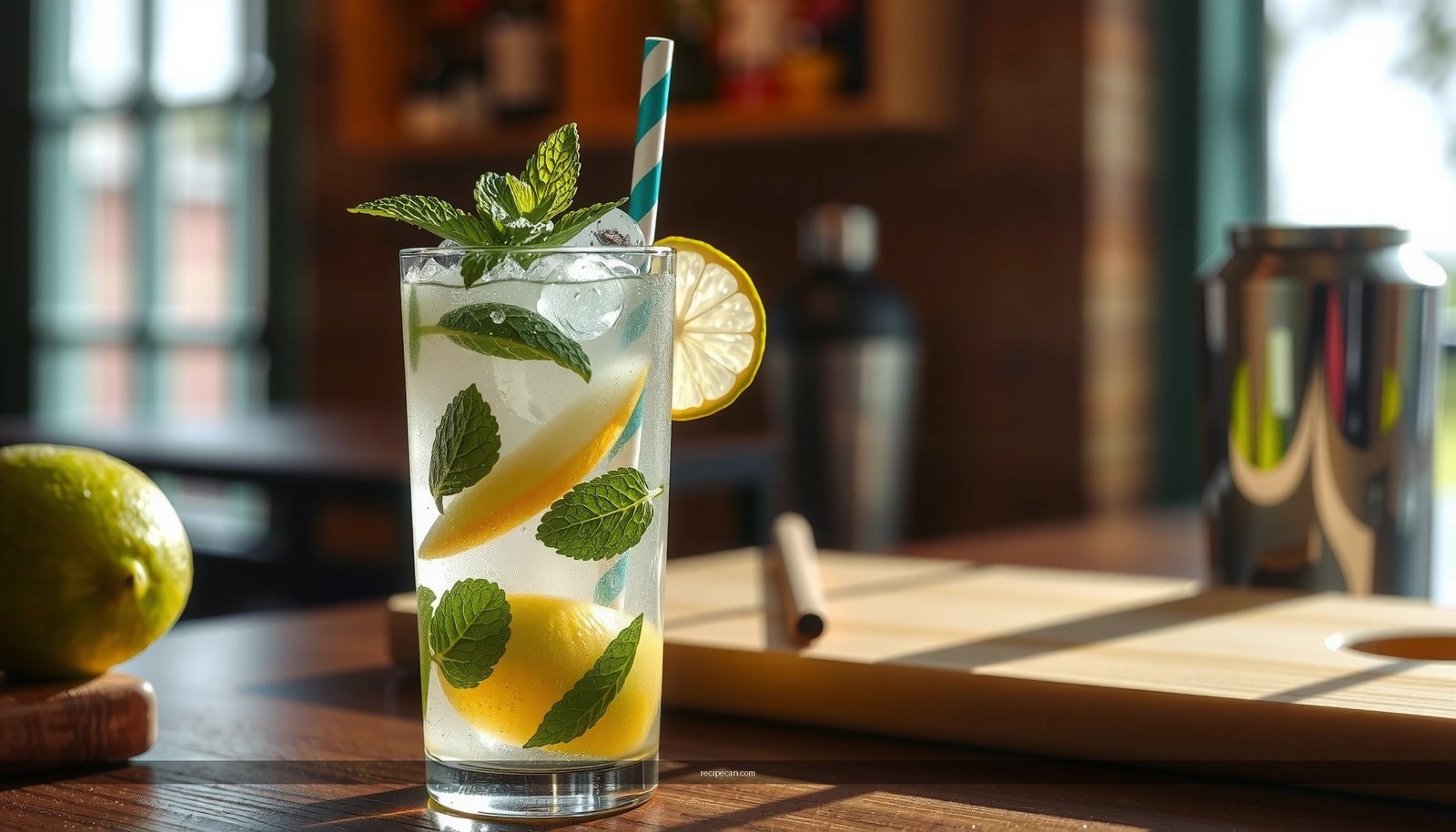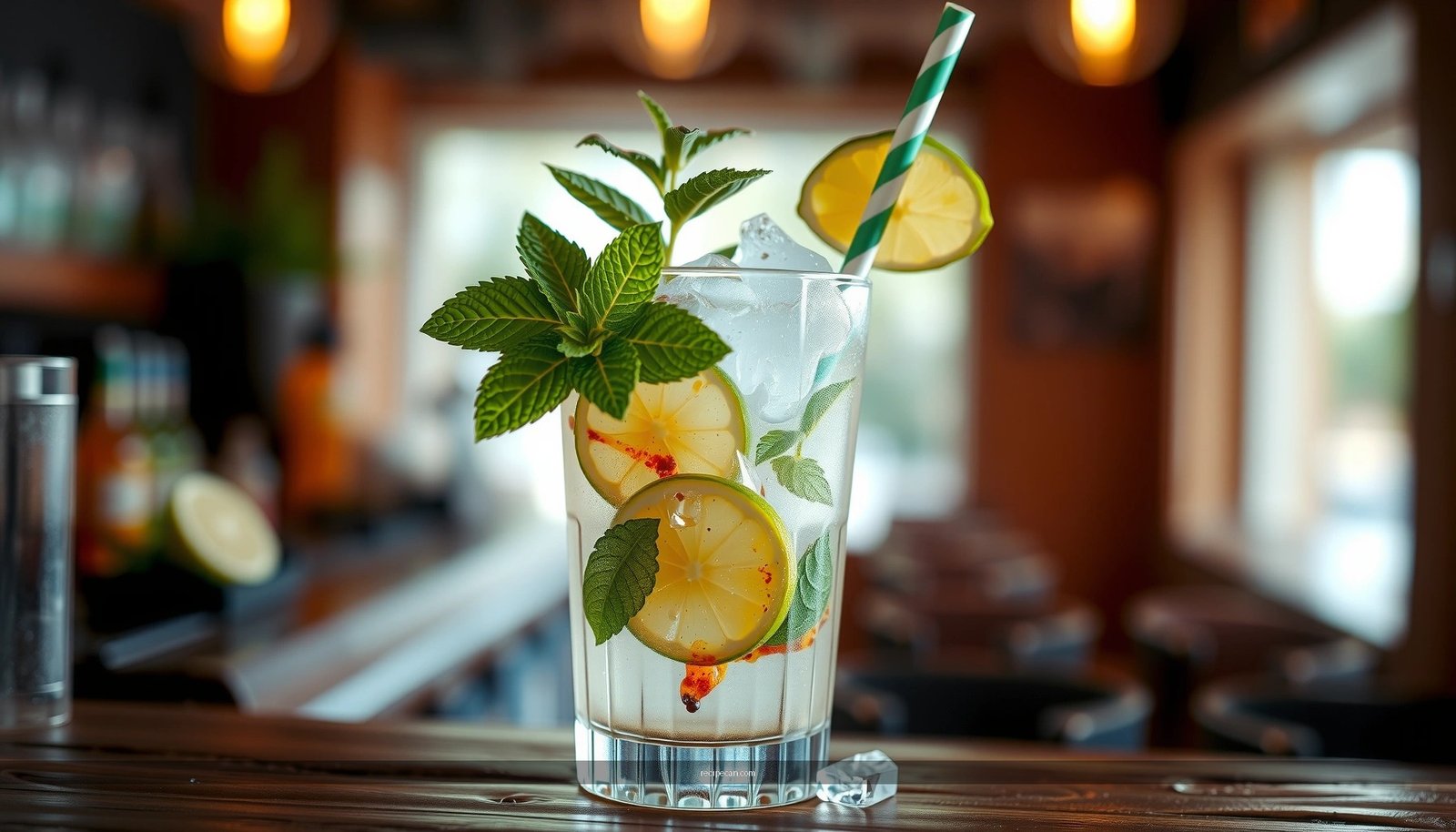
Want a Mojito Criollo recipe you can make at home that actually tastes like the real deal? This guide delivers a clear, dependable method for balancing rum, fresh lime juice, mint, and sweetness for a bright, citrus-forward sip—not a muddier, overly sweet copycat. Follow the steps and you’ll land a confidently Cuban-style Mojito Criollo in minutes, whether you’re serving one or a whole batch.
Make a mojito criollo at home by gently muddling fresh mint and lime, then building the drink with white rum, sparkling water, and a simple sugar syrup. When you balance mint aroma, lime acidity, and the carbonation-driven “lift,” you get the authentic Latin-kitchen profile—crisp, refreshing, and clean.
Ingredients for Mojito Criollo
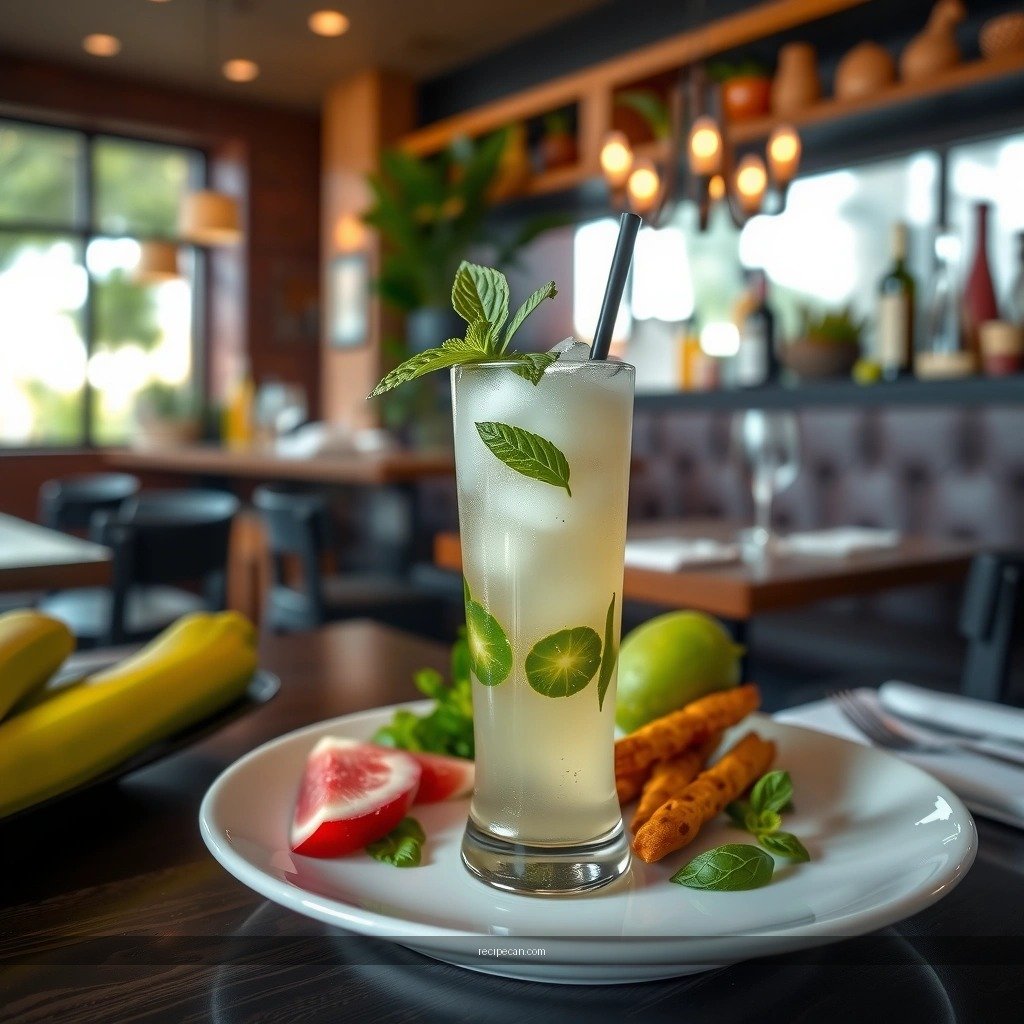
– Fresh mint leaves and ripe lime for bright flavor
– White rum, sugar (or syrup), and sparkling water
A mojito criollo is less about complex techniques and more about precision in a few ingredients. For best results, use fragrant mint leaves (not dried) and freshly juiced ripe limes—their citrus oils and acidity are what carry the drink. For the alcohol base, choose white rum because it keeps the flavor sharp and lets mint and lime lead. Finally, incorporate sweetness in a controlled way (granulated sugar dissolved into syrup is the most reliable approach), then finish with sparkling water so the drink stays lively rather than heavy.
Balanced Mojito Criollo Sweetness Targets (1 Drink)
| # | Sweetness Level | Simple Syrup (tsp) | Lime Juice (tsp) | Perceived Balance | Rating |
|---|---|---|---|---|---|
| 1 | Classic-leaning (most balanced) | 1.5 | 22 | Mint + lime feel crisp, sweetness supports | ★★★★★ |
| 2 | Less sweet (citrus-forward) | 1.0 | 22 | Sharper lime; mint still prominent | ★★★★☆ |
| 3 | Moderate sweet | 2.0 | 20 | Smoother finish without tasting syrupy | ★★★★☆ |
| 4 | Sweet (dessert-leaning) | 2.5 | 18 | Rounder taste; less citrus snap | ★★★☆☆ |
| 5 | Very low sweetness | 0.5 | 22 | Tart; may taste “thin” if lime is sharp | ★★☆☆☆ |
| 6 | High sweetness | 3.0 | 18 | Mint gets muted; syrupy mouthfeel | ★★☆☆☆ |
| 7 | Balanced for average limes | 1.5 | 20 | Reliable benchmark when lime acidity varies | ★★★★★ |
Tools and Prep Tips
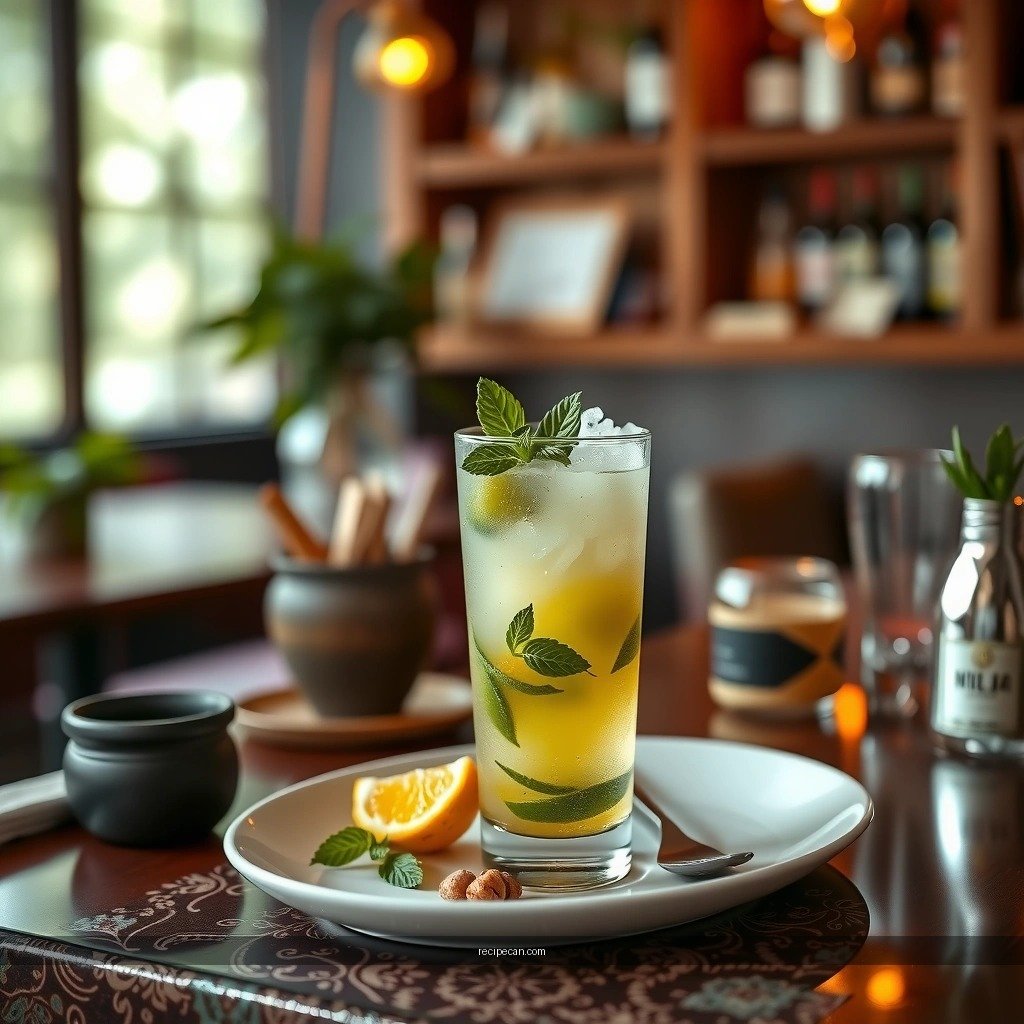
– Use a muddler to gently press mint and avoid bitterness
– Chill your glass and ingredients for a cleaner, fresher taste
You can make a great mojito criollo with minimal equipment, but the right technique prevents common quality issues. A muddler (or the back of a sturdy spoon) helps extract oils from mint without pulverizing the leaves. If you crush mint aggressively, you’ll release chlorophyll and harsher flavors that read as “green” bitterness.
Chilling matters more than many people expect. When lime, rum, and sparkling water start cold, you melt less ice volume and preserve the carbonation that makes the mojito feel light. For a consistent result, pre-chill the glass and keep ingredients refrigerated until assembly. Also, use fresh ice—cloudy or previously melted ice can dilute flavors faster and reduce perceived crispness.
Step-by-Step Mojito Criollo Recipe

– Muddle mint with lime and sugar, then add rum over ice
– Top with sparkling water and stir lightly to combine
Here’s a reliable home method that captures the “criollo” balance—mint-forward aroma, bright lime, and a controlled sweetness that doesn’t overwhelm.
Recipe (1 drink; scale up easily):
1. Chill your glass with ice water or place it in the freezer while you prep.
2. In a sturdy glass or mixing cup, add 6–8 mint leaves (lightly bruised), lime juice (about 2–3 tbsp), and simple syrup (start with ~1.5 tsp; adjust later).
3. Muddle gently for 6–10 seconds—just enough to release mint aroma and lime oils. Stop before the leaves turn dark and fibrous.
4. Fill a glass with plenty of ice (crushed ice works well, but cubed ice also performs if you stir lightly).
5. Pour in white rum (about 1.5–2 oz / 45–60 ml) over the ice.
6. Top with sparkling water (about 3–4 oz / 90–120 ml).
7. Stir lightly once or twice to integrate; avoid over-stirring, which can flatten carbonation.
8. Taste and adjust:
– Too tart? Add a small splash more syrup.
– Too sweet? Add more lime juice.
– Not minty enough? Add one more gently muddled leaf (don’t over-muddle).
The goal is structure: mint and lime extraction happens at the muddling stage; dilution and texture come from ice; brightness comes from sparkling water.
Mojito Criollo Build Order (For Consistency)
| Step | Action | Target Result | Common Error | Fix |
|---|---|---|---|---|
| 1 | Muddle mint + lime + syrup | Aromatics release, not bitterness | Over-muddling (dark leaves) | Muddle less next time; use fresher mint |
| 2 | Add rum over ice | Rapid chilling without dilution rush | Weak ice volume | Use more ice to protect flavor |
| 3 | Top with sparkling water | Effervescence stays lively | Adding too early | Add last; stir minimally |
| 4 | Light stir + taste | Integrated flavors, not flat | Over-stirring | Stir once or twice; adjust with tiny additions |
How to Get the Perfect Mint-Lime Flavor
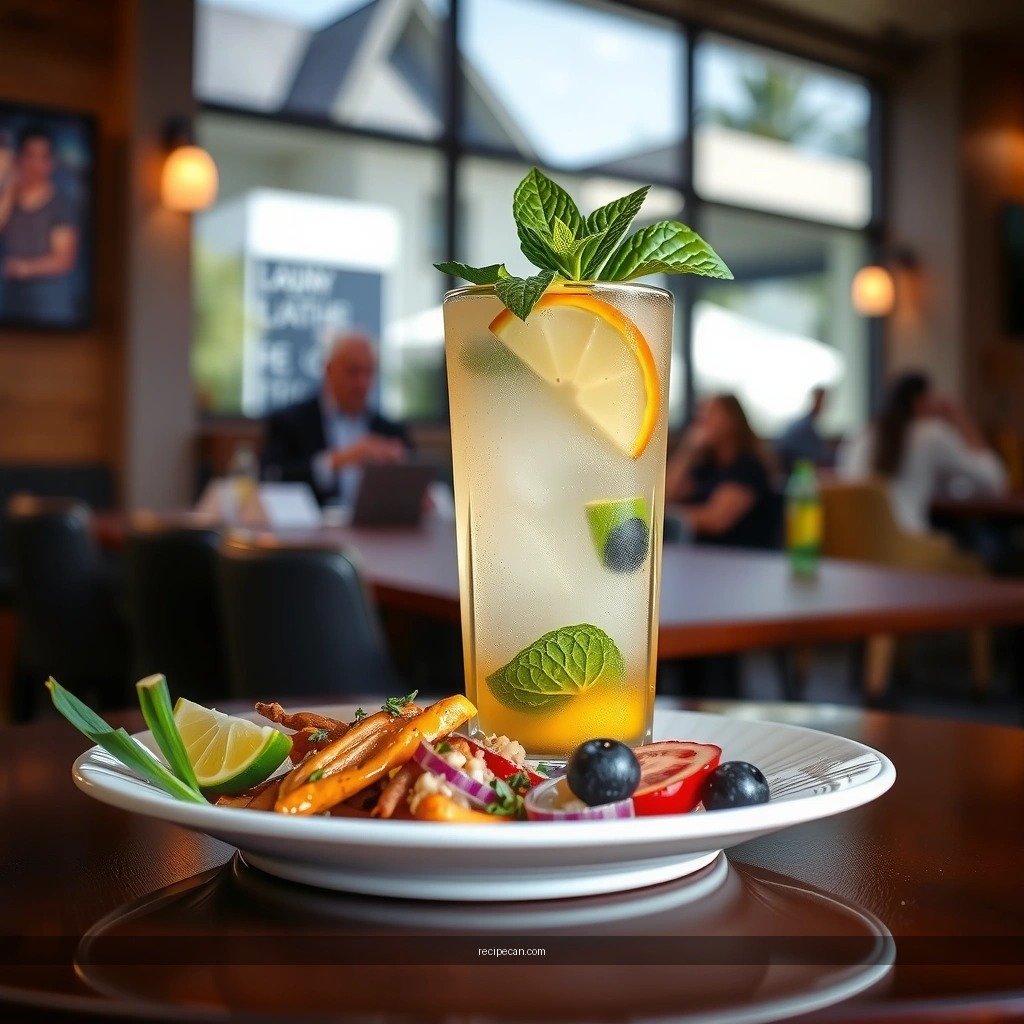
– Use fragrant mint stems sparingly; leaves give the best aroma
– Balance lime juice with sugar so it isn’t too sour or too sweet
To nail mojito criollo flavor, focus on aroma extraction rather than forcing intensity. Mint oils are concentrated in the leaves, while stems can add a woody, sometimes slightly bitter undertone. That’s why a common quality upgrade is using mint leaves only (or using stems as a garnish rather than muddling them heavily).
Next is citrus balance. Limes vary by season and variety: some are brighter and sharper, others more floral and mellow. If your lime tastes aggressively acidic, your drink will too—unless sweetness is adjusted. A practical approach:
– Start with the recommended syrup amount (about 1.5 tsp per drink).
– Taste after adding sparkling water.
– Make adjustments in small increments (e.g., 0.25–0.5 tsp syrup or a teaspoon of lime juice) so you don’t swing past equilibrium.
Professional bartending logic applies here: sweetness doesn’t just add flavor—it rounds the perception of acidity, and carbonation carries both aromatic compounds and perceived brightness.
Variations and Substitutions
– Swap sugar for honey or simple syrup for smoother sweetness
– Adjust rum strength: light rum or less rum for a milder drink
A mojito criollo is adaptable, but you should preserve its core “framework”: mint + lime + controlled sweetness + sparkling lift.
– Honey: Use sparingly (honey can quickly dominate). Start with a smaller amount than sugar; honey’s flavor is more distinctive, and its viscosity changes mouthfeel.
– Simple syrup (recommended): It dissolves fully, preventing grainy texture and giving you more predictable balance.
2) Rum strength
– Lighter rum can produce a cleaner profile, especially if you want a more mint-and-lime-forward cocktail.
– For a milder drink, reduce rum by 0.25–0.5 oz (7–15 ml) and increase sparkling water slightly. This maintains volume without weakening the citrus aromatics.
3) Carbonation management
If you want a less fizzy version, you can reduce sparkling water slightly—but do it knowingly. The mojito’s refreshing character comes partly from effervescence, so lowering it often makes the drink feel heavier.
Serving Suggestions
– Garnish with mint sprigs and a lime wheel
– Serve immediately over plenty of ice for best results
Presentation is more than aesthetics; it’s part of the sensory experience. Garnish with a fresh mint sprig and a lime wheel or wedge. The mint sprig helps release aroma as the glass is lifted, while the lime garnish visually reinforces the citrus profile.
Serve immediately. In a mojito criollo, the interaction between ice melt and carbonation changes the taste quickly:
– Early: vibrant effervescence and crisp mint-lime definition
– Later: more dilution, softer aroma, and reduced “snap”
For gatherings, you can streamline service by pre-mixing the mint-lime-syrup base in small batches (without rum and sparkling water), then assembling per order right before serving.
A great mojito criollo is all about fresh mint, balanced lime, and properly chilled, sparkling topping. Follow the steps above, taste and adjust sweetness to your liking, and then serve it right away—try it tonight and share your favorite tweak!
Frequently Asked Questions
What is a mojito criollo and how is it different from a classic mojito?
A mojito criollo is a traditional twist of the classic mojito that highlights “criollo” ingredients and often includes regional flavor notes like a slightly different mint selection, added citrus emphasis, or subtle variations in sweetness. While both drinks use rum, fresh lime, mint, sugar, and soda water, the mojito criollo recipe typically aims for a more home-style, balanced, and aromatic profile. The result is a refreshing rum cocktail with a distinct local character rather than a strictly standardized version.
How do you make a mojito criollo recipe at home without turning it bitter?
To avoid bitterness, gently muddle the mint leaves and lime—don’t over-crush them, and stop once the lime releases juice and the mint looks lightly bruised. Use fresh lime juice, dissolve the sugar (or syrup) before combining so it doesn’t linger as gritty sweetness, and build the drink carefully: rum, lime, mint, sugar, then top with chilled soda water. This technique keeps your mojito criollo light, fragrant, and smooth instead of harsh.
Why do you need fresh lime juice and fresh mint for a mojito criollo?
Fresh lime juice provides the bright acidity that makes the mojito criollo taste crisp and refreshing rather than flat. Fresh mint contributes natural oils and aroma—key to that signature “cool” flavor—while pre-packaged or dried mint tends to taste muted. Using both fresh ingredients ensures your mojito criollo maintains a vibrant citrus-mint balance in every sip.
What rum is best for a mojito criollo recipe—white rum or something else?
For a mojito criollo, white rum is usually the best choice because it’s clean and lets lime and mint stand out without overpowering them. If you prefer a slightly deeper flavor, a light gold or aged rum can work, but keep it controlled so the cocktail stays refreshing. When following a mojito criollo recipe, match the rum’s intensity to your lime and sweetness so the drink remains balanced rather than boozy or too sharp.
Which ingredients should you include for an authentic mojito criollo—what’s the correct ratio?
A reliable mojito criollo recipe typically includes white rum, fresh lime juice, fresh mint, sugar (or simple syrup), and chilled soda water, usually with ice as the base. A common starting ratio for one serving is about 2–2.5 oz rum, 1 oz lime juice, 1–2 tsp sugar (or ~0.5–1 oz syrup), and then top with soda water to fill the glass. Adjust slightly to taste—more soda for a lighter mojito criollo or a touch more lime if you want extra tang.
References
- Mojito
https://en.wikipedia.org/wiki/Mojito - Mojito – IBA
https://iba-world.com/iba-official-cocktails/mojito/ - https://www.britannica.com/topic/mojito
https://www.britannica.com/topic/mojito - Cocktail
https://en.wikipedia.org/wiki/Cocktail - Lime (fruit)
https://en.wikipedia.org/wiki/Lime_juice - Rum
https://en.wikipedia.org/wiki/White_rum - Rum
https://en.wikipedia.org/wiki/Rum - Google Scholar Google Scholar
https://scholar.google.com/scholar?q=mojito+recipe - Google Scholar Google Scholar
https://scholar.google.com/scholar?q=mojito+criollo - Google Scholar Google Scholar
https://scholar.google.com/scholar?q=Cuban+mojito+lime+mint+rum+history