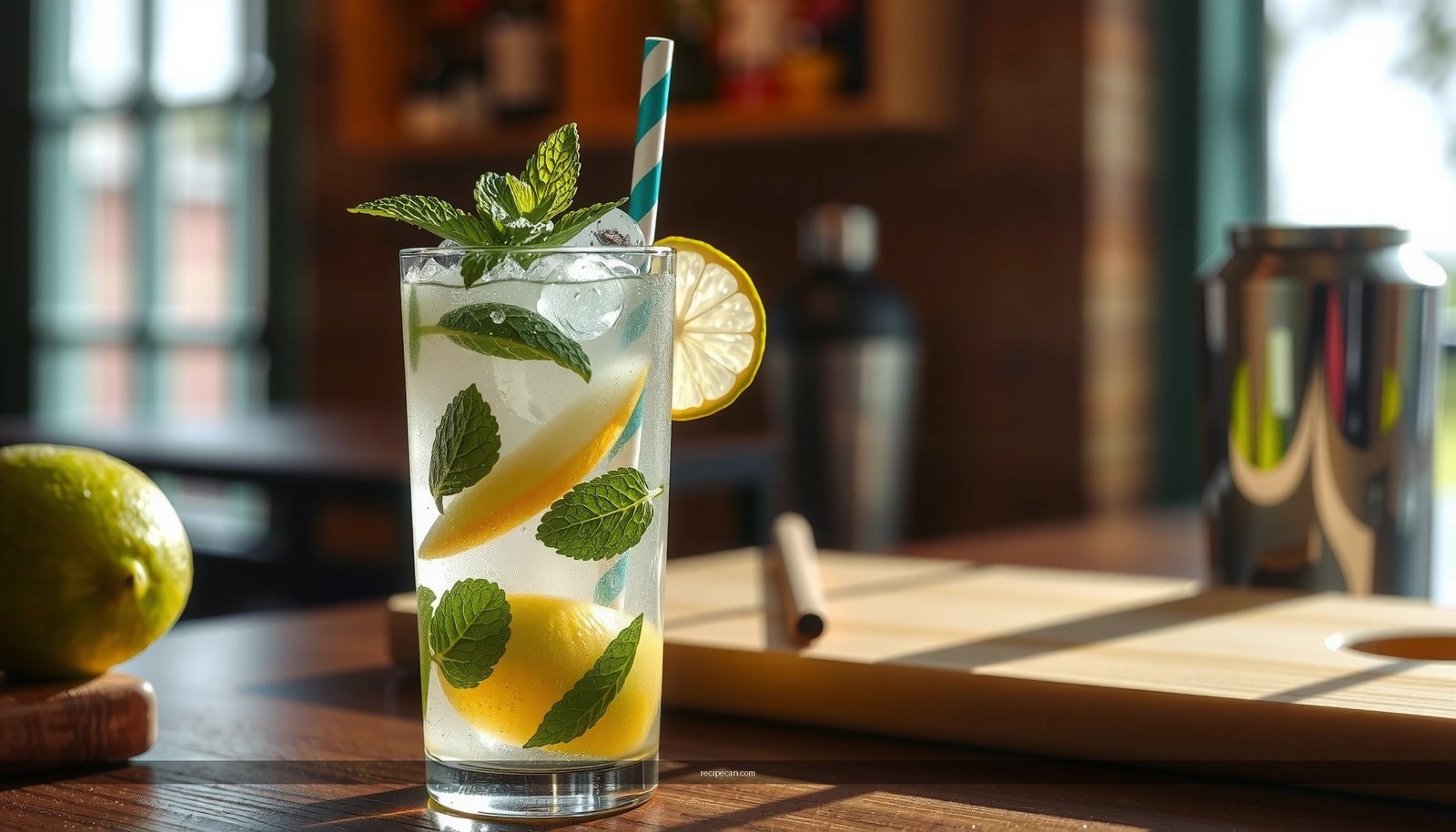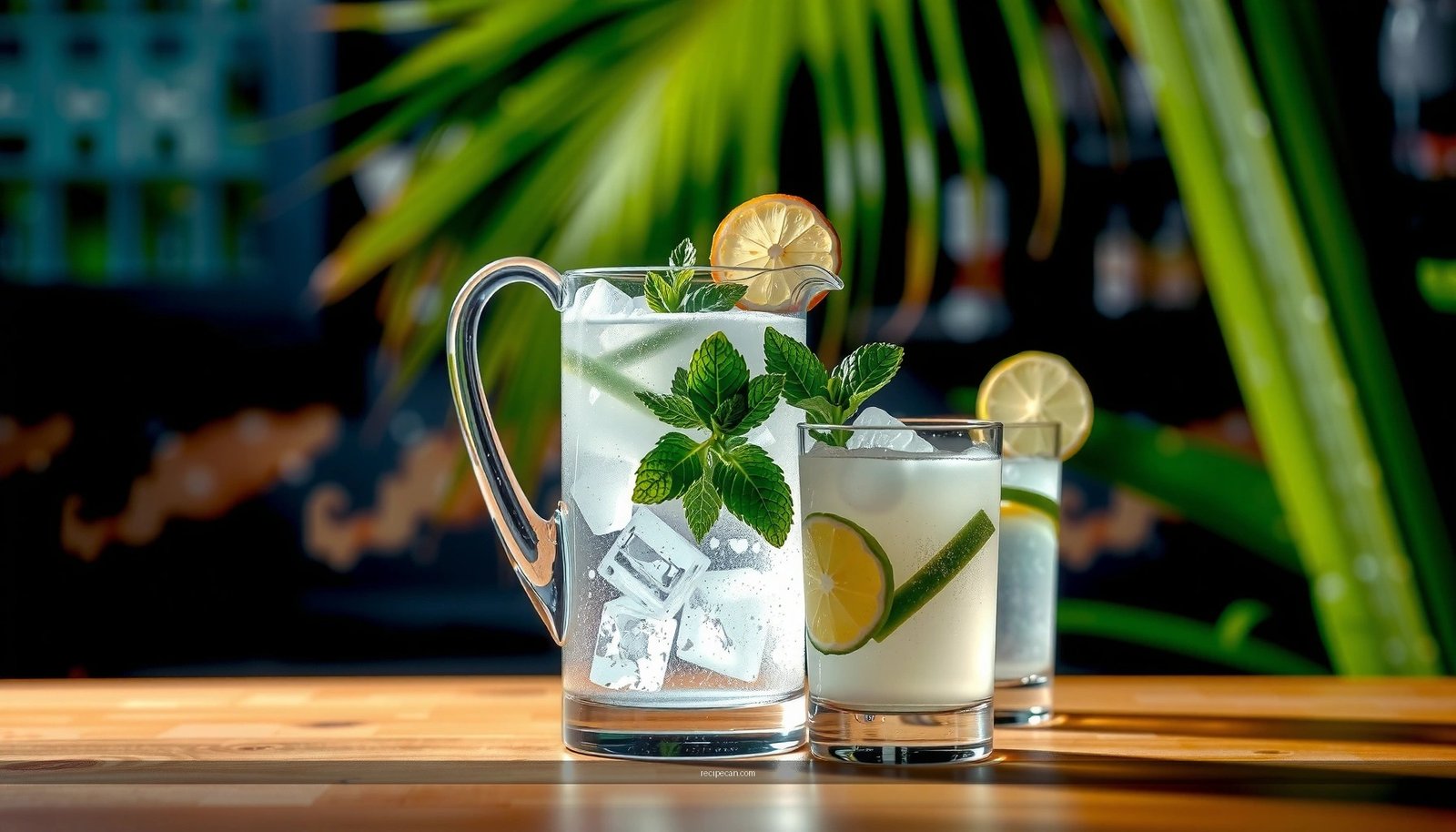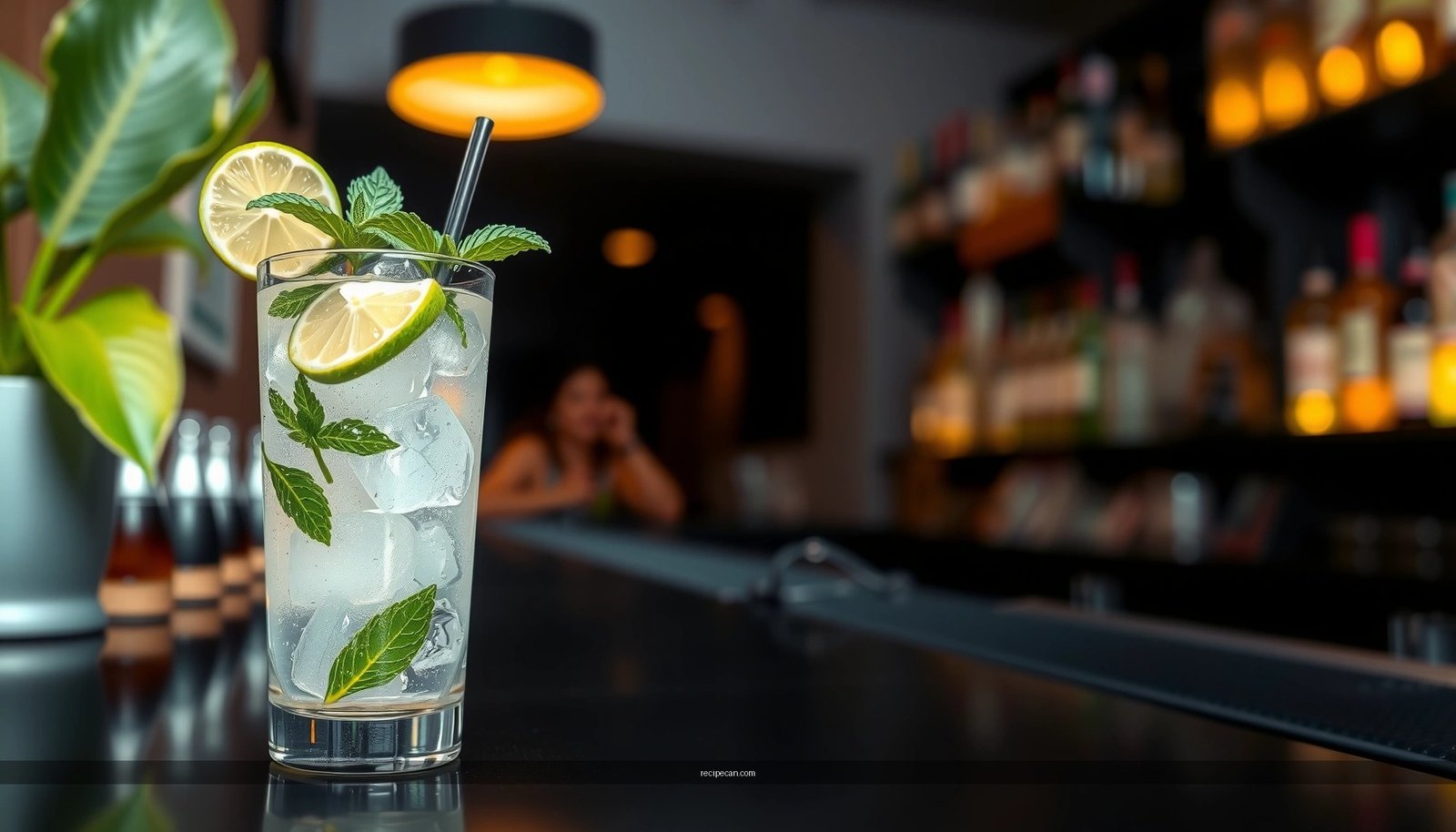
Find the best non alcoholic mojito recipes for a crisp, authentic mint-and-lime taste without the hangover. If you want refreshment that’s fast, ingredient-light, and easy to customize, these winners deliver—whether you prefer a classic lime mojito or a fruit-forward twist. You’ll get straightforward methods that keep the flavors bright from first sip to the last glass.
Non alcoholic mojito recipes let you recreate the classic mint-lime experience without rum—using fresh mint, lime, and soda for that signature “bright + fizz” profile. Below are practical, repeatable variations (classic, berry, and tropical), plus the exact build, sweetener, and make-ahead tactics that keep your zero-proof mojitos tasting clean rather than watery or flat.
In a traditional mojito, the rum brings body, flavor carry, and dilution dynamics; in a zero-proof version, your job is to replace those effects with the right balance of acidity (lime), aromatics (mint), carbonation (soda/sparkling water), and—optionally—sweetness (to round the edges). The good news: once you learn how to build and finish a non alcoholic mojito correctly, the process is quick, consistent, and ideal for entertaining.
Classic Non Alcoholic Mojito (Mint-Lime)
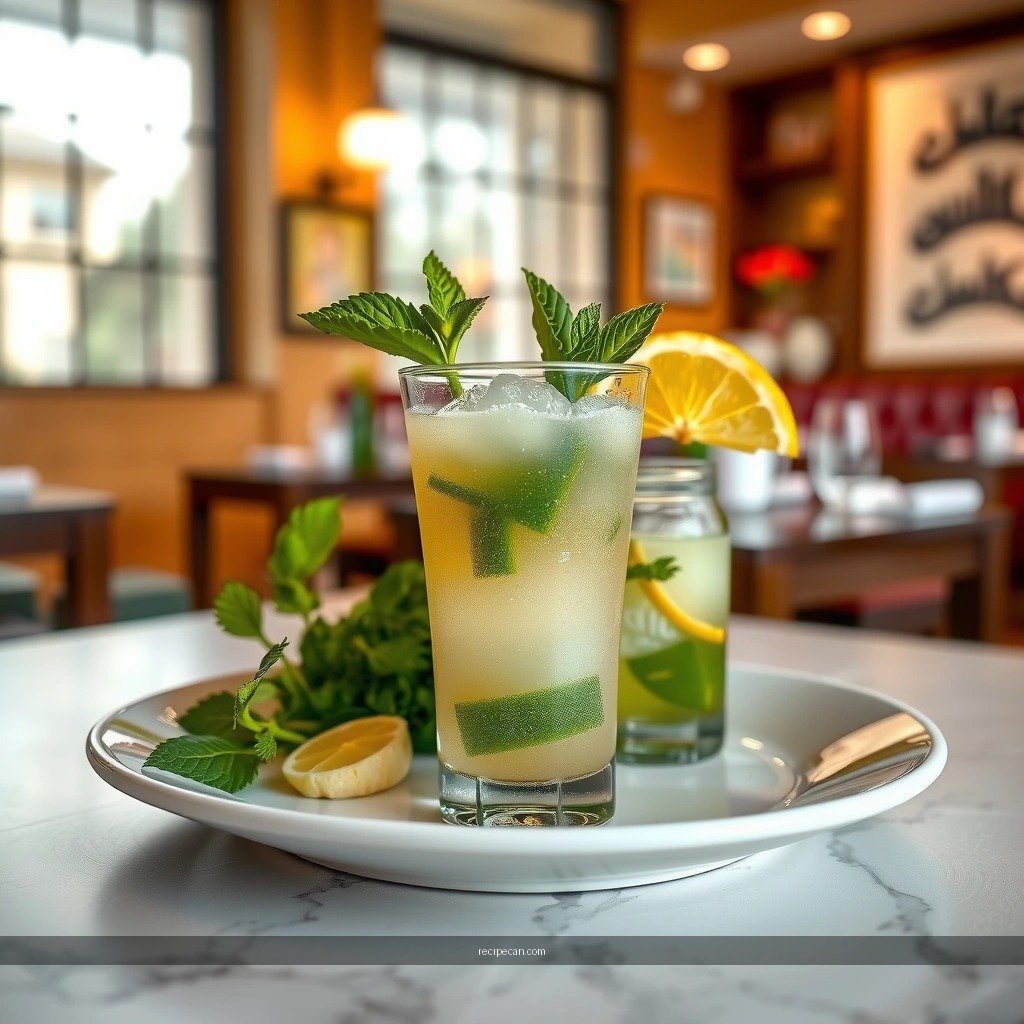
– Muddle fresh mint and lime for maximum aroma
– Top with soda or sparkling water for the signature fizz
For the classic version, treat the mint and lime as your flavor engine and the soda as your delivery system. The goal is aromatic release, not bitter over-extraction.
Step-by-step approach (zero-proof friendly):
1. Chill your glass and ingredients. Cold soda holds carbonation longer, and a cool glass slows dilution.
2. Muddle gently (5–8 presses). Lightly press mint leaves with lime wedges. Over-muddling bruises mint stems and can push bitterness into the drink.
3. Add your base sweetening and lime juice (if using). If your lime is very tart, you may want a small amount of simple syrup. If it’s already sweet or you prefer tart cocktails, you can keep it minimal.
4. Fill halfway with crushed ice (optional but recommended). Crushed ice increases surface area for fast chilling, but you must top with soda promptly.
5. Top with cold soda at the end. Pour slowly to preserve carbonation and avoid foaming overflow.
6. Stir once—then stop. One gentle stir helps integrate flavors; letting mint settle prevents muddy green specks and bitter notes.
Consistency tip: If you want restaurant-style clarity, muddle mint + lime in a separate bowl (or muddle briefly in the glass), then strain into your glass before topping with soda. This also helps when serving large groups.
Zero-Pro-proof Mojito Variations (Berry & Tropical)
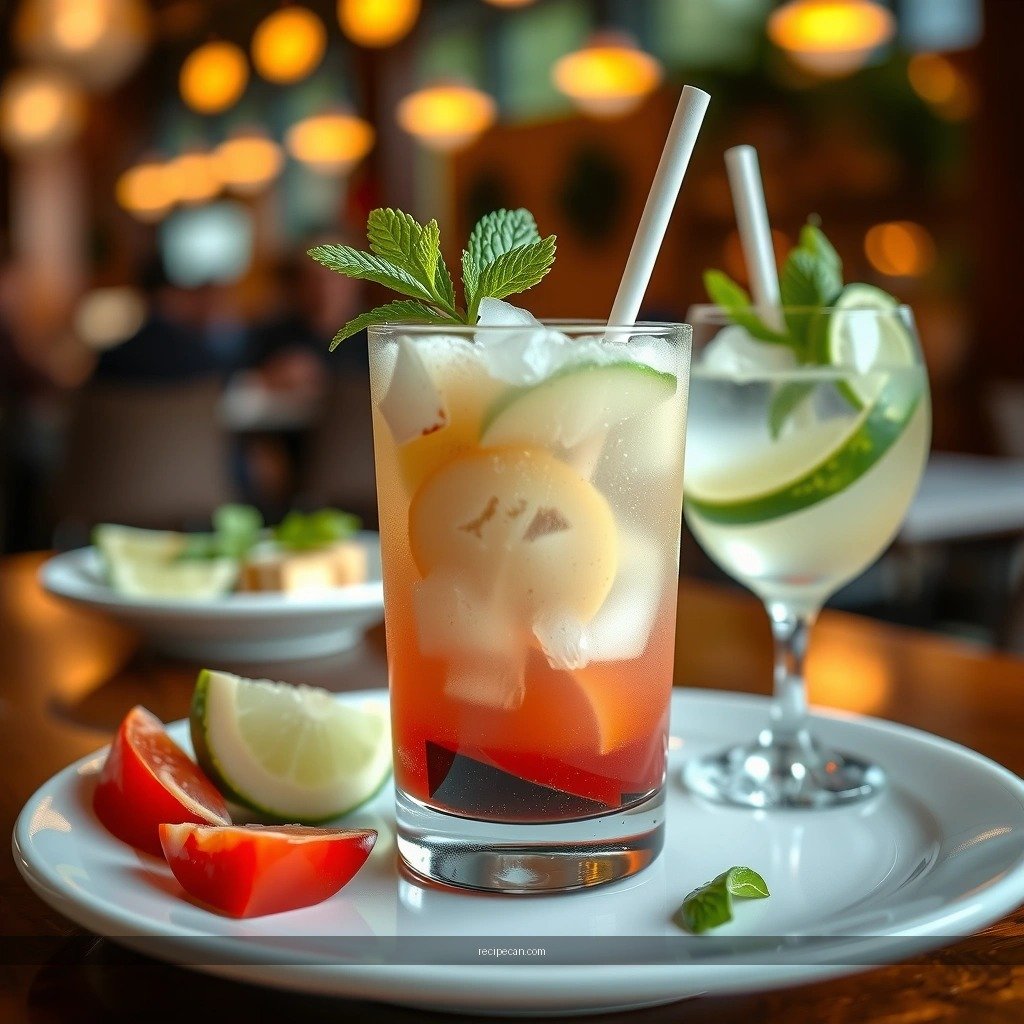
– Add muddled berries (or a splash of berry syrup) for fruity flavor
– Try pineapple or mango for a tropical twist without alcohol
The non alcoholic mojito framework stays the same—mint, lime, soda—while the variation comes from fruit acids and fruit sugars. The main analytical question is: How do you add fruit flavor without making the drink cloudy or overly sweet? The answer is portioning and timing.
Berry Mojito (raspberry, strawberry, or blueberry)
– Best method: muddle 2–3 teaspoons of berries *lightly* for aroma, not full puree extraction.
– Why light muddling works: berries contain seeds and skin compounds that can add dryness or bitterness if overworked.
– Sweetness control: berries vary widely; start with no syrup, then add 1/2 teaspoon of simple syrup only if needed.
– Finishing move: top with soda last to keep berry notes bright and prevent flavor flattening.
Quick flavor logic: berries add their own sweetness, while lime supplies acidity. Too much added sugar can mute the mint’s “clean” herbal edge.
Tropical Mojito (pineapple or mango)
– Pineapple: use fresh pineapple juice or a small spoonful of crushed pineapple; pineapple’s natural enzymes can soften texture, so keep amounts moderate.
– Mango: mango is richer and can quickly become dessert-like. Balance with extra lime juice and keep sweetness low.
– Mint pairing: pineapple + mint is classic; mango + mint feels lush—just don’t over-muddle (keep mint perfumed, not cooked).
Operational tip for batch service: Blend fruit with lime juice for a concentrate, then portion into glasses before adding soda. Concentrates allow consistent sweetness and acidity across every drink.
Best Sweeteners and Flavor Boosters
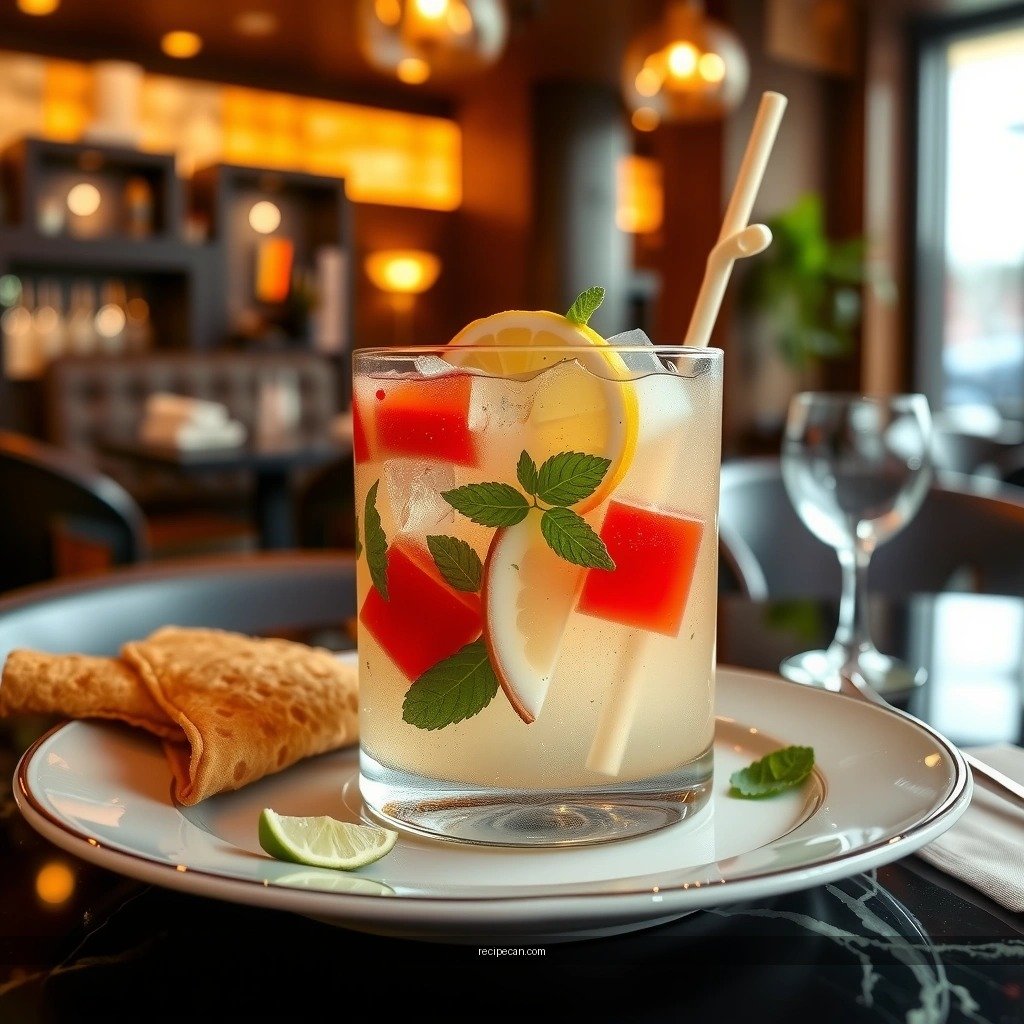
– Choose simple syrup, honey syrup, or a sugar-free alternative
– Use fresh citrus (lime zest or extra lime juice) to boost brightness
In a zero-proof mojito, sweetness is a balancing lever—not a requirement. A mojito can be tart, but it shouldn’t taste sharp. The right sweetener also affects mouthfeel, which is something rum would normally contribute.
Choose based on your target profile:
– Clean and classic: simple syrup (neutral, dissolves fast).
– Round and aromatic: honey syrup (adds floral notes, pairs well with mint).
– Lighter / lower sugar: sugar-free syrups or monk fruit–based sweeteners (watch for aftertaste and keep amounts conservative).
– Fruit-forward: if using berries or mango, reduce added sweetener because fruit already contributes sugar.
Recommended sweetener options (practical, quantified guidance)
Sweetener Fit for Non Alcoholic Mojito Balance (Mint + Lime)
| # | Sweetener / Booster | Typical Use (per 12 oz) | Sweetness Impact | Mint Clarity | Overall Fit |
|---|---|---|---|---|---|
| 1 | Simple Syrup (1:1) | 1–2 tsp | ★ ★ ★ ★ ☆ | High | 9/10 |
| 2 | Honey Syrup (honey:water 1:1) | 3/4–1.5 tsp | ★ ★ ★ ★ ☆ | Medium-High | 8.5/10 |
| 3 | Agave (lower acidity) | 3/4–1 tsp | ★ ★ ★ ★ ☆ | Medium | 6.5/10 |
| 4 | Lime Zest (no extra sugar) | zest of 1/2 lime | ★ ★ ☆ ☆ ☆ | Very High | 9.3/10 |
| 5 | Sugar-Free “Simple” Syrup | 0.5–1 tsp | ★ ★ ★ ☆ ☆ | High (if blended well) | 8/10 |
| 6 | Cane Sugar (dissolve first) | 1–2 tsp (pre-dissolved) | ★ ★ ★ ★ ☆ | Medium-High | 7/10 |
| 7 | Berry or Pineapple Syrup Splash | 1–2 tsp | ★ ★ ★ ★ ☆ | Medium | 8/10 |
Flavor boosters that matter:
– Lime zest: adds aromatic oils without increasing acidity too aggressively.
– Extra lime juice (judicious): brightens flat drinks, especially if you used sweeter fruit.
– Mint handling: bruise leaves just enough to release aroma; then let them settle.
If you taste a “muddy” mojito, the fix is usually procedural: reduce muddling intensity, strain mint, or adjust sweetener downward.
How to Build the Perfect Non Alcoholic Mojito
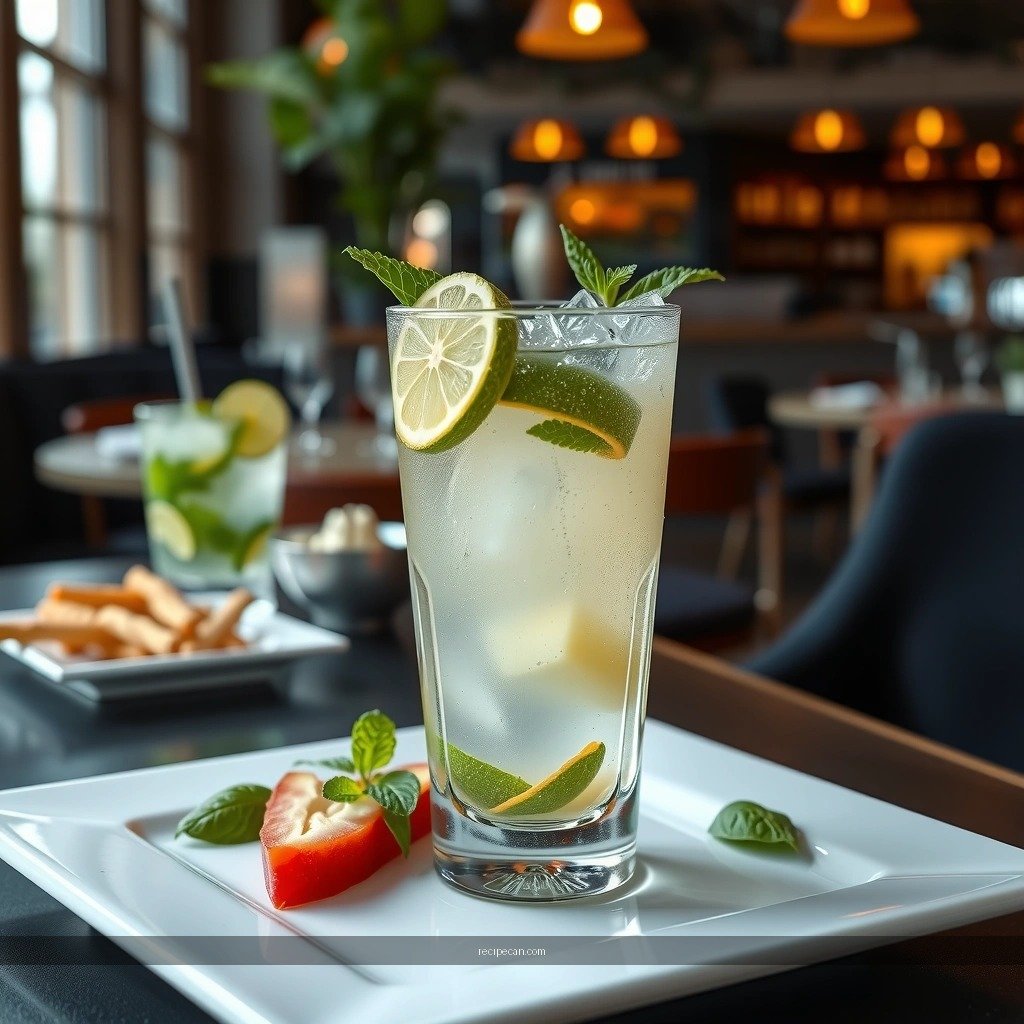
– Use the right glassware and fill levels for better mixing
– Stir gently, then let mint settle before serving
Building a mojito is about controlling mixing energy and timing. Even with great ingredients, the wrong order can leave you with either under-flavored mint or flat, heavily diluted soda.
Glassware and fill levels
– Use a highball or collins glass for easy soda pouring and a mint-forward aroma.
– Target ice-to-liquor ratio: typically 2/3 ice to allow quick chilling and slow dilution.
– Leave headspace so the soda doesn’t overflow and the carbonation stays lively.
Mixing sequence that consistently works
1. Add lime juice (and syrup, if using).
2. Add mint and gently muddle.
3. Add ice.
4. Pour soda last.
5. Stir once or twice.
6. Wait 30–60 seconds for mint to settle.
Why settling improves quality: mint leaves continue releasing flavor compounds for a short period after muddling. Letting them settle prevents over-extraction while still giving you an aromatic top note when you drink.
Quality check (fast sensory test):
– Aroma: should smell minty and lime-bright.
– Taste: should be balanced—tart but not harsh, sweet but not candy-like.
– Finish: should feel crisp due to soda, not syrupy or heavy.
Make-Ahead and Batch Recipe Tips
– Pre-mix mint-lime components, then add soda right before serving
– Keep extra garnishes chilled to maintain freshness
Batching non alcoholic mojito recipes is where many hosts go wrong—primarily by adding soda too early. Carbonation decays quickly once mixed, and bruised mint can become more bitter over time.
A practical batch workflow
– Make a mint-lime base: lime juice + measured syrup + lightly muddled mint (or mint-infused juice).
– Hold the base chilled: cover and refrigerate.
– Right before serving: portion the base into glasses, add ice, then top with soda/sparkling water.
– Garnish last: mint sprigs and lime wheels go on at the final step for best aroma.
How far in advance can you prep?
– Mint-lime base: best within 2–4 hours for peak brightness.
– Chopped garnishes: keep limes and mint chilled (covered) to reduce wilting and oxidation.
Operational advantage: measuring syrup and lime juice ensures consistent taste across multiple drinks, which matters when hosting colleagues, clients, or larger groups.
Serving Ideas and Garnish That Make It Pop
– Garnish with mint sprigs, lime wheels, and crushed ice
– Serve with mocktail-friendly sides for a complete refreshment vibe
Presentation signals care—and in a non alcoholic mojito, garnish also affects perception of freshness.
Garnish strategy
– Mint sprigs: lightly slap (or roll) the sprig between your hands to release aroma before placing.
– Lime wheels or wedges: place a wheel on the rim or float a wedge so guests can adjust acidity.
– Crushed ice: improves temperature and creates a more “bar-like” texture.
– Optional: edible flowers or berry skewers for berry variations, as long as flavors remain clean.
Pairing suggestions (mocktail-friendly)
– Fresh salads with citrus vinaigrette (echoes lime brightness).
– Light appetizers: shrimp, ceviche, hummus with herbs, or grilled vegetables.
– Sweet-spicy snacks for tropical mojitos (balances mango/pineapple richness).
Professional hosting tip: offer one “tart” and one “balanced” option. Label them clearly (for example, “Extra Lime” vs. “Classic Sweet-Balanced”) so guests can choose without asking questions.
Whether you want the classic or a fruity twist, non alcoholic mojito recipes are all about fresh mint, zesty lime, and the perfect soda finish. Pick one variation to start, follow the build tips for balanced flavor, and batch it for easy entertaining—then try a new garnish or flavor booster each time.
In conclusion, achieving a refreshing zero-proof mojito comes down to correct muddling, properly chilled ingredients, and—most importantly—adding soda at the last moment. Use the sweetener guidance to dial in balance, choose fruit variations with restraint to avoid muddiness, and build in a repeatable order so every glass lands crisp, aromatic, and consistently bright.
Frequently Asked Questions
What are the best non alcoholic mojito recipes I can make at home?
A classic-style non alcoholic mojito uses fresh mint, lime juice, sugar (or simple syrup), and sparkling water to keep it light and refreshing. For easy variations, try a “lime-mint soda” style, a ginger-forward mojito, or a berry mojito using muddled fruit for extra flavor without alcohol. The best recipe for you is the one that balances tart lime, aromatic mint, and enough carbonation to mimic a traditional mojito’s crisp finish.
How do I make a non alcoholic mojito without it tasting too sweet or too sour?
Start with fresh lime juice and add sweetener gradually—begin with simple syrup or cane sugar, tasting as you go. Muddle mint gently to release oils without making it bitter, then top with chilled sparkling water to dilute and brighten the flavors. If it’s too sour, add a touch more syrup; if it’s too sweet, increase lime or add more soda to restore balance.
How do you muddle mint for the perfect non alcoholic mojito?
Use a muddler or back of a spoon to press the mint leaves just enough to bruise them and release essential oils, not shred them. Always muddle directly in the glass (for a simple build) or in the syrup base (for an even flavor distribution). Fresh mint is key—older mint can taste harsh, which can make your non alcoholic mojito taste “off” even when the ingredients are correct.
Why does a non alcoholic mojito need sparkling water or soda?
The carbonation is what gives a mojito its signature crisp texture and helps lift the bright lime-and-mint flavors. Without sparkling water, your drink can become flat or overly heavy, especially if you’re using sugar and muddled mint. For best results, add soda last and keep it very cold so the drink stays refreshing.
Which ingredients can I use for a healthier non alcoholic mojito?
You can reduce sugar by using natural sweeteners like honey, agave, or a sugar-free simple syrup, while still keeping the lime and mint proportions right. Add extra freshness with sliced cucumber, fresh basil, or a splash of ginger beer (low-sugar options work well) for flavor without alcohol. For a truly “clean” non alcoholic mojito, focus on fresh mint, freshly squeezed lime, and quality sparkling water—those choices do most of the heavy lifting.
References
- Mojito
https://en.wikipedia.org/wiki/Mojito - Google Scholar Google Scholar
https://scholar.google.com/scholar?q=non-alcoholic+mojito+recipe - Google Scholar Google Scholar
https://scholar.google.com/scholar?q=virgin+mojito+mocktail+lime+mint+recipe - Google Scholar Google Scholar
https://scholar.google.com/scholar?q=mojito+history+ingredients+mint+lime+sugar+recipe - Non-alcoholic mojito recipe | Good Food
https://www.bbcgoodfood.com/recipes/non-alcoholic-mojito - https://www.britannica.com/topic/mojito
https://www.britannica.com/topic/mojito - Cabbage Recipes & Recipe Ideas
https://www.simplyrecipes.com/nonalcoholic-mojito-recipe-5090904 - https://www.foodnetwork.com/recipes/alexandra-cooks/non-alcoholic-mojito-5235448
https://www.foodnetwork.com/recipes/alexandra-cooks/non-alcoholic-mojito-5235448 - Mushroom Cauliflower Rice Recipe – Primavera Kitchen | The Kitchn
https://www.thekitchn.com/non-alcoholic-mojito-recipe-260961 - Google Scholar Google Scholar
https://scholar.google.com/scholar?q=non+alcoholic+mojito+recipes