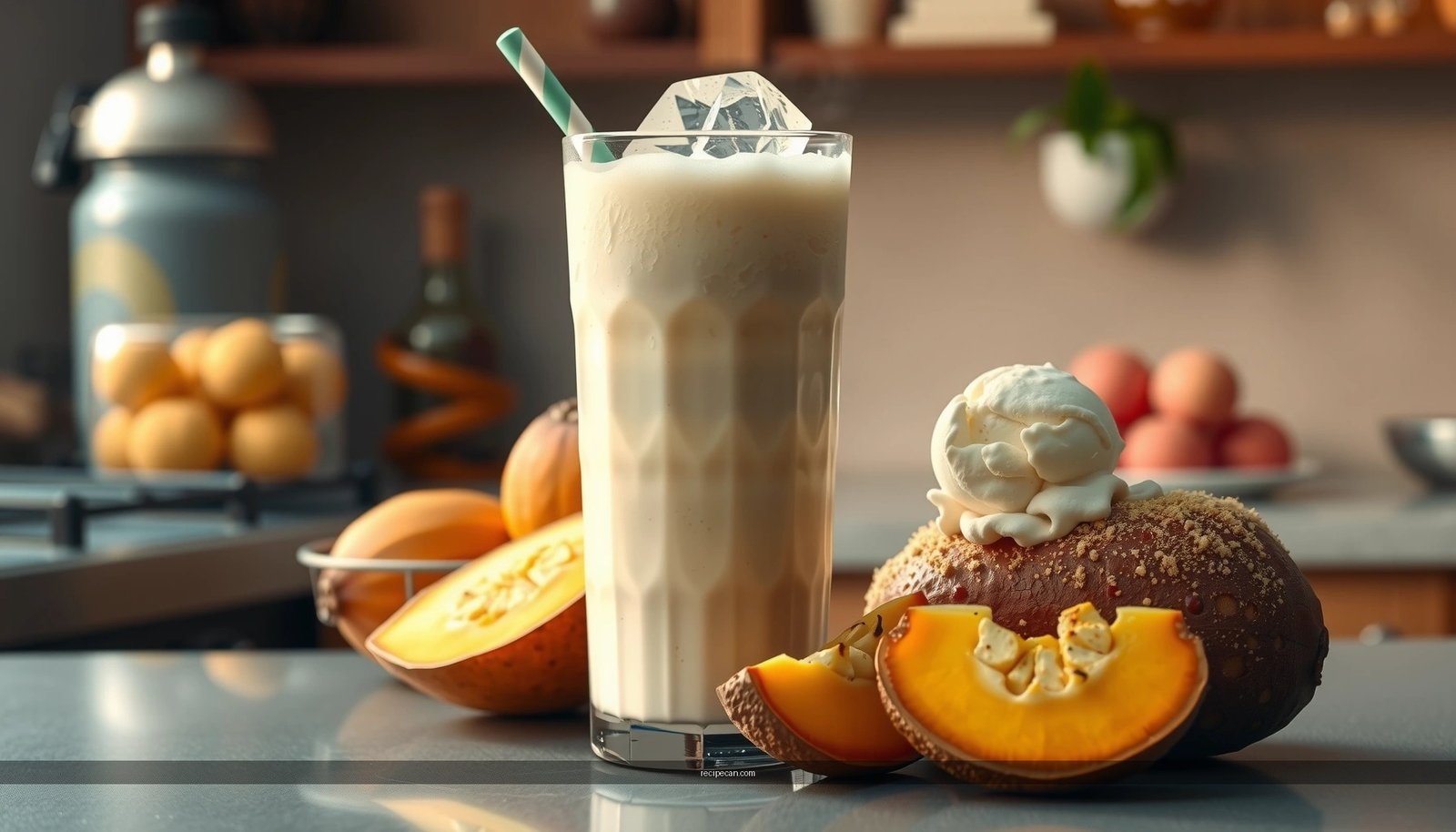
Searching for a sapota milkshake recipe that delivers a thick, creamy drink with minimal effort? This easy, step-by-step method shows you exactly how to turn ripe sapota into a smooth shake every time. Follow these instructions for the best taste and texture—no guesswork, no complicated techniques.
Make a thick, creamy sapota (chikoo) milkshake by blending ripe sapota pulp with cold milk, a sweetener (optional), and a small amount of cardamom; the key is using soft, fully ripe fruit and chilling your dairy. If you follow the simple blend-and-adjust method below—plus the right ratio—you’ll consistently get a smooth shake with the texture that café-style versions deliver.
Ingredients for Sapota Milkshake
– Ripe sapota (chikoo), cold milk, sugar or honey, and ice (optional)
– Optional add-ins: cardamom powder, chopped nuts, or vanilla for extra taste
For best results, treat sapota as the main “thickener.” When it’s ripe, the fruit’s natural sweetness and creamy texture reduce the need for heavy ingredients like cream. Below are ingredient guidelines that keep the milkshake balanced—neither too watery nor overly dense.
Recommended baseline ratio (for 1–2 glasses):
– Sapota pulp: 1 medium sapota (about 1 to 1¼ cups scooped pulp)
– Cold milk: ¾ to 1 cup
– Sweetener (optional): 1–2 teaspoons sugar or 1–2 teaspoons honey (adjust based on ripeness)
– Cardamom: ⅛ to ¼ teaspoon (ground)
– Ice (optional): 4–6 cubes if you want a colder, thicker sip (use sparingly to avoid thinning)
Why these ingredients work
– Ripe sapota: provides natural creaminess and body.
– Cold milk: helps the shake stay thick, slows separation, and enhances a smooth blend.
– Cardamom: complements sapota’s caramel-like flavor without overpowering it.
– Sweetener: is optional—fully ripe sapota can be sweet enough.
When to add ice
Ice is useful if your kitchen is warm or your milk isn’t very cold. However, too much ice increases volume and water content, which can thin the shake even when the fruit is ripe.
Texture Drivers in Sapota Milkshake (Practical Targets)
| # | Milkshake Factor | Amount Range | Impact on Thickness | Best Practice Score |
|---|---|---|---|---|
| 1 | Sapota ripeness (pulp softness) | Fully ripe only | Strongly ↑ | ★★★★★ |
| 2 | Cold milk temperature | 4–8°C | ↑ | ★★★★☆ |
| 3 | Sapota : milk ratio (body balance) | 1 cup pulp : ¾–1 cup milk | Most controllable | ★★★★★ |
| 4 | Ice quantity (water dilution) | 2–6 cubes | Avoid too high | ★★★☆☆ |
| 5 | Blending time (smoothness) | 30–45 seconds total | ↑ smoothness | ★★★★☆ |
| 6 | Sweetener amount (ripeness dependent) | 0–2 tsp | Balance not dilution | ★★★★☆ |
| 7 | Cardamom dose (flavor strength) | ⅛–¼ tsp | Aromatic lift | ★★★★☆ |
Step-by-Step Sapota Milkshake Recipe

– Blend mashed sapota with milk until smooth and creamy
– Add sweetener, cardamom (if using), and ice, then blend again briefly
Follow this sequence to maintain a silky texture:
1. Prepare the sapota
– Wash the fruit, cut, and scoop out the pulp.
– If you see firmness or stringy bits, blend longer or choose a more ripe fruit next time.
– Lightly mash the pulp first—this helps the blender reach a uniform consistency quickly.
2. Blend pulp with cold milk (first blend)
– Add sapota pulp and cold milk into a blender.
– Blend until fully smooth—typically 25–35 seconds depending on your blender power.
– If you prefer fewer bubbles, blend at medium speed for the first half, then pulse once or twice.
3. Sweeten and flavor (second blend)
– Add sugar or honey if needed.
– Add cardamom powder (or vanilla/rose syrup in variations).
– Blend again for 10–15 seconds just to combine.
4. Add ice (optional)
– If you’re using ice, add 2–6 cubes after sweetening and flavoring.
– Blend briefly so the drink stays thick rather than becoming thin.
Quality control check (30-second rule):
Pour into a glass and observe the flow. A properly thick sapota milkshake should form a slow-moving ribbon—not a fast-running stream. If it’s too thick, add 1–2 tablespoons milk; if too thin, add a few tablespoons of sapota pulp or reduce ice next time.
How to Make It Thick and Creamy
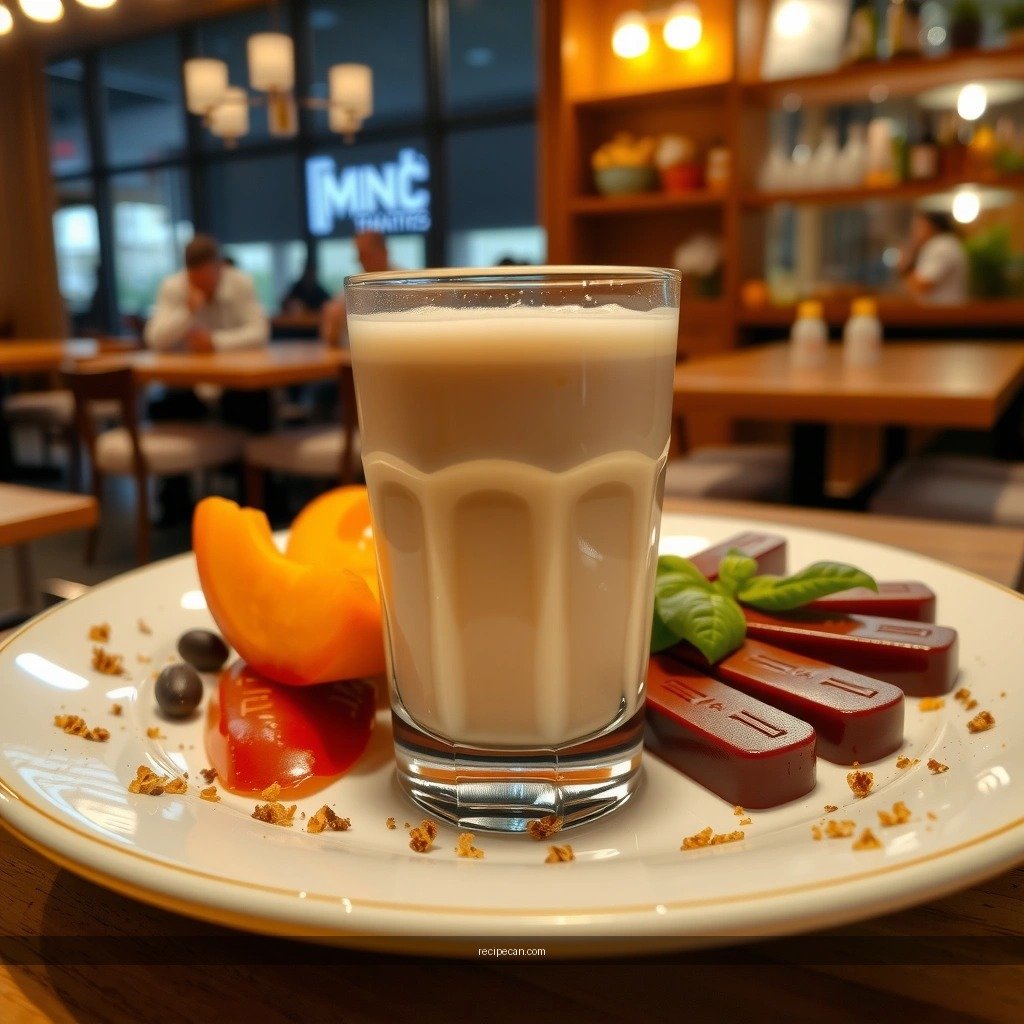
– Use ripe, soft sapota and chilled milk to improve texture
– Adjust thickness by adding less ice or a little extra sapota/milk as needed
A thick sapota milkshake is about controlling water content and pulp proportion, not about adding heavy creams. Here are the most reliable, analytical levers:
1) Choose fully ripe chikoo
Visual and feel cues:
– Skin may look slightly wrinkled or softer.
– Pulp yields easily when you press or scoop it.
– Flavor is naturally sweet and mild, not sour or grassy.
Unripe sapota has higher firmness and less natural creaminess—your blender will work harder but still produce a less uniform texture.
2) Use cold milk—not room temperature
Chilled milk increases perceived thickness and helps keep the shake stable. If you want a premium texture, store milk in the refrigerator and use it straight from there.
3) Control the sapota : milk ratio
Use this practical approach:
– Start at 1 cup pulp : ¾ cup milk for a thicker result.
– Move toward 1 cup pulp : 1 cup milk if you want a lighter, more drinkable consistency.
4) Treat ice as an “optional dial”
If you want thickness, ice should be limited. Excess ice adds meltwater that dilutes the shake. If you need extra coldness, chill your glass and milk instead of relying only on ice.
5) Blend in two stages
First blend pulp with milk to build a stable base, then add sweetener/cardamom and ice (if using). This method reduces the chance of uneven mixing where fruit pulp settles.
Flavor Variations to Try
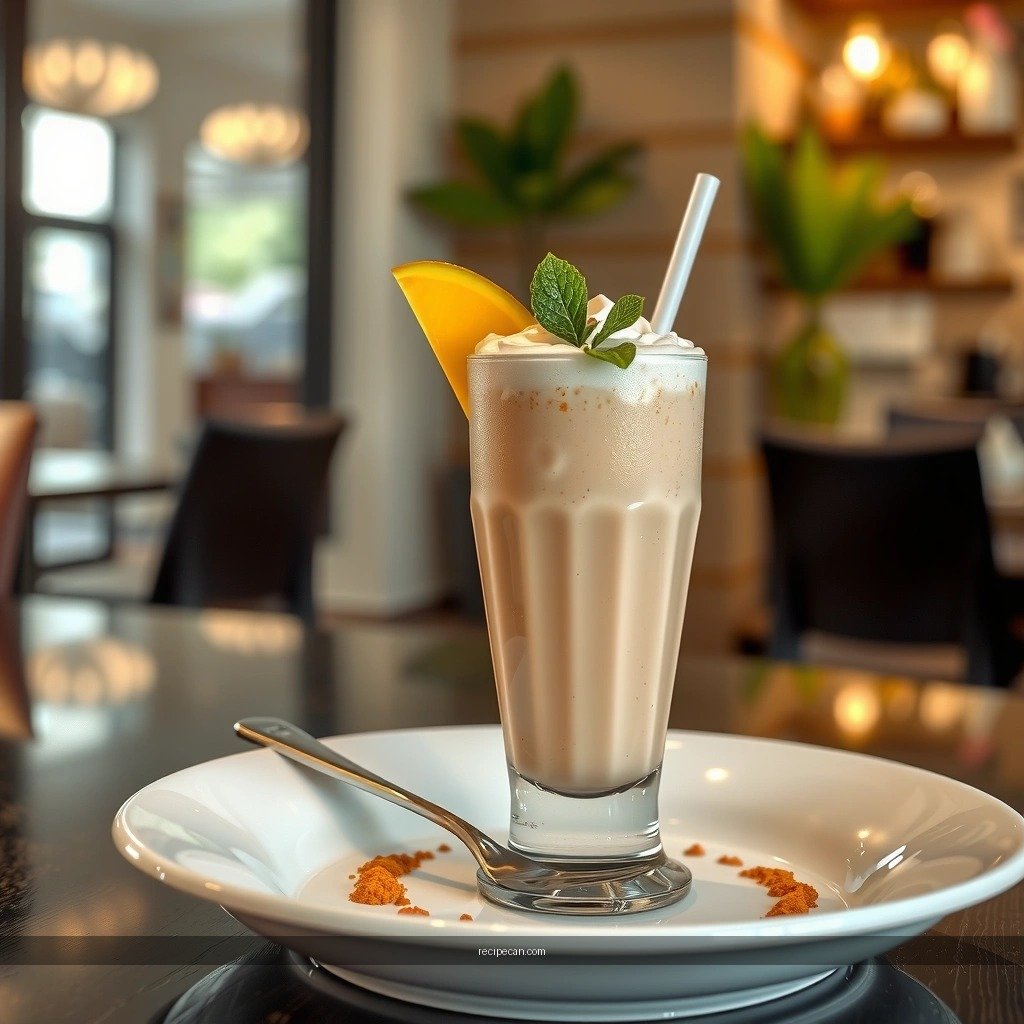
– Add vanilla, rose syrup, or a pinch of cinnamon for different flavor notes
– Make it “nutty” with almonds, cashews, or crushed pistachios
Sapota milkshake is flexible—small additions can change the flavor profile while keeping the drink creamy.
Classic cardamom sapota shake
– Best for: traditional Indian chai-adjacent flavor
– Add: ⅛–¼ teaspoon cardamom powder
Vanilla sapota milkshake
– Best for: a dessert-like, crowd-friendly taste
– Add: ½ teaspoon vanilla extract (or ¼ teaspoon vanilla essence)
– Tip: Vanilla works particularly well if your sapota is moderately ripe and less sweet.
Rose-sapota milkshake
– Best for: floral, festive notes
– Add: 1–2 teaspoons rose syrup
– Balance: Reduce sugar since rose syrup brings its own sweetness.
Cinnamon pinch (warm spice accent)
– Best for: subtle spice complexity without strong aroma
– Add: a tiny pinch of cinnamon (too much can dominate sapota’s caramel notes)
Nutty “chikoo kulfi-style” variation
– Add: 1–2 tablespoons chopped nuts or 1–2 tablespoons finely ground nuts
– Great options: almonds, cashews, crushed pistachios
– Texture upgrade: for a thicker body, grind nuts briefly with a few spoons of milk before adding them to the blender.
Actionable pairing tip:
If you add nuts or rose syrup, keep ice minimal—these ingredients can make the shake feel heavier, and extra dilution may reduce the luxurious texture.
Serving Tips and Storage
– Serve immediately for the best consistency and flavor
– If needed, refrigerate for up to a few hours and stir well before drinking
Serving tips (for best experience)
– Serve immediately: Sapota milkshakes are at their thickest and smoothest right after blending.
– Chill your glass: A cold glass helps maintain thickness for a few extra minutes.
– Garnish ideas: crushed pistachios, a pinch of cardamom, or a few nut slivers.
Storage reality (and how to handle it)
If you have leftovers:
– Refrigerate: cover and store for up to a few hours.
– Stir well before drinking: fruit pulp can settle, so stirring or re-blending briefly restores texture.
Avoid: leaving it at room temperature for long periods—this can affect both flavor and texture.
Common Mistakes to Avoid
– Avoid blending unripe sapota—taste and texture won’t be as good
– Don’t overblend with too much ice, which can thin the shake
Mistake 1: Using unripe sapota
Even with perfect blending, unripe chikoo won’t deliver the signature creamy mouthfeel and natural sweetness. Choose soft, fully ripe fruit for consistent results.
Mistake 2: Adding too much ice
Ice is not a substitute for correct ratio. Too much ice means excess meltwater, leading to a thinner shake that tastes less rich.
Mistake 3: Overblending for too long
For most blenders, long blending can create excessive froth. It may also warm the mixture slightly depending on motor performance. Use controlled blending times:
– Base blend: 25–35 seconds
– Final blend: 10–15 seconds
Mistake 4: Sweetening blindly
Because sapota ripeness varies, start with a smaller sweetener amount. Taste after the first blend and adjust in the second stage. This prevents an overly sweet shake that masks sapota flavor.
Mistake 5: Not mashing pulp before blending
Skipping the mash can lead to uneven texture—some fruit particles remain while the blender struggles. A quick mash creates a more uniform base.
Enjoy your homemade sapota milkshake by following the simple blend-and-adjust method for the perfect creamy texture. Try one variation next (cardamom, nuts, or vanilla), and make it fresh each time for the best results—then share your favorite twist!
Final takeaway
A creamy sapota milkshake is achievable with a disciplined process: use ripe chikoo, blend pulp with chilled milk, add sweetener and cardamom to taste, and keep ice controlled. With these practical ratios and steps, you’ll reliably produce a smooth, thick drink that tastes like a fresh specialty dessert—right at home.
References
- Manilkara zapota
https://en.wikipedia.org/wiki/Sapodilla - Manilkara zapota
https://en.wikipedia.org/wiki/Chikoo - Milkshake
https://en.wikipedia.org/wiki/Milkshake - Smoothie
https://en.wikipedia.org/wiki/Smoothie - https://en.wikipedia.org/wiki/List_of_smoothies
https://en.wikipedia.org/wiki/List_of_smoothies - Sapodilla | Description, Distribution, & Facts | Britannica
https://www.britannica.com/plant/sapodilla - https://www.britannica.com/topic/milkshake
https://www.britannica.com/topic/milkshake - Google Scholar Google Scholar
https://scholar.google.com/scholar?q=sapota+milkshake+recipe - Google Scholar Google Scholar
https://scholar.google.com/scholar?q=sapodilla+milkshake+recipe - Google Scholar Google Scholar
https://scholar.google.com/scholar?q=chikoo+milkshake+recipe