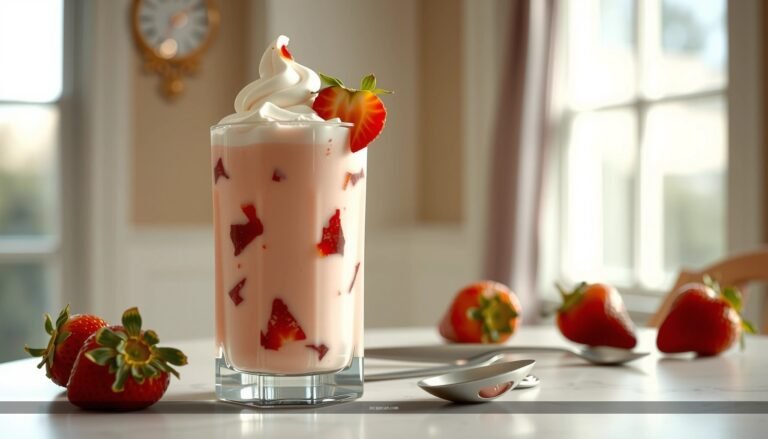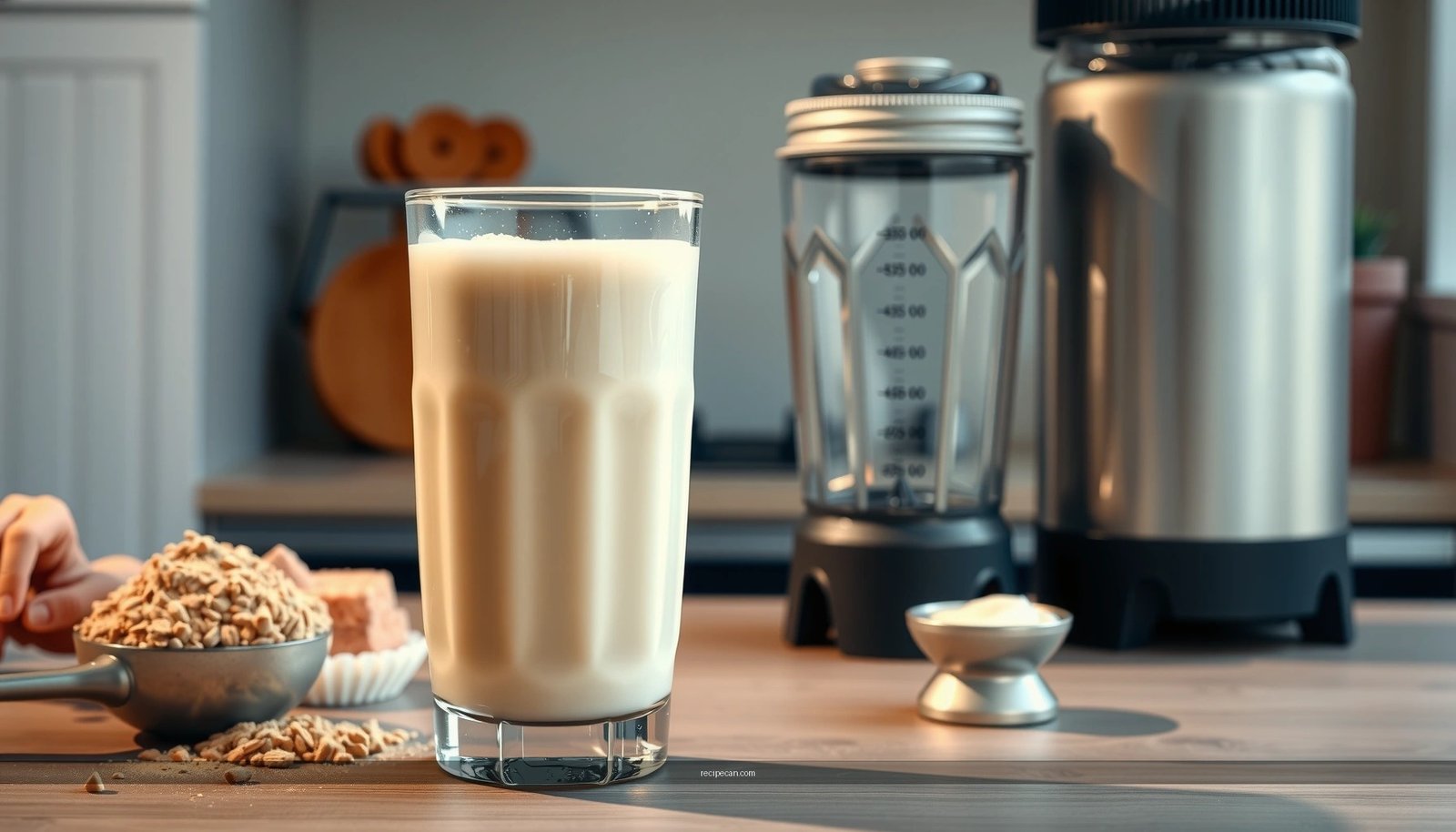
Looking for a high protein milkshake recipe that actually hits your macros fast? This guide delivers the best high-protein milkshake formula—built to boost protein quickly without making your shake taste chalky. You’ll get a simple, step-by-step method that answers the real question: how to make a high-protein milkshake in minutes.
This high protein milkshake recipe gives you a thick, creamy shake you can assemble in minutes while pushing protein forward efficiently—ideal for post-workout recovery or a high-protein meal support option. If you follow the base + protein + flavor + blend steps below, you’ll reliably hit your target macros without sacrificing texture or taste.
Choose Your High-Protein Milkshake Base

The base you choose determines not only the protein level, but also thickness, mouthfeel, and how “milkshake-like” the final result feels. For a fast, high-protein milkshake recipe, you want a base that’s naturally higher in protein and provides good viscosity, so you don’t have to rely on extra thickeners.
Best base options (and when to use each):
– Milk (dairy or lactose-free): Convenient and easy to measure. Use it when you want a classic flavor and smooth drinkability.
– Greek yogurt: Typically the fastest way to get a thick, spoonable shake. The higher viscosity helps prevent a watery result.
– Kefir: Slight tang and a naturally smooth texture for many people; it’s also a strong option if you tolerate fermented dairy well.
Low-fat vs. full-fat (calorie control without losing protein):
– If you’re cutting calories, choose low-fat or skim milk and low-fat Greek yogurt.
– If your goal is muscle gain (bulking) and you don’t mind slightly more calories, regular Greek yogurt can deliver a richer texture.
Actionable tip for thickness:
– If your goal is a thick protein milkshake, start with Greek yogurt as the majority of the liquid component (for example, yogurt-heavy ratios), and add ice or frozen fruit later to lock in thickness.
Protein per 1 Cup (240 mL) for Common Milkshake Bases
| # | Milkshake Base | Protein (g / cup) | Typical Use | Protein Impact |
|---|---|---|---|---|
| 1 | Nonfat Greek Yogurt (plain) | ~23 g | Thick shakes | High |
| 2 | 2% Milk | ~8 g | Balanced texture | Medium |
| 3 | Skim Milk | ~8 g | Lower-calorie option | Medium |
| 4 | Kefir (whole) | ~11–12 g | Tang + creaminess | Medium-High |
| 5 | Plain Kefir (low-fat) | ~10 g | Calorie-aware shakes | Medium |
| 6 | Soy Milk (unsweetened) | ~7–9 g | Dairy-free base | Medium |
| 7 | Cottage Cheese (blended smooth) | ~26 g | Ultra-thick texture | Very High |
Add Protein for Your Target Macros

Once your base is set, the fastest way to build a high protein milkshake recipe is to add protein powder strategically. This lets you dial protein precisely—useful when you’re managing training recovery, muscle gain, or meeting daily protein targets.
Choose your protein type based on goals and tolerance:
– Whey protein: Typically blends very smoothly and is a reliable go-to for post-workout.
– Casein: Slower-digesting; some people prefer it when they want a steadier feel over time.
– Plant-based protein: Great for dairy-free diets; choose a blend that mixes well to avoid chalkiness.
How much to start with:
– Begin with 1 scoop and then adjust. Many whey or plant protein scoops land around 20–25 g protein per serving, but check your label because scoop size varies.
– If you need a higher-protein shake, add a second scoop only after confirming that it won’t overwhelm flavor or thickness.
Natural protein boosters (no extra powder necessary):
– More Greek yogurt for a yogurt-dense shake.
– Silken tofu blended smoothly for a neutral, protein-forward option with a creamy texture.
– Nut butter (also adds fats—helpful for bulking, potentially heavier for cutting).
Macro-minded approach (simple but effective):
1. Decide your protein target per shake (e.g., 30–45 g).
2. Estimate what your base contributes.
3. Add powder until you reach your target, then fine-tune with flavor ingredients rather than more liquid.
Flavor It Without Losing the Protein

Protein shakes are only “diet-friendly” if you’ll actually enjoy them. The key is adding flavor while keeping protein density high—meaning you should avoid swapping in sugar-heavy ingredients that don’t contribute much protein.
Flavor ingredients that work well in a high protein milkshake recipe:
– Unsweetened cocoa powder (chocolate flavor, minimal impact on protein)
– Vanilla extract (aroma boost, no protein loss)
– Cinnamon (warm flavor; can reduce the need for sweeteners)
Add creaminess—and keep it functional:
– Nut butter (peanut, almond, cashew) makes shakes taste more like dessert.
– Greek yogurt swirls maintain thickness while reinforcing tangy, satisfying flavor.
Sweetness without derailing macros:
– Use berries (fresh or frozen) for natural sweetness and fiber.
– If you need a sweetener, use a small amount of honey or maple syrup—measure it. Even for a “small amount,” it adds calories quickly, so keep it deliberate.
Pro tip for flavor without extra liquid:
– Add flavor powders/spices first, then blend. Liquid should stay the same so you don’t dilute the shake.
Blend for the Best Texture (No Lumps)
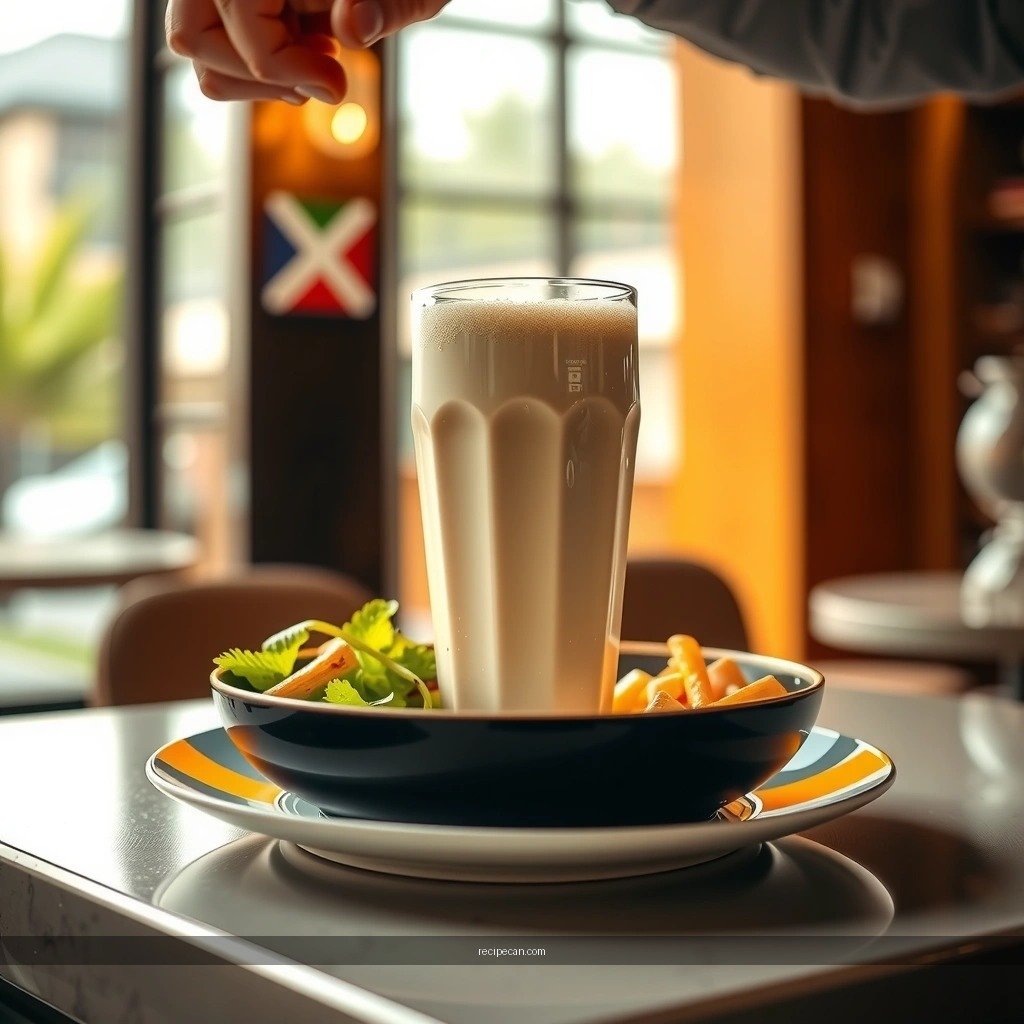
Even the best protein milkshake recipe can turn disappointing if it’s not blended correctly. A smooth, thick shake depends on order of operations, not just ingredients.
Use this blending sequence to prevent lumps:
1. Blend base + liquid first (e.g., milk + Greek yogurt + water if needed).
2. Add flavor ingredients (cocoa, cinnamon, vanilla).
3. Add ice or frozen fruit next to thicken without thinning.
4. Add protein powder last, then blend again.
How long to blend:
– Blend 30–60 seconds until fully smooth and creamy. If your blender is less powerful, do shorter pulses, scraping down once, then blend again.
Thickness control (fast troubleshooting):
– Too thick? Add 1–2 tablespoons of milk at a time.
– Too thin? Add ice or frozen fruit—don’t be afraid to go heavier with ice to reach milkshake texture.
Quality check:
– Pour into a glass and look for visible granules. If you see any, blend for an additional 10–15 seconds.
Optional Boosters and Toppings
Optional add-ins let you customize the shake for digestion, training recovery, or “dessert satisfaction” without making it complicated.Boosters that raise nutrition and sometimes protein:
– Chia seeds or hemp hearts: Add fiber and healthy fats; they also help thicken slightly.
– Oats: Increase body and can improve sustained energy. Use rolled oats (or blend them longer).
– Extra whey (if you still need more protein): Useful when your base is already thick and you want to push protein higher.
Toppings that make it feel like a treat:
– A yogurt swirl on top
– Berries for color and flavor
– Crushed nuts or granola in small amounts for crunch (note: these add calories, so portion accordingly)
Training timing note:
– For post-workout, consider a shake that’s easy to digest (whey + milk + banana/berries often performs well).
– For meal support, you can lean heavier on yogurt, oats, chia, and nut butter for better satiety.
Make It Your Own (Diet & Goal Options)
The best high protein milkshake recipe is the one you’ll repeat. That means it must adapt to dietary needs and training goals without requiring a whole new process every time.
Bulking vs. cutting adjustments
– Bulking: Use more calorie-dense components like regular Greek yogurt, nut butter, or oats; consider 2 scoops if protein needs are high.
– Cutting: Choose low-fat or skim milk, low-fat Greek yogurt, and keep nut butter/oats portions controlled. You’ll still get plenty of protein from the powder.
Lactose-free option
– Use lactose-free milk or lactose-free yogurt.
– Pair with a protein powder that matches your tolerance (many people find whey-based lactose-free formulas easier on digestion).
– Choose unsweetened plant milk (soy milk usually provides more protein than most alternatives).
– Use a plant-based protein powder that mixes well (blends vary widely; a higher-quality powder often tastes less chalky).
A simple scaling strategy
– Keep your flavor base consistent (vanilla/cocoa/cinnamon + berries).
– Scale only two variables: base thickness (yogurt amount) and protein powder (scoop count). This keeps the shake stable while you fine-tune macros.
This high protein milkshake recipe is an easy, flexible way to increase protein quickly while keeping the shake creamy and satisfying. Start with a strong protein-rich base (Greek yogurt, kefir, or lactose-free milk), add protein powder to reach your target, and lock in milkshake texture with frozen ingredients and the right blending order. Try it today, adjust scoop size for your exact goals, and keep your favorite flavor profile consistent so sticking to protein becomes effortless.
References
- Google Scholar Google Scholar
https://scholar.google.com/scholar?q=high+protein+milkshake+recipe - Google Scholar Google Scholar
https://scholar.google.com/scholar?q=whey+protein+milkshake+nutrition - Google Scholar Google Scholar
https://scholar.google.com/scholar?q=protein+shake+resistance+training+randomized+trial - Milkshake
https://en.wikipedia.org/wiki/Milkshake - Solid foods: How to get your baby started – Mayo Clinic
https://www.mayoclinic.org/healthy-lifestyle/nutrition-and-healthy-eating/in-depth/protein/art-20046200 - https://ods.od.nih.gov/factsheets/Protein-HealthProfessional/
https://ods.od.nih.gov/factsheets/Protein-HealthProfessional/ - https://www.myplate.gov/eat-healthy/protein-protein-foods
https://www.myplate.gov/eat-healthy/protein-protein-foods - Protein | Definition, Structure, & Classification | Britannica
https://www.britannica.com/science/protein - https://www.who.int/publications/i/item/9241205435
https://www.who.int/publications/i/item/9241205435 - https://pubmed.ncbi.nlm.nih.gov/?term=whey+protein+supplementation+muscle+mass
https://pubmed.ncbi.nlm.nih.gov/?term=whey+protein+supplementation+muscle+mass